Traffic Police to Decongest Roads in Nagpur’s Bustling Markets Amid Diwali Festivities

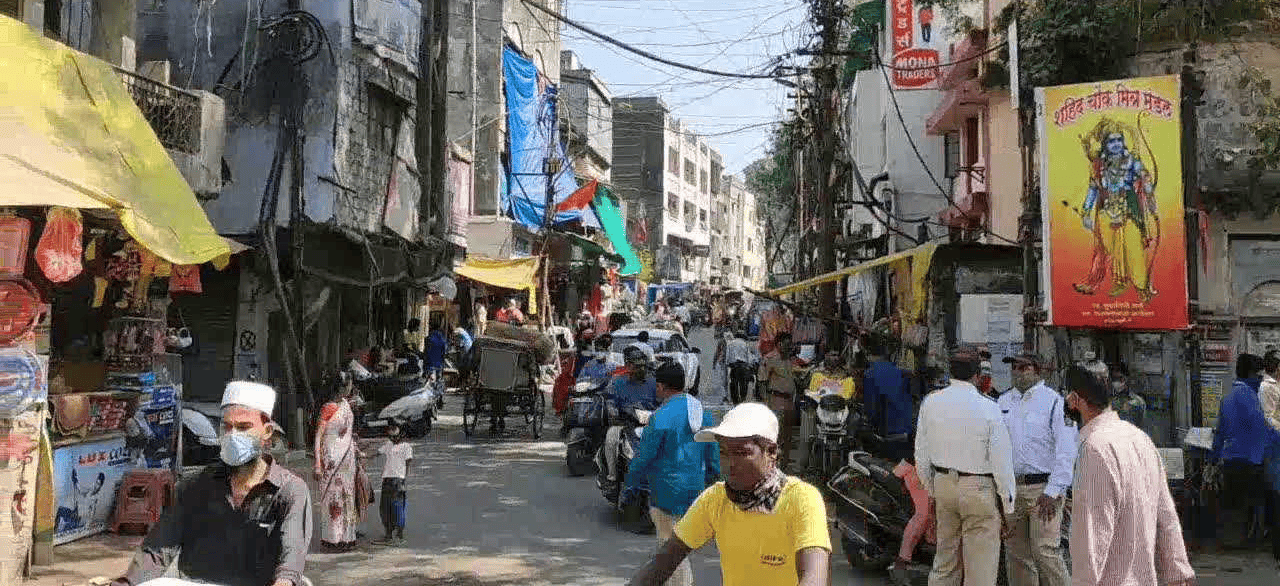
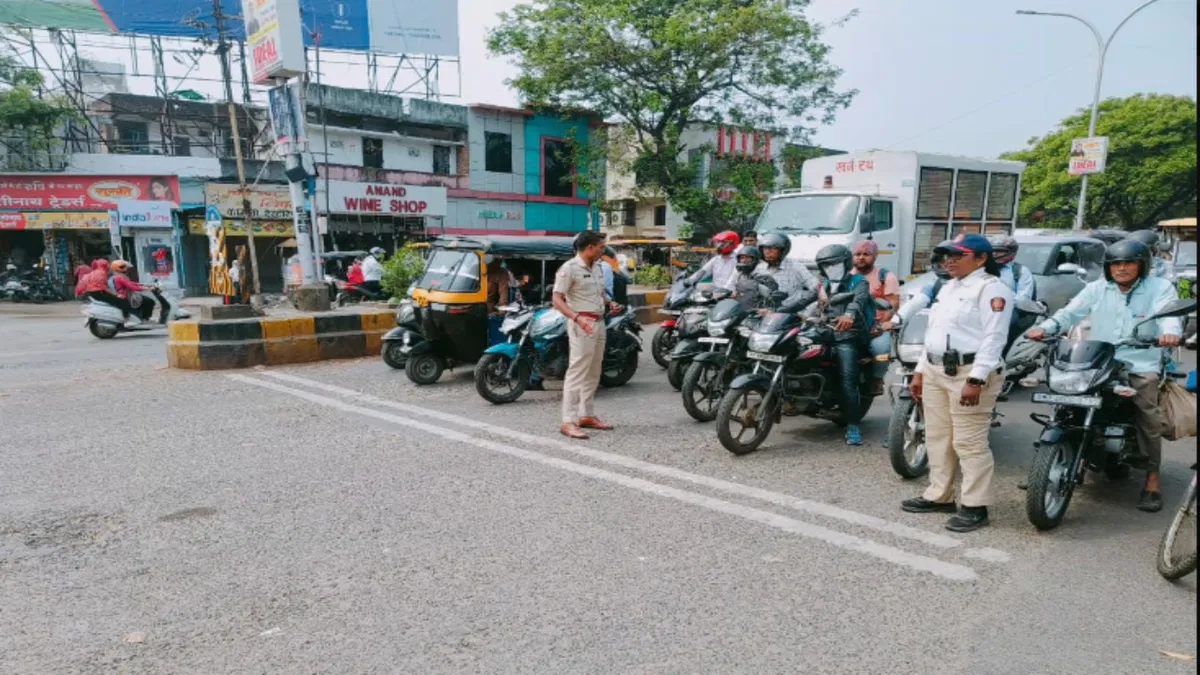
Itwari Market: The bustling streets of Nagpur’s markets are a sight to behold during the festive season. With Diwali just around the corner, popular marketplaces like Itwari, Sitabuldi, and Mahal are bursting at the seams with shoppers, creating significant traffic congestion. As citizens gear up for the celebrations, the traffic police department, led by DCP Archit Chandak, has stepped in to decongest these areas.

In this article, we will explore the measures taken by the traffic police to manage the surge in shoppers, alleviate traffic jams, and ensure a smoother experience for citizens and visitors alike.


What Led to the Traffic Congestion?

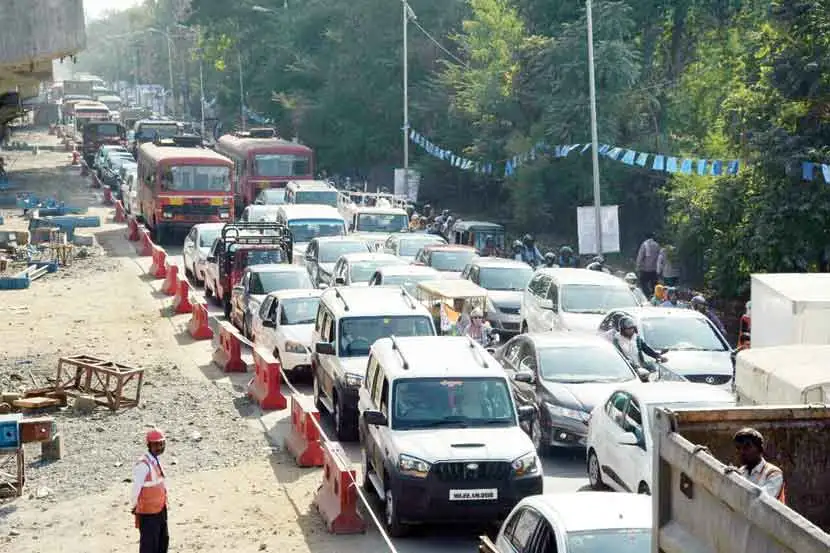
As the Diwali shopping rush intensifies, roads near major markets in Nagpur are becoming heavily congested. Thousands of shoppers from the city and surrounding regions are flooding into these markets, leading to overcrowding and significant traffic issues. Itwari Market, in particular, is seeing record numbers of people, with shoppers parking their vehicles along the narrow streets, exacerbating the situation.

Measures Taken by the Traffic Police

To tackle the problem, DCP Archit Chandak held a meeting with local traders on Monday and devised a comprehensive traffic management plan. The primary goal is to decongest market areas during peak shopping hours, which span from October 22 to November 5, between 11 AM and 11 PM daily.

Banning Autos and Cars on Key Roads

As part of the initiative, the traffic police have issued a notification banning autos and cars on some of the most congested roads in Itwari. These roads will now be reserved for two-wheelers, pedestrians, and cyclists.

One-Way and Two-Way Traffic Routes

To further streamline traffic flow, several routes will be restricted to one-way traffic only for two-wheelers. These include:

  • Sona Restaurant Square to Gandhibagh Square
  • Nangaputla Square to Tanga Stand Square
  • Shahid Square to Teen-nal Square

Additionally, autos and cars will be completely banned from two-way traffic on several major routes, such as:

  • Shaheed Square to Gandhi Putla Square
  • Teen-nal Square to Nangaputla Square

These changes aim to reduce bottlenecks, allowing smoother passage for pedestrians and cyclists while ensuring that two-wheelers can move efficiently through the markets.

Additional Personnel and Barricades for Enforcement

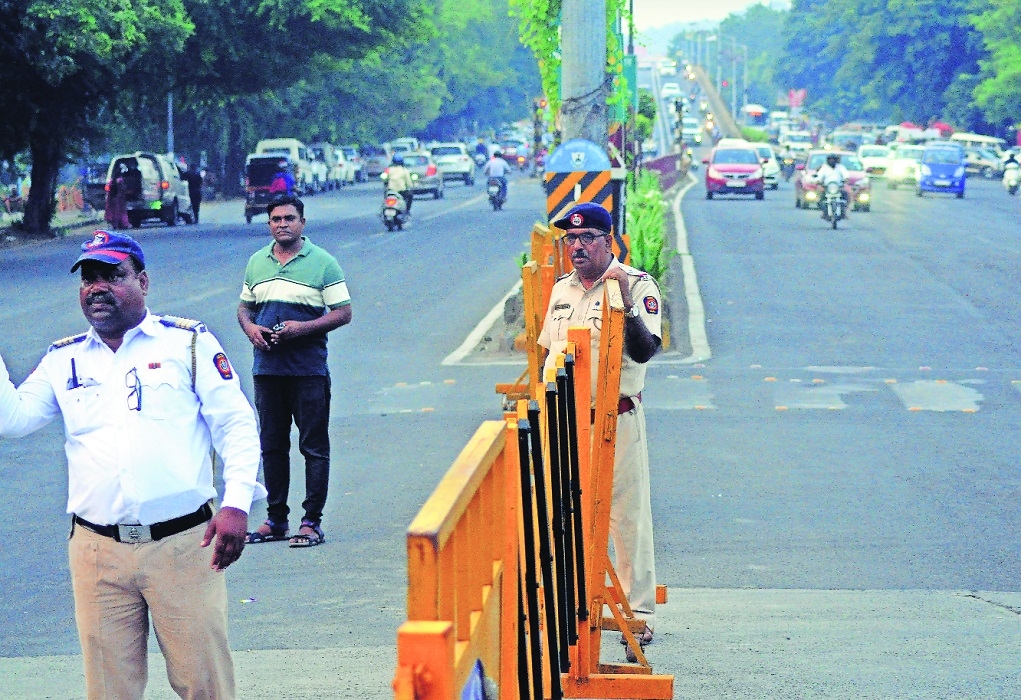
Ensuring that these new measures are followed requires careful planning and manpower. The Cotton Market traffic zone will see an increase in personnel, with an additional 15 officers assigned to oversee the implementation of traffic rules. Barricades will be set up at key junctions within the Itwari market, where two officers will be deployed at each location to manage traffic flow and enforce the new restrictions.

Adjustments for Rickshaws and Two-Wheelers

Cycle rickshaws and two-wheelers are a common mode of transport in Nagpur, especially for short trips. The traffic department has made special arrangements for them, adjusting their routes to avoid heavily congested areas. Rickshaws heading to Maskasath Square from Shahid Square will need to follow a specific route via Bharat Mata Chowk or Tanga Stand Chowk. Similarly, two-wheelers traveling from Tinnal Chowk to Shaheed Chowk will be diverted via Bharat Mata Chowk.

Stocking Timelines for Traders

The entry of four-wheelers and transport vehicles has been completely restricted during market hours. To ensure businesses are not disrupted, traders have been advised to stock their shops between 11 PM and 8 AM, when traffic is at its lowest. This adjustment is designed to prevent delivery trucks from adding to the already congested roads during peak shopping hours.

Parking Regulations

Parking in Nagpur’s markets can often be a chaotic affair. To alleviate this, one-side parking will now be allowed from Central Avenue to Gandhibagh Garden. Shopkeepers have been urged to use two-wheelers instead of cars when traveling to and from their shops. Additionally, citizens are encouraged to use public transport to reduce the overall number of vehicles in the area.

Upcoming Measures for Sitabuldi Market

While the current focus is on the Itwari Market, the traffic police have indicated that similar measures will soon be applied to the Sitabuldi market. Another notification is expected to be issued shortly, targeting congestion in this busy shopping district.

Encouraging Public Transport and Responsible Parking

In an effort to further reduce congestion, the traffic department is encouraging citizens to opt for public transport or two-wheelers when visiting the markets. DCP Chandak has also emphasized the importance of responsible parking. He urged motorists to avoid parking their vehicles haphazardly, as this only worsens the situation for everyone.

The Importance of Implementing These Measures

Managing traffic in crowded marketplaces is no small feat, especially during a major festival like Diwali. These efforts by the traffic police are critical for ensuring that both shoppers and vendors can navigate the area safely and efficiently. By making strategic adjustments to traffic routes and limiting vehicle access, Nagpur’s markets can continue to thrive without succumbing to gridlock.

Looking Ahead: The Future of Traffic Management During Festivals

As Nagpur continues to grow and attract more visitors, managing traffic during festive seasons will become even more important. While the measures implemented this year are temporary, they offer valuable insights into how the city can improve its infrastructure and traffic management in the long term. By investing in better public transport, encouraging non-motorized transport, and promoting responsible driving habits, Nagpur can create a more sustainable and accessible environment for everyone.

With Diwali just a few days away, Nagpur’s markets are bustling with energy. However, this influx of shoppers also brings significant traffic challenges. Thanks to the swift action taken by the traffic police, measures are being put in place to decongest roads, ensure smoother traffic flow, and make the shopping experience more pleasant for everyone. As we look ahead to the future, it’s clear that strategic traffic management will play an increasingly vital role in maintaining the city’s vibrancy during festive seasons.

https://twitter.com/trafficngp/status/1848366700988690738

‘No Right Turn’ Returns on Wardha Road from Monday: Traffic Update for Nagpur Motorists

Nagpur’s busy Wardha Road will soon see the return of the ‘No Right Turn’ measure during peak hours, as per the latest notification issued by the Traffic Department. This traffic regulation aims to manage the congestion experienced during the evening rush. If you’re a Nagpur commuter, you’ll want to take note of these changes to avoid getting caught in traffic jams.


What’s the New Traffic Rule on Wardha Road?

The Traffic Department has reinstated the rule that prohibits right turns on Wardha Road during peak hours—specifically between 6:30 PM and 8:30 PM from Monday to Saturday. This decision, announced by Deputy Commissioner of Police (Traffic) Archit Chandak, will remain in place until further notice.


The Initial Trial Run

Between September 23 and 28, the department conducted a trial run to stop right turns and U-turns at key junctions, such as Rahate Square and Kriplani Square. The goal? To ease traffic congestion on one of Nagpur’s busiest roads. The results were promising, with several motorists reporting reduced travel times, especially on the stretch from Morris College T-point to Ajni Square via the Gowari Flyover. What used to take 25 minutes was reduced to just 6 minutes.


The Benefits of the ‘No Right Turn’ Rule

1. Reduced Travel Times

One of the most praised outcomes of the trial was the drastic reduction in travel times. Motorists commuting between major points on Wardha Road noticed significant time savings, making daily commutes much more manageable.

2. Smoother Flow of Traffic

The trial run led to smoother traffic flow on the main road. By stopping right turns, the traffic department effectively reduced vehicle buildup at crucial intersections, allowing for more streamlined movement.


The Downsides: Congestion on Internal Roads

While the measure succeeded on the main road, some internal roads, particularly in Dhantoli and Ramdaspeth, began experiencing congestion. With fewer turn options on Wardha Road, motorists started using these smaller roads as detours, causing traffic backups in otherwise quiet neighborhoods.


Smart City Data Insights

According to Smart City Data Analysis, 80% to 90% of motorists during the 6:30 PM to 8:30 PM period travel towards Ajni Square. The analysis suggests that the trial helped these drivers considerably, which is why the department decided to continue with the ‘No Right Turn’ rule.


New Traffic Rules Explained

1. No Right Turns at Rahate Colony and Kriplani Square

Motorists will no longer be able to make right turns or U-turns at Rahate Colony Square and Kriplani Square during peak hours.

2. Alternative Routes for Motorists

Drivers coming from Deekshabhoomi Road towards Ajni Railway Station will need to take a U-turn at Lokmat Square. Similarly, motorists wanting to cross Wardha Road from Kriplani Square for Deekshabhoomi will need to make a U-turn at the divider in front of Central Jail or Ajni Square.


Why Are These Measures Necessary?

Wardha Road is one of the busiest roads in Nagpur, especially during peak hours. The volume of vehicles often leads to significant delays, particularly at junctions where right turns are common. The reintroduction of the ‘No Right Turn’ measure is designed to alleviate some of this congestion and improve traffic flow on the main road.


How This Impacts You as a Motorist

If you frequently travel on Wardha Road, you’ll need to plan your route carefully during the designated hours. The changes are meant to help ease traffic on the main road but may require you to take longer routes to your destination. While this may seem inconvenient, the overall time saved on your commute could be worth the detour.


How Long Will These Measures Last?

As of now, there’s no set end date for this rule. The Traffic Department will continue monitoring the situation and may make adjustments based on how well the measures reduce congestion. For now, it’s best to assume that this rule will be in place for the foreseeable future.


What Can Be Done to Improve the Situation?

The department has acknowledged the congestion on internal roads and may explore solutions to mitigate the traffic buildup in areas like Dhantoli and Ramdaspeth. As traffic patterns continue to evolve, further adjustments may be made to balance the flow between main and internal roads.

The ‘No Right Turn’ rule on Wardha Road is a step towards better managing the city’s growing traffic issues. While it has its drawbacks, particularly for those living near internal roads, the benefits of smoother traffic flow on the main road are clear. Whether you’re a daily commuter or an occasional traveler on Wardha Road, adapting to these changes will help you navigate through the city with greater ease.


Frequently Asked Questions (FAQs)

  1. Why has the ‘No Right Turn’ rule been reinstated?
    • The rule aims to ease traffic congestion on Wardha Road during peak hours by restricting right turns at busy intersections.
  2. What are the peak hours for this rule?
    • The rule is in effect from 6:30 PM to 8:30 PM, Monday through Saturday.
  3. How long will this rule be in place?
    • The rule will remain in place until further notice, though the Traffic Department will monitor its effectiveness.
  4. What should I do if I need to make a right turn on Wardha Road?
    • You’ll need to take a U-turn at designated points, such as Lokmat Square or Ajni Square.
  5. Is there any alternative to avoid traffic on Wardha Road?
    • It’s recommended to use internal roads cautiously or plan your trip outside the peak hours to avoid congestion.

Nagpur Traffic Police Crack Down on 548 Signal Jumpers in a Single Day: Record-Breaking Action in the Last Two Years

A Record-Breaking Day in Nagpur Traffic Enforcement

In an unprecedented move aimed at enhancing road safety, the Nagpur Traffic Police carried out their most significant traffic enforcement operation on October 17. A total of 548 motorists were penalized for signal jumping, marking a record-breaking number of violations in a single day over the last two years. This massive operation is part of a broader initiative to curb traffic offenses and ensure safety on the roads.

The Importance of Traffic Discipline

Why does traffic discipline matter? It’s simple—reckless driving, including jumping red lights, leads to accidents, injuries, and in worst cases, fatalities. When drivers respect traffic signals, they help create a safer, more organized environment for everyone on the road. Unfortunately, many motorists disregard these rules, leading to an increase in violations and, ultimately, tragedies.

October 17: A Day to Remember

On this specific day, the Nagpur Traffic Police took unprecedented action by cracking down on signal jumpers. With 548 motorists being penalized, it became the highest number recorded in two years. This operation also saw 6,440 other traffic violations, pushing the total number of offenders to a staggering 6,988.

Massive Penalties Imposed

The financial aspect of this crackdown cannot be overlooked. With fines totaling Rs 71.22 lakh, this initiative represents one of the most significant financial penalties imposed on traffic violators in recent memory. It’s a strong message to all motorists—traffic laws must be followed, or hefty fines will be enforced.

A Step Towards Safer Roads

This large-scale operation was just the beginning. Traffic officials have stated that they are gearing up for more targeted initiatives to reduce traffic violations across the city. By focusing on signal jumping and other reckless behaviors, the Nagpur Traffic Police are setting the stage for safer, more disciplined driving practices.

Breaking Down the Numbers: How Serious Is the Issue?

Record High of Signal Jumpers

  • 548 cases of signal jumping in a single day.
  • This is the highest number recorded in the last two years, signaling a serious issue in traffic discipline.

Other Traffic Violations

  • In addition to signal jumping, 6,440 other violations were reported, ranging from speeding to seatbelt violations.

Total Penalties

  • The crackdown resulted in penalties amounting to Rs 71.22 lakh.
  • This hefty sum illustrates the severity of traffic rule violations and the government’s commitment to tackling the issue.

Why Signal Jumping Is a Major Concern

What Is Signal Jumping?

Signal jumping occurs when a vehicle crosses a traffic signal after it turns red. This act not only endangers the life of the driver but also puts pedestrians and other vehicles at risk.

Consequences of Signal Jumping

  • Accidents: Signal jumpers often cause serious accidents due to reckless behavior.
  • Injuries: Pedestrians and fellow motorists are at risk of injury due to such violations.
  • Delays in Traffic Flow: Disobeying traffic lights causes confusion and leads to traffic jams, slowing down city movement.

How the Nagpur Traffic Police Are Tackling Violations

Strict Law Enforcement

Nagpur Traffic Police are leaving no stone unturned. By using both manual surveillance and advanced technology, they are ensuring that violators are penalized.

Traffic Cameras to the Rescue

CCTV cameras across major junctions are helping traffic authorities capture violations in real-time. This footage is used to identify and fine motorists who break traffic laws.

Public Awareness Campaigns

In addition to enforcing traffic rules, the Nagpur Traffic Police have also initiated awareness campaigns. These campaigns educate the public about the dangers of signal jumping and other traffic violations.

Engaging the Youth

Since younger drivers are often the ones involved in reckless driving, special efforts are being made to target college students and new drivers. Workshops, seminars, and social media campaigns aim to foster better driving habits among the youth.

The Role of Technology in Traffic Management

Real-Time Monitoring

With the use of real-time traffic monitoring systems, violations are detected immediately, allowing for prompt action.

Automatic Fines

In some cases, fines are issued automatically through the integration of technology with license plate recognition systems.

Future Plans of the Nagpur Traffic Police

More Frequent Crackdowns

Officials have confirmed that similar operations will be held more frequently to ensure that traffic violators are consistently penalized.

Introduction of Smart Traffic Signals

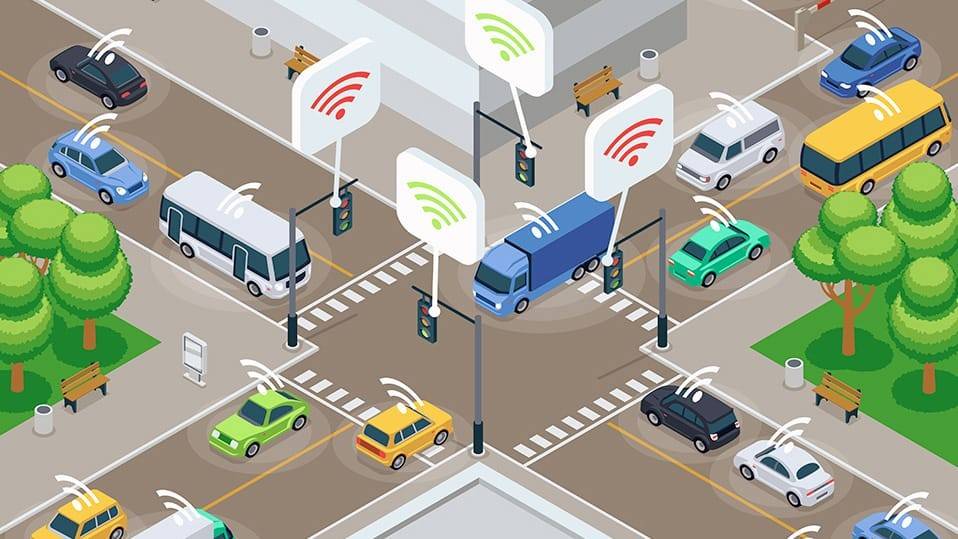
The introduction of smart traffic signals that automatically adjust based on traffic flow could also help reduce congestion and make it easier to monitor violators.

What This Means for Nagpur’s Road Safety

A Message to Motorists

This crackdown serves as a reminder to all drivers that traffic rules are not optional. The Nagpur Traffic Police are committed to ensuring that violators are held accountable, which will, in turn, make the city’s roads safer for everyone.

The Road Ahead

As we look forward, it’s clear that the Nagpur Traffic Police will continue to play a pivotal role in maintaining traffic discipline. Their actions on October 17 are just the start of what promises to be a series of initiatives aimed at improving road safety in the city.

Driving Towards a Safer Future

The recent crackdown by the Nagpur Traffic Police was a wake-up call for motorists who regularly flout traffic rules. With fines totaling Rs 71.22 lakh and thousands of violations recorded, it’s clear that Nagpur is moving towards stricter enforcement of road safety. However, the true success of this initiative will be reflected in a long-term reduction in traffic offenses and a corresponding increase in road safety. It’s time for all drivers to take responsibility for their actions and commit to safer driving practices.

1. Why did the Nagpur Traffic Police crack down on signal jumpers?

The crackdown was part of a larger initiative to improve road safety by targeting motorists who disobey traffic signals.

2. What penalties did the violators face?

On October 17 alone, violators were fined a total of Rs 71.22 lakh for various traffic offenses, including signal jumping.

3. How many violations were recorded during the operation?

A total of 6,988 violations were recorded, with 548 specifically for signal jumping.

4. What is the role of technology in this crackdown?

Technology such as CCTV cameras and real-time traffic monitoring played a crucial role in identifying violators.

5. Will the Nagpur Traffic Police conduct more operations like this in the future?

Yes, officials have stated that this crackdown is just the beginning, and more operations will be held to ensure traffic discipline in the city.

Nagpur Traffic Department Conducts Largest Crackdown on Violations in Two Years

On October 8, 2024, Nagpur witnessed one of the most significant traffic enforcement operations in recent memory. The Nagpur Traffic Department launched a city-wide crackdown, targeting traffic rule violators under the jurisdiction of the Nagpur City Police Commissionerate. This campaign, the largest of its kind in two years, aimed at promoting road safety and ensuring strict compliance with the Motor Vehicles Act. It resulted in over 6,353 penalties and fines amounting to Rs. 63,86,350.

With the growing concerns around traffic violations, such initiatives are critical in controlling the chaos on the roads. In this article, we will dive deep into the reasons behind the crackdown, the results, and what this means for the people of Nagpur moving forward.

What Prompted This Large-Scale Crackdown?

The Nagpur Traffic Department has been increasingly concerned with rising traffic violations. In recent months, violations such as riding without helmets, jumping red lights, and overloading vehicles have become rampant. Authorities observed an increase in accidents, many of which were preventable, leading them to take swift and decisive action.

By launching this large-scale campaign, the department aimed to make the streets safer for both drivers and pedestrians.

Key Violations Targeted

During the operation, the following violations were specifically targeted:

1. Riding Without a Helmet

  • Cases Filed: 4,599
  • Helmets are essential for motorcyclists’ safety. Yet, the campaign revealed widespread non-compliance, with thousands of cases involving helmetless riders.

2. Driving on the Wrong Side

  • Cases Filed: 51
  • Driving on the wrong side of the road is a serious traffic offense that endangers lives. This operation highlighted the persistence of this dangerous habit among certain motorists.

3. Triple-Seat Riding on Two-Wheelers

  • Cases Filed: 163
  • Two-wheelers are designed for two passengers, but many riders were found breaking this rule by carrying an extra person, leading to heightened risks.

4. Jumping Traffic Signals

  • Cases Filed: 158
  • Ignoring traffic signals can cause severe accidents. The crackdown aimed to curb this rampant behavior in the city.

5. Not Wearing a Seatbelt

  • Cases Filed: 96
  • Seatbelts save lives. Yet, the authorities recorded numerous cases of passengers failing to buckle up, especially in the back seats.

6. Use of Black Film on Vehicle Windows

  • Cases Filed: 34
  • The use of tinted windows beyond the legal limit has been a problem in Nagpur, prompting the police to take action.

7. Failure to Carry Valid Documents

  • Cases Filed: 71
  • Many motorists were found driving without necessary documents such as licenses, insurance, or pollution certificates.

8. Overloading Vehicles with Passengers

  • Cases Filed: 82
  • Overloading vehicles, especially in commercial vehicles, is a safety hazard. It increases the risk of accidents and damages the vehicle.

9. Disobeying Traffic Police Instructions

  • Cases Filed: 80
  • Ignoring traffic police directives is both illegal and dangerous. It disrupts traffic flow and can result in collisions.

10. Entering No-Entry Zones

  • Cases Filed: 42
  • No-entry zones are designated to maintain smooth traffic flow. Violators entering these areas put everyone at risk.

11. Driving Without a Valid License

  • Cases Filed: 24
  • Driving without a valid license is a serious offense. The crackdown discovered numerous unlicensed drivers on Nagpur roads.

12. Not Stopping at Stop Lines

  • Cases Filed: 46
  • Stop lines ensure road safety at intersections. However, many motorists were penalized for not adhering to this fundamental rule.

13. Dangerous Parking on Public Roads

  • Cases Filed: 460
  • Improper parking creates traffic congestion and increases the likelihood of accidents. The crackdown addressed this growing problem.

14. Other Traffic Violations

  • Cases Filed: 447
  • Other violations, ranging from honking in silence zones to using mobile phones while driving, were also targeted during this campaign.

Total Penalties and Fines

The operation resulted in 6,353 offenders being penalized. Fines totaling Rs. 63,86,350 were imposed on violators. This massive enforcement campaign was a wake-up call for many motorists, reminding them of the importance of adhering to traffic rules.

The Road Ahead: Ongoing Efforts for Road Safety

The Nagpur Traffic Department emphasized that this crackdown was only the beginning. Authorities have promised that similar operations will be conducted regularly to maintain law and order on the roads. By targeting violators and promoting compliance with traffic laws, the department aims to reduce accidents and create a safer environment for everyone.

Educational Campaigns and Public Awareness

In addition to enforcement, the department is also focusing on public awareness campaigns. Educating drivers and pedestrians about the importance of following traffic rules is crucial for long-term change. Through these efforts, the department hopes to instill a sense of responsibility among road users.

The Nagpur Traffic Department’s largest crackdown in two years serves as a strong reminder that traffic laws are not optional. The hefty fines and strict enforcement are aimed at promoting safer roads and protecting lives. As this drive continues, it’s essential for all citizens to comply with traffic regulations and contribute to a safer driving environment.

1. What was the purpose of the recent Nagpur traffic crackdown?

The crackdown aimed to penalize traffic violators, enforce road safety regulations, and promote adherence to the Motor Vehicles Act.

2. How many violators were penalized during the campaign?

A total of 6,353 offenders were penalized during the operation, with fines amounting to Rs. 63,86,350.

3. What were the most common traffic violations recorded?

The most common violations included riding without a helmet, jumping traffic signals, dangerous parking, and overloading vehicles with passengers.

4. Will there be more such crackdowns in the future?

Yes, the Nagpur Traffic Department has announced plans for similar drives to ensure continued compliance with traffic rules.

5. How can I avoid traffic fines in Nagpur?

Follow basic traffic rules: always wear a helmet or seatbelt, obey traffic signals, carry valid documents, and drive responsibly.

New Flyover Eases Traffic at Key Spots, but LIC to Samvidhan Square Still Congested

The recently inaugurated 5.4 km double-decker flyover on Kamptee Road has significantly reduced traffic congestion in critical areas of the city. However, not everything is smooth sailing. While locations such as LIC Square, Teka Naka, Indora Chowk, Kadbi Chowk, and Gaddigodam have seen noticeable improvements, the stretch between LIC Square and Samvidhan Square is facing new challenges.

A Significant Improvement at Key Junctions

The opening of this flyover, inaugurated by Union Transport Minister Nitin Gadkari on October 5, was a much-needed infrastructure development for the bustling city. The aim was to streamline traffic flow and ease bottlenecks in some of the most congested parts of the city.

Traffic Flow Before the Flyover

Before the flyover, navigating Kamptee Road was nothing short of a nightmare, particularly during peak hours or VIP movements. The sheer volume of vehicles led to severe traffic jams, resulting in long wait times at junctions like Teka Naka and Gaddigodam. Local shopkeepers, like Chandu Mandle from Teka Naka, often witnessed frustrated drivers stuck in queues.

Immediate Results After the Flyover Opening

Two days after its inauguration, traffic constables stationed at Automotive Square noted an immediate improvement. Constables Pankaj Padgilwar and Rajendra Nandurkar confirmed that managing traffic had become much easier. “Earlier, managing the heavy flow of vehicles was quite a challenge, especially during VIP movements,” said Padgilwar. With the new flyover, congestion has noticeably reduced at major junctions.

Key Spots Witnessing Smoother Traffic

  • LIC Square: Long notorious for traffic snarls, the square has seen much smoother traffic flow.
  • Teka Naka: Local shop owners have reported a drastic reduction in traffic congestion.
  • Kadbi Chowk & Indora Chowk: These busy intersections are now more navigable.
  • Gaddigodam: One of the key benefits of the flyover is the reduction in traffic here.

While the benefits are evident in these areas, the same cannot be said for all stretches of the road.

Congestion Between LIC Square and Samvidhan Square

Unfortunately, despite the improvements, a new bottleneck has emerged between LIC Square and Samvidhan Square. As vehicles descend from the newly constructed Sadar Y-shaped flyover near Kasturchand Park metro station, the flow of traffic becomes chaotic. This poorly designed landing forces vehicles to wait on the flyover, contributing to congestion that spills into LIC Square.

Sadar Flyover and Its Role in Congestion

The Sadar flyover, meant to alleviate traffic from one part of the city, has inadvertently caused more issues in another. As vehicles leave the flyover, they are met with a road network unable to handle the increased traffic load. Kasturchand Park, which should act as a key transit point, instead adds to the problem.

Challenges in Managing LIC Square Traffic

To cope with the rising chaos, traffic police have resorted to manually managing traffic at LIC Square. This ad-hoc solution aims to prevent queues from spilling into the critical Samvidhan Square junction.

Traffic Signal Adjustments at RBI Square

Further efforts to mitigate the situation have been made at RBI Square, where the traffic signal has been adjusted to a two-minute cycle. One minute is now dedicated to clearing vehicles heading towards LIC Square. Even with these adjustments, traffic remains a pressing issue.

Predictions by Road Safety NGO Jan Aakrosh

The road safety NGO Jan Aakrosh had anticipated these problems. In a study conducted before the flyover’s opening, they predicted severe traffic jams would occur between RBI Square and the junction where Kamptee Road meets the Koradi flyover.

A Study Foreseeing Traffic Bottlenecks

The study highlighted that the poor design of the Sadar flyover landing, combined with the re-routing of vehicles through Residency Road, would likely worsen congestion. This prediction, unfortunately, has come to pass. The 40-meter stretch between LIC Square and Samvidhan Square is struggling to handle the additional traffic load.

Poor Planning Worsens the Situation

Traffic flow on this stretch suffers whenever the traffic signal for vehicles heading towards Wardha Road turns red. The convergence of vehicles from multiple routes at Kasturchand Park adds to the confusion, and drivers are now facing longer wait times than ever before.

The Impact of Rerouting on Residency Road

One of the primary culprits is the partial closure of Kamptee Road between RBI Square and LIC Square, which was necessitated by construction issues on the Sadar flyover. This closure has rerouted vehicles through already congested areas, leading to chaos.

Solutions for the Future

While the double-decker flyover has brought much-needed relief to some parts of the city, addressing the new issues between LIC Square and Samvidhan Square is vital for overall success.

Better Traffic Management

Efforts should be made to improve the landing design of the Sadar flyover and to relieve pressure on the stretch between Kasturchand Park and Samvidhan Square. Additional lanes, improved traffic signals, and possibly a secondary flyover may be required.

Public Transportation and Alternative Routes

Investing in public transportation and encouraging the use of alternate routes may also alleviate some of the traffic burden. Relying solely on flyovers will not be enough in the long term.

Enhanced Coordination with Traffic Police

Finally, greater collaboration between city planners and traffic police is essential to ensure that future infrastructure projects are designed with traffic flow in mind.

The new 5.4 km double-decker flyover has proven its worth in easing traffic congestion at several critical junctions along Kamptee Road. However, the poorly planned landing of the Sadar flyover and the surge in traffic between LIC Square and Samvidhan Square have created new problems that need to be urgently addressed. Only with proper planning and a proactive approach can the city avoid turning these gains into a long-term headache.

1. What is the length of the new flyover on Kamptee Road?
The newly opened flyover stretches 5.4 km, offering a double-decker solution to alleviate traffic congestion in the city.

2. Why is the stretch between LIC Square and Samvidhan Square still congested?
The congestion in this area is due to the poorly designed landing of the Sadar Y-shaped flyover and the inability of the road network to handle the increased traffic volume.

3. How has the new flyover improved traffic flow in other areas?
Traffic has significantly improved in areas such as LIC Square, Teka Naka, Indora Chowk, Kadbi Chowk, and Gaddigodam, reducing congestion.

4. What measures are being taken to manage traffic at LIC Square?
Traffic police are manually managing traffic at LIC Square, and traffic signals at RBI Square have been adjusted to alleviate congestion.

5. What future solutions could solve the traffic issues in this area?
Potential solutions include redesigning the Sadar flyover landing, improving traffic management at Kasturchand Park, and investing in public transportation options.

Nagpur Traffic Department Introduces On-Street Parking to Ease Congestion

Nagpur Traffic: In an effort to tackle the ever-growing problem of traffic congestion and chaotic parking on Nagpur’s busy roads, the city’s Traffic Department has announced the implementation of on-street parking across 11 key locations. This new initiative is set to make a big impact on how traffic flows in these areas and promises to create a smoother experience for both drivers and pedestrians.

What’s the New Plan?

The Deputy Commissioner of Police (Traffic), Archit Chandak, recently rolled out a notification explaining the new on-street parking model. The plan includes specific zones for parallel parking to be tried out on an experimental basis. The ultimate goal is to make sure that vehicles are parked in a more orderly fashion, ensuring better movement of traffic and reduced congestion.

But how does it work? Let’s break it down.

Designated Parking Zones (Nagpur Traffic)

The plan details several key areas across the city where parallel parking will be allowed. Some roads will only permit parking on one side, while others will allow it on both. In a move to keep things organized, two-wheelers will have their own designated areas on certain stretches of road.

  • Orange City Square to RPTS Square: Parking is allowed on the left side of the road only.
  • Mangalmurti Square to London Street: Both sides of the road are open for parallel parking.
  • Shankar Nagar Square to Laxmibhavan Square: This stretch will be reserved strictly for two-wheelers.

Let’s look at more locations that will adopt this parking model.

Additional Routes for On-Street Parking (Nagpur Traffic)

The following routes will also accommodate parallel parking on both sides of the road:

  1. Manewada Road to Tukdoji Square
  2. Tukdoji Square to Rajkamal Square
  3. Medical Square to the Dead End
  4. Baidyanath Square to Ashok Square
  5. Bhande Plot Square to Jagnade Square
  6. Rani Durgavati Square to Marwadi Square
  7. Vaishnodevi Square to Prajapati Square
  8. Vaishnodevi Square to Shastri Nagar Square

These zones were chosen because of their heavy traffic and consistent parking issues. Implementing on-street parking here is expected to not only help drivers but also reduce the headache for pedestrians trying to navigate crowded sidewalks.

Why Is This Necessary?

Nagpur’s traffic has been getting more and more congested as the city continues to grow. With more people owning vehicles and the city’s infrastructure struggling to keep up, chaotic parking has become a major issue. Double parking, vehicles left on sidewalks, and blocked intersections are all too common on some of Nagpur’s busiest roads.

The on-street parking initiative hopes to bring some order to this chaos. By providing clear parking zones and enforcing rules, the city’s traffic department is taking a step towards smoother traffic flow and a more organized city.

A Positive Move for Traffic Flow (Nagpur Traffic)

Not only will this plan reduce the confusion of where to park, but it will also help traffic move more freely. Often, vehicles parked haphazardly on the road lead to jams that could have been avoided with better organization. With designated spots and rules, drivers will know exactly where they can leave their vehicles, and the chances of obstructing traffic will drop significantly.

Experimental Phase: Testing the Waters

It’s important to note that this plan is still in its experimental phase. The Traffic Department is keeping a close eye on how well these measures work and whether they bring the desired relief from traffic congestion. Feedback from the public will also play a crucial role in determining the future of this parking model.

Why an Experimental Approach?

Parking in a city like Nagpur comes with its own set of challenges. By rolling out this plan experimentally, the Traffic Department can monitor and adjust accordingly without causing major disruptions. If all goes well, the on-street parking model could be expanded to more areas.

Impact on Drivers and Businesses

The introduction of on-street parking is likely to have a significant impact on both drivers and local businesses. For drivers, finding a parking spot will be less of a guessing game, reducing the time spent circling around blocks. For local businesses, this initiative could mean more customers, as people will find it easier to park and access shops without worrying about fines or tows.

Will This Solve All Parking Problems?

While on-street parking is a step in the right direction, it’s not a silver bullet. The city still faces issues like a growing number of vehicles and limited road space. However, this plan can serve as a foundational improvement that could inspire further reforms in urban planning and traffic management.

What’s Next for Nagpur’s Traffic Department?

If the on-street parking model proves successful, we could see similar efforts in other parts of the city. More roads could adopt this system, and new policies might be introduced to further streamline parking and traffic flow.

The Traffic Department is also likely to work closely with other civic bodies to ensure that proper signage, road markings, and parking enforcements are in place. This collaboration will be key to making the experiment a success and turning it into a permanent solution.

Long-Term Benefits

Implementing well-organized parking can have lasting positive effects. Over time, we could see fewer traffic jams, safer streets for pedestrians, and a more pleasant driving experience. In the long term, better parking management might also encourage more people to use public transportation, further reducing the strain on the city’s roads.

The Nagpur Traffic Department’s move to introduce on-street parking is a smart, strategic step towards addressing the city’s traffic woes. Although the initiative is still in its experimental phase, it shows promise in bringing much-needed relief to some of Nagpur’s busiest roads. By organizing parking and managing traffic flow, the department aims to ease congestion and improve the overall driving and pedestrian experience in the city.

1. How will on-street parking benefit Nagpur’s traffic situation?
The on-street parking model is designed to reduce chaotic parking and ensure smoother traffic flow by providing designated zones for vehicles.

2. Is this on-street parking model permanent?
No, the model is currently being implemented on an experimental basis. Its long-term adoption will depend on its success during this trial phase.

3. Will parking be free in these designated zones?
The notification doesn’t specify whether there will be charges for parking. This could be determined as the experiment progresses.

4. Which vehicles are allowed in the on-street parking zones?
Most areas will accommodate all vehicles, but some stretches, like the one from Shankar Nagar Square to Laxmibhavan Square, are reserved for two-wheelers only.

5. What happens if the experiment is not successful?
If the trial doesn’t meet expectations, the Traffic Department may adjust the plan or discontinue it. Public feedback will be an essential part of this decision.

NMC Blueprint for Jam-Free Roads: AI to Manage Traffic and Spruced Up Public Transport

NMC Road Blueprint: Nagpur’s traffic congestion is a growing challenge, with more vehicles hitting the roads each year. However, the Nagpur Municipal Corporation (NMC) has laid out an ambitious plan to tackle this issue head-on. With a comprehensive approach involving AI-powered traffic management and an overhaul of public transport infrastructure, NMC is setting the stage for smoother, more efficient commutes. Here’s a detailed look at how Nagpur is transforming its roadways and public transport systems to ensure a jam-free city experience.

The Nagpur Municipal Corporation (NMC) is actively rolling out solutions to combat road congestion while improving the overall commuter experience. These measures include public transport enhancements, AI-based traffic management, and a holistic approach to infrastructure development. This article explores the comprehensive blueprint NMC has created to revolutionize city traffic management and transportation.

 Traffic Congestion in Nagpur: A Growing Concern

Nagpur’s strategic location, combined with its reputation for having some of the best educational and medical institutions in central India, has drawn large numbers of people from neighboring states like Madhya Pradesh and Chhattisgarh. This rapid population influx has also led to a significant increase in the number of vehicles on the road, creating heavy traffic, particularly during peak hours. The city’s road network covers over 3,500 km, of which NMC is responsible for 2,500 km.

 The Rising Vehicle Count

Increased vehicular traffic in Nagpur has led to long commutes, especially during the day. With limited road space, managing traffic efficiently has become crucial to avoiding gridlocks.

 Daytime Congestion: A Major Bottleneck

Most of the congestion is experienced during the daytime, exacerbating delays for commuters. The introduction of new traffic management technologies (NMC Road Blueprint) seeks to directly address this problem.

 The Role of AI in Traffic Management

One of the most innovative components of NMC’s traffic solution is the incorporation of Artificial Intelligence (AI)(NMC Road Blueprint). By employing AI to monitor and regulate traffic flow, NMC aims to significantly reduce delays, improve road safety, and optimize travel times.

 Intelligent and Integrated Traffic Management System (IITMS)

The Rs. 197 crore Intelligent and Integrated Traffic Management System (IITMS) is one of the flagship projects set to revolutionize traffic in Nagpur. This system, funded by the state government, is expected to cut down travel time by 28% to 48% and increase average traffic speed by up to 62%(NMC Road Blueprint).

 Key Features of IITMS

The IITMS will feature an adaptive traffic control system, which uses real-time data to adjust traffic signals. It also incorporates automatic violation detection, issuing e-challans for infractions such as speeding and running red lights.

 Collaboration with Key Officials

Collaboration between NMC, Union Minister Nitin Gadkari, and Deputy Chief Minister Devendra Fadnavis has played a pivotal role in executing this plan. These efforts are already yielding significant results in terms of infrastructure improvements.

 Enhancing City Infrastructure

In tandem with improving traffic management, NMC is working to revamp city infrastructure. This includes converting tar roads to cement-concrete surfaces, which are more durable and pothole-resistant. Additionally, NMC is intensifying its anti-encroachment efforts to ensure roadways are kept clear for both pedestrians and vehicles.

 Pothole-Free Roads

The civic body is prioritizing the repair of potholes across the city, addressing complaints in a timely manner to ensure a smoother ride for all.

 Road Encroachment Drives

To free up road space and improve pedestrian safety, NMC has launched anti-encroachment drives, which are essential for removing roadside obstructions.

 Revamping Public Transport with Aapli Bus

Another key pillar of NMC’s plan is enhancing public transportation. The Aapli Bus service, which operates over 400 buses across 100 routes, is the backbone of the city’s public transport system. In the coming years, NMC aims to expand this service, particularly with a focus on electric buses.

 Going Green with Electric Buses

The current Aapli Bus fleet includes 260 electric buses, with plans to introduce 400 air-conditioned e-buses. This expansion is supported by funding from both the central and state governments under schemes like the Pradhan Mantri e-bus scheme.

 Cleaner, Quieter Commutes

Electric buses not only reduce pollution but also provide a quieter and smoother commuting experience. NMC’s green initiative is crucial for fostering a sustainable future for the city.

 Seamless Commuting with Mobility App and Common Mobility Card

To make public transport more accessible and efficient, NMC is introducing a Mobility App and Common Mobility Card, integrating services of both Aapli Bus and the Metro Rail. This step will enable commuters to locate buses on different routes and pay for their trips seamlessly across both modes of transport.

 Strengthening Enforcement and Parking Management

NMC has revamped its enforcement department, establishing five central teams to ensure vigilance against roadside encroachments. Furthermore, the civic body has introduced designated hawkers’ zones and 60 on-street parking zones for two-wheelers and four-wheelers.

 Addressing Encroachments

Effective enforcement will ensure that roadways remain clear for use, balancing the needs of businesses and motorists alike.

 Streamlined Parking Solutions

By creating designated parking zones, NMC is making sure that roads remain free of parked vehicles, allowing for smoother traffic flow.

 Other Key Initiatives by NMC

Beyond traffic management and public transport, NMC provides essential urban services like water supply, waste management, sewerage, and land use planning. By working in coordination with various government agencies, the civic body ensures that all necessary services are delivered efficiently to Nagpur’s residents.

 Urban Service Coordination

The collaboration between NMC and government agencies such as NIT, MahaMetro, and MSRTC ensures that the city’s urban infrastructure is well-managed and sustainable.

 A Call for Citizen Participation

While NMC’s efforts are transformative, citizen cooperation is key to making these initiatives successful. By following civic rules, opting for public transport, and reducing the use of private vehicles, residents can contribute to reducing congestion and fostering a more organized urban environment.

Nagpur is on the cusp of a transportation revolution, with the NMC leading the way in both traffic management and public transport improvements. By embracing AI technology, expanding public transport, and addressing road encroachments, the city is taking the necessary steps to provide its residents with a smoother and more efficient commuting experience. As the NMC continues its efforts to modernize the city’s infrastructure, it’s up to the citizens to support these changes by making conscious choices like opting for public transport over private vehicles.

  1. What is the IITMS? The Intelligent and Integrated Traffic Management System (IITMS) is an AI-powered traffic management solution designed to reduce congestion and improve traffic flow in Nagpur.
  2. How will the Mobility App help commuters? The Mobility App will allow commuters to locate Aapli buses and use a Common Mobility Card for seamless travel on both the city bus service and Metro Rail.
  3. What is NMC doing about potholes? NMC is actively repairing potholes and converting tar roads to cement-concrete surfaces to ensure smoother rides.
  4. How many electric buses will be introduced? NMC plans to introduce 400 new air-conditioned electric buses to its Aapli Bus fleet.
  5. How can citizens contribute to reducing congestion? Citizens can contribute by following traffic rules, opting for public transport, and minimizing their reliance on private vehicles.

Caution: No Right Turn on Ajni Square to Morris College T-point During Peak Hours

The city’s traffic management is taking a new turn—literally. Wardha Road, known for its heavy traffic, is set for some significant changes aimed at reducing congestion during peak hours. As of September 23, vehicles traveling from Morris College T-point to Ajni Square will not be allowed to make right turns. These new measures, implemented by the traffic police, aim to streamline traffic flow during rush hour. Let’s dive into the details.

Why the Change?

With Wardha Road being a primary artery in the city, congestion has been a persistent issue, particularly during peak hours between 5:30 PM and 8:30 PM. The traffic police, led by DCP Archit Chandak, have devised a traffic management strategy that restricts right turns to keep traffic flowing smoothly. The focus is to prevent vehicle pile-ups, especially around crucial junctions like Ajni Square, Rahate Colony, and Kruplani Square.

New Traffic Rules Explained

The new traffic rules are clear: no right turns during peak hours between Morris College T-point and Ajni Square. However, left turns will still be permitted at Rahate Colony T-point and Kruplani Square. Vehicles will have to follow alternative routes if they need to reach specific destinations.

Key Points of the New Traffic Plan:

  1. Vehicles from Morris College T-point: No right turns at Rahate Colony Square or Kruplani Square.
  2. Vehicles from Ajni Square: No right turns at Kruplani or Rahate Colony Square.
  3. Vehicles from Mata Kacheri to Kruplani Square: These will be diverted to NEERI T-point, from where they can proceed toward Ajni Square.
  4. Vehicles from Ajni Railway Bridge or Congress Nagar: Only left turns allowed at Kruplani Square and Rahate Colony Square, with the option to proceed straight to Shaheed Govari Flyover or toward the airport.
  5. Left turns allowed: For all vehicles where right turns are restricted, left turns are permitted to keep traffic flowing.

How This Affects Daily Commuters

If you frequently travel along Wardha Road, the most noticeable change will be the restricted movement around Ajni Square and Morris College T-point. However, despite these restrictions, the police have ensured that alternative routes are in place for residents and travelers. Those living near Deekshbhoomi-Kruplani Square, for example, can make a left turn from Ajni Square, then take a U-turn to reach their homes.

Residents Near Deekshbhoomi: What You Need to Know

If you live near the Deekshbhoomi area, you won’t be completely cut off. Residents coming from Ajni Square can make a left turn toward Kruplani Square, and then take a U-turn after entering Deekshbhoomi Road to head back toward their homes. This small adjustment in the route aims to prevent traffic pile-ups without causing significant inconvenience to local residents.

Signal Timing Adjustments

To further facilitate traffic flow, the signal time at the Morris College T-point will be extended by 10 seconds. This slight increase in green-light duration is expected to help vehicles clear the area more quickly, reducing congestion on the Shaheed Govari Flyover.

The Experiment: How Long Will This Last?

These new traffic arrangements are experimental and will be enforced from September 23 to 28. Depending on how well these changes perform, the traffic police may decide to extend the restrictions or make additional adjustments. For now, the goal is simple: keep vehicles moving with fewer stops, and reduce the chance of traffic jams during peak hours.

Key Reasons Behind the Changes

  • Heavy traffic flow: Over 80% of vehicles on Wardha Road go straight toward Ajni Square or Morris College T-point, while only 20% make turns at Kruplani or Rahate Colony Squares. Limiting right turns is intended to cater to the majority of traffic, keeping main roads clear.
  • Short distances: The proximity of key junctions like Kruplani Square and Rahate Colony Square makes it easy for traffic to back up, causing gridlocks. By restricting certain movements, the city hopes to keep traffic moving without frequent stoppages.
  • Experimental phase: The traffic police will monitor the situation closely from September 23 to 28, tweaking the system based on how well these changes work.

What About Left Turns?

Left turns are allowed at most key points, including Rahate Colony and Kruplani Square. This ensures vehicles can still navigate through the area, albeit with limited direction choices.

Key Areas Affected

Here’s a breakdown of the main points impacted by the traffic rule changes:

  • Ajni Square to Morris College T-point: No right turns, left turns allowed.
  • Kruplani Square and Rahate Colony Square: No right turns, left turns allowed.
  • Deekshbhoomi Road: Left turns permitted for local residents, U-turns allowed to reach homes.
  • Mata Kacheri to Kruplani Square: Diverted to NEERI T-point.

Anticipated Benefits of the New Traffic Plan

The new traffic plan is expected to:

  • Reduce traffic jams by preventing right turns, which often slow down traffic flow.
  • Allow smoother movement on Wardha Road during peak hours, with fewer interruptions.
  • Improve travel time for the majority of vehicles moving straight through from Ajni Square to Morris College T-point.

Impact on Public Transportation

Public buses and other forms of public transportation may experience shorter delays due to the increased green-light durations and traffic movement efficiency. By reducing bottlenecks, public transport vehicles should find it easier to navigate the area.

What to Expect During Peak Hours

From 5:30 PM to 8:30 PM, the new traffic rules will be enforced strictly. If you’re commuting in this time frame, expect traffic signals to be set to blinker mode at Rahate Colony Square and Ajni Square, which should help keep things moving more smoothly.

With the new no-right-turn rule between Ajni Square and Morris College T-point, the traffic police are taking important steps to address long-standing congestion issues on Wardha Road. While some adjustments may be required for drivers used to the old routes, the benefits of smoother, quicker traffic flow should outweigh the temporary inconvenience. This plan, though experimental, could very well become a long-term solution to one of the city’s busiest roads.

  1. What are the timings for the new traffic rules?
    • The new traffic rules will be enforced from 5:30 PM to 8:30 PM, between September 23 to 28.
  2. Can I make a right turn from Ajni Square during non-peak hours?
    • No, right turns are restricted even during non-peak hours during the trial period.
  3. Will these changes impact public transport routes?
    • Public transport vehicles will be able to navigate more efficiently due to the extended signal times and reduced congestion.
  4. How can local residents near Deekshbhoomi get home?
    • Residents can make a left turn from Ajni Square toward Kruplani Square and take a U-turn after entering Deekshbhoomi Road.
  5. Will the new traffic plan be permanent?
    • The plan is currently in an experimental phase. Depending on the results observed, it may be extended or modified.

Nagpur Traffic Police Crack Down on 2,947 Motorists, Collect Rs. 4.06 Lakh in Fines on Sunday

On Sunday, the Nagpur Traffic Police took firm action against a massive number of motorists, conducting a drive that resulted in penalizing 2,947 individuals for violating traffic rules. This effort was part of a larger citywide campaign aimed at ensuring road safety and adherence to traffic laws. The fines collected from these violations amounted to Rs. 4,06,800. This initiative highlights the increasing focus of the authorities on traffic discipline, with many similar operations expected to follow.

Why the Drive Was Conducted

The Nagpur Police, under various sections of the Motor Vehicles Act, have ramped up their efforts to curb traffic violations across the city. With rising concerns about road safety, traffic congestion, and accidents, the police are determined to crack down on motorists who disregard basic traffic rules. The primary aim of the Sunday drive was not just to penalize but to educate motorists on the importance of following traffic regulations.

Motorists Targeted: What Violations Were Penalized?

During the drive, a wide range of traffic violations were penalized, including:

  • Driving without a valid license
  • Failure to wear seatbelts
  • Jumping red lights
  • Driving without a helmet
  • Using mobile phones while driving
  • Overloading vehicles

Each of these offenses is not just a legal violation but also a risk to the safety of both the driver and others on the road.

Rs. 4.06 Lakh in Fines: A Wake-Up Call for Motorists

Collecting Rs. 4.06 lakh in fines over a single day is a significant figure. It’s a testament to the intensity of the operation and a clear message to motorists that violating traffic rules will have consequences. The substantial amount collected indicates that a large number of motorists are either unaware or simply disregarding the laws that are put in place for their own safety.

The Importance of Traffic Rules for Road Safety

Why do we have traffic rules in the first place? Simple: to prevent accidents and ensure a smooth flow of traffic. When even one person disregards these rules, it creates chaos, often resulting in accidents or traffic jams. Motorists who violate basic safety measures like wearing seatbelts or helmets are putting not only their own lives at risk but also the lives of others.

What Happens if You Get Caught?

If you’re caught violating traffic rules, the fines can vary depending on the severity of the offense. Common penalties include:

  • Rs. 500 for not wearing a helmet or seatbelt
  • Rs. 1,000 for using a mobile phone while driving
  • Rs. 2,000 for driving without a valid license

Apart from these financial penalties, repeat offenders can face more severe actions, including vehicle impoundment or even legal action in extreme cases.

Repeat Drives: A Commitment to Long-Term Safety

The Nagpur Traffic Police have stated that this was just one of many drives planned to ensure that traffic discipline is maintained. These operations will continue as part of a broader effort to reduce road accidents and promote responsible driving habits. Motorists can expect more frequent checks, especially during weekends and peak traffic hours.

How to Avoid Penalties: Simple Steps for Motorists

Here’s a quick guide to help you avoid penalties during such drives:

  1. Always Carry Your Documents: Ensure you have your driving license, vehicle registration, and insurance papers with you at all times.
  2. Follow Basic Traffic Rules: Obey traffic signals, stop at red lights, and adhere to speed limits.
  3. Wear Safety Gear: Helmets for two-wheeler riders and seatbelts for all car passengers are mandatory.
  4. Stay Off Your Phone: Using a mobile phone while driving is not only dangerous but also a punishable offense.
  5. Regularly Check Vehicle Fitness: Ensure that your vehicle is in good working condition, including lights, brakes, and mirrors.

Nagpur Police’s Message to the Public

The Nagpur Police have made it clear that their primary goal is not to issue fines but to promote a culture of safe and responsible driving. They have urged all motorists to follow traffic rules diligently and to be mindful of the dangers associated with reckless driving.

Road Safety Awareness: A Shared Responsibility

The responsibility of road safety doesn’t lie solely with the police. As citizens and motorists, we must also do our part. Whether it’s wearing helmets, ensuring our vehicles are roadworthy, or simply being mindful of pedestrians, each small action contributes to a safer and more efficient traffic system.

The Ripple Effect of Following Traffic Rules

When even a small percentage of motorists follow the rules, the overall traffic flow improves, accidents reduce, and roads become safer. It’s like a chain reaction – one person’s good behavior influences others, leading to a positive shift in how traffic functions in the city.

The recent drive by the Nagpur Traffic Police serves as a stark reminder to all motorists about the importance of adhering to traffic laws. With nearly 3,000 motorists penalized in just one day, it’s clear that there is still much work to be done in terms of traffic discipline. However, with continuous efforts from both the authorities and the public, there’s hope for safer roads and more responsible driving practices in Nagpur.

  1. Why were so many motorists fined in Nagpur on Sunday?
    The Nagpur Traffic Police conducted a citywide drive to penalize traffic violations under various sections of the Motor Vehicles Act.
  2. What was the total amount collected in fines during the drive?
    The authorities collected Rs. 4,06,800 in fines from 2,947 motorists.
  3. What were the most common violations penalized?
    Common violations included driving without a valid license, not wearing helmets or seatbelts, using mobile phones while driving, and jumping red lights.
  4. Will similar drives be conducted in the future?
    Yes, the Nagpur Traffic Police have stated that they plan to conduct more drives to ensure traffic discipline is maintained.
  5. How can I avoid being fined during such drives?
    To avoid penalties, ensure you follow all traffic rules, carry necessary documents, and wear appropriate safety gear while driving.

Traffic Update: Right Turns Blocked at Rahate Colony and Kriplani Squares During Peak Hours

In a bid to tackle the rising traffic congestion on Wardha Road, the City Traffic Police have announced new traffic arrangements at Rahate Colony Square and Kriplani Square. Starting Monday, right turns at both squares will be blocked from 5:30 PM to 8:30 PM, significantly impacting daily commuters traveling between Nagpur and Wardha.

Why This New Traffic Arrangement?

Wardha Road is one of Nagpur’s busiest routes, and the evening hours witness a massive surge in vehicles. According to DCP Traffic Archit Chandak, there has been a consistent rise in traffic moving between Nagpur and Wardha, especially during peak hours. As vehicles from the Shaheed Govari Flyover approach Rahate Colony and Kriplani Squares, the traffic jams become more severe.

So, what’s the solution? To reduce bottlenecks and ensure smoother traffic flow, the authorities have decided to block right turns at these intersections on an experimental basis.

Key Details of the Traffic Diversions

Blocking right turns at both Rahate Colony and Kriplani Squares might seem inconvenient initially, but the goal is to alleviate traffic jams. The changes will be in place from September 23 to 28, with the possibility of continuation depending on the results.

Here’s a breakdown of the new arrangements:

1. No Right Turns from Morris College T-point to Ajni Square

Vehicles traveling from Morris College T-point towards Ajni Square will not be allowed to take a right turn at Rahate Colony Square or Kriplani Square. Instead, they will proceed straight to their destinations, bypassing these intersections.

2. Traffic Movement from Ajni Square to Morris College T-point

Similarly, vehicles moving from Ajni Square towards Morris College T-point will have to avoid turning right at Kriplani or Rahate Colony Square.

3. Diversion for Vehicles from Mata Kacheri

For those driving from Mata Kacheri towards Kriplani Square, the route will change. Instead of turning right at Kriplani Square, these vehicles will be diverted at Mata Kacheri. They will need to proceed to NEERI T-point, take a left turn towards Ajni Square, and then make a U-turn towards Manish Nagar Flyover.

4. U-Turns for Vehicles from Ajni Flyover and Congress Nagar

If you’re traveling from Ajni Flyover or Congress Nagar T-point, the new arrangement requires you to make U-turns at Kriplani Square and Ajni Square.

5. Blinker Mode for Traffic Signals

Another crucial part of this new strategy is setting the traffic signals between Rahate Colony Square and Ajni Square to “blinker mode” during peak hours. This change aims to speed up traffic flow through the area, minimizing the stop-and-go pattern that often leads to congestion.

Why This Plan Matters?

For residents and commuters in Nagpur, this traffic update is more than just a minor inconvenience. It’s part of a larger effort to streamline traffic and reduce the frustration of daily gridlocks. As the city continues to grow, so does its traffic, and measures like these are becoming essential.

Authorities have emphasized that this is an experimental change. The period from September 23 to 28 will be a testing phase, and based on the results, the traffic department may decide to make this arrangement permanent. Additional traffic personnel will also be deployed during these hours to ensure a smooth transition.

How Will This Impact Daily Commuters?

For those who frequently use Wardha Road during peak hours, this change might mean adjusting routes or planning a little extra time for their commute. However, the City Traffic Police believe that these diversions will ultimately make the traffic flow more efficient and reduce the average time spent in traffic.

It’s crucial to note that while the inconvenience might be frustrating at first, the long-term benefits could lead to a smoother commute for everyone.

Benefits of the New Traffic Arrangement

  1. Reduced Congestion: By blocking right turns and allowing vehicles to flow through the intersections without stopping, congestion is expected to reduce.
  2. Safer Traffic Conditions: The deployment of additional traffic police ensures safer driving conditions.
  3. Quicker Commutes: Once the initial adjustment phase passes, daily commutes are expected to become faster and more predictable.
  4. Experimental Phase: Since this is a trial period, the authorities are keen on receiving feedback from commuters and adjusting the plan accordingly.

What Commuters Should Know

If you frequently travel through Rahate Colony Square or Kriplani Square, it’s important to stay updated on these changes. Here are a few quick tips to help you navigate the new system:

  • Plan Ahead: Consider alternate routes or factor in extra time for your commute, especially during the experimental phase.
  • Stay Alert for U-turns: Remember that U-turns will now play a significant role in your route, so keep an eye on the new traffic flow.
  • Look Out for Blinker Mode: The traffic lights will switch to blinker mode, meaning you’ll need to be extra cautious and aware of other drivers’ movements.

Additional Resources for Drivers

Nagpur residents can always check for live traffic updates using the Nagpur Traffic Police’s online portal or social media channels. Authorities will regularly update citizens on any further changes to the traffic plan, ensuring minimal disruption.

A New Chapter in Traffic Management

This traffic update marks another chapter in the evolving landscape of Nagpur’s urban development. As the city continues to expand, managing the flow of vehicles becomes increasingly crucial. The Rahate Colony Square and Kriplani Square experiment is a necessary step in addressing the challenges of urban congestion.

By observing how these changes impact traffic over the next few days, authorities will have a clearer idea of what steps to take next. Whether these diversions become permanent or evolve into something else, one thing is clear: traffic management in Nagpur is moving towards a more efficient future.

The decision to block right turns at Rahate Colony Square and Kriplani Square during peak hours is a strategic move to tackle traffic congestion on Wardha Road. While the adjustment phase might cause some initial confusion, the long-term benefits for daily commuters are evident. As this is an experimental phase, the City Traffic Police will continue to monitor and tweak the arrangement based on the feedback from drivers and the flow of traffic.

1. What are the peak hours for the new traffic arrangement?

The peak hours during which right turns will be blocked are from 5:30 PM to 8:30 PM.

2. When does the trial period for this new arrangement begin?

The trial period will run from September 23 to 28.

3. Will there be additional traffic police during the experimental phase?

Yes, additional traffic personnel will be deployed to help manage the new traffic flow.

4. Can vehicles still make U-turns at Rahate Colony Square?

No, vehicles will not be allowed to make right turns at Rahate Colony Square or Kriplani Square, but they can make U-turns at designated points.

5. How will the blinker mode help traffic?

Blinker mode at traffic signals will allow vehicles to flow more smoothly through intersections without the usual stop-and-go traffic pattern.

Exit mobile version