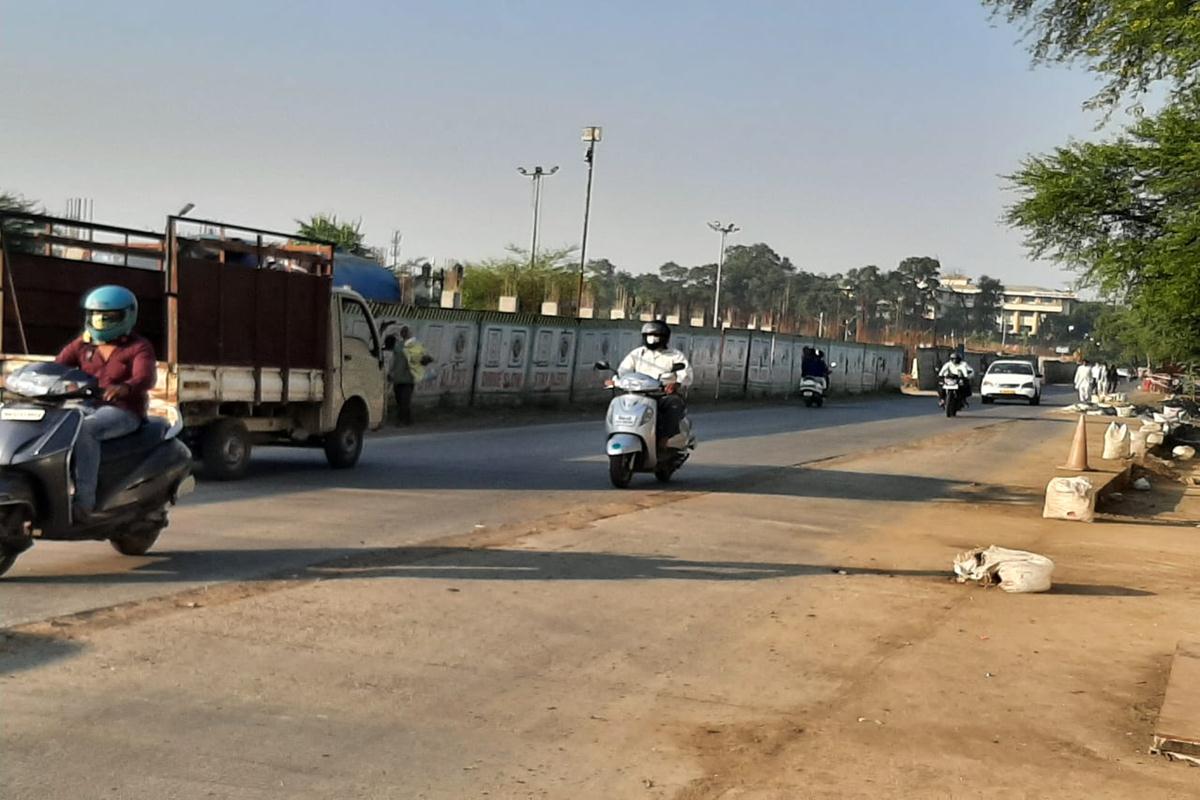
Trial Traffic Restrictions Set on Wardha Road in Nagpur from September 23 to 28, Says DCP Archit Chandak

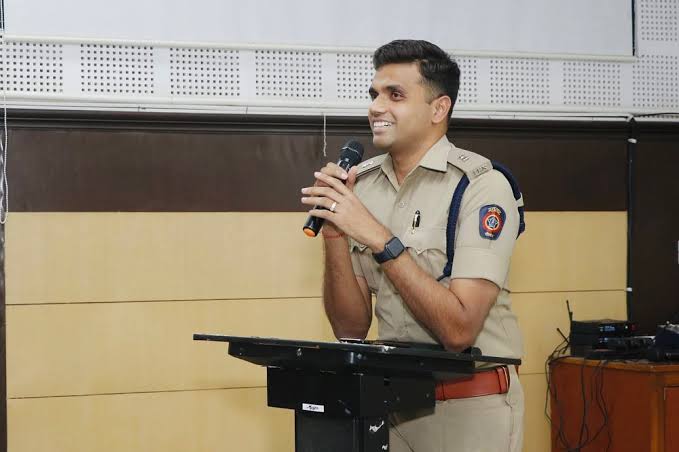
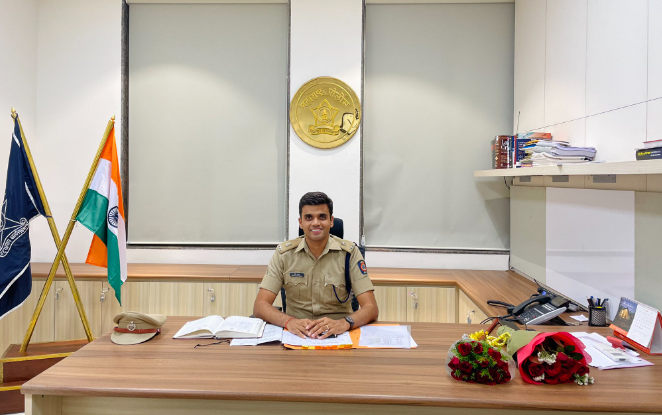
DCP Archit Chandak: In response to growing traffic congestion on Wardha Road, especially during peak hours, Nagpur’s Deputy Commissioner of Police (Traffic), Archit Chandak, announced the introduction of traffic restrictions on a trial basis. These restrictions will be in place from September 23 to September 28, during the evening rush hours of 5:30 p.m. to 8:30 p.m. The goal is to ease traffic flow, reduce jams, and improve overall road safety.

Why Are These Restrictions Necessary?

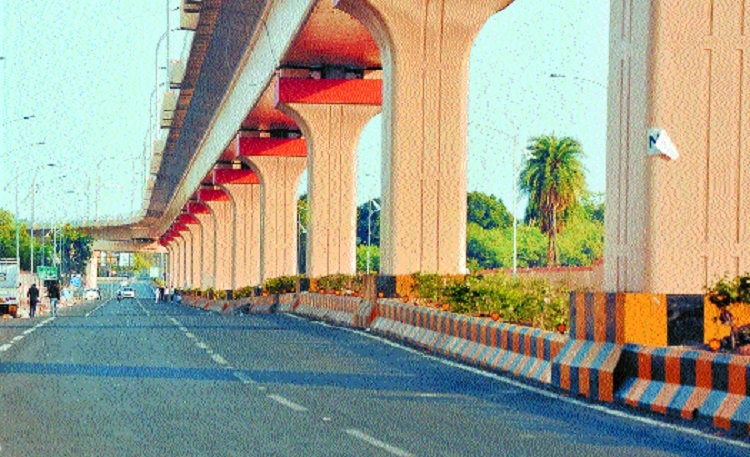
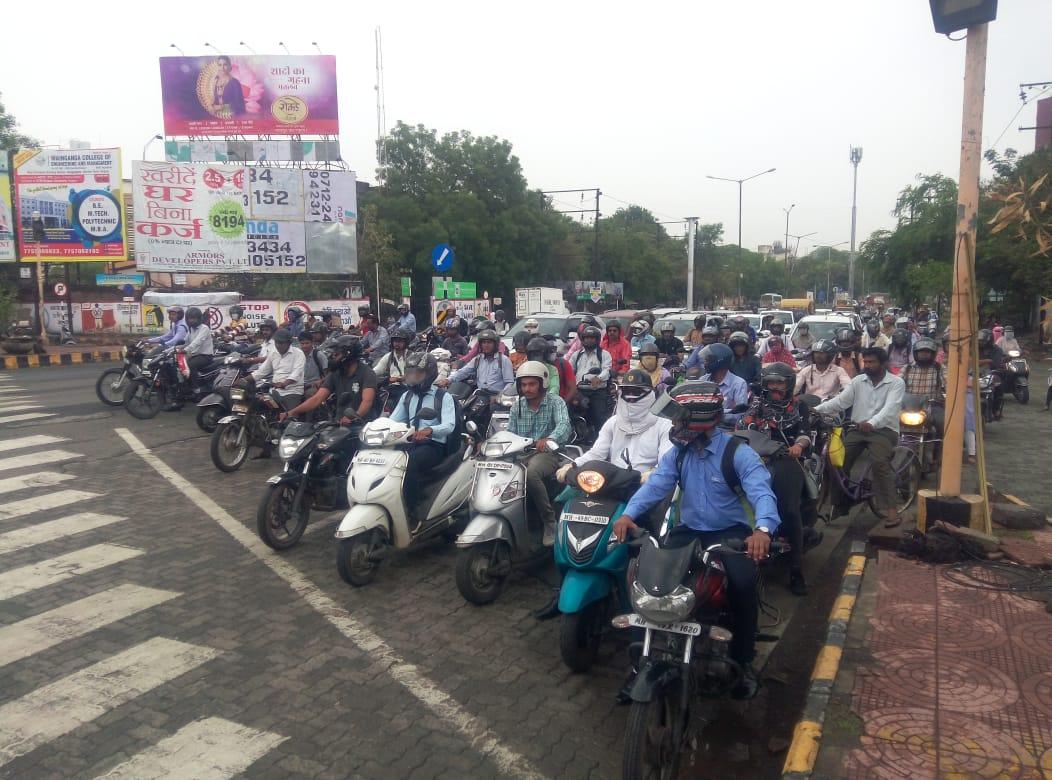
Traffic jams on Wardha Road have become a daily challenge for commuters. The areas near Rahate Colony, Kripalani Chowk, and the Gowari Flyover are particularly notorious for their congestion. To address this, the traffic police have observed that allowing uninterrupted straight-flow traffic between Nagpur and Wardha while limiting right turns could alleviate bottlenecks.

Key Traffic Restrictions Announced

Under these new orders, several specific restrictions have been implemented to streamline traffic flow. Here’s a breakdown:

1. No Right Turns from Rahate to Ajni Chowk

  • Vehicles moving from Morris to Ajni via Rahate and Kripalani Chowks will no longer be able to take any right turns along this route.

2. Straight-Only Traffic from Ajni Chowk to Morris T-Point

  • Traffic traveling from Ajni Chowk toward Morris T-Point must proceed straight, with no right turns allowed.

3. Matakacheri to Kripalani Chowk Diversions

  • Traffic coming from Matakacheri towards Kripalani Chowk will now be diverted via Niri T-Point and Ajni Naka. Vehicles will make a U-turn at the Manish Nagar Flyover, with an option for a left turn towards Kachipura.

4. U-Turn Adjustments for Ajni Flyover and Congress Nagar T-Point

  • Vehicles coming from Ajni Flyover and Congress Nagar T-Point will be required to make a U-turn at Kripalani to return to Ajni Naka.

5. Signal Adjustments between Rahate Chowk and Ajni Naka

  • Signals along the Rahate Chowk-Ajni Naka route will be set to blink mode, allowing traffic to flow straight without any right turns.

Duration and Implementation (DCP Archit Chandak)

These restrictions will be enforced from September 23 to September 28, between 5:30 p.m. and 8:30 p.m. daily. The trial phase is meant to gauge the effectiveness of these measures. Should the results be positive in terms of smoother traffic flow and reduced congestion, it’s likely that these restrictions could be extended or even made permanent.

Additional Support Measures

To ensure proper implementation, additional traffic personnel will be stationed at key points like Lokmat Chowk and Ajni Chowk. Their role will be to guide traffic, enforce the new restrictions, and manage any potential disruptions that may arise.

What Can Commuters Expect?

If you’re commuting along Wardha Road during this trial period, you may notice quicker travel times during peak hours. However, with new restrictions in place, some routes might require slight detours or adjustments to your usual journey. For instance, the elimination of right turns at specific junctions might mean taking a longer U-turn or using alternate routes.

Impact on Local Businesses and Residents

Local businesses and residents in areas affected by the new traffic rules may also experience some changes. Fewer right turns could mean less accessibility to certain businesses during peak hours. However, the goal is to reduce overall congestion, which in the long term should benefit both commuters and local commerce.

Safety Considerations

By limiting right turns and simplifying traffic flow, the new restrictions aim to reduce the risk of accidents, particularly at busy intersections. The blinking signals and additional traffic personnel should further enhance safety and minimize confusion for drivers during the trial period.

Public Feedback

The success of these measures will heavily depend on public cooperation and feedback. Authorities have emphasized that these restrictions are on a trial basis, meaning they’re open to adjustments based on how well they work in practice. If you’re a commuter affected by these changes, consider providing feedback to local authorities about your experience.

What Happens Next?

After the trial period concludes on September 28, Nagpur’s traffic department will assess the effectiveness of the restrictions. This evaluation will include a review of traffic flow data, accident reports, and feedback from both commuters and traffic officers.

If the trial proves successful, these restrictions could be extended beyond September 28, with potential tweaks based on public input. On the other hand, if they fail to achieve the desired improvements, the traffic department may explore alternative measures to tackle congestion.

Preparing for Future Changes

This trial could set a precedent for future traffic management strategies in Nagpur. If successful, similar restrictions might be introduced on other busy roads, particularly during peak hours. With growing traffic demands in the city, authorities are keen to explore all possible solutions to keep traffic moving smoothly and safely.

Nagpur’s traffic authorities have taken a bold step by imposing trial traffic restrictions on Wardha Road. By simplifying traffic flow and eliminating right turns during peak hours, they aim to ease congestion and reduce the risk of accidents. The trial phase will be critical in determining whether these measures will be extended or modified.

Public cooperation and feedback will play a vital role in shaping the future of these restrictions. Whether you’re a commuter, resident, or business owner, staying informed and adapting to these changes can help make the trial period a success.

1. What are the main restrictions during the trial period?

  • The primary restrictions include no right turns at key intersections and streamlined traffic flow between Rahate Chowk and Ajni Chowk.

2. When will the restrictions be enforced?

  • The restrictions will be enforced from September 23 to September 28, between 5:30 p.m. and 8:30 p.m. each day. (DCP Archit Chandak)

3. Will additional traffic personnel be deployed?

  • Yes, additional traffic officers will be stationed at Lokmat Chowk and Ajni Chowk to ensure smooth implementation.

4. Can these restrictions become permanent?

  • If the trial period shows positive results in reducing congestion and improving safety, the restrictions could be extended or even made permanent.

5. How can I provide feedback on the new traffic rules?

  • You can share your experience and feedback with Nagpur’s traffic authorities, who will consider public input when evaluating the trial.

Beware! Reels on Wheels May Get Your Bike Seized

Nagpur traffic rules: Nagpur’s roads have seen a sharp rise in traffic violations lately, with many riders performing dangerous stunts or recording reels on their vehicles for social media. However, this might soon come to a halt, as the newly appointed Deputy Commissioner of Police (DCP) for Traffic, Archit Chandak, has vowed to crack down on these offenders. Here’s a deep dive into this new traffic policy and what it means for motorcyclists and motorists.

Who is DCP Archit Chandak?

Archit Chandak is the newly appointed DCP (Traffic) of Nagpur. Taking charge recently, he has already made waves with his tough stance on traffic offenders, especially those engaging in illegal activities such as creating video content while riding.

First Day, First Strike: Zero Tolerance for Stunts

On his very first day in office, Chandak made it clear that his tenure would mark a new chapter in road safety for the city. He announced a policy of zero tolerance for those making reels on wheels, along with motorists performing stunts. The DCP has instructed the traffic police to register offenses against violators and seize their vehicles. The consequences for these actions are not limited to fines; the full weight of the law will be applied, including vehicle seizures.

The Problem with Reels on Wheels

The rise of social media has led to a growing trend where people risk their lives to make entertaining videos. While these stunts may seem harmless to those involved, they pose a serious danger to others on the road. What might start as a fun reel can quickly turn into a tragic accident.

Stunt Culture on the Roads (Nagpur traffic rules)

It’s not just reels that are a concern; the broader culture of performing stunts while riding motorcycles or driving has proliferated. Riders performing wheelies or standing on their bikes not only endanger themselves but also the pedestrians and vehicles around them.

New Traffic Measures Under DCP Chandak

1. Crackdown on Drunken Driving

In addition to his strict stance on reels and stunts, DCP Chandak has vowed to tackle another persistent problem—drunken driving (Nagpur traffic rules). Focused checks will be carried out from 6 pm until late at night, particularly around pubs and bars, to nab motorists driving under the influence.

Surveillance Near Bars and Pubs

This targeted surveillance near nightlife hubs will help to reduce the number of accidents caused by impaired driving. DCP Chandak has highlighted that the anti-accident cell, which analyzes the causes of road crashes and fatalities, will be more active than ever.

2. Parking Violations: Corner Parking Ban

Parking illegally on road corners causes major traffic disruptions. Chandak has stated that corner parking is now strictly illegal under the Motor Vehicle Act and the traffic department will actively penalize violators.

Streamlining Traffic in Busy Areas

Key congested areas such as bus stands, railway stations, and crowded market places will see more stringent traffic management to ensure smoother movement of both vehicles and pedestrians.

Public Participation: Vigilantism on Social Media

DCP Chandak has urged citizens to assist the police by submitting evidence of traffic violations through social media platforms. This initiative is expected to create a community-driven approach to road safety, where individuals can report incidents they witness.

Visible Surveillance During Peak Hours

In addition to public participation, the traffic department will increase visible surveillance during peak traffic hours to curb violations. Officers will be stationed at busy intersections to monitor the traffic and ensure compliance.

How Can You Avoid Getting Your Bike Seized?

1. Avoid Making Reels While Riding

It might be tempting to grab that perfect shot while riding, but doing so puts you and others in danger. Always avoid using your phone while driving, and if you must record, do it in a safe, controlled environment.

2. Obey Traffic Laws

Basic compliance with the Motor Vehicle Act can save you from legal trouble. Avoid corner parking, follow the speed limits, and never perform stunts on public roads.

3. Don’t Drink and Drive

The consequences of drunk driving are severe, and DCP Chandak has made it clear that violators will be caught and punished. Always arrange for a designated driver or use a taxi service if you plan to consume alcohol.

The appointment of DCP Archit Chandak marks a turning point for Nagpur’s traffic management. His strong focus on law enforcement, from curbing social media reels on the road to cracking down on drunken driving and illegal parking, promises to create a safer environment for all. As citizens, it’s essential that we do our part, not only by obeying traffic rules but by helping report violators to keep the roads safe.

Nagpur’s Traffic Woes Addressed as DCP Archit Chandak Takes Charge of Traffic Branch

Nagpur’s traffic problems have been a longstanding issue for the city. From overcrowded roads to erratic traffic signals, these challenges have become a source of constant frustration for both residents and authorities alike. However, a new chapter in the city’s traffic management has begun, as Deputy Commissioner of Police (DCP) Archit Chandak steps in to head the Traffic Branch. With his background in the Economic Offence Wing (EOW), many are hopeful that DCP Chandak will bring about the much-needed changes.

A Fresh Start Under DCP Archit Chandak

In a reshuffling decision by Police Commissioner Dr. Ravindra Singal, DCP Chandak was appointed to the Traffic Branch of Nagpur, and the public is optimistic that his leadership could bring significant improvements to the city’s roads. The reshuffling also saw DCP Shashikant Satav, previously in charge of the Traffic Branch, being transferred to the EOW. Alongside Chandak, Lohit Matani, another key officer recently transferred to Nagpur, has assumed charge of Zone 1.

The History of Nagpur’s Traffic Troubles

Nagpur’s traffic system has been a major point of contention for years. Despite numerous initiatives, the city has seen little progress in streamlining its traffic. Congestion, non-compliance with traffic rules, and inadequate infrastructure have only worsened the situation. The city’s rapid growth, coupled with an increase in vehicular population, has strained the current infrastructure, making day-to-day commutes a hassle for residents.

Previous Initiatives That Fell Short

Efforts to improve Nagpur’s traffic were made by DCP Satav, but these changes often yielded limited results. The public’s discontent continued to grow as long-term solutions remained out of reach. Police Commissioner Dr. Ravindra Singal, fully aware of these shortcomings, decided to take decisive action, reshuffling key positions in the Traffic Branch in hopes of seeing better results.

DCP Chandak’s Background: An Asset for the Traffic Branch

DCP Chandak comes with a wealth of experience from his previous post at the Economic Offence Wing. His experience with complex investigations and organizational skills are expected to play a critical role in his new leadership position. During his temporary tenure over the Traffic Branch during the winter session, Chandak was able to implement several successful measures that saw a noticeable improvement in traffic conditions. It’s this prior success that prompted his full-time appointment.

Chandak’s Achievements During the Winter Session

During his interim role, DCP Chandak introduced stricter enforcement of traffic rules, leading to a reduction in traffic violations. Public awareness campaigns were also ramped up, with increased visibility of traffic police and more frequent traffic drives to address issues in real-time. As a result, Nagpur saw reduced congestion, improved compliance, and a smoother traffic flow in certain key areas.

Challenges Ahead for DCP Chandak

Despite his previous successes, DCP Chandak faces several challenges ahead. The biggest hurdle will be addressing the deeply ingrained traffic problems, including:

1. Infrastructure Limitations

Nagpur’s current road network is not equipped to handle the growing number of vehicles. Expanding roadways and improving traffic signals will be a priority.

2. Traffic Violations

Despite the crackdown, traffic violations such as speeding, illegal parking, and non-compliance with signals remain rampant. More rigorous enforcement and higher penalties may be on the horizon.

3. Public Awareness

Another key challenge will be educating the public on traffic rules and ensuring compliance. Awareness drives and community engagement will play a pivotal role in long-term success.

Matani Takes Charge of Zone 1

While DCP Chandak tackles the city’s traffic woes, Lohit Matani has been entrusted with Zone 1, a critical area in Nagpur, especially with elections on the horizon. Matani, who had previously served in Zone 1 before his transfer to Bhandara, brings a wealth of experience and familiarity with the region’s unique challenges.

Zone 1: A Crucial Area for Nagpur

Zone 1 is a key jurisdiction in Nagpur, not only due to its strategic importance but also because of its role in upcoming political events. With the impending elections, Matani’s leadership is expected to ensure peace, stability, and effective law enforcement.

The Road Ahead for Nagpur’s Traffic Branch

While leadership changes offer hope for Nagpur’s traffic management, the real work begins now. DCP Chandak’s strategy will likely involve a mix of infrastructure improvements, stricter law enforcement, and public education. With the right approach, Nagpur’s traffic system can potentially see the transformation it desperately needs.

1. Collaboration with City Planners

One of the key steps in DCP Chandak’s plan will be collaborating with city planners to redesign and improve Nagpur’s road network. Better road designs, improved signals, and the creation of dedicated lanes for different types of vehicles could help alleviate congestion.

2. Technology-Driven Solutions

Smart traffic management systems could also play a role. Implementing advanced traffic monitoring tools, automated signals, and real-time traffic updates could help streamline vehicle flow in the city’s busiest areas.

3. Community Engagement

Public cooperation is crucial for the success of any traffic management plan. DCP Chandak’s leadership will likely include initiatives aimed at fostering a sense of responsibility among drivers and pedestrians alike.

4. Accountability within the Traffic Branch

Another key component will be holding the Traffic Branch accountable for its actions. Regular evaluations and transparency in decision-making will be vital to ensuring that the branch remains proactive in tackling the city’s traffic challenges.

Nagpur’s traffic situation has long been a problem, but with the leadership of DCP Archit Chandak, there is hope that the city’s traffic woes may finally be addressed. His proven track record and innovative approach could be the key to overcoming Nagpur’s traffic challenges. Alongside him, Lohit Matani’s leadership in Zone 1 will ensure that this critical area remains well-managed, particularly with elections drawing near. Nagpur’s road to a better traffic system might just have begun.

1. Who is DCP Archit Chandak?

DCP Archit Chandak is the newly appointed Deputy Commissioner of Police for Nagpur’s Traffic Branch. He previously served in the Economic Offence Wing (EOW) and has taken charge to address the city’s traffic challenges.

2. What are Nagpur’s main traffic issues?

Nagpur’s traffic issues include road congestion, traffic signal malfunctions, and rampant traffic violations. These challenges have persisted despite previous efforts to address them.

3. What changes did DCP Chandak implement during the winter session?

During the winter session, DCP Chandak introduced stricter enforcement of traffic laws and launched public awareness campaigns, leading to noticeable improvements in traffic flow.

4. Who is Lohit Matani, and what is his role in Nagpur?

Lohit Matani is the officer in charge of Zone 1 in Nagpur. His role is particularly important as this area is crucial for law enforcement, especially with upcoming elections.

5. What steps will be taken to improve Nagpur’s traffic system?

The plan includes upgrading infrastructure, enforcing traffic laws more strictly, raising public awareness, and incorporating technology-driven solutions like smart traffic management systems.

Traffic Diversions in Nagpur for Ganesh Visarjan and Eid-E-Milad Celebrations

Nagpur police: The city of Nagpur is preparing for two significant religious events—Ganesh Visarjan and Eid-e-Milad—which will result in notable traffic diversions and restrictions. These festivals are not just about religious observance, but they also bring massive crowds, processions, and excitement to the streets. However, with all that excitement comes the challenge of traffic management.

The city police, particularly the traffic department, has put in place specific diversions to ensure smooth traffic flow and to avoid chaos. If you’re driving in Nagpur during this time, you’ll want to be aware of these diversions to avoid getting stuck in the middle of the celebrations.

Why Are Traffic Diversions Important During Festivals?

Handling huge processions, ensuring the safety of participants, and minimizing traffic jams are some of the primary reasons why traffic diversions are necessary. Ganesh Visarjan sees thousands of devotees taking to the streets to immerse their idols, while Eid-e-Milad processions are a core part of the celebrations for the Muslim community.

The Major Festivities: Ganesh Visarjan and Eid-E-Milad

Ganesh Visarjan marks the end of the ten-day Ganesh Chaturthi festival, where devotees bid farewell to Lord Ganesha by immersing idols in water. Meanwhile, Eid-e-Milad commemorates the birth of Prophet Muhammad and is observed by processions, prayers, and community gatherings.

When Will the Diversions Be in Place?

  • Eid-e-Milad: The diversions for Eid-e-Milad will start on Monday, focusing mainly around the procession routes.
  • Ganesh Visarjan: Traffic adjustments for Ganesh Visarjan will be enforced on Tuesday, coinciding with Anant Chaturdashi, the final day of the festival.

Key Traffic Diversions in Nagpur

If you’re planning to drive around the city during these days, take note of the following traffic diversions to avoid congestion:

1. Santra Market Overbridge to Telephone Exchange Square

  • Timing: Monday
  • Closure: From Santra Market Overbridge to Telephone Exchange Square via Jaistambh Square.
  • Reason: Eid-e-Milad procession.

2. Artificial Tanks for Ganesh Visarjan

  • Various artificial tanks are set up for idol immersion, and special arrangements have been made near these locations to prevent bottlenecks. The police have also diverted traffic in areas around these tanks to reduce congestion.

3. Heavy Vehicle Restrictions

  • Heavy vehicles will not be allowed entry into the city limits during both the Eid-e-Milad and Ganesh Visarjan festivities. This is crucial to ensure that the large processions and gatherings aren’t interrupted.

Alternative Routes for Citizens

Citizens are encouraged to use alternate routes to avoid areas where processions will take place. These alternatives help drivers avoid congestion, allowing the celebrations to continue smoothly without disrupting the city’s daily operations.

4. Key Alternate Routes

  • Route 1: Those coming from the west can use the Ring Road to bypass the city center.
  • Route 2: Vehicles traveling from the north should opt for the Outer Ring Road to avoid the processional route.
  • Route 3: If traveling from the south, consider taking Besa Road to reduce the chance of getting stuck in traffic.

Impact on Public Transportation

Expect buses and local transport to also follow modified routes. Be sure to check with local transportation authorities for updated schedules and alternate routes, especially if you rely on public transit for your daily commute.

5. Important Changes for Commuters

  • Buses: Rerouted away from the main procession areas.
  • Autos and Rickshaws: Advised to avoid the heavily congested areas, especially during peak procession hours.

Guidelines for Citizens During Celebrations

6. Follow Traffic Updates

Keep an eye on real-time updates from the Nagpur Police on social media or local radio stations. This will help you stay informed of any last-minute changes or adjustments.

7. Be Patient and Cooperative

We understand that traffic diversions can cause delays, but it’s important to remember that these measures are in place for the safety and convenience of everyone. Cooperation with traffic officials and volunteers ensures smooth proceedings.

8. Parking Restrictions

There will be parking restrictions in and around the areas of the main processions. Ensure that you park your vehicles in designated areas to avoid fines or towing.

How Can Citizens Prepare for These Days?

9. Plan Ahead

If you’re planning to drive or commute on Monday or Tuesday, plan your journey ahead of time. Consider leaving earlier than usual to account for any potential delays.

10. Use Navigation Apps

Apps like Google Maps or Nagpur Police Traffic Updates can be helpful tools for navigating diversions and staying up-to-date on traffic conditions. Enable notifications for real-time alerts.

11. Public Patience and Participation

Public participation in maintaining traffic discipline during these festivals is crucial. The authorities rely on citizens to respect the diversions and guidelines provided.

Safety Measures for the Festivities

12. Police Deployment

The city police will be deployed in larger numbers to ensure that the processions and celebrations proceed smoothly and safely. Their primary role will be traffic management and crowd control.

13. Medical Assistance

First-aid stations and medical assistance points will be set up along the procession routes to ensure that help is available in case of emergencies.

Environmental Considerations

14. Eco-Friendly Practices

For Ganesh Visarjan, eco-friendly idols and artificial immersion tanks are encouraged. This initiative aims to reduce environmental pollution and keep the city’s water bodies clean.

As Nagpur prepares to celebrate both Ganesh Visarjan and Eid-e-Milad, the traffic diversions are a necessary step to ensure the safety of participants and to minimize disruptions to daily commuters. By following the recommended routes and guidelines, citizens can help make these festivals a joyous and harmonious occasion for everyone. Remember, with a little patience and some planning, we can all enjoy the celebrations while keeping the city’s roads safe and efficient.

1. Why are traffic diversions implemented for festivals?
Traffic diversions ensure safety and smooth movement of processions, minimizing disruptions to regular traffic.

2. Which areas in Nagpur will be most affected by traffic diversions?
Areas like Santra Market Overbridge, Jaistambh Square, and areas around artificial tanks will see the most significant diversions.

3. Will public transport be affected during Ganesh Visarjan and Eid-e-Milad?
Yes, public transport, including buses and autos, will follow altered routes during the festivities.

4. How can I stay updated on real-time traffic during these events?
Follow Nagpur Police on social media or tune in to local radio stations for live updates.

5. What are the environmental steps taken for Ganesh Visarjan?
The city encourages the use of eco-friendly idols and provides artificial tanks for idol immersion to protect the environment.

How Much You Have to Pay Now in Mumbai, Pune, Nagpur for a VIP Number Plate

VIP number plate costs Maharashtra: The Maharashtra government has recently made significant changes to the cost of obtaining a VIP number plate for vehicles. If you’re in Mumbai, Pune, or Nagpur, and you’re hoping to get a special number plate, you’re going to have to dig deeper into your wallet. With ‘0001’ plates now costing as much as ₹6 lakh for four-wheelers, it’s crucial to understand these new costs and how they impact those seeking out that exclusive touch for their vehicle.

In this article, we’ll break down the revised fees, highlight what you can expect for both two-wheelers and four-wheelers, and explore the implications of this price hike. Let’s get into the details!

What is a VIP Number Plate?

VIP number plates are essentially those eye-catching and often symbolic vehicle registration numbers. These numbers, like ‘0001,’ are considered premium due to their uniqueness and demand. Drivers often pursue these numbers for various reasons, such as status symbols or personal significance. However, the appeal of owning one comes at a price.

Why Have VIP Plates Become So Popular?

VIP plates (VIP number plate costs Maharashtra) hold immense value, often being associated with wealth, prestige, and exclusivity. Whether it’s the ease of remembrance or simply standing out in traffic, a unique plate can make a statement. But why are they getting so expensive? That leads us to the recent developments in Maharashtra.

Maharashtra Government’s Decision to Hike VIP Plate Fees

Recently, the Maharashtra government introduced a hike in fees for VIP vehicle number (VIP number plate costs Maharashtra) plates. This marks the first significant revision since April 2013. The revision of fees is based on the increasing demand for such plates across various cities, including Mumbai, Pune, and Nagpur.

How Much Does a VIP Number Plate Cost Now?

Let’s break down the new costs:

  • ‘0001’ Number Plate for Four-Wheelers: If you’re eyeing the coveted ‘0001’ plate for your four-wheeler in major cities like Mumbai or Pune, be ready to pay ₹6 lakh, which is up from the previous ₹4 lakh.
  • VIP Plates for Two-Wheelers and Three-Wheelers: For two-wheelers and three-wheelers, the price has doubled from ₹50,000 to ₹1 lakh in cities like Mumbai, Pune, and Nashik.

Out-of-Series VIP Number Plate Costs

Want a number plate that’s out of the regular series? Expect to pay even more! Out-of-series VIP numbers now cost up to ₹18 lakh in major cities, including Mumbai and Pune. This is a steep rise from the previous fee of ₹12 lakh.

Comparison of Old vs. New Fees

Type of Vehicle Old Fee for VIP ‘0001’ Plate New Fee for VIP ‘0001’ Plate
Four-wheelers ₹4 lakh ₹6 lakh
Two- and three-wheelers ₹50,000 ₹1 lakh
Out-of-series four-wheelers ₹12 lakh ₹18 lakh

Other VIP Numbers Seeing a Fee Increase

The ‘0001’ number isn’t the only one getting a price hike. The state has identified 240 VIP numbers in each registration series, with new fees ranging from ₹1 lakh to ₹2.5 lakh for four-wheelers and up to ₹50,000 for two-wheelers.

Popular Numbers and Their New Costs

For 16 popular numbers, the fees have also seen an uptick:

  • Four-Wheelers: ₹1 lakh, up from ₹70,000.
  • Two-Wheelers: ₹25,000, up from ₹20,000.

Additional Changes in the VIP Plate Regulations

In addition to raising the fees, the Maharashtra government has introduced some new regulations concerning VIP plates.

Extended Time to Produce Vehicle

Previously, once you reserved a VIP number, you had just 30 days to produce your vehicle with that number. Now, you have up to six months to do so. This gives car buyers more flexibility, especially those awaiting vehicle delivery.

Transfer of VIP Numbers

Good news for families: The government has now allowed the transfer of VIP numbers to immediate family members, including spouses, sons, and daughters. This adds more value to the investment, as these numbers can be passed on, making them almost like an inheritance.

Implications of the Fee Increase

Is It Worth the Investment?

While these numbers do add a certain level of prestige, the costs have become significant. For many, a VIP plate is a symbol of luxury and a status symbol, but with prices reaching as high as ₹18 lakh, it’s clear that the exclusivity comes with a hefty price tag.

Who Will Be Most Affected?

The fee hikes are likely to impact high-net-worth individuals and businesses looking to make a statement. The increase in fees might also deter some buyers who previously might have considered purchasing a VIP plate.

What Should You Consider Before Getting a VIP Plate?

Before you make the decision to invest in a VIP plate, consider the following factors:

  1. Budget: With prices starting at ₹1 lakh for two-wheelers and reaching up to ₹18 lakh for out-of-series numbers, it’s essential to have a clear budget.
  2. Significance: Is the number really worth the price for you? Whether it’s sentimental value or simply wanting to stand out, think about whether the investment aligns with your personal or business goals.
  3. Transferability: The ability to transfer VIP numbers to family members might make the cost more justifiable for some.

In conclusion, the revised fees for VIP number plates in Maharashtra, especially in cities like Mumbai, Pune, and Nagpur, represent a significant shift. While these plates can still symbolize prestige and exclusivity, the costs have increased sharply. Whether you’re considering a ‘0001’ plate for your four-wheeler or looking at other VIP numbers, it’s essential to weigh the pros and cons of such an investment.

VIP number plates have a certain allure, but with prices now reaching upwards of ₹18 lakh, they’re an investment not to be taken lightly.

  1. Why are VIP number plates so expensive? VIP plates are unique, and their exclusivity makes them highly sought after. The demand for specific numbers, such as ‘0001,’ pushes up the price.
  2. Can I transfer my VIP number to a family member? Yes, the Maharashtra government now allows VIP numbers to be transferred to immediate family members, including spouses and children.
  3. What is the most expensive VIP number plate in Maharashtra? The most expensive VIP plate is the out-of-series ‘0001’ plate, which can cost up to ₹18 lakh in cities like Mumbai and Pune.
  4. Do these fees apply to used vehicles? No, these fees are primarily for new vehicle registrations. However, if you transfer your VIP number to another vehicle, there may be additional charges.
  5. How long do I have to produce my vehicle after reserving a VIP number? The period has been extended from 30 days to six months, giving more flexibility to those waiting for their vehicle delivery.

New Satellite-Based Toll System on Highways to Be Rolled Out Soon: Nitin Gadkari

India is on the cusp of a transformative change in its highway infrastructure. The introduction of a satellite-based toll system promises to revolutionize the way tolls are collected across the nation’s highways. Union Minister Nitin Gadkari recently announced the impending rollout of this cutting-edge technology, aimed at improving traffic flow and reducing congestion. But what exactly does this mean for the everyday traveler? Let’s dive into the details.

What is the Satellite-Based Toll System?

The satellite-based toll system, powered by the Global Navigation Satellite System (GNSS), is a significant upgrade from the existing FASTag system. Unlike traditional toll collection methods, which rely on physical toll booths and electronic tags, GNSS uses satellite technology to automatically calculate the distance a vehicle travels on a highway and deducts the appropriate toll fee.

How Does It Work?

The system works by using satellites to track the movement of vehicles. As a vehicle enters a highway, the GNSS system begins to monitor its journey. The toll is calculated based on the distance traveled, ensuring that motorists only pay for the actual distance they cover. This system eliminates the need for multiple toll booths and long queues, making the entire process more efficient.

Why the Change?

Addressing Congestion Issues

One of the primary reasons for this shift is to tackle the ever-growing problem of traffic congestion on Indian highways. Traditional toll booths often result in long queues, especially during peak hours. By eliminating these booths, the satellite-based toll system is expected to significantly reduce travel time and ease traffic flow.

Fair Toll Collection

Another key advantage of the GNSS system is its ability to ensure fair toll collection. In the current system, motorists often end up paying higher fees due to multiple toll booths situated over short distances. The new system calculates tolls based on the actual distance traveled, leading to potential savings for drivers.

Current Testing and Implementation

Pilot Projects Underway

The satellite-based toll system is currently being tested on two major highways: the Bengaluru-Mysuru National Highway (NH-275) in Karnataka and the Panipat-Hisar National Highway (NH-709) in Haryana. These pilot projects are crucial for assessing the system’s performance and addressing any potential challenges before a nationwide rollout.

Phased Rollout

Once the testing phase is complete and the system receives the necessary approvals, the GNSS toll collection system will be rolled out in phases. Initially, it will cover major highways that connect key cities. The phased approach ensures a smooth transition from the existing system to the new one.

Impact on Motorists

Cost Savings

For motorists, the new system could translate into significant cost savings. By paying only for the distance traveled, drivers can avoid the extra charges often associated with multiple toll booths. This change is particularly beneficial for those who frequently travel short distances on highways.

Reduced Travel Time

With the elimination of toll booths, the new system promises to reduce travel time by cutting down on the time spent waiting in queues. This is especially advantageous for long-distance travelers who often face delays at multiple toll points.

Enhanced Transparency

The satellite-based toll system also enhances transparency in toll collection. Since the toll is automatically calculated based on the distance traveled, there is less room for errors or discrepancies. This ensures that motorists are charged accurately and fairly.

Environmental Benefits

Lower Carbon Emissions

By reducing the time vehicles spend idling at toll booths, the new system contributes to lower carbon emissions. This is a small but significant step towards making Indian highways more environmentally friendly.

Efficient Use of Resources

The GNSS system’s efficiency also extends to the use of resources. With fewer toll booths needed, the infrastructure required to support the highway system is reduced, leading to cost savings and less environmental impact.

Challenges and Considerations

Technology Adoption

One of the challenges associated with the new system is the adoption of the required technology. Motorists will need to ensure their vehicles are equipped with the necessary GNSS-enabled devices. Additionally, there may be initial resistance to change from those accustomed to the traditional toll collection methods.

Privacy Concerns

As with any system that tracks vehicle movement, there may be concerns about privacy. It is essential for the government to address these concerns and ensure that the data collected is used solely for toll collection purposes and is adequately protected.

Infrastructure Upgrades

The successful implementation of the GNSS system will also require significant upgrades to the existing highway infrastructure. This includes installing the necessary satellite tracking systems and ensuring seamless integration with the existing road networks.

The Future of Toll Collection in India

The introduction of the satellite-based toll system marks a significant step forward in India’s efforts to modernize its highway infrastructure. As the system is rolled out across the country, it has the potential to set new standards for toll collection worldwide.

Global Implications

India’s adoption of GNSS technology for toll collection could serve as a model for other countries facing similar challenges with traffic congestion and toll collection inefficiencies. By leading the way in this area, India could establish itself as a pioneer in highway infrastructure innovation.

Long-Term Benefits

In the long term, the satellite-based toll system is expected to bring about numerous benefits, including reduced travel times, cost savings for motorists, and a more efficient and transparent toll collection process. As the system evolves, it may also open up new opportunities for further innovations in highway management and traffic control.

The rollout of the satellite-based toll system on Indian highways represents a major leap forward in the country’s transportation infrastructure. By leveraging advanced GNSS technology, this system promises to enhance the driving experience, reduce congestion, and ensure fair toll collection for all motorists. As the phased implementation begins, the future of toll collection in India looks promising, with the potential to set a global benchmark for other nations to follow.

1. What is the main advantage of the satellite-based toll system?
The primary advantage is the elimination of traditional toll booths, leading to reduced travel time and more accurate toll charges based on the distance traveled.

2. How does the GNSS technology work in this toll system?
GNSS uses satellites to track a vehicle’s journey on the highway and calculates the toll based on the distance covered, automatically deducting the fee.

3. Where is the satellite-based toll system currently being tested?
The system is being tested on the Bengaluru-Mysuru National Highway in Karnataka and the Panipat-Hisar National Highway in Haryana.

4. Will the new toll system be rolled out nationwide?
Yes, the GNSS toll collection system will be rolled out in phases across major highways connecting key cities after successful testing and approval.

5. Are there any potential challenges with the new toll system?
Challenges include technology adoption by motorists, privacy concerns, and the need for infrastructure upgrades to support the system.

Diversions Around Futala to Ease Traffic on Independence Day in Nagpur

Traffic Diversions Nagpur: The Independence Day celebrations are a grand affair in Nagpur, particularly around the iconic Futala Lake. However, with large crowds flocking to this scenic spot, traffic congestion has become a perennial issue. To mitigate these challenges, the Nagpur traffic police have put in place several diversions and traffic regulations that aim to ensure a smooth and safe flow of vehicles during this busy period.

Why Are Traffic Diversions Necessary?

Every year on August 15, thousands of people gather near Futala Lake to celebrate Independence Day. This influx of visitors, combined with regular vehicular traffic, often leads to significant congestion on the roads surrounding the lake. The resulting gridlock not only causes inconvenience but also poses safety risks for pedestrians and motorists alike.

Historical Traffic Issues Around Futala Lake

Futala Lake, a popular tourist attraction in Nagpur, sees a surge in visitors on Independence Day. In previous years, the absence of adequate traffic management led to chaotic scenes, with vehicles getting stuck for hours and emergency services struggling to navigate through the crowded streets. Recognizing the need for better traffic control, the Nagpur traffic police have introduced specific diversions to prevent these issues from recurring.

Key Traffic Diversions Implemented

To alleviate the traffic woes around Futala Lake on Independence Day, several key routes will be diverted. These diversions are strategically planned to redirect the flow of vehicles away from congested areas while ensuring that access to the lake remains available.

1. Diversion from Ambazari to Futala Lake T-point

  • Route Details: Vehicles coming from Ambazari and heading towards the Futala Lake T-point will be rerouted via the Juna Wadi Naka to Ravi Nagar route. This diversion helps reduce the traffic load on the main road leading directly to the lake.

2. North Futala Bridge to South Futala

  • Route Details: Traffic moving from North Futala Bridge (via Air Force Nagar route) towards South Futala (Banyan Tree) will be redirected through Wadi Naka. This alternative route helps in dispersing traffic that would otherwise converge near the lake.

3. Bharat Nagar to Amravati Road

  • Route Details: Vehicles coming from Bharat Nagar will be diverted via the Amravati Road/Ravi Nagar Mahadev Mandir Air Force Nagar route. This ensures that the traffic from Bharat Nagar does not add to the congestion around Futala Lake.

4. Campus Chowk to Futala Lake

  • Route Details: Traffic from Amravati heading towards Nagpur Road via Campus Chowk and aiming for Futala Lake will be rerouted through Bharat Nagar. This diversion reduces the number of vehicles on the direct route to the lake, easing the overall traffic load.

5. Futala T-point to Air Force Nagar

  • Route Details: Vehicles from Futala T-point moving towards Air Force Nagar will be redirected through Telangkhedi Hanuman Temple or Cycle Chowk, with a left turn onto Ambazari route. This helps in managing the traffic flow more efficiently.

6. Ramgiri to Amravati Road

  • Route Details: Traffic from Ramgiri heading towards Amravati Road will also be diverted via Cycle Chowk with a left turn onto Ambazari route. This diversion is crucial in preventing bottlenecks near Futala Lake.

Timing and Duration of the Traffic Diversions

The traffic diversions will be enforced from midnight (00:01) on August 15 and will remain in effect until 24:00 on August 16. This 24-hour window is critical for managing the expected surge in traffic due to Independence Day celebrations.

Why This Timing?

The chosen time frame for the diversions ensures that the bulk of the traffic is managed during the peak hours of the Independence Day celebrations. By starting at midnight, the traffic police can preemptively reduce congestion, allowing for a smoother flow of vehicles throughout the day.

Public Cooperation and Awareness

The success of these traffic diversions largely depends on public cooperation. The Deputy Commissioner of Police (Traffic), Shashikant Satao, has urged all motorists in Nagpur to adhere to the issued directives and cooperate with the traffic police. By following these guidelines, citizens can help minimize inconvenience and ensure a safe environment for everyone.

How Can Citizens Contribute?

  • Follow the Diversion Signs: Motorists are advised to pay close attention to the diversion signs and follow them as directed.
  • Plan Ahead: Those planning to visit Futala Lake on Independence Day should consider leaving early to avoid peak traffic hours.
  • Use Public Transport: Whenever possible, opt for public transport to reduce the number of vehicles on the road.

Potential Challenges and Solutions

While the traffic diversions are designed to ease congestion, they may also present certain challenges for motorists unfamiliar with the new routes. Here are some common challenges and suggested solutions:

1. Unfamiliarity with Diversion Routes

  • Challenge: Motorists may not be familiar with the alternative routes, leading to confusion and delays.
  • Solution: The traffic police will deploy additional signage and personnel along the diversion routes to assist drivers. Additionally, motorists can use GPS navigation to guide them through the new routes.

2. Increased Traffic on Alternative Routes

  • Challenge: The diverted traffic may lead to congestion on the alternative routes.
  • Solution: The traffic police will monitor the situation in real-time and may implement further diversions or traffic controls as needed to manage the flow.

3. Access for Emergency Services

  • Challenge: Ensuring that emergency vehicles can navigate through the diverted routes without delay.
  • Solution: The traffic police will coordinate with emergency services to ensure that they are aware of the diversion plans and can access all areas quickly.

Looking Ahead: Long-Term Solutions for Traffic Management

The traffic diversions around Futala Lake on Independence Day are a temporary solution to a recurring problem. However, long-term strategies are needed to address the underlying causes of traffic congestion in Nagpur.

1. Improved Infrastructure

  • Proposal: Expanding the road network and improving the infrastructure around key areas like Futala Lake can help manage traffic better in the long term.

2. Enhanced Public Transport

  • Proposal: Encouraging the use of public transport through better services and facilities can reduce the number of private vehicles on the road, thereby easing congestion.

3. Regular Traffic Audits

  • Proposal: Conducting regular traffic audits can help identify problem areas and allow for timely interventions to prevent congestion.

The traffic diversions around Futala Lake on Independence Day are a well-planned effort by the Nagpur traffic police to ensure a smooth and safe celebration for everyone. By following the guidelines, planning ahead, and cooperating with the authorities, citizens can contribute to a hassle-free Independence Day experience.

City to Have AI-Driven Traffic System by ’25

Nagpur is set to revolutionize its traffic management with the implementation of an AI-driven Intelligent Integrated Traffic Management System (IITMS) by the end of 2025. This cutting-edge technology aims to keep the city’s traffic flowing smoothly, even in the face of natural disasters, political protests, or accidents. The AI will provide real-time data and simulations to help authorities manage traffic effectively and ensure uninterrupted movement.

What is IITMS?

 Intelligent Integrated Traffic Management System

The IITMS is a comprehensive system that utilizes artificial intelligence to monitor and manage traffic. It involves a network of 165 traffic signals interconnected to a central AI brain housed in Nagpur’s Smart City control room. This AI will analyze data from CCTV cameras installed at major intersections, allowing for real-time traffic control.

 Real-Time Traffic Monitoring

One of the key features of IITMS is its ability to monitor traffic in real time. The AI will assess the number of vehicles at each junction and adjust traffic signals accordingly. This dynamic system replaces the traditional preset timers, ensuring that traffic flows efficiently based on current conditions.

Benefits of AI-Driven Traffic Management

 Enhanced Traffic Flow

By adapting to real-time traffic conditions, the AI system will reduce congestion and improve traffic flow. This means shorter travel times for commuters and less frustration on the roads.

 Efficient Emergency Response

In the event of an emergency, such as a natural disaster or accident, the AI can quickly inform authorities about the best routes for emergency vehicles. This ensures that help arrives promptly and that other traffic is diverted to avoid further complications.

 Handling Unforeseen Situations

The AI’s ability to simulate various scenarios allows it to prepare for unforeseen events. Whether it’s a political protest or a sudden roadblock, the system can predict the impact on traffic and suggest alternative routes to minimize disruption.

The Role of Data in Traffic Management

 Data Collection and Analysis

The IITMS will collect massive amounts of data from various sources, including CCTV cameras and traffic sensors. This data will be processed by the AI to make informed decisions about traffic management.

 Predictive Analytics

Using predictive analytics, the AI can forecast traffic patterns and potential issues before they occur. This proactive approach helps in maintaining smooth traffic flow and preventing gridlocks.

Implementation Process

 Evaluation and Tender Process

Before the final implementation, bidders for the IITMS project must demonstrate their capabilities to the Nagpur Municipal Corporation (NMC). This evaluation process ensures that the chosen system meets all the required criteria.

 Timeline for Completion

Once the tender is awarded, the winning bidder will have 15 months to complete the work. This timeline includes installing the necessary hardware and integrating the AI software into the existing infrastructure.

Potential Challenges and Solutions

 Integration with Existing Infrastructure

Integrating the new AI system with Nagpur’s current traffic infrastructure may pose challenges. However, thorough planning and testing can mitigate these issues, ensuring a smooth transition.

 Public Awareness and Adaptation

For the system to be effective, the public must be aware of the changes and adapt to the new traffic management methods. Public awareness campaigns and user-friendly interfaces can help ease this transition.

Future Prospects

Expanding to Other Cities

If successful, Nagpur’s IITMS could serve as a model for other cities in India and around the world. The technology has the potential to revolutionize urban traffic management globally.

 Continuous Improvement

As AI technology advances, the IITMS can be continuously updated and improved. This ensures that the system remains effective and adapts to changing traffic patterns and emerging technologies.

The implementation of the AI-driven Intelligent Integrated Traffic Management System in Nagpur marks a significant step towards smarter and more efficient urban traffic management. By leveraging real-time data and predictive analytics, the system promises to reduce congestion, improve emergency response, and handle unforeseen events effectively. As Nagpur leads the way, other cities may soon follow, paving the way for a future where traffic flows seamlessly, no matter the circumstances.

Q1: What is the main purpose of IITMS?

A1: The main purpose of IITMS is to use AI to monitor and manage traffic in real-time, reducing congestion and improving traffic flow.

Q2: How does IITMS handle emergencies?

A2: The AI system can quickly inform authorities about the best routes for emergency vehicles and divert other traffic to avoid complications.

Q3: What are the benefits of using AI in traffic management?

A3: Benefits include enhanced traffic flow, efficient emergency response, and the ability to handle unforeseen situations through real-time data and simulations.

Q4: How long will it take to implement IITMS in Nagpur?

A4: Once the tender is awarded, the winning bidder will have 15 months to complete the implementation.

Q5: Can IITMS be used in other cities?

A5: Yes, if successful in Nagpur, IITMS could serve as a model for other cities in India and globally, revolutionizing urban traffic management.

Nagpur Traffic Improvement with Surat Model

Nagpur traffic improvement | Surat traffic model: Nagpur, grappling with severe traffic problems, is set to embrace a solution inspired by Surat’s successful traffic management model. The district administration, led by Union Minister Nitin Gadkari, aims to study and implement Surat’s pattern to address the city’s traffic woes.

The Current Traffic Scenario in Nagpur

Accidents and Their Impact

Nagpur’s roads have become increasingly perilous, with an average of 800 to 1000 fatalities annually. Most victims are young adults aged 18 to 34. The administration has identified and begun addressing black spots in both urban and rural areas, aiming to halve the death toll.

Public Attitudes and Law Enforcement

Driving on the wrong side of the road and other traffic rule violations are rampant. Gadkari stresses that without a shift in public mentality and strict law enforcement, road safety goals remain unattainable.

Learning from Surat

The Surat Pattern

Surat’s traffic system, managed largely by NGOs, offers a unique approach to traffic management. A delegation from Nagpur’s administration will visit Surat to study their methods and evaluate how they can be adapted for Nagpur.

Community Involvement

Gadkari emphasizes that the success of this initiative hinges on public cooperation. The plan is to implement changes gradually, with community involvement being a crucial component.

Measures to Enhance Traffic Safety

Identifying and Fixing Black Spots

Efforts are already underway to identify and rectify accident-prone areas. This includes making crossing marks in front of schools and constructing foot over bridges at necessary points.

Strict Actions Against Encroachments

Encroachments on roads are a significant cause of traffic congestion and accidents. The administration plans to take stringent measures to remove these obstructions.

Expected Outcomes

Reduction in Accidents

With these measures, the administration aims to significantly reduce traffic-related fatalities and injuries. The initial focus will be on the most dangerous areas, with a broader rollout planned subsequently.

Improved Traffic Flow (Surat traffic model)

By adopting Surat’s pattern, Nagpur hopes to streamline its traffic flow, reducing congestion and making the roads safer for all users.

Nagpur’s initiative to adopt Surat’s traffic management pattern marks a significant step towards solving its traffic problems. With comprehensive planning, community involvement, and stringent enforcement, the city aims to create a safer and more efficient traffic system.

Q1: What is the Surat traffic management pattern?

A1: The Surat pattern involves innovative traffic management strategies largely overseen by NGOs, emphasizing community involvement and strict enforcement of traffic laws.

Q2: How will the administration ensure public cooperation?

A2: Public cooperation will be sought through awareness campaigns and community engagement initiatives, ensuring that the changes are well-received and adhered to.

Q3: What are black spots, and how are they identified?

A3: Black spots are accident-prone areas. They are identified through data analysis of traffic incidents, focusing on locations with a high frequency of accidents.

Q4: What role will NGOs play in this initiative?

A4: NGOs will help manage traffic systems, similar to their role in Surat, providing expertise and facilitating community involvement.

Q5: When will these changes be implemented?

A5: The implementation will begin after the administration’s visit to Surat and a thorough study of their traffic management system. Changes will be introduced gradually, area by area.

Nagpur Traffic Police Shortage: Managing Daily Chaos

The Growing Problem of Traffic in Nagpur

Nagpur traffic police shortage: Nagpur, the bustling second capital of Maharashtra, is grappling with severe traffic issues that seem to worsen with each passing day. With a population of around 40 lakh citizens, the city’s infrastructure is under tremendous pressure. The result? Unprecedented traffic jams and a disturbing number of road accidents. But what exactly is causing this chaos?

The Role of Nagpur Traffic Police

The Nagpur Traffic Police play a crucial role in maintaining order on the roads. However, they are currently facing a significant manpower shortage. Out of the 740 allocated positions, 159 remain vacant, leaving only 581 personnel to manage the city’s traffic. With 83 officers on weekly off each day, the actual number of available personnel drops even further.

Daily Manpower Management

To break it down, the available 500 personnel are stretched thin across various duties. VIP movements often require additional deployments, further reducing the number of officers available for regular traffic management. Out of these 500, many are assigned to office duties, leaving only about 400 officers to handle the daily traffic gridlock.

Impact of Manpower Shortage on Traffic Management (Nagpur traffic police shortage)

Increased Traffic Jams

With only 400 officers managing traffic daily, it’s no wonder that traffic jams are becoming more frequent and severe. The limited number of personnel simply cannot cover all the critical junctions, especially during peak hours.

Rising Number of Road Accidents

The shortage of traffic police also contributes to the increasing number of road accidents. Poor road conditions and rash driving exacerbate the problem, but the lack of sufficient enforcement personnel means that many violations go unchecked.

Proposed Solutions to Improve Traffic Management

Increasing Personnel Numbers (Nagpur traffic police shortage)

Adv Rohit Badana suggests that the number of traffic police personnel should be increased to 1,500. This increase would allow for better coverage of the city’s busy junctions, especially during peak hours from 9.30 am to 11.30 am and 5 pm to 8 pm.

Better Deployment Strategies

Strategic deployment of personnel can also help mitigate the impact of the manpower shortage. Ensuring that more officers are available during peak traffic hours can help manage the flow of vehicles more effectively.

Challenges Faced by Nagpur Traffic Police

VIP Movements

VIP movements are a significant challenge for the Nagpur Traffic Police. These movements require additional deployments, which further strain the already limited resources.

Office Duties

Many traffic police personnel are assigned to office duties, reducing the number of officers available on the roads. This allocation of manpower needs to be reevaluated to ensure that more officers are available for traffic management.

Poor Road Conditions

The city’s poor road conditions add another layer of complexity to traffic management. Potholes, uneven surfaces, and ongoing construction work make it difficult for both motorists and traffic police to navigate the roads safely.

The Importance of Efficient Traffic Management

Efficient traffic management is crucial for any city, but it’s especially important for a city like Nagpur, which serves as a major hub in Maharashtra. Proper traffic management can reduce the number of road accidents, improve the flow of vehicles, and make the city a safer place for its residents.

Reducing Road Accidents

By increasing the number of traffic police personnel and improving their deployment, the city can reduce the number of road accidents. More officers on the roads mean more enforcement of traffic rules, which can deter rash driving and other violations.

Improving Traffic Flow

Efficient traffic management can also improve the flow of vehicles, reducing the time spent in traffic jams. This improvement can have a positive impact on the city’s economy, as it reduces the time lost in traffic and increases productivity.

Enhancing Public Safety

Ultimately, the goal of traffic management is to enhance public safety. By ensuring that the roads are safe and well-managed, the city can protect its residents and create a more livable environment.

Community Involvement in Traffic Management

Public Awareness Campaigns

Raising public awareness about the importance of traffic rules and safe driving can also help improve the traffic situation in Nagpur. Public awareness campaigns can educate drivers about the consequences of rash driving and the importance of following traffic rules.

Involving Local Communities

Local communities can play a role in traffic management by reporting traffic violations and unsafe road conditions. Community involvement can help the traffic police identify problem areas and address them more effectively.

Technological Solutions for Traffic Management

Traffic Monitoring Systems

Implementing advanced traffic monitoring systems can help the traffic police manage the flow of vehicles more efficiently. These systems can provide real-time data on traffic conditions, allowing for quicker responses to congestion and accidents.

Automated Traffic Enforcement

Automated traffic enforcement systems, such as speed cameras and red-light cameras, can help deter traffic violations and reduce the burden on traffic police personnel. These systems can operate 24/7, ensuring continuous enforcement of traffic rules.

The traffic situation in Nagpur is dire, with only 400 policemen available daily to manage the city’s busy roads. The shortage of personnel, coupled with poor road conditions and rash driving, has led to unprecedented traffic jams and a series of road accidents. To address this issue, it is crucial to increase the number of traffic police personnel and improve their deployment strategies. Community involvement and technological solutions can also play a role in enhancing traffic management in the city. With the right measures in place, Nagpur can overcome its traffic challenges and create a safer, more efficient road network for its residents.

1. Why is there a shortage of traffic police in Nagpur?

The shortage is due to 159 vacant positions out of the allocated 740, along with additional demands on personnel for VIP movements and office duties.

2. How does the shortage of traffic police affect the city?

The shortage leads to increased traffic jams and a higher number of road accidents due to insufficient enforcement of traffic rules.

3. What solutions have been proposed to address the traffic issues in Nagpur?

Proposals include increasing the number of traffic police personnel to 1,500, better deployment strategies, public awareness campaigns, and the use of advanced traffic monitoring systems.

4. How can local communities help improve traffic management?

Communities can report traffic violations and unsafe road conditions, helping the traffic police identify and address problem areas more effectively.

5. What role can technology play in traffic management?

Technological solutions like traffic monitoring systems and automated traffic enforcement can help manage traffic flow and enforce traffic rules more efficiently.

Exit mobile version