High Court Intervenes: VNIT Opens Road for 2-Wheelers

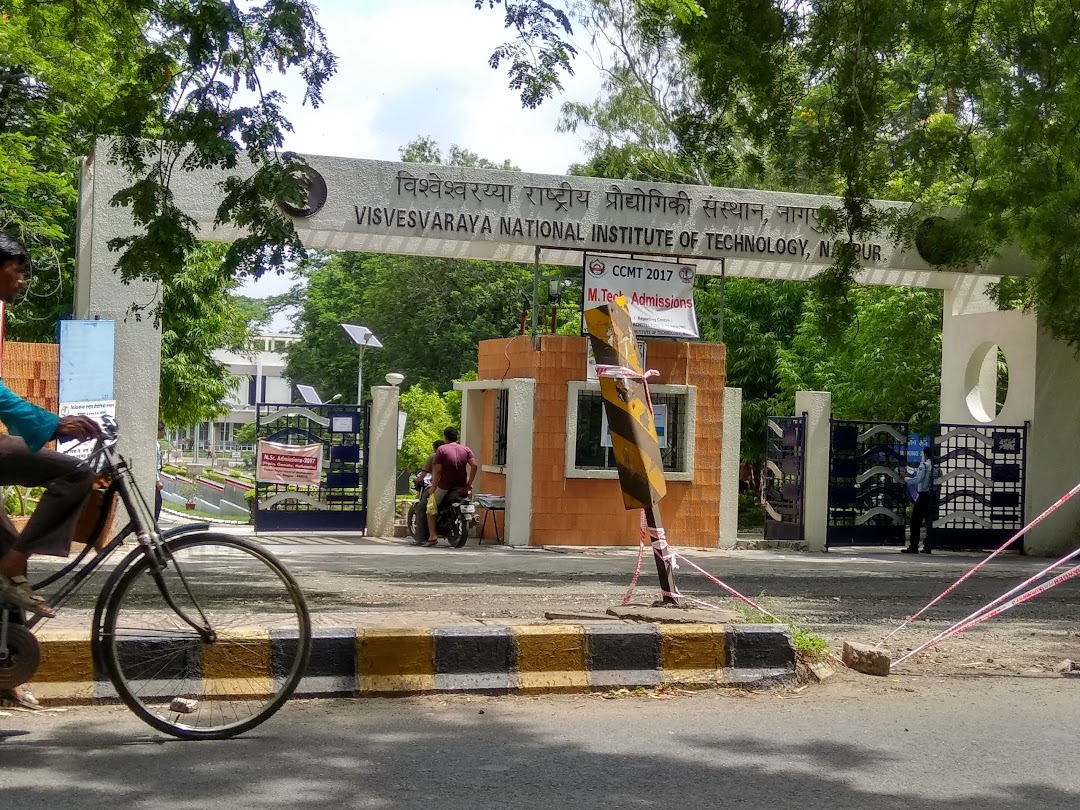
Citizens can breathe a sigh of relief as the Visvesvaraya National Institute of Technology (VNIT) has agreed to temporarily open its 1.2 km road, allowing exclusive access for two-wheelers through its campus. This decision follows weeks of legal battles and community outcry over restricted access due to ongoing construction near the Ambazari dam. The initiative was led by Divisional Commissioner Vijaylaxmi Bidari and Commissioner of Police Dr. Ravinder Singal.

The Issue at Hand

Community Outcry and Legal Battles

The local community expressed significant frustration and inconvenience due to the restricted access caused by the construction near the Ambazari dam. The situation led to a legal standoff, compelling the authorities to find a swift resolution.

Role of the High Court

Justice Nitin Sambre and Justice Abhay Mantri of the Nagpur Bench of the Bombay High Court took a firm stance. They instructed the State Government and district administration to exercise their discretionary powers to address the issue.

Meeting and Negotiations

Key Figures in the Decision

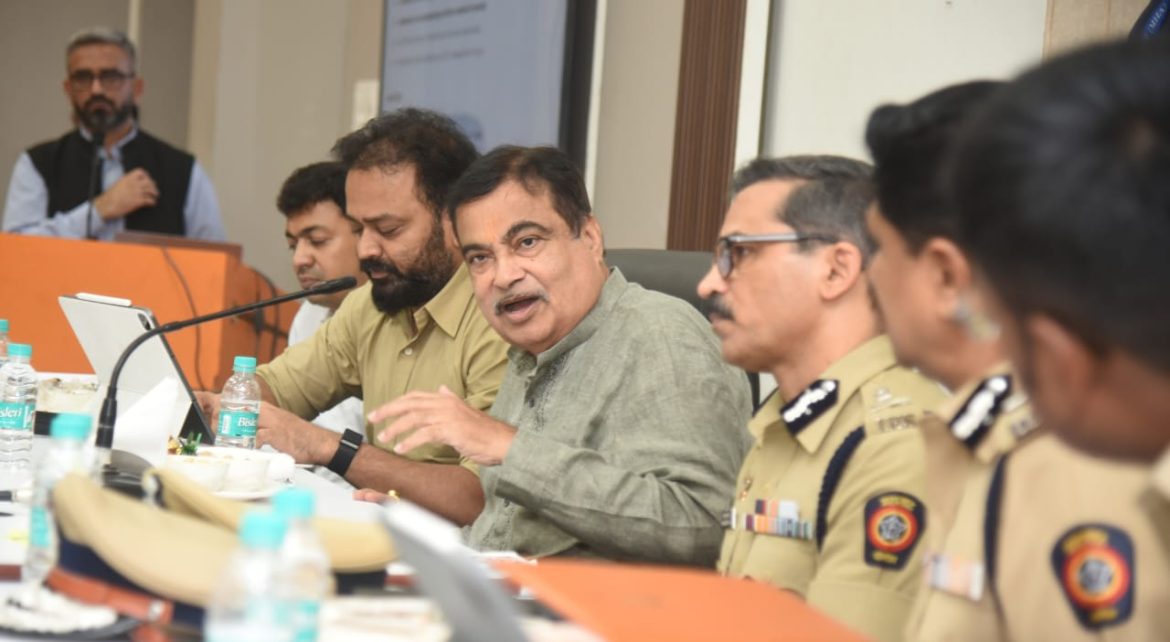
Divisional Commissioner Vijaylaxmi Bidari and Commissioner of Police Dr. Ravinder Singal spearheaded the negotiations with VNIT officials. During the meeting, Dr. Singal highlighted the public’s challenges due to the ongoing construction.

VNIT’s Initial Hesitation

VNIT officials were initially reluctant to open the road, citing the internal roads’ unsuitability for heavy traffic. However, the High Court’s intervention expedited their compliance.

Execution of the Decision

Preparations and Timeline

Deputy Commissioner of Police (DCP) Traffic Shashikant Satav informed that it would take a minimum of three days to operationalize the road fully. The process involves demolishing a portion of VNIT’s compound wall near the Indian Oil petrol pump (Ambazari police chowki) to facilitate vehicle entry.

Traffic Management Measures

DCP Satav assured proactive traffic management measures. Barricades and plastic cones will be deployed at each junction to ensure smooth traffic flow and safety. Traffic movement may be briefly halted during student movements to ensure their safety.

Exclusive Access for Two-Wheelers

Restricted Access

The stretch from the demolished compound wall to Gate No. 3 near LAD College will exclusively accommodate two-wheelers. Four-wheelers will remain prohibited to maintain safety and manage traffic effectively.

Safety Concerns

VNIT’s Associate Dean, Mangesh Madurwar, highlighted that the internal roads are not designed for heavy traffic. The exclusive access for two-wheelers is a temporary measure to alleviate the community’s inconvenience while ensuring the campus’s safety.

Community Response

Relief and Reactions

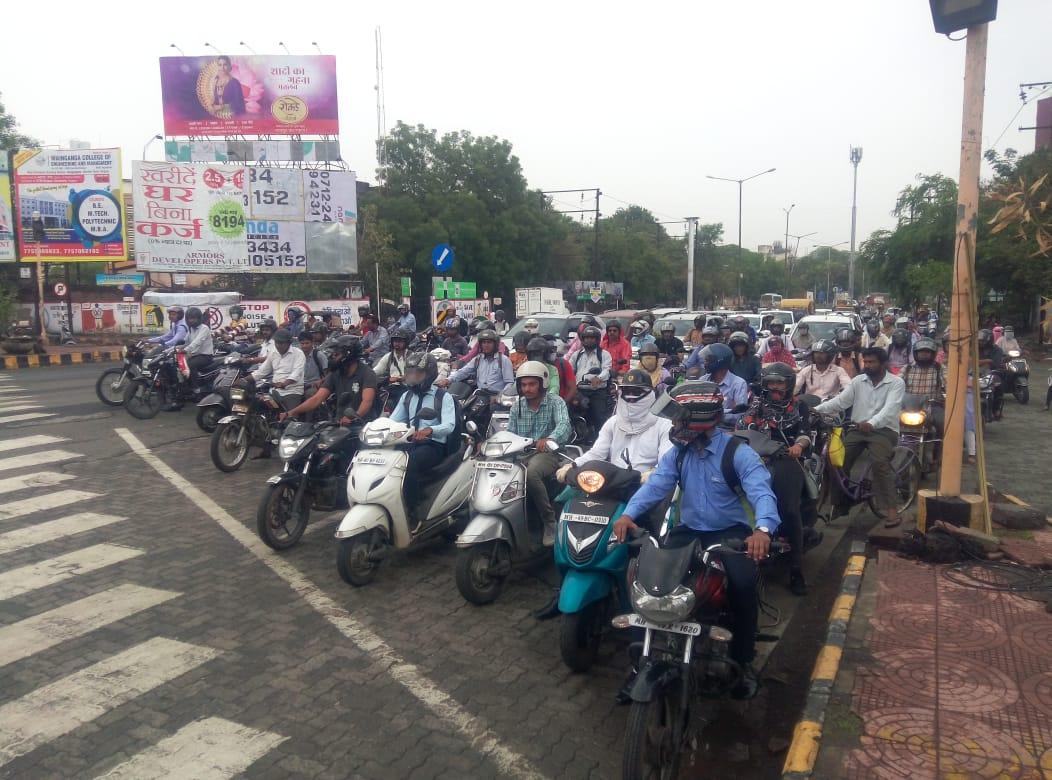
The decision has been met with relief and appreciation from the local community. The temporary solution has eased the commute for many, reducing the frustration caused by the ongoing construction.

Public Sentiment

The community’s response underscores the importance of accessible routes and effective traffic management, especially during construction projects that disrupt daily life.

The High Court’s intervention and the collaborative efforts of local authorities and VNIT have provided a timely resolution to the access issue. By opening the 1.2 km road exclusively for two-wheelers, the authorities have addressed the community’s concerns while ensuring safety within the VNIT campus.

  1. Why was the VNIT road closed initially? The VNIT road was closed due to ongoing construction near the Ambazari dam, causing restricted access and inconvenience for the community.
  2. Who initiated the decision to open the road? The decision was initiated by Divisional Commissioner Vijaylaxmi Bidari and Commissioner of Police Dr. Ravinder Singal, with the High Court’s intervention.
  3. How long will the road remain open for two-wheelers? The road is temporarily opened for two-wheelers until the construction near the Ambazari dam is completed and normal access is restored.
  4. What measures are being taken to ensure safety on the opened road? Traffic police will deploy barricades and plastic cones at each junction, and traffic movement may be briefly halted during student movements to ensure safety.
  5. Why are four-wheelers prohibited on this road? Four-wheelers are prohibited to ensure safety and manage traffic effectively, as the internal roads are not designed for heavy traffic.

Ambazari Bridge Totally Shut, Entire West Nagpur Gridlocked

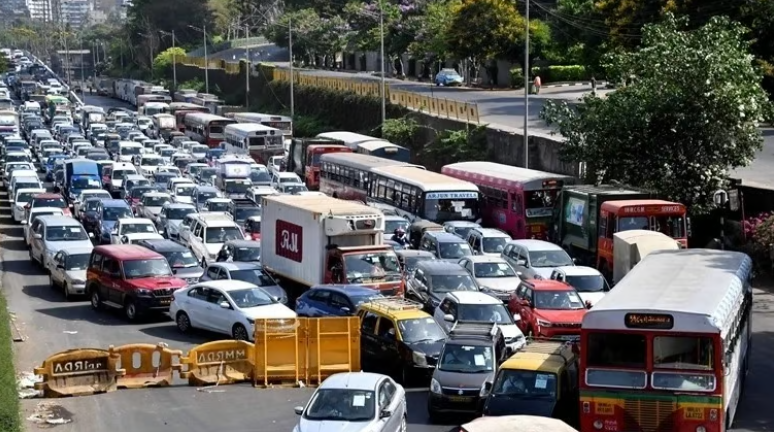
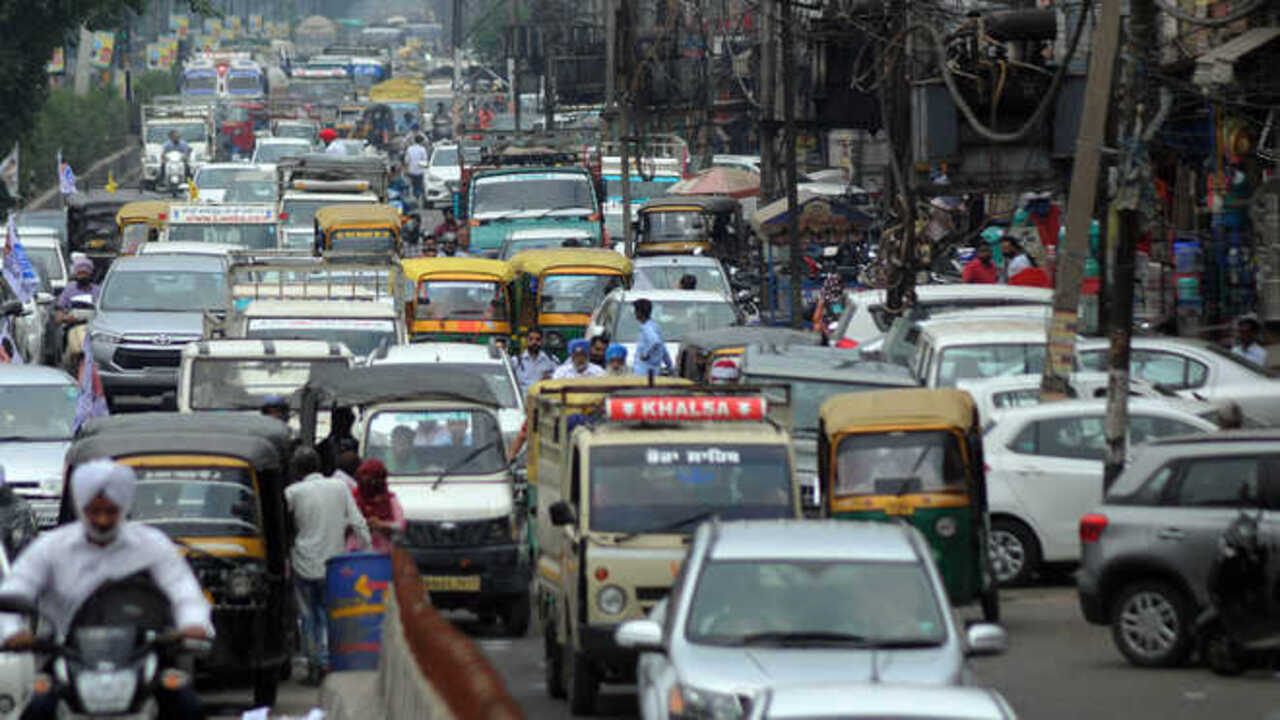
Ambazari Bridge Traffic: Nagpur has always been a bustling city, but recently, the traffic situation in West Nagpur has reached unprecedented levels of chaos. The closure of the Ambazari Bridge has created a ripple effect, causing gridlock in various parts of the city. Let’s dive into the specifics of this traffic nightmare and explore possible solutions.

 The Traffic Conundrum in West Nagpur

 Shankar Nagar Square: A Traffic Hotspot

Shankar Nagar Square, typically a busy junction, has become a focal point of frustration for motorists. The closure of the Ambazari Bridge has rerouted significant traffic through this square, causing severe congestion.

 LAD Square: Pipeline Work Adding to Woes

To make matters worse, ongoing pipeline work at LAD Square is exacerbating the situation. With half the road cordoned off and large machinery in place, navigating through this area has become a herculean task.

 Abhyankar Nagar Square: A Bottleneck

Abhyankar Nagar Square is another area feeling the brunt of the traffic diversion. Long queues of vehicles are now a common sight, with motorists enduring prolonged delays.

 The Root of the Problem: Ambazari Bridge Closure

 Why the Closure?

The Ambazari Bridge has been closed by the state public works department to dismantle the structure over the Nag River. While necessary, this closure has significantly disrupted the usual traffic flow.

 Proposed Alternative Routes

The traffic police proposed alternative routes, such as the road via Subhash Nagar-Mate Square-Abhyankar Nagar-Shankar Nagar for those traveling from Hingna to Sitabuldi, and the route from Hingna T-point to Wadi T-Point via MIDC to reach Amravati Road. However, these alternatives have proven insufficient in alleviating the congestion.

 Impact on Daily Life

 Commuter Frustration

Motorists have expressed immense frustration with the current traffic situation. Daily commutes that once took minutes now extend to over an hour, significantly impacting productivity and quality of life.

 Emergency Services Hampered

The gridlock has also posed serious challenges for emergency services. Ambulances and fire trucks struggle to navigate through the congested roads, risking lives in urgent situations.

 Role of Roadside Eateries and Vendors

 The Encroachment Issue

Roadside eateries and vendors have further compounded the traffic woes by occupying significant portions of the roads. Despite alerts and efforts to curb these encroachments, the situation persists.

 Lack of Enforcement

Motorists have criticized the Nagpur Municipal Corporation (NMC) and zone officials for their lax enforcement of anti-encroachment laws. Many believe there is collusion between officials and unauthorized vendors.

 Steps Taken by Authorities

 Deployment of Additional Manpower

Deputy Commissioner Shashikant Satao, upon returning from leave, assured the deployment of additional manpower to manage the traffic better. However, the effectiveness of this measure remains to be seen.

 Traffic Signal Control

Efforts to control traffic signals and alleviate congestion during peak hours have been implemented. Yet, the sheer volume of vehicles makes it a daunting task.

 The Effect on Businesses

 Economic Impact

Local businesses in the affected areas are suffering due to decreased customer footfall. The prolonged traffic jams deter shoppers and clients, leading to a decline in revenue.

 Vendor Struggles

While roadside vendors contribute to the congestion, they too are struggling as the traffic deters potential customers. It’s a vicious cycle impacting the local economy.

 Commuter Adaptations

 Two-Wheeler Riders on Footpaths

In desperation, many two-wheeler riders have taken to using footpaths to navigate through the traffic jams. This not only poses safety risks but also highlights the severity of the situation.

 Carpooling and Public Transport

Some commuters have started carpooling or using public transport to avoid the hassle of driving through the gridlocked roads. While this helps to some extent, it is not a comprehensive solution.

 Long-Term Solutions

 Improved Infrastructure

To tackle such issues in the future, there’s a dire need for improved infrastructure. Expanding roads, constructing flyovers, and improving public transportation could be viable solutions.

 Better Planning and Coordination

Better planning and coordination among various governmental departments can prevent such chaos. Proactive measures and timely communication with the public are crucial.

The traffic situation in West Nagpur, exacerbated by the closure of the Ambazari Bridge, calls for immediate and effective action. While temporary measures can offer some relief, long-term solutions focusing on infrastructure and enforcement are essential. The authorities must address the root causes of congestion and ensure smoother vehicular movement to alleviate the daily struggles of the city’s residents.

Q1: Why was the Ambazari Bridge closed?

The Ambazari Bridge was closed by the state public works department to dismantle the structure over the Nag River.

Q2: What are the alternative routes suggested by the traffic police?

The traffic police suggested routes via Subhash Nagar-Mate Square-Abhyankar Nagar-Shankar Nagar for those traveling from Hingna to Sitabuldi and the route from Hingna T-point to Wadi T-Point via MIDC to reach Amravati Road.

Q3: How long is the pipeline work at LAD Square expected to last?

The pipeline work at LAD Square is expected to persist for the next 15 to 20 days.

Q4: How has the traffic situation impacted emergency services?

The gridlock has significantly hampered emergency services, with ambulances and fire trucks struggling to navigate through the congested roads.

Q5: What long-term solutions can address the traffic congestion in Nagpur?

Long-term solutions include improving infrastructure, expanding roads, constructing flyovers, enhancing public transportation, and better planning and coordination among governmental departments.

Bridge Construction: Traffic Route Changes Near Ambazari Road

Bridge Construction Traffic Route Changes: Construction on one side of the high bridge near Ambazari Lake is nearly complete, signaling a significant shift in local traffic patterns. As the demolition of the old bridge on the opposite side begins on June 10, new traffic routes have been implemented to ensure smooth transit. Deputy Commissioner of Police (City Traffic) Shashikant Satav has issued a traffic notification detailing these changes. This article will guide you through the revised routes and help you navigate the area with ease.

Understanding the Bridge Construction Near Ambazari Lake

 Overview of the Construction Project

The ongoing bridge construction near Ambazari Lake is a significant infrastructure project aimed at improving traffic flow and safety. The construction on one side of the high bridge is almost complete, and the next phase involves the demolition of the old bridge to make way for a new, modern structure.

 Importance of the Project

This project is crucial for the city as it addresses the increasing traffic congestion in the area. The new bridge will be wider, allowing for smoother traffic flow and reducing bottlenecks that have long plagued commuters.

 Timeline and Phases

  • Phase 1: Completion of one side of the new bridge.
  • Phase 2: Demolition of the old bridge starting June 10.
  • Phase 3: Construction of the remaining side of the new bridge.

 Traffic Route Changes

Route Closures

To accommodate the construction work, several route changes have been implemented:

  • Hingna to Sitabuldi: The route towards Ambazari T-point will be completely closed.
  • Sitabuldi to Hingna: The road towards Ambazari T-point will also be completely closed for traffic.

 Alternative Routes

For Hingna to Sitabuldi

Drivers will need to use the following alternate routes:

  • From Hingna T-point via Wadi Point and University Campus Square.

For Sitabuldi to Hingna

Travelers should proceed:

  • From Subhashnagar T-point to Mate Square, Laxminagar Square, and Bajajnagar Square.

 Detailed Route Guidance

H3: Routes Remaining Open

  • Gajanan Mandir T-point to Mate Square
  • Shradhanandpeth Square to Abhyankar Square
  • LA Square

These routes will remain accessible, ensuring that local traffic can still navigate around the construction zone.

 Navigating Specific Areas

Gajanan Mandir T-point to Mate Square

This route remains open and is an essential alternative for avoiding construction delays. Commuters are advised to use this path to reach their destinations efficiently.

Shradhanandpeth Square to Abhyankar Square

Another vital route that remains unaffected, helping distribute the traffic load and prevent congestion in other areas.

LA Square

LA Square serves as a crucial junction that will help in managing the diverted traffic flow. It’s important for drivers to follow the signs and guidance provided to ensure smooth travel.

 Impact on Daily Commutes

 Increased Travel Time

The construction and subsequent route changes are likely to increase travel time for many commuters. It’s advisable to plan for extra time in your schedule to accommodate these changes.

 Public Transport Adjustments

Public transport routes are also being adjusted to align with the new traffic patterns. Check with local transit authorities for the latest updates on bus and taxi routes.

 Safety Measures and Guidelines

 Adherence to Traffic Rules

To ensure safety, it’s crucial that all drivers adhere to the updated traffic rules and follow the instructions provided by traffic police.

 Pedestrian Safety

Pedestrians should also be cautious and use designated crossing points to avoid accidents in the construction zones.

 Future Benefits of the New Bridge

 Enhanced Traffic Flow

Once completed, the new bridge will significantly enhance traffic flow in the area, reducing congestion and travel time.

 Improved Safety

The new bridge will feature modern safety measures, including better lighting and wider lanes, making it safer for all users.

 Community Feedback

H3: Public Opinions

Local residents and commuters have shared mixed reactions to the construction project. While many appreciate the long-term benefits, some are concerned about the short-term inconveniences.

H4: Addressing Concerns

City officials are working to address these concerns by providing clear communication and updates on the project’s progress.

H2: Staying Updated

 Official Announcements (Bridge Construction Traffic Route Changes)

Keep an eye on official announcements from the city’s traffic department for the latest updates and route changes.

 Real-Time Traffic Apps

Utilize real-time traffic apps to monitor road conditions and find the best routes during the construction period.

The bridge construction near Ambazari Lake is a significant project that will greatly benefit the city once completed. However, the ongoing construction and route changes require careful navigation and adherence to new traffic rules. By staying informed and planning your routes, you can minimize the impact on your daily commute and look forward to the improved infrastructure.

Q1: When will the new bridge construction be completed? A1: The completion date has not been officially announced yet, but updates will be provided as the project progresses.

Q2: Will public transport routes be affected by the construction? A2: Yes, public transport routes will be adjusted. Check with local transit authorities for the latest updates.

Q3: How can I stay updated on traffic changes during the construction? A3: Follow official announcements from the city’s traffic department and use real-time traffic apps.

Q4: What safety measures are in place during the construction? A4: Increased traffic police presence, clear signage, and designated pedestrian crossing points are some of the safety measures implemented.

Q5: Will there be any pedestrian access during the construction? A5: Yes, pedestrian access will be maintained with designated crossing points for safety.

Nagpur City Tackles Parking Problems with New Off-Street Parking Spots

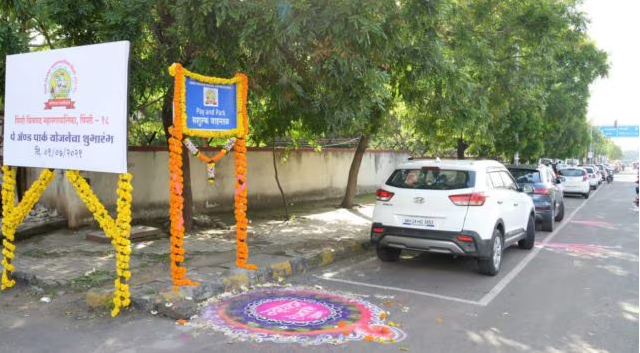
Nagpur parking solutions: Nagpur is taking bold steps to combat its parking chaos. The city’s Traffic Control Branch, in collaboration with the Nagpur Municipal Corporation (NMC), has rolled out a strategic plan to designate 21 new off-street parking spots across 10 zones. This initiative aims to alleviate the persistent issue of disorderly parking, which often leads to traffic jams and conflicts in Maharashtra’s second capital.

The Need for Off-Street Parking

Parking problems in Nagpur have been a long-standing issue. The city’s bustling commercial hubs, like Sitabuldi, Gandhibagh, Itwari, and others, suffer from a scarcity of designated parking spaces. This lack often results in ad hoc parking arrangements and frequent disputes during towing and clearance operations.

A Comprehensive Survey for Better Parking

To address this, a joint survey by law enforcement and municipal authorities was conducted. They compiled a list of 75 roads suitable for establishing parking areas for both four and two-wheelers. However, the initial list released by the Traffic Control Branch has raised concerns for overlooking some major commercial hubs.

Overlooked Areas in Initial Planning (Nagpur parking solutions)

Commercial areas like Sitabuldi, Gandhibagh, Itwari, Gokulpeth, Khamla, and Lakadganj were notably missing from the list. These areas are characterized by high population density and vibrant markets, making the need for organized parking even more critical.

New Parking Spots: A Step Towards Order

Shashikant Satav, Deputy Commissioner of Police at the Traffic Control Branch, emphasized the importance of these newly designated parking spots. He believes they will provide much-needed relief to citizens worn out by the chaos of unregulated parking. These spots are being implemented on a trial basis and will remain effective until June 5.

Enforcement and Future Plans (Nagpur parking solutions)

The Traffic Police have urged the NMC’s Enforcement Department to address encroachments on the notified streets promptly. Plans are in place to mark parking areas with white lines and install signboards for better clarity and convenience.

Initial Free Parking and Future Prospects

Ravi Bundhade, Executive Engineer of Traffic at NMC, announced that off-street parking would initially be provided free of charge. However, he mentioned that the introduction of fees might be considered in future policy decisions. For now, there is no concrete proposal regarding this matter.

Community Involvement and Feedback

Citizens are encouraged to offer feedback and lodge complaints concerning the new parking initiative through the DCP, Traffic, Nagpur City Police. This initiative marks a significant stride towards resolving Nagpur’s longstanding parking woes, fostering optimism for improved traffic flow and urban convenience.

Benefits of Off-Street Parking

  • Reduced Traffic Congestion: By providing designated parking spots, the flow of traffic is expected to improve, reducing congestion and travel times.
  • Enhanced Safety: Organized parking reduces the chances of accidents and conflicts on the roads.
  • Improved Aesthetic: Proper parking areas contribute to a cleaner and more organized urban environment.
  • Economic Boost: Better parking management can attract more shoppers and visitors to commercial areas, boosting local businesses.

Potential Challenges

While the new parking spots bring hope, they also pose challenges:

  • Maintenance: Ensuring these spots remain clean and functional requires regular maintenance.
  • Security: Adequate security measures must be in place to prevent vehicle theft and vandalism.
  • Public Cooperation: Success hinges on public cooperation and adherence to parking rules.

Looking Ahead

This parking initiative is a promising start, but it’s just the beginning. Continuous assessment and community involvement will be crucial for its long-term success.

Encouraging Sustainable Transportation

In addition to improving parking, Nagpur could benefit from promoting sustainable transportation options like cycling and public transit. Integrating these solutions can further alleviate traffic congestion and reduce the city’s carbon footprint.

FAQs About Nagpur’s New Parking Initiative

1. What prompted Nagpur to introduce new off-street parking spots?
The persistent issue of disorderly parking, leading to traffic jams and conflicts, prompted the initiative.

2. How were the new parking spots chosen?
A joint survey by law enforcement and municipal authorities identified 75 suitable roads, resulting in the designation of 21 parking spots.

3. Will parking be free at these new spots?
Yes, initially, parking will be free. Future fees may be considered based on policy decisions.

4. How long is the trial period for these new parking spots?
The trial period for the new parking spots will last until June 5.

5. How can citizens provide feedback on the new parking initiative?
Citizens can offer feedback and lodge complaints through the DCP, Traffic, Nagpur City Police.

All Heavy Vehicles to be Barred Near Ambazari Bridge to Ease Congestion

Ambazari bridge traffic congestion: Nagpur’s traffic woes are about to be eased, as heavy vehicles will soon be barred from traversing the Ambazari bridge. The decision comes in the wake of ongoing bridge dismantling works and the associated risks. This move, orchestrated by the state Public Works Department (PWD) in collaboration with the traffic department, aims to mitigate congestion and enhance safety.

The Current Situation: An Overview

The Ambazari bridge serves as a crucial connection between the Ambazari lake overflow point and the Ambazari T-point. However, with the bridge undergoing dismantling, only one side remains open, causing significant traffic congestion.

Challenges Faced

Heavy vehicles plying on the half-dismantled bridge pose a serious risk. Excavation activities for the new foundation might destabilise the soil under the open side, making it unsafe for heavy traffic.

The PWD’s Strategic Measures

Dismantling Process

Currently, about 70% of one side of the bridge has been dismantled. The remaining work is on hold pending the relocation of MSEDCL cables, which is crucial to avoid power disruptions for around 2 lakh consumers, mainly from Amravati Road.

Height Barriers Installation

To enforce the ban on heavy vehicles, the PWD will install height barriers within the next few days. This measure will prevent heavy vehicles from accessing the bridge, thereby reducing the risk and congestion.

Collaboration with Traffic Department

The PWD has coordinated with the traffic department to ensure smooth execution of these plans. DCP (Traffic) Shashikant Satav confirmed that the road will be closed to heavy vehicles once the height barriers are in place.

The Financial Implications

Project Cost Escalation

The cost of dismantling the Ambazari bridge has risen from an estimated ₹8 crore to ₹10.38 crore. The increase is attributed to the additional ₹2.50 crore demanded by MSETCL for cable damages and ₹38 lakh for temporary shifting of MSEDCL cables.

Future Costs

Relocating the MSEDCL cables permanently after the bridge’s reconstruction is expected to cost another ₹80 lakh, bringing the total project cost to approximately ₹11.18 crore.

Impact on Local Traffic

Temporary Traffic Solutions

PWD officials are devising temporary solutions to manage the traffic chaos expected between the Ambazari overflow point and Mate Square. The situation is likely to worsen once both sides of the road are closed.

Meeting to Address Issues

A meeting between PWD and city police is scheduled for May 27 to discuss long-term traffic management solutions for the area.

Safety Concerns

Soil Stability Risks

Excavation for the new bridge foundation might loosen the soil under the operational side, posing a danger to vehicles, especially heavy ones. Hence, the barring of heavy vehicles is a precautionary measure to ensure safety.

Temporary Power Solutions

MSEDCL is erecting poles to temporarily shift the cables, ensuring minimal disruption to the power supply during the dismantling process.

Community Impact

Consumer Power Supply

Around 2 lakh consumers are at risk of power cuts unless the MSEDCL cables are shifted promptly. This makes the timely relocation of cables critical.

Long-Term Benefits

Despite the immediate inconveniences, the barring of heavy vehicles and subsequent bridge reconstruction will ultimately ease traffic congestion and enhance safety for all road users.

Public Communication

PWD’s Transparency

PWD officials, including Executive Engineer Chandrashekhar Giri, have been transparent about the progress and challenges of the project. Regular updates are provided to keep the public informed.

Traffic Department’s Role

The traffic department is actively involved in implementing measures to mitigate congestion and ensure public safety during the bridge dismantling and reconstruction phases.

The decision to bar heavy vehicles from the Ambazari bridge is a necessary step to ensure safety and ease traffic congestion. While the process involves significant logistical and financial challenges, the long-term benefits for Nagpur’s commuters will be substantial. The collaboration between the PWD and the traffic department is crucial in navigating this complex project, promising a safer and more efficient traffic flow in the future.

  1. Why are heavy vehicles being barred from the Ambazari bridge? Heavy vehicles are being barred to reduce congestion and ensure safety during the bridge dismantling and reconstruction.
  2. What are the financial implications of the bridge project? The project cost has increased to approximately ₹11.18 crore due to additional expenses for cable damages and relocation.
  3. How will the barring of heavy vehicles affect local traffic? It will help ease congestion, though temporary traffic management solutions are being devised to handle the disruption.
  4. What measures are being taken to ensure power supply continuity? MSEDCL is temporarily shifting cables to prevent power cuts for around 2 lakh consumers.
  5. When will the height barriers be installed? The height barriers are expected to be installed within two to three days to enforce the ban on heavy vehicles.

Schools to Kick Off Campaign Against Underage Driving in Nagpur

underage driving campaign Nagpur schools: Nagpur’s schools and junior colleges are launching a significant campaign to combat underage driving. This initiative comes in the wake of a tragic accident in Pune, where an ultra-luxury car driven by an alleged teenager resulted in the death of two youths. The School Headmasters Charitable Association (SHCA) has taken the lead in this movement, recognising the pressing need to bolster awareness and enforcement in collaboration with the police department.

The Tragic Backdrop: Pune Accident

The recent accident in Pune has shocked communities and underscored the dangers of underage driving. A teenager behind the wheel of a high-end car caused a fatal crash, bringing the issue to the forefront of public consciousness. This tragic event has highlighted the urgent need for preventative measures to protect young lives and ensure road safety.

Role of the School Headmasters Charitable Association (SHCA)

SHCA’s Mission (underage driving campaign Nagpur schools)

The SHCA is committed to addressing the issue of underage driving through comprehensive awareness campaigns. Founder-president Zafar Khan has expressed the association’s dedication to collaborating with the police to enhance the effectiveness of these initiatives.

Collaboration with Police

The SHCA plans to invite police officers to school assemblies to speak directly to students about the consequences of underage driving. The presence of uniformed officers can have a profound impact, reinforcing the gravity of the message and encouraging students to adhere to traffic laws.

Current Measures in Nagpur Schools

Strict Policies on Campus (underage driving campaign Nagpur schools)

Nagpur’s CBSE and state board schools already enforce strict rules regarding vehicles on campus. Students are prohibited from bringing any motorised vehicles to school, ensuring a safer environment.

Previous Actions

In the past, Nagpur schools have taken decisive action against students who violated these rules. For instance, a CBSE school in Koradi confiscated a motorbike brought by a student, returning it to the parents only after addressing the issue. Similarly, another CBSE school in Wardhaman Nagar suspended six students for a week for riding bikes they were not legally allowed to drive.

The Importance of Awareness Campaigns

Impact of Education

Awareness campaigns are crucial in educating students about the risks and legal repercussions of underage driving. By understanding the potential consequences, students are more likely to make responsible choices.

Involving the Community

These campaigns also extend to parents and the broader community. Engaging everyone in the dialogue about road safety creates a supportive network that reinforces the message.

Detailed Strategies for the Campaign

Seminars and Workshops

Schools will host seminars and workshops featuring experts in road safety and law enforcement. These sessions will provide students with valuable insights and practical advice.

Interactive Sessions

Interactive sessions, including role-playing and scenario-based discussions, will help students understand the real-life implications of underage driving. These activities make the learning experience engaging and memorable.

Visual Aids and Demonstrations

Using visual aids, such as videos and presentations, can effectively illustrate the dangers of underage driving. Demonstrations by police officers can further drive home the message.

The Role of Parents and Guardians

Parental Responsibility

Parents play a crucial role in preventing underage driving. By setting a good example and enforcing rules at home, they can influence their children’s behaviour.

Open Communication

Encouraging open communication about the dangers of underage driving can help parents address any concerns their children might have. It’s essential for parents to be approachable and supportive.

Engaging the Wider Community

Community Events

Community events focused on road safety can help spread awareness beyond the school environment. These events provide an opportunity for the entire community to come together and discuss solutions.

Partnerships with Local Organisations

Partnering with local organisations, such as driving schools and road safety advocacy groups, can enhance the reach and impact of the campaign.

Measuring the Success of the Campaign

Feedback Mechanisms

Implementing feedback mechanisms will help schools assess the effectiveness of their campaigns. Surveys and questionnaires can provide valuable insights into what is working and what needs improvement.

Monitoring and Evaluation

Regular monitoring and evaluation of the campaign’s progress will ensure that it remains on track and achieves its goals. Adjustments can be made based on the findings to enhance its impact.

The Road Ahead: Sustaining Efforts

Long-term Commitment

Sustaining these efforts requires a long-term commitment from all stakeholders. Continuous education and enforcement are key to maintaining road safety awareness among students.

Building a Culture of Safety

By consistently promoting safe driving practices, schools can help build a culture of safety that extends beyond the school gates and into the broader community.

The campaign against underage driving in Nagpur’s schools is a vital step towards ensuring the safety of young people on the roads. By combining education, enforcement, and community involvement, these initiatives aim to prevent tragedies and promote responsible behaviour. The collaborative efforts of the SHCA, police, parents, and the community are essential in making this campaign a success.

1. Why is the campaign against underage driving important?

The campaign is crucial because underage driving poses significant risks to the safety of young drivers and others on the road. Educating students about these dangers can prevent accidents and save lives.

2. How will schools enforce the rules against underage driving?

Schools will continue to implement strict policies prohibiting students from bringing vehicles to campus. They will also involve police officers to reinforce the message during school assemblies.

3. What role do parents play in preventing underage driving?

Parents are vital in setting a good example and enforcing rules at home. Open communication and being supportive can help prevent underage driving.

4. How will the effectiveness of the campaign be measured?

The campaign’s effectiveness will be measured through feedback mechanisms such as surveys and questionnaires, along with regular monitoring and evaluation.

5. What can the community do to support the campaign?

The community can support the campaign by participating in road safety events, partnering with local organisations, and fostering a culture of safety through continuous education and awareness efforts.

No More Cheers to Minors: CP Orders City Pubs & Bars

CP orders city pubs bars: Nagpur’s pubs and bars are under scrutiny following reports of alcohol being served to minors. The Police Commissioner, Ravinder Singal, has announced strict measures to ensure compliance with the law. This move follows a tragic incident in Pune where a minor, driving a Porsche, caused a fatal accident. This article delves into the details of the new regulations and their implications.

The Incident That Sparked Change

The Pune Tragedy

The catalyst for the crackdown was a horrific accident in Pune. A minor, driving a high-end Porsche, collided with a motorcycle, resulting in the deaths of two tech professionals. This incident not only highlighted the dangers of underage driving but also brought attention to the issue of minors accessing alcohol.

Public Outrage and Government Response

The accident led to widespread outrage and prompted Deputy Chief Minister Devendra Fadnavis to intervene. The gravity of the situation necessitated immediate action to prevent further such tragedies.

CP’s Directive to Pubs and Bars

Strict Warnings and Potential Actions

Police Commissioner Ravinder Singal (CP orders city pubs bars) has issued stern warnings to pubs and bars regarding the sale of alcohol to minors. Establishments found violating these regulations may face severe consequences, including the revocation of their operating licenses.

Mandatory Precautionary Measures

Singal emphasized the need for pub and bar owners to adhere to strict guidelines. These include verifying the age of patrons and implementing measures to ensure that intoxicated individuals do not drive. A notification has been issued making it mandatory to alert the police about any suspicious activities.

Ensuring Responsible Operation

Collaboration with Civic Bodies

The CP plans to collaborate with various agencies to gather information on pubs and lounges. This includes ensuring compliance with parking regulations and emergency exit protocols.

Public Responsibility and Reporting

Patrons are encouraged to report any unusual activities or violations they observe in these establishments. This collective effort aims to create a safer environment for everyone.

Holding Parents Accountable

The law clearly states that parents will be held liable if their minor children are caught driving. This measure aims to prevent accidents by emphasizing the responsibility of parents to ensure their children do not engage in illegal activities.

Strict Penalties for Violations

Parents of minors found driving will face severe legal consequences, including prosecution and punishment if accidents occur. This serves as a deterrent to prevent underage driving and its associated risks.

Community Involvement and Vigilance

Role of the Community

The community plays a vital role in ensuring the effectiveness of these regulations. By staying vigilant and reporting any breaches, residents can contribute to a safer city environment.

Creating Awareness

Public awareness campaigns can help educate both parents and minors about the dangers of underage drinking and driving. These initiatives are crucial for long-term change.

Impact on Pub and Bar Operations

Adjusting Business Practices

Pubs and bars need to adjust their business practices to comply with the new regulations. This includes implementing stricter age verification processes and ensuring responsible service of alcohol.

Potential Economic Impact

While these measures may initially impact business, the long-term benefits of a safer community outweigh the temporary inconvenience. Establishments that comply with the regulations will likely gain a positive reputation.

The crackdown on serving alcohol to minors in Nagpur’s pubs and bars is a necessary step to ensure public safety. By holding both establishments and parents accountable, the city aims to prevent future tragedies and create a safer environment for all residents.

1. What prompted the new regulations on pubs and bars in Nagpur?

The new regulations were prompted by a tragic accident in Pune involving a minor driving a Porsche, which resulted in the deaths of two tech professionals.

2. What actions can be taken against pubs and bars serving alcohol to minors?

Establishments found serving alcohol to minors may face severe consequences, including the revocation of their operating licenses.

3. How can patrons contribute to ensuring compliance in pubs and bars?

Patrons can contribute by reporting any suspicious activities or violations they observe to the police.

Parents of minors caught driving will face prosecution and strict legal penalties if accidents occur.

5. What steps can pubs and bars take to comply with the new regulations?

Pubs and bars can implement stricter age verification processes, ensure responsible service of alcohol, and report any unusual activities to the police.

New Driving License Rules Starting from June 1; No More Driving Tests At RTO

The Ministry of Road Transport and Highways in India has introduced a groundbreaking change in the process of obtaining a driving license. Starting June 1, 2024, individuals will have the option to undergo driving tests at private driving training centers instead of government Regional Transport Offices (RTOs). These authorized institutions will be responsible for conducting tests and issuing certificates for license eligibility.

Introduction to the New Driving License Rules

Beginning June 1, 2024, the process of obtaining a driving license in India will undergo significant changes. The Ministry of Road Transport and Highways has introduced new guidelines that allow individuals to take driving tests at private driving training centers, moving away from the traditional RTO-based testing system.

Reasons for the Change

Tackling Pollution and Phasing Out Old Vehicles

One of the primary motivations behind this change is to tackle pollution. The government aims to phase out approximately 900,000 old government vehicles that are not environmentally friendly and enforce stricter car emission standards.

Streamlining the Licensing Process

The new system aims to streamline the documentation required for obtaining a driving license. By reducing the need for physical checkups at RTOs, the process becomes more efficient and less cumbersome for applicants.

Private Driving Training Centres: A New Era

Land and Facility Requirements

Private driving training centres must meet specific requirements to be authorized to conduct driving tests. For light motor vehicle (LMV) training, centres must have a minimum of 1 acre of land. For heavy motor vehicle (HMV) training, the requirement is 2 acres. Additionally, these centres must provide access to suitable testing facilities.

Trainer Qualifications

Trainers at these centres must have a high school diploma (or equivalent), at least 5 years of driving experience, and be familiar with biometrics and IT systems. This ensures that trainees receive high-quality education and training.

Training Duration

The training duration for different vehicle types is also specified:

  • Light Motor Vehicles (LMV): 29 hours over 4 weeks, including 8 hours of theory and 21 hours of practical training.
  • Heavy Motor Vehicles (HMV): 38 hours over 6 weeks, including 8 hours of theory and 31 hours of practical training.

Licensing Fees and Charges

Here’s a breakdown of the licensing-related fees and charges under the new rules:

  • Issue of learner’s license (Form 3): Rs 150.00
  • Learner’s license test fee (or repeat test): Rs 50.00
  • Driving test fee (or repeat test): Rs 300.00
  • Issue of driving license: Rs 200.00
  • Issue of International Driving Permit: Rs 1000.00
  • Addition of another vehicle class to license: Rs 500.00
  • Endorsement or renewal of authorization for hazardous goods vehicles: Rs 200.00
  • Renewal of driving license: Rs 200.00
  • Renewal of driving license (after grace period): Rs 300.00 + additional fee of Rs 1,000 per year or part thereof (from the expiration of the grace period)
  • Issue or renewal of license for driving instruction school or establishment: Rs 5000.00
  • Appeal against licensing authority orders (rule 29): Rs 500.00
  • Change of address or other particulars in driving license: Rs 200.00

Application Process for a Driving License

Despite the changes, the application process remains largely the same. Applicants can apply online or offline via the Parivahan website. The application fee depends on the type of license. Applicants will need to visit the RTO to submit documents and demonstrate their driving skills for license approval.

Stricter Penalties for Traffic Violations

Speeding Fines

The fine for speeding remains between Rs 1000 to Rs 2000. However, the government has introduced stricter penalties for minors caught driving.

Penalties for Minors

Minors caught driving will face a hefty penalty of Rs 25,000. Their vehicle registration will be revoked, and they will be ineligible for a driving license until they reach the age of 25. This aims to deter underage driving and ensure road safety.

The new driving license rules starting from June 1, 2024, represent a significant shift in how driving tests are conducted in India. By allowing private driving training centres to conduct tests and issue certificates, the government aims to make the process more efficient and environmentally friendly. These changes, along with stricter penalties for traffic violations, are designed to improve road safety and reduce pollution.

1. What are the new rules for obtaining a driving license in India?

Starting June 1, 2024, individuals can take driving tests at private driving training centres instead of government RTOs.

2. Why has the government introduced these new rules?

The new rules aim to streamline the licensing process, reduce pollution by phasing out old vehicles, and improve road safety with stricter penalties for traffic violations.

3. What are the requirements for private driving training centers?

Private driving training centers must have a minimum of 1 acre of land (2 acres for four-wheeler training), provide suitable testing facilities, and employ qualified trainers with at least 5 years of driving experience.

4. How much does it cost to obtain a driving license under the new rules?

The fees include Rs 150 for a learner’s license, Rs 300 for a driving test, and Rs 200 for the issue of a driving license, among others.

5. What penalties are imposed on minors caught driving?

Minors caught driving will face a penalty of Rs 25,000, vehicle registration revocation, and will be ineligible for a driving license until they reach the age of 25.

Gridlock Alert: NMC To Concretize 9 More Roads in Nagpur

Brace Yourself for Traffic: NMC Initiates Road Concretization

Concretize-Nagpur-Roads | Nagpur Traffic: Living in Nagpur? You might be accustomed to the perpetual symphony of honking horns and bumper-to-bumper traffic. Well, gear up because there’s more to come. The Nagpur Municipal Corporation (NMC) has set its sights on concretizing nine additional tar roads, a move that could stir up some serious gridlock across the city.

What’s Happening?

Chief engineer Rajiv Gaikwad, in a tête-à-tête, spilled the beans. The Phase-IV of the cement concrete project is about to kick off, encompassing a grand total of 33 roads. These roads, spread across zones like Laxmi Nagar, Dharampeth, Dhantoli, and more, are about to undergo a major facelift.

The Budget Crunch

With the state government chipping in a hefty Rs300 crore, the plan is to concretize a staggering 34.5 km of tar roads. Gaikwad revealed, “We’re looking at a timeline of four months to complete the nine roads, spanning a total length of 4.73 kilometers.” 

Roadblocks Ahead

Sure, the end goal is improved infrastructure, but let’s not overlook the inconvenience this might cause. Already, 29 sections of the city are feeling the pinch due to ongoing construction works by various agencies. With the monsoon looming, the chaos might just intensify.

Light at the End of the Tunnel

Fear not, fellow motorists! Gaikwad assures us that while the construction may disrupt traffic for a while, alternate routes will be made available. 

The Nitty-Gritty Details

Wondering how these roads were cherry-picked? Gaikwad sheds light on the selection criteria. Roads boasting a width between 12 meters and 24 meters made the cut.

The wheels of progress are turning, albeit slowly. While Nagpur braces itself for more traffic snarls, let’s keep our eyes on the prize: smoother, sturdier roads.

1. Will my daily commute be affected?

Absolutely. Expect delays and diversions as the construction work unfolds.

2. How long will the disruptions last?

The chief engineer estimates a couple of months, so buckle up for the long haul.

3. Can I still access my destination during the construction?

Yes, alternate routes will be provided to ensure minimal disruption to your journey.

4. Is there a plan in place for emergency services?

Rest assured, arrangements will be made to prioritize emergency vehicles.

5. What’s the long-term benefit of this project?

Improved road infrastructure promises smoother and safer travels for all Nagpurians.

Green Nets: Providing Cool Respite for Nagpur’s Motorists

Beat the Heat with Green Nets

Nagpur motorists: Nagpur, known for its scorching summer heat, is witnessing a remarkable initiative by the Nagpur Municipal Corporation (NMC) aimed at providing relief to motorists. The installation of green nets at various traffic signals seeks to offer shade to commuters, especially two-wheeler riders and vulnerable groups like women and children. With the impending ‘Nautapa’, a period of even higher temperatures, this move comes at a crucial time.

Key Intersections Covered

The NMC has strategically chosen key intersections for the installation of these green nets. Locations such as RBI Square, GPO Square, Law College Square, Shankar Nagar, and Manewada Square are among the initial sites where these nets have been erected. However, challenges arise, particularly on wide roads, due to strong winds threatening the integrity of the nets.

Challenges Faced by the NMC

The NMC faces hurdles in maintaining the green nets on wide roads, primarily due to the region’s strong winds. Despite this, the civic body remains committed to providing relief to motorists, though adjustments to the plan may be necessary.

Expansion Plans and Selection Criteria

Ravindra Bundhade, executive engineer of NMC’s traffic department, highlights the selection criteria for the project. Junctions experiencing longer waiting periods due to heavy traffic and lacking natural shade from trees have been prioritized. The success of this pilot project may lead to its expansion to additional locations.

Site-specific Installations

At each identified intersection, specific considerations have been made for the installation of green nets. For instance, at RBI Square and GPO Square, nets will be erected on sides where natural shade is lacking, ensuring coverage for both inbound and outbound traffic.

Adaptation to Ongoing Construction

Challenges posed by ongoing construction, such as at Law College Square, require adaptability. In such cases, the NMC is working to overcome obstacles and ensure the effectiveness of the green net initiative.

Learning from Past Attempts

Previous endeavors, like the 2016 installation at RBI Square, faced setbacks due to storm damage. However, authorities have learned from these experiences, implementing measures to reinforce the nets against strong winds.

Public Reception and Environmental Impact

The initiative has garnered positive feedback from the public, particularly from two-wheeler riders who appreciate the relief from the intense sun. Environmental activists advocate for collective efforts, including providing water bowls for birds, to mitigate the challenges posed by hot weather.

A Step Towards Urban Well-being

The installation of green nets at traffic signals in Nagpur signifies a proactive approach to improving urban well-being. As the initiative gains momentum, its success highlights the importance of adaptive measures in urban planning.

  1. How do green nets benefit motorists? Green nets provide shade at traffic signals, offering relief from the intense summer heat, especially for vulnerable groups like two-wheeler riders, women, and children.
  2. What criteria were considered for selecting locations for green nets? Locations with heavy traffic flow and inadequate natural shade from trees were prioritized for the installation of green nets.
  3. How does the NMC plan to address challenges posed by strong winds? The NMC is implementing measures to reinforce the green nets against strong winds, learning from past experiences to ensure their durability.
  4. What role do environmental activists play in this initiative? Environmental activists advocate for collective efforts to mitigate the impact of hot weather, including initiatives like providing water bowls for birds.
  5. How might the success of this initiative impact future urban planning? The success of the green net initiative underscores the importance of adaptive measures in urban planning, highlighting the need to prioritize citizen well-being.
Exit mobile version