GMCH Launches Special OPD for Senior Citizens: A Milestone in Geriatric Healthcare

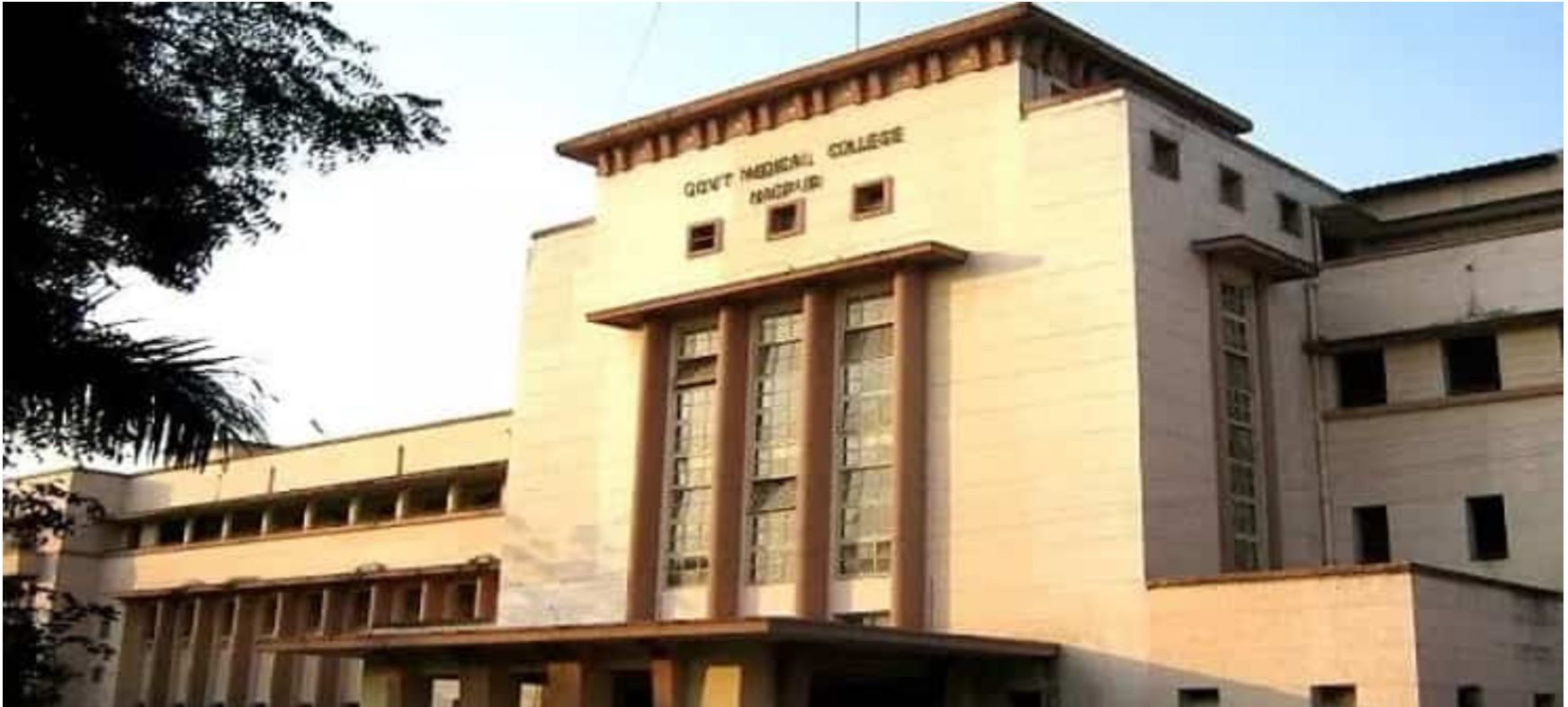
Nagpur Medical College : In a groundbreaking move to enhance the healthcare experience for senior citizens, the Government Medical College and Hospital (GMCH) in Nagpur inaugurated a dedicated Geriatric Outpatient Department (OPD) on Tuesday. Recognizing the increasing demographic of seniors in Maharashtra, constituting approximately 12% of the state’s 12.5 crore population, this initiative aims to cater specifically to the unique health challenges faced by older adults.

Tailored Care for Aging Individuals 

As individuals age, they often encounter distinctive health issues, making access to quality healthcare paramount. The newly established OPD at GMCH seeks to address these concerns by offering specialized services curated for the needs of the elderly. The department boasts a team of experts across various domains, including surgery, medicine, gynecology, and orthopedics, ensuring comprehensive care for senior patients.

Streamlined Registration Process for Seniors

Understanding the potential challenges in navigating the healthcare system, the geriatric OPD incorporates a separate registration room exclusively for senior citizens. This thoughtful addition aims to simplify the registration process, making it more accessible and less stressful for older individuals seeking medical attention.

Cost-Free Consultations and Treatment

One of the standout features of the geriatric OPD is its commitment to financial accessibility. All consultations and treatments provided within the department are offered free of charge, eliminating a significant financial barrier for many seniors. This not only emphasizes the government’s dedication to healthcare but also ensures that seniors can prioritize their well-being without financial constraints.

Inauguration Ceremony: A Symbol of Commitment

The inauguration ceremony, held on Tuesday, was graced by the esteemed presence of Dr. Raj Gajbhiye, the dean of GMCH, Nagpur. Deputy deans Dr. Devendra Mahore and Dr. Uday Narlawar, along with medical superintendent Dr. Avinash Gawande, professors, and heads of other clinical departments, also attended the event. This collective presence underscores the significance of the geriatric OPD in the medical community.

A Welcome Development for Nagpur’s Senior Citizens

The establishment of the geriatric OPD marks a positive and progressive step for senior citizens in Nagpur and its surrounding areas. It reflects the government’s unwavering commitment to ensuring accessible and high-quality healthcare for all, regardless of age. The doctors present at the inauguration ceremony expressed their enthusiasm for this development, highlighting its potential to significantly improve the health and well-being of the elderly population.

A Path Towards Inclusive Healthcare

In conclusion, the introduction of the geriatric OPD at GMCH in Nagpur is a commendable stride towards making healthcare more inclusive for the elderly. By addressing the specific needs of seniors and eliminating financial barriers, this initiative stands as a beacon of commitment to the well-being of our aging population.

FAQs

  1. Is there any age restriction for accessing the geriatric OPD services?
    • No, the geriatric OPD is open to all senior citizens, regardless of age.
  2. Are the consultations and treatments truly free of charge?
    • Yes, all services provided at the geriatric OPD are offered without any financial burden to the senior citizens.
  3. What specialties are covered in the geriatric OPD?
    • The OPD includes specialists in surgery, medicine, gynecology, and orthopedics, ensuring comprehensive care.
  4. How can seniors streamline the registration process?
    • The geriatric OPD has a dedicated registration room for seniors, simplifying the process for their convenience.
  5. Is the geriatric OPD exclusive to residents of Nagpur?

Facebook, Instagram, and Messenger Outage: Unraveling the Meta Meltdown

Global Instagram Outage: In a digital landscape where social media reigns supreme, the recent outage of Facebook, Instagram, and Messenger sent shockwaves across the virtual realm. Thousands found themselves caught in a web of frustration as these platforms, integral to our online lives, succumbed to what seems to be a colossal failure within Meta, their parent company.

The Digital Disarray

Users worldwide experienced an abrupt disruption, rendering them incapable of accessing the apps or websites. Facebook users faced an additional inconvenience as they discovered themselves forcibly logged out, grappling with an inability to log back in. Simultaneously, Instagram (Global Instagram Outage) flat-out refused to function, exacerbating the bewilderment.

Concerns and Conundrums

The sudden logout prompted widespread panic, with users fearing their accounts had fallen victim to hackers. On platforms like Twitter, trending phrases echoed the collective apprehension. However, reassuringly, the error messages were not indicative of a cyber attack. Instead, they traced back to glitches within Facebook’s login system.

Meta’s Muted Response

In the midst of the chaos, Meta’s silence added fuel to the fire. Lacking official status pages for consumer products, Meta offered no updates on its official accounts, leaving users to navigate the outage with uncertainty.

Global Glitches Unveiled

The extent of the disruption became evident through the Down Detector website, exposing widespread outages not only in the United States but across the globe. Thursday marked a day when users on every continent grappled with the unavailability of Instagram, Facebook, and Messenger.

A Business as Usual for Meta’s Business Products

Surprisingly, Meta’s status page for business products, encompassing advertising on Facebook and Instagram, conveyed a different story. It suggested that, at least on the business front, all systems were operational, leaving users to wonder about the stark contrast.

WhatsApp: An Island of Stability

As a subsidiary of Meta, WhatsApp stood resilient amid the chaos, seemingly unaffected by the widespread disruptions that plagued its sibling platforms.

{finish}

Conclusion: Navigating the Meta Storm

In the aftermath of this digital tempest, users are left pondering the reliability of the platforms that weave seamlessly into their daily lives. The outage not only exposed the vulnerabilities of these giants but also emphasized the intricate web of dependencies in our interconnected online world.

FAQs

  1. What caused the outage?
    • The outage was attributed to glitches within Facebook’s login system, not a cyber attack.
  2. Did Meta address the issue promptly?
    • Meta’s response was notably delayed, leaving users in the dark during the outage.
  3. Were other Meta-owned platforms affected?
    • WhatsApp, another Meta subsidiary, remained unaffected by the outage.
  4. How widespread was the disruption?
    • The outage spanned globally, affecting users on a vast scale.
  5. Is there a guarantee against future outages?
    • The incident raises questions about the platforms’ robustness, prompting users to consider the possibility of future disruptions

EC Introduces Home Voting for Elderly and Specially-abled in Lok Sabha Elections: Enhancing Accessibility and Inclusivity

Elderly Home Voting: In a commendable move to enhance voter turnout and ensure inclusivity in Lok Sabha elections, the Election Commission (EC) has introduced a groundbreaking initiative allowing individuals aged 80 and above, as well as those with disabilities, to cast their votes from the comfort of their homes. Let’s delve into the details of this significant development that aims to make the democratic process accessible to all.

Bridging the Gap: Introduction of 12-D Forms

To streamline the process, eligible voters will receive 12-D forms a week prior to election day. These forms, provided by relevant polling officials, pave the way for a seamless transition to home voting. District election officers will play a pivotal role in orchestrating the initiative, making necessary arrangements for voting at the residences of senior citizens and persons with disabilities. The entire process will be meticulously documented through video recording, ensuring transparency and accountability.

Inclusive Regulations: Addressing Accessibility Challenges

According to the regulations set forth by the EC, individuals unable to access polling centers due to disabilities, especially those with disabilities exceeding 40%, will qualify for voting from their residences. This move acknowledges the diverse needs of the electorate, fostering an inclusive democratic environment. Furthermore, the voting process of persons with disabilities will be recorded on video, providing a comprehensive record of their participation.

Demographic Insights: Understanding the Impact

In Nagpur district alone, there are 18,215 individuals with disabilities, distributed across the Nagpur Lok Sabha constituency and the Ramtek Lok Sabha constituency. Of the 42,33,605 voters in Nagpur district, a noteworthy 1,17,708 are aged 80 years and above. Notably, the South-West Nagpur constituency boasts the highest number of elderly voters at 16,724, while Ramtek has the lowest count at 6,100.

Personalized Assistance: Navigating the Process

Appointed employees will visit the homes of eligible voters three times, ensuring a personalized approach to facilitate their participation. In adherence to EC guidelines, if elderly or disabled voters seek assistance, employees will be assigned accordingly. The entire voting process will be documented through video, reinforcing the commitment to transparency. However, it’s crucial to note that failure to locate the voter on three consecutive visits will result in the forfeiture of their voting rights.

Conclusion: A Stride Towards Inclusive Democracy

In conclusion, the EC’s introduction of home voting for the elderly and specially-abled marks a significant stride towards creating a more inclusive and accessible democratic process. This initiative not only addresses the unique needs of these demographics but also reinforces the democratic values of equal representation and participation.

FAQs:

  1. How can eligible voters request assistance during home voting?
    • Eligible voters can request assistance by reaching out to the appointed employees visiting their homes, following the guidelines provided by the EC.
  2. What happens if an elderly or disabled voter cannot be located during the three visits?
    • Unfortunately, failure to locate the voter on three consecutive visits will lead to the forfeiture of their voting rights.
  3. How many times will appointed employees visit the homes of eligible voters?
  4. Are there any specific forms required for home voting?
  5. What is the purpose of video documentation during the home voting process?
    • Video documentation ensures transparency and accountability, capturing the entire voting process of elderly and specially-abled voters.

Nagpur Takes Lead with India’s First City-Specific Zero Carbon Plan for Buildings

Setting the Stage for Sustainable Development

In the heart of India, Nagpur, often recognized as the geographical center of the nation, is making significant strides towards sustainable development. The city has unveiled the groundbreaking Zero Carbon Buildings Action Plan (ZCBAP), not only setting a precedent for Maharashtra but also pioneering efforts to decarbonize the building sector and contribute to India’s ambitious net-zero by 2070 target.

A Holistic Roadmap: From Public Buildings to Homes

The ZCBAP doesn’t just stop at rhetoric; it provides a comprehensive roadmap covering public buildings, government-affordable housing, commercial spaces, and homes. This ambitious plan lays out a strategic implementation strategy with the aim of achieving net-zero buildings city-wide by 2050. The roadmap encompasses crucial actions, addressing everything from the choice of building materials to the design, construction, management, and even deconstruction processes.

Unveiling the Carbon Impact: A Glimpse into Nagpur’s Past

In 2017-18, Nagpur’s Climate Resilient City Action Plan, developed by the Nagpur Municipal Corporation (NMC) and Nagpur Smart and Sustainable City Development Corporation Limited (NSSCDCL), revealed a startling fact. Residential, commercial, and institutional buildings were responsible for a staggering 58% of the city’s total energy consumption and 56% of its greenhouse gas (GHG) emissions.

Collaborative Efforts: International Partnerships and Local Initiatives

Led by NSSCDCL and NMC, the ZCBAP is not a solitary endeavor. It has garnered support from international partners like the World Resources Institute (WRI), the Global Environment Facility (GEF), the United Nations Environment Programme (UNEP), and ICLEI South Asia through the Zero Carbon Buildings Accelerator (ZCBA) project.

Vision 2050: Transforming Nagpur into a Net-Zero City

Emani Kumar, Executive Director of ICLEI South Asia, articulates the plan’s goal succinctly, aiming to transform Nagpur into a city where all buildings, old or new, achieve net-zero carbon emissions by 2050. Aligned with India’s Nationally Determined Contributions (NDCs), which focus on a 45% reduction in GHG emissions intensity of GDP by 2030 and aspire to reach net-zero emissions by 2070.

Aligning with Global Frameworks: The Key to Success

NSSCDCL CEO Prithviraj BP highlights the alignment of the ZCBAP with crucial frameworks like the Climate Smart Cities Assessment Framework (CSCAF), India’s Long-Term Low-Carbon Development Strategy, and the Urban Outcomes Framework. This alignment ensures effective tracking and assessment of urban sustainability and climate readiness. The plan also positions Nagpur strategically in meeting global commitments with the Global Covenant of Mayors for Climate & Energy (GCoM) and the Race to Zero campaign.

Net-Zero Emissions Explained: A Sustainable Approach

Net-zero emissions entail reducing GHG emissions to the lowest possible level and offsetting any remaining emissions through natural processes like the absorption done by green cover and oceans. The concept extends to net-zero buildings, which aim to minimize GHG emissions throughout their lifecycle, from construction materials to building use and end-of-life demolition.

Conclusion: Paving the Way for a Greener Future

In conclusion, Nagpur’s Zero Carbon Buildings Action Plan is a beacon of hope and a testament to the city’s commitment to sustainable development. The holistic approach, collaborative efforts, and alignment with global frameworks position Nagpur as a leader in the journey towards a greener and more sustainable future.

FAQs: Unveiling the Details

  1. What is the Zero Carbon Buildings Action Plan (ZCBAP)?
    • ZCBAP is Nagpur’s comprehensive strategy to achieve net-zero carbon emissions in all buildings by 2050, covering public, commercial, and residential spaces.
  2. How does the plan address greenhouse gas emissions?
    • The plan considers the entire lifecycle of buildings, from materials to construction, usage, and even demolition, implementing reduction strategies.
  3. Why is international collaboration crucial for ZCBAP?
    • International partners like WRI, GEF, UNEP, and ICLEI provide support, expertise, and resources to ensure the success of the ambitious plan.
  4. What is the significance of aligning with global frameworks?
    • Alignment with frameworks like CSCAF and GCoM ensures Nagpur’s efforts are recognized globally, reinforcing its commitment to sustainability.
  5. How does Net-Zero Emissions contribute to India’s goals?
    • Achieving net-zero emissions aligns with India’s NDCs, focusing on reducing GHG intensity and reaching the nation’s net-zero emissions target by 2070.

Nagpur Takes Center Stage with Record 22 Plays at 62nd Maharashtra State Hindi Theatre Festival

Nagpur Theatre Festival: Nagpur, a city pulsating with cultural vibrancy, is poised to steal the limelight as it gears up to host an extraordinary 22 plays during the state-level round of the 62nd Maharashtra State Hindi Theatre Festival 2023-24. This theatrical extravaganza, running from Monday to March 19, promises a unique showcase of the dominance of Hindi theatre in the region, outshining even the theatrical powerhouses of Pune and Mumbai. The iconic Vasantrao Deshpande Hall is all set to be the primary stage for this spectacular event, organized by the Maharashtra state directorate of Cultural Affairs. A celebration of Maharashtra’s rich cultural tapestry, this festival serves as a crucial platform for amateur theatre groups to unveil their talents.

A Festival of Diversity and Talent

The festival unfolds as a melting pot of cultural expressions, featuring performances from cities like Amravati, Chandrapur, Washim, Akola, and Nanded. The opening day alone boasts the intriguing “Purush” by Abhivyakti Group from Amravati and “Dastan” by Nagpur’s very own Ambhruni Seva Sanstha. Renowned theatre groups from Vidarbha, including Kalasagar, Ashwaghosh Kala Akademi, and Rashtrabhasha Pariwar, will share the stage with participants from other cities, promising an eclectic mix of performances. The festival’s format accommodates a broad spectrum of theatrical expressions, spanning from the traditional to the contemporary, showcasing the dynamic essence of Hindi theatre in Maharashtra.

An Opportunity for Cultural Engagement

Expressing his enthusiasm, Vibhishan Chawre, the director of Cultural Affairs, highlights Nagpur’s role in hosting the highest number of plays this year. He underlines the festival’s unique opportunity for theatre enthusiasts to witness a diverse array of productions from across the region. Chawre extends a warm invitation to the public, urging them to attend and experience the enchantment of Hindi theatre. The festival’s commitment to accessibility is evident through its free entry, aiming to attract a diverse crowd and further enrich cultural engagement within the community.

The Impact on Regional Theatre

Beyond being a showcase for talent, the Maharashtra State Hindi Theatre Festival plays a pivotal role in nurturing the growth of regional theatre. By bringing together amateur groups from across the state, the festival fosters a sense of community among theatre practitioners, encouraging collaboration and the exchange of ideas. The exposure gained from participating in this prestigious event can significantly impact the careers of aspiring actors and directors, ultimately elevating the overall quality of theatre in the region. As the festival draws to a close, the anticipation for the final results adds an extra layer of excitement, highlighting the competitive spirit driving the artistic excellence of Hindi theatre in Maharashtra.

{finish}

Nagpur’s hosting of a record-breaking 22 plays at the 62nd Maharashtra State Hindi Theatre Festival is a testament to the city’s cultural prowess. This event not only showcases the richness of Hindi theatre but also provides a vital platform for the growth of regional talents. As the curtains fall, the impact of this festival resonates, promising a lasting influence on the theatrical landscape of Maharashtra.

FAQs

  1. How can I attend the Maharashtra State Hindi Theatre Festival?
    • The festival offers free entry, welcoming everyone to experience the magic of Hindi theatre.
  2. What makes this festival unique?
  3. Are there specific genres featured in the festival?
    • Yes, the festival’s format embraces a wide range of theatrical expressions, from traditional to contemporary.
  4. How does the festival contribute to regional theatre growth?
    • By bringing together amateur groups from across the state, it fosters collaboration, community, and the exchange of ideas among theatre practitioners.
  5. When does the festival conclude, and how are winners determined?
    • The festival concludes on March 19, with results adding excitement, and showcasing the competitive spirit driving Hindi theatre excellence.

Gold Prices Today In India: Unveiling the Trends in Delhi, Mumbai, Kolkata, Chennai, Thane, Surat, Pune, Nagpur

Nagpur: Gold and silver prices are experiencing a downturn in the global market, casting a shadow over domestic markets. The lackluster demand further exacerbates the situation, hindering any potential support for the prices.

Global Market Overview

In the international arena, gold is currently trading at $2,080.95 per ounce, indicating a weakness of $2.46. Simultaneously, silver stands at $23.07 per ounce, displaying a weakness of $0.09.

Gold Price Today In Mumbai

Heading to the financial capital, Mumbai, the current gold rate is ₹5,874 per gram for 22 karat gold and ₹6,408 per gram for 24 karat gold.

Gold Price Today In Kolkata

Moving east to Kolkata, the gold prices stand at ₹5,874 per gram for 22 karat gold and ₹6,408 per gram for 24 karat gold.

Gold Price Today In Chennai

In the southern city of Chennai, the gold price today is ₹5,939 per gram for 22 karat gold and ₹6,479 per gram for 24 karat gold.

Gold Price Today In Delhi

Heading to the heart of the nation, Delhi, the current gold rate is ₹5,889 per gram for 22 karat gold and ₹6,423 per gram for 24 karat gold.

Gold Price Today In Thane

In Thane, the gold price today is ₹5,874 per gram for 22 karat gold and ₹6,408 per gram for 24 karat gold.

Gold Price Today In Surat

Down to Surat, the gold price today stands at ₹5,879 per gram for 22 karat gold and ₹6,413 per gram for 24 karat gold.

Gold Price Today In Pune

In Pune, the gold price today is ₹5,874 per gram for 22 karat gold and ₹6,408 per gram for 24 karat gold.

Gold Price Today In Nagpur

Finally, in Nagpur, the gold price today is ₹5,874 per gram for 22 karat gold and ₹6,408 per gram for 24 karat gold.

In conclusion, the current trends in gold prices reflect a global weakness, impacting local markets. It’s crucial for investors and enthusiasts to stay updated on these fluctuations for informed decisions.

FAQs

  1. What factors contribute to the global weakness in gold prices?
  2. How often do gold prices change in the market?
    • prices can fluctuate daily based on various market factors. It’s essential to monitor them regularly for accurate information.
  3. Are there specific times when gold prices are more volatile?
    • Yes, events like economic releases, geopolitical crises, and major market shifts can lead to increased volatility in gold prices.
  4. What impact does the demand for gold have on its prices?
    • A surge in demand often leads to an increase in gold prices, while a decline in demand can contribute to a decrease.
  5. How can investors use gold price trends for strategic decisions?
    • Investors can analyze gold price trends to make informed decisions regarding buying, selling, or holding gold assets in their portfolios.

Viral for Wrong Reasons? Nagpur Police Vigilant on Offensive Social Media Trends

Nagpur Police: In this era of instant fame and fleeting virality, some content creators resort to offensive language (Viral Content) and questionable humor (Offensive Social Media Trends) to grab attention on social media platforms. Nagpur, unfortunately, has witnessed a concerning trend where individuals create social media videos and reels with immoral themes. Recognizing the negative impact of such content, the Cyber Police Station in Nagpur has taken a firm stance against it, launching an initiative to hold creators accountable for their actions.

Taking a Stand: 15 Cases and Counting

Archit Chandak, Deputy Commissioner of Police, Economic Offences Wing (EOW) and Cyber, revealed to ‘The Hitavada’ that the department has already taken action in about 15 cases related to offensive content. The creators primarily fall within the age range of 16 to 24 years old, with some juveniles and adults also involved. These individuals were summoned to the police station and were made to delete their offensive posts under the watchful eye of law enforcement.

Social Media Monitoring Cell: An Unyielding Watch

DCP Chandak explained, “We have a Social Media Monitoring Cell with 10 personnel diligently monitoring prominent social media platforms for such activities.” The department takes action against those who openly abuse, threaten, show allegiance to goons, abuse communities or women, or disrupt social harmony. This initiative was launched due to a significant rise in negative content and numerous complaints received through various channels.

Collaboration for a Safer Digital Space

“We use a combination of online patrolling, reports from citizens, and collaboration with city-based social media influencers and positive content creators to track down individuals violating community guidelines,” explained DCP Chandak. The officers not only take immediate action but also counsel the individuals involved, emphasizing zero tolerance for such content. Diary entries are maintained, providing a record of these interventions.

The Root of the Problem: Society’s Impact on Virality

Creators often resort to offensive content because the current societal environment allows such content to go viral easily, gaining popularity through social media algorithms. This false sense of validation encourages them to continue down the harmful path, tarnishing the image of the city in the process.

The Power of Public Apologies and Counseling

Public apologies by content creators serve as a deterrent to others from engaging in similar behavior. Recognizing that young individuals are prone to making mistakes during their formative years, the focus is on counseling rather than registering offenses against them. Social background also plays a role; sometimes, young people do not understand the difference between right and wrong due to weak educational or social backgrounds.

Challenges Faced by the Cyber Department

DCP Chandak noted the challenges faced by the cyber department, including the difficulty of tracking down content creators and identifying individuals operating behind fake accounts. The department actively engages in public talks at schools and colleges, educating students on cybercrime, the dangers of online harassment and abuse. They also encourage students to become ‘cyber volunteers’ by assisting their families and elders who might be less familiar with online threats and safety measures.

Positive Responses and Collaborative Efforts

“The initiative has met with positive responses, with citizens expressing appreciation for the actions taken on such content,” concludes DCP Chandak. Varun Jangade, managing a social media account focused on Nagpur news and updates, actively collaborates with DCP Chandak’s team by directly sending them offensive reels. Varun applauds their swift action in taking down these negative content pieces.

The proactive approach of the Nagpur Police in monitoring and addressing offensive social media trends (Viral Content) sets an example for creating a safer digital space. By combining surveillance, collaboration, counseling, and public awareness, the Cyber Police Station aims to curb the rising tide of harmful content and protect the city’s image.

FAQs

  1. How does the Social Media Monitoring Cell operate? The cell consists of 10 personnel who actively monitor prominent social media platforms, taking action against abusive and offensive content creators.
  2. What measures are taken against individuals violating community guidelines? The Cyber Police Station not only takes immediate action but also provides counseling to emphasize zero tolerance for offensive content.
  3. Why do content creators resort to offensive content? The societal environment allows such content to go viral easily, providing creators with a false sense of validation and encouragement to continue.
  4. How does the Cyber Police Department engage with the community? The department actively conducts public talks at schools and colleges, educating students on cybercrime and online safety.
  5. What is the impact of the initiative on citizens and content creators? Positive responses from citizens indicate appreciation for the proactive actions taken against offensive content, serving as a deterrent to potential wrongdoers.

BJP’s Door-to-Door Campaign: Seeking Mass Suggestions for Poll Manifesto

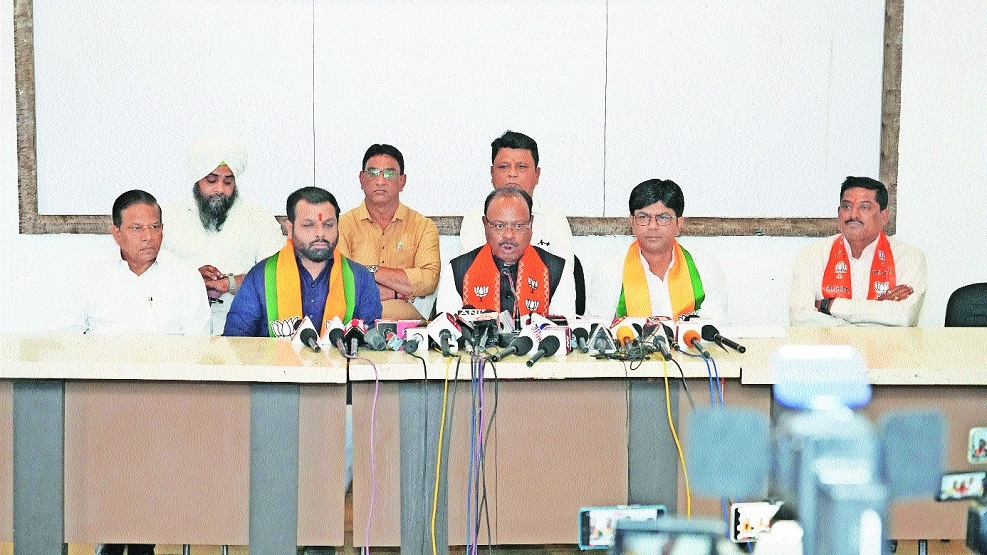
Nagpur Lok Sabha seat: The political landscape is buzzing with activity as the Bharatiya Janata Party (BJP) (Modi Government) gears up for the upcoming Lok Sabha elections. In a strategic move, State BJP President Chandrashekhar Bawankule has officially launched the party’s ambitious public contact drive. The primary objective? To engage with the masses and gather valuable suggestions for the BJP’s election manifesto.

A Massive Undertaking Across Maharashtra

Bawankule, addressing mediapersons at a press conference held at the prestigious Patrakar Club of Nagpur, outlined the scale of the initiative. From Maharashtra alone, a staggering 10 lakh suggestions will be compiled and sent to the party’s central office, ensuring a broad representation of voices in shaping the election agenda.

Under this extensive drive, a formidable force of 33,323 BJP workers will fan out across the State. Armed with boxes, they are set to knock on every door, aiming to collect a diverse array of suggestions directly from the people.

Direct Connect: Modi’s Greetings to the Beneficiaries

Adding a personal touch to the campaign, Bawankule highlighted that greetings from Prime Minister Narendra Modi will be conveyed to the beneficiaries. This human touch aims to bridge the gap between the government and the citizens, fostering a sense of connection and participation.

Showcasing a Decade of Modi Government’s Schemes

From March 7 to 15, BJP workers will not only gather suggestions but also directly engage with beneficiaries of various schemes implemented by the Modi Government over the last decade. The initiative seeks to create awareness about these schemes, designed to benefit people from all walks of life.

BJP’s Stand Against Misleading Tactics

In the midst of this proactive campaign, Bawankule addressed a recent controversy involving Congress leaders Mallikarjun Kharge and Jairam Ramesh. He condemned their ‘mischievous’ post on Union Minister Nitin Gadkari, asserting that such tactics were aimed at creating discontent within the ruling party.

Gadkari, an integral asset for the BJP, has been actively contributing to the country’s development alongside Prime Minister Narendra Modi. The party took a strong stand, with Gadkari issuing legal notices against the Congress leaders for sharing misleading and defamatory content.

NDA’s Confidence in Nagpur Lok Sabha Seat

Responding to a statement from Vanchit Bahujan Aghadi (VBA) President, Adv Prakash Ambedkar, Bawankule expressed confidence in the National Democratic Alliance (NDA) winning the Nagpur Lok Sabha seat. He projected a securing of over 65% votes, reaffirming the BJP’s dominance in the constituency currently represented by Nitin Gadkari.

Furthermore, Bawankule dismissed any possibility of the BJP aligning with the Uddhav Thackeray-led Shiv Sena in the future, emphasizing the party’s commitment to its own path.

Key Figures Present in the Press Conference

The press conference, a platform for crucial announcements, saw the presence of key BJP figures: Sanjay Bhende, BJP State Vice President; Vikrant Patil, General Secretary; Rahul Lonikar, President of Maharashtra Bharatiya Janata Yuva Morcha; Sudhakar Kohale, Nagpur District President of BJP; Anil Nidhan, District General Secretary; Chandan Goswami, State Spokesperson.

In the whirlwind of political maneuvers, BJP’s door-to-door campaign stands out as a proactive and inclusive approach to shaping the party’s election manifesto. By directly engaging with the masses and addressing controversies head-on, the party reaffirms its commitment to transparency and people-centric governance.

Frequently Asked Questions

  1. Q: How can I contribute to the BJP’s election manifesto suggestions?
    • A: The BJP’s extensive door-to-door campaign involves reaching out to citizens across Maharashtra, allowing you to share your suggestions directly with the party workers.
  2. Q: What schemes of the Modi Government will be highlighted during the campaign?
    • A: BJP workers will focus on various schemes implemented by the Modi Government over the past 10 years, benefiting people from diverse backgrounds.
  3. Q: How is the BJP countering misleading information about Union Minister Nitin Gadkari?
    • A: The BJP, through State President Chandrashekhar Bawankule, has condemned misleading posts by Congress leaders and actively pursued legal action against them.
  4. Q: Will the BJP consider an alliance with Shiv Sena in the future?
  5. Q: What is the projected outcome for the Nagpur Lok Sabha seat according to the BJP?
    • A: The BJP, represented by Gadkari, is confident of winning the Nagpur Lok Sabha seat with over 65% of the votes, as stated by State President Chandrashekhar Bawankule.

Unraveling the Tragedy: Vegetable Vendor Murdered in Nagpur City

Vegetable vendor murder Nagpur: In a shocking incident that sent ripples through Nagpur city, a 30-year-old vegetable vendor, Amit Bais, met a tragic end on Sunday. The grim news, unveils a gruesome crime allegedly committed by unidentified assailants.

The Victim and the Tragic Setting

Amit Bais, a resident of the Koradi area, was brutally killed, leaving the community in sorrow. The initial reports indicate that he was declared dead upon arrival at a local hospital, shedding light on the severity of the attack. The Nagpur police officials, grappling with this heinous act, are striving to unearth the motives behind the assault.

The Dark Cloud: Preliminary Investigation

Preliminary findings reveal a harrowing narrative. Amit Bais, described as an alcoholic, fell victim to a fatal attack, wielding a heavy object. The gruesome nature of the crime raises questions about the motive and the identity of the perpetrators.

Unmasking the Culprits: A City in Shock

As Nagpur grapples with the shockwaves of this tragedy, an investigation is underway to unravel the mystery surrounding Amit Bais’s murder. The city, known for its vibrant culture, is now faced with the somber reality of crime on its streets. The questions linger — who were the attackers, and what drove them to commit such a heinous act?

The Pursuit of Justice

The dedicated efforts of law enforcement aim to identify the culprits and establish the motive behind this brutal crime. The pursuit of justice becomes a beacon of hope for the grieving community, seeking closure and answers.

Understanding the Perplexity of the Situation

The perplexity surrounding Amit Bais’s murder adds layers to this tragic narrative. Bursting into the ordinary life of a vegetable vendor, this incident disrupts the peace of a tight-knit community. The combination of shock, grief, and unanswered questions amplifies the complexity of the situation.

Bursting the Bubble of Normalcy

In the quiet streets of Koradi, where routine transactions of vegetables define the day, the burstiness of crime has shattered the bubble of normalcy. This incident serves as a stark reminder that even the most ordinary lives can be disrupted by the unexpected, leaving a community grappling with the aftermath.

A Human Reflection: The Impact on the Community

Beyond the police reports and investigations, the human side of this tragedy surfaces. Amit Bais was not just a statistic; he was a member of a community, a son, and possibly a friend. The loss resonates beyond the crime scene, leaving an indelible mark on those who knew him.

Engaging the Reader: A Call for Reflection

As we navigate through the details of this unfortunate incident, it beckons us to reflect on the fragility of life. The tale of a vegetable vendor’s murder prompts us to consider the safety and well-being of those who form the fabric of our communities.

Conclusion: Seeking Solace in Justice

In conclusion, Nagpur grapples with the aftermath of a brutal crime that has pierced the heart of the city. The investigation is a beacon of hope, promising justice for Amit Bais and a semblance of closure for the community.

FAQs

  1. Q: Who was Amit Bais?
  2. Q: What was the motive behind the attack?
    • A: The motive behind the attack on Amit Bais is currently under investigation by the Nagpur police.
  3. Q: How did the community react to the incident?
    • A: The community is in shock and grief, grappling with the unexpected tragedy that has disrupted their lives.
  4. Q: What measures are being taken to identify the attackers?
    • A: The Nagpur police are actively investigating the case to identify the attackers and establish a motive for the crime.
  5. Q: How does this incident impact the city of Nagpur?
    • A: The incident has left a profound impact on Nagpur, highlighting the vulnerability of even the most ordinary lives in the face of unexpected crime.

Nagpur Outer Ring Road Corruption: CBI Unveils Bribery Scandal

In a shocking turn of events, the Central Bureau of Investigation (CBI) has apprehended (CBI arrests) two high-ranking officials from the National Highways Authority of India (NHAI) – General Manager Arvind Kale and Deputy General Manager Brijesh Kumar Sahu, alongside four others. The arrests, made on a Sunday, are linked to a bribery case involving a staggering amount of Rs 20 lakh connected to the Outer Ring Road Project in Nagpur, Maharashtra.

The Culprits Revealed

Kale, who served as a project director for NHAI in Nagpur, and Sahu, a project director in Madhya Pradesh’s Harda, were taken into custody. Additionally, the directors of Bansal Construction Works Private Limited, a Bhopal-based company, namely Anil Bansal and Kunal Bansal, were also arrested. Employees of the firm, Chhater Singh Lodhi and C Krishna, complete the list of those apprehended.

CBI’s Swift Action

The CBI wasted no time in executing searches at five locations in Bhopal and Nagpur, encompassing both residential and official premises. A substantial amount of Rs 1.1 crore in cash was seized, with Rs 20 lakh identified as the bribe amount. The federal agency’s spokesperson confirmed this development in a statement.

FIR and Allegations

The CBI’s FIR, filed recently, named 11 individuals, including NHAI officials, the company’s directors, and its employees. The allegations revolve around the directors of the Bhopal-based company delivering bribes to NHAI public servants through their employees. These bribes were allegedly exchanged for completion certificates, bill processing, and the smooth progression of awarded works in various road projects sanctioned by NHAI.

Company’s Malpractices Exposed

The agency received intelligence that the company’s employees were delivering bribes to officials in Nagpur and Madhya Pradesh. Krishna, one of the arrested individuals, was reportedly in regular contact with Kale, specifically to expedite pending matters such as bill processing and issuance of completion certificates for the Outer Ring Road project.

Surveillance and Apprehension

During surveillance, the CBI discovered (CBI arrests) that an additional amount of Rs 25 lakh was set to be delivered to Kale. Taking decisive action, the CBI laid a trap resulting in the apprehension of Kale and Project Manager Sahu after the delivery of a Rs 20 lakh bribe by an employee of the private company involved.

The unfolding events surrounding the Nagpur Outer Ring Road corruption case have sent shockwaves through the NHAI. The swift and resolute action by the CBI sheds light on the pervasive corruption within the project. As investigations continue, the repercussions for those involved remain uncertain.

FAQs

Q1: What is the significance of the Outer Ring Road Project in Nagpur?

The Outer Ring Road Project in Nagpur is a crucial infrastructure initiative aimed at enhancing connectivity and easing traffic congestion in the region.

Q2: How did the CBI uncover the bribery scandal?

The CBI received (CBI arrests) intelligence about the delivery of bribes by employees of a Bhopal-based company to NHAI officials, prompting thorough surveillance and subsequent arrests.

Q3: What charges do the arrested NHAI officials and company directors face?

The charges include bribery, delivering bribes to public servants, and corrupt practices related to the issuance of completion certificates and bill processing.

Q4: What is the status of the seized cash?

The CBI seized Rs 1.1 crore in cash, with Rs 20 lakh identified as the bribe amount. The funds will likely be used as evidence in the ongoing investigation.

Q5: What steps will NHAI take to address corruption within its ranks?

NHAI is expected to conduct internal investigations, implement stricter protocols, and collaborate with law enforcement agencies to ensure transparency and integrity within the organization.

Exit mobile version