Concrete Portion Collapse Shakes Samruddhi Highway: A Wake-Up Call

In a startling turn of events, a concrete portion of the Samruddhi Highway bridge crumbled at Nandgaon Khandeshwar, sending shockwaves through the local community. This incident unfolded on a calm Friday morning when unsuspecting farmers passed beneath the bridge. Miraculously, no lives were lost in this potentially catastrophic event.

Immediate Response

The swift response of the local administration played a crucial role in averting a tragedy. As soon as the incident was reported, authorities took immediate action. The police efficiently rerouted the traffic, erecting temporary barricades to secure the area and prevent further mishaps.

Samruddhi Highway’s Checkered Journey

The collapse exposes a troubling facet of the Samruddhi Highway, which has been in operation for just a year. The incident raises questions about the quality of construction and the overall safety of this vital transportation artery.

Uncovering Hazards: Potholes on Samruddhi Mahamarg

Beyond the collapse, reports highlight the presence of hazardous potholes on Samruddhi Mahamarg. These road imperfections pose a significant threat to motorists and demand immediate attention. The authorities have responded by installing temporary barricades in areas prone to danger.

Evaluating the Damage

As the incident spotlights the potential risks associated with the Samruddhi Highway, it becomes imperative to assess the extent of the damage. Engineers and experts must delve into the structural vulnerabilities that led to the collapse, ensuring that corrective measures are promptly implemented.

Repercussions on Commuters

The collapse has disrupted the normal flow of traffic, impacting the daily lives of commuters. The need for alternative routes and the inconvenience caused by the barricades underscore the urgency of addressing the issues surrounding Samruddhi Highway.

A Call for Accountability

In the aftermath of this unsettling event, questions regarding accountability emerge. Who is responsible for ensuring the safety of such crucial infrastructure? The incident prompts a deeper examination of the checks and balances in place during the construction and maintenance of public projects.

Conclusion: Navigating the Bumps on Samruddhi Highway

In conclusion, the collapse of the bridge portion at Nandgaon Khandeshwar serves as a stark reminder of the challenges faced by developing infrastructure. It beckons us to reevaluate the processes and standards governing our highways to ensure the safety and well-being of all users.

FAQs

Q1: Is the Samruddhi Highway still safe to use?

A1: While the recent incident raises concerns, thorough assessments are needed to determine the overall safety of the Samruddhi Highway.

Q2: What caused the collapse of the bridge portion?

A2: The exact cause is under investigation, and engineering experts are analyzing the structural vulnerabilities that led to the collapse.

Q3: How is the administration addressing the disruptions in traffic?

A3: Temporary barricades have been erected to reroute traffic, ensuring the safety of commuters while investigations and repairs are underway.

Q4: Are there other safety issues on Samruddhi Mahamarg?

A4: Yes, reports indicate hazardous potholes on Samruddhi Mahamarg, emphasizing the need for comprehensive maintenance and repairs.

Q5: What steps can be taken to prevent similar incidents in the future?

A5: Improved construction oversight, regular maintenance, and timely repairs are essential to prevent such incidents on critical infrastructure like Samruddhi Highway.

NMC-Irrigation Decision: Optimal Water Management at Ambazari Dam

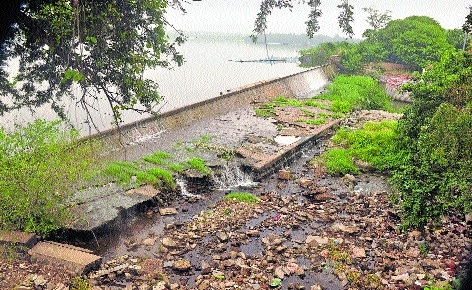
Ambazari Dam Nagpur: In a crucial joint decision, the Irrigation Department and Nagpur Municipal Corporation (NMC) have resolved to refrain from draining a staggering 75k crore litres of water from the Ambazari Dam. This strategic choice is pivotal for the upcoming construction of Godbole gates at the reservoir’s spillway, aiming to avert a catastrophe akin to the devastating flood on September 23, 2023. This collaborative effort prioritizes both efficient water management and disaster prevention.

Unanimous Agreement

After an extensive joint inspection led by Chief Engineer Pawar of the Irrigation Department and Superintending Engineer Shweta Banerjee of NMC’s water works, a consensus emerged. The current discharge of 2 lakh gallons per day from the dam is deemed sufficient for the impending construction activities, mitigating the risk of flooding downstream along the Nag River.

Construction Timeline

The agreed-upon timeline stipulates the commencement of spillway gates construction at the dam’s overflow point post-April 1. This deliberate approach underscores the meticulous planning required to ensure the safety and success of the project. The stakes are high, especially considering the aftermath of the 2023 flood that wreaked havoc on countless residences.

Balancing Ecological Concerns

Banerjee highlighted a previous request from the Irrigation Department to de-water 75k crore litres, a move that would have entailed an additional ₹5 crore investment for pumping. However, Banerjee wisely pointed out the potential ecological imbalance and adverse effects on aquatic life and local wells if such massive de-watering were pursued. This decision aligns with a responsible approach to environmental concerns.

Monsoon Contingency

The joint inspection also factored in the unpredictability of monsoon rains. Given the current discharge rate of 2 lakh gallons per day, both government bodies concurred that this quantity is adequate. This collaborative decision demonstrates a proactive stance, considering the potential challenges posed by unforeseen weather patterns during the monsoon season.

Nagpur Improvement Trust’s Role

Simultaneously, the Nagpur Improvement Trust has made substantial progress, completing nearly 90% of the demolition of a slab constructed over the Nag River in Daga Layout. This structure, initially designed as parking for visitors to a skating rink, posed a significant impediment to the natural flow of Nag River water.

the joint decision of the Irrigation Department and NMC to maintain the current discharge from the Ambazari Dam is a commendable example of strategic collaboration. This approach balances the need for water management with ecological responsibility, ensuring the safety of downstream areas. As construction commences post-April 1, the stakeholders remain vigilant, and cognizant of potential challenges and environmental impacts.

FAQs

  1. Why is the construction of Godbole gates necessary at Ambazari Dam?
    • The gates aim to prevent a recurrence of the 2023 flood disaster downstream.
  2. What led to the decision not to drain 75k crore litres of water?
    • The current discharge of 2 lakh gallons per day is deemed sufficient for construction, avoiding ecological imbalance.
  3. When will the construction of spillway gates commence?
    • Construction is set to begin after April 1, following a joint inspection by relevant authorities.
  4. What environmental concerns were considered during the decision-making process?
    • The potential adverse effects on aquatic life and local wells were key considerations.
  5. How has Nagpur Improvement Trust contributed to the water management efforts?
    • The Trust has demolished a slab obstructing Nag River water flow, aiding in overall water management.

Legal Notice Drama: Gadkari Takes On Congress Bigwigs

In a dramatic turn of events, Union Minister Nitin Gadkari has thrown down the legal gauntlet, accusing Congress President Mallikarjun Kharge and Jairam Ramesh of distorting his statements. This follows an interview Gadkari recently gave to an online news channel, where he claims certain segments were manipulated on Congress’s official X handles, misleading the public.

The Alleged Tampering

Gadkari contends that his words were tampered with on Congress’s official channels, leading to misinformation. He has taken swift action through his lawyer, Balendu Shekhar, issuing a legal notice to the National President of the Congress and the head of the Communication Department. The demand is clear: remove the allegedly doctored video within 24 hours and issue a written apology to Kharge and Jairam Ramesh.

The Social Media Showdown

The clash spilled onto social media platforms, with Congress posting a 19-second snippet of Gadkari’s interview on its official X handle. In the clip, Gadkari highlights the grievances of villages, the poor, laborers, and farmers, expressing dissatisfaction with the current state of infrastructure under the Modi government.

In a quick response, Gadkari fires back on his official X handle, posting a 50-second video and accusing INC India of peddling lies in his name.

Unveiling the Truth

As the digital battlefield expands, it’s imperative to unravel the perplexing web of accusations and counter-accusations surrounding this legal notice. Let’s delve deeper into the intricacies.

The Distorted Narrative

Gadkari’s claim of distortion hinges on the alleged misrepresentation of his words regarding the issues faced by rural India. The Congress snippet focuses on the lack of good roads, clean water, hospitals, and schools in villages, seemingly placing the blame on the Modi government and Nitin Gadkari himself.

Gadkari’s Counterattack

In response, Gadkari’s extended video aims to set the record straight. The 50-second clip provides a more comprehensive context to his statements, aiming to debunk what he calls “INC India’s lie.”

With the legal notice served, the spotlight shifts to the chessboard of legal intricacies. Gadkari’s move indicates a determination to defend his integrity against perceived character assassination.

In the midst of this digital clash, the truth is often the first casualty. As spectators, we must navigate through the burstiness of information and discern the authentic narrative. The legal notice saga unfolds, leaving us to ponder the ramifications of such clashes on the intersection of politics and media.

FAQs

  1. Is this the first time a politician has sent a legal notice over media portrayal?
    • While not unprecedented, such legal maneuvers are relatively rare. Politicians often rely on public relations strategies rather than legal action.
  2. What could be the consequences for Congress if the allegations are proven true?
    • If Gadkari can substantiate his claims, Congress may face public backlash, impacting its credibility and image.
  3. How does social media contribute to the complexity of such disputes?
    • Social media amplifies the reach and impact of political narratives, making it a potent battleground for shaping public opinion.
  4. Can legal notices effectively mitigate damage to one’s reputation in the age of information?
    • It depends on the context and public perception. Legal actions might offer a platform for clarifications, but their effectiveness varies.
  5. What role does SEO optimization play in shaping the online narrative of such events?
    • SEO optimization ensures that the content is discoverable and ranks well in search engines, influencing the narrative presented to the online audience.

Students vs Traffic: The Hustle to Reach Exam Centres on Time

Students vs Traffic: With the ongoing examinations conducted by both the State Board and the Central Board of Secondary Education (CBSE), the city is grappling with heavy traffic issues during specific time slots. The chaos is exacerbated by the haphazard road construction and concretization projects, causing significant challenges for students and parents heading to examination centers. In this article, we’ll explore the traffic woes faced by students, highlighting specific areas affected and the need for strategic planning to navigate these challenges successfully.

Traffic Troubles Across the City

The city’s road infrastructure is undergoing various changes, leading to traffic messes on several routes approaching schools. Examples include the concretization of the road between Maharajbagh Square and Press Club Square, repairs on the road in Dhantoli from Mehadia Square to Mulik Hospital, and the construction of a road from Shatabdi Nagar Square to Manish Nagar Square. Other bottlenecks include the narrowing of the road from Agrasen Square to Ashok Chowk due to the construction of a long bridge, closures at Kriplani Square and Narendra Nagar bridge, and the ongoing construction near Dhiran Kanya School.

Impact on Students’ Journey

Students coming from East, South, or West Nagpur, with St Ursula Girls High School as their exam center, face challenges on the road between Maharajbagh Square to Press Club. The concretization near the Institute of Science forces commuters to use the other side of the road, creating difficulties for vehicles coming from Freedom Park. This traffic congestion significantly adds to the stress and woes of students, hindering their timely arrival at examination centers.

Deputy Commissioner’s Advisory

Shashikant Satav, Deputy Commissioner of Police (DCP) (Traffic), has issued a plea for people to assess the distance to their exam centers from their homes and plan their departure accordingly. He recommends that students allocate extra time, starting 40 minutes prior to the expected arrival time set by the Board. This additional buffer helps students compensate for any delays caused by unexpected traffic situations.

Teacher’s Perspective

A Saisudha, a Mathematics teacher, emphasizes the importance of following the time plan suggested by the police. She notes that some students neglect this advice, leading to unnecessary stress. Saisudha advises students to start early, highlighting that reaching the exam center ahead of time can be more beneficial than starting late and dealing with the anxiety of covering a time gap.

Special Traffic Management During Events

During crucial events like the Mahayuva Sammelan organized by Bharatiya Janata Yuva Morcha, where VIPs like J P Nadda, President of Bharatiya Janata Party, are expected, traffic management becomes even more critical. The police will be engaged in handling both VIP movements and students’ transit for examinations. In such situations, students and parents must plan meticulously, considering potential disruptions and delays.

Navigating traffic challenges during exam  (Students vs Traffic) times requires proactive planning and adherence to suggested timeframes. Students, parents, and educators should collaborate to ensure smooth transitions to examination centers, especially during periods of heightened traffic due to ongoing construction and special events.


FAQs

1. How can students plan their journey to exam centers more effectively?

Plan your departure by considering the distance to the center from your home. Start at least 40 minutes earlier than the expected arrival time suggested by the Board.

2. What advice do teachers offer regarding traffic challenges during exams?

Teachers recommend following the time plan provided by the police, emphasizing the importance of starting early to avoid unnecessary stress.

3. How can students cope with unexpected traffic congestion?

Allocate extra time in your travel plan to account for potential delays. Being early and waiting at the center is preferable to starting late and risking delays.

4. How does special traffic management during events impact students’ transit?

During events with VIP movements, such as political gatherings, students need to plan meticulously, considering potential disruptions and delays caused by increased traffic.

5. Are there alternative routes suggested to avoid ongoing road construction?

While specific alternative routes may not be mentioned, it is advisable for students to stay informed about ongoing construction and plan their routes accordingly.

Ambazari Dam Widening: Nod Granted to Fell 613 Trees by Maharashtra State Tree Authority

Ambazari Dam Widening Nagpur: In a recent development, the Maharashtra State Tree Authority (MSTA) has given its approval for the felling of 613 trees to facilitate the widening of Ambazari Road. This ambitious project spans from the Vivekanand Statue area to the dam, extending towards the University land near Pandhrabodi slums. The Nagpur Municipal Commissioner received the official letter granting permission for tree removal, addressing not only those that pose a threat to the dam’s embankment but also includes 60 trees with heritage status.

The Permission and Pre-existing Concerns

The permission, dated July 18, 2023, predates the flash floods that raised concerns about the safety of Ambazari Dam. MSTA, while granting approval, outlined specific conditions, raising questions about whether the Nagpur Municipal Corporation (NMC) has adhered to them. The conditions set the stage for a meticulous process ensuring environmental conservation and structural safety.

State Tree Authority’s Evaluation

Given the substantial number of trees involved, NMC submitted the proposal to the State Tree Authority for assessment. The meeting held on June 16, 2023, saw detailed discussions based on NMC’s assessment, which proposes a four-laned road from the University Campus Square to Subhash Nagar junction near the statue of Swami Vivekanand.

State Government’s Swift Response

The State Government, in light of the High Court monitoring the Ambazari Dam strengthening process, swiftly sanctioned works. This decision came after citizens approached the court in the aftermath of the flash floods on September 23, 2023, causing significant damage to households. The initiatives include plugging gaps in the Naag River wall, increasing its height at certain points, and deepening the bed to enhance its carrying capacity.

MSTA’s Mandate and Directions

As outlined in the permission letter, MSTA (Maharashtra Tree Authority) mandated NMC to submit reports from NEERI, CSIR, NGRI, SERC, specifying the necessity of tree removal for the dam’s structural safety. The local body was also directed to explore the possibility of transplanting heritage trees, emphasizing their conservation. Furthermore, NMC was instructed to engage in compensatory afforestation, planting new native or indigenous species equivalent to the cumulative age of the trees marked for cutting.

Post-Implementation Measures

The NMC received additional directives to geo-tag the newly planted trees and monitor their growth using the latest technologies. These trees are to be maintained for seven years, and in case of any mortality, equivalent new trees must be planted. The Irrigation Department’s assessment identified high-rise trees on the embankment as a potential problem. Despite the report lingering in cold storage, the NMC and other political leaders only took action in the aftermath of the flash floods in the city along the banks of the Naag River.

The decision to fell 613 trees for the Ambazari Dam widening project raises critical questions about environmental impact and adherence to safety measures. While the authorities have outlined a comprehensive plan, ongoing monitoring and public scrutiny will be essential to ensure the project’s success without compromising the ecological balance.

FAQs

  1. Are the heritage trees marked for removal being transplanted?
    • The authorities are exploring the possibility of transplantation to preserve heritage trees.
  2. What measures are in place for compensatory afforestation?
    • New native or indigenous species trees will be planted, equivalent to the cumulative age of the trees marked for cutting.
  3. How long will the newly planted trees be monitored?
    • The growth of newly planted trees will be monitored using advanced technologies for a period of seven years.
  4. What triggered the decision to widen Ambazari Road?
    • The decision was prompted by the need to create a four-laned road from University Campus Square to Subhash Nagar junction for enhanced connectivity.
  5. What is the significance of the State Government’s involvement in Ambazari Dam strengthening?

Ram Jhula Tragedy: Non-Bailable Charges Filed, Police Pursue Custody of Ritu Malu

Ram Jhula accident Nagpur: In a heart-wrenching incident on Ram Jhula, the Tehsil Police have taken swift action, filing non-bailable Section 304 of the Indian Penal Code in connection with a fatal accident involving a Mercedes car. This tragedy claimed the lives of two young individuals, leading to intensified legal measures against Ritu Dinesh Malu, the driver at fault.

Unraveling the Investigation

The Tehsil Police Station’s official statement revealed a critical turn of events. The decision to include the non-bailable section was prompted by a report from the Forensic Laboratory, unequivocally stating that Ritu Malu, a 39-year-old resident of Deshpande Lay-out, was driving under the influence of alcohol during the incident. This revelation significantly escalated the legal implications of the case.

With the addition of these grave charges, the police are set to present a comprehensive case to the court. Their primary objective is to secure custody of Ritu Malu for a thorough interrogation. This move signifies the gravity of the situation and the necessity to delve deeper into the circumstances surrounding the tragic accident.

Alcohol Influence: A Crucial Detail

It’s crucial to highlight that the police have obtained a bill from the CP Club, indicating that Ritu Malu and another individual purchased ‘240 ml’ of liquor on the fateful night. This detail adds a layer of complexity to the case, emphasizing the need for a meticulous investigation into the events leading up to the accident.

The Victims and the Tragic Incident

Ritu Malu and Madhuri Shishir Sarada, both residents of Wardhaman Nagar, were traveling in the ill-fated Mercedes (MH-49/AS-6111) when the accident occurred. The tragic collision took the lives of Mohd Hussain Ghulam Mustafa and Mohd Atif Mohd Zia, residents of Nalsaheb Chowk, Mominpura, and Awasthi Chowk, Jafar Nagar, respectively. The victims were on a moped (MH-37/Q-2948) when they were struck by the speeding Mercedes.

The police wasted no time in registering a case against Ritu Malu under Sections 279, 338, and 304(a) of the Indian Penal Code. Additionally, Section 184 of the Motor Vehicle Act has been invoked, further intensifying the legal ramifications for the accused.

Seeking Justice for the Deceased

As the legal proceedings unfold, the focus remains on seeking justice for the departed souls and their grieving families. The inclusion of non-bailable charges underscores the commitment to a thorough and impartial investigation.

The Ram Jhula tragedy serves as a stark reminder of the consequences of irresponsible actions. The pursuit of justice is not only for the victims but also to send a clear message about the accountability and consequences that accompany such incidents. As the legal process advances, the hope is that it brings closure to the affected families and ensures a safer environment on the roads.

FAQs

  1. What led to the inclusion of non-bailable charges?
  2. Why is police custody sought for Ritu Malu?
    • Custody is essential for a thorough interrogation, crucial to understanding the circumstances surrounding the accident.
  3. How did the CP Club bill become a crucial piece of evidence?
    • It established that Ritu Malu was under the influence of alcohol on the night of the accident.
  4. What legal charges have been filed against Ritu Malu?
    • Sections 279, 338, and 304(a) of the Indian Penal Code, along with Section 184 of the Motor Vehicle Act.
  5. What is the primary focus of the ongoing legal proceedings?
    • Seeking justice for the deceased and ensuring accountability for the tragic incident.

Nagpur Metro Slashes Fares by 33% Starting March 1: A Summer Bonanza

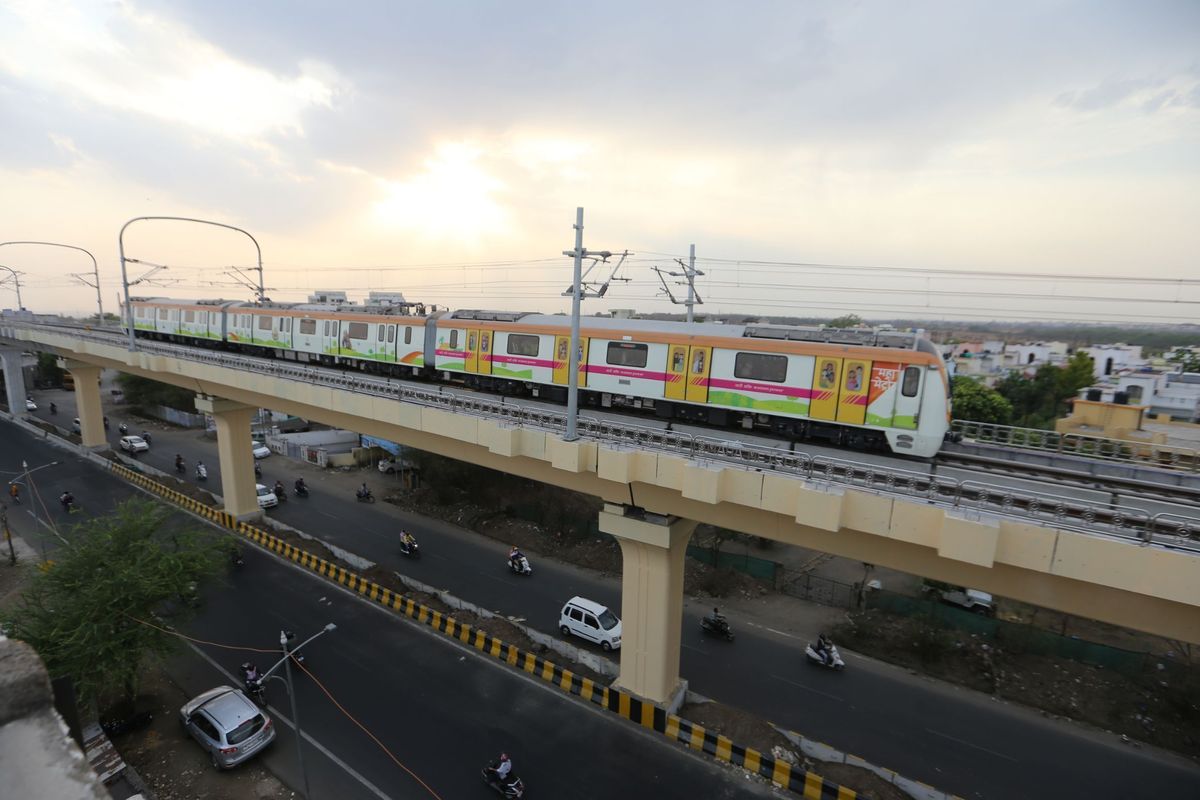
Nagpur Metro Fare Reduction: In a strategic move to enhance commuter affordability and promote ridership, the Maharashtra Metro Rail Corporation is set to implement a substantial 33% reduction (Cash Back Scheme) in ticket fares, effective March 1. As summer vacations approach, the corporation aims to facilitate easier and more economical travel for the public.

Cash Back Incentive Unveiled

In addition to the fare reduction, a novel ‘Cash Back’ scheme (Fare Reduction) is in the pipeline. Under this initiative, Maha Card users purchasing tickets exceeding Rs 800 will accrue 10 points, with a remarkable 10% of the fare being reimbursed. This innovative plan is currently in its final stages of development.

Continuity of Existing Schemes

Crucially, as the new plan takes shape, existing schemes will remain untouched. Students will continue to enjoy a 30% concession, providing ongoing support for education-related commuting costs. Amidst the scorching temperatures in Nagpur, the Maha Metro goes further by offering air-conditioned coach facilities for a more comfortable journey.

Route-Specific Savings

Travellers journeying from Sitabuldi to Lokmanya Nagar will witness a noticeable drop in fares from Rs 30 to a pocket-friendly Rs 25. With the added 30% student concession, the fare for students on this route will be a mere Rs 18.

Impressive Ridership Stats

The inauguration of Phase-I of Nagpur Metro by Prime Minister Narendra Modi marked the beginning of a transformative transportation system. The metro, spanning 36 operational stations, has achieved a consistent ridership of approximately 75,000. Notably, on February 5, the ridership surged to 95,000, reaching its peak at 2.2 lakh on January 1, 2023.

Initiatives for Increased Ridership

In a bid to further bolster ridership, Nagpur Metro is implementing various schemes, including share auto services at key stations. Currently running every 15 minutes, the frequency is set to be reduced to 10 minutes during peak hours between 8 am and 11 am, and 4 pm and 7 pm.

{finish}

Conclusion: A Commuter-Friendly Future

In conclusion, the Maharashtra Metro Rail Corporation’s decision to reduce fares and introduce innovative schemes demonstrates a commitment to providing an efficient and economical transportation solution. The efforts to maintain existing concessions while exploring new avenues for enhancing commuter experience showcase a thoughtful approach to public service.

FAQs: Unveiling the Details

  1. Q: When will the reduced fares come into effect?
    • A: The reduced fares will be applicable from March 1, offering commuters immediate relief.
  2. Q: What is the ‘Cash Back’ scheme for Maha Card users?
    • A: Maha Card users spending over Rs 800 will receive 10 points and a 10% fare reimbursement, enhancing overall savings.
  3. Q: Will existing concessions for students be affected by the new plan?
    • A: No, the 30% concession for students will continue alongside the new initiatives.
  4. Q: How frequently will the Nagpur Metro run during peak hours?
    • A: The metro will operate every 10 minutes between 8 am and 11 am, and 4 pm and 7 pm, optimizing convenience for commuters.
  5. Q: What steps is Nagpur Metro taking to boost ridership?
    • A: Various initiatives, including share auto services and increased frequency during peak hours, aim to enhance overall ridership.

Director’s Post Approved for ‘National Institute of One Health’ in Nagpur

Crafting a Safer Tomorrow through Integrated Disease Control and Pandemic Preparedness

In a significant move, the Union Cabinet has given the green light to a pivotal proposal, marking the inception of the Director’s post at the National Institute of One Health in Nagpur. This esteemed position, set at pay level 15, is slated to be occupied by a distinguished Scientist H.

Setting the Stage: National One Health Mission Takes Center Stage

Underlining its commitment to holistic health strategies, the Union Cabinet has mandated the appointed Director to wear an additional hat as the mission director for the groundbreaking ‘National One Health Mission.’ This visionary initiative transcends traditional boundaries, aiming to synchronize disease control and pandemic preparedness across human, animal, plant, and environmental domains.

Empowering the Future: Research and Development Program Gains Traction

On January 1, 2024, a resounding approval echoed through the bureaucratic corridors, giving the nod to a comprehensive research and development program. This program, operating under the umbrella of the National One Health Mission, is geared towards fortifying integrated disease control and pandemic preparedness efforts.

One Health Mission: Paving the Way for a Healthier India

The crux of the matter lies in the One Health Mission, a strategic blueprint that seeks to revolutionize India’s healthcare landscape. By institutionalizing the “One Health” approach, this mission becomes a linchpin in the country’s endeavors to achieve integrated disease control and pandemic preparedness.

Financial Implications: Crunching the Numbers

The creation of the Director’s post, with the occupant holding the esteemed rank of Scientist ‘H’ at pay level 15 (Rs 21,82,000 — Rs 2,24,100), comes with financial implications amounting to approximately 735.59 lakhs annually.


Conclusion: A Bold Leap Towards Comprehensive Healthcare

In summary, the approval of the Director’s post for the National Institute of One Health in Nagpur heralds a new era in healthcare governance. The fusion of administrative prowess with a scientific acumen at this crucial juncture emphasizes the government’s commitment to a healthier, safer India.

Frequently Asked Questions

Q1: What is the primary objective of the National One Health Mission? Answer: The mission strives to seamlessly integrate disease control and pandemic preparedness efforts across human, animal, plant, and environmental sectors.

Q2: How does the Director’s post contribute to the mission’s success? Answer: The appointed Director will play a dual role, overseeing the National Institute of One Health and steering the multi-ministerial and multi-sectoral National One Health Mission.

Q3: What is the significance of institutionalizing the “One Health” approach? Answer: Institutionalizing the “One Health” approach ensures a unified strategy for disease control and pandemic preparedness, fostering a more effective and coordinated response.

Q4: How will the research and development program enhance preparedness? Answer: The program, approved on January 1, 2024, focuses on bolstering research and development efforts, thereby fortifying integrated disease control and pandemic preparedness.

Q5: What are the financial implications of creating the Director’s post? Answer: The annual financial implications for the Director’s post at pay level 15 are estimated at approximately 735.59 lakhs.

DGP Shukla’s Strategic Visit to RSS HQ: Unraveling Security Measures in Nagpur

In a pivotal move, State Director General of Police (DGP) Rashmi Shukla embarked on her first visit to Vidarbha, marking a significant extension of her tenure by two years. The visit encompassed diverse activities, from boosting morale at the 72nd All India Police Volleyball Cluster games to assessing security protocols at the RSS headquarters in Nagpur.

A Day in Gadchiroli: Beyond Policing

Encouraging Sportspersons at All India Police Volleyball Cluster Games

The visit commenced with DGP Shukla’s enthusiastic engagement at the 72nd All India Police Volleyball Cluster games in Gadchiroli. As a fervent supporter of sportsmanship within the police force, Shukla’s presence resonated with the participating athletes, elevating the spirit of the event.

Insightful Tour to Remote Police Posts

Shukla’s commitment extended to the hinterlands as she visited the Manne Rajaram and Bhamragarh police posts in Gadchiroli. This not only showcased her dedication to understanding the ground realities but also strengthened the bond between the police force and the local communities.

Empowering Women: Agricultural Study Tour

A notable highlight was the initiation of an agricultural study tour, where Shukla flagged off a bus carrying 45 women from Bhamragarh for an enriching experience. This move underscores the DGP‘s multifaceted approach, combining security concerns with community development.

Strategic Review at RSS Headquarters

Revisiting History: Shukla’s Connection with RSS Security

An intriguing aspect of the visit was Shukla’s return to familiar territory – the RSS headquarters in Nagpur. Notably, she had previously overseen RSS security as Zonal DCP in Nagpur nearly two-and-a-half decades ago. This visit marked a significant reunion with the institution under her current role as the state’s first woman DGP.

Analyzing Security Deployment

The crux of the visit lay in Shukla’s meticulous review of security measures at the RSS headquarters, particularly outside the sensitive establishment at Mahal. Given the historical targeting of this location by terrorist outfits, Shukla’s scrutiny emphasized the paramount importance of safeguarding such strategic institutions.

Briefing by Nagpur Officials

During her visit, Shukla was accompanied by high-ranking police officials who provided detailed insights into the security measures and safety layers implemented at the RSS headquarters. The exchange aimed to keep the DGP abreast of the current security scheme, ensuring the continued safety of the institution and its office-bearers.

Conclusion: Bridging Security and Community

In conclusion, (DGP Shukla) DGP Rashmi Shukla’s visit to Gadchiroli and the RSS headquarters serves as a testament to the nuanced role of law enforcement. Beyond the conventional policing duties, Shukla’s engagement with sports, community empowerment, and strategic security reviews reflects a holistic approach to her responsibilities.

FAQs

1. What prompted DGP Rashmi Shukla’s visit to Gadchiroli?

DGP Shukla visited Gadchiroli to boost morale at the All India Police Volleyball Cluster games, assess security, and engage with remote police posts.

2. Why did Shukla flag off a bus for an agricultural study tour?

Shukla initiated an agricultural study tour to empower women in Bhamragarh, showcasing a commitment to community development.

3. How did Shukla’s visit to the RSS headquarters unfold?

The visit involved a strategic review of security measures, a historical connection to RSS security, and a briefing by Nagpur officials on present safety protocols.

4. What is the significance of Shukla’s role as the state’s first woman DGP?

Shukla’s role signifies a groundbreaking achievement, adding a unique perspective to law enforcement leadership.

5. How does Shukla’s visit reflect a holistic approach to policing?

Shukla’s engagement with sports, community empowerment, and security reviews showcases a holistic approach, recognizing the multifaceted role of law enforcement.

Commercial LPG Cylinder Prices Surge: Check Rates in Your City from March 1, 2024

Cylinder Prices March 1 2024: In a recent development, Oil Marketing Companies (OMCs) have made an important announcement regarding the prices of commercial LPG gas cylinders. This change, effective from today (Friday, 01 March 2024), signifies a significant hike in the price of 19 KG commercial LPG cylinders. Let’s delve into the details.

The Price Adjustment

OMCs have increased the cost of 19 KG commercial LPG gas cylinders by Rs 25.50. This modification has led to adjustments in the retail sales prices across various cities.

Impact on Delhi

After the price hike, the retail sales price of a 19 Kg commercial LPG cylinder in Delhi will now be Rs 1,911.00.

Mumbai’s Price Variation

Interestingly, the new rates for the same cylinder differ across Mumbai, with Rs 1749.00 in one part and Rs 1960.50 in another. This discrepancy prompts the need for consumers to check rates specific to their locality.

Unaffected Domestic LPG Prices

While the commercial LPG prices witness an increase, the prices of domestic LPG cylinders will remain unaffected. It’s worth noting that monthly revisions for both commercial and domestic LPG cylinders generally take place on the first day of each month.

Regional Disparities in Domestic Cooking Gas Prices

Domestic cooking gas prices vary from state to state due to local taxes. The last revision in domestic cylinder prices occurred on March 1 this year, showcasing the regularity in updates and adjustments.

OMCs and Aviation Fuel Prices

In a parallel development, OMCs have chosen to raise the prices of aviation fuel after consecutive cuts in ATF prices. The surge amounts to about Rs 624.37 per kiloliter, with the new ATF prices becoming applicable from today.

the latest price revisions in commercial LPG gas cylinders, coupled with the ongoing dynamics in domestic cooking gas and aviation fuel prices, underscore the volatility in the energy sector. Consumers are advised to stay informed about these changes to better manage their budgets and adapt to the evolving market conditions.

Frequently Asked Questions

1. Why have commercial LPG cylinder prices increased?

The prices of commcl LPG cylinders have increased due to a revision announced by Oil Marketing Companies (OMCs). This change is effective from March 1, 2024.

2. Are domestic LPG prices affected by this revision?

No, the prices of domestic LPG cylinders remain unchanged. The revision specifically applies to commercial LPG gas cylinders.

3. How often do OMCs revise LPG cylinder prices?

OMCs typically conduct monthly revisions for both commercial and domestic LPG cylinders. These revisions usually occur on the first day of each month.

4. Why do domestic cooking gas prices vary from state to state?

Domestic cooking gas prices vary due to local taxes imposed by different states. This regional disparity influences the overall cost of LPG cylinders.

5. What prompted the increase in aviation fuel prices?

Oil Marketing Companies (OMCs) have increased aviation fuel prices after consecutive cuts in ATF prices. The surge is approximately Rs 624.37 per kiloliter, with the new prices in effect from today.

Exit mobile version