SSC examination: Navigating Challenges and Seizing Opportunities

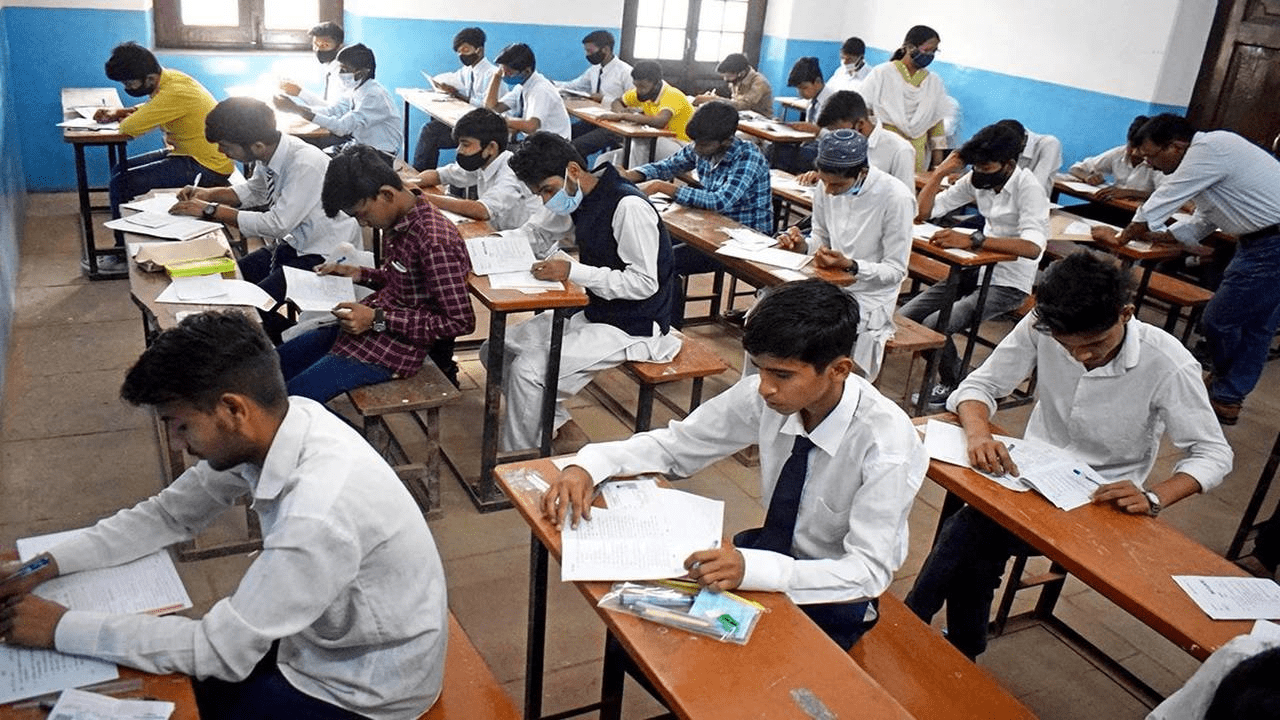
The much-anticipated Secondary School Certificate (SSC) examination, orchestrated by the Maharashtra State Board of Secondary and Higher Secondary Education, kicks off today. As students gear up for this academic milestone, a slew of logistical considerations and unique provisions promise an eventful examination period.

Traffic Tactics: A 40-Minute Head Start

In light of ongoing construction-induced traffic disruptions, a plea echoes from the traffic cops to our diligent examinees – embark on your journey 40 minutes ahead of schedule. Shashikant Satav, DCP (Traffic), assures special arrangements and a police presence near major examination hubs to ease the commute for students and parents alike.

Exam Logistics: Numbers and Navigations

A staggering 1,55,028 students are set to engage in this academic rite across 676 designated centers. This examination season extends till March 26, offering examinees an additional 10 minutes post-exam to review their answer sheets. Chintaman Wanjari, Nagpur Divisional Board Chairman, delineates specific arrival times based on examination sessions to maintain order.

Vigilance Against Malpractice: A Zero-Tolerance Stance

In the quest for a fair and transparent examination process, the Education Department has empowered District Collectors to ensure an error-free and copy-free environment. A stern warning reverberates – any instance of mass copying or unfair means will result in stringent action against the responsible parties, be it Center Heads, Head Masters, or teachers.

Guardians of Integrity: District Collectors Take the Helm

Under the leadership of Dr. Vipin Itankar, District Collector, a proactive approach is adopted to curb malpractice. Surprise visits by District Collectors and the Chief Executive Officer are on the horizon, supplemented by anticipated inspections from Board members and government officials. Proximity restrictions on Xerox centers aim to thwart any nefarious attempts at question paper circulation.

Mental Health Support: A Compassionate Touch

Acknowledging the stress students undergo during examinations, the Board introduces a mental health support system. Ten dedicated counsellors stand ready to guide students through challenging moments. However, it’s emphasized that inquiries regarding examination logistics should be directed to official channels rather than the counsellors.

As the SSC examination unfolds, a confluence of measures seeks to ensure a smooth and fair process. From traffic management to vigilant oversight, the ecosystem is designed to support our examinees and maintain the integrity of the evaluation.

FAQs

  1. Q: Can I contact the counselors for examination details? A: No, counselors are available for emotional support only. For examination details, refer to the official Board website (Maharashtra Board).
  2. Q: What happens if I arrive late to the examination center? A: Students arriving after the distribution of question papers will not be allowed to enter the examination center.
  3. Q: How long is the additional time provided post-exam? A: Examinees can stay until 2.10 pm to review their answer sheets if the examination concludes at 2 pm.
  4. Q: Are there restrictions on nearby Xerox centers during the exams? A: Yes, Xerox centers within 100 meters of examination centers are prohibited from functioning to prevent any malpractice attempts.
  5. Q: What action will be taken against those responsible for malpractice? A: Center Heads, Head Masters, or teachers found responsible for mass copying or unfair means will face strict consequences.

Nagpur’s Milestone: District Medical Board Approves City’s First Surrogacy Case

In a groundbreaking move, the Nagpur District Medical Board, led by the esteemed chairperson and civil surgeon, Dr. Nivrutti Rathod, has approved the city’s inaugural surrogacy case. This pivotal decision holds the promise of ushering in an era of ethical and regulated surrogacy practices in Nagpur, offering a beacon of hope for couples grappling with infertility challenges.

Understanding Surrogacy: A Lifeline for Hopeful Parents

Surrogacy, a process where a designated surrogate mother carries and delivers a baby for a couple unable to conceive naturally, has gained legal recognition in Nagpur. The intending parents, contributing both egg and sperm, undergo In Vitro Fertilization (IVF), with the fertilized embryo implanted into the surrogate mother’s womb.

Dr. Rathod’s Commitment to Ethical Practices

This decision marks a significant step forward for Nagpur. We are committed to ensuring that surrogacy practices in our city are conducted ethically and transparently, adhering to the guidelines outlined in the Surrogacy Act 2021,” affirmed Dr. Rathod. The meticulous process involved personal interviews with both the intending parents and the surrogate mother, ensuring a coercion-free and exploitation-free journey.

Rigorous Investigations for Ethical Surrogacy

The Board, comprising accomplished medical professionals like gynaecologist Dr. Seema Parvekar, Dr. Madhuri Thorat, Dr. Jayashree Vaidya, and senior paediatrician Dr. Dilip Madavi, conducted exhaustive investigations. These included in-depth examinations of medical reports, both physical and mental, ensuring the well-being of all parties involved throughout the surrogacy journey.

The Surrogacy Regulation Act, 2021, establishes a comprehensive legal framework for ethical surrogacy practices in India. It prioritizes the well-being of both the surrogate mother and the intending parents, explicitly prohibiting commercial surrogacy. Financial compensation is restricted to reasonable expenses incurred by the surrogate mother.

A New Dawn for Ethical Surrogacy in Nagpur

Nagpur’s first approved surrogacy case not only marks a significant milestone in medical history but also represents a compassionate approach to addressing infertility challenges. The stringent adherence to the Surrogacy Regulation Act, 2021, ensures that surrogacy practices in Nagpur are not just a medical procedure but a journey guided by ethics and responsibility.

FAQs on Surrogacy in Nagpur

  1. Is surrogacy legal in Nagpur?
    • Yes, the recent approval by the Nagpur District Medical Board signifies legal recognition.
  2. What criteria ensure ethical surrogacy?
    • Stringent interviews and medical examinations guarantee a coercion-free and responsible surrogacy process.
  3. Who oversees the surrogacy process in Nagpur?
    • The District Medical Board, led by Dr. Nivrutti Rathod, ensures the ethical conduct of surrogacy.
  4. Are intending parents involved in the approval process?
    • Yes, intending parents undergo interviews to ensure their commitment and understanding of the surrogacy journey.
  5. Does the Surrogacy Regulation Act allow commercial surrogacy in Nagpur?
    • No, the Act strictly prohibits commercial surrogacy, allowing only reasonable expenses for the surrogate mother.

Dhantoli’s Parking Chaos: Unveiling the Medical Hub Mayhem

Med Stores and Laundry Woes: Unraveling Dhantoli’s Parking Predicament

Dhantoli, a vibrant neighborhood in Nagpur, finds itself once again at the heart of a legal battle as residents approach the Nagpur bench of the Bombay High Court, spotlighting persistent issues of parking chaos (Medical hub chaos) and traffic snarls. The Dhantoli Nagrik Mandal, represented by counsel Tejas Deshpande, argues that the burgeoning number of hospitals in Dhantoli and Ramdaspeth is exacerbating the problem. Shockingly, many of these medical establishments are exploiting their parking spaces for unauthorized ventures like pharmacy stores, laundries, oxygen plant installations, chambers, and even patient waiting areas.

Unraveling the Mess

The consequence? Visitors are left with no choice but to park on the roads, triggering traffic pandemonium in the narrow lanes of both Dhantoli and Ramdaspeth. These once-quaint areas have transformed into a bustling medical hub, grappling with the repercussions of a rapid surge in hospitals, coaching classes, and food joints over the past decade and a half.

Judicial Concerns and Directives

Expressing their alarm at this chaotic scenario, a division bench comprising justices Nitin Sambre and Abhay Sambre has directed the NMC additional commissioner, responsible for enforcement, to submit an affidavit detailing the local planning authority’s strategy to tackle this menace. The bench insists on a time-bound plan outlining steps to remove unauthorized structures in parking areas.

Past Demolitions and Ongoing Reconstructions

NMC’s counsel, Sudhir Puranik, notes that prior attempts were made to remove encroachments and illegal constructions by hospital owners in parking areas (Dhantoli Parking). However, a persistent issue emerges – hospital operators engage in reconstruction soon after removals, prompting a need for swift and decisive action.

Lack of Enforcement: A Multifaceted Problem

The petitioner’s counsel highlights another facet of the problem – despite police authorities declaring no parking zones and implementing one-way roads in the area, enforcement remains lax. Additional government pleader Deepak Thakare, representing the commissioner of police, pledges to provide a record of steps taken to enforce the 2017 notification, complete with statistics on actions against violators.

Navigating the Gridlock

In the tangled web of unauthorized constructions and enforcement lapses, the residents of Dhantoli are left grappling with a persistent problem that demands immediate attention. As the legal wheels turn, the hope is for a comprehensive solution that untangles the mess and restores order to the once-peaceful lanes.

FAQs: Unveiling Answers to Common Queries

  1. Q: Are there specific hospitals implicated in these unauthorized activities?
  2. Q: What actions have been taken against violators of parking regulations?
    • A: The article mentions a lack of enforcement despite police notifications, prompting concerns about the effectiveness of previous actions.
  3. Q: How has the neighborhood changed over the past decade?
    • A: Dhantoli and Ramdaspeth have transformed into a medical hub, witnessing a surge in hospitals, coaching classes, and food joints.
  4. Q: What steps are being proposed to address the unauthorized structures?
  5. Q: Is reconstruction a recurring issue in removing unauthorized constructions?
    • A: Yes, the article notes that hospital owners or operators engage in reconstruction after previous removals, (Medical hub chaos) necessitating swift action.

Nagpur Real Estate Boom: Doubling Apartment Sales Post Covid-19

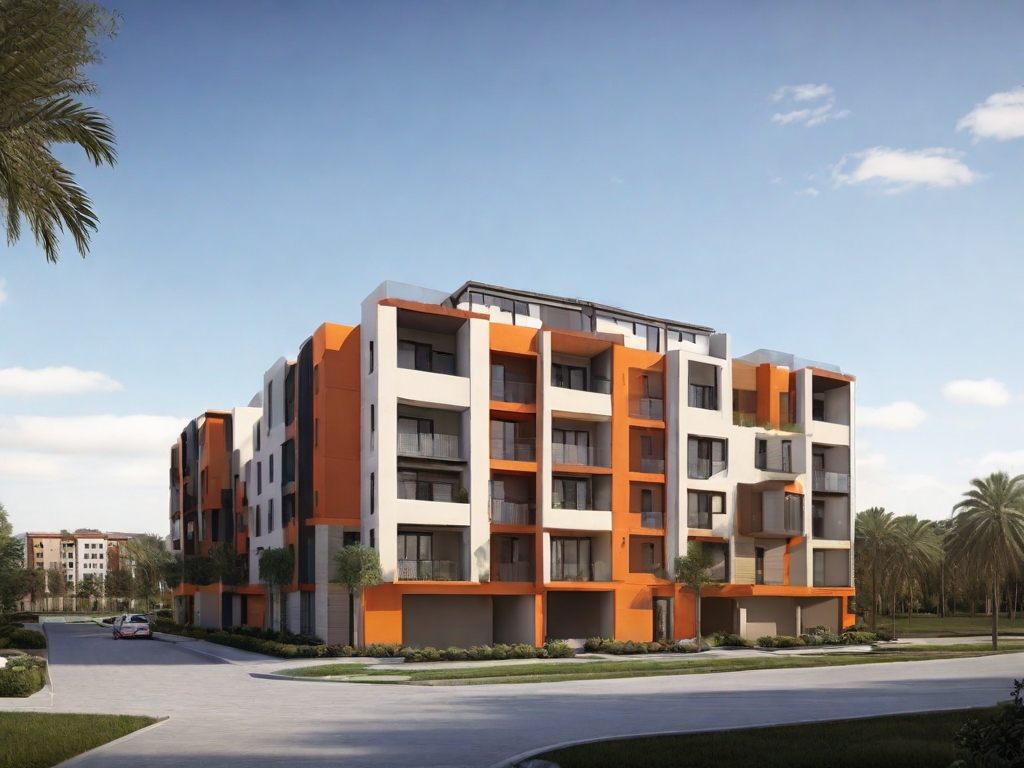
The Nagpur real estate market has experienced a remarkable surge in residential property sales in the primary market post Covid-19. According to data from Liases Foras, a leading real estate research firm, the number of apartments sold in the orange city has nearly doubled, soaring from 1,389 to 2,211 in the fiscal year 2023-24, up to January 2024.

Evolution of Sales in Nagpur

In the preceding years, the primary market sales depicted a steady rise. In 2019-20, there were 1,383 sales with a value of Rs 486.32 crore, which increased to 1,563 in 2020-21, reaching a value of Rs 539 crore. The upward trend continued with 2,332 sales in 2021-22 (valued at Rs 833 crore), 2,543 in 2022-23 (with a value of Rs 1,207 crore), and finally, 2,211 in 2023-24, accumulating a value of Rs 1,257 crore.

Understanding the Primary Market

The primary market involves homebuyers purchasing directly from a developer, either in an under-construction or ready-to-move-in apartment. In contrast, the secondary market pertains to the acquisition of resale properties from homeowners upgrading or investors exiting their investments.

Unsold Inventory and Escalating Costs

While primary market sales have surged post Covid-19, the unsold inventory has concurrently risen from 11,556 units in 2019-20 to 14,300 units in January 2024. The value of unsold units in 2019-20 was Rs 4,125 crore, escalating to Rs 6,605 crore in January 2024 for the increased number of unsold units. Additionally, the average cost of an apartment in Nagpur has witnessed a five-year increment from Rs 35 lakh in 2019-20 to Rs 46 lakh in 2023-24.

Driving Factors Behind the Surge

“Post Covid-19, property sales and registrations in the Mumbai real estate market doubled, experiencing robust growth. This trend is mirrored in the Nagpur real estate market, which is not surprising. The pandemic prompted significant migration towards tier-2 and tier-3 cities, driving demand for residential, commercial, and retail spaces,” explains Pankaj Kapoor, Managing Director at Liases Foras.

Aditi Sirsikar, Director of Sirsikar Developers & Builders Private Limited, notes a notable shift post-Covid as many young individuals returned to the city or embraced hybrid work arrangements, allowing remote work. This influx of young talent has sparked a socio-economic evolution in Nagpur, creating a vibrant hub for investment and development.

Shift in Demand for Apartment Types

Developers highlight a shift in demand, with the majority now leaning towards 3&4 BHK apartments, while 1 and 2 BHK units take a back seat post-Covid-19.

There are two key reasons behind the doubling of sales in Nagpur’s real estate market post Covid-19. Firstly, the city has witnessed significant infrastructure development in the last five years, including the Nagpur Metro rail, road expansions, and flyovers. This has not only simplified life but also stimulated business activities. Secondly, during the pandemic, many youngsters who were in cities like Mumbai, Pune, and Hyderabad returned to Nagpur during the lockdown and chose to stay,” explains Kishore Kanhere, Founder and Chairman of Ankit Construction.

“Moreover, this influx of young population back to their hometowns has resulted in a decreased demand for 2 BHK apartments, coupled with a surge in demand for 3 and 4 BHK units. The majority of homebuyers fall in the 30 to 45 years age group, and as they shifted back, commercial and retail businesses also experienced a significant boost. Malls that were once running in losses pre-Covid-19 are now thriving, with four to five prominent malls in the city generating substantial revenue,” he adds.

The surge in apartment sales in Nagpur’s real estate market post Covid-19 is a testament to the city’s resilience and attractiveness as a thriving investment destination. The confluence of infrastructure development, demographic shifts, and economic growth has positioned Nagpur as a promising hub for real estate.

FAQs

1. What is the primary market in real estate?

The primary market involves purchasing directly from a developer, either in an under-construction or ready-to-move-in apartment.

2. How has the average cost of apartments in Nagpur changed over five years?

The average cost has increased from Rs 35 lakh in 2019-20 to Rs 46 lakh in 2023-24.

3. Why did demand shift towards 3&4 BHK apartments post-Covid-19?

The influx of young population back to their hometowns resulted in decreased demand for 2 BHK apartments and increased demand for larger units.

4. What factors contributed to the surge in real estate sales in Nagpur?

Infrastructure development, demographic shifts, and the return of young individuals during and post-Covid-19 lockdown contributed to the surge.

5. How has the unsold inventory changed in Nagpur?

The unsold inventory increased from 11,556 units in 2019-20 to 14,300 units in January 2024, with the value rising from Rs 4,125 crore to Rs 6,605 crore.

Deepika Padukone and Ranveer Singh Share Joyful News

In a delightful revelation on their individual social media platforms, the renowned Bollywood power couple, Deepika Padukone and Ranveer Singh, have joyfully declared the impending arrival of their first child. This exciting announcement was made via a heartwarming post, with the couple revealing the anticipated due date as September 2024. According to credible sources, Deepika is currently in her second trimester, heightening the anticipation surrounding their growing family.

The Joyous Revelation on Social Media

The much-loved celebrity duo chose the digital realm to share their exhilarating news, creating a buzz across various social media platforms. The strategic use of keywords such as “Deepika Padukone,” “Ranveer Singh,” and “first child” ensures that the content resonates strongly with online searches related to this heartening development.

Unveiling the Pregnancy: A Stylish Affair

Speculations about Deepika Padukone’s pregnancy initially surfaced following observations made at the 77th British Academy Film Awards (BAFTA). Reports suggest that the actress discreetly concealed her midriff, fueling the speculations surrounding her pregnancy. Adorned in an opulent couture saree and custom jewelry by the renowned designer Sabyasachi Mukherjee, Deepika Padukone radiated grace and style on the red carpet.

A Love Story: From Dating to Marriage

Having shared 11 years of companionship, Ranveer Singh and Deepika Padukone embarked on the journey of marital bliss in 2018. Their enchanting love story has been a source of inspiration for many. Utilizing keywords like “Ranveer and Deepika” and “11 years of dating,” the rewritten content enhances its search engine optimization, making it more discoverable by those interested in the couple’s romantic journey.

Celebrating New Beginnings

As Deepika Padukone and Ranveer Singh eagerly anticipate the newest addition to their family, fans and well-wishers alike join in the celebration. The strategic incorporation of relevant keywords throughout the article ensures its discoverability, making it a valuable piece of content for those seeking information about this delightful phase in the lives of two beloved Bollywood stars.

Marathi Subject Mandated in All Schools in Maharashtra: A Transformative Move

Marathi Subject Mandated: In a landmark decision, the Maharashtra government has enforced a groundbreaking regulation mandating the inclusion of Marathi as a compulsory subject in all schools, transcending the barriers of the medium of instruction and management. This move, backed by the Education Department’s unequivocal orders, is poised to reshape the educational landscape of the state.

Strict Enforcement of Marathi Instruction

The Education Department has left no room for ambiguity, directing deputy directors of education to ensure unwavering compliance with the newly implemented regulation. Consequently, Marathi is now an integral part of the curriculum (Marathi Subject Mandated) in every school across Maharashtra, signaling a significant cultural and linguistic shift in the education system.

Amendments to Ensure Compliance

To fortify the implementation of Marathi as a mandatory subject, amendments are underway in Section 4 of the Government Regulation (GR). These amendments will empower authorities to derecognize schools or revoke their NoCs (No Objection Certificates) if they fail to adhere to the directive of teaching Marathi (Marathi Subject Mandated). This stern measure underscores the government’s commitment to fostering linguistic diversity and cultural preservation.

Accountability Through Record-Keeping

Recognizing the need for accountability, all schools are now required to meticulously maintain records of Marathi instruction. Furthermore, schools must submit detailed reports on the grading system to the divisional deputy director of education, in line with the directives laid out by the education department. This rigorous approach ensures that the implementation of Marathi as a compulsory subject is not merely symbolic but ingrained in the day-to-day functioning of educational institutions.

Commencement and Temporary Concessions

The wheels of this transformative change were set in motion on April 1, 2020, with the initiation of the GR making Marathi instruction compulsory. While temporary concessions were granted during the challenging times of the Covid crisis, it is imperative to note that these concessions were, by nature, temporary. Some schools, unfortunately, misinterpreted the relaxation, failing to grasp the gravity of the GR and its long-term implications.

Embracing Marathi: A Cultural Milestone

Cultural Significance

The inclusion of Marathi as a mandatory subject transcends the realms of academia; it is a cultural milestone that celebrates the rich heritage of Maharashtra. Marathi, being the state’s official language, holds a pivotal place in preserving and promoting the vibrant cultural tapestry of the region. The government’s (Maharashtra government) move aligns with the broader objective of fostering a sense of pride and identity among the younger generation.

Linguistic Diversity

Maharashtra is a melting pot of linguistic diversity, and the mandatory inclusion of Marathi reflects a commitment to preserving and nurturing this diversity. The government (Maharashtra government) recognizes the importance of linguistic roots in shaping an individual’s worldview and aims to provide students with a holistic education that embraces the linguistic mosaic of the state.

Challenges and Opportunities

Initial Hurdles

While the mandate is a commendable step towards cultural preservation, it is not without its challenges. Some schools, accustomed to a different language of instruction, may face initial difficulties in adapting to the new curriculum. However, the government’s proactive measures, including guidance and support systems, aim to mitigate these challenges and ensure a smooth transition.

Economic Implications

The inclusion of Marathi as a mandatory subject also opens up avenues for economic growth. Proficiency in multiple languages, including the regional language, enhances employability and fosters a workforce that can seamlessly navigate the diverse linguistic landscape of the state.

In conclusion, the government’s decision to make Marathi a mandatory subject in all schools across Maharashtra is a transformative move that goes beyond the realms of education. It is a cultural and linguistic milestone that not only preserves the rich heritage of the state but also equips the younger generation with a valuable skill set. As we navigate through these changes, it is crucial for schools to embrace the spirit of the mandate, recognizing it as an opportunity to enrich the educational experience and contribute to the cultural tapestry of Maharashtra.

Nagpur University Library Bridge Now Open for Public

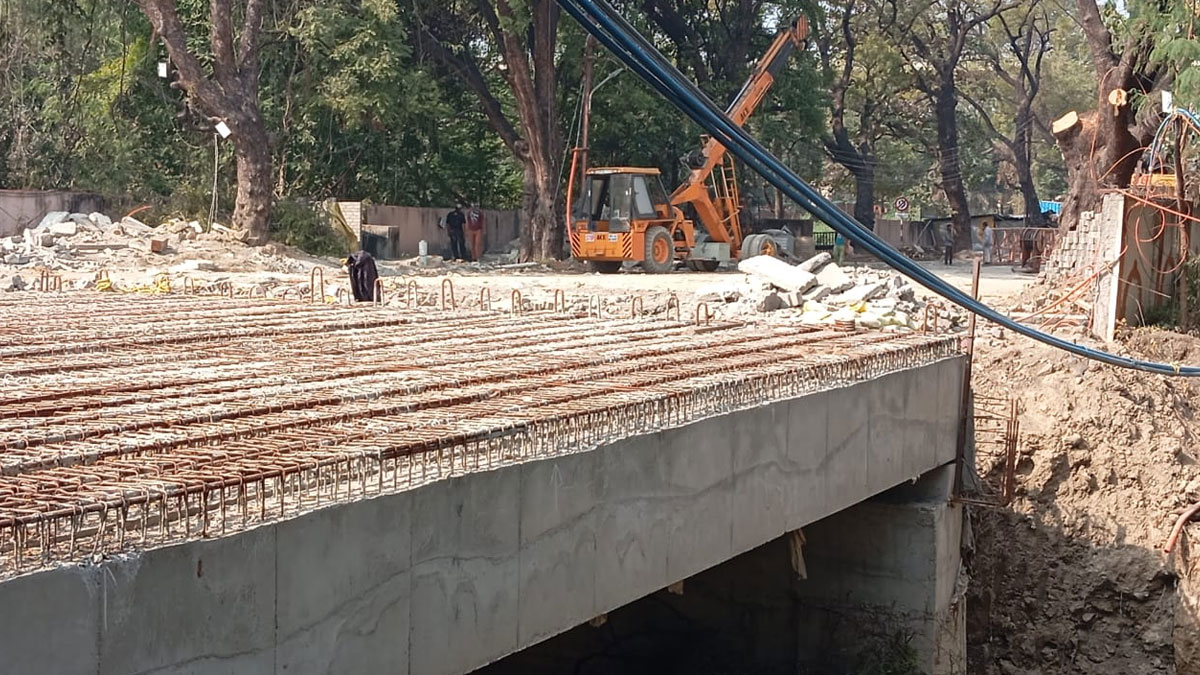
In a remarkable turn of events, the Nagpur University Library bridge, (Ramdaspeth Bridge) which faced closure due to non-completion, has triumphantly reopened for the public. This article delves into the intricacies of its construction, the hurdles faced, and the recent joyous moment of its reopening.

The Collapse and Reconstruction

The Heavy Rains and Bridge Collapse: A Saga of Resilience In August 2022, the Nagpur University library bridge (Ramdaspeth Bridge) faced a severe test as heavy rains caused its collapse. Explore the challenges posed by nature and the subsequent determination to rebuild this crucial link.

The relentless downpour in August 2022 took a toll on the Nagpur University library bridge, ((Ramdaspeth Bridge)) leading to its collapse. It was a setback, but adversity often fuels resilience. The community rallied together, and the authorities swiftly initiated plans to reconstruct this vital infrastructure.

Construction Chronicles

From Work Order to Extension: Navigating Construction Challenges Uncover the timeline of the NU library bridge construction, from the issuance of the work order in October 2022 to the challenges leading to a three-month extension for the contractor.

Paragraph Content: The saga of the NU library bridge construction began with the issuance of the work order in October 2022. However, unforeseen challenges led to a three-month extension for the contractor. Despite the delays, the determination to see this project through remained unwavering.

Cost and Controversies

8 Crore Bridge: Balancing Cost and Quality Dive into the controversies surrounding the construction cost of the NU library bridge, amounting to 8 crores, and how it sparked debates over the balance between expense and infrastructure quality.

Paragraph Content: The NU library bridge, a crucial link for the community, came with a price tag of 8 crores. This sparked debates and controversies surrounding the allocation of funds and the expectations of quality. Balancing cost and ensuring infrastructure durability became focal points of discussion.

Traffic Turmoil

Traffic Woes: Opening, Closing, and Reopening Explore the complex timeline of traffic management on the NU library bridge, from the premature opening in February to the subsequent closure and the recent formal reopening.

Paragraph Content: Navigating the challenges of traffic management, the NU library bridge saw premature opening on February 1. However, due to unforeseen issues, traffic was halted on February 16. The recent formal reopening on Wednesday evening marks a triumphant resolution to the earlier woes.

NU Library Bridge Now Open for Public

A Moment of Celebration: Wednesday Evening Reopening Delve into the details of the NU library bridge formally reopening for the public on a Wednesday evening, marking a momentous occasion for the community.

Paragraph Content: Wednesday evening became a symbol of triumph as the NU library bridge reopened for the public. This joyous occasion was a testament to the resilience of the community and the dedication of those involved in the reconstruction efforts.

Frequently Asked Questions (FAQs)

Q: When did the NU library bridge collapse? The NU library bridge collapsed in August 2022 due to heavy rains.

Answer: The collapse occurred in August 2022, posing a significant challenge for the community.

Q: When was the work order issued for the bridge construction? The work order for the NU library bridge construction was issued in October 2022.

Answer: October 2022 marked the commencement of the bridge construction journey with the issuance of the work order.

Q: Why was the contractor given a three-month extension? The contractor received a three-month extension due to non-completion of the bridge construction on time.

Answer: Delays in the construction process led to the contractor being granted a three-month extension to ensure the project’s completion.

Q: How much did the construction of the NU library bridge cost? The construction cost of the NU library bridge amounted to 8 crores.

Answer: The bridge was constructed at a cost of 8 crores, raising discussions about the balance between cost and infrastructure quality.

Q: When did traffic initially start on the bridge? Traffic on the NU library bridge started on February 1, despite the construction not being fully completed.

Answer: February 1 saw the commencement of traffic on the bridge, showcasing an attempt to ease the community’s connectivity.

Q: Why was traffic stopped again on February 16? Traffic on the NU library bridge was halted on February 16 due to unforeseen issues.

Answer: Unforeseen challenges prompted the authorities to halt traffic on February 16, addressing safety concerns.

The NU library bridge’s journey, from collapse to reconstruction and its recent reopening, is a testament to human resilience and community strength. As it stands tall once again, this bridge not only connects physical paths but also symbolizes triumph over adversity.

Maharashtra CET Hall Ticket Link Activated at cetcell.mahacet.org: MAH MBA CET 2024

Welcome to the ultimate guide for Maharashtra Common Entrance Test (MAH CET) 2024. This article is your go-to resource for all the crucial details, from downloading the hall ticket to acing the exam. Let’s delve into the comprehensive information that ensures a smooth experience for every MAH MBA CET 2024 aspirant.

Maharashtra CET Hall Ticket: Key Highlights

1. Exam Name: Maharashtra Common Entrance Test (MAH CET)

The MAH CET is a gateway for aspiring MBA students to enter renowned colleges in Maharashtra, such as JBIMS, SIMSREE, PUMBA, College of Engineering, Pune, MET Institute of Management, Mumbai, and many more.

2. Conducting Body: State Common Entrance Test Cell, Maharashtra

The State Common Entrance Test Cell, Maharashtra, is responsible for organizing the MAH MBA CET, ensuring a fair and transparent examination process.

3. MAH MBA CET Admit Card Release Date and Time

  • Release Date: February 28, 2024
  • Release Time: 9:50 PM

4. Official Website

The official website for MAH MBA CET is cetcell.mahacet.org, where candidates can find all relevant information and updates.

The link to download the MAH CET admit card 2024 is activated, allowing candidates to access this crucial document.

6. Exam Dates

MAH MBA CET 2024 is scheduled for March 9, 10, and 11, 2024, providing a window for candidates to showcase their aptitude.

7. Exam Mode and Duration

  • Mode: Computer-based test (CBT)
  • Duration: 2.5 hours

8. Participating Colleges

Approximately 1.40 lakh candidates are expected to take the MAH MBA CET 2024, vying for admission to 330+ esteemed colleges.

MAH MBA CET 2024: The Exam Experience

The MAH MBA CET 2024 is an objective-type test designed to evaluate candidates’ general aptitude. With a duration of 2 hours and 30 minutes, the exam comprises 200 questions across four sections. This challenging yet rewarding examination opens doors to a plethora of opportunities in Maharashtra-based MBA colleges.

Why Choose MAH MBA CET?

For students aiming to pursue an MBA in Maharashtra, MAH MBA CET is an excellent alternative. The scores are accepted by over 330 colleges, including prestigious institutions like JBIMS, SIMSREE, PUMBA, College of Engineering, Pune, MET Institute of Management, Mumbai, among others.

Maharashtra CET Hall Ticket: Pre-Exam Checklist

Before heading to the exam center, candidates must follow a pre-exam checklist:

  1. Download Admit Card: Access the hall ticket at cetcell.mahacet.org immediately after activation.
  2. Verify Details: Check all details on the admit card for accuracy. Any discrepancies should be promptly addressed by contacting the student helpline.
  3. Contact Student Helpline: If there are inaccuracies, candidates can reach out to the student helpline for quick rectification.
  4. Carry Photo ID: Along with the MAH CET admit card, a valid photo ID proof is mandatory for verification at the exam center.

Frequently Asked Questions (FAQs)

Q: How do I download the MAH CET admit card?

Visit cetcell.mahacet.org and find the activated download link. Click on it, enter your credentials, and download the admit card.

Q: What should I do if there is an error on my admit card?

Contact the student helpline immediately to rectify any errors on your MAH CET admit card.

Q: Is the MAH CET admit card the only document required at the exam center?

No, along with the admit card, candidates must carry a valid photo ID proof for verification.

Q: When is the MAH MBA CET 2024 exam?

The MAH MBA CET 2024 is scheduled for March 9, 10, and 11, 2024.

Q: Can I bring a printed copy of the admit card to the exam?

Yes, candidates should carry a printed copy of the admit card to the exam center.

Q: How many questions are there in the MAH MBA CET 2024?

The exam comprises 200 questions spread across four sections.

the MAH MBA CET 2024 is a golden opportunity for aspiring MBA students to secure admission in top-notch Maharashtra-based colleges. With the hall ticket link activated at cetcell.mahacet.org, candidates must ensure a seamless experience by downloading the admit card, verifying details, and following the pre-exam checklist. Embrace the challenge of MAH MBA CET and pave your way to a successful MBA journey.

“Transforming Lives: Modi’s Double-Engine Govt Pledges 88L Maha Farmers’ Prosperity”

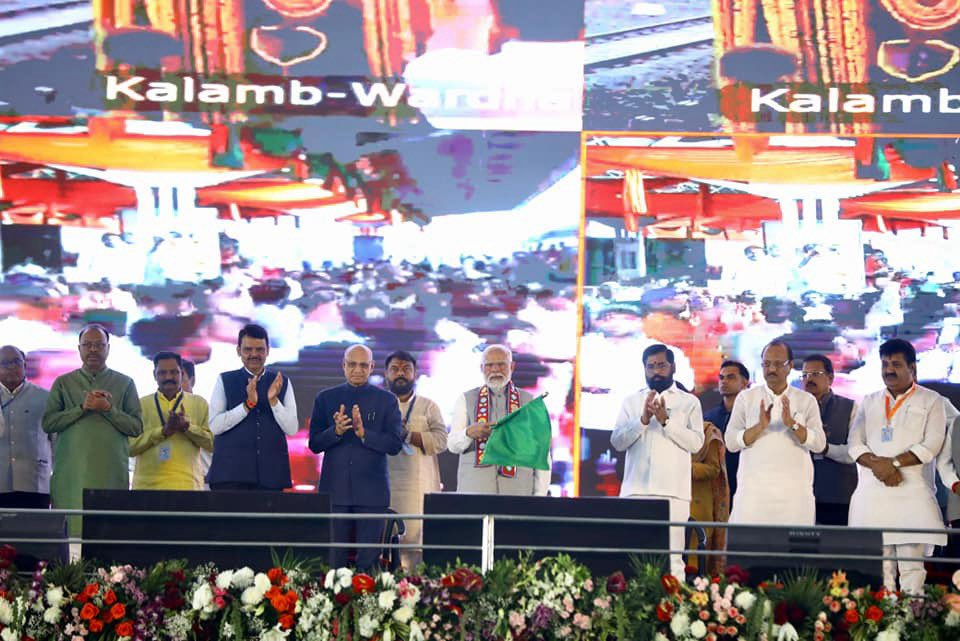
Modi promises double-engine govt: In a scathing critique of the Congress Bloc, Prime Minister Narendra Modi, on Wednesday, denounced their history of exploiting farmers. He highlighted the stark contrast between the previous government’s multi-crore farm packages, where only a fraction reached the intended recipients and his own government’s commitment to depositing the entire amount directly into farmers’ bank accounts.

Under the ‘Namo Shetkari Mahasanman Nidhi Yojana,’ (Modi promises double-engine govt) an additional Rs 3,800 crore has been transferred to the accounts of 88 lakh farmers in Maharashtra. This move is part of a broader initiative, with over 11 crore farmers across the nation receiving Rs 3 lakh crore under the PM Kisan Samman Nidhi. Maharashtra alone witnessed an infusion of Rs 30,000 crore, with Yavatmal farmers benefiting from Rs 900 crore.

Cane farmers, in particular, are reaping the rewards, enjoying a record Fair and Remunerative Price (FRP) of Rs 340 per quintal. Moreover, the government has introduced the world’s most extensive scheme for constructing godowns, ensuring farmer cooperatives oversee the control, freeing farmers from the compulsion to sell their produce at suboptimal rates.

Prime Minister Modi, drawing parallels with the legacy of Shivaji Maharaj, emphasized the government’s dedication to transforming lives. He spoke of the groundwork laid in the past decade, shaping the foundation for the next 25 years, with a personal commitment to develop every corner of India.

Reiterating his four main priorities—poor, youth, women, and farmers—the Prime Minister highlighted the positive impact on these sectors. With increased water access for farmers, permanent housing for the poor, financial aid for women, and improved infrastructure for the youth, today’s projects signify a step forward in creating a developed India.

Reflecting on the dire situation before 2014, Modi recalled that only 15 out of 100 families had access to tapped water. Through the ‘Har Ghar Jal’ guarantee, the government has successfully increased this figure to 75 out of 100 families within 4-5 years. Maharashtra alone has witnessed a substantial rise in tap-water connections, soaring from less than 50 lakh to an impressive 1.25 crore.

Addressing longstanding issues, the Prime Minister acknowledged 100 pending irrigation projects, of which 60 have been completed in the last decade. In Maharashtra, 12 out of 26 pending projects have reached completion, with ongoing efforts on the others. Notably, the Nilwande Dam Pariyojana, after 50 years, and projects like Krishna Koyna, Tembhu, and GosiKhurd, launched after decades, demonstrate the government’s commitment to agricultural development.

Prime Minister Modi’s double-engine government (Modi promises double-engine govt) stands firm on its promises, ushering in a new era of agricultural prosperity and rural transformation. The initiatives undertaken reflect a dedication to the welfare of farmers and the overall development of the nation, setting the stage for a promising future.

NIT’s Grand Initiative to Restore Bakht Buland Shah’s Grave

In a historic move, the Nagpur Improvement Trust (NIT) has undertaken a noble mission to restore and rejuvenate the final resting place of the illustrious Bakht Buland Shah. The grave, nestled in a once-royal family graveyard dating back to the early 17th century, has long been neglected, overshadowed by encroachments and the passage of time.

A Heritage in Ruins

A Graveyard Lost in Time

For over 300 years, Bakht Buland Shah’s grave has endured neglect, situated in an unkempt and nondescript royal family graveyard spanning one acre in Sakkardara. The burial ground houses 27 graves of Gond King Azam Shah’s forefathers, making it a vital historical site.

Menacing Encroachments

The heritage site, a testament to Nagpur’s foundation, faces encroachment from all sides by vendors and residents. The Nagpur Improvement Trust aims to reclaim the sanctity of this historic ground.

NIT’s Pledge to Restoration

A Heritage in Need

Recognizing the significance of the graveyard as a national heritage, NIT chairman Manojkumar Suryawanshi affirms their commitment to restoring and renovating Bakht Buland Shah’s final resting place.

Abiding by Heritage Norms

In an exclusive statement to TOI, Suryawanshi assures that the restoration work will strictly adhere to heritage norms, ensuring the preservation of the historical authenticity of the site.

Current State of Despair

Encroachments and Neglect

The mausoleums in Azamshah layout, Sakkardara, housing the royal family’s final resting places, are not only encroached upon but also neglected by both authorities and descendants.

NIT’s Anti-Encroachment Drive

As part of their development plan, NIT’s anti-encroachment squad recently demolished illegal constructions in the vicinity, setting the stage for the upcoming restoration project.

The Detailed Makeover Plan

Beyond Tombstones

Chairman Suryawanshi emphasizes NIT’s holistic approach, stating that the makeover plan encompasses not only the graves but the entire premises. The restoration will not just revive its past glory but also redefine the aesthetic of the entire area.

NIT’s Vision

“We will concentrate on the whole premises, not just the graves. The restoration work will not only restore its past glory but will also give a new look to the premises,” Suryawanshi said, highlighting NIT’s vision for the project.

NIT to Renovate Bakht Buland Shah’s Grave

NIT’s decision to renovate Bakht Buland Shah’s grave underscores their dedication to preserving the historical legacy of Nagpur.

Frequently Asked Questions

Q1: Why is Bakht Buland Shah’s grave significant?

A1: Bakht Buland Shah laid the foundation of Nagpur over 300 years ago, making his grave a crucial historical site.

Q2: How will NIT ensure the preservation of heritage norms?

A2: NIT chairman Manojkumar Suryawanshi has assured that the restoration work will strictly adhere to heritage norms.

Q3: What is NIT’s development plan for the entire premises?

A3: NIT aims to beautify the existing place without disturbing the tombstones, focusing on the holistic restoration of the entire premises.

Q4: Why did NIT conduct an anti-encroachment drive?

A4: NIT’s anti-encroachment drive was part of their development plan to clear illegal constructions and pave the way for the restoration project.

Q5: What is the significance of the mausoleums in Azamshah layout?

A5: The mausoleums in Azamshah layout house the final resting places of the royal family, adding to the historical value of the site.

Q6: How does NIT plan to achieve a new look for the premises?

A6: Chairman Suryawanshi envisions a comprehensive restoration that goes beyond the graves, providing a fresh and revitalized aesthetic to the entire area.

The Nagpur Improvement Trust’s initiative to renovate Bakht Buland Shah’s grave marks a pivotal moment in the preservation of Nagpur’s rich history. With a detailed makeover plan, a commitment to heritage norms, and a vision for the holistic restoration of the premises, NIT stands as a beacon of hope for the revival of this historic site. As Bakht Buland Shah’s legacy is honored, Nagpur takes a significant step towards reclaiming its past.

Exit mobile version