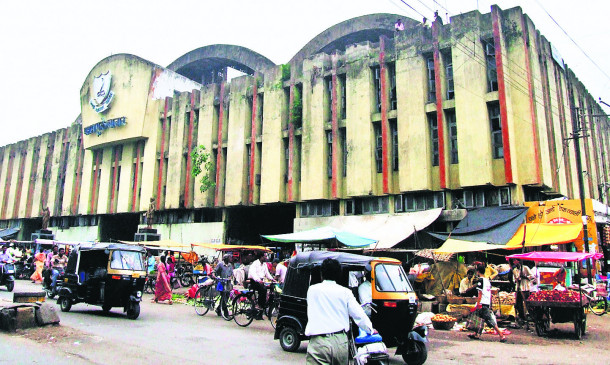
PM’s Bold Move: LPG Price Slashed by Rs 100 on International Women’s Day

A Celebratory Reduction

LPG price cut: In a move that echoes the commitment to women’s welfare, Prime Minister Narendra Modi took the stage on International Women’s Day to announce a significant cut of Rs 100 in the prices of LPG cylinders. This announcement is more than just a fiscal adjustment; it’s a bold step towards alleviating the financial stress on households nationwide.

Prime Minister’s Words

In a heartfelt Twitter post, PM Narendra Modi shared, “Today, on Women’s Day, our Government has decided to reduce LPG cylinder prices by Rs. 100.” This decision resonates with the spirit of Women’s Day, aiming to uplift Nari Shakti and acknowledging their integral role in society.

A Boon for Households

The Prime Minister emphasized that this reduction will greatly ease the financial burden on millions of households across the country. The gesture goes beyond mere economics; it stands as a tribute to the resilience and strength of women, recognizing their pivotal role in family dynamics.

Environmental Impact

Beyond the economic benefits, there’s an environmental angle to this move. By making cooking gas more affordable, the government aims to contribute to a healthier environment. The rationale is clear: accessible LPG promotes cleaner cooking practices, aligning with the commitment to environmental sustainability.

Empowering Women and Ensuring ‘Ease of Living’

In a written statement, PM Modi highlighted the correlation between affordable cooking gas and the well-being of families. This move aligns with the government’s commitment to empowering women and ensuring ‘Ease of Living‘ for them. The impact is twofold – not only easing financial strain but also fostering an environment conducive to a better quality of life.

The Ripple Effect

This decision is not just about reducing prices; it’s about creating a ripple effect of positive change. As cooking gas becomes more affordable, families can allocate resources more efficiently, ensuring a higher standard of living for all.

Prime Minister Narendra Modi’s announcement of a Rs 100 (LPG price cut) reduction in LPG prices on International Women’s Day is more than a fiscal policy; it’s a testament to the government’s commitment to women’s empowerment and improved living conditions for every household. As we celebrate this remarkable move, let’s acknowledge the positive impact it will have on the lives of millions.

FAQs

1. Why did the Prime Minister choose International Women’s Day for this announcement?

The decision aligns with the celebration of women’s contributions and acknowledges their significance in households and society.

2. How will the reduction in LPG prices benefit households?

It will ease the financial burden on families, allowing them to allocate resources more efficiently for an improved standard of living.

3. Is there a broader environmental impact to this decision?

Yes, by promoting affordable cooking gas, the government aims to contribute to a healthier environment and sustainable living practices.

4. What is the government’s broader commitment to women?

The commitment goes beyond economic policies, focusing on empowerment and ensuring ‘Ease of Living’ for women.

5. How does this decision contribute to the well-being of Nari Shakti?

The reduction in LPG prices directly benefits women by easing financial strain and fostering a healthier and more prosperous living environment.
Saraswati Vidyalaya Shines: Second in Maharashtra’s Prestigious Competition

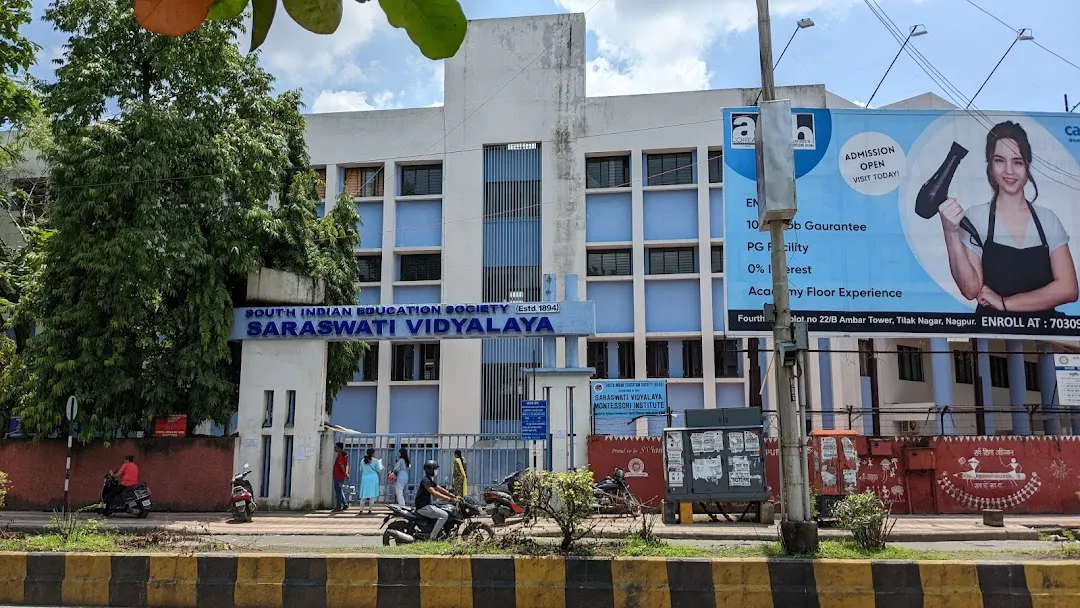
Saraswati Vidyalaya Primary School, located in the heart of the city, has clinched the esteemed ‘Mukhyamantri Maajhi Shaala Sunder Shaala’ prize, a recognition bestowed by the School Education Department of Maharashtra. This competitive initiative, spanning across all boards in the state, involved rigorous assessments and inspections by top officials from Nagpur and Pune, covering a myriad of parameters.

Embracing Digitalization and Excellence

In addition to embracing digitalization, Saraswati Vidyalaya has strategically implemented comprehensive programs, enriching both curricular and co-curricular activities. The school takes pride in offering certificate programs for visual and performing arts, fostering a holistic educational environment. Notably, the institution has actively collaborated with international communities, including UNESCO, FIM, and T4. Remarkably, it stands as the sole representative from the Nagpur division, securing an impressive second place among privately aided schools in Maharashtra.

Recognition and Celebration

The accolades continued as the school secured the second position in the entire state. Deepak Kesarkar, the Minister of Education, presented a memento, certificate, and a generous cash prize of Rs 15 lakh during a grand ceremony held at the TATA Performing Centre in Mumbai. The leadership team of Saraswati Vidyalaya, including President T K Venkatesh, Honourary Secretary V Meenakshi, Headmistress Resmi Umesh, and teacher representatives Sonu Paraskar and Sai Prasad Umak, gracefully received the prestigious award.

Dignitaries and Acknowledgments

The event was graced by the presence of key dignitaries, including the Principal Secretary of Education, Commissioners, Directors, and Deputy Directors from all divisions of Maharashtra. Dr Ullas Narad, the Deputy Director of Education in Nagpur, also attended the ceremony. Chief Minister Eknath Shinde lauded the schools for their effective implementation of the state program.

Expressing Gratitude

Headmistress Resmi Umesh and the dedicated team of teachers expressed their heartfelt gratitude to the Education Department, the management of the South Indian Education Society, and the primary committee chaired by V Shankaran. Special thanks were extended to SIES Coordinator S Prabhuraman, HM Pushpa Anantanarayanan, Laxmi Srinivasan, AHM, Latha Raghunathan, and Supervisor for their unwavering support.

Saraswati Vidyalaya’s remarkable achievement in the ‘Mukhyamantri Maajhi Shaala Sunder Shaala’ competition underscores its commitment to excellence in education. The recognition not only honors the school but also reflects positively on the entire educational landscape of Maharashtra.

FAQs

  1. What is the significance of the ‘Mukhyamantri Maajhi Shaala Sunder Shaala’ prize?
    • This prize, instituted by the School Education Department of Maharashtra, recognizes and rewards excellence in schools across the state.
  2. How did Saraswati Vidyalaya stand out in the competition?
    • The school distinguished itself through a combination of digitalization, robust academic programs, and active engagement with international communities.
  3. Who presented the awards to Saraswati Vidyalaya?
    • Deepak Kesarkar, the Minister of Education, presented the memento, certificate, and cash prize during a ceremony in Mumbai.
  4. Why is this recognition significant for Saraswati Vidyalaya?
    • The acknowledgment places Saraswati Vidyalaya among the top-performing schools in Maharashtra, contributing to its prestige and reputation.
  5. How did the school express its gratitude for the award?
    • Headmistress Resmi Umesh and the teaching team conveyed their thanks to the Education Department, the South Indian Education Society, and other key contributors for their continuous support.

Legal Complexities: Watch GN Saibaba’s Acquittal Journey

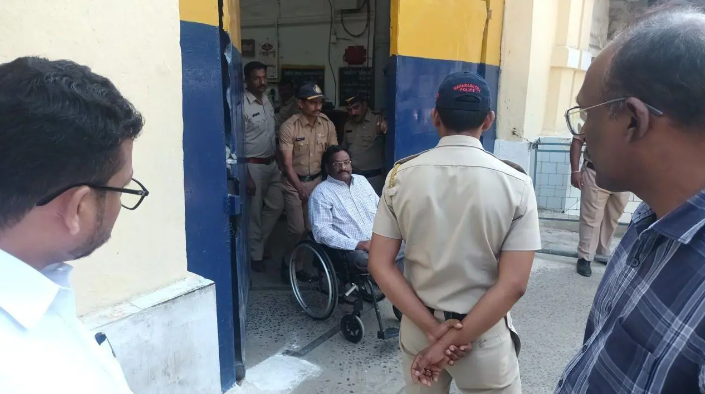
In a significant turn of events, Delhi University professor GN Saibaba, once entangled in the web of Maoist links, emerged from Nagpur Central Jail on Thursday as a free man. Alongside him, five others were recently acquitted by the Nagpur bench of the Bombay High Court, marking the culmination of a legal saga that began with Saibaba’s arrest in 2014.

The Acquittal Verdict

The Nagpur bench of the High Court, comprising Justices Vinay Joshi and Valmiki SA Menezes, overturned a 2017 conviction by a sessions court that had sentenced Saibaba and his co-accused to life imprisonment under the Unlawful Activities (Prevention) Act (UAPA). This landmark decision came after the appeal was reheard by the Supreme Court, which had initially reversed the High Court’s earlier acquittal verdict, as reported by ANI.

Supreme Court’s Intervention

On April 19, 2023, the Supreme Court overturned the High Court’s judgment to discharge Saibaba and others. This came in response to a petition from the Maharashtra government challenging the verdict. Subsequently, the Supreme Court postponed the High Court’s decision to release the defendants on October 14, 2022. Despite being granted the right to request bail, the accused, including Saibaba, awaited the Supreme Court’s ruling while languishing in jail.

Allegations and Acquittal

Initially convicted by the Sessions Court in Gadchiroli, Maharashtra, the accused were charged with being members of the Revolutionary Democratic Front (RDF), reportedly linked to an illegal Maoist organization. However, the recent acquittal by the High Court has effectively overturned their prior convictions.

Co-Accused and Tragedy

Besides Saibaba, the High Court acquitted Mahesh Kariman Tirki, Pandu Pora Narote, Hem Keshavdatta Mishra, and Prashant Rahi, all of whom faced life sentences. Additionally, Vijay Tirki, sentenced to ten years, and unfortunately, the late Pandu Pora Narote, who passed away during the appeals process, were also part of this legal odyssey.

In navigating the complexities of legal battles, the saga of GN Saibaba’s acquittal stands as a testament to the resilience of justice. This journey, marked by twists and turns, underscores the importance of a thorough and impartial legal process.

FAQs

  1. Why was GN Saibaba arrested in 2014?
    • Saibaba was arrested on allegations of Maoist links, specifically being accused of being a part of the Revolutionary Democratic Front (RDF).
  2. What led to the High Court’s acquittal decision?
    • The Nagpur bench of the Bombay High Court acquitted Saibaba and others, overturning a 2017 conviction, after a thorough reconsideration of the case.
  3. How did the Supreme Court intervene in the acquittal process?
    • The Supreme Court initially reversed the High Court’s acquittal, responding to a petition from the Maharashtra government, but later upheld the acquittal in 2023.
  4. Were there any casualties during the legal proceedings?
    • Unfortunately, Pandu Pora Narote passed away during the appeals process, adding a tragic dimension to the unfolding events.
  5. What charges were the accused facing?
    • The accused, initially convicted by the Sessions Court, were charged under the Unlawful Activities (Prevention) Act (UAPA) for their alleged involvement with the Revolutionary Democratic Front (RDF).

Bird Flu Outbreak in Nagpur: A Deep Dive into the Crisis

Rapid Response Team: The recent outbreak of bird flu in Nagpur has sent shockwaves through the poultry industry, with more than 8,500 birds culled and stringent measures implemented to contain the spread. In this comprehensive article, we’ll explore the details of the situation, the actions taken by the authorities, and the potential implications for both the local community and the broader region.

Understanding the Gravity of the Situation

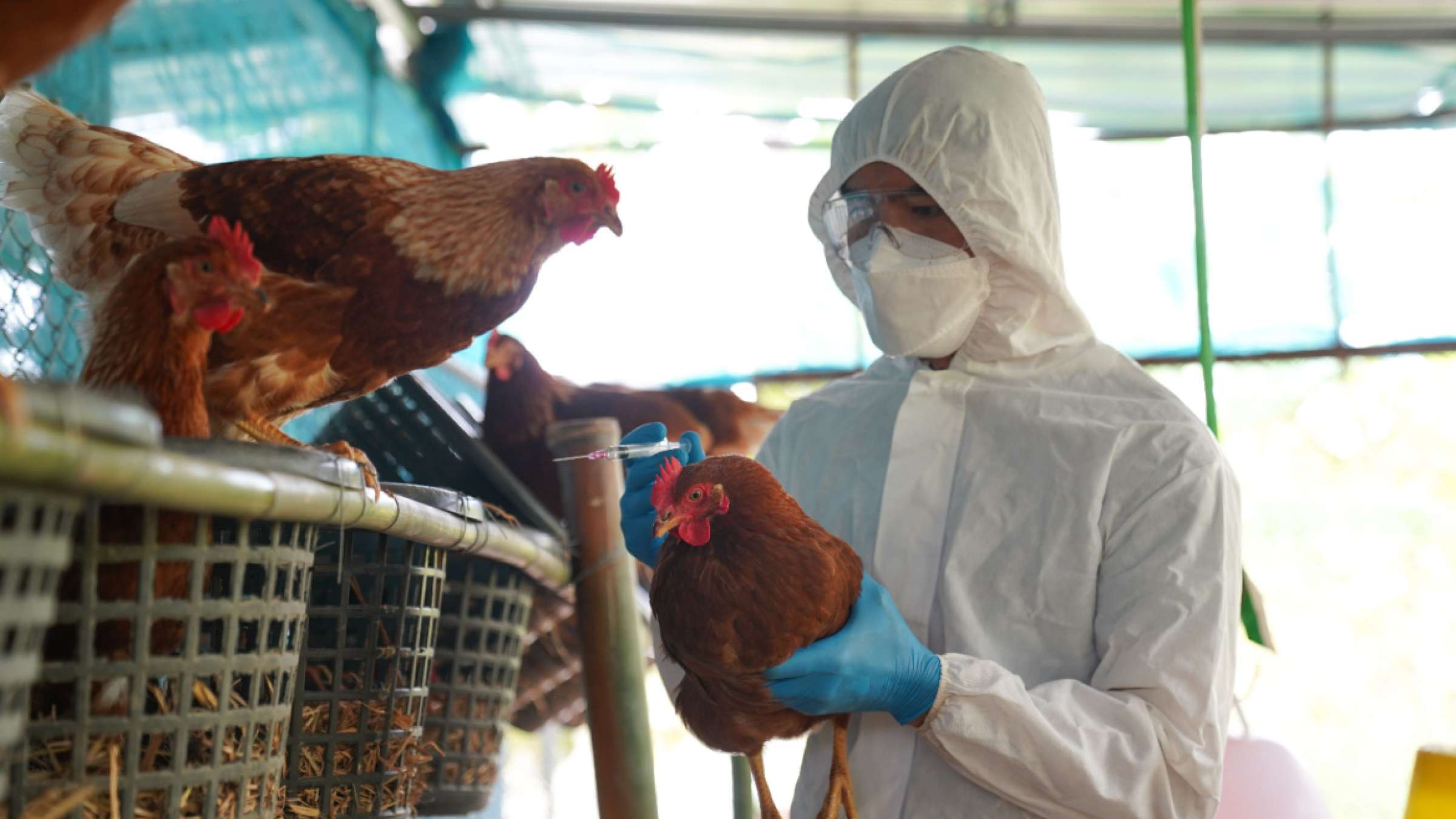
The Regional Hatchery Centre, managed by the state animal husbandry department in Seminary Hills, became the epicenter of the crisis when carcasses of recent mortalities tested positive for avian influenza, commonly known as bird flu. This prompted the Rapid Response Team (RRT) to take immediate action, scientifically destroying over 8,500 poultry birds, 16,700 eggs, and 400kg of bird feed.

Swift Response by the Rapid Response Team (RRT)

Led by dedicated professionals, the RRT acted swiftly to mitigate the potential spread of the disease. Sarfaraz Ahmed reports that the team’s prompt actions have helped contain the outbreak within the confines of the Regional Hatchery Centre. Thankfully, there are no reports of avian influenza among other farms in and around Nagpur at this time.

Assessing the Contagious Nature of Avian Influenza

Avian influenza is a zoonotic disease, meaning it can be transmitted from animals to humans. However, doctors assure the public that the chances of infected humans passing it to others are currently rare. This offers a measure of reassurance in the face of a disease that can have severe consequences for both poultry populations and human health.

District Collector’s Decree: Containment and Surveillance Zones

District collector Vipin Itankar, recognizing the urgency of the situation, declared a 1km area around the hatchery as a restricted zone. Additionally, a 10km area was designated as a surveillance zone for the next 21 days. These measures aim to prevent the potential spread of the virus and protect the surrounding communities.

The Unseen Threat: Balancing Perplexity and Burstiness

The situation in Nagpur serves as a stark reminder of the delicate balance between perplexity and burstiness in dealing with such crises. While the details of the outbreak may seem perplexing, the swift and decisive actions of the RRT demonstrate the burstiness needed to address unexpected challenges effectively.

The Human Touch in Crisis Management

In times of crisis, the human touch becomes crucial. The collective efforts of professionals, authorities, and the community contribute to managing the situation. This collaborative approach is essential for not only addressing the immediate concerns but also developing sustainable strategies for preventing future outbreaks.

Navigating Through Crisis with Unity and Resilience

The bird flu outbreak in Nagpur is a testament to the unpredictability of zoonotic diseases. However, it also highlights the resilience and unity displayed by the community in the face of adversity. By understanding the gravity of the situation, appreciating the swift response of the RRT, and recognizing the importance of collective action, we can navigate through this crisis with determination and emerge stronger on the other side.

Frequently Asked Questions (FAQs)

  1. Q: Can avian influenza be transmitted to humans?
    • A: While avian influenza is a zoonotic disease, the chances of transmission to humans are currently rare, according to medical experts.
  2. Q: What measures are being taken to contain the outbreak in Nagpur?
    • A: The Rapid Response Team has scientifically destroyed infected birds and implemented restricted and surveillance zones to prevent further spread.
  3. Q: How long will the surveillance zones be in place?
  4. Q: Are other farms in and around Nagpur affected by avian influenza?
    • A: As of now, there are no reports of avian influenza among other farms in the vicinity.
  5. Q: What is the role of the Regional Hatchery Centre in the crisis?
    • A: The centre became the epicenter of the outbreak, with the Rapid Response Team taking immediate action to contain and address the situation.


Khelo India Medal Winners: A Gateway to Government Jobs: Sports Minister Anurag Thakur

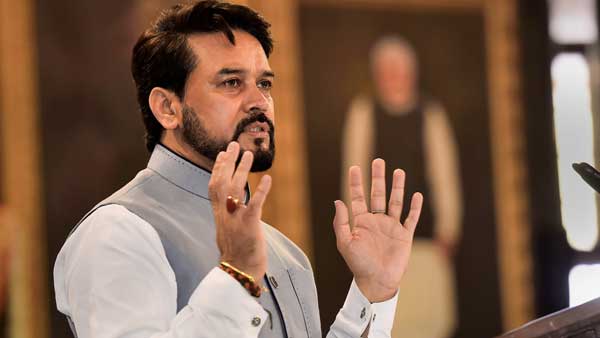
Medal winners in all Khelo India competitions are now set to embark on a new journey, one that leads them to coveted government jobs. This groundbreaking announcement was made by the dynamic Sports Minister, Anurag Thakur, on a Wednesday that will be etched in the annals of India’s sporting history.

A Vision Aligned: PM Modi’s Blueprint for Sporting Success

Thakur emphasized that this move aligns seamlessly with Prime Minister Narendra Modi’s vision of fostering a robust sports ecosystem. The aim is clear – nurturing talent at the grassroots level and transforming sports into a lucrative and viable career option. The Department of Personnel and Training, in collaboration with the sports ministry, has orchestrated progressive revisions to the eligibility criteria for sportspersons aspiring for government jobs.

The Evolution of Khelo India Games

The Khelo India Games, initiated in 2018, stand as a testament to India’s commitment to fortifying sports at the grassroots level. This annual spectacle has become a cornerstone for nurturing young talent across the nation. Athletes and sports enthusiasts eagerly anticipate each edition, marking it as a pivotal platform for the emergence of future champions.

Let’s Play India: Reviving a Sporting Culture

The essence of the Khelo India initiative is beautifully encapsulated by its motto, ‘Let’s Play India.’ The initiative strives to revive and foster a robust sporting culture within the country. It aims to lay a solid foundation, sculpting the path for the emergence of future champions on the global stage.

Seismic Shift: Medal to Job Transformation

With this landmark decision, the journey for Khelo India medal winners takes an unprecedented turn. No longer confined to accolades and trophies, these athletes now have the prospect of translating their success into secure government employment.

Breaking Down the Revisions

Thakur’s announcement highlighted the collaborative effort between the Department of Personnel and Training and the sports ministry. The progressive revisions in eligibility criteria open new doors for sportspersons eyeing government jobs, making the process more inclusive and encouraging.

Impact Beyond Sports: A Lucrative Career Option

The ripple effect of this decision extends beyond the realm of sports. It underlines the government’s commitment to providing diverse and rewarding career options for those who excel in their respective fields. A medal won at Khelo India can now become a stepping stone to a stable and promising career.

Nurturing Talent: A National Priority

The move echoes the sentiment that nurturing talent at the grassroots level is not just a priority but a national responsibility. By intertwining sports with career opportunities, the government strives to create a holistic ecosystem that supports the dreams and aspirations of young athletes.

Paving the Way for Sporting Glory

the announcement by Sports Minister Anurag Thakur marks a paradigm shift in the landscape of Indian sports. Khelo India medal winners now stand not only as symbols of athletic prowess but also as beacons of career success. This initiative aligns with the broader vision of creating a sporting powerhouse on the global stage.

‘Cyber Hawks’ Join Forces with Police to Curb Crime in Nagpur

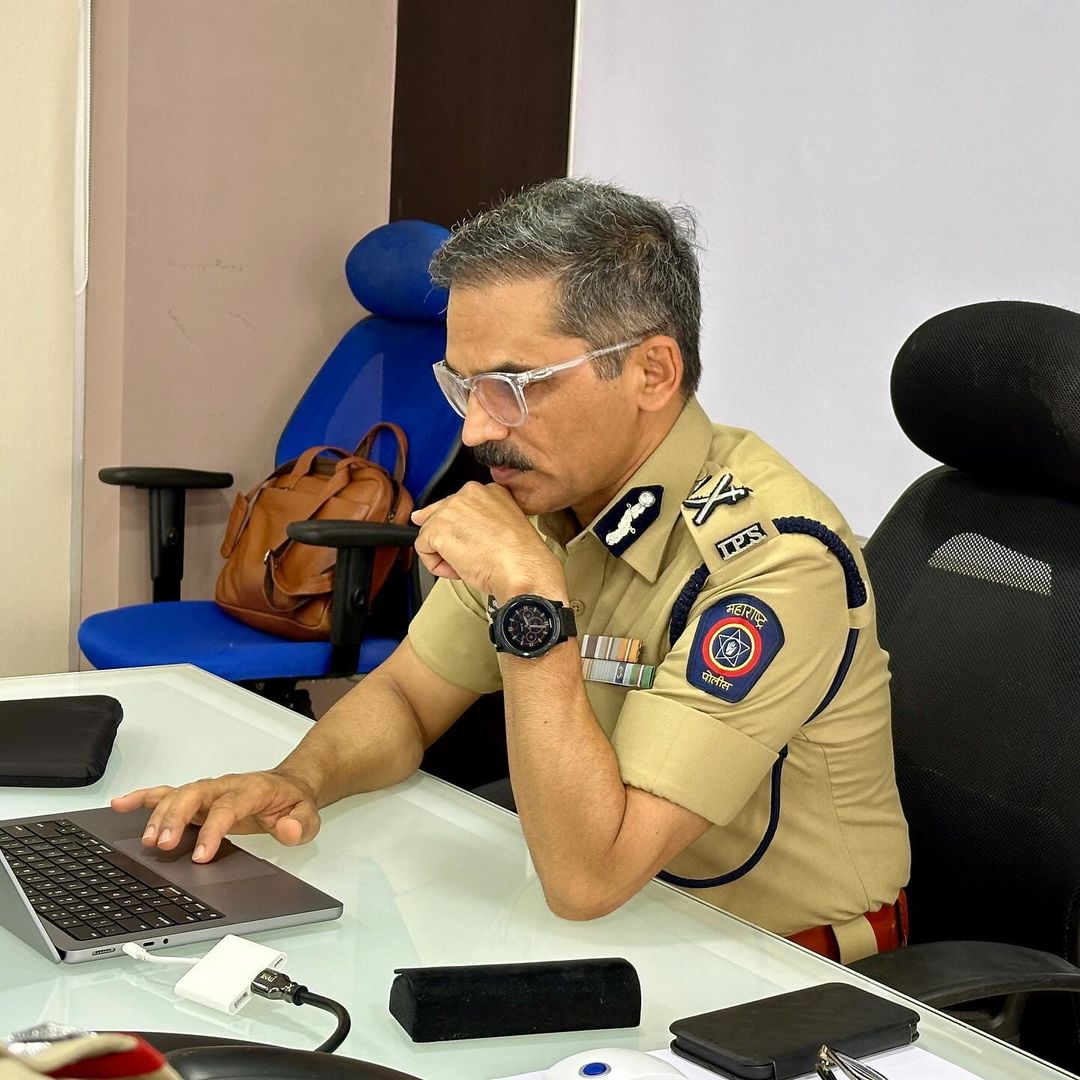
Nagpur crime: In a bid to transform Nagpur’s notorious reputation as the crime capital of Maharashtra, Commissioner of Police Ravinder Singal is spearheading a groundbreaking initiative. Embracing the power of social media, Singal recently convened a meeting with a unique set of allies – the ‘cyber hawks’ (police collaboration) – a group of influential social media personalities. This collaboration aims to gather intelligence on critical issues such as drugs, crimes against women, cybercrimes, and any social media content that may tarnish the city’s image or incite social discord.

Empowering Influencers for a Safer City

Singal, during the rendezvous with 15 influencers at the police headquarters, emphasized the importance of their role in reshaping the city’s narrative. Drawing attention to instances like abusive reels and unconventional celebrations involving swords, the Commissioner expressed concerns about the negative impact on Nagpur’s image. He believes that influencers, with their extensive followings, can play a pivotal role in providing the police with valuable information.

“My motive is to change the image of the city, as many people are posting objectionable material on social media, giving the city a bad name. The influencers can provide us with information about drug abuse, traffic issues, cybercrimes, crimes against women, and other activities,” Singal explained.

Cracking Down on Social Media Offenders

Recent actions by the police reflect a commitment to addressing the menace of offensive online content. Singal highlighted that influencers can act as intermediaries, guiding citizens on where to file complaints. This collaborative approach positions influencers as bridges between the common man and the police, fostering a more connected and vigilant community.

Building a Direct Channel for Information Flow

Anticipating the need for a streamlined communication system, one of the influencers revealed that the police are actively working on setting up a mechanism. This system will ensure that information shared by influencers reaches the police chief directly, enhancing the efficiency of the collaboration.

Shaping a New Narrative

As Nagpur embarks on this innovative partnership between law enforcement and social media influencers, the city inches closer to shedding its crime capital tag. The ‘cyber hawks’ initiative not only addresses current challenges but also lays the foundation for a more secure and harmonious community.

FAQs: Unveiling the ‘Cyber Hawks’ Initiative

  1. How do influencers contribute to crime prevention in Nagpur?
    • Influencers leverage their significant following to provide the police (CP Ravinder Singal) with crucial information on drugs, cybercrimes, crimes against women, and other activities.
  2. What actions have the police taken against offensive social media content?
    • The police have recently implemented measures to address abusive and offensive content, signaling a commitment to maintaining online decorum.
  3. How can citizens seek assistance from influencers in filing complaints?
    • Citizens can approach influencers for guidance on filing complaints, establishing influencers as a helpful link between the public and law enforcement.
  4. Is there a plan to streamline communication between influencers and the police?
    • Yes, the police are actively working on establishing a system to ensure direct communication, enhancing the efficiency of information flow.
  5. What is the ultimate goal of the ‘cyber hawks’ initiative in Nagpur?
    • The initiative aims to change the city’s image by addressing social media challenges, fostering collaboration between influencers and the police for a safer community.

Nagpur’s Battle Against Avian Influenza: A Comprehensive Report

Nagpur bird flu: In a recent development at the Regional Hatchery Centre in Seminary Hills, Nagpur, the Rapid Response Team (RRT) has undertaken a critical task – the scientific destruction of over 8,500 poultry birds, 16,700 eggs, and 400kg of bird feed. Sarfaraz Ahmed’s report sheds light on the alarming situation where the carcasses of these birds tested positive for avian influenza, commonly known as bird flu.

Unveiling the Incident

The Regional Hatchery Centre, managed by the state animal husbandry department, has become the focal point of this crisis. The RRT, in a swift response, initiated the disposal process after confirming the presence of avian influenza among the recent mortalities. The severity of the situation prompted immediate action to curb the potential spread of the disease.

Containment Measures (Nagpur bird flu)

District collector Vipin Itankar, on Wednesday, announced a series of measures to contain the outbreak. A 1km radius around the hatchery is now declared a restricted zone, while a broader 10km area falls under surveillance for the next 21 days. These steps aim to prevent the further transmission of the avian influenza within Nagpur and its surrounding areas.

The Contagious Nature of Avian Influenza

Avian influenza is a zoonotic disease, meaning it can transmit from animals to humans. While the contagious nature of the virus is a cause for concern, doctors reassure the public that the chances of infected humans passing it to others are currently rare. Understanding this crucial aspect can help alleviate fears and guide preventive measures.

No Reports Beyond Nagpur

As of now, there are no reports of avian influenza among other farms in and around Nagpur (Nagpur bird flu). This is a crucial point to note, indicating that the immediate focus is on containment and preventing the further spread of the disease beyond the identified zone.

The Human Perspective

In the face of this crisis, it’s essential to recognize the human aspect. Doctors emphasize the rarity of infected humans transmitting the virus, providing a level of reassurance to the community. The use of formal language underscores the seriousness of the situation while maintaining a connection with the reader.

Understanding the Risk

While avian influenza is contagious, understanding the specific risks and transmission mechanisms is vital. The article aims to provide clarity on the current situation, ensuring that readers can make informed decisions about their safety and the safety of their communities.

the Regional Hatchery Centre incident in Nagpur demands immediate attention and decisive action (Nagpur bird flu). The containment measures undertaken by District Collector Vipin Itankar underscore the seriousness of the situation. As the community comes together to address this challenge, staying informed and following recommended guidelines becomes paramount.

FAQs

  1. Is avian influenza deadly to humans?
    • Currently, the chances of infected humans passing the virus to others are rare, according to doctors.
  2. What are the symptoms of avian influenza in birds?
    • Birds infected with avian influenza may show signs of lethargy, respiratory distress, and a drop in egg production.
  3. How can I protect myself from avian influenza?
    • Following hygiene practices, avoiding contact with sick birds, and staying informed about the outbreak are essential preventive measures.
  4. Are other farms in Nagpur affected?
    • As of now, there are no reports of avian influenza on other farms in and around Nagpur.
  5. What should I do if I suspect avian influenza in my poultry?
    • Report any unusual symptoms in your poultry to the local animal health authorities immediately.

State Government’s Extended Power Subsidy: A Boon for Industries in Vidarbha, Marathwada, and Northern Maharashtra

Empowering Industries in Backward Regions

Power Subsidy Extension: In a significant move to boost industrial growth, (Maharashtra Industries Growth) the State Government has prolonged the Power Subsidy Scheme, bringing relief to enterprises in Vidarbha, Marathwada, and Northern Maharashtra. This strategic decision aims to enhance competitiveness in these regions amidst fierce competition.

Notification and Key Changes (Power Subsidy Extension)

On a recent Tuesday, the Government issued a Government Resolution (GR) announcing the extension of the subsidy for industries in these regions until the fiscal year 2026-27. Crucially, the subsidy remains at Rs 1,200 crore annually, with no alterations to the scheme’s fundamental calculations.

Deputy Chief Minister’s Hint

The announcement follows Deputy Chief Minister Devendra Fadnavis’s subtle indication during an event where he spoke about the power subsidy scheme. The timing of this decision aligns with the signing of a Memorandum of Understanding for a distillery in Butibori, creating anticipation among industry leaders.

Previously, the Maharashtra Government faced legal challenges after abruptly discontinuing the subsidy scheme midway during the Maha Vikas Aghadi coalition’s rule. The abrupt halt was prompted by the swift exhaustion of the allocated Rs 1,200 crore, intended to last the entire year. Investigations later exposed misuse by some steel industries in Northern Maharashtra, colluding with officials of the Maharashtra State Electricity Distribution Company Limited (MSEDCL).

Industry Protest and Court Intervention

The Vidarbha Industries Association (VIA) took legal action against the Government’s sudden withdrawal, proposing the capping of individual subsidies to prevent misuse. Industries argued that they had invested substantially in capacity upgrades based on the subsidy calculations, urging the Court to direct the continuation of the power subsidy until the stipulated period.

Extending Support for Regional Development

Recognizing the imperative to support industries in Vidarbha and Marathwada, the subsidy scheme extension reflects the Government’s belief in attracting investments to these areas. The GR, while extending the scheme, allows room for amendments, with existing norms in force until a Cabinet Sub-Committee suggests reforms.

Eligibility Criteria and Monitoring

Industries falling under the D and D+ categories are eligible for the power subsidy. To ensure the efficient use of allocated funds, MSEDCL will rigorously monitor subsidy applications. Large claims from individual industries are likely to be scrutinized early on, preventing complications at later stages, as officials have emphasized.

The State Government’s decision to extend the Power Subsidy Scheme signifies a commitment to fostering industrial growth in economically backward regions. By addressing past challenges and introducing careful monitoring, the Government aims to strike a balance between supporting industries and preventing misuse.

FAQs

1. What prompted the State Government to extend the power subsidy scheme?

The extension aims to support industries in Vidarbha, Marathwada, and Northern Maharashtra, fostering growth and attracting investments.

Some steel industries in Northern Maharashtra allegedly misused the scheme, prompting legal challenges and a swift withdrawal by the Government.

3. What are the eligibility criteria for industries to avail the power subsidy?

Industries categorized as D and D+ are eligible for the extended power subsidy in the specified regions.

4. How will the Government ensure fair distribution of the subsidy funds?

MSEDCL will carefully monitor subsidy applications, red-flagging any unusually large claims at the initial stage to prevent complications later.

5. Can industries expect any changes in the subsidy scheme in the future?

The GR allows for amendments, with existing norms remaining in force until a Cabinet Sub-Committee suggests reforms.

Expect Parking and Cleaner Toilets: A Revamp for Nagpur’s Markets

Revamp Nagpur Markets: Nagpur, a city steeped in history, is gearing up for a significant transformation. Four pivotal markets, including the iconic Santra Market and Cotton Market, along with six smaller ones in Itwari, (Itwari Market) are set to undergo a remarkable redevelopment. The aim is to infuse these markets with a fresh, modern appeal, addressing the long-standing need for improved infrastructure and amenities.

Rediscovering Nagpur’s Market Heritage (Revamp Nagpur Markets)

The ten chosen marketplaces, such as Dahi Bazaar, Cotton Market, Netaji Market (Sitabuldi), and Santra Market, (Santra Market) have been the pulse of Nagpur for years. Despite their historical significance, they have been overlooked, leaving them in need of a facelift. The Maharashtra State Infrastructure Development Corporation (MSIDC) has been entrusted by the Nagpur Municipal Corporation (NMC) to spearhead this revitalization effort.

A Collaborative Endeavor

Deputy Municipal Commissioner Nirbhay Jain revealed that the NMC has already inked a Memorandum of Understanding (MoU) with MSIDC, marking the initiation of the redevelopment process. The ambitious project extends beyond the markets, with plans for a modern commercial complex at NMC’s ‘Dik Dawakhana,’ situated on East High Court Road.

Vision for Redevelopment

Union Minister Nitin Gadkari’s directive last December acted as a catalyst for this redevelopment initiative. The NMC, through its project department, presented a comprehensive proposal covering not only the prominent markets but also including defunct establishments like ‘Dik Hospital’ and six additional markets in Itwari (Itwari Market). MSIDC and NMC officials will conduct a joint survey, outlining the project’s scope, conducting site inspections, and preparing detailed reports.

Amenities Take Center Stage

As the existing markets undergo a transformation, the focus is squarely on enhancing amenities. Ample parking space, modern toilets, and other essential facilities will be integrated to elevate the overall experience for visitors and shopkeepers alike.

The Road Ahead

After the survey and planning phase, the NMC will invite tenders, signaling the commencement of the redevelopment work. MSIDC will oversee the entire process, ensuring the adherence to the proposed plan. Importantly, the ownership rights of these projects will remain with the NMC, with MSIDC receiving 5% of the project cost as fees.

Shopkeepers’ Priority

Existing shopkeepers will be given preference when deciding occupancy, but it comes with a catch—they won’t receive the shops for free. The onus of construction costs will fall on the owners, a detail that MSIDC is actively working out.

Learning from the Past

This isn’t the first attempt at revitalization; previous efforts involving MahaMetro for Mahatma Phule Market (Cotton Market) and Netaji Market (Sitabuldi) did not come to fruition. However, this time, with the backing of MSIDC, the prospects seem brighter for Nagpur’s historic markets.

Nagpur’s markets are poised for a renaissance, shedding years of neglect for a modern, vibrant future. The redevelopment initiative, led by MSIDC and backed by NMC, is a testament to the city’s commitment to preserving its historical landmarks while embracing progress.

FAQs

  1. Who is spearheading the redevelopment of Nagpur’s markets?
    • The Maharashtra State Infrastructure Development Corporation (MSIDC) has been entrusted with this significant task by the Nagpur Municipal Corporation (NMC).
  2. What amenities will be prioritized during the redevelopment?
    • The focus will be on adding essential amenities such as parking spaces, modern toilets, and other facilities to enhance the overall experience.
  3. Will existing shopkeepers get preferential treatment?
    • Yes, existing shopkeepers will receive preference in deciding occupancy, but they will be required to bear the construction costs.
  4. What role did Union Minister Nitin Gadkari play in this initiative?
    • Nitin Gadkari directed the NMC to seek assistance from MSIDC for the redevelopment, sparking the comprehensive revitalization effort.
  5. Have previous attempts at market redevelopment in Nagpur been successful?
    • Previous efforts, including collaboration with MahaMetro, did not yield results. However, the current partnership with MSIDC brings renewed optimism.

Navigating Nagpur’s Traffic Maze: Road Closure for Tunnel Construction

Nagpur tunnel: Nagpur, a bustling city known for its vibrant culture, is about to face a significant traffic disruption. The road from Freedom Park Metro station (Morris College Square) to Institute of Science College is set to be closed for a month, from March 6 to April 5. This move is part of the ambitious tunnel construction project by MahaMetro, aiming to connect Institute of Science College to Manas Square. Let’s delve into the details of this traffic diversion and its impact on the city.

Traffic Turmoil: Chaos at Variety Square, Zero Mile T-point, and Samvidhan Square

As Nagpur witnesses ongoing road concretization works, the additional closure of the Freedom Park Metro station route will undoubtedly escalate traffic chaos (traffic diversion) at key points like Variety Square, Zero Mile T-point, and Samvidhan Square. The city’s arteries are already strained, and this closure is likely to add to the congestion.

MahaMetro’s Vision: Tunneling Towards Connectivity (Nagpur tunnel)

MahaMetro, the agency spearheading this tunnel construction, has sought a two-month closure for the project. The proposed 870-meter tunnel connecting Manas Square with Institute of Science Square via Morris College Square on Wardha Road is a significant infrastructural endeavor. Deputy Commissioner of Police (Traffic) Shashikant Satao emphasized that the construction work will be carried out day and night to expedite the process.

Financial Backing: Gadkari’s Commitment to Progress

Union Minister Nitin Gadkari has allocated Rs79.67 crore through the Central Road Fund (CRF) to fund the tunnel’s construction. This financial commitment underscores the project’s importance and the government’s dedication to enhancing connectivity in Nagpur.

Tunnel Design and Functionality

The planned underpass is set to have three entry/exit points, running underneath Ansari Road (Tekdi Road). MahaMetro officials assert that this tunnel will alleviate traffic strain on nearby areas hosting institutions such as Bhavan’s School, BSNL office, forest department office, and Zero Mile.

Phased Approach: Construction Strategy

To ensure an efficient construction process, MahaMetro has divided the work into two phases. Phase-I involves constructing a 400-meter tunnel from Institute of Science to Freedom Park Metro station, while Phase-II will focus on completing the remaining tunnel. The decision to close the entire stretch from Freedom Park Metro Station to Institute of Science College is aimed at streamlining the construction efforts.

Traffic Regulation Measures

Given the heavy traffic in the area, especially during the night, strict traffic regulation and control are imperative. The notification emphasizes the need for smooth traffic diversion during the construction period. Vehicles will be diverted from either Variety Square or Zero Mile T-point.

Safety First: Contractor’s Responsibilities

Contractor YFC-BBG, responsible for the tunnel construction, has been directed to take necessary safety measures. This includes appointing traffic security guards to ensure the smooth and safe regulation of traffic throughout the construction phase.

Conclusion: Navigating Change for a Better Nagpur (MahaMetro project)

While the road closure may cause short-term inconvenience, it paves the way for long-term connectivity benefits for Nagpur. MahaMetro’s ambitious tunnel project signifies progress and a commitment to enhancing the city’s infrastructure. As Nagpur adapts to these changes, the result promises a more connected and efficient urban landscape.

FAQs: Unveiling Answers to Common Queries

  1. Q: Why is the road from Freedom Park Metro station to Institute of Science College closed?
    • A: The closure is part of MahaMetro’s construction project to build a tunnel connecting Institute of Science College to Manas Square, aimed at improving connectivity.
  2. Q: How long will the road closure last?
    • A: The closure is scheduled for one month, from March 6 to April 5, to facilitate the efficient construction of the tunnel.
  3. Q: What measures are in place to manage traffic during the construction period?
    • A: Traffic will be diverted from Variety Square or Zero Mile T-point, and strict regulation measures will be enforced to ensure smooth traffic flow.
  4. Q: Who is funding the tunnel construction project?
    • A: Union Minister Nitin Gadkari has allocated Rs79.67 crore through the Central Road Fund (CRF) for the construction of the tunnel.
  5. Q: How is the tunnel expected to benefit Nagpur?
    • A: The tunnel is designed to reduce traffic strain in key areas, providing enhanced connectivity and improving the overall urban landscape.
Exit mobile version