100 Fall Ill After ‘Fasting’ Food in Nagpur

Exploring the Mahashivratri Fallout (Fasting food Nagpur): A Fasting Feast Gone Awry

Fasting food Nagpur: In a shocking turn of events, over a hundred individuals in Nagpur and Bhandara found themselves grappling with food poisoning after indulging in the traditional Mahashivratri ‘upvas’ food. The culprit? Singhara atta halwa (water-chestnut flour) and sev, commonly enjoyed during the fasting period on Friday night. Let’s delve into the details of this unfortunate incident that left the city in distress.

The Alarming Numbers: 96 Cases Confirmed, Actual Count Potentially Higher

Nagpur Municipal Corporation (NMC) officials have officially documented 96 cases of food poisoning related to the festive delicacies. However, considering the decentralized nature of the celebration – with many households partaking in the festivities individually – the true numbers might be significantly higher. Private hospitals, not obligated to report such incidents, further complicate the accurate assessment of the situation.

Discrepancies and Denials: Rural Areas vs. Urban Centers

While the district health office in rural areas denies any instances of food poisoning, Shalinitai Meghe Hospital and Research Centre (SMHRC) in Hingna paints a different picture. Eight patients, including two in critical condition, were admitted, revealing a discrepancy in the official narrative. Dr. Khalid Khan from SMHRC highlighted that the consumption of singhara atta halwa and snacks triggered the alarming health issues.

Bhandara’s Battle with Gastritis: A Parallel Affliction

Bhandara, too, faced the repercussions of the festive feasting, with an unspecified number of residents suffering from acute gastritis after consuming singhara atta ‘bhaji.’ Despite these reports, district officials in Bhandara initially denied the presence of a food poisoning epidemic.

The Investigative Response: NMC’s Swift Action

Promptly responding to the crisis, the NMC health department initiated a survey in the affected areas. Water samples were collected for testing, and stool samples were sent to the government lab. Initial findings pointed towards singhara atta of a specific brand as the common source of infection, linking patients from various parts of the city.

Home Treatments and Hospital Shifts: NMC’s Dual Approach

In a bid to address the situation comprehensively, NMC medical teams began home treatments for many patients, reserving hospital beds for those suffering from severe dehydration. This two-pronged strategy aimed at containing the outbreak and providing immediate relief to the affected individuals.

A Cautionary Tale for Festive Celebrations

In the aftermath of this unexpected health crisis, communities must reflect on the importance of food safety during festive occasions. The incident in Nagpur serves as a cautionary tale, urging both authorities and individuals to exercise vigilance and adhere to rigorous quality standards when preparing and consuming festival-specific foods.

FAQs: Unraveling the Nagpur Food Poisoning Incident (Fasting Food Nagpur)

  1. What caused the food poisoning during Mahashivratri in Nagpur?
    • The common denominator was singhara atta halwa, identified as the source of infection.
  2. Were rural areas in Nagpur affected by the food poisoning outbreak?
    • Officially denied by the district health office, rural areas had conflicting reports from Hingna-based SMHRC.
  3. How did the NMC respond to the crisis?
    • NMC swiftly initiated a survey, collected samples for testing, and provided dual treatments – at home and hospitals.
  4. Was the brand of singhara atta identified as the culprit?
    • Preliminary findings pointed to a specific brand of singhara atta as the common source of infection.
  5. What can communities learn from this incident for future celebrations?
    • The incident emphasizes the need for stringent food safety measures during festive periods to prevent such health crises.

Divyang Park: A Revolutionary Haven for Differently-Abled Individuals

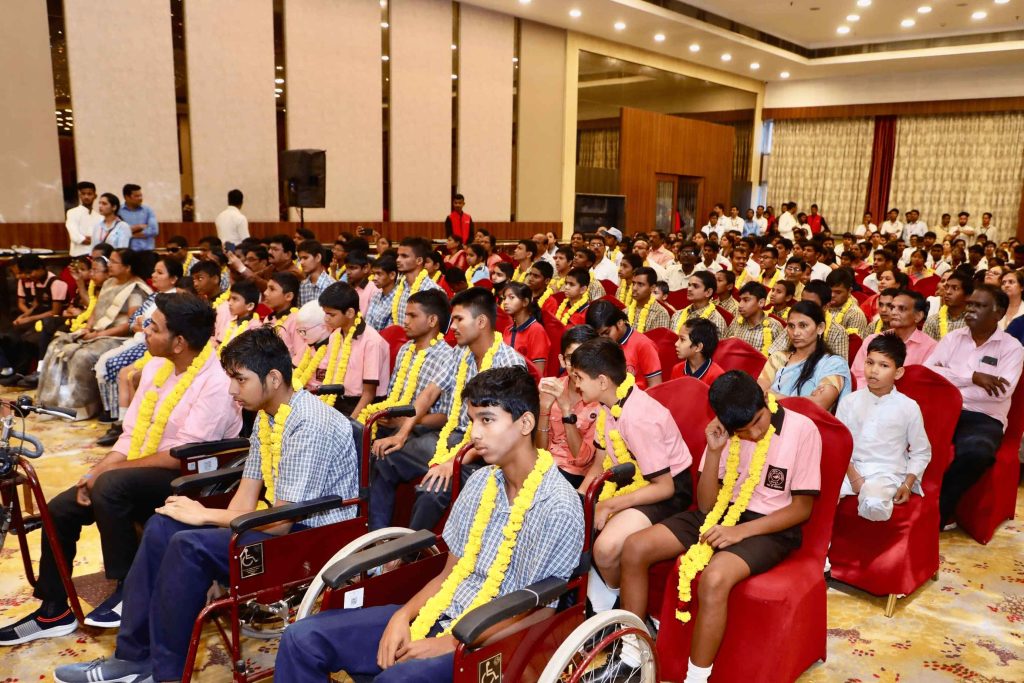
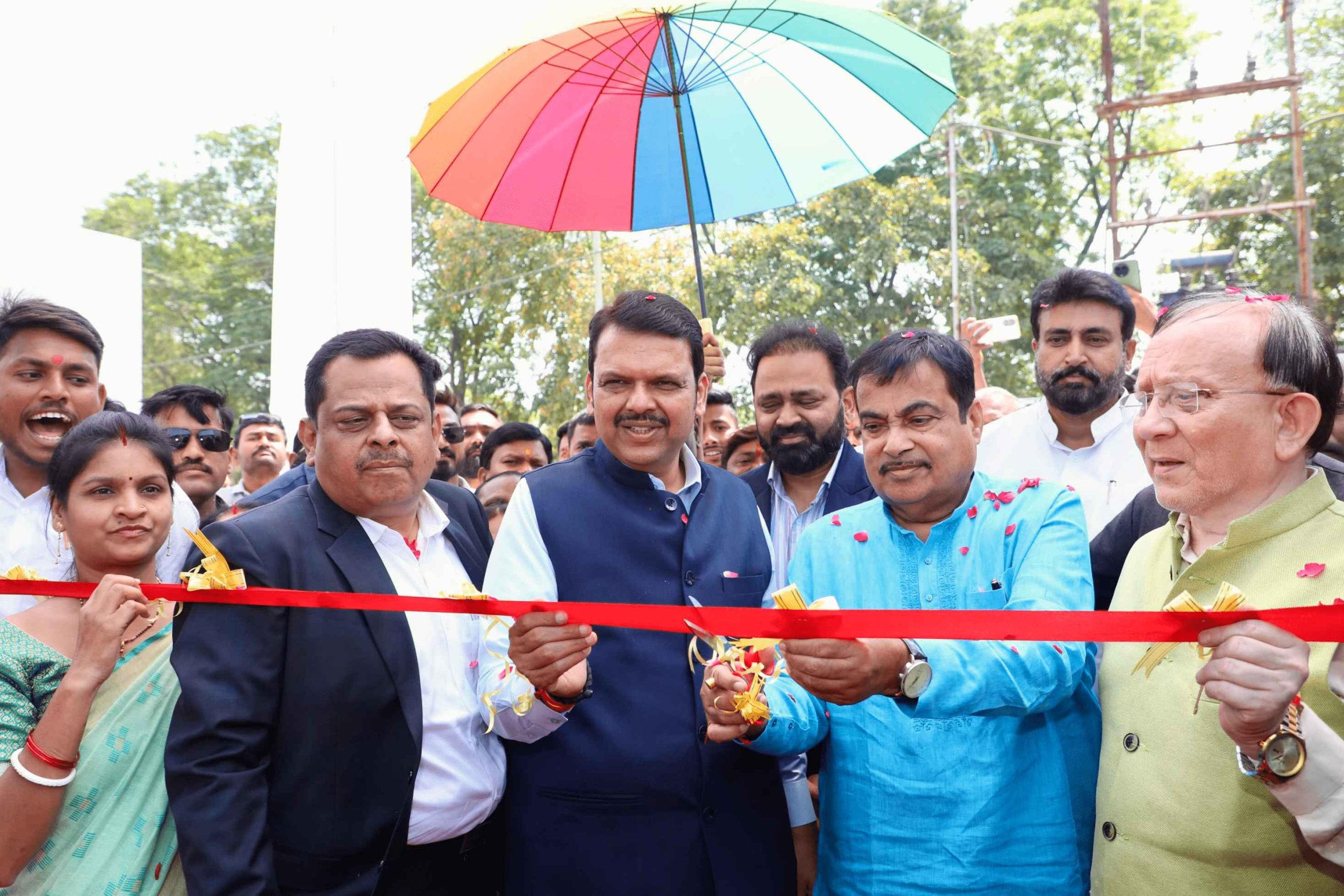
Divyang Park Nagpur: In a groundbreaking move to enhance the lives of persons with disabilities, Union Minister Nitin Gadkari unveiled the ‘Anubhuti Inclusive Park’ in Nagpur. This visionary project aims to create a life-changing experience for the disabled, fostering a healthy and fulfilling life based on their natural abilities and needs.

Visionary Beginnings in Ujjain Inspire Nagpur’s Divyang Park

Gadkari shared that the inspiration for this park struck him during a visit to a similar park in Ujjain. Fueled by the desire to bring smiles to the faces of disabled individuals, the Nagpur Improvement Trust (NIT) has meticulously crafted a beautiful haven, providing not just recreation but a platform for skills development.

Spreading Joy and Entertainment: A Rs40 Crore Investment

With a heartwarming dedication ceremony in Surya Nagar, East Nagpur, the park becomes a beacon of joy for disabled individuals. The allocated budget of Rs40 crore underlines the commitment to creating an environment that not only entertains but also facilitates growth.

Transportation Initiatives: Two Buses for Daily Commutes

Recognizing the importance of accessibility, Nitin Gadkari announced the deployment of two buses dedicated to transporting Divyang students from their homes, schools, and colleges to the park daily. This thoughtful initiative ensures that the park remains inclusive and easily accessible for all.

Collaborative Efforts and Recognition

Under the guidance of experts like Sanket Bhondve, Dr. Pankaj Maru, Ritesh Yadav, and Sanjay Kulkarni, the project saw collaboration at its best. Gadkari emphasized the need for an expert agency to maintain the park’s standards and announced the construction of a special stadium catering to the disabled.

Maharashtra’s Pride: Fadnavis Acknowledges Modi’s Vision

Deputy Chief Minister Devendra Fadnavis expressed pride in the park, declaring it India’s premier center for recreation and healthy living for the differently-abled. The park, equipped with facilities for various disabilities, aims not just for entertainment but also therapeutic interventions.

A Vision Realized: PM Narendra Modi’s Contributions

Fadnavis credited Prime Minister Narendra Modi for his immense contribution to integrating the disabled into mainstream society. Modi’s vision has materialized into various schemes, creating a more comfortable and inclusive environment for differently-abled individuals.

The ‘Anubhuti Inclusive Park’ in Nagpur stands as a testament to the transformative power of vision and collaboration. It is more than just a recreational space; it’s a haven that fosters joy, development, and inclusivity for those with different abilities.

FAQs:

  1. How can disabled individuals benefit from Anubhuti Inclusive Park?
    • The park offers a range of facilities for recreation, skills development, and therapeutic interventions, catering to various disabilities.
  2. What is the significance of the two buses deployed for Divyang students?
    • The buses ensure easy accessibility, transporting students from their homes, schools, and colleges to the park daily.
  3. Who played a key role in the development of the park?
    • Experts like Sanket Bhondve, Dr. Pankaj Maru, Ritesh Yadav, and Sanjay Kulkarni, along with the Nagpur Improvement Trust, played pivotal roles.
  4. How will the park be maintained in the long run?
    • An expert agency will be appointed for the maintenance of the park, ensuring its continuous high standards.
  5. What role did PM Narendra Modi play in the realization of the park?
    • PM Modi’s vision and contributions have been instrumental in bringing the disabled into the mainstream and making their lives more comfortable.

Nagpur’s 24×7 Water Supply Revolution: Gadkari’s Bold Announcement

Nagpur 24×7 water supply: Nagpur, the orange city, is set to achieve a milestone in the next four months, becoming the first in the country to enjoy uninterrupted water supply around the clock. This groundbreaking revelation comes from Union Minister and city MP Nitin Gadkari, who shared the exciting news during a recent announcement. Let’s delve into the details and implications of this transformative project.

A City on the Verge of Water Transformation

Current Status of Water Supply

Gadkari revealed that presently, 65% to 70% of Nagpur already receives continuous water supply. This commendable achievement sets the stage for the upcoming 24×7 water supply initiative. The minister emphasized that the situation would further improve once 19 under-construction elevated storage reservoirs become operational.

Bhoomipuja and Development Milestones

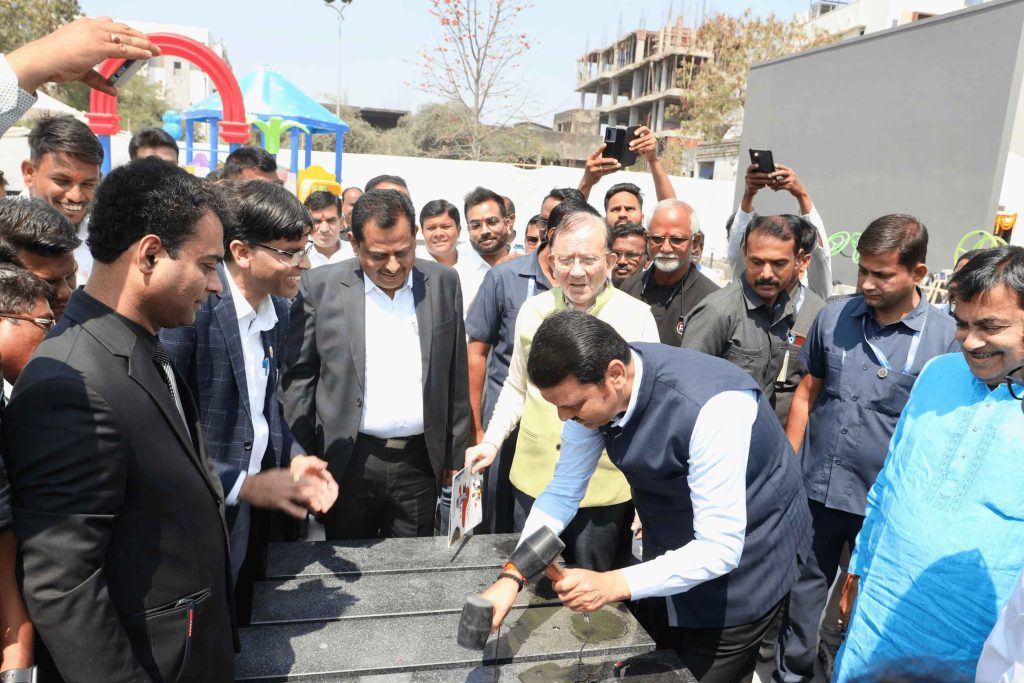
Last Saturday marked a significant event as Gadkari performed bhoomipuja and dedicated development works worth ₹73 crore in north Nagpur. The program, organized by Nagpur Municipal Corporation (NMC) at Binaki, showcased the commitment towards enhancing the city’s infrastructure.

Mihan’s Role in Youth Employment

Gadkari proudly announced that Mihan, an ambitious project, has generated 68,000 jobs for the city’s youth. With optimistic foresight, he predicted that within the next six months, Mihan would provide employment for an additional one lakh individuals, contributing significantly to the region’s economic growth.

Healthcare Revolution: A Diagnosis Centre in the Making (Gadkari announcement)

In a compassionate move, Gadkari shared plans to establish a diagnosis centre at Kamal Chowk in memory of his mother. This visionary project aims to bring top-class medical facilities at affordable rates to people from across Vidarbha, ensuring accessible healthcare for all.

Key Role of Dy CM Devendra Fadnavis

Acknowledging the pivotal role played by Deputy Chief Minister Devendra Fadnavis, Gadkari credited him for the city’s transformation over the past decade. Development works worth ₹1 lakh crore have been undertaken, shaping Nagpur into a vibrant and thriving metropolis.

Nagpur’s journey towards a 24×7 water supply signifies a commendable commitment to infrastructure development and citizen well-being. Gadkari’s strategic vision and initiatives, coupled with collaborative efforts, showcase the city’s determination to lead by example.

FAQs

  1. When will Nagpur achieve 24×7 water supply?
    • The city aims to achieve this milestone in the next four months.
  2. How many elevated storage reservoirs are under construction?
    • There are 19 elevated storage reservoirs currently under construction.
  3. What is the employment impact of the Mihan project?
    • Mihan has generated 68,000 jobs, with a plan to employ one lakh people within six months.
  4. Where will the diagnosis centre be located?
    • The diagnosis centre will be situated at Kamal Chowk, honoring Nitin Gadkari’s mother.
  5. Who played a key role in Nagpur’s transformation?

Nagpur Lok Sabha Election 2024: Unraveling the Constituency Tapestry

Nagpur Lok Sabha Election 2024 Overview

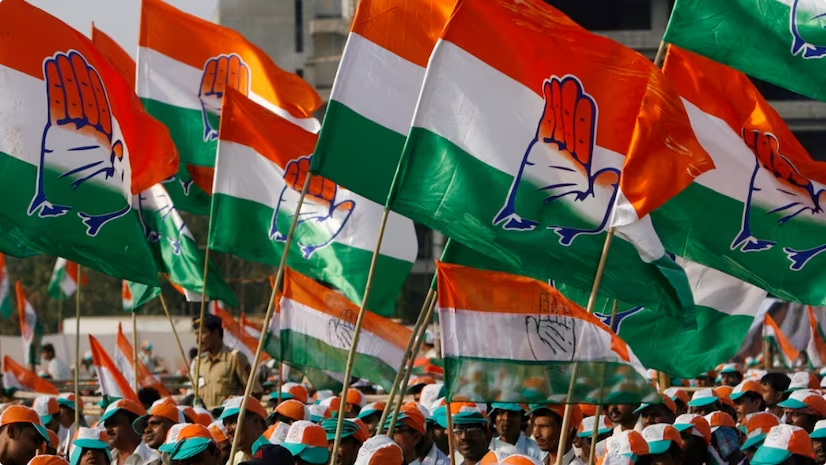
Nagpur Lok Sabha Election 2024: Nagpur, a pivotal Lok Sabha constituency in Maharashtra, holds a significant role in the state’s political landscape. With 48 parliamentary seats (Party wise Candidates List.), Nagpur comprises six Assembly segments, namely Nagpur South West, Nagpur South, Nagpur East, Nagpur West, Nagpur Central, and Nagpur North. This general seat has witnessed the dominance of major political players like the Bharatiya Janata Party (BJP), the Congress, and the Bahujan Samaj Party (BSP).

Historical Triumphs and Notable Leaders

Congress leader Vilas Muttemwar’s four consecutive wins from 1998 to 2009 and Banwarilal Purohit’s triumphant three terms in 1984, 1989, and 1996 have left an indelible mark on Nagpur’s political legacy.

Nagpur Constituency Demographics

According to the Election Commission data from the 2019 Lok Sabha Elections, Nagpur had 21,61,096 voters, including 10,97,087 males, 10,63,932 females, and 77 belonging to the third gender. Postal votes reached 4,336, with 879 service voters (757 men and 122 women). In 2014, the voter count was 19,00,784, with 9,80,485 males, 9,20,265 females, and 34 in the ‘others’ category.

Nagpur Election Winners (2019 and 2014)

In 2019, senior BJP leader Nitin Jairam Gadkari secured victory with a substantial margin of 2,16,009 votes, garnering a 55.61% vote share. The 2014 elections saw Gadkari’s first triumph, defeating Congress candidate Vilas Muttemwar by 2,84,848 votes.

  • Vilas Muttemwar (Congress): 2009, 2004, 1999, 1998
  • Banwarilal Purohit (BJP): 1996
  • Datta Meghe (Congress): 1991
  • Banwarilal Purohit (Congress): 1989, 1984
  • Jambuwantrao Bapurao Dhote (Congress): 1980
  • Mancharsha Awari (Congress): 1977

None of the Above (NOTA) Trend

The conscientious stand of voters opting for NOTA was notable in 2019 and 2014, with 0.39% and 0.32% respectively choosing this option.

Nagpur Voter Turnout and Election Timelines

The 2019 Lok Sabha Elections witnessed a voter turnout of 54.88%, with 11,86,051 valid votes. In 2014, the turnout was 57.08%, totaling 10,85,038 valid votes.

  • Poll Dates:
    • 2019: April 11
    • 2014: April 10
  • Result Dates:
    • 2019: May 23
    • 2014: May 16

Number of Polling Stations

The 2019 elections had 2,065 polling stations, while the 2014 elections had 1,828 polling stations in the Nagpur constituency.


FAQs

  1. Are there any reserved seats in Nagpur constituency?
    • Nagpur constituency is a general seat and is not reserved for Scheduled Castes (SCs) or Scheduled Tribes (STs).
  2. Who are the major political parties in Nagpur?
    • The prominent political parties in Nagpur include the Bharatiya Janata Party (BJP), the Congress, and the Bahujan Samaj Party (BSP).
  3. How many times has Vilas Muttemwar represented Nagpur?
    • Vilas Muttemwar has represented Nagpur four times consecutively in 1998, 1999, 2004, and 2009.
  4. What is the voter turnout trend in Nagpur?
    • The voter turnout in Nagpur was 54.88% in 2019 and 57.08% in 2014.
  5. When were the 2019 and 2014 election results announced?
    • The 2019 election results were announced on May 23, while the 2014 results were announced on May 16.

Nagpur’s Green Revolution: NMC’s ₹550 Crore Boost Ahead of LS Polls

Nagpur Development: In a visionary move to transform Nagpur into a ‘Green City,’ Union Minister Nitin Gadkari and Deputy Chief Minister Devendra Fadnavis announced a groundbreaking ₹550 crore bonanza by Nagpur Municipal Corporation (NMC). This strategic initiative aims to redefine the city’s landscape, making it a shining example of sustainable urban living.

Paving the Green Path: Electric Buses and Infrastructure Overhaul

Emphasizing their commitment to eco-friendly public transport, Fadnavis highlighted plans to replace traditional diesel buses with ‘green’ electric counterparts. This shift aligns with the city’s vision for a cleaner and greener transportation system. The leaders expressed gratitude for the unwavering support of Prime Minister Narendra Modi and Gadkari in enhancing basic amenities in Nagpur.

Bhoomi Puja Extravaganza: Unveiling 19 Transformative Projects (Nagpur Development)

Gadkari and Fadnavis conducted six bhoomi pujas, marking the initiation of 19 projects valued at ₹552.96 crore. This significant investment underscores the government’s commitment to the city’s development. MLC Pravin Datke, MLAs Krishna Khopde, and Vikas Thakre, along with key officials, joined the event, symbolizing a collaborative effort towards progress.

A Decade of Transformation: Infrastructural Marvels

Over the past decade, Nagpur has witnessed a remarkable infrastructural metamorphosis. From the introduction of Metro trains to the deployment of electric air-conditioned buses and the construction of pothole-free cement concrete roads, the city has undergone a radical transformation. Fadnavis reassured citizens that sewage-related grievances would be addressed through a ₹3,000 crore sewerage strengthening project.

Securing Water Future: NMC’s 24-Hour Water Supply Project

Gadkari assured Nagpur residents that the city would not face water scarcity until 2070, attributing this security to NMC’s 24-hour water supply project, covering 70% of the city (Green City). Corrective measures in the Nag river basin and downstream of Ambazari dam have been implemented to prevent a recurrence of the 23/9 flood from the previous year.

Bridges to Connectivity: Ensuring Nag River’s Uninterrupted Flow

Two crucial bridges at Ramdaspeth and Panchsheel Square on Wardha road will ensure the unobstructed flow of the Nag River. These infrastructure additions not only enhance connectivity but also contribute to flood prevention efforts.

Culinary Heights: 25-Storey Food Malls

In a novel move, Gadkari announced plans for 25-storey food malls in the city, providing dedicated space for roadside eateries. This initiative aims to elevate citizens’ dining experiences, offering clean surroundings and high-quality cuisine at these unique venues.

Nagpur’s Sustainable Future

Nagpur’s journey towards becoming a ‘Green City’ is marked by visionary leadership and substantial investments. The transformative projects, coupled with the focus on eco-friendly solutions, position Nagpur as a city poised for sustainable growth and development.

FAQs

  1. What is the significance of the ₹550 crore bonanza for Nagpur? The investment signifies a major step towards transforming Nagpur into a ‘Green City,’ focusing on sustainability and eco-friendly solutions.
  2. How will the introduction of electric buses impact public transport in Nagpur? The shift to electric buses aligns with the city’s commitment to a cleaner and greener transportation system, reducing environmental impact.
  3. What are the key highlights of the 19 projects initiated by NMC? The projects, valued at ₹552.96 crore, cover various infrastructural aspects, showcasing a holistic approach to city development.
  4. How is Nagpur addressing water scarcity concerns until 2070? Gadkari assures residents that NMC’s 24-hour water supply project, covering 70% of the city, ensures water security for Nagpur until 2070.
  5. What is the purpose behind the construction of 25-storey food malls in Nagpur? The food malls aim to provide dedicated spaces for roadside eateries, enhancing citizens’ dining experiences in a clean and high-quality environment.

SC Extends Stay on Construction at Futala Lake Till March 21

In a recent development, the Supreme Court has issued an extension of its stay on construction activities at Futala Lake, setting the new deadline for March 21. This decision came as a response to a petition filed by the Swaach Association, Nagpur, urging the court to intervene and halt the ongoing construction at the historic Futala Lake, built by Nagpur’s Bhosle dynasty on a sprawling 60 acres of land.

A Judicial Pause

On January 25, Chief Justice D Y Chandrachud, leading a bench, initially imposed a stay on the ongoing construction. The Maharashtra Government and Metro Rail Corporation were directed not to proceed with any construction activities at the lake until further notice. The stay has since been extended periodically, with the most recent extension ordered on Thursday, following the pleas of Tushar Mehta, Solicitor General, and Shekhar Naphade, senior counsel.

Saving a Water Body

Senior advocate Gopal Sankaranarayan, representing the NGO, stressed the need for a status quo on the construction to preserve the Futala Lake ecosystem. Concrete structures had already emerged, prompting concerns about the impact on the water body. The bench, recognizing the scarcity of wetlands in the country, emphasized the urgency of ceasing construction temporarily. Questions were raised about the removal of existing concrete structures, including the viewers’ gallery at the lake.

Environmental Concerns

Sankaranarayan highlighted the Ministry of Environment and Forest’s declaration of Futala Lake as a wetland. Despite this status, over 7,000 tonnes of concrete had been deposited in the tank. Construction activities, including the installation of a steel fountain in the lake’s center and the conversion of 16,000 square feet of land into a viewers’ gallery, raised ecological alarms. The plea emphasized the potential threat to the ecosystem and aquatic life posed by large-scale construction.

Marching Forward: Next Steps

The Supreme Court, responding to the urgency of the matter, has scheduled a listing on March 21 to delve deeper into the issues at hand. The interim order, extending the stay on construction, will persist until the next listing date.

Big Boon for City: MSIDC to Develop 230 km Highway between Sambhaji Nagar and Pune

City MSIDC: In a significant development for Nagpurians residing in Pune, the Maharashtra State Infrastructure Development Corporation (MSIDC) has been tasked with the monumental project of constructing a 230 km greenfield 6-lane highway from Sambhaji Nagar to Pune. This transformative initiative, intersecting with the Samruddhi Highway, promises to revolutionize travel for the people of Vidarbha, especially Nagpur, drastically reducing the commute time between these two cities. The potential six-hour journey to Pune signifies a paradigm shift, liberating residents from the reliance on trains, airplanes, and overcrowded sleeper buses throughout the year.

An Historic Agreement

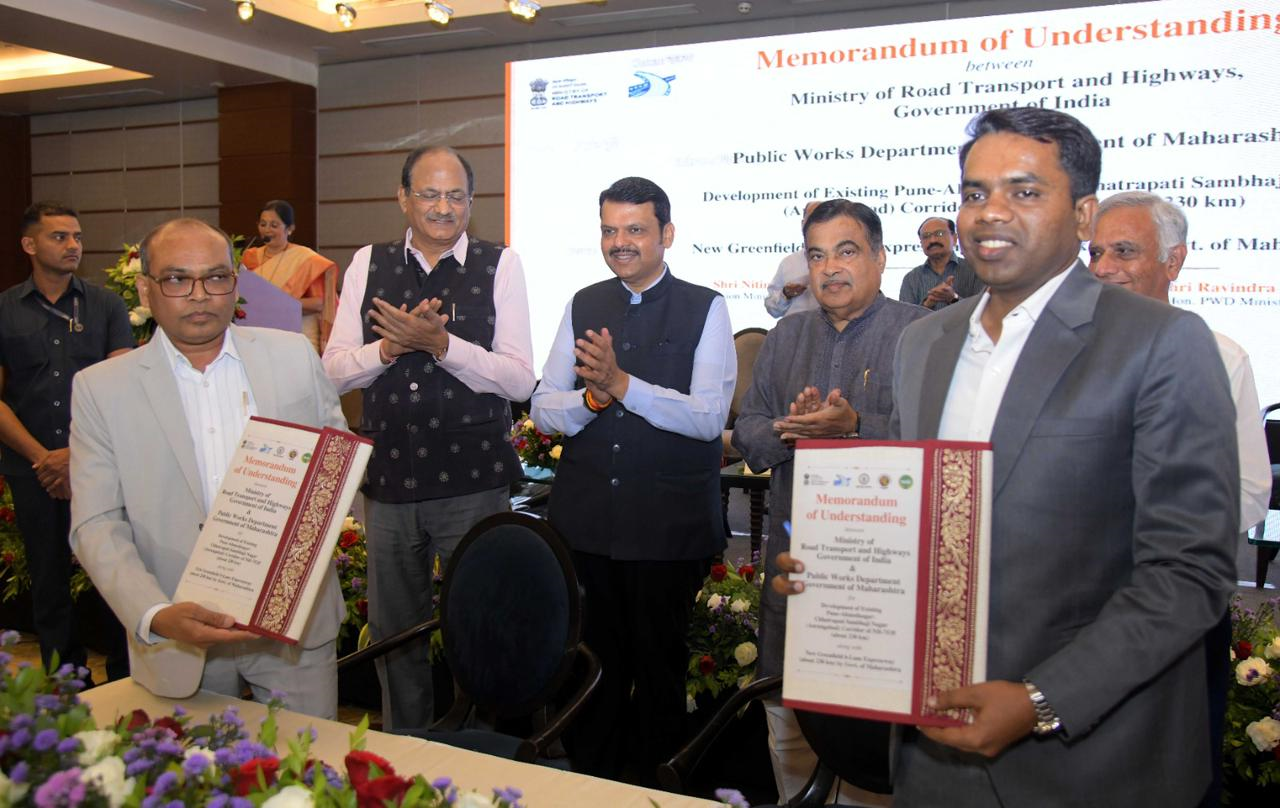
On a Friday that will be etched in the memory of the region, a Memorandum of Understanding (MoU) was formally signed between the National Highway Authority of India (NHAI) and the Public Works Department (PWD). The venue for this historic event was the esteemed Hotel Radisson Blu, graced by the presence of Union Minister Nitin Gadkari and Deputy Chief Minister Devendra Fadnavis. The responsibility of executing this colossal project lies with MSIDC, (City MSIDC) acting on behalf of PWD.

Financial Viability and Traffic Dynamics

During the ceremony, Minister Gadkari asserted the financial viability of the 230 km project, foreseeing an average monthly toll collection of approximately Rs 100 crore. The route, being one of the busiest industrial corridors in the state along the Pune-Sambhaji Nagar axis, witnesses an immense volume of traffic. Gadkari also urged MSIDC to enhance the existing State highway from Sambhaji Nagar to Pune, presenting an additional revenue stream for the corporation. Importantly, the identified greenfield project route traverses the less developed areas of Ahmed Nagar and Chhatrapati Sambhaji Nagar, promising a positive impact on the local economy.

Environmental Vision

Deputy Chief Minister Fadnavis emphasized the landmark nature of the project, aligning it with Prime Minister Narendra Modi’s vision of zero carbon emissions. The envisioned highway is not only a necessity but will also be adorned with greenery, reflecting a commitment to sustainable development. Dr. Brijesh Dixit, the Managing Director of MSIDC,(City MSIDC) echoed these sentiments in his welcome address, underscoring the project’s pivotal importance.

Formalizing the Commitment

The MoU, a binding agreement for this transformative endeavor, was signed by Dinesh Nandanwar, Chief Engineer of PWD, and Mayur Govekar, Deputy Secretary of the Ministry of Road Transport and Highways. Anshumali Shrivastav, Regional Officer of NHAI, Mumbai Region, added the official touch to the proceedings.

The MSIDC’s ambitious project to construct a 230 km highway connecting Sambhaji Nagar and Pune is a game-changer for the region. Not only does it promise to significantly reduce travel time, but it also aligns with environmental sustainability goals. The impact on local economies, particularly in less developed areas, cannot be understated. As the wheels of progress begin to turn, this highway project symbolizes a step towards a more connected and eco-friendly future.

FAQs

  1. How long will the journey from Sambhaji Nagar to Pune take after the completion of the highway?
    • The estimated travel time is around six hours, a substantial reduction from current norms.
  2. What are the expected monthly toll collections for the 230 km highway project?
    • Minister Gadkari anticipates an average of Rs 100 crore per month from toll collection.
  3. How will the greenfield project impact the less developed areas of Ahmed Nagar and Chhatrapati Sambhaji Nagar?
    • The project’s route is designed to pass through these areas, potentially boosting local economies.
  4. What is the environmental vision behind the new highway project?
    • Deputy Chief Minister Fadnavis envisions a zero carbon emission highway adorned with greenery.
  5. How can MSIDC raise its initial capital for the project?
    • With the substantial earnings expected from toll collections, MSIDC aims to fund the project independently.

Maharashtra’s Political Buzz: Nitin Gadkari Set to Contest Nagpur Lok Sabha Seat in 2024

Maharashtra politics: In the ever-evolving landscape of Indian politics, Maharashtra’s Deputy Chief Minister Devendra Fadnavis dropped a political bombshell on Friday. He declared that Union Roads Minister Nitin Gadkari is all set to contest from the Nagpur Lok Sabha constituency in the upcoming 2024 Lok Sabha polls. This revelation comes amidst the Bharatiya Janata Party’s (BJP) ongoing discussions with alliance partners.

Gadkari’s Absence in the First List Raises Eyebrows

Despite being one of the top four Cabinet ministers, Nitin Gadkari’s name was conspicuously absent from the initial candidate list. Fadnavis, in a confirming statement on Friday, reassured the public that Gadkari’s name would prominently feature in the final list for Maharashtra (Maharashtra politics).

Unraveling the Mystery Meeting with PM Modi

Adding an intriguing layer to the unfolding narrative, Gadkari met Prime Minister Narendra Modi at the Nagpur airport shortly after the release of the first candidate list. While the party dismissed the meeting as a matter of protocol, it fueled speculation about Gadkari’s inclusion in the coveted list alongside Modi, Union Home Minister Amit Shah, and Union Defence Minister Rajnath Singh.

BJP’s Confidence in Nitin Gadkari Victory

State BJP President Chandrashekhar Bawankule expressed confidence in Gadkari’s potential victory in the Nagpur constituency. Bawankule predicted that Gadkari could secure a significant 65% of the total votes in the 2024 Lok Sabha polls, anticipating a substantial margin of victory.

The Waiting Game: Formal Announcements Await Alliance Talks

Despite the optimism surrounding Gadkari’s candidacy, Bawankule hinted at a delay in the formal announcement of BJP candidates. Ongoing talks with alliance partners, led by Chief Minister Eknath Shinde and Deputy CM Ajit Pawar, are still in progress. Bawankule assured that after a couple of days, the intricate details would be formalized.

A Political Drama Unfolds

As Maharashtra (Maharashtra politics) anticipates the unfolding political drama, Nitin Gadkari potential candidacy for the Nagpur Lok Sabha seat adds a layer of suspense. The BJP’s meticulous alliance talks and the confident predictions for Gadkari’s victory make this a tale worth following in the upcoming elections.

FAQs:

  1. Why was Gadkari’s name missing from the initial candidate list?
    • Gadkari’s absence was due to ongoing alliance discussions between the BJP and its partners.
  2. What significance does Gadkari hold in the BJP’s hierarchy?
    • As one of the top four Cabinet ministers, Gadkari is a key figure within the BJP leadership.
  3. How confident is the BJP in Gadkari’s potential victory?
  4. What factors contribute to the delay in announcing BJP’s candidates formally?
    • Ongoing talks with alliance partners, led by CM Shinde and Deputy CM Pawar, are the primary reasons for the delay.
  5. When can we expect the formalization of BJP’s candidates for the 2024 Lok Sabha polls?
    • Bawankule suggests that after a couple of days, the details will be officially announced.

Nagpur’s Road Safety Revolution: NMC’s ₹3.1 Crore Geometrical Redesign

Nagpur, a bustling city with a growing population, has recently witnessed a remarkable initiative by the Nagpur Municipal Corporation (NMC). In a bid to enhance road safety, the NMC has invested ₹3.1 crores in the geometrical redesigning of 14 traffic intersections across the city. This strategic move aims to create safer environments, particularly for pedestrians, cyclists, and non-motorized transport users, who are often the most vulnerable to road accidents.

Alarming Statistics

In the year 2023 alone, Nagpur faced the tragic loss of 90 pedestrians, with an additional 181 sustaining injuries in road accidents. Faced with these distressing figures, the NMC decided to take proactive measures to address the pressing issue of road safety.

NMC’s Infrastructure Interventions

Ravindra Bundhade, NMC’s executive engineer in the traffic department, outlined the comprehensive approach adopted by the corporation. The key interventions include widening pedestrian crossings and sidewalks, establishing new refuge areas, and implementing traffic calming measures.

Traffic Calming Measures

The concept of traffic calming measures is central to NMC’s strategy. These measures are designed to create safer streets by slowing down drivers, reducing collision frequency and severity, minimizing the reliance on police enforcement, and enhancing access to various modes of transport.

Quick and Low-Cost Solutions

Bundhade emphasized the swift and cost-effective nature of these interventions, serving as a litmus test for urban design, transportation planning, and infrastructural changes. The primary focus is on redesigning traffic islands to enhance safety for pedestrians and streamline traffic flow.

Works in Progress

Gandhi Putla Square, Shraddhanand Square, and Gangabai Ghat Square are already witnessing the transformation, with lane alignment and narrowing at select locations. Notably, Rani Durgawati Square and Hasanbagh Square, lacking islands and contributing to chaos, are now part of the comprehensive redesign.

Innovative Solutions at Japanese Garden Square

Japanese Garden Square, a busy intersection with islands only on two sides, is receiving particular attention. NMC plans to construct two islands at strategic corners, addressing both traffic congestion and the risk of accidents.

Future Plans: Rotary at Orange City Street Square

Anticipating potential hazards, NMC envisions a rotary (roundabout) at Orange City Street Square, where five roads converge. This ambitious plan aims to significantly reduce accident-prone scenarios at this crucial intersection.

Collaborative Efforts for Enhanced Safety

Deputy Commissioner of Police (Traffic) Shashikant Satao has collaborated with NMC, emphasizing the need for mandatory road safety markings at busy junctions like Cotton Market Square and Variety Square. These markings, including zebra crossings and stop lines, play a crucial role in enforcing traffic rules.

Conclusion

Nagpur’s commitment to road safety is evident in the NMC’s bold initiative. The geometrical redesign of traffic intersections reflects a comprehensive approach to creating safer streets for all. As the works progress, the city anticipates a significant reduction in road accidents and a more streamlined and secure traffic environment.

FAQs

  1. Why is Nagpur Municipal Corporation undertaking geometrical redesigning?
    • Nagpur Municipal Corporation aims to enhance road safety, especially for pedestrians and non-motorized transport users, following alarming statistics of accidents in 2023.
  2. What are traffic calming measures, and how do they work?
    • Traffic calming measures focus on slowing down drivers, reducing collisions, minimizing the need for police enforcement, and improving access to different modes of transport, creating safer streets.
  3. Which intersections are currently undergoing redesigning?
    • Works are in progress at Gandhi Putla Square, Shraddhanand Square, Gangabai Ghat Square, with additional attention to Rani Durgawati Square, Hasanbagh Square, and Japanese Garden Square.
  4. What innovative solutions are being implemented at Japanese Garden Square?
    • NMC plans to construct two new islands at strategic corners of Japanese Garden Square, addressing both traffic congestion and the risk of accidents.
  5. How is the Nagpur Police contributing to road safety efforts?
    • Deputy Commissioner of Police (Traffic) Shashikant Satao is collaborating with NMC, advocating for mandatory road safety markings at busy junctions, enforcing traffic rules.

Nagpur’s Smart Move: Multi-Storey Parking Plaza Rescues Sitabuldi from Parking Woes

Nagpur Parking Solutions: a bustling city known for its vibrant commercial hubs, is about to witness a significant transformation. The Nagpur Smart and Sustainable City Development Corporation Ltd (NSSCDCL) is set to unveil its multi-storey parking plaza in Sitabuldi on March 15, promising to alleviate the perennial parking problems that have plagued one of the city’s busiest commercial areas.

A Panacea for Parking Woes

The innovative parking plaza is a strategic response to the chaotic situation caused by encroachments from hawkers in Sitabuldi. Recognizing the need for a solution, the smart city embarked on a mission to construct a four-storey parking facility within an area owned by the civic body, investing Rs 5 crore in this endeavor.

Smart Expansion: Itwari’s Anaj Bazaar

But that’s not the only smart move in the city’s parking strategy. The NSSCDCL is simultaneously developing a similar parking plaza in Itwari’s Anaj Bazaar, also at a cost of Rs 5 crore. This multi-story parking haven is expected to cater to at least 25 cars and 150 two-wheelers, ensuring a holistic solution to the city’s growing parking needs.

Unveiling the Grand Vision

The grand vision of the smart city doesn’t stop there. Initially proposing four smart parking plazas across the city, the idea faced constraints in implementing two of them—at Gokulpeth Market and near the Gandhisagar area—due to limited space, as confirmed by an official source. Despite encountering setbacks, the corporation remains committed to innovative parking solutions.

Halted Ambitions: Gokulpeth Market

The Gokulpeth Market witnessed a temporary halt in its parking plaza construction, with Rs 20 lakh already invested. The interruption occurred as the NMC and NIT were in the process of redeveloping the Gokulpeth commercial complex, underscoring the challenges faced in implementing urban development projects seamlessly.

Collaborative Efforts: NMC’s Role

Simultaneously, the Nagpur Municipal Corporation (NMC) is actively identifying parking spots throughout the city. Out of the planned 75 on-street parking spaces, 11 spots are now operational. However, due to objections from traffic police, NMC faced hurdles in initiating parking facilities at other locations.

A Joint Survey for Future Solutions

In a collaborative effort, the NMC and traffic police have initiated a joint survey for 62 potential parking sites. A senior NMC official affirmed that the remaining parking areas would soon be declared operational, promising a comprehensive solution to the city’s parking challenges.

Nagpur’s journey towards smart and sustainable parking solutions is indeed commendable. The multi-storey parking plaza in Sitabuldi marks a significant step forward in enhancing the city’s infrastructure, promising relief to residents and businesses alike. As urban spaces evolve, proactive measures like these underscore the city’s commitment to progress and innovation.

FAQs:

  1. When will the multi-storey parking plaza in Sitabuldi be operational?
    • The plaza is set to become operational from March 15, providing a timely solution to parking woes.
  2. How much does it cost to park at the NSSCDCL parking plaza?
    • The parking charges will be nominal, with rates for both two and four-wheelers to be decided in a joint meeting of NSSCDCL and NMC.
  3. What is the capacity of the Itwari’s Anaj Bazaar parking plaza?
    • The multi-story parking plaza in Itwari’s Anaj Bazaar is expected to accommodate at least 25 cars and 150 two-wheelers.
  4. Why were the plans for two additional plazas dropped?
  5. How many on-street parking spaces has the NMC operationalized so far?
    • Out of the planned 75 on-street parking spaces, NMC has started facilities at 11 spots, with plans for more in the pipeline.
Exit mobile version