Dr. Vipin Itankar Reviews Preparation for LS Elections | Nagpur

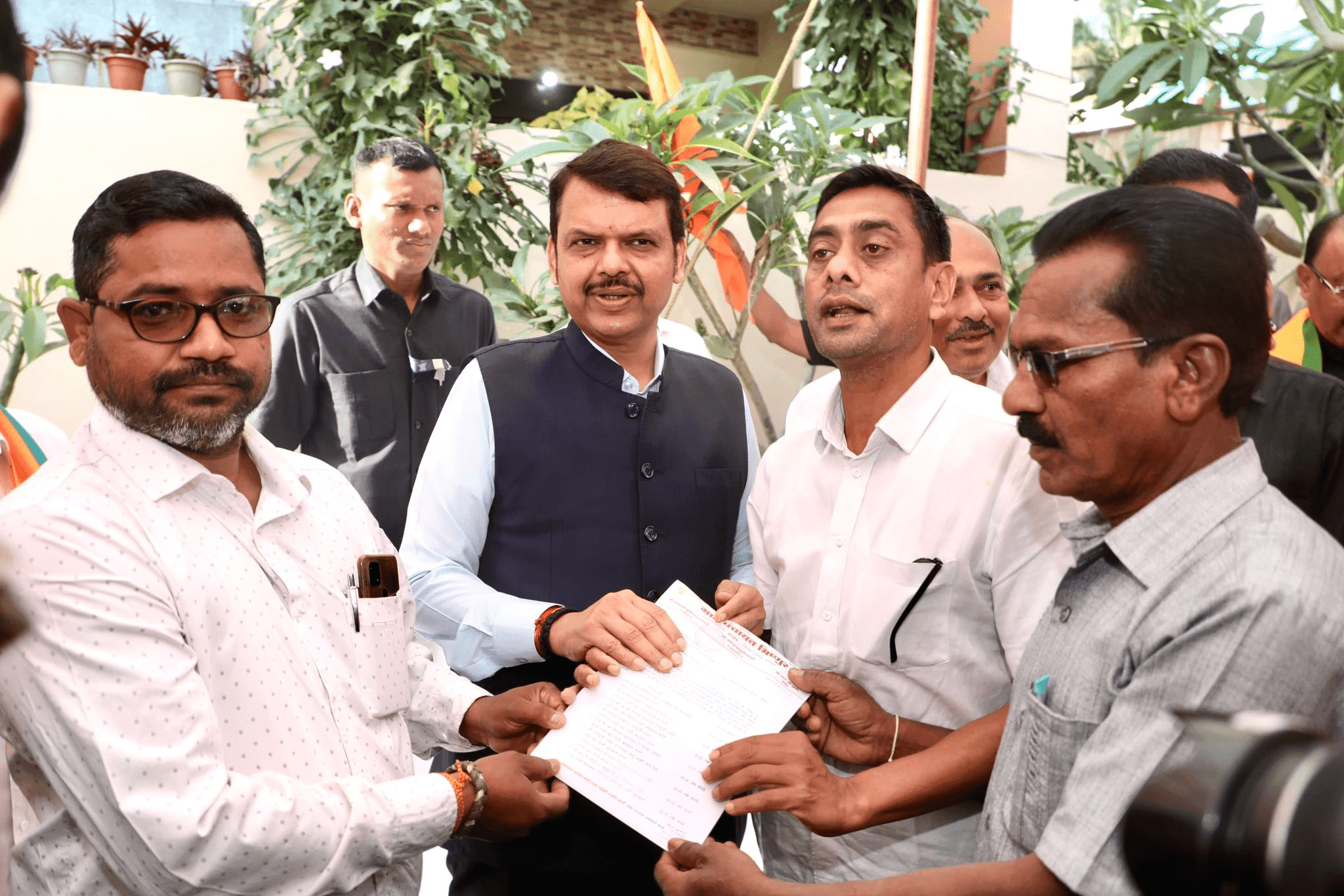
Nagpur LC Election: In anticipation of the upcoming Lok Sabha elections, Dr. Vipin Itankar, the esteemed District Election Officer and District Collector, undertook a comprehensive review of the preparations. Dr. Itankar’s directive to all relevant departments underscores the importance of meticulous planning and readiness for this significant democratic event.

Meeting Overview

Dr. Vipin Itankar convened a meeting to discuss the election preparations (Nagpur Election), attended by notable figures including Zilla Parishad CEO Soumya Sharma, RDC Anup Khande, Deputy Election Officer Pravin Mahire, Saoner SDO Sampat Khalate, Information Officer Hatwar, MahaIT Officer Umesh Ghughuskar, and senior police officers. This gathering aimed to assess the current state of readiness and address any potential concerns.

Key Points Discussed

During the meeting, Dr. Vipin Itankar focused on several crucial aspects:

1. Machinery Preparedness

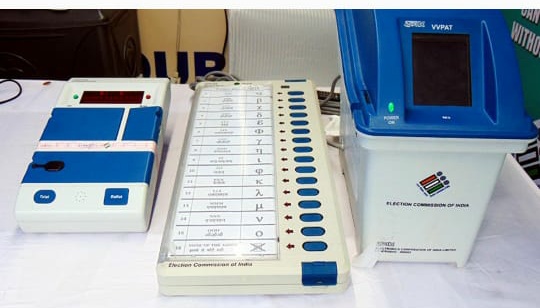
He inquired about the availability and functionality of essential machinery required for conducting the elections efficiently. Ensuring the proper functioning of voting machines and related equipment is imperative for the smooth execution of the electoral process.

2. Modes of Communication

Effective communication channels play a vital role in disseminating information to voters, candidates, and election officials. Dr. Itankar emphasized the need for robust communication infrastructure to facilitate seamless coordination and exchange of vital election-related information.

3. Certification Procedures

The certification of election materials and documents is a critical step in upholding the integrity of the electoral process. Dr. Itankar underscored the importance of adhering to standardized certification procedures to prevent any discrepancies or irregularities.

4. Deployment of Flying Squads

Flying squads are deployed to monitor and address any instances of malpractice or violations of electoral norms promptly. Dr. Itankar stressed the need for vigilant deployment and proactive measures to uphold the sanctity of the electoral process.

Dr. Vipin Itankar’s proactive approach to reviewing the preparations for the Lok Sabha elections reflects his commitment to ensuring free, fair, and transparent electoral practices. By addressing key concerns and emphasizing preparedness, Dr. Itankar sets the stage for a successful and credible electoral process.

FAQs

1. What is the role of a District Election Officer?

  • A District Election Officer oversees the conduct of elections within a particular district, ensuring compliance with electoral laws and regulations.

2. Why is machinery preparedness crucial for elections?

  • Machinery preparedness ensures the smooth functioning of voting machines and equipment, facilitating efficient voting processes and accurate tallying of votes.

3. How are flying squads deployed during elections?

  • Flying squads are deployed strategically to monitor election activities, respond to complaints, and take immediate action against any violations of electoral laws.

4. What are the primary responsibilities of a Deputy Election Officer?

  • Deputy Election Officers assist the District Election Officer in various election-related tasks, including voter registration, polling station arrangements, and result compilation.

5. How does certification contribute to the integrity of elections?

  • Certification ensures that election materials and documents meet established standards, safeguarding the authenticity and credibility of the electoral process.

Nagpur Lok Sabha Election 2024: Unraveling the Constituency Tapestry

Nagpur Lok Sabha Election 2024 Overview

Nagpur Lok Sabha Election 2024: Nagpur, a pivotal Lok Sabha constituency in Maharashtra, holds a significant role in the state’s political landscape. With 48 parliamentary seats (Party wise Candidates List.), Nagpur comprises six Assembly segments, namely Nagpur South West, Nagpur South, Nagpur East, Nagpur West, Nagpur Central, and Nagpur North. This general seat has witnessed the dominance of major political players like the Bharatiya Janata Party (BJP), the Congress, and the Bahujan Samaj Party (BSP).

Historical Triumphs and Notable Leaders

Congress leader Vilas Muttemwar’s four consecutive wins from 1998 to 2009 and Banwarilal Purohit’s triumphant three terms in 1984, 1989, and 1996 have left an indelible mark on Nagpur’s political legacy.

Nagpur Constituency Demographics

According to the Election Commission data from the 2019 Lok Sabha Elections, Nagpur had 21,61,096 voters, including 10,97,087 males, 10,63,932 females, and 77 belonging to the third gender. Postal votes reached 4,336, with 879 service voters (757 men and 122 women). In 2014, the voter count was 19,00,784, with 9,80,485 males, 9,20,265 females, and 34 in the ‘others’ category.

Nagpur Election Winners (2019 and 2014)

In 2019, senior BJP leader Nitin Jairam Gadkari secured victory with a substantial margin of 2,16,009 votes, garnering a 55.61% vote share. The 2014 elections saw Gadkari’s first triumph, defeating Congress candidate Vilas Muttemwar by 2,84,848 votes.

  • Vilas Muttemwar (Congress): 2009, 2004, 1999, 1998
  • Banwarilal Purohit (BJP): 1996
  • Datta Meghe (Congress): 1991
  • Banwarilal Purohit (Congress): 1989, 1984
  • Jambuwantrao Bapurao Dhote (Congress): 1980
  • Mancharsha Awari (Congress): 1977

None of the Above (NOTA) Trend

The conscientious stand of voters opting for NOTA was notable in 2019 and 2014, with 0.39% and 0.32% respectively choosing this option.

Nagpur Voter Turnout and Election Timelines

The 2019 Lok Sabha Elections witnessed a voter turnout of 54.88%, with 11,86,051 valid votes. In 2014, the turnout was 57.08%, totaling 10,85,038 valid votes.

  • Poll Dates:
    • 2019: April 11
    • 2014: April 10
  • Result Dates:
    • 2019: May 23
    • 2014: May 16

Number of Polling Stations

The 2019 elections had 2,065 polling stations, while the 2014 elections had 1,828 polling stations in the Nagpur constituency.


FAQs

  1. Are there any reserved seats in Nagpur constituency?
    • Nagpur constituency is a general seat and is not reserved for Scheduled Castes (SCs) or Scheduled Tribes (STs).
  2. Who are the major political parties in Nagpur?
    • The prominent political parties in Nagpur include the Bharatiya Janata Party (BJP), the Congress, and the Bahujan Samaj Party (BSP).
  3. How many times has Vilas Muttemwar represented Nagpur?
    • Vilas Muttemwar has represented Nagpur four times consecutively in 1998, 1999, 2004, and 2009.
  4. What is the voter turnout trend in Nagpur?
    • The voter turnout in Nagpur was 54.88% in 2019 and 57.08% in 2014.
  5. When were the 2019 and 2014 election results announced?
    • The 2019 election results were announced on May 23, while the 2014 results were announced on May 16.

Nagpur’s Green Revolution: NMC’s ₹550 Crore Boost Ahead of LS Polls

Nagpur Development: In a visionary move to transform Nagpur into a ‘Green City,’ Union Minister Nitin Gadkari and Deputy Chief Minister Devendra Fadnavis announced a groundbreaking ₹550 crore bonanza by Nagpur Municipal Corporation (NMC). This strategic initiative aims to redefine the city’s landscape, making it a shining example of sustainable urban living.

Paving the Green Path: Electric Buses and Infrastructure Overhaul

Emphasizing their commitment to eco-friendly public transport, Fadnavis highlighted plans to replace traditional diesel buses with ‘green’ electric counterparts. This shift aligns with the city’s vision for a cleaner and greener transportation system. The leaders expressed gratitude for the unwavering support of Prime Minister Narendra Modi and Gadkari in enhancing basic amenities in Nagpur.

Bhoomi Puja Extravaganza: Unveiling 19 Transformative Projects (Nagpur Development)

Gadkari and Fadnavis conducted six bhoomi pujas, marking the initiation of 19 projects valued at ₹552.96 crore. This significant investment underscores the government’s commitment to the city’s development. MLC Pravin Datke, MLAs Krishna Khopde, and Vikas Thakre, along with key officials, joined the event, symbolizing a collaborative effort towards progress.

A Decade of Transformation: Infrastructural Marvels

Over the past decade, Nagpur has witnessed a remarkable infrastructural metamorphosis. From the introduction of Metro trains to the deployment of electric air-conditioned buses and the construction of pothole-free cement concrete roads, the city has undergone a radical transformation. Fadnavis reassured citizens that sewage-related grievances would be addressed through a ₹3,000 crore sewerage strengthening project.

Securing Water Future: NMC’s 24-Hour Water Supply Project

Gadkari assured Nagpur residents that the city would not face water scarcity until 2070, attributing this security to NMC’s 24-hour water supply project, covering 70% of the city (Green City). Corrective measures in the Nag river basin and downstream of Ambazari dam have been implemented to prevent a recurrence of the 23/9 flood from the previous year.

Bridges to Connectivity: Ensuring Nag River’s Uninterrupted Flow

Two crucial bridges at Ramdaspeth and Panchsheel Square on Wardha road will ensure the unobstructed flow of the Nag River. These infrastructure additions not only enhance connectivity but also contribute to flood prevention efforts.

Culinary Heights: 25-Storey Food Malls

In a novel move, Gadkari announced plans for 25-storey food malls in the city, providing dedicated space for roadside eateries. This initiative aims to elevate citizens’ dining experiences, offering clean surroundings and high-quality cuisine at these unique venues.

Nagpur’s Sustainable Future

Nagpur’s journey towards becoming a ‘Green City’ is marked by visionary leadership and substantial investments. The transformative projects, coupled with the focus on eco-friendly solutions, position Nagpur as a city poised for sustainable growth and development.

FAQs

  1. What is the significance of the ₹550 crore bonanza for Nagpur? The investment signifies a major step towards transforming Nagpur into a ‘Green City,’ focusing on sustainability and eco-friendly solutions.
  2. How will the introduction of electric buses impact public transport in Nagpur? The shift to electric buses aligns with the city’s commitment to a cleaner and greener transportation system, reducing environmental impact.
  3. What are the key highlights of the 19 projects initiated by NMC? The projects, valued at ₹552.96 crore, cover various infrastructural aspects, showcasing a holistic approach to city development.
  4. How is Nagpur addressing water scarcity concerns until 2070? Gadkari assures residents that NMC’s 24-hour water supply project, covering 70% of the city, ensures water security for Nagpur until 2070.
  5. What is the purpose behind the construction of 25-storey food malls in Nagpur? The food malls aim to provide dedicated spaces for roadside eateries, enhancing citizens’ dining experiences in a clean and high-quality environment.

Maharashtra’s Political Buzz: Nitin Gadkari Set to Contest Nagpur Lok Sabha Seat in 2024

Maharashtra politics: In the ever-evolving landscape of Indian politics, Maharashtra’s Deputy Chief Minister Devendra Fadnavis dropped a political bombshell on Friday. He declared that Union Roads Minister Nitin Gadkari is all set to contest from the Nagpur Lok Sabha constituency in the upcoming 2024 Lok Sabha polls. This revelation comes amidst the Bharatiya Janata Party’s (BJP) ongoing discussions with alliance partners.

Gadkari’s Absence in the First List Raises Eyebrows

Despite being one of the top four Cabinet ministers, Nitin Gadkari’s name was conspicuously absent from the initial candidate list. Fadnavis, in a confirming statement on Friday, reassured the public that Gadkari’s name would prominently feature in the final list for Maharashtra (Maharashtra politics).

Unraveling the Mystery Meeting with PM Modi

Adding an intriguing layer to the unfolding narrative, Gadkari met Prime Minister Narendra Modi at the Nagpur airport shortly after the release of the first candidate list. While the party dismissed the meeting as a matter of protocol, it fueled speculation about Gadkari’s inclusion in the coveted list alongside Modi, Union Home Minister Amit Shah, and Union Defence Minister Rajnath Singh.

BJP’s Confidence in Nitin Gadkari Victory

State BJP President Chandrashekhar Bawankule expressed confidence in Gadkari’s potential victory in the Nagpur constituency. Bawankule predicted that Gadkari could secure a significant 65% of the total votes in the 2024 Lok Sabha polls, anticipating a substantial margin of victory.

The Waiting Game: Formal Announcements Await Alliance Talks

Despite the optimism surrounding Gadkari’s candidacy, Bawankule hinted at a delay in the formal announcement of BJP candidates. Ongoing talks with alliance partners, led by Chief Minister Eknath Shinde and Deputy CM Ajit Pawar, are still in progress. Bawankule assured that after a couple of days, the intricate details would be formalized.

A Political Drama Unfolds

As Maharashtra (Maharashtra politics) anticipates the unfolding political drama, Nitin Gadkari potential candidacy for the Nagpur Lok Sabha seat adds a layer of suspense. The BJP’s meticulous alliance talks and the confident predictions for Gadkari’s victory make this a tale worth following in the upcoming elections.

FAQs:

  1. Why was Gadkari’s name missing from the initial candidate list?
    • Gadkari’s absence was due to ongoing alliance discussions between the BJP and its partners.
  2. What significance does Gadkari hold in the BJP’s hierarchy?
    • As one of the top four Cabinet ministers, Gadkari is a key figure within the BJP leadership.
  3. How confident is the BJP in Gadkari’s potential victory?
  4. What factors contribute to the delay in announcing BJP’s candidates formally?
    • Ongoing talks with alliance partners, led by CM Shinde and Deputy CM Pawar, are the primary reasons for the delay.
  5. When can we expect the formalization of BJP’s candidates for the 2024 Lok Sabha polls?
    • Bawankule suggests that after a couple of days, the details will be officially announced.

EC Introduces Home Voting for Elderly and Specially-abled in Lok Sabha Elections: Enhancing Accessibility and Inclusivity

Elderly Home Voting: In a commendable move to enhance voter turnout and ensure inclusivity in Lok Sabha elections, the Election Commission (EC) has introduced a groundbreaking initiative allowing individuals aged 80 and above, as well as those with disabilities, to cast their votes from the comfort of their homes. Let’s delve into the details of this significant development that aims to make the democratic process accessible to all.

Bridging the Gap: Introduction of 12-D Forms

To streamline the process, eligible voters will receive 12-D forms a week prior to election day. These forms, provided by relevant polling officials, pave the way for a seamless transition to home voting. District election officers will play a pivotal role in orchestrating the initiative, making necessary arrangements for voting at the residences of senior citizens and persons with disabilities. The entire process will be meticulously documented through video recording, ensuring transparency and accountability.

Inclusive Regulations: Addressing Accessibility Challenges

According to the regulations set forth by the EC, individuals unable to access polling centers due to disabilities, especially those with disabilities exceeding 40%, will qualify for voting from their residences. This move acknowledges the diverse needs of the electorate, fostering an inclusive democratic environment. Furthermore, the voting process of persons with disabilities will be recorded on video, providing a comprehensive record of their participation.

Demographic Insights: Understanding the Impact

In Nagpur district alone, there are 18,215 individuals with disabilities, distributed across the Nagpur Lok Sabha constituency and the Ramtek Lok Sabha constituency. Of the 42,33,605 voters in Nagpur district, a noteworthy 1,17,708 are aged 80 years and above. Notably, the South-West Nagpur constituency boasts the highest number of elderly voters at 16,724, while Ramtek has the lowest count at 6,100.

Personalized Assistance: Navigating the Process

Appointed employees will visit the homes of eligible voters three times, ensuring a personalized approach to facilitate their participation. In adherence to EC guidelines, if elderly or disabled voters seek assistance, employees will be assigned accordingly. The entire voting process will be documented through video, reinforcing the commitment to transparency. However, it’s crucial to note that failure to locate the voter on three consecutive visits will result in the forfeiture of their voting rights.

Conclusion: A Stride Towards Inclusive Democracy

In conclusion, the EC’s introduction of home voting for the elderly and specially-abled marks a significant stride towards creating a more inclusive and accessible democratic process. This initiative not only addresses the unique needs of these demographics but also reinforces the democratic values of equal representation and participation.

FAQs:

  1. How can eligible voters request assistance during home voting?
    • Eligible voters can request assistance by reaching out to the appointed employees visiting their homes, following the guidelines provided by the EC.
  2. What happens if an elderly or disabled voter cannot be located during the three visits?
    • Unfortunately, failure to locate the voter on three consecutive visits will lead to the forfeiture of their voting rights.
  3. How many times will appointed employees visit the homes of eligible voters?
  4. Are there any specific forms required for home voting?
  5. What is the purpose of video documentation during the home voting process?
    • Video documentation ensures transparency and accountability, capturing the entire voting process of elderly and specially-abled voters.

BJP’s Door-to-Door Campaign: Seeking Mass Suggestions for Poll Manifesto

Nagpur Lok Sabha seat: The political landscape is buzzing with activity as the Bharatiya Janata Party (BJP) (Modi Government) gears up for the upcoming Lok Sabha elections. In a strategic move, State BJP President Chandrashekhar Bawankule has officially launched the party’s ambitious public contact drive. The primary objective? To engage with the masses and gather valuable suggestions for the BJP’s election manifesto.

A Massive Undertaking Across Maharashtra

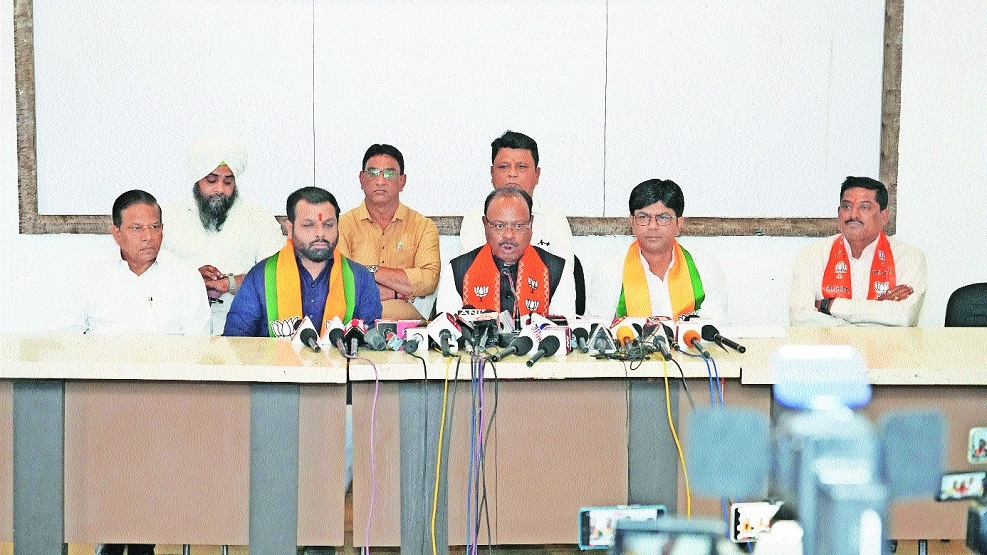
Bawankule, addressing mediapersons at a press conference held at the prestigious Patrakar Club of Nagpur, outlined the scale of the initiative. From Maharashtra alone, a staggering 10 lakh suggestions will be compiled and sent to the party’s central office, ensuring a broad representation of voices in shaping the election agenda.

Under this extensive drive, a formidable force of 33,323 BJP workers will fan out across the State. Armed with boxes, they are set to knock on every door, aiming to collect a diverse array of suggestions directly from the people.

Direct Connect: Modi’s Greetings to the Beneficiaries

Adding a personal touch to the campaign, Bawankule highlighted that greetings from Prime Minister Narendra Modi will be conveyed to the beneficiaries. This human touch aims to bridge the gap between the government and the citizens, fostering a sense of connection and participation.

Showcasing a Decade of Modi Government’s Schemes

From March 7 to 15, BJP workers will not only gather suggestions but also directly engage with beneficiaries of various schemes implemented by the Modi Government over the last decade. The initiative seeks to create awareness about these schemes, designed to benefit people from all walks of life.

BJP’s Stand Against Misleading Tactics

In the midst of this proactive campaign, Bawankule addressed a recent controversy involving Congress leaders Mallikarjun Kharge and Jairam Ramesh. He condemned their ‘mischievous’ post on Union Minister Nitin Gadkari, asserting that such tactics were aimed at creating discontent within the ruling party.

Gadkari, an integral asset for the BJP, has been actively contributing to the country’s development alongside Prime Minister Narendra Modi. The party took a strong stand, with Gadkari issuing legal notices against the Congress leaders for sharing misleading and defamatory content.

NDA’s Confidence in Nagpur Lok Sabha Seat

Responding to a statement from Vanchit Bahujan Aghadi (VBA) President, Adv Prakash Ambedkar, Bawankule expressed confidence in the National Democratic Alliance (NDA) winning the Nagpur Lok Sabha seat. He projected a securing of over 65% votes, reaffirming the BJP’s dominance in the constituency currently represented by Nitin Gadkari.

Furthermore, Bawankule dismissed any possibility of the BJP aligning with the Uddhav Thackeray-led Shiv Sena in the future, emphasizing the party’s commitment to its own path.

Key Figures Present in the Press Conference

The press conference, a platform for crucial announcements, saw the presence of key BJP figures: Sanjay Bhende, BJP State Vice President; Vikrant Patil, General Secretary; Rahul Lonikar, President of Maharashtra Bharatiya Janata Yuva Morcha; Sudhakar Kohale, Nagpur District President of BJP; Anil Nidhan, District General Secretary; Chandan Goswami, State Spokesperson.

In the whirlwind of political maneuvers, BJP’s door-to-door campaign stands out as a proactive and inclusive approach to shaping the party’s election manifesto. By directly engaging with the masses and addressing controversies head-on, the party reaffirms its commitment to transparency and people-centric governance.

Frequently Asked Questions

  1. Q: How can I contribute to the BJP’s election manifesto suggestions?
    • A: The BJP’s extensive door-to-door campaign involves reaching out to citizens across Maharashtra, allowing you to share your suggestions directly with the party workers.
  2. Q: What schemes of the Modi Government will be highlighted during the campaign?
    • A: BJP workers will focus on various schemes implemented by the Modi Government over the past 10 years, benefiting people from diverse backgrounds.
  3. Q: How is the BJP countering misleading information about Union Minister Nitin Gadkari?
    • A: The BJP, through State President Chandrashekhar Bawankule, has condemned misleading posts by Congress leaders and actively pursued legal action against them.
  4. Q: Will the BJP consider an alliance with Shiv Sena in the future?
  5. Q: What is the projected outcome for the Nagpur Lok Sabha seat according to the BJP?
    • A: The BJP, represented by Gadkari, is confident of winning the Nagpur Lok Sabha seat with over 65% of the votes, as stated by State President Chandrashekhar Bawankule.

CP Ravindra Singal Strengthens Police Vigilance Ahead of Elections

In the run-up to elections, Police Commissioner Ravinder Singal is leaving no stone unturned to tighten the grip on anti-social activities in Nagpur. The directive is clear: senior police inspectors are to stay back till midnight, ensuring a vigilant eye on criminal activities, political events, and protests.

Stay back till midnight, report crime & action taken: CP (Ravinder Singal) to PIs

In a proactive move, CP Ravindra Singal has issued a mandate for all senior police inspectors to stay on duty till midnight. This strategic decision aims to not only monitor criminal activities but also keep a close watch on political rallies and protests through real-time intelligence gathering. Each night, Singal conducts a group call with senior inspectors, where they report on the law and order situation in their respective areas and provide details of actions taken. This measure is crucial to curb criminal activities before the Lok Sabha polls‘ election code of conduct is enforced.

Ramping Up Preventive Measures

To address the surge in criminal incidents, Singal urges police station in-charges to be proactive. They are tasked with keeping tabs on developments, intensifying preventive actions, raiding bootlegging dens, seizing firearms, and preventing currency infiltrations from other areas during the polls. This heightened scrutiny follows a series of murders in early February, prompting the need for a more stringent check at the micro-level.

Daily Briefings and Updates

Ravinder Singal commitment to maintaining a robust security apparatus is evident in his daily routine. At 9 am each day, the police chief connects with senior PIs for a group call, where they provide updates on the crimes reported overnight and the subsequent actions taken. This regular communication ensures a seamless flow of information and keeps the top brass abreast of the city’s law and order dynamics.

Guiding the New Entrants

Given recent transfers of several senior officials, Singal is keen on acclimating the newly inducted lot to their roles. He instructs them to spend maximum time in their respective jurisdictions, emphasizing the importance of familiarity with local nuances. This directive aims to enhance efficiency and effectiveness in dealing with the unique challenges each area presents.

CP Ravindra Singal: A Strong Leadership Stance

Ravinder Singal leadership approach underscores a commitment to a hands-on, proactive strategy. His focus on staying connected, regular briefings, and emphasis on local presence signifies a departure from the status quo. This marks a significant shift in approach for most police station in-charges, many of whom are on their first stint in Nagpur. The directive to devote extra time to work demonstrates Ravinder Singal dedication to ensuring a secure environment in the lead-up to the elections.

FAQs – Clarifying Key Points

Q1: Why has CP Ravindra Singal ordered senior police inspectors to stay back till midnight?

A1: CP Singal aims to enhance vigilance on anti-social activities, political events, and protests leading up to the elections.

Q2: What information is expected in the nightly group calls?

A2: Senior inspectors are required to report the law and order situation in their areas and provide details of actions taken against criminal activities.

Q3: Why is there an emphasis on the micro-level check?

A3: A surge in murders in early February necessitated a more stringent check at the local level to curb criminal activities.

Q4: How does CP Singal stay informed about overnight developments?

A4: Daily group calls at 9 am allow CP Singal to receive updates on crimes reported at night and actions taken by senior PIs.

Q5: What is the significance of the directive for new entrants?

A5: The directive ensures that newly inducted senior officials spend maximum time in their respective jurisdictions, enhancing familiarity and efficiency.

Q6: How does CP Ravindra Singal’s leadership style differ from the traditional approach?

A6: Singal’s hands-on, proactive strategy, with a focus on regular communication and local presence, signifies a departure from the traditional leadership style.

CP (Nagpur) Ravindra Singal’s strategic measures and strong leadership stance are geared towards ensuring a secure and orderly environment in Nagpur ahead of the elections. The directive to stay back till midnight, coupled with regular updates and guidance for new entrants, reflects a commitment to proactive policing and community safety. As the city gears up for the elections, Singal’s initiatives underscore a dedication to maintaining law and order.

Maharashtra Election Preparedness: Maha, MP Revenue & Police Officers Unite

In a groundbreaking move, Nagpur is set to host the inaugural interstate pre-election coordination meeting, bringing together the police and revenue departments from adjoining districts of Maharashtra and Madhya Pradesh. The collaborative effort aims to formulate joint strategies for effectively implementing the model code of conduct once it takes effect.

The Gathering of Experts

Maha, MP Revenue & Police Officers to Discuss Election Plan

This pivotal meeting, scheduled for Wednesday, anticipates the participation of collectors and superintendent of police from Seoni, Pandhurna, and Chhindwara in MP. Furthermore, the inspector general of police from Jabalpur range is expected to join forces with counterparts from Nagpur rural, Bhandara, and Gondia.

Interstate Collaboration for Election Challenges (Maharashtra Election)

Addressing Left Wing Terrorism in Districts

Sources indicate that separate discussions may unfold with the revenue and police departments of Gondia, Gadchiroli in Maharashtra, Rajnandagaon in Chhattisgarh, and Balaghat in MP. The focus of this interstate meeting revolves around the unique challenges posed by Left Wing terrorism in these districts.

Tackling Cross-Border Movements

Ensuring Security Against Arms, Weapons, Currencies, and Liquor

With the impending model code of conduct announcement, the primary discussions will center on curbing interstate cross-border movements of arms, weapons, currencies, and liquor. Senior officials are gearing up to devise robust strategies to combat these challenges in the run-up to the elections.

Execution of Legal Protocols

Warrants, Non-Bailable Warrants, and Summons

Senior officials will delve into the execution of warrants, non-bailable warrants, and summons during the meeting. This comprehensive approach aims to ensure swift legal action and maintain the sanctity of the electoral process.
Intelligence Exchange and Drives

Nabbing Wanted Criminals

To enhance security, the meeting will emphasize the exchange of intelligence inputs and the initiation of special drives on either side of the borders. The primary objective is to apprehend wanted and absconding individuals, contributing to a safer electoral environment.

Enhanced Checkpoints

Bolstering Security Measures

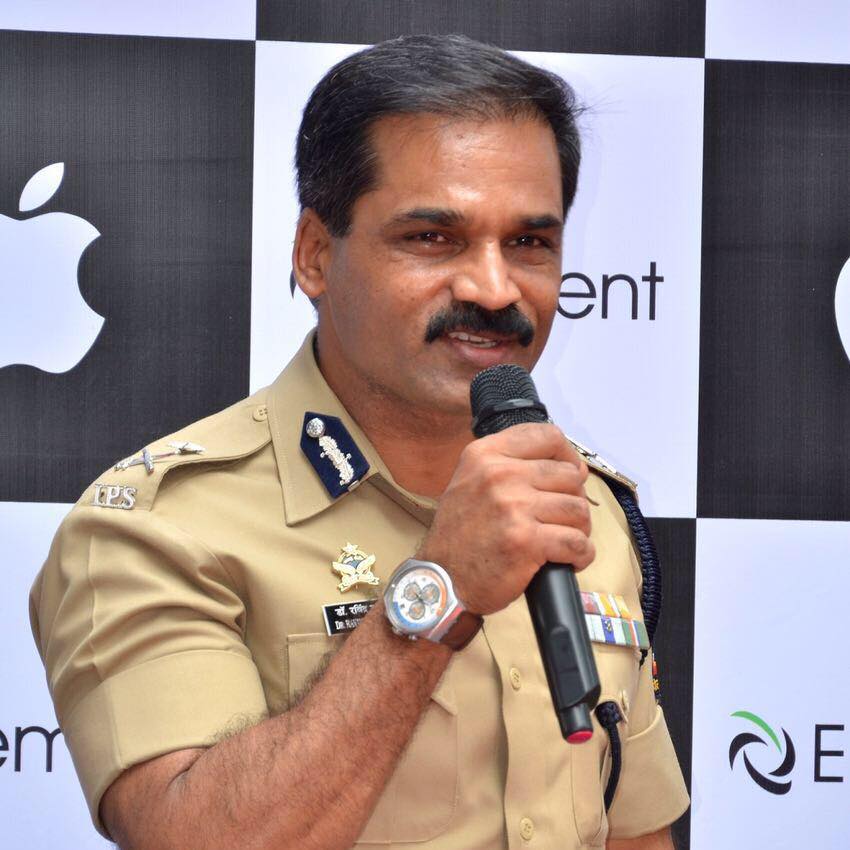
SP Nagpur rural, Harssh A Poddar, affirmed the existence of two permanent checkpoints on the roads connecting Maharashtra and Madhya Pradesh. As elections approach, additional checkpoints at Narkhed and Parseoni will be strategically placed to fortify security measures.

Frequently Asked Questions

1. Why is this interstate meeting crucial for Maharashtra and Madhya Pradesh?

This meeting is pivotal as it brings together key stakeholders to address the complex challenges posed by Left Wing terrorism and ensure the seamless execution of the electoral process.

2. What specific issues will be discussed regarding cross-border movements?

The discussions will primarily focus on curbing the illicit transfer of arms, weapons, currencies, and liquor between the two states, especially in the aftermath of the model code of conduct announcement.

The meeting will delve into the meticulous execution of warrants, non-bailable warrants, and summons to uphold the rule of law during the electoral process.

4. What measures are in place to enhance intelligence exchange and drives?

The meeting aims to facilitate the exchange of intelligence inputs and the initiation of special drives to apprehend wanted and absconding individuals, thereby strengthening security.

5. What role do permanent checkpoints play in election security?

Permanent checkpoints, including those at Narkhed and Parseoni, (Nagpur) act as crucial strategic points to monitor and regulate movements between Maharashtra and Madhya Pradesh, ensuring enhanced security measures.

6. How will the collaboration impact the overall election preparedness?

The collaborative efforts of Maha and MP revenue & police officers signify a proactive approach towards addressing potential challenges, contributing to robust election (Maharashtra Election) preparedness.

Conclusion

As Maharashtra and Madhya Pradesh gear up for the upcoming elections, the coordination meeting between Maha, MP revenue & police officers stands as a testament to their commitment to a secure and transparent electoral process. The collaborative strategies discussed in this meeting aim to create a fortified front against challenges, ensuring the elections unfold smoothly.

A Deep Dive into the 2024 Lok Sabha Elections

In a groundbreaking revelation, the Election Commission (EC) has declared that the upcoming Lok Sabha Elections will boast the largest electorate in history, with a staggering 96.88 crore registered voters. This article delves into the meticulous efforts undertaken by the EC in the Special Summary Revision Lok Sabha Elections 2024. It sheds light on the significant increase in youth electors, the enhanced gender ratio, and the drive towards inclusivity in the electoral process.

The Magnitude of the Voter Roll Revision

The EC’s announcement comes after months of dedicated work on the Special Summary Revision 2024. This comprehensive exercise, executed with precision, included the release of voter lists in all States/Union Territories based on the qualifying date of January 1, 2024. The process involved rigorous scrutiny, with special attention given to Jammu Kashmir and Assam after the delimitation of constituencies.

Youth Empowerment in the Electoral Landscape

An impressive highlight of this electoral milestone is the addition of over two crore youth electors aged 18 to 29 years. This infusion of young voices reflects a commitment to cultivating an engaged and dynamic electorate, setting the stage for a more representative democracy.

Chief Election Commissioner’s Insights

During the initiation of the Special Summary Revision Exercise in November 2022, Chief Election Commissioner Rajiv Kumar conducted a historic press conference in Pune. He provided a detailed overview of the various steps involved in updating the voter lists, emphasizing the active involvement of political parties in the process. This collaborative approach ensures transparency and inclusivity in the democratic process.

Gender Equality Takes Center Stage

The Election Commission reported a commendable increase in the gender ratio, rising from 940 in 2023 to 948 in 2024. This positive shift underscores the commitment to accuracy and integrity in the Electoral Roll. Chief Election Commissioner Rajiv Kumar highlighted the surge in female voter registrations, revealing a dedicated effort to achieve gender equality and inclusivity within the electoral system.

Inclusivity for All: Particularly Vulnerable Tribal Groups (PVTG)

In a bid for unparalleled inclusivity, special efforts have been made to achieve 100 percent registration of Particularly Vulnerable Tribal Groups (PVTG). This initiative aims to make the electoral rolls the most comprehensive and diverse to date, ensuring that every citizen, irrespective of background, has a voice in shaping the nation’s future.

Clean-up Operation: Ensuring Purity in the Electoral Process

After meticulous house-to-house verification, the Election Commission has successfully removed the names of 1,65,76,654 deceased, permanently shifted, and duplicate electors from the electoral rolls. This comprehensive clean-up, consisting of 67,82,642 deceased voters, 75,11,128 permanently shifted/absent voters, and 22,05,685 duplicate voters, is a testament to the commitment to maintaining the integrity and purity of the electoral process.

FAQs

Q1: How many new voters have been added in the 2024 Electoral Roll?

A1: Over 2.63 crore new electors have been included in the electoral roll.

Q2: What age group saw a significant increase in voter registration?

A2: The age group of 18 to 29 years witnessed a substantial rise in voter registration.

Q3: How has the gender ratio improved from 2023 to 2024?

A3: The gender ratio has increased from 940 in 2023 to 948 in 2024.

Q4: What steps were taken to achieve inclusivity for Particularly Vulnerable Tribal Groups (PVTG)?

A4: Special endeavors were undertaken to achieve 100 percent registration of Particularly Vulnerable Tribal Groups (PVTG).

Q5: How many deceased voters were removed from the electoral rolls?

A5: A total of 67,82,642 deceased voters have been removed.

Q6: What was Chief Election Commissioner Rajiv Kumar’s role in the process?

A6: Rajiv Kumar conducted the first-ever press conference during the initiation of the Special Summary Revision Exercise, outlining the steps involved.

Q7: Why was special attention given to Jammu and Kashmir and Assam in the voter roll revision?

A7: Special attention was given due to the delimitation of constituencies in Jammu and Kashmir and Assam.

Q8: What is the significance of the increase in female voter registrations?

A8: The increase in female voter registrations signifies a focused endeavor to achieve gender equality and inclusivity in the electoral system.

Q9: How many youth electors were added in the 2024 electoral roll?

A9: Over two crore youth electors aged 18 to 29 years have been added to the electoral roll.

Q10: What is the aim of the clean-up operation in the electoral process?

A10: The clean-up operation aims to ensure the integrity and purity of the electoral process by removing deceased, permanently shifted, and duplicate electors.

As the 2024 Lok Sabha Elections approach, the EC’s unwavering commitment to transparency, inclusivity, and accuracy in the electoral process sets a benchmark for democratic practices. The surge in registered voters, especially the youth and women, signifies a vibrant and diverse electorate that is ready to actively participate in shaping the nation’s destiny. This comprehensive overview of the Special Summary Revision 2024 showcases the meticulous efforts to ensure a fair and representative electoral system, laying the foundation for a robust democracy.

BJP’s Strategic Moves: Targeting Katol and Saoner Seats in Upcoming Elections

Nagpur: The political landscape in Nagpur is heating up as the BJP gears up for the upcoming Parliamentary elections, setting its sights on the crucial Katol and Saoner assembly seats. The district unit, led by president Sudhakar Kohale, is leaving no stone unturned to secure victory in these constituencies.

In a recent press meet, the saffron party’s rural unit outlined its clear intentions to wrest control of both seats from the opposition parties. The visit and overnight stay by Deputy Chief Minister Devendra Fadnavis at Paradsinga in Katol, as part of the ‘Gaon Chalo Abhiyan,’ underscored the party’s commitment to the cause, according to insiders.

Katol: A Bastion Challenged

Katol, traditionally a stronghold for the NCP, presents a formidable challenge for the BJP. The constituency has been represented by five-time MLA Anil Deshmukh, a close associate of NCP patriarch Sharad Pawar, since 1995. Despite a brief victory for the BJP in 2014, when Ashish Deshmukh defeated his uncle during the Narendra Modi wave, Katol remains a tough battleground.

The BJP’s early preparations in Katol indicate a keen interest in unseating Deshmukh, with speculation rising that Ashish might again be pitted against his uncle. The saffron party acknowledges the difficulty but remains determined to make inroads into this NCP bastion.

Saoner: An Opportunity Arises

Saoner, on the other hand, presents a more favorable scenario for the BJP. The disqualification of sitting MLA Sunil Kedar, following his conviction in the Nagpur District Central Cooperative Bank (NDCCB) scam, has opened up possibilities for the saffron party.

Kedar, a five-term MLA from the town, had remained undefeated even during the Modi wave of 2014. His disqualification now provides the BJP with a chance to capitalize on the situation and secure the seat that has been predominantly held by the Congress.

Intra-Party Clashes and Political Drama

The political fervor escalated as both Deshmukhs clashed on stage during an event discussing development works for Katol town. Ashish criticized his uncle for the lack of job opportunities and development since 2019, prompting a heated exchange. Fadnavis and BJP state president Chandrashekhar Bawankule were present at the event.

The event witnessed further commotion when Shetkari Kamgar Paksh (SKP) leader Rahul Deshmukh was denied the opportunity to speak on political issues. Bawankule condemned the disruption, emphasizing the need for constructive discussions on ongoing issues affecting the constituency.

Fadnavis’ Assurance and Political Maneuvering

Fadnavis expressed disappointment that the event turned political but assured citizens of government support through various central government schemes. Despite the challenges and intra-party clashes, the BJP remains steadfast in its pursuit of victory in Katol and Saoner, shaping the political narrative in Nagpur.

As the electoral battle intensifies, all eyes are on these key constituencies, where the BJP aims to reshape the political landscape in its favor. The upcoming Parliamentary elections in Nagpur promise to be a riveting contest, with the saffron party strategically positioning itself for success.

Exit mobile version