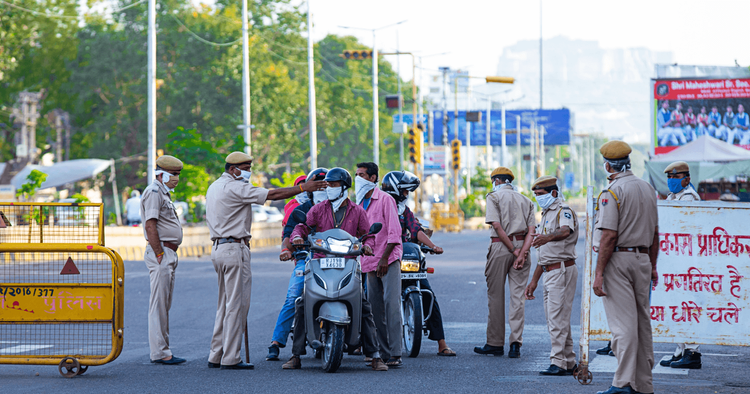
Nagpur Traffic Police Crack Down on 548 Signal Jumpers in a Single Day: Record-Breaking Action in the Last Two Years

A Record-Breaking Day in Nagpur Traffic Enforcement

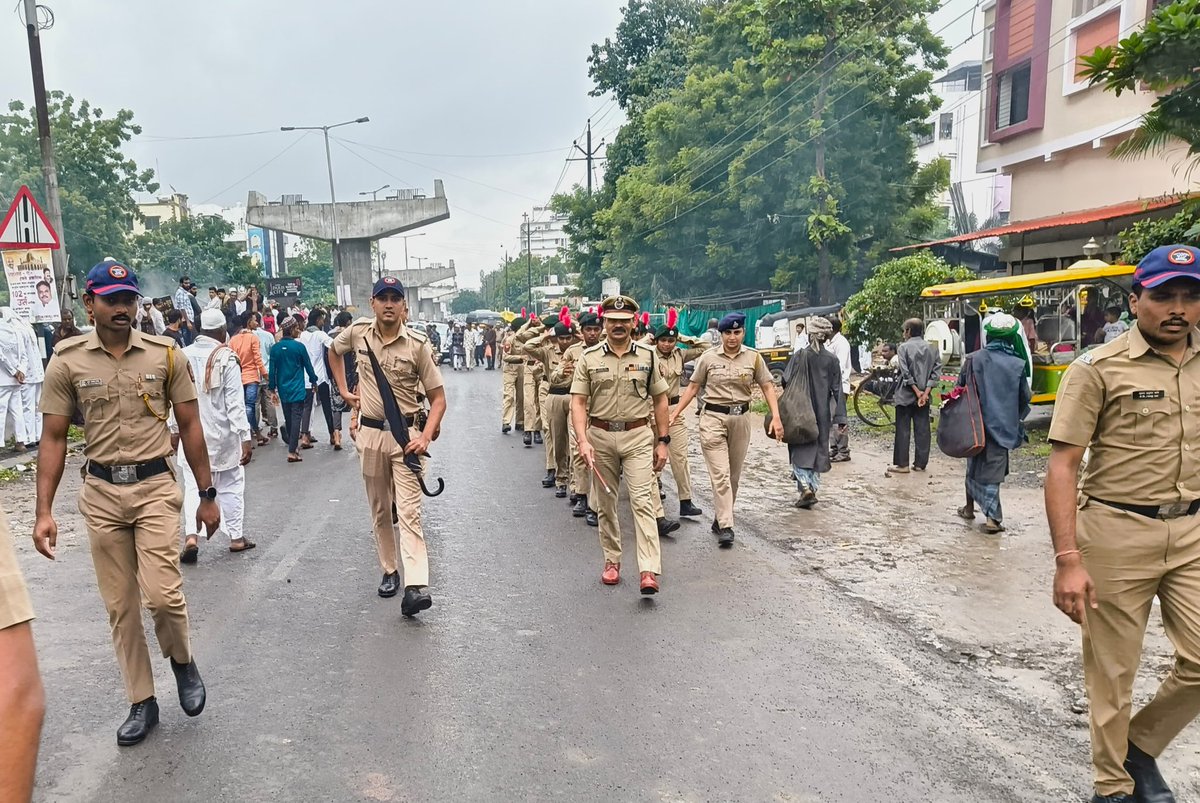
In an unprecedented move aimed at enhancing road safety, the Nagpur Traffic Police carried out their most significant traffic enforcement operation on October 17. A total of 548 motorists were penalized for signal jumping, marking a record-breaking number of violations in a single day over the last two years. This massive operation is part of a broader initiative to curb traffic offenses and ensure safety on the roads.

The Importance of Traffic Discipline

Why does traffic discipline matter? It’s simple—reckless driving, including jumping red lights, leads to accidents, injuries, and in worst cases, fatalities. When drivers respect traffic signals, they help create a safer, more organized environment for everyone on the road. Unfortunately, many motorists disregard these rules, leading to an increase in violations and, ultimately, tragedies.

October 17: A Day to Remember

On this specific day, the Nagpur Traffic Police took unprecedented action by cracking down on signal jumpers. With 548 motorists being penalized, it became the highest number recorded in two years. This operation also saw 6,440 other traffic violations, pushing the total number of offenders to a staggering 6,988.

Massive Penalties Imposed

The financial aspect of this crackdown cannot be overlooked. With fines totaling Rs 71.22 lakh, this initiative represents one of the most significant financial penalties imposed on traffic violators in recent memory. It’s a strong message to all motorists—traffic laws must be followed, or hefty fines will be enforced.

A Step Towards Safer Roads

This large-scale operation was just the beginning. Traffic officials have stated that they are gearing up for more targeted initiatives to reduce traffic violations across the city. By focusing on signal jumping and other reckless behaviors, the Nagpur Traffic Police are setting the stage for safer, more disciplined driving practices.

Breaking Down the Numbers: How Serious Is the Issue?

Record High of Signal Jumpers

  • 548 cases of signal jumping in a single day.
  • This is the highest number recorded in the last two years, signaling a serious issue in traffic discipline.

Other Traffic Violations

  • In addition to signal jumping, 6,440 other violations were reported, ranging from speeding to seatbelt violations.

Total Penalties

  • The crackdown resulted in penalties amounting to Rs 71.22 lakh.
  • This hefty sum illustrates the severity of traffic rule violations and the government’s commitment to tackling the issue.

Why Signal Jumping Is a Major Concern

What Is Signal Jumping?

Signal jumping occurs when a vehicle crosses a traffic signal after it turns red. This act not only endangers the life of the driver but also puts pedestrians and other vehicles at risk.

Consequences of Signal Jumping

  • Accidents: Signal jumpers often cause serious accidents due to reckless behavior.
  • Injuries: Pedestrians and fellow motorists are at risk of injury due to such violations.
  • Delays in Traffic Flow: Disobeying traffic lights causes confusion and leads to traffic jams, slowing down city movement.

How the Nagpur Traffic Police Are Tackling Violations

Strict Law Enforcement

Nagpur Traffic Police are leaving no stone unturned. By using both manual surveillance and advanced technology, they are ensuring that violators are penalized.

Traffic Cameras to the Rescue

CCTV cameras across major junctions are helping traffic authorities capture violations in real-time. This footage is used to identify and fine motorists who break traffic laws.

Public Awareness Campaigns

In addition to enforcing traffic rules, the Nagpur Traffic Police have also initiated awareness campaigns. These campaigns educate the public about the dangers of signal jumping and other traffic violations.

Engaging the Youth

Since younger drivers are often the ones involved in reckless driving, special efforts are being made to target college students and new drivers. Workshops, seminars, and social media campaigns aim to foster better driving habits among the youth.

The Role of Technology in Traffic Management

Real-Time Monitoring

With the use of real-time traffic monitoring systems, violations are detected immediately, allowing for prompt action.

Automatic Fines

In some cases, fines are issued automatically through the integration of technology with license plate recognition systems.

Future Plans of the Nagpur Traffic Police

More Frequent Crackdowns

Officials have confirmed that similar operations will be held more frequently to ensure that traffic violators are consistently penalized.

Introduction of Smart Traffic Signals

The introduction of smart traffic signals that automatically adjust based on traffic flow could also help reduce congestion and make it easier to monitor violators.

What This Means for Nagpur’s Road Safety

A Message to Motorists

This crackdown serves as a reminder to all drivers that traffic rules are not optional. The Nagpur Traffic Police are committed to ensuring that violators are held accountable, which will, in turn, make the city’s roads safer for everyone.

The Road Ahead

As we look forward, it’s clear that the Nagpur Traffic Police will continue to play a pivotal role in maintaining traffic discipline. Their actions on October 17 are just the start of what promises to be a series of initiatives aimed at improving road safety in the city.

Driving Towards a Safer Future

The recent crackdown by the Nagpur Traffic Police was a wake-up call for motorists who regularly flout traffic rules. With fines totaling Rs 71.22 lakh and thousands of violations recorded, it’s clear that Nagpur is moving towards stricter enforcement of road safety. However, the true success of this initiative will be reflected in a long-term reduction in traffic offenses and a corresponding increase in road safety. It’s time for all drivers to take responsibility for their actions and commit to safer driving practices.

1. Why did the Nagpur Traffic Police crack down on signal jumpers?

The crackdown was part of a larger initiative to improve road safety by targeting motorists who disobey traffic signals.

2. What penalties did the violators face?

On October 17 alone, violators were fined a total of Rs 71.22 lakh for various traffic offenses, including signal jumping.

3. How many violations were recorded during the operation?

A total of 6,988 violations were recorded, with 548 specifically for signal jumping.

4. What is the role of technology in this crackdown?

Technology such as CCTV cameras and real-time traffic monitoring played a crucial role in identifying violators.

5. Will the Nagpur Traffic Police conduct more operations like this in the future?

Yes, officials have stated that this crackdown is just the beginning, and more operations will be held to ensure traffic discipline in the city.

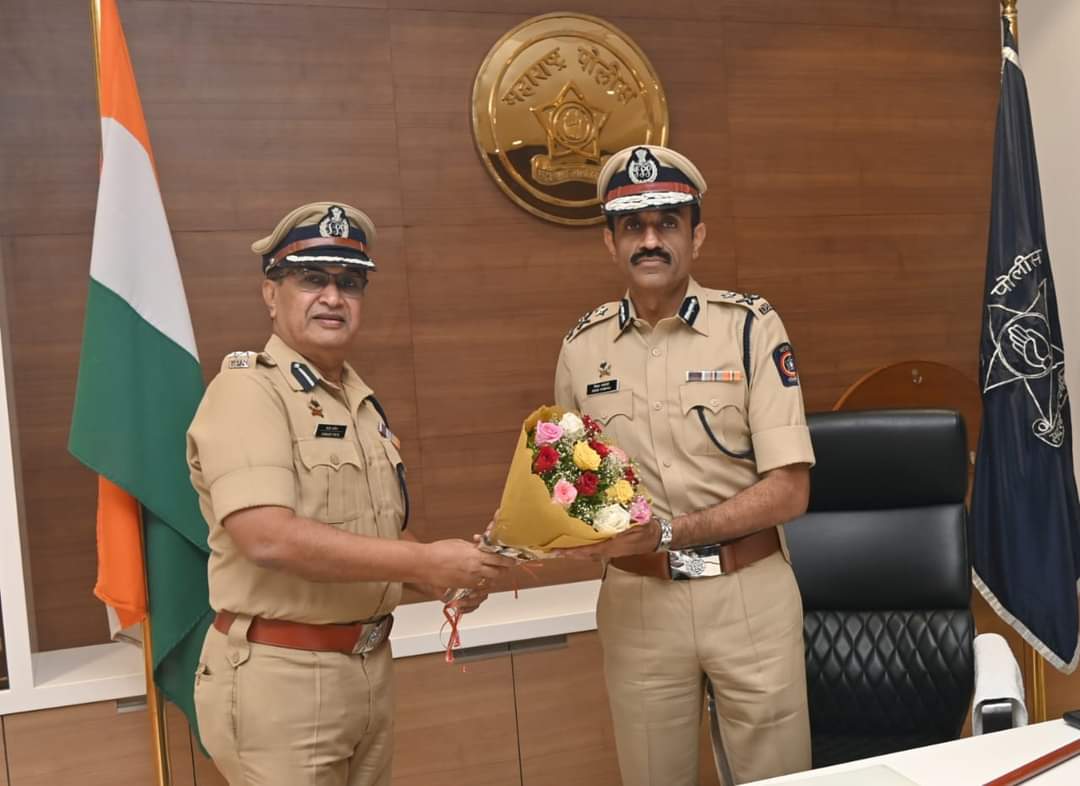
Nisar Tamboli Takes Charge as Joint Commissioner of Police in Nagpur

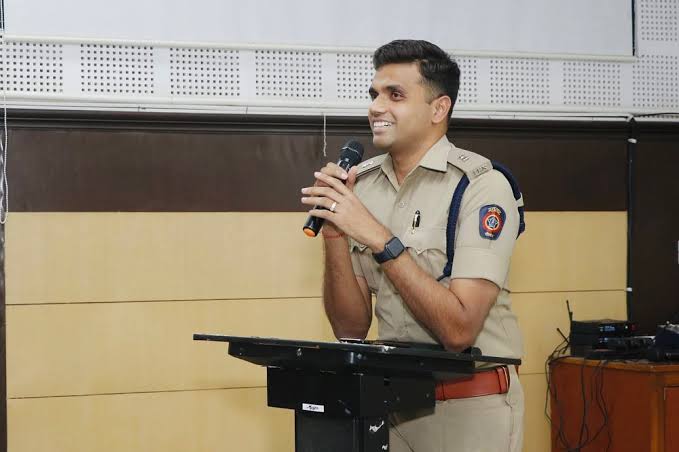
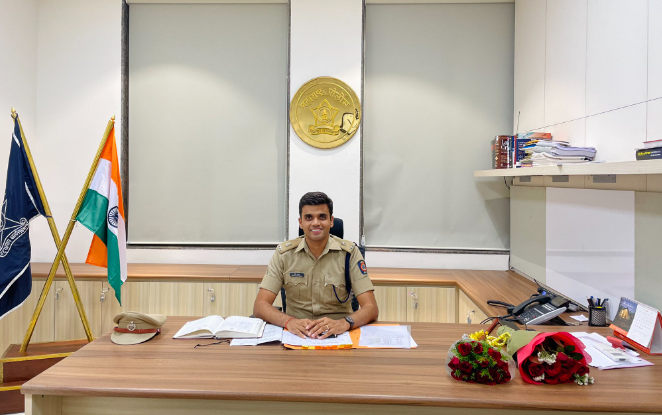
In a major leadership change in the Nagpur City Police Department, Nisar Tamboli has officially taken the role of Joint Commissioner of Police (Jt CP). An officer from the 2005 Maharashtra batch, Tamboli is known for his extensive experience in law enforcement and intelligence. His appointment comes after the temporary supervision of the post by Additional CP Sanjay Patil, who filled the role after Aswati Dorje was transferred.

Who is Nisar Tamboli?

Tamboli, a dynamic officer with years of experience, previously served as Assistant Commissioner in the State Intelligence Department (SID) in Mumbai. His expertise, particularly in handling sensitive and high-profile cases, makes him a well-suited candidate to lead law enforcement in Nagpur.

A Shift in Leadership

The city’s law enforcement has seen significant transitions, with Tamboli’s predecessor, Aswati Dorje, now taking on the role of Special Inspector General of Police in the Women and Child Atrocities Prevention Department. Dorje’s tenure marked several progressive initiatives, and expectations are high for Tamboli to continue the trend of dynamic leadership.

Tamboli’s Impressive Track Record

From SID to Nagpur Police

Prior to taking charge in Nagpur, Tamboli was actively involved with Mumbai’s State Intelligence Department, which allowed him to gain significant experience in matters of national security and intelligence-gathering. This deep-rooted involvement in the SID plays a key role in shaping his leadership style, as it will enable him to deal effectively with both urban crime and broader security threats.

A Career Built on Integrity

Tamboli’s rise through the ranks is a testament to his commitment to serving the public. His work has consistently reflected a dedication to upholding the law, and his leadership is expected to bring fresh energy to the police force in Nagpur. Officers who have worked under Tamboli often speak highly of his ability to balance discipline with approachability, fostering an environment of respect and collaboration.

Nagpur’s Crime Landscape: A Fresh Perspective

The Challenges Awaiting Nisar Tamboli

Nagpur is a rapidly growing urban area, which presents several law enforcement challenges. With rising cybercrime, traffic management issues, and public safety concerns, Tamboli will need to take an aggressive yet strategic approach. His experience in the intelligence department will be invaluable, particularly in understanding and addressing the root causes of organized crime and other high-stakes offenses.

Public Safety and Crime Reduction

With Tamboli at the helm, there’s optimism about tackling the ongoing challenges related to public safety. His data-driven approach combined with community engagement could be the key to reducing crime rates and making Nagpur a safer city.

What to Expect from Nisar Tamboli’s Leadership

1. Focus on Technology-Driven Policing

One of Tamboli’s strengths is his belief in technology’s role in modern policing. In his previous roles, he promoted digitization and the use of intelligence-based policing. Under his leadership, Nagpur’s police department might witness the integration of cutting-edge tools, such as predictive policing software and crime-mapping technologies, which will help officers anticipate and prevent criminal activities.

2. Strengthening Community Relations

Tamboli has a reputation for being community-focused. He values public engagement as a core aspect of effective policing. In a city like Nagpur, where the police department plays a crucial role in maintaining public order, fostering strong ties between law enforcement and the community will likely be a top priority.

3. Combating Organized Crime

Nagpur, like many other major cities, faces the issue of organized crime syndicates operating in the area. Given Tamboli’s experience with intelligence, he is well-positioned to lead covert operations aimed at dismantling such networks. This will not only enhance safety but also reduce long-standing criminal activities that have plagued the city.

4. Gender-Sensitive Policing

With Tamboli’s predecessor, Aswati Dorje, being transferred to head the Women and Child Atrocities Prevention Department, it is expected that Tamboli will continue the focus on gender-sensitive policing. Ensuring safety for women and vulnerable populations will likely remain a cornerstone of his agenda, with the potential for setting up more women-centric police initiatives.

The Future of Law Enforcement in Nagpur

Building on Past Successes

Tamboli inherits a police department that has seen significant improvements over the years. His goal will be to build upon those successes while addressing new challenges. Under his leadership, officers may be encouraged to adopt more proactive policing methods, such as increasing the number of patrol units and collaborating more closely with local communities.

A Collaborative Approach

Tamboli is known for his team-oriented approach to leadership. He believes that true success comes when all levels of the police department work together toward common goals. His leadership style is expected to emphasize collaboration not just within the police department but also with external agencies, including local government bodies, civic organizations, and private stakeholders.

Nisar Tamboli’s appointment as the Joint Commissioner of Police in Nagpur marks a significant moment for the city’s law enforcement community. With his rich background in intelligence and law enforcement, he is well-equipped to handle the complex challenges of policing a large urban area. His emphasis on technology, community relations, and organized crime prevention signals a forward-thinking approach that will likely shape the future of policing in Nagpur. As Tamboli steps into this role, the city can expect innovative strategies and a focus on public safety and trust.

  1. What is Nisar Tamboli’s background?
    Nisar Tamboli is an IPS officer from the 2005 Maharashtra batch, previously serving in the State Intelligence Department in Mumbai.
  2. Who did Nisar Tamboli replace as Jt CP of Nagpur?
    Tamboli succeeded Additional CP Sanjay Patil, who was temporarily overseeing the position after Aswati Dorje’s transfer.
  3. What can we expect from Tamboli’s leadership in Nagpur?
    Tamboli is expected to focus on technology-driven policing, strengthening community ties, and addressing organized crime.
  4. How will Tamboli handle gender-sensitive policing?
    Building on the work of his predecessor, Tamboli is likely to emphasize gender-sensitive initiatives, ensuring the safety of women and vulnerable populations.
  5. What are the biggest challenges Tamboli will face in Nagpur?
    Key challenges include combating organized crime, managing cybercrime, and enhancing public safety through proactive strategies.

NMC Blueprint for Jam-Free Roads: AI to Manage Traffic and Spruced Up Public Transport

NMC Road Blueprint: Nagpur’s traffic congestion is a growing challenge, with more vehicles hitting the roads each year. However, the Nagpur Municipal Corporation (NMC) has laid out an ambitious plan to tackle this issue head-on. With a comprehensive approach involving AI-powered traffic management and an overhaul of public transport infrastructure, NMC is setting the stage for smoother, more efficient commutes. Here’s a detailed look at how Nagpur is transforming its roadways and public transport systems to ensure a jam-free city experience.

The Nagpur Municipal Corporation (NMC) is actively rolling out solutions to combat road congestion while improving the overall commuter experience. These measures include public transport enhancements, AI-based traffic management, and a holistic approach to infrastructure development. This article explores the comprehensive blueprint NMC has created to revolutionize city traffic management and transportation.

 Traffic Congestion in Nagpur: A Growing Concern

Nagpur’s strategic location, combined with its reputation for having some of the best educational and medical institutions in central India, has drawn large numbers of people from neighboring states like Madhya Pradesh and Chhattisgarh. This rapid population influx has also led to a significant increase in the number of vehicles on the road, creating heavy traffic, particularly during peak hours. The city’s road network covers over 3,500 km, of which NMC is responsible for 2,500 km.

 The Rising Vehicle Count

Increased vehicular traffic in Nagpur has led to long commutes, especially during the day. With limited road space, managing traffic efficiently has become crucial to avoiding gridlocks.

 Daytime Congestion: A Major Bottleneck

Most of the congestion is experienced during the daytime, exacerbating delays for commuters. The introduction of new traffic management technologies (NMC Road Blueprint) seeks to directly address this problem.

 The Role of AI in Traffic Management

One of the most innovative components of NMC’s traffic solution is the incorporation of Artificial Intelligence (AI)(NMC Road Blueprint). By employing AI to monitor and regulate traffic flow, NMC aims to significantly reduce delays, improve road safety, and optimize travel times.

 Intelligent and Integrated Traffic Management System (IITMS)

The Rs. 197 crore Intelligent and Integrated Traffic Management System (IITMS) is one of the flagship projects set to revolutionize traffic in Nagpur. This system, funded by the state government, is expected to cut down travel time by 28% to 48% and increase average traffic speed by up to 62%(NMC Road Blueprint).

 Key Features of IITMS

The IITMS will feature an adaptive traffic control system, which uses real-time data to adjust traffic signals. It also incorporates automatic violation detection, issuing e-challans for infractions such as speeding and running red lights.

 Collaboration with Key Officials

Collaboration between NMC, Union Minister Nitin Gadkari, and Deputy Chief Minister Devendra Fadnavis has played a pivotal role in executing this plan. These efforts are already yielding significant results in terms of infrastructure improvements.

 Enhancing City Infrastructure

In tandem with improving traffic management, NMC is working to revamp city infrastructure. This includes converting tar roads to cement-concrete surfaces, which are more durable and pothole-resistant. Additionally, NMC is intensifying its anti-encroachment efforts to ensure roadways are kept clear for both pedestrians and vehicles.

 Pothole-Free Roads

The civic body is prioritizing the repair of potholes across the city, addressing complaints in a timely manner to ensure a smoother ride for all.

 Road Encroachment Drives

To free up road space and improve pedestrian safety, NMC has launched anti-encroachment drives, which are essential for removing roadside obstructions.

 Revamping Public Transport with Aapli Bus

Another key pillar of NMC’s plan is enhancing public transportation. The Aapli Bus service, which operates over 400 buses across 100 routes, is the backbone of the city’s public transport system. In the coming years, NMC aims to expand this service, particularly with a focus on electric buses.

 Going Green with Electric Buses

The current Aapli Bus fleet includes 260 electric buses, with plans to introduce 400 air-conditioned e-buses. This expansion is supported by funding from both the central and state governments under schemes like the Pradhan Mantri e-bus scheme.

 Cleaner, Quieter Commutes

Electric buses not only reduce pollution but also provide a quieter and smoother commuting experience. NMC’s green initiative is crucial for fostering a sustainable future for the city.

 Seamless Commuting with Mobility App and Common Mobility Card

To make public transport more accessible and efficient, NMC is introducing a Mobility App and Common Mobility Card, integrating services of both Aapli Bus and the Metro Rail. This step will enable commuters to locate buses on different routes and pay for their trips seamlessly across both modes of transport.

 Strengthening Enforcement and Parking Management

NMC has revamped its enforcement department, establishing five central teams to ensure vigilance against roadside encroachments. Furthermore, the civic body has introduced designated hawkers’ zones and 60 on-street parking zones for two-wheelers and four-wheelers.

 Addressing Encroachments

Effective enforcement will ensure that roadways remain clear for use, balancing the needs of businesses and motorists alike.

 Streamlined Parking Solutions

By creating designated parking zones, NMC is making sure that roads remain free of parked vehicles, allowing for smoother traffic flow.

 Other Key Initiatives by NMC

Beyond traffic management and public transport, NMC provides essential urban services like water supply, waste management, sewerage, and land use planning. By working in coordination with various government agencies, the civic body ensures that all necessary services are delivered efficiently to Nagpur’s residents.

 Urban Service Coordination

The collaboration between NMC and government agencies such as NIT, MahaMetro, and MSRTC ensures that the city’s urban infrastructure is well-managed and sustainable.

 A Call for Citizen Participation

While NMC’s efforts are transformative, citizen cooperation is key to making these initiatives successful. By following civic rules, opting for public transport, and reducing the use of private vehicles, residents can contribute to reducing congestion and fostering a more organized urban environment.

Nagpur is on the cusp of a transportation revolution, with the NMC leading the way in both traffic management and public transport improvements. By embracing AI technology, expanding public transport, and addressing road encroachments, the city is taking the necessary steps to provide its residents with a smoother and more efficient commuting experience. As the NMC continues its efforts to modernize the city’s infrastructure, it’s up to the citizens to support these changes by making conscious choices like opting for public transport over private vehicles.

  1. What is the IITMS? The Intelligent and Integrated Traffic Management System (IITMS) is an AI-powered traffic management solution designed to reduce congestion and improve traffic flow in Nagpur.
  2. How will the Mobility App help commuters? The Mobility App will allow commuters to locate Aapli buses and use a Common Mobility Card for seamless travel on both the city bus service and Metro Rail.
  3. What is NMC doing about potholes? NMC is actively repairing potholes and converting tar roads to cement-concrete surfaces to ensure smoother rides.
  4. How many electric buses will be introduced? NMC plans to introduce 400 new air-conditioned electric buses to its Aapli Bus fleet.
  5. How can citizens contribute to reducing congestion? Citizens can contribute by following traffic rules, opting for public transport, and minimizing their reliance on private vehicles.

Seven Police Stations in Nagpur Get New Senior Inspectors in Major Reshuffle

In a recent and noteworthy move, the Nagpur Police Department has undergone a significant reshuffling of senior personnel across seven of its key police stations. This transfer of responsibilities is part of a broader strategy aimed at boosting law enforcement effectiveness in crucial areas of the city. With elections looming on the horizon, the timing of these changes is particularly important, as they signal a renewed focus on crime control and public safety.

Why the Reshuffle?

The reshuffle is primarily aimed at improving crime management in specific regions where criminal activities had been on the rise. The move, ordered by Nagpur Police Commissioner Dr. Ravinder Kumar Singhal, affected 12 officers, including some high-profile inspectors, in a bid to realign resources and strengthen local policing efforts.

New Leadership in Key Police Stations

One of the most significant aspects of this reshuffle is the appointment of new senior inspectors to seven police stations in the city. These stations are vital for maintaining law and order in their respective regions, and the changes are expected to bring fresh perspectives and approaches to tackling local crime.

Prashant Thaware Moves to Mankapur

In one of the key changes, Prashant Thaware, who was previously heading Hingna Police Station, has now been transferred to lead Mankapur Police Station. His previous experience in dealing with law enforcement in Hingna is expected to bring a much-needed boost to crime control in Mankapur.

Jitendra Bobade Takes Charge of Hingna

Jitendra Bobade, who served as the inspector of crime at Gittikhadan, has been appointed as the new officer-in-charge of Hingna Police Station. Bobade’s track record in handling complex criminal cases makes him a strong fit for the station.

Smita Jadhav Reassigned to the Economic Offenses Wing

Smita Jadhav, the former senior inspector at Mankapur, has been moved to the Economic Offenses Wing. This transfer is seen as an elevation, considering the critical nature of the work handled by this unit, including cases involving financial fraud and other white-collar crimes.

Vinayak Koli Heads Nandanvan Police Station

Vinayak Koli, formerly the officer-in-charge of Dhantoli Police Station, has been reassigned to lead Nandanvan Police Station. His experience and leadership skills are anticipated to enhance the police station’s ability to address its local crime challenges effectively.

Anamika Mirzapure Appointed to Dhantoli Police Station

Anamika Mirzapure, who was previously serving as the crime inspector at Sitabuldi Police Station, has taken over as the new senior inspector of Dhantoli. Her investigative expertise in crime-related matters is expected to aid in the station’s efforts to tackle rising criminal activities in the area.

A Focus on Specialized Roles

In addition to these station leadership changes, several officers have been reassigned to specialized units within the Nagpur Police Department.

Popat Dhaytunde Joins Special Branch

Popat Dhaytunde, who was leading Nandanvan Police Station, has now been transferred to the Special Branch. His shift to this more specialized department reflects the ongoing strategic planning to improve intelligence-gathering and specialized law enforcement operations.

Kamalakar Gaddime Moves to Crime Branch Unit 4

Previously in charge of Imamwada Police Station, Kamalakar Gaddime has been moved to Unit 4 of the Crime Branch. His new role will place him at the center of some of the department’s most critical criminal investigations.

Ramesh Tale Takes Over Imamwada Police Station

Ramesh Tale has now assumed responsibility as the senior inspector of Imamwada Police Station. Given the station’s strategic importance, his experience will be crucial in dealing with the issues that have historically challenged this area.

Vitthalsingh Rajput Joins Economic Offenses Wing

Vitthalsingh Rajput, who was formerly leading Bajaj Nagar Police Station, has been transferred to the Economic Offenses Wing. His expertise will contribute significantly to handling complex financial crime cases.

Surendra Aherkar Leads Bajaj Nagar Police Station

Surendra Aherkar, who was previously with the Crime Branch, has been appointed as the officer-in-charge of Bajaj Nagar Police Station. His background in crime prevention and investigation will be an asset to the area’s policing.

Strategic Timing for Enhanced Crime Control

This reshuffle comes at a crucial time, with elections approaching in Nagpur. The political climate often brings a shift in criminal activities, making it essential for the police department to have strong leadership in place. By reassigning key personnel to different areas, the Nagpur Police Department aims to optimize its resources and ensure that law enforcement is proactive in addressing any potential spikes in crime.

Impact on Local Communities

Local communities are likely to see an immediate impact from these changes. With fresh leadership comes a new approach to dealing with crime. The officers who have been reassigned are expected to collaborate more effectively with local residents, leading to better community-policing relationships and quicker responses to crime-related concerns.

Long-Term Benefits of the Reshuffle

In the long term, this reshuffle will likely contribute to improved crime statistics across Nagpur. The officers who have been appointed to new stations bring a wealth of experience and a proven track record in crime management. By leveraging their skills in new areas, the police department is positioning itself to be more effective in reducing crime rates across the city.

Election Preparations and Further Transfers

While this reshuffle is significant, it is only the beginning. As elections draw closer, further transfers within the Nagpur Police Department are expected. These additional changes will likely focus on reinforcing law enforcement in areas with higher crime rates, ensuring that the city remains safe and secure during the election period.

The recent reshuffling of senior inspectors across seven police stations in Nagpur marks an essential step in enhancing the city’s law enforcement capabilities. With experienced officers taking charge in new areas, the Nagpur Police Department is set to tackle crime more effectively, ensuring safer neighborhoods and improved relations between the police and local communities. As the city prepares for elections, this strategic reshuffle serves as a foundation for further strengthening law and order.

  1. Why was there a reshuffle in the Nagpur Police Department? The reshuffle was aimed at improving crime control and enhancing law enforcement efficiency in specific areas where criminal activity had increased.
  2. Who is the new officer-in-charge of Mankapur Police Station? Prashant Thaware has been appointed as the new senior inspector of Mankapur Police Station.
  3. Which officer was transferred to the Economic Offenses Wing? Both Smita Jadhav and Vitthalsingh Rajput were reassigned to the Economic Offenses Wing.
  4. How does this reshuffle impact local crime control? The reshuffle brings experienced officers to new areas, which is expected to lead to more effective crime control and community engagement.
  5. Will there be more transfers in the near future? Yes, additional transfers are expected as the city prepares for upcoming elections.

Nagpur Traffic Police Crack Down on 2,947 Motorists, Collect Rs. 4.06 Lakh in Fines on Sunday

On Sunday, the Nagpur Traffic Police took firm action against a massive number of motorists, conducting a drive that resulted in penalizing 2,947 individuals for violating traffic rules. This effort was part of a larger citywide campaign aimed at ensuring road safety and adherence to traffic laws. The fines collected from these violations amounted to Rs. 4,06,800. This initiative highlights the increasing focus of the authorities on traffic discipline, with many similar operations expected to follow.

Why the Drive Was Conducted

The Nagpur Police, under various sections of the Motor Vehicles Act, have ramped up their efforts to curb traffic violations across the city. With rising concerns about road safety, traffic congestion, and accidents, the police are determined to crack down on motorists who disregard basic traffic rules. The primary aim of the Sunday drive was not just to penalize but to educate motorists on the importance of following traffic regulations.

Motorists Targeted: What Violations Were Penalized?

During the drive, a wide range of traffic violations were penalized, including:

  • Driving without a valid license
  • Failure to wear seatbelts
  • Jumping red lights
  • Driving without a helmet
  • Using mobile phones while driving
  • Overloading vehicles

Each of these offenses is not just a legal violation but also a risk to the safety of both the driver and others on the road.

Rs. 4.06 Lakh in Fines: A Wake-Up Call for Motorists

Collecting Rs. 4.06 lakh in fines over a single day is a significant figure. It’s a testament to the intensity of the operation and a clear message to motorists that violating traffic rules will have consequences. The substantial amount collected indicates that a large number of motorists are either unaware or simply disregarding the laws that are put in place for their own safety.

The Importance of Traffic Rules for Road Safety

Why do we have traffic rules in the first place? Simple: to prevent accidents and ensure a smooth flow of traffic. When even one person disregards these rules, it creates chaos, often resulting in accidents or traffic jams. Motorists who violate basic safety measures like wearing seatbelts or helmets are putting not only their own lives at risk but also the lives of others.

What Happens if You Get Caught?

If you’re caught violating traffic rules, the fines can vary depending on the severity of the offense. Common penalties include:

  • Rs. 500 for not wearing a helmet or seatbelt
  • Rs. 1,000 for using a mobile phone while driving
  • Rs. 2,000 for driving without a valid license

Apart from these financial penalties, repeat offenders can face more severe actions, including vehicle impoundment or even legal action in extreme cases.

Repeat Drives: A Commitment to Long-Term Safety

The Nagpur Traffic Police have stated that this was just one of many drives planned to ensure that traffic discipline is maintained. These operations will continue as part of a broader effort to reduce road accidents and promote responsible driving habits. Motorists can expect more frequent checks, especially during weekends and peak traffic hours.

How to Avoid Penalties: Simple Steps for Motorists

Here’s a quick guide to help you avoid penalties during such drives:

  1. Always Carry Your Documents: Ensure you have your driving license, vehicle registration, and insurance papers with you at all times.
  2. Follow Basic Traffic Rules: Obey traffic signals, stop at red lights, and adhere to speed limits.
  3. Wear Safety Gear: Helmets for two-wheeler riders and seatbelts for all car passengers are mandatory.
  4. Stay Off Your Phone: Using a mobile phone while driving is not only dangerous but also a punishable offense.
  5. Regularly Check Vehicle Fitness: Ensure that your vehicle is in good working condition, including lights, brakes, and mirrors.

Nagpur Police’s Message to the Public

The Nagpur Police have made it clear that their primary goal is not to issue fines but to promote a culture of safe and responsible driving. They have urged all motorists to follow traffic rules diligently and to be mindful of the dangers associated with reckless driving.

Road Safety Awareness: A Shared Responsibility

The responsibility of road safety doesn’t lie solely with the police. As citizens and motorists, we must also do our part. Whether it’s wearing helmets, ensuring our vehicles are roadworthy, or simply being mindful of pedestrians, each small action contributes to a safer and more efficient traffic system.

The Ripple Effect of Following Traffic Rules

When even a small percentage of motorists follow the rules, the overall traffic flow improves, accidents reduce, and roads become safer. It’s like a chain reaction – one person’s good behavior influences others, leading to a positive shift in how traffic functions in the city.

The recent drive by the Nagpur Traffic Police serves as a stark reminder to all motorists about the importance of adhering to traffic laws. With nearly 3,000 motorists penalized in just one day, it’s clear that there is still much work to be done in terms of traffic discipline. However, with continuous efforts from both the authorities and the public, there’s hope for safer roads and more responsible driving practices in Nagpur.

  1. Why were so many motorists fined in Nagpur on Sunday?
    The Nagpur Traffic Police conducted a citywide drive to penalize traffic violations under various sections of the Motor Vehicles Act.
  2. What was the total amount collected in fines during the drive?
    The authorities collected Rs. 4,06,800 in fines from 2,947 motorists.
  3. What were the most common violations penalized?
    Common violations included driving without a valid license, not wearing helmets or seatbelts, using mobile phones while driving, and jumping red lights.
  4. Will similar drives be conducted in the future?
    Yes, the Nagpur Traffic Police have stated that they plan to conduct more drives to ensure traffic discipline is maintained.
  5. How can I avoid being fined during such drives?
    To avoid penalties, ensure you follow all traffic rules, carry necessary documents, and wear appropriate safety gear while driving.

Trial Traffic Restrictions Set on Wardha Road in Nagpur from September 23 to 28, Says DCP Archit Chandak

DCP Archit Chandak: In response to growing traffic congestion on Wardha Road, especially during peak hours, Nagpur’s Deputy Commissioner of Police (Traffic), Archit Chandak, announced the introduction of traffic restrictions on a trial basis. These restrictions will be in place from September 23 to September 28, during the evening rush hours of 5:30 p.m. to 8:30 p.m. The goal is to ease traffic flow, reduce jams, and improve overall road safety.

Why Are These Restrictions Necessary?

Traffic jams on Wardha Road have become a daily challenge for commuters. The areas near Rahate Colony, Kripalani Chowk, and the Gowari Flyover are particularly notorious for their congestion. To address this, the traffic police have observed that allowing uninterrupted straight-flow traffic between Nagpur and Wardha while limiting right turns could alleviate bottlenecks.

Key Traffic Restrictions Announced

Under these new orders, several specific restrictions have been implemented to streamline traffic flow. Here’s a breakdown:

1. No Right Turns from Rahate to Ajni Chowk

  • Vehicles moving from Morris to Ajni via Rahate and Kripalani Chowks will no longer be able to take any right turns along this route.

2. Straight-Only Traffic from Ajni Chowk to Morris T-Point

  • Traffic traveling from Ajni Chowk toward Morris T-Point must proceed straight, with no right turns allowed.

3. Matakacheri to Kripalani Chowk Diversions

  • Traffic coming from Matakacheri towards Kripalani Chowk will now be diverted via Niri T-Point and Ajni Naka. Vehicles will make a U-turn at the Manish Nagar Flyover, with an option for a left turn towards Kachipura.

4. U-Turn Adjustments for Ajni Flyover and Congress Nagar T-Point

  • Vehicles coming from Ajni Flyover and Congress Nagar T-Point will be required to make a U-turn at Kripalani to return to Ajni Naka.

5. Signal Adjustments between Rahate Chowk and Ajni Naka

  • Signals along the Rahate Chowk-Ajni Naka route will be set to blink mode, allowing traffic to flow straight without any right turns.

Duration and Implementation (DCP Archit Chandak)

These restrictions will be enforced from September 23 to September 28, between 5:30 p.m. and 8:30 p.m. daily. The trial phase is meant to gauge the effectiveness of these measures. Should the results be positive in terms of smoother traffic flow and reduced congestion, it’s likely that these restrictions could be extended or even made permanent.

Additional Support Measures

To ensure proper implementation, additional traffic personnel will be stationed at key points like Lokmat Chowk and Ajni Chowk. Their role will be to guide traffic, enforce the new restrictions, and manage any potential disruptions that may arise.

What Can Commuters Expect?

If you’re commuting along Wardha Road during this trial period, you may notice quicker travel times during peak hours. However, with new restrictions in place, some routes might require slight detours or adjustments to your usual journey. For instance, the elimination of right turns at specific junctions might mean taking a longer U-turn or using alternate routes.

Impact on Local Businesses and Residents

Local businesses and residents in areas affected by the new traffic rules may also experience some changes. Fewer right turns could mean less accessibility to certain businesses during peak hours. However, the goal is to reduce overall congestion, which in the long term should benefit both commuters and local commerce.

Safety Considerations

By limiting right turns and simplifying traffic flow, the new restrictions aim to reduce the risk of accidents, particularly at busy intersections. The blinking signals and additional traffic personnel should further enhance safety and minimize confusion for drivers during the trial period.

Public Feedback

The success of these measures will heavily depend on public cooperation and feedback. Authorities have emphasized that these restrictions are on a trial basis, meaning they’re open to adjustments based on how well they work in practice. If you’re a commuter affected by these changes, consider providing feedback to local authorities about your experience.

What Happens Next?

After the trial period concludes on September 28, Nagpur’s traffic department will assess the effectiveness of the restrictions. This evaluation will include a review of traffic flow data, accident reports, and feedback from both commuters and traffic officers.

If the trial proves successful, these restrictions could be extended beyond September 28, with potential tweaks based on public input. On the other hand, if they fail to achieve the desired improvements, the traffic department may explore alternative measures to tackle congestion.

Preparing for Future Changes

This trial could set a precedent for future traffic management strategies in Nagpur. If successful, similar restrictions might be introduced on other busy roads, particularly during peak hours. With growing traffic demands in the city, authorities are keen to explore all possible solutions to keep traffic moving smoothly and safely.

Nagpur’s traffic authorities have taken a bold step by imposing trial traffic restrictions on Wardha Road. By simplifying traffic flow and eliminating right turns during peak hours, they aim to ease congestion and reduce the risk of accidents. The trial phase will be critical in determining whether these measures will be extended or modified.

Public cooperation and feedback will play a vital role in shaping the future of these restrictions. Whether you’re a commuter, resident, or business owner, staying informed and adapting to these changes can help make the trial period a success.

1. What are the main restrictions during the trial period?

  • The primary restrictions include no right turns at key intersections and streamlined traffic flow between Rahate Chowk and Ajni Chowk.

2. When will the restrictions be enforced?

  • The restrictions will be enforced from September 23 to September 28, between 5:30 p.m. and 8:30 p.m. each day. (DCP Archit Chandak)

3. Will additional traffic personnel be deployed?

  • Yes, additional traffic officers will be stationed at Lokmat Chowk and Ajni Chowk to ensure smooth implementation.

4. Can these restrictions become permanent?

  • If the trial period shows positive results in reducing congestion and improving safety, the restrictions could be extended or even made permanent.

5. How can I provide feedback on the new traffic rules?

  • You can share your experience and feedback with Nagpur’s traffic authorities, who will consider public input when evaluating the trial.

Beware! Reels on Wheels May Get Your Bike Seized

Nagpur traffic rules: Nagpur’s roads have seen a sharp rise in traffic violations lately, with many riders performing dangerous stunts or recording reels on their vehicles for social media. However, this might soon come to a halt, as the newly appointed Deputy Commissioner of Police (DCP) for Traffic, Archit Chandak, has vowed to crack down on these offenders. Here’s a deep dive into this new traffic policy and what it means for motorcyclists and motorists.

Who is DCP Archit Chandak?

Archit Chandak is the newly appointed DCP (Traffic) of Nagpur. Taking charge recently, he has already made waves with his tough stance on traffic offenders, especially those engaging in illegal activities such as creating video content while riding.

First Day, First Strike: Zero Tolerance for Stunts

On his very first day in office, Chandak made it clear that his tenure would mark a new chapter in road safety for the city. He announced a policy of zero tolerance for those making reels on wheels, along with motorists performing stunts. The DCP has instructed the traffic police to register offenses against violators and seize their vehicles. The consequences for these actions are not limited to fines; the full weight of the law will be applied, including vehicle seizures.

The Problem with Reels on Wheels

The rise of social media has led to a growing trend where people risk their lives to make entertaining videos. While these stunts may seem harmless to those involved, they pose a serious danger to others on the road. What might start as a fun reel can quickly turn into a tragic accident.

Stunt Culture on the Roads (Nagpur traffic rules)

It’s not just reels that are a concern; the broader culture of performing stunts while riding motorcycles or driving has proliferated. Riders performing wheelies or standing on their bikes not only endanger themselves but also the pedestrians and vehicles around them.

New Traffic Measures Under DCP Chandak

1. Crackdown on Drunken Driving

In addition to his strict stance on reels and stunts, DCP Chandak has vowed to tackle another persistent problem—drunken driving (Nagpur traffic rules). Focused checks will be carried out from 6 pm until late at night, particularly around pubs and bars, to nab motorists driving under the influence.

Surveillance Near Bars and Pubs

This targeted surveillance near nightlife hubs will help to reduce the number of accidents caused by impaired driving. DCP Chandak has highlighted that the anti-accident cell, which analyzes the causes of road crashes and fatalities, will be more active than ever.

2. Parking Violations: Corner Parking Ban

Parking illegally on road corners causes major traffic disruptions. Chandak has stated that corner parking is now strictly illegal under the Motor Vehicle Act and the traffic department will actively penalize violators.

Streamlining Traffic in Busy Areas

Key congested areas such as bus stands, railway stations, and crowded market places will see more stringent traffic management to ensure smoother movement of both vehicles and pedestrians.

Public Participation: Vigilantism on Social Media

DCP Chandak has urged citizens to assist the police by submitting evidence of traffic violations through social media platforms. This initiative is expected to create a community-driven approach to road safety, where individuals can report incidents they witness.

Visible Surveillance During Peak Hours

In addition to public participation, the traffic department will increase visible surveillance during peak traffic hours to curb violations. Officers will be stationed at busy intersections to monitor the traffic and ensure compliance.

How Can You Avoid Getting Your Bike Seized?

1. Avoid Making Reels While Riding

It might be tempting to grab that perfect shot while riding, but doing so puts you and others in danger. Always avoid using your phone while driving, and if you must record, do it in a safe, controlled environment.

2. Obey Traffic Laws

Basic compliance with the Motor Vehicle Act can save you from legal trouble. Avoid corner parking, follow the speed limits, and never perform stunts on public roads.

3. Don’t Drink and Drive

The consequences of drunk driving are severe, and DCP Chandak has made it clear that violators will be caught and punished. Always arrange for a designated driver or use a taxi service if you plan to consume alcohol.

The appointment of DCP Archit Chandak marks a turning point for Nagpur’s traffic management. His strong focus on law enforcement, from curbing social media reels on the road to cracking down on drunken driving and illegal parking, promises to create a safer environment for all. As citizens, it’s essential that we do our part, not only by obeying traffic rules but by helping report violators to keep the roads safe.

Nagpur’s Traffic Woes Addressed as DCP Archit Chandak Takes Charge of Traffic Branch

Nagpur’s traffic problems have been a longstanding issue for the city. From overcrowded roads to erratic traffic signals, these challenges have become a source of constant frustration for both residents and authorities alike. However, a new chapter in the city’s traffic management has begun, as Deputy Commissioner of Police (DCP) Archit Chandak steps in to head the Traffic Branch. With his background in the Economic Offence Wing (EOW), many are hopeful that DCP Chandak will bring about the much-needed changes.

A Fresh Start Under DCP Archit Chandak

In a reshuffling decision by Police Commissioner Dr. Ravindra Singal, DCP Chandak was appointed to the Traffic Branch of Nagpur, and the public is optimistic that his leadership could bring significant improvements to the city’s roads. The reshuffling also saw DCP Shashikant Satav, previously in charge of the Traffic Branch, being transferred to the EOW. Alongside Chandak, Lohit Matani, another key officer recently transferred to Nagpur, has assumed charge of Zone 1.

The History of Nagpur’s Traffic Troubles

Nagpur’s traffic system has been a major point of contention for years. Despite numerous initiatives, the city has seen little progress in streamlining its traffic. Congestion, non-compliance with traffic rules, and inadequate infrastructure have only worsened the situation. The city’s rapid growth, coupled with an increase in vehicular population, has strained the current infrastructure, making day-to-day commutes a hassle for residents.

Previous Initiatives That Fell Short

Efforts to improve Nagpur’s traffic were made by DCP Satav, but these changes often yielded limited results. The public’s discontent continued to grow as long-term solutions remained out of reach. Police Commissioner Dr. Ravindra Singal, fully aware of these shortcomings, decided to take decisive action, reshuffling key positions in the Traffic Branch in hopes of seeing better results.

DCP Chandak’s Background: An Asset for the Traffic Branch

DCP Chandak comes with a wealth of experience from his previous post at the Economic Offence Wing. His experience with complex investigations and organizational skills are expected to play a critical role in his new leadership position. During his temporary tenure over the Traffic Branch during the winter session, Chandak was able to implement several successful measures that saw a noticeable improvement in traffic conditions. It’s this prior success that prompted his full-time appointment.

Chandak’s Achievements During the Winter Session

During his interim role, DCP Chandak introduced stricter enforcement of traffic rules, leading to a reduction in traffic violations. Public awareness campaigns were also ramped up, with increased visibility of traffic police and more frequent traffic drives to address issues in real-time. As a result, Nagpur saw reduced congestion, improved compliance, and a smoother traffic flow in certain key areas.

Challenges Ahead for DCP Chandak

Despite his previous successes, DCP Chandak faces several challenges ahead. The biggest hurdle will be addressing the deeply ingrained traffic problems, including:

1. Infrastructure Limitations

Nagpur’s current road network is not equipped to handle the growing number of vehicles. Expanding roadways and improving traffic signals will be a priority.

2. Traffic Violations

Despite the crackdown, traffic violations such as speeding, illegal parking, and non-compliance with signals remain rampant. More rigorous enforcement and higher penalties may be on the horizon.

3. Public Awareness

Another key challenge will be educating the public on traffic rules and ensuring compliance. Awareness drives and community engagement will play a pivotal role in long-term success.

Matani Takes Charge of Zone 1

While DCP Chandak tackles the city’s traffic woes, Lohit Matani has been entrusted with Zone 1, a critical area in Nagpur, especially with elections on the horizon. Matani, who had previously served in Zone 1 before his transfer to Bhandara, brings a wealth of experience and familiarity with the region’s unique challenges.

Zone 1: A Crucial Area for Nagpur

Zone 1 is a key jurisdiction in Nagpur, not only due to its strategic importance but also because of its role in upcoming political events. With the impending elections, Matani’s leadership is expected to ensure peace, stability, and effective law enforcement.

The Road Ahead for Nagpur’s Traffic Branch

While leadership changes offer hope for Nagpur’s traffic management, the real work begins now. DCP Chandak’s strategy will likely involve a mix of infrastructure improvements, stricter law enforcement, and public education. With the right approach, Nagpur’s traffic system can potentially see the transformation it desperately needs.

1. Collaboration with City Planners

One of the key steps in DCP Chandak’s plan will be collaborating with city planners to redesign and improve Nagpur’s road network. Better road designs, improved signals, and the creation of dedicated lanes for different types of vehicles could help alleviate congestion.

2. Technology-Driven Solutions

Smart traffic management systems could also play a role. Implementing advanced traffic monitoring tools, automated signals, and real-time traffic updates could help streamline vehicle flow in the city’s busiest areas.

3. Community Engagement

Public cooperation is crucial for the success of any traffic management plan. DCP Chandak’s leadership will likely include initiatives aimed at fostering a sense of responsibility among drivers and pedestrians alike.

4. Accountability within the Traffic Branch

Another key component will be holding the Traffic Branch accountable for its actions. Regular evaluations and transparency in decision-making will be vital to ensuring that the branch remains proactive in tackling the city’s traffic challenges.

Nagpur’s traffic situation has long been a problem, but with the leadership of DCP Archit Chandak, there is hope that the city’s traffic woes may finally be addressed. His proven track record and innovative approach could be the key to overcoming Nagpur’s traffic challenges. Alongside him, Lohit Matani’s leadership in Zone 1 will ensure that this critical area remains well-managed, particularly with elections drawing near. Nagpur’s road to a better traffic system might just have begun.

1. Who is DCP Archit Chandak?

DCP Archit Chandak is the newly appointed Deputy Commissioner of Police for Nagpur’s Traffic Branch. He previously served in the Economic Offence Wing (EOW) and has taken charge to address the city’s traffic challenges.

2. What are Nagpur’s main traffic issues?

Nagpur’s traffic issues include road congestion, traffic signal malfunctions, and rampant traffic violations. These challenges have persisted despite previous efforts to address them.

3. What changes did DCP Chandak implement during the winter session?

During the winter session, DCP Chandak introduced stricter enforcement of traffic laws and launched public awareness campaigns, leading to noticeable improvements in traffic flow.

4. Who is Lohit Matani, and what is his role in Nagpur?

Lohit Matani is the officer in charge of Zone 1 in Nagpur. His role is particularly important as this area is crucial for law enforcement, especially with upcoming elections.

5. What steps will be taken to improve Nagpur’s traffic system?

The plan includes upgrading infrastructure, enforcing traffic laws more strictly, raising public awareness, and incorporating technology-driven solutions like smart traffic management systems.

Nagpur: City Police Brace for a Marathon of Festivals Amidst Political and Social Tensions

Nagpur City Police: Nagpur, a vibrant city known for its rich cultural heritage and bustling streets, is gearing up for a series of significant festivals. The city police are preparing for a round-the-clock grind as events like Pola, Marbat, and Ganeshotsav approach. While these festivals bring joy and celebration to the people, they also present a unique challenge to the law enforcement agencies responsible for maintaining peace and order.

 The Festive Marathon Begins (Nagpur City Police)

 Pola Festival: Tradition and Turbulence

Pola, a festival that celebrates the bond between farmers and their cattle, is the first in the lineup. While this festival is rooted in tradition and reverence, it has also been associated with a spike in criminal activities, particularly group clashes and revenge attacks. The city police, aware of the potential for unrest, have already initiated a crackdown on known offenders to prevent any untoward incidents.

 Marbat: A Symbol of Social Unity and Division

Following Pola is the Marbat festival, known for its unique processions featuring effigies representing evil forces. Central Nagpur, the heart of the city, becomes a focal point during this festival, drawing large crowds. However, the influx of people also leads to massive traffic congestion, which the police must manage alongside the procession’s security. The challenge is further compounded by ongoing development work in the area, making the task of traffic management even more daunting.

 Ganeshotsav: The Grand Finale

Ganeshotsav, one of the most widely celebrated festivals in Maharashtra, marks the final event in this marathon. Starting from September 7, the 10-day festival sees devotees flocking to various pandals across the city. The police force must ensure the safety and smooth conduct of events from idol purchases to immersion days, making this period one of the busiest for law enforcement.

 The Backdrop of Political and Social Turmoil

 Communal Strife and Violence

The festivals are occurring against a backdrop of ongoing communal strife and violence, particularly in Bangladesh. Such tensions have a ripple effect, heightening the potential for unrest in Nagpur. The city police, therefore, have the additional responsibility of maintaining communal harmony during these sensitive times.

 Women’s Security and Ongoing Agitations

Women’s security has become a central issue in Nagpur, with ongoing agitations demanding better protection and stricter laws. The police, already stretched thin due to festival duties, must also address these concerns, adding another layer of complexity to their operations.

 Political Rivalry and Upcoming State Assembly Elections

The upcoming state assembly elections, scheduled towards the end of this year, have further intensified the political atmosphere in Nagpur. Political rallies and events are expected to increase as the election date nears, requiring the police to manage not just festival crowds but also politically charged gatherings.

 The Police Force: A Struggle for Resources

 Leadership Changes and Vacant Positions

Nagpur’s police force (Nagpur City Police) is currently undergoing a period of transition, with newly appointed joint Commissioner of Police (CP) Nisar Tamboli yet to assume office. Meanwhile, Commissioner of Police Ravinder Singal is tasked with preparing the security and traffic plans for the upcoming events. The situation is further complicated by the transfer of two Zonal Deputy Commissioners of Police (DCPs), leaving key positions vacant.

 The Role of Outgoing and Incoming Officers

Despite the challenges, outgoing joint CP Aswati Dorje, DCP special branch Shweta Khedkar, and traffic DCP Shashikant Satav have been instrumental in fine-tuning the security arrangements. The arrival of Tamboli is eagerly awaited, as his experience and leadership will be crucial in executing the planned operations smoothly.

 The Resource Crunch and Its Implications

The shortage of top officers is not the only issue. Several inspector and assistant inspector positions remain unfilled, despite repeated requests to the state police head office. This resource crunch puts additional pressure on the existing force, who must manage their duties with limited manpower.

 Managing Mega Political Events

 Mukyamantri Mazi Ladki Bahin Yojana Launch

In addition to the festival preparations, the police are also tasked with managing the launch of the Mukyamantri Mazi Ladki Bahin Yojana, a significant political event. This initiative adds to the already heavy security responsibilities of the police, who must ensure the safety and success of the launch amidst the ongoing festivities.

 Coordination with State Authorities

Commissioner Ravinder Singal has been actively coordinating with state authorities to ensure that all security arrangements are in place. The absence of key officers has made this task more challenging, but Singal’s experience and dedication are expected to bridge the gap.

 Traffic Management: A Herculean Task

 Central Nagpur: The Epicenter of Traffic Challenges

The heart of Nagpur, particularly the central area, is expected to witness severe traffic disruptions due to the Marbat processions and ongoing development projects. The police are preparing a comprehensive traffic management plan to mitigate these challenges, but the sheer volume of vehicles and pedestrians makes this a daunting task.

 The Impact of Development Works

Ongoing development works in central Nagpur, initiated before the onset of the model code of conduct, have already congested the roads. The addition of festival processions will likely paralyze vehicular movement, making effective traffic management crucial for maintaining order.

 Public Cooperation: A Key Factor

The success of the police’s efforts will largely depend on public cooperation. Authorities are urging citizens to follow traffic rules, avoid unnecessary travel during peak times, and report any suspicious activities. Public awareness campaigns are also being planned to ensure that the general public understands the importance of supporting the police during these challenging times.

As Nagpur prepares for a series of major festivals, the city police are facing an unprecedented challenge. The combination of cultural celebrations, political events, and social tensions has created a perfect storm, requiring the police to be on high alert. With limited resources and key positions still vacant, the police force must rely on their experience, coordination, and public cooperation to navigate the coming weeks successfully. The outcome of their efforts will not only determine the safety and security of the city during this festive season but will also set the tone for the upcoming state assembly elections.

Q1: What are the main challenges for Nagpur police during the festival season?
The main challenges include managing large crowds, ensuring traffic flow, maintaining communal harmony, and dealing with the resource crunch due to vacant positions in the police force.

Q2: How is the police force preparing for the upcoming festivals in Nagpur?
The police are implementing a comprehensive security plan, conducting crackdowns on known offenders, coordinating with state authorities, and planning extensive traffic management strategies.

Q3: What is the significance of the Marbat festival in Nagpur?
The Marbat festival involves processions with effigies representing evil forces and is known for drawing large crowds, which can lead to traffic congestion and other challenges for the police.

Q4: How will the ongoing political and social issues impact the police’s duties during the festivals?
The ongoing communal strife, women’s security agitations, and the approaching state elections add to the police’s responsibilities, requiring them to be vigilant on multiple fronts.

Q5: What role does public cooperation play in ensuring a peaceful festival season in Nagpur?
Public cooperation is crucial for the success of the police’s efforts. Citizens are encouraged to follow traffic rules, report suspicious activities, and avoid unnecessary travel during peak times.

Nagpur Traffic Police Issues Over 5,000 Challans on 78th Independence Day, Collects ₹25.53 Lakh in Fines

Nagpur Traffic Police Fines | Nagpur Traffic Violations Nagpur Challans: On the occasion of the 78th Independence Day, the Nagpur City Traffic Police launched a rigorous crackdown on traffic violations across the city. This operation, driven by a commitment to enhancing road safety, resulted in the issuance of over 5,000 challans and the collection of ₹25,53,700 in fines. The initiative underscored the city’s determination to uphold traffic regulations and ensure safer roads for all.

A Day of Strict Enforcement (Nagpur Traffic Police Fines)

The Scale of the Crackdown

Independence Day celebrations took a serious turn as the Nagpur Traffic Police rolled out a city-wide crackdown on traffic offenders. The operation wasn’t just a symbolic gesture; it was a full-scale effort aimed at curbing the increasing instances of traffic violations in the city. By the end of the day, over 5,000 challans had been issued, a clear indication of the widespread nature of traffic offenses.

Key Violations Identified ( Nagpur Challans)

Among the various violations recorded, some stood out more prominently than others. Drunk driving, a perennial issue, topped the list with a staggering 2,669 cases. This was followed closely by helmet violations, where 1,897 motorists were fined for failing to comply with the mandatory helmet rule under section 129/177 of the Motor Vehicles Act (MVA).

Mobile Phone Usage While Driving

One of the more alarming violations was the use of mobile phones while driving. Despite numerous awareness campaigns, 266 motorists were caught using mobile communication devices while on the move, leading to penalties under section 184(C) MVA. This highlights a persistent disregard for road safety norms that endangers not just the offenders but also other road users.

Parking and Passenger Violations

Improper parking is another issue that plagues urban areas, and Nagpur is no exception. During the Independence Day operation, 135 cases of parking on roads were registered under section 122/177 MVA. Additionally, carrying excess passengers, a common sight on Indian roads, led to 184 challans under section 194A MVA.

Other Notable Offenses

The crackdown also brought to light several other traffic violations, including:

  • Failure to Stop Before the Stop Line: 51 cases under MMVR 237/177 MVA.
  • Triple Seat Violations: 178 cases under section 128/177 MVA.
  • Fancy Number Plates: 29 cases under section 51/50 CMVR.
  • Seat Belt Violations: 60 drivers were fined for not wearing seat belts.
  • Heavy Vehicles in Restricted Zones: 14 cases were recorded under section 199/177 CMVR.

The Impact of the Crackdown

A Step Towards Safer Roads

The fines collected on Independence Day amounting to ₹25,53,700 are not just a monetary figure; they represent a significant step towards improving road safety in Nagpur. The Traffic Police’s stringent measures serve as a stern reminder to motorists about the importance of adhering to traffic rules. This operation also sends a clear message that the authorities are vigilant and serious about enforcing the law.

Public Response and Awareness

Public response to the crackdown has been mixed. While some appreciate the efforts of the Traffic Police in maintaining order, others view it as an inconvenience. However, the broader goal of such operations is to instill a sense of responsibility among road users, encouraging them to follow traffic rules not out of fear of fines, but out of a commitment to safety.

Long-Term Effects on Traffic Discipline ( Nagpur Challans)

It is expected that such stringent measures, if sustained, will lead to a long-term improvement in traffic discipline in Nagpur. By regularly conducting these operations, the Traffic Police can gradually change the mindset of motorists, making adherence to traffic laws a norm rather than an exception.

The Nagpur Traffic Police’s Independence Day operation was a resounding success in terms of both enforcement and the message it conveyed. With over 5,000 challans issued and ₹25,53,700 collected in fines, the operation highlighted the ongoing issues of traffic violations in the city and underscored the need for continuous vigilance. As Nagpur continues to grow and evolve, ensuring road safety will remain a top priority for the authorities.

Exit mobile version