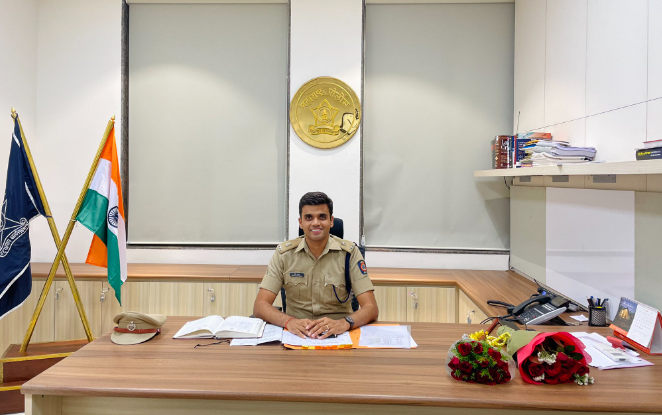
Cops to Go Digital with Wireless Network

The Nagpur Police Commissionerate is stepping into the future with a significant digital upgrade to its wireless network. This change aims to enhance communication, streamline operations, and ensure seamless connectivity across its expanded jurisdiction. This article delves into the details of this digital transformation, its necessity, and the anticipated benefits for modern policing.

Why the Digital Upgrade?

Growing Jurisdiction Requires Advanced Communication

With the inclusion of Hingna and Kamptee Police Stations, previously under Nagpur Rural Police, the Commissionerate’s jurisdiction has expanded considerably. This growth has stretched the capabilities of the existing analogue network, necessitating a more robust digital system.

Modern Policing Needs

The current network, while functional, has limitations that hinder efficient communication. Dr. Ashwini Patil, Deputy Commissioner of Police, Headquarters, Nagpur City Police, emphasized the need for an overhaul to keep pace with contemporary policing demands. The shift to a digital network is expected to eliminate these limitations and provide clear, reliable communication channels.

Key Features of the Digital Network Upgrade

Seamless Integration of Communication Channels

The upgraded digital communication system will integrate four crucial channels:

  1. General communication for officers
  2. Broadcasts
  3. Traffic control
  4. Bandobast operations

These channels will work in unison, ensuring uninterrupted communication across all operational aspects.

Inter-Connect Capability

The new system will leverage existing microwave links and MPLS VPN link (backup) to connect all repeaters in IP multi-site connect mode. This integration will extend coverage throughout the Nagpur Commissionerate, enhancing overall network reliability.

Roaming Feature for Walkie-Talkies

A significant feature of the upgrade is the activation of the roaming feature for walkie-talkies and SETs. This will enable seamless movement within the jurisdiction without the need to change channels, thereby ensuring constant communication.

Infrastructure Enhancements

New Antenna Installations

To support the digital upgrade, new 10b antennas will be installed at strategic locations:

  • Lakadganj
  • YCCE
  • Chinchbhavan
  • UOTC

Each site will have two units to manage communication traffic effectively.

Microwave Links

Microwave links will be established from Raj Bhavan to key locations including YCCE, Juni Kamthi, Lakadganj, Chinchbhavan, and UOTC. This will ensure comprehensive coverage of the entire Commissionerate.

Vehicle Antenna Upgrades

To extend the range of the police vehicles’ communication capabilities, 3 dB Magnetic Base Antennas will replace existing ones. This upgrade will ensure coverage across the entire policing area.

Implementation Strategy

Turn-Key Project Execution

The project is awarded on a turnkey basis. The successful bidder will be responsible for supplying the necessary materials, erecting equipment at strategic sites, and casting foundations for microwave towers and antennas.

Network Strengthening

Strengthening the network is a key focus. This includes addressing current black spots where signal drops disrupt communication. The comprehensive upgrade will ensure robust and reliable connectivity throughout the jurisdiction.

Timeline and Complexity

Dr. Patil acknowledges the complexity of the project and advises patience for its completion. The work involves laying new cabling to interconnect the microwave links with other antennas and repeaters, a task that requires meticulous planning and execution.

The digital upgrade of the Nagpur Police Commissionerate’s wireless network marks a significant step towards modernizing its communication infrastructure. This transformation will not only enhance operational efficiency but also ensure seamless and reliable communication across the expanded jurisdiction. As the project progresses, the Nagpur police force will be better equipped to meet the demands of contemporary policing.

  1. Why is the Nagpur Police Commissionerate upgrading its wireless network? The upgrade is necessary due to the expanded jurisdiction and the limitations of the current analogue system, which cannot meet the modern demands of policing.
  2. What are the key features of the new digital network? The new digital network will integrate four communication channels, provide inter-connect capability, and enable roaming features for walkie-talkies.
  3. How will the infrastructure be enhanced? New antennas will be installed at strategic locations, microwave links will be established, and vehicle antennas will be upgraded to extend communication range.
  4. What does the turn-key project execution involve? The project involves supplying materials, erecting equipment, and laying new cabling to ensure a robust and interconnected network.
  5. What is the expected timeline for the project completion? Due to the complexity of the project, a specific timeline is not provided, but patience is advised as meticulous planning and execution are required.

Waterlogging Triggers Jams: Traffic Police Remind NMC It’s Time to Act

Nagpur waterlogging solutions: Waterlogging during monsoon season has become a persistent issue in Nagpur, causing significant disruptions to traffic movement. Deputy Commissioner of Police (Traffic) Shashikant Satao has raised serious concerns over this matter in a letter to the Nagpur Municipal Corporation (NMC). This article delves into the areas affected, proposed solutions, and the collaborative efforts needed to tackle this pressing problem.

Impact of Waterlogging on Traffic

Severe Disruptions in Key Areas

Waterlogging has been a thorn in the side of Nagpur’s traffic management, especially during heavy rains. The deputy commissioner identified several critical spots where water accumulation leads to severe traffic disruptions. These include:

  • Loha Pul railway underbridge (RuB) at Manas Chowk
  • Dhantoli RuB on Mokshdham Road
  • Manish Nagar RuB
  • Narendra Nagar RuB
  • RuB near Gaddigodam gurdwara

List of Affected Underpasses

Other underpasses facing similar issues include Uppalwadi on Kamptee Road, Faras on Koradi Road near Shani Mandir, and Sonba railway crossing. These areas become particularly hazardous during the monsoon season.

NMC’s Role and Responsibilities

Need for Efficient Drainage Systems

The traffic police have emphasized the importance of a well-prepared and efficient drainage system. Regular cleaning and maintenance of drainage systems are crucial to prevent waterlogging. NMC needs to ensure these systems are functional, especially before the onset of the monsoon.

Installation of High-Capacity Water Pumps

Another immediate measure suggested is the installation of high-capacity water pumps at critical points. These pumps can quickly remove accumulated water, ensuring smoother traffic flow even during heavy rains.

Deployment of Emergency Response Teams

Having emergency response teams ready to clear waterlogged areas can significantly reduce traffic disruptions. These teams should be equipped to handle the situation swiftly and efficiently.

Long-Term Solutions

Improving Drainage Infrastructure

For a long-term solution, improving the city’s drainage infrastructure is essential. This involves upgrading existing systems and creating new ones, particularly in low-lying areas and underpasses prone to flooding.

Collaboration with Traffic Department

NMC can work closely with the traffic department and other relevant authorities to ensure a coordinated response to waterlogging incidents. Setting up a dedicated control room for real-time monitoring and resource dispatch can enhance the effectiveness of these efforts.

Public Awareness Campaigns

Educating Citizens

Public awareness campaigns can play a significant role in mitigating waterlogging issues. Educating citizens about the dangers of waterlogging and preventive measures, such as avoiding driving through waterlogged areas and maintaining safe speeds, can help reduce the impact on traffic.

Preparing for Possible Diversions

Informing the public about potential diversions and delays can help them plan their journeys better, reducing the overall strain on the traffic system.

Conclusion

Waterlogging during the monsoon season in Nagpur is a serious concern that requires immediate and long-term solutions. The collaborative efforts of the NMC, traffic department, and citizens are essential to mitigate this issue. With efficient drainage systems, emergency response measures, and public awareness, Nagpur can hope to see a significant reduction in traffic disruptions caused by waterlogging.

1. What are the main causes of waterlogging in Nagpur?

Waterlogging in Nagpur is primarily caused by inadequate drainage systems and heavy monsoon rains.

2. How can the public contribute to reducing waterlogging?

The public can help by avoiding littering, reporting clogged drains, and following traffic advisories during heavy rains.

3. What are the immediate measures suggested by the traffic police?

The traffic police have suggested regular cleaning of drainage systems, installation of high-capacity water pumps, and deployment of emergency response teams.

4. Why is collaboration between NMC and the traffic department important?

Collaboration ensures a coordinated and effective response to waterlogging incidents, reducing traffic disruptions and improving public safety.

5. How can long-term solutions help in managing waterlogging?

Long-term solutions like improving drainage infrastructure can provide a sustainable way to manage waterlogging, preventing recurrent issues during monsoons.

City Police & Parents Join Hands to Take Up Cudgels Against Drugs

Fight Against Drugs Nagpur: With a clear and resonant message, Commissioner of Police Ravinder Singal urged parents to engage in open and honest conversations with their children, educating them about the dangers of narcotics. Speaking at the awareness program ‘Fight Against Drugs’ organized by Nagpur Police at Chitnavis Centre, Singal emphasized the critical role parents play in combating drug abuse among youth.

The Role of Parents in Drug Prevention

Parents are the first line of defense against drug abuse. The extensive exposure children receive in this internet age can be detrimental due to negative influences. Honest and open dialogue between parents and children is essential to counter these threats.

The Internet Age: A Double-Edged Sword

The internet, while a valuable resource, can expose children to harmful content. Parents must monitor and guide their children’s online activities to prevent exposure to negative influences, including drug-related content.

The Rise of Vaping Among Youth

Singal highlighted the alarming rise in vaping among the youth. Parents are urged to actively discourage their children from engaging in such activities, which can be a gateway to more serious drug use.

Understanding the Dark Web

The dark web poses significant risks, offering easy access to illegal substances. Singal assured that the cyber cell is vigilantly monitoring these sites to protect the community.

The Drug Issue: A Nationwide Concern

Drawing from his experiences in Haryana, Singal noted that the drug problem is not limited to Punjab but has spread across the country. However, he remains optimistic, noting that the situation in Haryana is beginning to improve, offering hope for Nagpur.

Recent Operations and Success Stories

In a recent operation, Nagpur police arrested a criminal with 306 grams of narcotics valued at Rs 5,000 per gram. Along with the drugs, two pistols were seized, showcasing the police’s commitment to tackling this issue head-on.

Factors Contributing to Drug Abuse

Several factors contribute to the spread of drug abuse, including accessibility, financial means, and a lack of knowledge and information. Understanding these drivers is key to addressing the problem.

Accessibility and Financial Means

Easy access to drugs and the financial ability to purchase them are significant factors in the spread of drug abuse. Efforts must be made to limit accessibility and educate the youth on the financial pitfalls of drug use.

Lack of Knowledge and Information

A lack of awareness about the dangers of drug abuse contributes to its prevalence. Education and information dissemination are crucial in the fight against drugs.

Nagpur’s Strategic Location and Its Challenges

Nagpur’s central location, with extensive railway and bus connections to Hyderabad, Madhya Pradesh, and other parts of the country, facilitates the rapid movement of drugs. This geographic factor presents unique challenges in combating drug trafficking.

The Importance of Open Dialogue

Open dialogue between parents and children is essential in identifying and addressing drug-related issues early. Building a strong rapport can help children feel comfortable discussing their concerns and experiences.

Early Identification of Drug-Related Issues

Early identification of drug-related problems can prevent escalation. Parents and educators should be vigilant and proactive in recognizing the signs of drug abuse.

The Role of Police and Community in Combating Drug Abuse

The police are committed to helping individuals overcome drug-related challenges and breaking the drug supply chain. Singal emphasized the importance of community involvement in this effort.

Building Community Confidence

The police department aims to instill confidence in citizens to join the movement against drugs. The Good Samaritan law provides legal protection to those who assist in emergencies, encouraging community participation.

Breaking the Drug Supply Chain (Fight Against Drugs Nagpur)

Efforts to break the drug supply chain are crucial in reducing the availability of drugs. The police are dedicated to this mission, working tirelessly to intercept and dismantle drug trafficking networks.

Community Programs and Awareness Initiatives

Awareness programs and community initiatives play a vital role in educating the public about the dangers of drug abuse and the importance of prevention.

Educational Workshops and Seminars

Organizing workshops and seminars can provide valuable information and resources to parents, educators, and community members, empowering them to take action against drug abuse.

Collaboration with Schools and Colleges

Collaborating with educational institutions ensures that students receive consistent and accurate information about the dangers of drug use, promoting a drug-free environment.

  • What role do parents play in preventing drug abuse? Parents are crucial in monitoring their children’s activities, fostering open dialogue, and educating them about the dangers of drugs.
  • How can the internet influence drug abuse among youth? The internet can expose youth to harmful content, including drug-related information, making parental supervision essential.
  • What are the common signs of drug abuse in teenagers? Common signs include sudden behavioral changes, withdrawal from social activities, and unexplained financial issues.
  • How does Nagpur’s location affect drug trafficking? Nagpur’s central location with extensive transport connections facilitates the rapid movement of drugs, posing unique challenges.
  • What is the Good Samaritan law, and how does it help in the fight against drugs? The Good Samaritan law provides legal protection to those who assist in emergencies, encouraging community involvement in drug prevention efforts.

Graduates, Post-grads, Transgenders Apply for 347 Posts of Police Constables

Police Constable Recruitment Nagpur: The Nagpur Police Commissionerate has announced a recruitment drive for 347 posts of constables, receiving an overwhelming 29,987 applications. The recruitment process, set to begin on June 19, 2024, at the Police Headquarters in Takli, has seen applications from a diverse pool of candidates, including 7,713 women and five transgender individuals. This article explores the details of this extensive recruitment drive, shedding light on the inclusive approach and meticulous planning involved.

Understanding the Recruitment Drive

Huge Turnout for Police Constable Positions

The sheer volume of applications for the 347 police constable positions highlights the enthusiasm and readiness of candidates to join the police force. With graduates and post-graduates forming the bulk of the applicants, the competition promises to be fierce.

Biometric Screening for Authenticity

To ensure the integrity of the recruitment process, biometric details of each candidate are being recorded. This measure aims to prevent impersonation during the written and physical tests, ensuring a fair selection process.

Vigilance Against Unfair Practices

The police units are on high alert to detect and deter any unfair means. Officers are instructed to be extra vigilant during the physical fitness and written exams. Additionally, the Anti-Corruption Bureau is actively monitoring the process to maintain transparency and fairness.

The Role of Key Officials

Commissioner of Police and Joint Commissioner’s Roles (Police Constable Recruitment Nagpur)

Commissioner of Police Dr. Ravinder Singal and Joint Commissioner of Police Aswati Dorje are at the helm of this massive recruitment drive. Their leadership is crucial in overseeing the entire process, ensuring that it runs smoothly and efficiently.

Additional CP and Recruitment of Jail Sepoys

Additional CP (Crime) Sanjay Patil is responsible for the recruitment of jail sepoys. With 55,297 applications for 252 sepoy posts at Nagpur Central Jail, including 15,618 from women and five from transgender individuals, this segment of the recruitment is equally significant. The drive for these posts will commence on July 11 and continue until August 17.

Ensuring Security and Transparency

Extensive CCTV Surveillance

To maintain a transparent and secure environment, more than 250 CCTV cameras will be installed to monitor the recruitment process. This extensive surveillance aims to deter and detect any misconduct, ensuring a smooth operation.

Deployment of Police Personnel

A substantial number of police personnel, including two deputy commissioners, three assistant commissioners, 46 police inspectors, assistant police inspectors, and 261 constables, will be deployed. This deployment ensures that the recruitment drive is well-managed and that any issues are promptly addressed.

Inclusive Approach in Recruitment

Encouraging Diversity

The inclusion of transgender individuals in the recruitment process marks a significant step towards diversity and inclusion within the police force. This move not only provides equal opportunities but also enriches the force with varied perspectives and experiences.

Opportunities for Women

With a notable number of women applicants, the recruitment drive underscores the growing interest and participation of women in law enforcement. This trend is encouraging for the future of gender diversity in the police force.

Preparation and Participation

Physical and Written Exams

Candidates are required to undergo rigorous physical and written exams. These tests are designed to assess their physical fitness and academic knowledge, ensuring that only the most capable individuals are selected.

Role of ACP (Headquarters)

The ACP (Headquarters) serves as the nodal officer, coordinating various aspects of the recruitment process. This role is pivotal in ensuring that the process is seamless and that all logistical aspects are handled efficiently.

Community and Family Considerations

Avoiding Conflicts of Interest

To avoid any potential conflicts of interest, police personnel with family members, relatives, or close friends applying for the posts have been kept away from the recruitment drive. This measure ensures impartiality and fairness.

Engaging the Community

The recruitment drive has garnered significant interest from the community, reflecting the respect and aspiration the public holds for the police force. This engagement is vital for building trust and cooperation between the police and the community.

Technical and Logistical Aspects

Advanced Biometric Systems

The use of advanced biometric systems exemplifies the commitment to a transparent and tamper-proof recruitment process. These systems are essential in maintaining the integrity of the exams and selections.

Effective Communication Channels

Clear and effective communication channels have been established to keep all stakeholders informed. This includes updates on the recruitment stages, exam schedules, and any changes in procedures.

Challenges and Solutions

Managing High Application Volumes

Handling the high volume of applications is a significant challenge. However, meticulous planning and efficient resource allocation have been implemented to manage this effectively.

Ensuring Fairness and Transparency

Ensuring fairness and transparency remains a top priority. Continuous monitoring and the involvement of multiple oversight bodies help in maintaining the highest standards.

The Nagpur Police Commissionerate’s recruitment drive for 347 police constable posts is a monumental task, reflecting the aspirations of thousands of candidates. With a robust system in place, led by dedicated officials and supported by advanced technology, the process aims to be fair, transparent, and inclusive. The inclusion of diverse candidates, including women and transgender individuals, marks a progressive step towards a more representative police force.

1. What measures are in place to ensure a fair recruitment process?

The recruitment process includes biometric screenings, extensive CCTV surveillance, and active monitoring by the Anti-Corruption Bureau to ensure fairness and transparency.

2. How many applications were received for the police constable positions?

The Nagpur Police Commissionerate received 29,987 applications for 347 police constable positions.

3. When does the recruitment drive start?

The recruitment drive for police constables starts on June 19, 2024, and for jail sepoys, it begins on July 11, 2024.

4. How are conflicts of interest being avoided?

Police personnel with family members, relatives, or close friends applying for the posts are kept away from the recruitment process to ensure impartiality.

5. What is the significance of including transgender individuals in the recruitment?

Including transgender individuals promotes diversity and inclusion within the police force, providing equal opportunities and enriching the force with varied perspectives.

Look Out Circular Against Ritika Malu

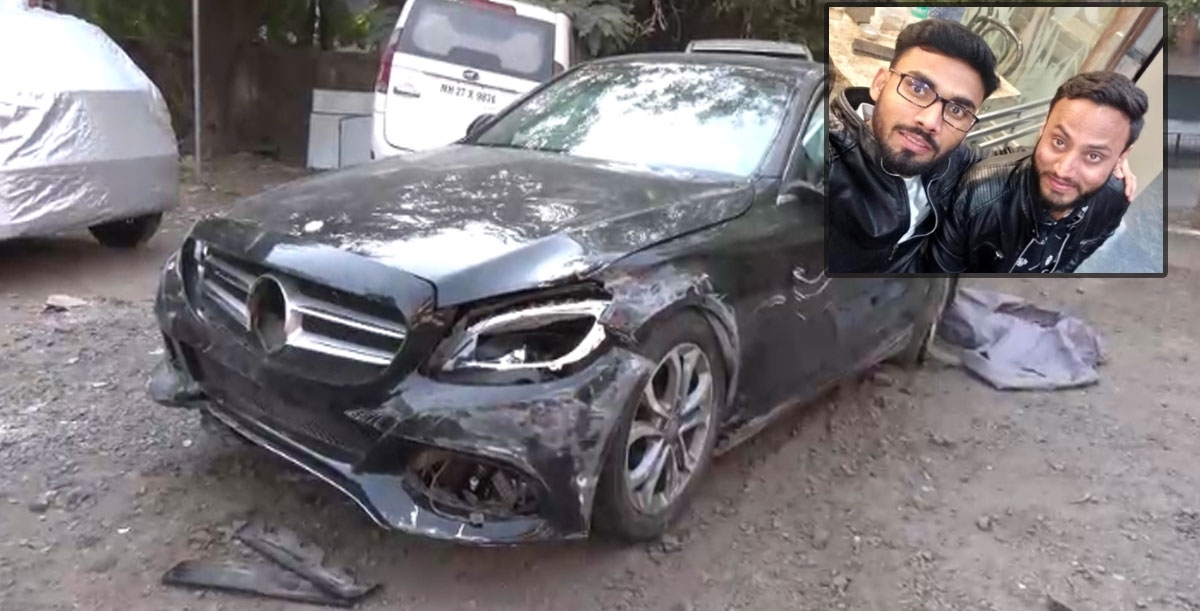
fatal accident Ram Jhula: The City Police have issued a Look Out Circular (LoC) against Ritika, also known as Ritu Dinesh Malu (39), who is accused of causing a fatal accident while driving a Mercedes car on Ram Jhula on February 24 of this year. The proposal for the LoC was submitted by Deputy Commissioner of Police (DCP) Zone III, Gorakh Bhamre, to the Immigration Department, which issued the LoC on Saturday.

Background of the Incident

The Fatal Accident

Ritika Malu, a resident of Deshpande Lay-out, is accused of driving recklessly and causing the deaths of two individuals, Mohd Hussain Gulam Mustafa (34), a resident of Naal Sahab Square, Mominpura, and his friend Mohd Atif Mohd Jiya (32), residing in Jafar Nagar, on the night of February 24. Following the accident, Ritika and her companion, Madhuri Shishir Sarda (37), a resident of Wardhaman Nagar, fled the scene.

Immediate Aftermath

Despite fleeing the scene, Ritika and Madhuri later surrendered to the police and admitted their involvement in the incident. The Tehsil police registered a case under Sections 279, 338, and 304 (a) of the Indian Penal Code, along with Section 184 of the Motor Vehicle Act. However, Ritika’s evasion of the police following the accident and court order prompted the issuance of the LoC.

Issuance of the Look Out Circular

DCP Gorakh Bhamre stated that the LoC was issued against Malu because she had been evading the police even after a court order. The LoC serves as an alert to immigration authorities to prevent Malu from leaving the country, ensuring she faces legal proceedings for her alleged crimes.

Court Orders and Police Custody

The police seek custody of Malu to determine who aided her after the accident, as she was absconding for three hours. This period is crucial for the investigation, as it may reveal additional parties involved in aiding her evasion.

Medical Examination

Following her surrender, Ritika underwent a medical examination, which revealed the presence of 0.030 ml of alcohol in her blood. She had consumed the alcohol during a dinner at CP Club, which further complicates her legal standing in the case.

Impact on the Victims’ Families

Loss and Grief

The tragic loss of Mohd Hussain Gulam Mustafa and Mohd Atif Mohd Jiya has left their families devastated. The families are seeking justice for their loved ones, hoping that the legal system will hold Ritika accountable for her actions.

Public Outcry

The incident has sparked public outrage, with many calling for stricter enforcement of traffic laws and harsher penalties for reckless driving. The community is rallying behind the victims’ families, demanding justice and accountability.

Understanding the Look Out Circular

What is a Look Out Circular?

A Look Out Circular is a directive used by law enforcement agencies to monitor and control the movement of individuals who are required by the police or court in a legal matter. It is particularly effective in preventing absconding individuals from leaving the country.

Purpose of the LoC Against Ritika Malu

In this case, the LoC against Ritika Malu ensures she cannot flee the country, thereby avoiding legal consequences for the fatal accident. It is a crucial step in ensuring that justice is served for the victims and their families.

Sections of the Indian Penal Code

Ritika Malu has been charged under several sections of the Indian Penal Code:

  • Section 279: Rash driving or riding on a public way.
  • Section 338: Causing grievous hurt by an act endangering life or personal safety of others.
  • Section 304 (a): Causing death by negligence.

Motor Vehicle Act Violation

In addition to the IPC sections, Ritika is also charged under Section 184 of the Motor Vehicle Act, which deals with driving dangerously or recklessly.

Potential Consequences

If found guilty, Ritika could face severe penalties, including imprisonment and fines. The legal proceedings will determine the extent of her culpability and the appropriate punishment.

Public and Media Reaction

Media Coverage

The case (fatal accident Ram Jhula) has garnered significant media attention, highlighting issues of road safety and the consequences of reckless driving. News outlets are closely following the developments, providing updates on the legal proceedings and public reaction.

Public Sentiment

Public sentiment is largely in favor of stringent action against Ritika Malu. Social media platforms are abuzz with discussions about the case, with many expressing their support for the victims’ families and calling for justice.

Role of the Police and Judicial System

Police Investigation

The police are conducting a thorough investigation to gather all the evidence needed to build a strong case against Ritika Malu. They are also looking into who might have helped her evade the police initially.

Judicial Proceedings

The judicial system will play a crucial role in ensuring a fair trial and delivering justice. The court’s decisions will be based on the evidence presented and the testimonies of those involved.

Societal Implications

Need for Stricter Traffic Laws

The incident has highlighted the need for stricter traffic laws and better enforcement. Many believe that harsher penalties for reckless driving could deter such behavior and save lives.

Awareness and Education (fatal accident Ram Jhula)

There is also a growing call for increased awareness and education about road safety. Educational campaigns could play a significant role in preventing similar incidents in the future.

The Look Out Circular against Ritika Malu is a crucial step in ensuring justice for the victims of the fatal accident. As the legal proceedings unfold, it is imperative that the judicial system upholds the law and delivers a fair verdict. The case serves as a stark reminder of the consequences of reckless driving and the importance of road safety.

1. What is a Look Out Circular (LoC)?

A Look Out Circular (LoC) is a directive issued by law enforcement agencies to prevent individuals required in legal matters from leaving the country.

2. Why was the LoC issued against Ritika Malu?

The LoC was issued against Ritika Malu because she had been evading the police even after a court order, and to ensure she faces legal proceedings for the fatal accident she is accused of causing.

3. What charges has Ritika Malu been charged with?

Ritika Malu has been charged under Sections 279, 338, and 304 (a) of the Indian Penal Code, along with Section 184 of the Motor Vehicle Act.

4. What was the result of Ritika Malu’s medical examination?

The medical examination revealed the presence of 0.030 ml of alcohol in Ritika Malu’s blood, which she had consumed during a dinner at CP Club.

5. How has the public reacted to the incident?

The public has reacted with outrage, calling for stricter traffic laws and harsher penalties for reckless driving. There is significant support for the victims’ families and a demand for justice.

Nagpur: The Sessions Court’s Rejection of Ritika Maloo’s Pre-Arrest Bail in the Ram Jhula Accident Case

Ram Jhula Accident Case | Nagpur Sessions Court: The recent decision by the Nagpur Sessions Court to reject the pre-arrest bail application of Ritika Maloo has sparked significant attention. The court’s strong observations highlighted the gravity of the alleged offence, shedding light on the intricacies of the case and the legal proceedings that followed.

The Ram Jhula Accident: A Brief Overview

On the day of the incident, Ritika Maloo was involved in a tragic accident at Ram Jhula, Nagpur. The accident resulted in the loss of life, bringing forth severe charges against Maloo.

Details of the Accident

According to the police, Ritika Maloo was driving her car (No. MH49/AS-6111) at a high speed in a rash and negligent manner. The vehicle reportedly collided with pedestrians, leading to fatal consequences.

Charges Filed

Ritika was arrested under Section 304 of the Indian Penal Code (IPC), which pertains to causing death due to negligence. Other charges included rash driving and driving under the influence of alcohol.

Initial Arrest and Bail

Despite being a bailable offence, the gravity of the situation prompted the Tehsil police to take swift action, arresting Ritika on the same day. However, she sought anticipatory bail to avoid re-arrest.

Court’s Strong Observations

Prima Facie Evidence

The Sessions Court, while rejecting the anticipatory bail, made strong observations. It stated that Ritika drove in a high-speed, rash, and negligent manner without considering the road conditions, under the influence of alcohol.

Consideration of Circumstances

The court emphasized that Ritika, being intoxicated, should have been aware that her actions could result in an accident, potentially causing death or injuries.

Rejection of Bail

Given the severity of the alleged offence, the court deemed it unjust and improper to grant anticipatory bail to Ritika Maloo at this stage.

Tehsil Police’s Next Steps

Approaching JMFC Court

Following the rejection of the anticipatory bail, the Tehsil police plan to approach the Judicial Magistrate First Class (JMFC) court to seek an order for Ritika’s re-arrest.

Withdrawal of Revision Petition

The police also intend to request permission from the Sessions Court to withdraw a revision petition previously filed against the JMFC’s order.

Impact on Ritika Maloo

The rejection of bail significantly impacts Ritika’s legal standing. She is required to surrender before the JMFC court and seek fresh bail.

Public and Media Response

The case has garnered widespread media coverage and public interest, highlighting issues related to road safety and the legal system’s handling of such incidents.

Expert Opinions

Legal experts have weighed in on the court’s decision, noting the importance of adhering to legal guidelines and ensuring justice is served.

Supreme Court Guidelines

The decision aligns with the Supreme Court’s guidelines on handling cases involving severe negligence and accidents under the influence of alcohol.

The Nagpur Sessions Court’s rejection of Ritika Maloo’s pre-arrest bail in the Ram Jhula accident case underscores the seriousness of the charges against her. The court’s observations and subsequent legal actions reflect a stringent approach to addressing negligence and ensuring accountability.

  1. What charges were filed against Ritika Maloo?
    • Ritika Maloo was charged under Section 304 of IPC for causing death due to negligence, among other charges like rash driving and driving under the influence of alcohol.
  2. Why did the court reject Ritika’s anticipatory bail?
    • The court rejected the bail due to the severity of the alleged offence, noting her high-speed, negligent driving under the influence of alcohol.
  3. What are the next steps for the Tehsil police?
  4. How does this case align with Supreme Court guidelines?
    • The case follows Supreme Court guidelines on handling severe negligence and intoxication-related accidents.
  5. What is the public reaction to the case?
    • The case has drawn significant media attention and public interest, focusing on road safety and the legal proceedings involved.

DCPs Go Undercover, Find Violations Galore at Pubs

Nagpur Police Crack Down on Pub Violations: A Deep Dive

Pub violations: In an effort to ensure public safety and adherence to legal norms, Nagpur police officers, including deputy commissioners and assistant commissioners, went undercover on a Saturday night to investigate several pubs and lounges in the city. This covert operation, inspired by the recent Pune Porsche accident case, revealed numerous violations, including the illegal serving of liquor and hookah to minors. The operation’s findings are expected to lead to significant repercussions for the establishments involved.

The Undercover Operation

Initiation and Objectives (Pub violations)

The undercover operation was initiated to uncover violations related to safety and licensing norms at various pubs and lounges. Senior officers disguised as customers aimed to gather concrete evidence to present to Commissioner of Police (CP) Ravinder Singal.

Methods and Tactics

To blend in, the officers drove private vehicles, paid entry charges, and mingled with weekend revelers. They also collected evidence from parking lots, adding to the comprehensive nature of the investigation.

Findings of the Operation

Minors Served Alcohol and Hookah

One of the most alarming discoveries was that some establishments were serving alcohol and hookah to minors without verifying their ages. This practice poses severe risks to young individuals and is a blatant violation of legal norms.

Lack of Age Verification

Despite regulations requiring age verification before serving alcohol, many pubs and lounges failed to adhere to this rule. This negligence has significant legal and ethical implications.

Concealment of Illegal Activities

To evade detection during police raids, several establishments had watchers and CCTV cameras at entry and exit points. These measures allowed them to quickly hide hookah pots and other illegal items when alerted to police presence.

Ignoring Licensing Norms

Many of the inspected pubs and lounges were found to be ignoring licensing norms. Such disregard not only undermines regulatory authority but also jeopardises the safety and well-being of patrons.

Inadequate Safety Measures

The investigation revealed that safety measures, such as the installation of CCTV cameras, were either inadequate or non-existent in some places. Proper surveillance is crucial for maintaining order and ensuring patron safety.

Impact of the Pune Porsche Accident Case

A Wake-Up Call

The Pune Porsche accident case, where a teenager, after leaving a pub, caused a fatal accident, served as a catalyst for the undercover operation. It highlighted the need for stricter enforcement of existing laws and better monitoring of establishments serving alcohol.

Deputy Chief Minister’s Response

Deputy Chief Minister Devendra Fadnavis emphasised the importance of age verification and the installation of CCTV cameras to prevent such tragedies. His statements underscored the urgency of the Nagpur police’s undercover operation.

Consequences for Violating Establishments

The collected evidence will be presented in court and to revenue authorities, with recommendations for cancelling the licences of the violating establishments. This action aims to enforce accountability and ensure compliance with legal standards.

Long-Term Plans for Regulation

CP Ravinder Singal mentioned that a long-term plan is being developed to regulate pubs and lounges more effectively. This plan will likely include periodic inspections and stricter enforcement of licensing and safety norms.

Public Reaction and Future Implications

Public Support

The undercover operation has garnered significant public support. Citizens appreciate the police’s proactive approach to ensuring safety and upholding the law.

Implications for Other Cities

Nagpur’s initiative could serve as a model for other cities facing similar issues. By demonstrating the effectiveness of undercover operations, it sets a precedent for enhanced regulatory measures nationwide.

The undercover operation by Nagpur police has exposed serious violations in the city’s pubs and lounges, particularly concerning the serving of alcohol and hookah to minors. The evidence gathered is set to lead to legal actions, including the cancellation of licences for the offending establishments. This operation not only underscores the importance of regulatory compliance but also highlights the need for continued vigilance to ensure public safety.

FAQs

1. What prompted the Nagpur police to go undercover?

The undercover operation was inspired by the Pune Porsche accident case, which highlighted severe safety and regulatory lapses in pubs and lounges.

2. What violations did the undercover officers find?

The officers found several violations, including the serving of alcohol and hookah to minors and a lack of proper age verification and safety measures.

3. What will happen to the establishments that violated regulations?

The evidence will be presented to court and revenue authorities, with recommendations to cancel the licences of the violating establishments.

4. How did the pubs and lounges try to evade detection?

Many establishments had watchers and CCTV cameras at entry and exit points to alert them to police presence, allowing them to quickly hide illegal items.

5. What long-term measures are being planned by the Nagpur police?

A long-term plan is being developed to regulate pubs and lounges more effectively, including periodic inspections and stricter enforcement of safety and licensing norms.

No More Cheers to Minors: CP Orders City Pubs & Bars

CP orders city pubs bars: Nagpur’s pubs and bars are under scrutiny following reports of alcohol being served to minors. The Police Commissioner, Ravinder Singal, has announced strict measures to ensure compliance with the law. This move follows a tragic incident in Pune where a minor, driving a Porsche, caused a fatal accident. This article delves into the details of the new regulations and their implications.

The Incident That Sparked Change

The Pune Tragedy

The catalyst for the crackdown was a horrific accident in Pune. A minor, driving a high-end Porsche, collided with a motorcycle, resulting in the deaths of two tech professionals. This incident not only highlighted the dangers of underage driving but also brought attention to the issue of minors accessing alcohol.

Public Outrage and Government Response

The accident led to widespread outrage and prompted Deputy Chief Minister Devendra Fadnavis to intervene. The gravity of the situation necessitated immediate action to prevent further such tragedies.

CP’s Directive to Pubs and Bars

Strict Warnings and Potential Actions

Police Commissioner Ravinder Singal (CP orders city pubs bars) has issued stern warnings to pubs and bars regarding the sale of alcohol to minors. Establishments found violating these regulations may face severe consequences, including the revocation of their operating licenses.

Mandatory Precautionary Measures

Singal emphasized the need for pub and bar owners to adhere to strict guidelines. These include verifying the age of patrons and implementing measures to ensure that intoxicated individuals do not drive. A notification has been issued making it mandatory to alert the police about any suspicious activities.

Ensuring Responsible Operation

Collaboration with Civic Bodies

The CP plans to collaborate with various agencies to gather information on pubs and lounges. This includes ensuring compliance with parking regulations and emergency exit protocols.

Public Responsibility and Reporting

Patrons are encouraged to report any unusual activities or violations they observe in these establishments. This collective effort aims to create a safer environment for everyone.

Holding Parents Accountable

The law clearly states that parents will be held liable if their minor children are caught driving. This measure aims to prevent accidents by emphasizing the responsibility of parents to ensure their children do not engage in illegal activities.

Strict Penalties for Violations

Parents of minors found driving will face severe legal consequences, including prosecution and punishment if accidents occur. This serves as a deterrent to prevent underage driving and its associated risks.

Community Involvement and Vigilance

Role of the Community

The community plays a vital role in ensuring the effectiveness of these regulations. By staying vigilant and reporting any breaches, residents can contribute to a safer city environment.

Creating Awareness

Public awareness campaigns can help educate both parents and minors about the dangers of underage drinking and driving. These initiatives are crucial for long-term change.

Impact on Pub and Bar Operations

Adjusting Business Practices

Pubs and bars need to adjust their business practices to comply with the new regulations. This includes implementing stricter age verification processes and ensuring responsible service of alcohol.

Potential Economic Impact

While these measures may initially impact business, the long-term benefits of a safer community outweigh the temporary inconvenience. Establishments that comply with the regulations will likely gain a positive reputation.

The crackdown on serving alcohol to minors in Nagpur’s pubs and bars is a necessary step to ensure public safety. By holding both establishments and parents accountable, the city aims to prevent future tragedies and create a safer environment for all residents.

1. What prompted the new regulations on pubs and bars in Nagpur?

The new regulations were prompted by a tragic accident in Pune involving a minor driving a Porsche, which resulted in the deaths of two tech professionals.

2. What actions can be taken against pubs and bars serving alcohol to minors?

Establishments found serving alcohol to minors may face severe consequences, including the revocation of their operating licenses.

3. How can patrons contribute to ensuring compliance in pubs and bars?

Patrons can contribute by reporting any suspicious activities or violations they observe to the police.

Parents of minors caught driving will face prosecution and strict legal penalties if accidents occur.

5. What steps can pubs and bars take to comply with the new regulations?

Pubs and bars can implement stricter age verification processes, ensure responsible service of alcohol, and report any unusual activities to the police.

No Honking Campaign from Today: Commissioner Police Issued a Warning

No Honking Campaign Beginning today, the Nagpur city police are launching a targeted initiative to tackle the persistent issue of excessive honking on urban roads. This effort aims to both educate and enforce adherence to noise regulations.

Campaign Overview and Goals

Commissioner of Police Dr. Ravinder Singal has drawn attention to the significant disruption caused by incessant vehicle horn honking, contributing to heightened stress levels and increased noise pollution throughout Nagpur’s bustling thoroughfares. Dr. Singal stressed the necessity of adhering to noise level standards established by the Supreme Court, which dictate limits of 45 decibels for residential zones and 55 decibels for commercial areas. However, frequent honking has led to noise levels consistently surpassing these thresholds.

Phase One: Awareness and Prevention

The initial phase of the campaign will involve senior police personnel stationed at strategic points across the city, commencing this Monday. They will actively encourage citizens to minimize unnecessary honking, particularly in sensitive locales such as hospitals and educational institutions. Dr. Singal (Nagpur Police) emphasized, “The incessant use of horns, particularly in sensitive areas, is cause for concern,” underscoring the importance of fostering responsible behaviour among drivers.

Educating the Public

Police officers will distribute pamphlets and conduct briefings at major traffic intersections, aiming to raise awareness about the detrimental effects of noise pollution. This initiative is crucial for informing the public about the health risks associated with high noise levels, such as hearing loss, hypertension, and sleep disturbances.

Strategic Signage Installation

In addition to on-ground activities, strategic signage will be installed throughout the city to remind drivers of the noise regulations and encourage compliance. These signs will be particularly prominent around schools, hospitals, and residential areas.

Phase Two: Enforcement and Penalties

Implementing Penalties

As the campaign progresses, the focus will shift towards stricter enforcement. Drivers caught honking unnecessarily will face fines and other penalties. This step aims to reinforce the message that noise pollution is a serious issue with tangible consequences.

Crackdown on DJs

Additionally, the campaign incorporates rigorous measures targeting DJs operating sound systems at events and gatherings. Numerous instances have surfaced where DJs flout Supreme Court directives by playing excessively loud music at venues like lawns and wedding halls, posing a threat to public health. Police (Nagpur Police) will confiscate equipment from DJs found violating regulations.

Regular Monitoring

Police units will employ sound level meters to regularly monitor noise levels in various parts of the city. This data will help identify hotspots where honking and other sources of noise pollution are most prevalent, allowing for targeted interventions.

The Impact of Noise Pollution

Health Implications

Excessive noise, such as persistent honking, has been linked to a range of health problems. Chronic exposure to high noise levels can lead to hearing impairment, cardiovascular issues, and elevated stress levels. Reducing honking is not just about reducing annoyance; it’s about safeguarding public health.

Environmental Consequences

Noise pollution also affects urban wildlife. Birds and other animals rely on sound for communication, navigation, and mating. Excessive noise can disrupt these activities, leading to negative impacts on local ecosystems.

The Role of the Community

Citizen Participation

For the campaign to succeed, active participation from the community is essential. Residents are encouraged to report instances of excessive honking and noise pollution to the police (Nagpur Police). This collaborative approach ensures that everyone plays a role in creating a quieter, more peaceful city.

Support from Local Businesses

Local businesses, especially those near high-traffic areas, can support the campaign by displaying educational materials and promoting noise reduction practices among their customers. This partnership helps amplify the campaign’s message and reach a broader audience.

Success Stories from Other Cities

Mumbai’s Quiet Zones

Mumbai successfully implemented ‘quiet zones’ around hospitals and educational institutions, resulting in a noticeable decrease in noise pollution. These zones were marked with clear signage and strictly enforced, serving as a model for Nagpur’s initiative.

International Examples

Cities like New York and London have also launched successful anti-honking campaigns. These cities employed a mix of public awareness efforts and stringent enforcement, leading to significant reductions in noise pollution and improved quality of life for residents.

The No Honking Campaign in Nagpur is a vital step towards creating a quieter, healthier, and more livable city. By focusing on both education and enforcement, the campaign aims to reduce the harmful impacts of noise pollution. Community involvement and strict adherence to regulations will be crucial in ensuring the campaign’s success.

1. Why is the No Honking Campaign important?

The campaign addresses the serious issue of noise pollution, which affects public health and quality of life. Reducing honking can lead to lower stress levels, fewer health problems, and a more peaceful environment.

2. What penalties will be imposed for unnecessary honking?

Drivers caught honking unnecessarily will face fines and other penalties. The specifics of these penalties will be enforced by the police to ensure compliance.

3. How can residents report noise pollution?

Residents can report instances of excessive honking and other noise pollution to the local police via dedicated helplines or online portals set up for this purpose.

4. What areas are considered sensitive zones?

Sensitive zones include areas around hospitals, schools, and residential neighborhoods where noise pollution can have the most detrimental impact on health and wellbeing.

5. How can local businesses support the campaign?

Local businesses can support the campaign by displaying educational materials about the dangers of noise pollution and encouraging their customers to minimize honking.

CP Wants Defunct CCTVs Restored: A Crucial Step for City Safety

The Challenge of Dysfunctional CCTVs in Nagpur

Security | Surveillance: In Nagpur, the heart of Maharashtra, the reliability of public safety infrastructure is under scrutiny. With reports indicating that between 650 to 700 public CCTV cameras are dysfunctional, the city’s police department faces a critical challenge. CP Ravinder Singal, recognizing the pivotal role of these cameras in crime prevention, detection, and traffic management, recently chaired a review meeting to address this issue.

Dependence on CCTV (Surveillance) Networks

The city police heavily rely on the extensive CCTV camera networks to maintain law and order. CP Singal emphasized the importance of these cameras, highlighting their indispensable role in enhancing policing strategies. However, the effectiveness of these systems has been compromised due to various factors, including ongoing civic construction projects that have disrupted cabling and connectivity.

Urgent Need for Restoration and Expansion

Acknowledging the urgency of the situation, CP Singal urged concerned agencies to prioritize the restoration of defunct cameras. Additionally, he advocated for the installation of 900 more cameras at strategic locations across the city. This proactive approach aims to bolster the surveillance infrastructure and strengthen the city’s ability to combat crime effectively.

Leveraging Technology for Enhanced Security

CP Singal underscored the significance of CCTV networks in criminal investigations, citing the case of Vinay Poonekar’s murder earlier this year. He mentioned the pursuit of fugitive shooter Hemant Shukla, highlighting the challenges posed by individuals adept at evading law enforcement. Despite Shukla’s efforts to evade capture, the police remain steadfast in their pursuit, leveraging technology and expertise to apprehend him.

Ensuring the functionality of CCTV cameras is paramount for safeguarding public safety in Nagpur. CP Singal’s proactive approach demonstrates a commitment to leveraging technology and collaboration to address emerging security challenges effectively.

1. How many CCTV cameras are dysfunctional in Nagpur?

  • Approximately 650 to 700 public CCTV cameras are reported to be dysfunctional in the city.

2. What steps are being taken to address this issue?

  • CP Ravinder Singal has chaired a review meeting and urged concerned agencies to prioritize the restoration of defunct cameras.

3. Why are CCTV cameras crucial for city safety?

  • CCTV cameras play a vital role in crime prevention, detection, and traffic management, enhancing overall public safety.

4. Are there plans to expand the CCTV network?

  • Yes, CP Singal has advocated for the installation of 900 additional cameras at strategic locations across Nagpur.

5. How are the police leveraging technology in criminal investigations?

  • The police are utilizing CCTV footage and other technological tools to track and apprehend criminals, exemplified by the pursuit of fugitive shooter Hemant Shukla.
Exit mobile version