Polio Vaccine Drive for Young Hearts on Mar 3

In a significant move, Nagpur gears up for the National Pulse Polio Vaccination Campaign scheduled for March 3. The Nagpur Municipal Corporation (NMC) is fervently calling upon all parents to prioritize their responsibility by ensuring that children under 5 receive their essential polio vaccine dose on this crucial day.

The Vital Role of NMC

NMC’s Urgent Plea: A heartfelt appeal to parents to partake in this civic mission for the well-being of their little ones.

Strategic Booth Placement: Designated booths, strategically positioned, promise accessibility for parents from 8 am to 5 pm, making the vaccination process convenient and hassle-free.

Mobile Units on the Move: To leave no stone unturned, mobile teams are set to cover diverse locations like temples, mosques, malls, railway stations, and high-risk zones. The goal is clear: ensuring every child, irrespective of their location, is safeguarded.

NMC’s Comprehensive Measures

All-Encompassing Vaccination Drive: NMC doesn’t just aim for coverage; it strives for inclusivity. Various locations, diverse teams, and a meticulous plan ensure a comprehensive vaccination drive.

Focused Outreach: Beyond booths, NMC’s mobile teams reach the heart of communities, guaranteeing even the most remote corners receive the protective shield of the polio vaccine.

Commitment to Zero Missed Cases: NMC’s commitment echoes through its strategy – zero missed cases. The mobilization of teams to temples, mosques, malls, railway stations, and high-risk areas underscores their dedication.

Polio Vaccine for Under-5 Kids on Mar 3

A Day of Protection: March 3 is not just a date; it’s a day dedicated to shielding the future. Parents, mark your calendars to ensure your little ones under 5 are fortified against polio.

The Power of Timely Vaccination: Early vaccination is a potent armor. On Mar 3, NMC stands united with parents, aiming to create a formidable defense against polio for the youngest members of our society.

Frequently Asked Questions (FAQs)

1. Why is the Polio Vaccine Important for Under-5 Kids?

Answer: The polio vaccine is a crucial shield, guarding young children against the debilitating effects of polio, ensuring a healthy and robust future.

2. How Can Parents Locate Designated Vaccination Booths?

Answer: NMC provides an easily accessible list of booth locations on its official website and through community outreach programs.

3. What if a Child Misses the March 3 Drive?

Answer: NMC emphasizes the importance of timely vaccination but assures parents that alternate arrangements can be made at local healthcare centers.

4. Are Mobile Teams Equipped to Handle High-Risk Areas?

Answer: Absolutely. NMC’s mobile teams are trained and equipped to navigate high-risk areas, ensuring no child is left unprotected.

5. Is the Polio Vaccine Safe for Every Child?

Answer: Yes, extensive research and stringent safety measures ensure the polio vaccine’s safety for all eligible children.

6. How Does NMC Ensure Comprehensive Coverage?

Answer: Through meticulous planning, strategic booth placement, and mobile teams covering diverse locations, NMC leaves no corner untouched in its mission for comprehensive vaccination.

In the grand symphony of health initiatives, the National Pulse Polio Vaccination Campaign orchestrated by NMC stands out as a crucial melody, ensuring the well-being of our youngest generation. March 3 is not just a date on the calendar; it’s a day of protection, a day when communities unite to shield the under-5s from the threat of polio. Let’s stand together, embrace the vaccine, and secure a healthier tomorrow.

8.4km Nag River Retaining Wall: A Monsoon Preparedness Saga

The Nagpur Municipal Corporation (NMC) is gearing up for a Herculean task with just three months remaining before the monsoon hits. Their mission: to construct over 8km of retaining walls along the Nag, Pili, and Pora rivers, as well as nullahs across the city. This initiative aims to prevent a recurrence of last year’s devastating floods. Armed with a special Rs204 crore grant, the NMC is determined to safeguard its residents from the looming monsoon threat.

The Financial Landscape

NMC Chief Engineer Rajiv Gaikwad reveals that out of the allocated Rs204 crore, a substantial Rs163.23 crore will be dedicated to mending the damaged retaining walls. These structures play a crucial role in averting floods from rivers and nullahs within the corporation limits. Gaikwad emphasizes that the primary focus will be on commencing the construction from the Ambazari overflow point to Dhiran Kanya School at Dhantoli on Wardha Road.

Survey Findings: A Blueprint for Action

The NMC’s Public Works Department survey identified damaged walls at 36 different locations that contributed to flooding. Particularly, the compromised retaining walls from the starting point of Nag River near Ambazari Lake wreaked havoc in localities such as Corporation Colony, Daga Layout, Ambazari Layout, Purohit Layout, Kasturba Layout, Yashwant Nagar, Dandige Layout, and Shankar Nagar. Thousands faced significant financial losses as the floodwaters infiltrated these areas.

Tar Roads: A Parallel Predicament

In addition to the damaged retaining walls, last year’s incessant rains on September 23 took a toll on the city’s infrastructure. A staggering 61.38km of tar roads were left in disrepair across 29 localities, inflicting further distress on the residents. Out of the special funds, Rs41.48 crore is earmarked for rebuilding these roads, adding another layer to NMC’s monsoon preparedness strategy.

Swift Action: Tenders and Work Orders

Undeterred by the impending monsoon, the NMC has initiated the process to utilize state funds promptly. Tenders have been floated, and within a month, work orders for both retaining walls and tar roads will be awarded without any delay. This swift action underscores the urgency and commitment to fortify the city against potential flood disasters.

Resident Concerns: Beyond Walls and Roads

Residents downstream of Nag River near Ambazari, still reeling from last year’s floods, voice concerns beyond mere infrastructure. They demand a comprehensive study to identify the root cause of the floods. Furthermore, their suggestions include widening Nag River by dismantling the walls of Seven Wonders, a project developed by Maha Metro, and relocating the Vivekananda Statue. Their plea emphasizes the need for holistic flood mitigation plans that address both immediate and underlying issues.

FAQs: Addressing Concerns

Q1: What is the NMC’s primary focus in the upcoming three months?

A1: The NMC’s main priority is the construction of retaining walls along the Nag, Pili, and Pora rivers, as well as nullahs across the city, to prevent a recurrence of last year’s floods.

Q2: How will the allocated funds be utilized?

A2: Out of the Rs204 crore grant, Rs163.23 crore will be dedicated to repairing damaged retaining walls, while Rs41.48 crore will go towards rebuilding 61.38km of tar roads.

Q3: Which areas were most affected by the damaged retaining walls?

A3: Localities such as Corporation Colony, Daga Layout, Ambazari Layout, Purohit Layout, Kasturba Layout, Yashwant Nagar, Dandige Layout, and Shankar Nagar faced significant financial losses due to the compromised retaining walls.

Q4: What actions are being taken to address the damaged tar roads?

A4: The NMC has already initiated the process to utilize state funds, with tenders floated and work orders set to be awarded promptly within a month.

Q5: What additional concerns are raised by residents downstream of Nag River?

A5: Residents demand a thorough study to identify the root cause of floods and propose measures such as widening Nag River and relocating structures like the Vivekananda Statue.

Q6: How is the NMC planning to ensure a swift response to the impending monsoon?

A6: The NMC (Nagpur Municipal Corporation) is expediting the process by promptly utilizing state funds, with tenders already in circulation and work orders set to be awarded within a month.

As the Nagpur Municipal Corporation races against time to meet the three-month deadline, the focus on erecting an 8.4km Nag River retaining wall reflects a commitment to safeguarding residents from the specter of monsoon-induced floods. The multifaceted approach, addressing both damaged retaining walls and tar roads, coupled with resident input, signifies a comprehensive strategy to fortify the city’s resilience against future calamities.

Nagpur Embraces a Green Future with Electric Buses

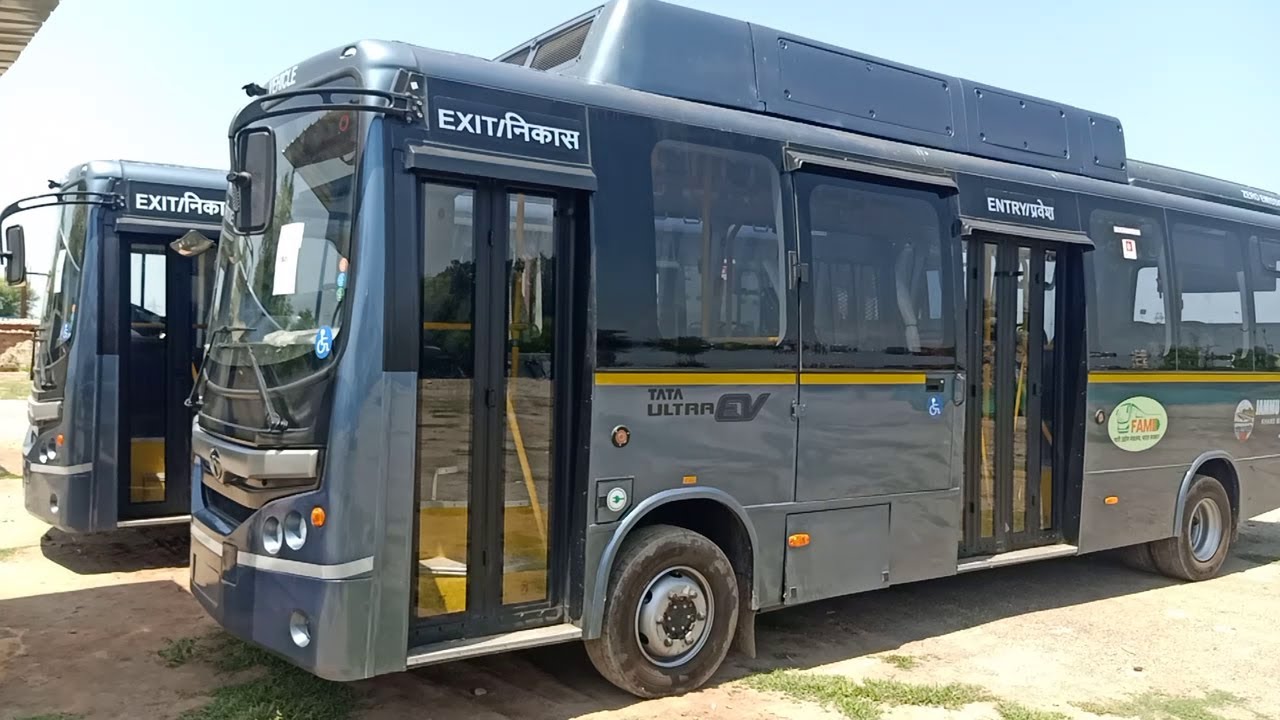
In a groundbreaking move, the Nagpur Municipal Corporation (NMC) has set the wheels in motion for a major shift in the city’s public transport system. With a staggering plan to expand its Nagpur Electric Bus fleet by 652 in the coming years, Nagpur is steering towards a sustainable and eco-friendly future.

Energizing the City: The Transport Budget Unveiled

In a recent revelation during the Transport Budget presentation, Dr. Abhijit Chaudhari, the Municipal Commissioner, disclosed Nagpur’s ambitious plan to boost its electric bus fleet. The NMC plans to invest Rs 517.72 crore, emphasizing a commitment to a budget designed to enhance the city’s air quality.

Current Fleet Overview: A Step Towards Sustainability

At present, Nagpur operates 108 electric buses out of a total fleet of 540 buses, incorporating a mix of mini buses, midi buses, and CNG buses. Notably, 40 e-buses were acquired from Nagpur Smart and Sustainable City Development Corporation Ltd (NSSCDCL), showcasing the city’s dedication to embracing green alternatives.

Green Transition on Fast Track: Diesel Buses Make Way for Electric

NMC is on a mission to replace all diesel buses with electric counterparts within the next few years. Thanks to Central and State Government support, the civic body is set to acquire an additional 544 electric buses during this transformative period,” shared Ravindra Bhelawe, Deputy Commissioner.

Passenger Surge and Routes Expansion

With over 1.15 lakh passengers utilizing the city buses daily, [VARIABLE1] anticipates a continual increase in ridership throughout the year. Currently, the buses cover more than 5,232 trips daily across various routes, indicating the growing reliance on public transportation.

Infrastructure Boost: Charging Stations and Bus Stops

In tandem with the electric bus expansion, [VARIABLE1] is constructing a robust charging infrastructure to support the green initiative. The NMC has inaugurated an electric bus depot cum charging station in the Wadi area, spanning 3 acres. An additional depot at Orange City Street is in the pipeline, equipped with 15 DC charging units to cater to the burgeoning electric bus fleet.

Financial Backing and Accessibility Features

To facilitate the procurement of 250 standard AC e-buses, [VARIABLE1] secured a substantial fund of Rs 137 crore, with the support of Deputy Chief Minister Devendra Fadnavis. Notably, the new electric buses are designed to be Divyang-friendly, equipped with wheelchair lift systems and designated spaces for differently-abled passengers.

Future Depots: Khapri and Koradi on the Horizon

As part of the expansion strategy, [VARIABLE1] is set to establish two more bus depots at Khapri and Koradi. These depots will serve as vital hubs for parking and charging of electric buses, further fortifying [VARIABLE2]’s commitment to sustainable public transportation.

Nagpur Electric Bus – FAQs

  1. Q: How many electric buses does Nagpur plan to add in the coming years?
  2. Q: What initiatives has Nagpur Electric Bus taken to encourage public transport usage?
    • A: Nagpur Electric Bus has constructed 239 bus stops under the build, operate, and transfer (BOT) basis, fostering accessibility and convenience for passengers.
  3. Q: How is [VARIABLE1] making its new electric buses Divyang-friendly?
    • A: The new electric buses are equipped with wheelchair lift systems and dedicated spaces for differently-abled passengers.
  4. Q: What percentage of funding will the Central Government provide for the Khapri and Koradi depots?
    • A: The Central Government will cover 60% of the funding for the Khapri and Koradi depots, with [VARIABLE1] arranging the remaining 40%.
  5. Q: How many passengers currently use [VARIABLE1]’s city buses daily?
    • A: Over 1.15 lakh passengers rely on [VARIABLE1]’s city buses daily, emphasizing the crucial role of public transportation.
  6. Q: How many charging units will be installed at the Orange City Street depot?
    • A: The Orange City Street depot will house 15 DC charging units, contributing to [VARIABLE2]’s robust electric bus charging infrastructure.

Paving the Way for a Greener Tomorrow

In conclusion, NMC’s commitment to transitioning to electric buses marks a significant stride towards environmental sustainability. With an expansive vision, robust infrastructure, and a focus on accessibility, Nagpur is poised to lead the charge in redefining urban public transportation. The future of commuting in Nagpur Electric Bus looks not only eco-friendly but also promising for the generations to come.

NMC property Tax: Mulls Over 4% General Tax Hike in Upcoming Finical Year


Nagpur (NMC property tax): The Nagpur Municipal Corporation property tax department is considering a substantial 4% revision in the general tax across all five slabs, alongside proposing an increase in five other taxes from the current 1% to 2%. This bold move, if approved by municipal commissioner and administrator Abhijeet Chaudhari, is anticipated to be implemented in the next financial year, signaling a potential shift in the city’s financial landscape. Let’s delve into the details of this proposal and its potential impact on Nagpur’s revenue structure.

Nagpur’s property tax department, the primary revenue source for the civic body, has put forward these revisions in an effort to bolster financial inflows. Despite the proposal, the feasibility of its implementation remains uncertain due to imminent major polls – Lok Sabha, state assembly, and municipal corporation elections – scheduled in the coming months.

The Proposal Details

1. Historical Perspective

NMC, having last revised property tax in 2015, is now contemplating a significant overhaul. The property tax rates imposed by NMC, though lower than several other municipal corporations like Pimpri Chinchwad, Nashik, and Amravati, are crucial for the city’s economic sustenance.

Operating under the Maharashtra Municipal Corporation Act, NMC has the authority to revise property tax annually, as outlined in the act’s provisions. This legal backing lends credibility to the department’s proposal before administrator Chaudhari.

3. Financial Targets and Realities

Out of the ₹3,336 crore budget for 2023-24, the property tax department aimed for ₹300 crore. However, with a month left in the fiscal year, the department faces challenges in meeting this target, emphasizing the critical role property tax plays in NMC’s revenue.

4. Dependency on Government Funds

The absence of revisions in civic taxes has led to increased dependency on government funds for NMC. This underlines the urgency for implementing the proposed tax revisions to maintain the city’s financial autonomy.

5. Water Tariff Hikes and Tax Collection Challenges

While Orange City Water Limited manages the city’s water supply, water tariff hikes have become an annual occurrence, contrasting with the poor collection of property taxes, resulting in outstanding tax reaching ₹900 crore.

FAQs

  1. What is the primary revenue source for Nagpur Municipal Corporation?
    • Property tax serves as the main revenue stream for NMC, contributing 7% to 8% of its total revenue.
  2. When was the last revision of property tax rates in Nagpur?
    • NMC last revised property tax rates in April 2015.
  3. How does NMC calculate property tax?
    • Property tax is calculated based on the annual letting value, considering the area and weight.
  4. Why is there skepticism about implementing the proposed tax hike?
    • The imminent Lok Sabha, state assembly, and municipal corporation elections pose challenges to the proposal’s implementation.
  5. What legal framework empowers NMC to revise property tax annually?
    • NMC operates under the Maharashtra Municipal Corporation Act, which allows annual property tax revisions.
  6. What percentage of NMC’s revenue comes from property tax?
    • Property tax contributes only 7% to 8% of NMC’s revenue, highlighting the need for revisions to reduce dependency on government funds.

In conclusion, the Nagpur Municipal Corporation’s contemplation of a 4% general tax hike and revisions in other taxes signifies a crucial juncture in the city’s financial strategy. The upcoming decision by municipal commissioner and administrator Abhijeet Chaudhari holds the key to reshaping Nagpur’s revenue landscape. As the city grapples with political events and financial challenges, the proposed tax changes could be a pivotal step toward ensuring fiscal stability and autonomy for the Nagpur Municipal Corporation.

Nagpur Municipal Corporation’s Vision for 2024-25: Aapli Bus, Sustainability, and Beyond

Nagpur: In the pivotal election year, the Nagpur Municipal Corporation (NMC) transport department unveils a forward-thinking ₹517.41 crore budget for the fiscal year 2024-25. Notably, Aapli bus fares remain unchanged, reflecting a commitment to the community’s welfare. The focus, however, is on embracing innovation, particularly the introduction of more air-conditioned electric buses.

Aapli Bus: Keeping Commutes Affordable

Despite the challenges of the current economic climate, the NMC allocates ₹225 crore for operating the Aapli bus fleet. Estimated revenue of ₹105 crore is anticipated from ticket sales, with an additional ₹120 crore earmarked as viability gap funding, ensuring the sustainability of this vital public service.

In alignment with its dedication to the public, the NMC continues to prioritize concessions for specific passenger categories, ensuring accessibility for all. This commitment underscores the corporation’s role as a facilitator of inclusive and affordable transportation.

Fiscal Responsibility: A Transparent Glimpse

Examining the revised budget for the current financial year (2023-24), the NMC anticipates a revenue of ₹342.43 crore against an expenditure of approximately ₹342.12 crore. This responsible financial management echoes the corporation’s dedication to prudent resource allocation.

The Budget Breakdown

Special Grants and Contributions

The budget for 2024-25 witnesses an uptick, driven by a special grant of ₹137 crore from the state government and an infusion of ₹72 crore from the 15th Finance Commission. These additional funds empower the NMC to pursue ambitious initiatives and enhance public services.

Electric Revolution: Aapli Buses Go Green

A significant highlight is the strategic move towards sustainability, with the Aapli Bus (Nagpur) service set to welcome 250 electric buses from the state and an additional 150 e-buses from the central government in the upcoming year. Notably, in 2022, NMC collaborated with PMI Electro Mobility Solutions Private Limited, securing 144 AC e-buses. With 57 already delivered, the remaining 87 are expected by next month end.

Transformative Initiatives

Modernizing Commuter Experience

In a commendable partnership with a private firm, the transport department has facilitated the setup of 239 modern bus shelters. Beyond offering shelter, these state-of-the-art facilities promise an enhanced commuter experience, and the department expects to generate ₹14,600 per shelter as a form of royalty.

Integrated Bus Transport Management

Anticipating future needs, the NMC is actively in the process of appointing a new Integrated Bus Transport Management operator. This strategic move aims to streamline operations, ensuring efficiency and optimal service delivery.

  1. What is the primary focus of NMC’s transport department in 2024-25?
    • The primary focus is on sustainability and innovation, particularly with the introduction of more air-conditioned electric buses for the Aapli Bus service.
  2. How has the budget allocation changed for the current fiscal year compared to the previous year?
    • The budget for 2024-25 has seen an increase, driven by a special grant from the state government and contributions from the 15th Finance Commission.
  3. What is the status of the electric buses ordered in 2022 from PMI Electro Mobility Solutions Private Limited?
    • PMI Electro Mobility Solutions has already delivered 57 AC e-buses, with the remaining 87 set to be delivered by the end of next month.
  4. How is the NMC addressing the needs of specific passenger categories?
    • The NMC continues to provide concessions to specific passenger categories, emphasizing accessibility and inclusivity.
  5. What initiatives are in place to enhance the commuter experience beyond transportation?
    • A notable initiative involves the setup of 239 modern bus shelters with advanced facilities, generating revenue for the department in the form of royalty.
  6. What steps are being taken for the construction of an electric bus depot in the financial year 2024-25?
    • A provision of ₹42.63 crore has been made for the construction of the electric bus depot, reflecting the commitment to sustainable transportation.

The Nagpur Municipal Corporation’s visionary budget for 2024-25 underscores its commitment to the community, sustainability, and technological advancement. As Aapli bus pave the way for an electric revolution, and modernization initiatives enhance the commuter experience, NMC sets a commendable standard for municipal transportation. With financial prudence, transparency, and a green vision, the NMC paves the way for a more accessible and eco-friendly future.

Nitin Gadkari & Devendra Fadnavis Set to Unveil Two Key Overhead Tanks

Nagpur, a city grappling with water supply challenges, is poised for a transformative event as Union Minister Nitin Gadkari and Deputy Chief Minister Devendra Fadnavis come together to dedicate two crucial overhead tanks in Wathoda on February 25. This milestone marks a significant leap forward in the city’s water management strategy, promising to reshape the narrative around water accessibility and sustainability.

In a bid to address Nagpur’s water scarcity concerns, the Nagpur Municipal Corporation (NMC) has undertaken a groundbreaking initiative with the commissioning of these overhead tanks. As the city gears up for this momentous occasion, let’s delve into the details of how this development is set to redefine Nagpur’s water supply dynamics.

Revolutionizing Water Supply Infrastructure (Nitin Gadkari |Devendra Fadnavis)

The Impact on Water Tankers

NMC’s water works superintending engineer, Shweta Banerjee, anticipates a substantial reduction in the reliance on water tankers. By the month’s end, the number of water tankers is expected to decrease from 155 to 135, translating into a more efficient and cost-effective water distribution system.

Current Water Supply System

Banerjee sheds light on Nagpur’s current water supply scenario, emphasizing the NMC’s (Nitin Gadkari |Devendra Fadnavis) commitment to providing treated drinking water. The city boasts 75 elevated and ground reservoirs delivering potable water, supported by a fleet of 155 tankers catering to non-network areas.

Highlighting the financial impact, Banerjee notes a significant reduction in annual expenses from Rs 21 crore to Rs 3 crore for 155 water tankers. This positive shift is attributed to the success of the central government’s Rs 300 crore Amrut project, which focuses on enhancing door-to-door water connections.

Expanding Water Networks 

Pipeline Advancements

Under the Amrut project, the NMC has laid over 449km of pipelines, significantly expanding the city’s water network to over 4,300km. This expansion has not only increased household connections but also paved the way for a more sustainable water distribution model.

Elevated Storage Reservoirs

The NMC’s proactive measures include the construction of 19 elevated storage reservoirs across the corporation limits, particularly in outer areas. With an eye on the future, Banerjee reveals plans to commission more elevated storage reservoirs by the end of the year, enhancing water supply reliability.

Innovative Solutions: The Double Decker ESR (Nitin Gadkari |Devendra Fadnavis)

Addressing Challenges in South Nagpur

A standout project in the pipeline is the double-decker elevated storage reservoir at Hanuman Nagar, a first-of-its-kind initiative in the country. Expected to be operational this year, it aims to alleviate water supply challenges in south Nagpur, a historically problematic area for the city.

FAQs: Addressing Common Concerns

  1. How has the Amrut project impacted water supply?
    • The Amrut project has significantly improved door-to-door water connections, resulting in a more robust and cost-efficient water distribution system.
  2. What is the significance of the double-decker ESR at Hanuman Nagar?
  3. How many zones have achieved tanker-free status?
    • Mangalwari and Dhantoli have already been declared tanker-free, with more zones, including Dharampeth, Nehru Nagar, and Lakadganj, slated to follow suit.
  4. What challenges does Satranjipura-Ashi Nagar zones face in reducing tanker dependency?
    • These zones face the tough task of extending the pipeline network to cover many areas, posing a challenge in achieving a tanker-free status.
  5. What is the timeline for commissioning the Nagpur Smart and Sustainable City Development Corporation’s ESR projects?
    • The four ESR projects in east Nagpur are set to be commissioned by June, promising improved water supply in the Lakadganj zone.
  6. How does the NMC plan to reduce the number of tanks further this fiscal year?
    • The NMC aims to achieve a reduction of 16 tanks by implementing strategic measures within the current fiscal year.

Conclusion

Nagpur’s journey towards a sustainable and efficient water supply system is gaining momentum. With visionary projects, collaborative efforts, and strategic investments, the city is not only addressing current challenges but setting a precedent for water management solutions. As Nagpur inches closer to a future where water scarcity is a thing of the past, the dedication of these overhead tanks stands as a symbol of progress and resilience.

Fudging Garbage Weight? Dump Yard Scale Sealed in Nagpur

Dump Yard in Nagpur: In a surprising turn of events, the legal metrology department in Nagpur has initiated an inquiry against the NMC solid waste management department. This investigation stems from discrepancies discovered in the weighing scale at the Bhandewadi dumping yard. Pandurang Biradar, the divisional controller, shares insights into the unexpected findings.

Fudging Garbage Weight? Dump Yard Scale Sealed in Nagpur – Unveiling the Investigation

In a routine inspection on Thursday night, officials were astonished to find that the weighing scale displayed more weight than the garbage-laden vehicles were actually transporting. This led to an immediate inquiry, marking the first instance of such irregularities.

2. NMC’s Waste Management Practices

NMC’s Garbage Collection Firms

NMC has enlisted the services of two garbage collection firms responsible for lifting approximately 1,300 metric tonnes of waste daily from Nagpur city. These firms transport the waste to the Bhandewadi dumping yard, passing through NMC’s weighing scale, installed over two decades ago.

Weighing Scale Calibration

Despite a calibration by the legal metrology department eight months ago, discrepancies in weight measurement have surfaced. Pradeep Jhodape, during the previous calibration, had certified the scale’s proper functioning. However, recent checks indicate a significant error.

3. Inspection and Sealing

Surprise Inspection

Upon receiving a complaint about irregularities, the local legal metrology department, led by Pandurang Biradar, conducted a surprise inspection. The findings revealed that the weighing scale was portraying excess weight instead of the actual weight being transported in tippers.

Sealing the Weighing Scale

In response to the confirmed complaint, the inspection team sealed the weighing scale in the presence of NMC zonal officer (SWM) Rohidas Rathod. The sealing occurred after checking vehicles loaded with 13 tonnes and 17 tonnes of chicken waste, displaying a substantial excess weight of about 350 to 400kg.

4. Rectification Efforts by NMC

NMC’s Response

NMC deputy municipal commissioner (SWM) Dr Gajendra Mahalle acknowledged the issue, stating that the weighing scale was recalibrated a couple of months ago, resulting in the current error. The NMC is actively working on rectifying the problem.

Bio-Mining Site Implementation

To address the weight measurement concerns, NMC has shifted its weighing process to the bio-mining site. Here, a sensor-based machine is being utilized for accurate weight determination.

5. Citizen Involvement and Appeals

Appeal to Citizens

Pandurang Biradar has urged citizens to report malfunctioning weighing scales in shops and markets. A helpline number (9404951828) has been provided for citizens to lodge their complaints.

6. Conclusion

In conclusion, the inquiry into the fudging of garbage weight at the Bhandewadi dumping yard has brought to light significant discrepancies in the weighing scale’s accuracy. The legal metrology department’s swift action and NMC’s commitment to rectification demonstrate a collective effort to address the issue. As citizens, staying vigilant and reporting irregularities ensures the integrity of such crucial measurement systems.

Frequently Asked Questions

Q: How often is the weighing scale at Bhandewadi dumping yard inspected? A: The surprise inspection conducted by the legal metrology department was prompted by the first-ever complaint about discrepancies in weight measurement. The scale had undergone calibration eight months ago.

Q: What triggered the investigation into NMC’s solid waste management department? A: The inquiry was launched after officials discovered that the weighing scale at Bhandewadi dumping yard displayed excess weight than what was actually being transported in garbage-laden vehicles.

Q: How is NMC addressing the issue of excess weight displayed on the weighing scale? A: NMC is actively working on rectifying the error. They have shifted the weighing process to a bio-mining site, utilizing a sensor-based machine for accurate weight measurement.

Q: Can citizens contribute to resolving the issue? A: Yes, citizens are encouraged to lodge complaints if they come across malfunctioning weighing scales in shops and markets. A helpline number (9404951828) has been provided for this purpose.

Q: Has there been any previous instance of irregularities in weight measurement at the dumping yard? A: No, this is the first time a complaint about discrepancies in weight measurement has been received, and it was found to be a case of overweight instead of underweight.

Q: How long does NMC have to rectify the weighing scale issue? A: NMC has been asked to rectify the scale within seven days as per the directive from the legal metrology department.

The inquiry into the fudging of garbage weight at the Bhandewadi dumping yard (Dump Yard in Nagpur) highlights the importance of accurate weight measurement in waste management. As NMC takes steps to rectify the issue, citizens play a crucial role in reporting any irregularities they come across. The collaborative effort ensures the integrity of the waste measurement system and contributes to a cleaner and more efficiently managed city.

Rs 204 Crore Released for Flood Damage Relief in Nagpur

Government Allocates Funds for Reconstruction

In a swift response to the aftermath of the September flood in Nagpur, the state government has sanctioned a substantial relief fund of Rs 204 crore. The allocation is aimed at compensating for the extensive damage incurred during the deluge.

Reconstruction Endeavors

Security Walls and Road Repairs Prioritized

The allocated funds will be dedicated to the reconstruction of damaged security walls along river drains and the repair of roads. Administrative approval has been granted for a comprehensive plan, earmarking Rs 162.31 crore for an 8.41-kilometer security wall and Rs 41.48 crore for the construction of a 61.38-kilometer road.

Compensation Process Initiated

Municipal Corporation Takes Proactive Measures

To facilitate compensation for losses in Nagpur, Municipal Corporation Commissioner Dr. Abhijeet Chaudhari directed his officers to compile a detailed report. Following this directive, the proposal was promptly submitted to the State Government through the PWD.

Government Support Acknowledged

Previous Fund Allocation and Ongoing Assistance

Notably, Nagpur Municipal Corporation (NMC) has already received a compensation fund of Rs 8 crore from the state government for the losses incurred. Based on the parameters outlined by the State Disaster Response Fund, the government has approved the distribution of a substantial fund totaling Rs 838.54 crore to address the extensive damage caused by the flood on September 22.

Flood Relief Compensation Breakdown

Detailed Fund Allocation

  • Security Wall Reconstruction: Rs 162.31 Crore
    • Aiming to rebuild 8.41 kilometers of security walls along river drains.
  • Road Repair Fund: Rs 41.48 Crore
    • Allocated for the repair and reconstruction of 61.38 kilometers of roads affected by the flood.

Proactive Approach to Loss Compensation

NMC’s Efforts and Government Approval

Acknowledging the urgency of the situation, Nagpur Municipal Corporation’s efforts, coupled with the swift approval from the State Government, signify a proactive approach to addressing the impact of the flood. The release of Rs 204 crore for reconstruction emphasizes the collective commitment to restoring normalcy and rebuilding the affected areas.

With this substantial financial infusion, the affected regions in Nagpur can embark on the path of recovery. The focused allocation of funds for security walls and roads reflects a strategic approach to rebuilding essential infrastructure, ensuring resilience against future calamities. The collaborative efforts between municipal authorities and the state government stand as a testament to their dedication to the well-being and recovery of the affected communities.

Strengthening Ambazari Dam: NMC Takes Swift Corrective Measures

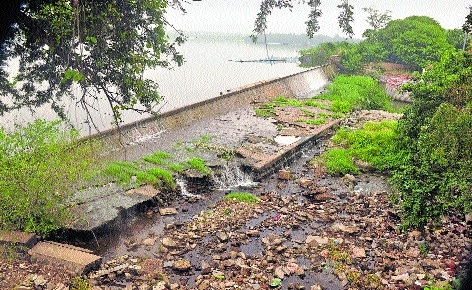
In the wake of a flash flood that wreaked havoc downstream of the Nag River nearly four months ago, the Nagpur Municipal Corporation (NMC) is swiftly implementing corrective measures to fortify the Ambazari Dam. The recent initiative is a crucial step to ensure the safety and resilience of the dam, starting with the reinforcement of its embankment.

Proactive Measures to Safeguard Ambazari Dam

A senior official from the NMC revealed that the strengthening process involves earthwork to fortify the dam’s embankment, followed by meticulous stone pitching. To address potential risks, the NMC’s garden department has initiated the felling of 79 small trees strategically positioned near the dam’s base. This decision stems from the recommendations of an expert committee, emphasizing the importance of preventing the trees from growing too large, as it could potentially compromise the embankment soil stability.

The garden department official explained that the removal of these smaller trees aims to prevent the loosening of the embankment soil. The resulting cavities left after uprooting will be promptly filled. To maintain the ecological balance, larger trees will be preserved, with the possibility of seeking assistance from the forest department if their removal becomes necessary.

Strategic Partnerships for Dam Strengthening

To execute the dam strengthening works, the State Irrigation Department has collaborated with BC Biyani Projects Pvt Ltd. The engaged firm brings expertise and efficiency to the table, emphasizing the significance of timely and effective reinforcement. An official from the NMC’s water works department mentioned, “Water from the Ambazari Lake is being released into the Nag River through a pipe,” highlighting the active steps being taken to manage water levels.

Urgency Arising from Previous Declarations

In August 2017, the director general of Design, Training, Hydrology, Research & Safety at the Maharashtra Engineering Research Institute in Nashik declared the earthen dam unsafe. Faced with the high costs involved, a decision was made to execute the dam strengthening work in three phases, prioritizing critical areas. Notably, the shed near the Vivekananda statue was the first to undergo reinforcement for 4.50 crore. A protective wall was also constructed near a temple on the lake’s south side. Unfortunately, the protection wall was initially neglected, gaining attention only after the September 23 disaster.

Overcoming Challenges: Tendering and Construction

The initiation of the dam strengthening project faced challenges, with the first tender floated on November 17 receiving no bidders. Adapting to the circumstances, the irrigation department adjusted the criteria and reissued the tender twice. Out of the five private agencies that responded, BC Biyani Projects Pvt Ltd emerged as the chosen entity for the reinforcement work. The project, with an estimated cost of Rs4.6 crore, is set to be completed within a six-month timeframe.

Holistic Approach for Sustainable Results

The proactive release of water from the lake marks the commencement of crucial steps toward constructing spillway gates. This strategic move aims to facilitate the controlled release of water, minimizing the risk of flooding. Simultaneously, a ‘rock toe’ (stone drain) is slated to be laid at the lower part of the dam, efficiently managing rainwater and wall seepage. Pits on the lake’s wall are being diligently filled to address potential concerns.

Community Concerns and NIT’s Role

In response to the flood-affected areas’ concerns, including Daga Layout, Ambazari Layout, Purohit Layout, Kasturba Layout, Yashwant Nagar, Dandige Layout, and Shankar Nagar, the Nagpur Improvement Trust (NIT) has taken steps to address specific issues. Notably, the demolition of the concrete slab constructed on Nag River for parking space near NIT’s skating rink is in progress.

Community Advocacy: Widening Nag River

Residents are advocating for the widening of Nag River by demolishing walls of the Seven Wonders Park, currently being developed by MahaMetro. They emphasize the need for enhanced river width to mitigate future flood risks effectively. Additionally, there are calls for the relocation of the Vivekananda memorial statue to further ensure the safety and resilience of the area.

The Ambazari Dam strengthening project is not just a response to a recent disaster but a testament to the proactive measures taken by the NMC and associated departments. Collaborative efforts, strategic partnerships, and a holistic approach underscore the commitment to the safety and well-being of the community. As work progresses, it is evident that the focus is not only on immediate corrections but on creating sustainable solutions for the future.

Ajni Revamp Faces Roadblock as Squatters Stall, NMC Remains Inactive

In the bustling city of Nagpur, the ambitious redevelopment project of Ajni railway station (Nagpur) encounters a significant hurdle on its west side, where a row of shops impedes progress. This roadblock has emerged as a challenge for the Railway Land Development Authority (RLDA), throwing a wrench into their plans for station enhancement.

Ajni Station’s Struggle for Transformation

Shops Stall Redevelopment

At the forefront of Ajni station’s west side stand six shops, creating a hindrance to the redevelopment initiative spearheaded by RLDA. The obstruction, located on plot number 65/A and owned by the Nagpur Municipal Corporation (NMC), has become a focal point of contention.

NMC’s Leased Land Predicament

The NMC had leased this land, measuring 3,430 sqft, to Amarchand Jaichandji Jain on October 30, 1987, for a duration of 30 years. However, the lease expired on October 27, 2017, and a subsequent request by the Central Railway divisional railway (Nagpur) manager (DRM) on April 7, 2022, sought the plot for the Ajni station’s circulating area.

Despite the expiration of the lease, the land remains occupied, and no eviction notice has been served to the leaseholder, who, in turn, has sublet the shops. Pankaj Parashar, executive engineer of NMC’s estate department, informed TOI that despite demands from the Jains for a lease extension, NMC has not acceded. Plans are underway to propose the diversion of the land to Central Railway, accompanied by an impending notice to the Jains for lease agreement violations.

Ajni Station’s Unfolding Drama

Tussle Over Territory

As the redevelopment project seeks momentum, a tug-of-war ensues over the contested land. The clash between the RLDA’s vision and the current occupants’ resistance adds layers of complexity to the situation.

NMC’s Standoff

NMC remains firm on its decision not to renew the lease, citing the imperative need for the land in the station’s expansion plans. This firm stance, however, triggers a series of events leading to potential legal ramifications.

Ajni Station’s Future Hangs in the Balance

Delayed Progress

The standoff between the authorities and the occupants has resulted in a stagnation of the Ajni station’s revamp. The ripple effects of this delay extend beyond the immediate area, impacting commuters and stakeholders eagerly awaiting a transformed railway hub.

Commuters Left in Limbo

With the redevelopment timeline in jeopardy, commuters are left in uncertainty. The promised enhancements, meant to streamline their travel experience, now dangle in the balance.

Ajni Station: Frequently Asked Questions

Q1: What led to the expiration of the lease on plot 65/A?

A1: The lease on plot 65/A expired on October 27, 2017, with the NMC refusing to extend it, paving the way for the Central Railway’s requisition.

Q2: Why has the NMC not renewed the lease despite demands?

A2: Despite persistent demands from the Jains for lease extension, the NMC stands resolute in not renewing the lease, prioritizing the land’s allocation for Ajni station’s expansion.

Q3: Is there a timeline for the proposed diversion of the land to Central Railway?

A3: Plans are underway to propose the land diversion, with a notice to the Jains for violating the lease agreement. The timeline, however, remains unspecified.

Q4: How has the delay impacted commuters?

A4: The standoff has led to a delay in Ajni station’s revamp, leaving commuters in limbo and anticipating the promised improvements.

A5: The expiration of the lease may lead to legal actions, with NMC exploring avenues to regain possession and proceed with the redevelopment.

Q6: Are there alternatives being considered to resolve the deadlock?

A6: The authorities are actively exploring alternatives to break the deadlock, ensuring a swift resolution that aligns with the station’s redevelopment goals.

Conclusion

As the Ajni station revamp faces a roadblock, the unresolved lease expiration and the standoff with current occupants cast a shadow over its future. NMC’s decisive actions and the RLDA’s persistence will play crucial roles in determining the station’s fate. Commuters, eagerly anticipating a rejuvenated travel experience, are left with uncertainties, highlighting the need for swift resolutions in the interest of all stakeholders involved.

Exit mobile version