Aapli Bus Feeder Service Enhancing Nagpur’s Metro Commute

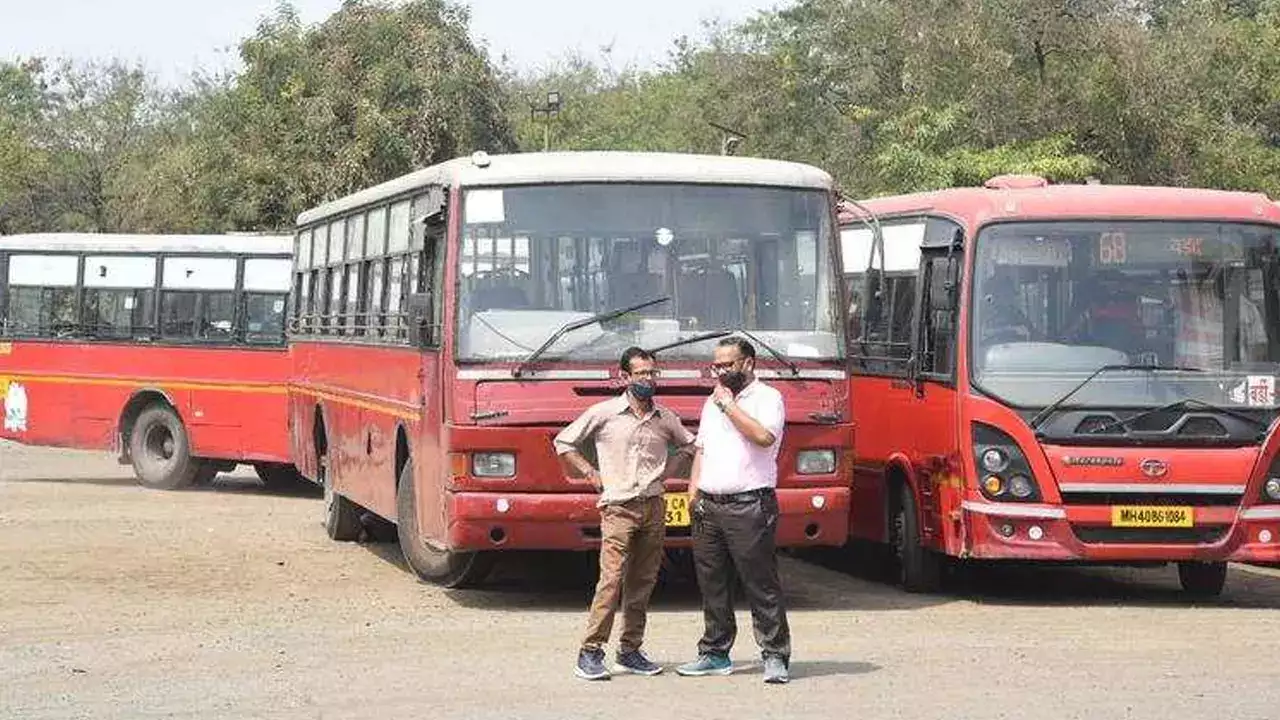
Nagpur Metro: In an endeavor to bolster Nagpur’s public transportation infrastructure, the Nagpur Municipal Corporation is set to launch feeder services connecting key Metro stations. This initiative, spearheaded by municipal commissioner Abhijeet Chaudhari, aims to improve accessibility and convenience for commuters. Starting from March 18, the Aapli Bus feeder service will operate along three strategic routes, seamlessly integrating with the city’s burgeoning Metro network. The routes include Kamptee to Medical College Square, Nagpur University to Rahate Colony, and Subhash Nagar to Laxmi Nagar Chowk, with stops at key locations like IT Park and VNIT.

The Three Feeder Routes

1. Kamptee to Medical College Square

Route Highlights:

This route offers commuters from Kamptee a direct link to the heart of the city, facilitating smooth transitions between the Metro and local destinations.

2. Nagpur University Campus to Rahate Colony

Route Highlights:

By bridging gaps in connectivity, this feeder service ensures students, faculty, and residents have hassle-free access to educational institutions and residential areas.

3. Subhash Nagar to Laxmi Nagar Chowk

Route Highlights:

  • Stops at IT Park, VNIT, Mate Chowk, and Laxmi Nagar Chowk
  • Offers connectivity to commercial hubs and educational institutes

This route caters to professionals, students, and residents, enhancing accessibility to employment centers and educational facilities across the city.

Benefits of Aapli Bus Feeder Service

  • Enhanced Connectivity: Seamlessly integrates with Nagpur’s Metro network, facilitating last-mile connectivity.
  • Reduced Congestion: Alleviates traffic congestion by encouraging the use of public transportation.
  • Accessibility: Provides convenient access to key destinations, promoting mobility for all segments of society.
  • Environmental Sustainability: Promotes eco-friendly travel options, contributing to a greener urban environment.
  • Cost-Effective: Offers an economical mode of transportation, ensuring affordability for commuters.

Conclusion

The introduction of Aapli Bus feeder service signifies a progressive step towards enhancing Nagpur’s transportation ecosystem. By bridging gaps in connectivity and promoting sustainable travel options, this initiative is poised to redefine urban mobility in the city.

FAQs (Frequently Asked Questions)

1. How frequently will the Aapli Bus feeder service operate?

The feeder service will operate at regular intervals throughout the day, ensuring convenient access for commuters during peak hours as well as off-peak times.

2. Will the feeder service be integrated with the existing Metro fare system?

Yes, commuters can use their Metro cards or purchase tickets at designated stations to avail of the feeder service, ensuring a seamless travel experience.

3. Are there plans to expand the feeder service to additional routes in the future?

The Nagpur Municipal Corporation is committed to enhancing public transportation options, and expansion plans for the feeder service are under consideration based on demand and feasibility studies.

4. How will the Aapli Bus feeder service contribute to reducing carbon emissions?

By encouraging more commuters to opt for public transportation, the feeder service helps reduce reliance on private vehicles, thus minimizing carbon emissions and promoting environmental sustainability.

5. What measures are in place to ensure the safety and security of commuters using the feeder service?

The Nagpur Municipal Corporation has implemented stringent safety protocols and surveillance measures to safeguard commuters using the Aapli Bus feeder service, ensuring a secure travel environment for all passengers.

Reviving the Pora River: NMC’s Bold Move to Combat Sewage Pollution

NMC’s Ambitious Project to Save the Pora River

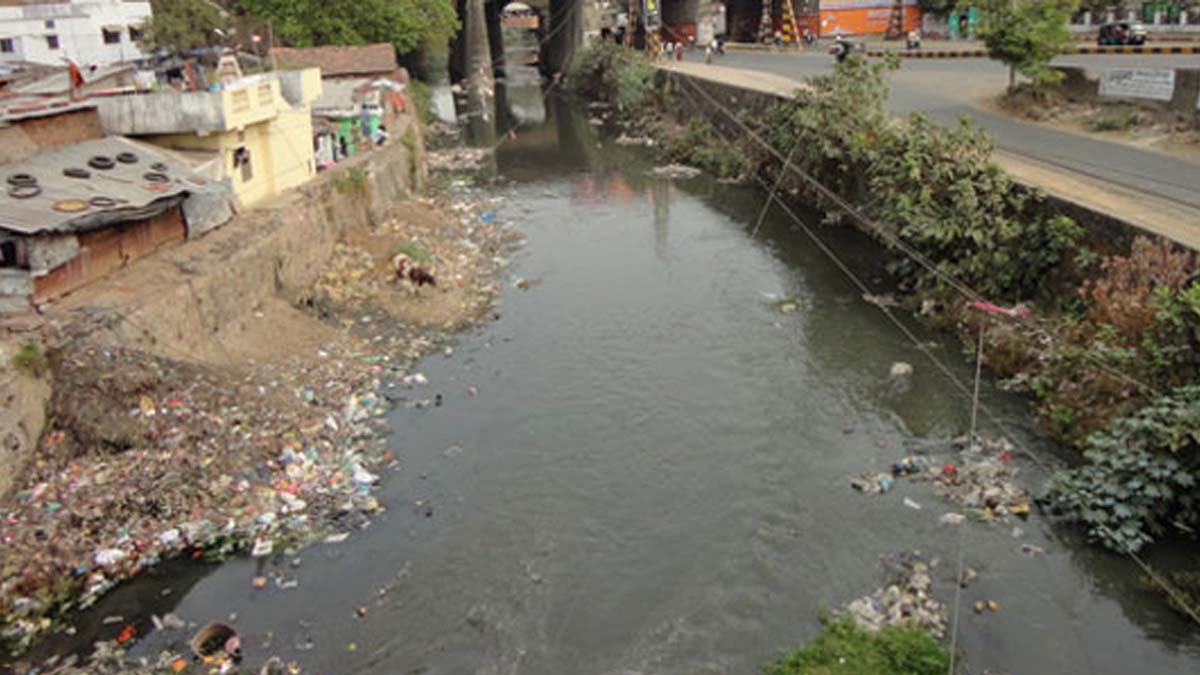
The Nagpur Municipal Corporation (NMC), under the leadership of administrator Abhijeet Chaudhari, has embarked on a groundbreaking initiative to rejuvenate the Pora River. With an approval of ₹874 crore for a 12km river pollution abatement project, NMC is set to tackle one of the most pressing environmental challenges facing the city.

A Costly Endeavor: NMC’s Commitment to Environmental Restoration

This project marks a significant investment by the NMC, signaling their unwavering commitment to environmental conservation. Previously, the highest amount approved for a project under an administrator was ₹300 crore. The magnitude of this endeavor underscores the gravity of the sewage scourge plaguing the Pora River.

Project Details and Implementation Strategy

NMC’s public health engineering department is gearing up to award work orders to various contractors for the execution of the Pora river project. The initiative falls under the Central government’s Amrut 2.0 Mission, emphasizing the collaborative effort to address environmental concerns.

While the government stipulated a three-year timeline for project completion, NMC has set a more ambitious target of two years for private contractors. This proactive approach demonstrates NMC’s determination to expedite the restoration of the Pora River.

Collaborative Efforts: Funding and Support

Last year, the central government approved the ₹957.01 crore south sewage disposal project, highlighting the multi-pronged approach to combatting pollution. With contributions from both central and state governments, along with NMC’s financial investment, the project aims to alleviate the sewage burden on the Pora River.

Infrastructure Overhaul: Addressing Sewage Disposal Challenges

Sewerage works will be concentrated in the south-western regions of Nagpur, where the Pora River traverses. A comprehensive plan involves laying a new sewer line spanning 417km, with strategic allocations in key zones to effectively manage sewage flow.

Treatment Facilities: A Step Towards Sustainable Solutions

In addition to sewage diversion efforts, NMC is investing in sewage treatment plants (STPs) to mitigate the impact of untreated sewage. Collaborating with the Nagpur Improvement Trust (NIT), NMC plans to establish STPs along the Pora River, significantly reducing the volume of pollutants entering the waterway.

Conclusion: A Renewed Commitment to Environmental Stewardship

The approval of the ₹874 crore Pora river pollution abatement project signifies a watershed moment in Nagpur’s environmental conservation efforts. Through strategic planning, collaborative partnerships, and financial investment, NMC is poised to breathe new life into the Pora River, ensuring a cleaner and healthier environment for generations to come.

FAQs

1. What is the objective of the Pora river pollution abatement project?

  • The project aims to combat sewage pollution and revitalize the Pora River in Nagpur.

2. How will the project be funded?

  • Funding will be sourced from contributions by the central and state governments, along with investments from the Nagpur Municipal Corporation.

3. What is the timeline for project completion?

  • While the government set a three-year deadline, NMC aims to complete the project within two years with the help of private contractors.

4. What measures are being taken to treat sewage along the Pora River?

5. How will the project impact the environment and local communities?

  • By reducing sewage pollution, the project will improve water quality, safeguarding ecosystems and enhancing the well-being of residents living along the Pora River.

Fire Breaks Out at Biodiversity Park Ambazari: A Critical Environmental Concern

A Devastating Incident

Biodiversity Park Ambazari: On a seemingly ordinary Tuesday, tragedy struck at the heart of Nagpur’s natural beauty. Over 13 hectares of forest were engulfed in flames at the Ambazari Biodiversity Park on Hingna Road. The day began with billowing smoke spotted by vigilant fire watchers, leading to a frantic effort to contain the inferno.

The Response Efforts

A team of over 60-70 forest workers, staffers, and fire brigade personnel sprung into action, battling the blaze for a grueling four hours. The collaboration between the Nagpur Municipal Corporation (NMC) and the forest department proved crucial, with five NMC fire tenders deployed strategically to quench the flames.

Crucial Assistance from NMC Fire Tenders

The timely intervention of NMC fire tenders prevented the fire from spreading further, safeguarding the nearby Little Wood area of MahaMetro. Eyewitnesses hailed the effectiveness of these interventions, highlighting the potential devastation averted by their swift action.

Understanding the Vulnerabilities

Historical Prevalence of Fires

Despite lacking tendu patta interest, the Ambazari forest has a troubling history of recurrent fires. Year after year, the area falls victim to numerous fire incidents, underscoring the persistent threat posed to its rich grasslands and diverse biodiversity.

Root Causes of Vulnerability

Various factors contribute to the susceptibility of the Ambazari forest to fires. The presence of garbage burning along the park’s fringes and the passage of old high-tension power transmission lines through the forest exacerbate the risk, creating a tinderbox environment primed for ignition.

Post-Incident Assessment and Future Mitigation

Evaluation and Investigation

Nagpur’s Deputy Conservator of Forest, Bharat Singh Hada, spearheads efforts to assess the damage inflicted by the fire. Investigations are underway to determine the exact cause, including the possibility of sparks igniting from the power lines.

Importance of Preventive Measures

The incident underscores the critical need for proactive measures to mitigate fire risks in vulnerable areas like Ambazari. Ongoing initiatives such as fire line work offer promising avenues for safeguarding against future calamities.

A Call to Action

The recent forest fire in Nagpur serves as a stark reminder of the fragility of our natural ecosystems and the urgent need for collective action. By fostering environmental awareness, implementing robust preventive measures, and promoting responsible stewardship, we can safeguard our precious forests for generations to come.


FAQs

1. What caused the forest fire in Nagpur?

The exact cause is still under investigation, but factors such as garbage burning and high-tension power lines passing through the forest are being scrutinized.

2. How long did it take to control the fire?

Firefighters and forest workers battled the blaze for approximately four hours before gaining control.

3. Were there any casualties reported?

Fortunately, no casualties were reported in the incident, thanks to the swift response of emergency services.

4. What measures are being taken to prevent future fires?

Ongoing efforts include evaluating damage, investigating the cause, and implementing preventive measures such as fire line work.

5. How can individuals contribute to forest fire prevention?

Individuals can play a role by avoiding activities that could spark fires, supporting conservation efforts, and advocating for sustainable forest management practices.

100 Fall Ill After ‘Fasting’ Food in Nagpur

Exploring the Mahashivratri Fallout (Fasting food Nagpur): A Fasting Feast Gone Awry

Fasting food Nagpur: In a shocking turn of events, over a hundred individuals in Nagpur and Bhandara found themselves grappling with food poisoning after indulging in the traditional Mahashivratri ‘upvas’ food. The culprit? Singhara atta halwa (water-chestnut flour) and sev, commonly enjoyed during the fasting period on Friday night. Let’s delve into the details of this unfortunate incident that left the city in distress.

The Alarming Numbers: 96 Cases Confirmed, Actual Count Potentially Higher

Nagpur Municipal Corporation (NMC) officials have officially documented 96 cases of food poisoning related to the festive delicacies. However, considering the decentralized nature of the celebration – with many households partaking in the festivities individually – the true numbers might be significantly higher. Private hospitals, not obligated to report such incidents, further complicate the accurate assessment of the situation.

Discrepancies and Denials: Rural Areas vs. Urban Centers

While the district health office in rural areas denies any instances of food poisoning, Shalinitai Meghe Hospital and Research Centre (SMHRC) in Hingna paints a different picture. Eight patients, including two in critical condition, were admitted, revealing a discrepancy in the official narrative. Dr. Khalid Khan from SMHRC highlighted that the consumption of singhara atta halwa and snacks triggered the alarming health issues.

Bhandara’s Battle with Gastritis: A Parallel Affliction

Bhandara, too, faced the repercussions of the festive feasting, with an unspecified number of residents suffering from acute gastritis after consuming singhara atta ‘bhaji.’ Despite these reports, district officials in Bhandara initially denied the presence of a food poisoning epidemic.

The Investigative Response: NMC’s Swift Action

Promptly responding to the crisis, the NMC health department initiated a survey in the affected areas. Water samples were collected for testing, and stool samples were sent to the government lab. Initial findings pointed towards singhara atta of a specific brand as the common source of infection, linking patients from various parts of the city.

Home Treatments and Hospital Shifts: NMC’s Dual Approach

In a bid to address the situation comprehensively, NMC medical teams began home treatments for many patients, reserving hospital beds for those suffering from severe dehydration. This two-pronged strategy aimed at containing the outbreak and providing immediate relief to the affected individuals.

A Cautionary Tale for Festive Celebrations

In the aftermath of this unexpected health crisis, communities must reflect on the importance of food safety during festive occasions. The incident in Nagpur serves as a cautionary tale, urging both authorities and individuals to exercise vigilance and adhere to rigorous quality standards when preparing and consuming festival-specific foods.

FAQs: Unraveling the Nagpur Food Poisoning Incident (Fasting Food Nagpur)

  1. What caused the food poisoning during Mahashivratri in Nagpur?
    • The common denominator was singhara atta halwa, identified as the source of infection.
  2. Were rural areas in Nagpur affected by the food poisoning outbreak?
    • Officially denied by the district health office, rural areas had conflicting reports from Hingna-based SMHRC.
  3. How did the NMC respond to the crisis?
    • NMC swiftly initiated a survey, collected samples for testing, and provided dual treatments – at home and hospitals.
  4. Was the brand of singhara atta identified as the culprit?
    • Preliminary findings pointed to a specific brand of singhara atta as the common source of infection.
  5. What can communities learn from this incident for future celebrations?
    • The incident emphasizes the need for stringent food safety measures during festive periods to prevent such health crises.

Nagpur’s 24×7 Water Supply Revolution: Gadkari’s Bold Announcement

Nagpur 24×7 water supply: Nagpur, the orange city, is set to achieve a milestone in the next four months, becoming the first in the country to enjoy uninterrupted water supply around the clock. This groundbreaking revelation comes from Union Minister and city MP Nitin Gadkari, who shared the exciting news during a recent announcement. Let’s delve into the details and implications of this transformative project.

A City on the Verge of Water Transformation

Current Status of Water Supply

Gadkari revealed that presently, 65% to 70% of Nagpur already receives continuous water supply. This commendable achievement sets the stage for the upcoming 24×7 water supply initiative. The minister emphasized that the situation would further improve once 19 under-construction elevated storage reservoirs become operational.

Bhoomipuja and Development Milestones

Last Saturday marked a significant event as Gadkari performed bhoomipuja and dedicated development works worth ₹73 crore in north Nagpur. The program, organized by Nagpur Municipal Corporation (NMC) at Binaki, showcased the commitment towards enhancing the city’s infrastructure.

Mihan’s Role in Youth Employment

Gadkari proudly announced that Mihan, an ambitious project, has generated 68,000 jobs for the city’s youth. With optimistic foresight, he predicted that within the next six months, Mihan would provide employment for an additional one lakh individuals, contributing significantly to the region’s economic growth.

Healthcare Revolution: A Diagnosis Centre in the Making (Gadkari announcement)

In a compassionate move, Gadkari shared plans to establish a diagnosis centre at Kamal Chowk in memory of his mother. This visionary project aims to bring top-class medical facilities at affordable rates to people from across Vidarbha, ensuring accessible healthcare for all.

Key Role of Dy CM Devendra Fadnavis

Acknowledging the pivotal role played by Deputy Chief Minister Devendra Fadnavis, Gadkari credited him for the city’s transformation over the past decade. Development works worth ₹1 lakh crore have been undertaken, shaping Nagpur into a vibrant and thriving metropolis.

Nagpur’s journey towards a 24×7 water supply signifies a commendable commitment to infrastructure development and citizen well-being. Gadkari’s strategic vision and initiatives, coupled with collaborative efforts, showcase the city’s determination to lead by example.

FAQs

  1. When will Nagpur achieve 24×7 water supply?
    • The city aims to achieve this milestone in the next four months.
  2. How many elevated storage reservoirs are under construction?
    • There are 19 elevated storage reservoirs currently under construction.
  3. What is the employment impact of the Mihan project?
    • Mihan has generated 68,000 jobs, with a plan to employ one lakh people within six months.
  4. Where will the diagnosis centre be located?
    • The diagnosis centre will be situated at Kamal Chowk, honoring Nitin Gadkari’s mother.
  5. Who played a key role in Nagpur’s transformation?

Nagpur’s Road Safety Revolution: NMC’s ₹3.1 Crore Geometrical Redesign

Nagpur, a bustling city with a growing population, has recently witnessed a remarkable initiative by the Nagpur Municipal Corporation (NMC). In a bid to enhance road safety, the NMC has invested ₹3.1 crores in the geometrical redesigning of 14 traffic intersections across the city. This strategic move aims to create safer environments, particularly for pedestrians, cyclists, and non-motorized transport users, who are often the most vulnerable to road accidents.

Alarming Statistics

In the year 2023 alone, Nagpur faced the tragic loss of 90 pedestrians, with an additional 181 sustaining injuries in road accidents. Faced with these distressing figures, the NMC decided to take proactive measures to address the pressing issue of road safety.

NMC’s Infrastructure Interventions

Ravindra Bundhade, NMC’s executive engineer in the traffic department, outlined the comprehensive approach adopted by the corporation. The key interventions include widening pedestrian crossings and sidewalks, establishing new refuge areas, and implementing traffic calming measures.

Traffic Calming Measures

The concept of traffic calming measures is central to NMC’s strategy. These measures are designed to create safer streets by slowing down drivers, reducing collision frequency and severity, minimizing the reliance on police enforcement, and enhancing access to various modes of transport.

Quick and Low-Cost Solutions

Bundhade emphasized the swift and cost-effective nature of these interventions, serving as a litmus test for urban design, transportation planning, and infrastructural changes. The primary focus is on redesigning traffic islands to enhance safety for pedestrians and streamline traffic flow.

Works in Progress

Gandhi Putla Square, Shraddhanand Square, and Gangabai Ghat Square are already witnessing the transformation, with lane alignment and narrowing at select locations. Notably, Rani Durgawati Square and Hasanbagh Square, lacking islands and contributing to chaos, are now part of the comprehensive redesign.

Innovative Solutions at Japanese Garden Square

Japanese Garden Square, a busy intersection with islands only on two sides, is receiving particular attention. NMC plans to construct two islands at strategic corners, addressing both traffic congestion and the risk of accidents.

Future Plans: Rotary at Orange City Street Square

Anticipating potential hazards, NMC envisions a rotary (roundabout) at Orange City Street Square, where five roads converge. This ambitious plan aims to significantly reduce accident-prone scenarios at this crucial intersection.

Collaborative Efforts for Enhanced Safety

Deputy Commissioner of Police (Traffic) Shashikant Satao has collaborated with NMC, emphasizing the need for mandatory road safety markings at busy junctions like Cotton Market Square and Variety Square. These markings, including zebra crossings and stop lines, play a crucial role in enforcing traffic rules.

Conclusion

Nagpur’s commitment to road safety is evident in the NMC’s bold initiative. The geometrical redesign of traffic intersections reflects a comprehensive approach to creating safer streets for all. As the works progress, the city anticipates a significant reduction in road accidents and a more streamlined and secure traffic environment.

FAQs

  1. Why is Nagpur Municipal Corporation undertaking geometrical redesigning?
    • Nagpur Municipal Corporation aims to enhance road safety, especially for pedestrians and non-motorized transport users, following alarming statistics of accidents in 2023.
  2. What are traffic calming measures, and how do they work?
    • Traffic calming measures focus on slowing down drivers, reducing collisions, minimizing the need for police enforcement, and improving access to different modes of transport, creating safer streets.
  3. Which intersections are currently undergoing redesigning?
    • Works are in progress at Gandhi Putla Square, Shraddhanand Square, Gangabai Ghat Square, with additional attention to Rani Durgawati Square, Hasanbagh Square, and Japanese Garden Square.
  4. What innovative solutions are being implemented at Japanese Garden Square?
    • NMC plans to construct two new islands at strategic corners of Japanese Garden Square, addressing both traffic congestion and the risk of accidents.
  5. How is the Nagpur Police contributing to road safety efforts?
    • Deputy Commissioner of Police (Traffic) Shashikant Satao is collaborating with NMC, advocating for mandatory road safety markings at busy junctions, enforcing traffic rules.

Nagpur’s Smart Move: Multi-Storey Parking Plaza Rescues Sitabuldi from Parking Woes

Nagpur Parking Solutions: a bustling city known for its vibrant commercial hubs, is about to witness a significant transformation. The Nagpur Smart and Sustainable City Development Corporation Ltd (NSSCDCL) is set to unveil its multi-storey parking plaza in Sitabuldi on March 15, promising to alleviate the perennial parking problems that have plagued one of the city’s busiest commercial areas.

A Panacea for Parking Woes

The innovative parking plaza is a strategic response to the chaotic situation caused by encroachments from hawkers in Sitabuldi. Recognizing the need for a solution, the smart city embarked on a mission to construct a four-storey parking facility within an area owned by the civic body, investing Rs 5 crore in this endeavor.

Smart Expansion: Itwari’s Anaj Bazaar

But that’s not the only smart move in the city’s parking strategy. The NSSCDCL is simultaneously developing a similar parking plaza in Itwari’s Anaj Bazaar, also at a cost of Rs 5 crore. This multi-story parking haven is expected to cater to at least 25 cars and 150 two-wheelers, ensuring a holistic solution to the city’s growing parking needs.

Unveiling the Grand Vision

The grand vision of the smart city doesn’t stop there. Initially proposing four smart parking plazas across the city, the idea faced constraints in implementing two of them—at Gokulpeth Market and near the Gandhisagar area—due to limited space, as confirmed by an official source. Despite encountering setbacks, the corporation remains committed to innovative parking solutions.

Halted Ambitions: Gokulpeth Market

The Gokulpeth Market witnessed a temporary halt in its parking plaza construction, with Rs 20 lakh already invested. The interruption occurred as the NMC and NIT were in the process of redeveloping the Gokulpeth commercial complex, underscoring the challenges faced in implementing urban development projects seamlessly.

Collaborative Efforts: NMC’s Role

Simultaneously, the Nagpur Municipal Corporation (NMC) is actively identifying parking spots throughout the city. Out of the planned 75 on-street parking spaces, 11 spots are now operational. However, due to objections from traffic police, NMC faced hurdles in initiating parking facilities at other locations.

A Joint Survey for Future Solutions

In a collaborative effort, the NMC and traffic police have initiated a joint survey for 62 potential parking sites. A senior NMC official affirmed that the remaining parking areas would soon be declared operational, promising a comprehensive solution to the city’s parking challenges.

Nagpur’s journey towards smart and sustainable parking solutions is indeed commendable. The multi-storey parking plaza in Sitabuldi marks a significant step forward in enhancing the city’s infrastructure, promising relief to residents and businesses alike. As urban spaces evolve, proactive measures like these underscore the city’s commitment to progress and innovation.

FAQs:

  1. When will the multi-storey parking plaza in Sitabuldi be operational?
    • The plaza is set to become operational from March 15, providing a timely solution to parking woes.
  2. How much does it cost to park at the NSSCDCL parking plaza?
    • The parking charges will be nominal, with rates for both two and four-wheelers to be decided in a joint meeting of NSSCDCL and NMC.
  3. What is the capacity of the Itwari’s Anaj Bazaar parking plaza?
    • The multi-story parking plaza in Itwari’s Anaj Bazaar is expected to accommodate at least 25 cars and 150 two-wheelers.
  4. Why were the plans for two additional plazas dropped?
  5. How many on-street parking spaces has the NMC operationalized so far?
    • Out of the planned 75 on-street parking spaces, NMC has started facilities at 11 spots, with plans for more in the pipeline.

Expect Parking and Cleaner Toilets: A Revamp for Nagpur’s Markets

Revamp Nagpur Markets: Nagpur, a city steeped in history, is gearing up for a significant transformation. Four pivotal markets, including the iconic Santra Market and Cotton Market, along with six smaller ones in Itwari, (Itwari Market) are set to undergo a remarkable redevelopment. The aim is to infuse these markets with a fresh, modern appeal, addressing the long-standing need for improved infrastructure and amenities.

Rediscovering Nagpur’s Market Heritage (Revamp Nagpur Markets)

The ten chosen marketplaces, such as Dahi Bazaar, Cotton Market, Netaji Market (Sitabuldi), and Santra Market, (Santra Market) have been the pulse of Nagpur for years. Despite their historical significance, they have been overlooked, leaving them in need of a facelift. The Maharashtra State Infrastructure Development Corporation (MSIDC) has been entrusted by the Nagpur Municipal Corporation (NMC) to spearhead this revitalization effort.

A Collaborative Endeavor

Deputy Municipal Commissioner Nirbhay Jain revealed that the NMC has already inked a Memorandum of Understanding (MoU) with MSIDC, marking the initiation of the redevelopment process. The ambitious project extends beyond the markets, with plans for a modern commercial complex at NMC’s ‘Dik Dawakhana,’ situated on East High Court Road.

Vision for Redevelopment

Union Minister Nitin Gadkari’s directive last December acted as a catalyst for this redevelopment initiative. The NMC, through its project department, presented a comprehensive proposal covering not only the prominent markets but also including defunct establishments like ‘Dik Hospital’ and six additional markets in Itwari (Itwari Market). MSIDC and NMC officials will conduct a joint survey, outlining the project’s scope, conducting site inspections, and preparing detailed reports.

Amenities Take Center Stage

As the existing markets undergo a transformation, the focus is squarely on enhancing amenities. Ample parking space, modern toilets, and other essential facilities will be integrated to elevate the overall experience for visitors and shopkeepers alike.

The Road Ahead

After the survey and planning phase, the NMC will invite tenders, signaling the commencement of the redevelopment work. MSIDC will oversee the entire process, ensuring the adherence to the proposed plan. Importantly, the ownership rights of these projects will remain with the NMC, with MSIDC receiving 5% of the project cost as fees.

Shopkeepers’ Priority

Existing shopkeepers will be given preference when deciding occupancy, but it comes with a catch—they won’t receive the shops for free. The onus of construction costs will fall on the owners, a detail that MSIDC is actively working out.

Learning from the Past

This isn’t the first attempt at revitalization; previous efforts involving MahaMetro for Mahatma Phule Market (Cotton Market) and Netaji Market (Sitabuldi) did not come to fruition. However, this time, with the backing of MSIDC, the prospects seem brighter for Nagpur’s historic markets.

Nagpur’s markets are poised for a renaissance, shedding years of neglect for a modern, vibrant future. The redevelopment initiative, led by MSIDC and backed by NMC, is a testament to the city’s commitment to preserving its historical landmarks while embracing progress.

FAQs

  1. Who is spearheading the redevelopment of Nagpur’s markets?
    • The Maharashtra State Infrastructure Development Corporation (MSIDC) has been entrusted with this significant task by the Nagpur Municipal Corporation (NMC).
  2. What amenities will be prioritized during the redevelopment?
    • The focus will be on adding essential amenities such as parking spaces, modern toilets, and other facilities to enhance the overall experience.
  3. Will existing shopkeepers get preferential treatment?
    • Yes, existing shopkeepers will receive preference in deciding occupancy, but they will be required to bear the construction costs.
  4. What role did Union Minister Nitin Gadkari play in this initiative?
    • Nitin Gadkari directed the NMC to seek assistance from MSIDC for the redevelopment, sparking the comprehensive revitalization effort.
  5. Have previous attempts at market redevelopment in Nagpur been successful?
    • Previous efforts, including collaboration with MahaMetro, did not yield results. However, the current partnership with MSIDC brings renewed optimism.

NMC-Irrigation Decision: Optimal Water Management at Ambazari Dam

Ambazari Dam Nagpur: In a crucial joint decision, the Irrigation Department and Nagpur Municipal Corporation (NMC) have resolved to refrain from draining a staggering 75k crore litres of water from the Ambazari Dam. This strategic choice is pivotal for the upcoming construction of Godbole gates at the reservoir’s spillway, aiming to avert a catastrophe akin to the devastating flood on September 23, 2023. This collaborative effort prioritizes both efficient water management and disaster prevention.

Unanimous Agreement

After an extensive joint inspection led by Chief Engineer Pawar of the Irrigation Department and Superintending Engineer Shweta Banerjee of NMC’s water works, a consensus emerged. The current discharge of 2 lakh gallons per day from the dam is deemed sufficient for the impending construction activities, mitigating the risk of flooding downstream along the Nag River.

Construction Timeline

The agreed-upon timeline stipulates the commencement of spillway gates construction at the dam’s overflow point post-April 1. This deliberate approach underscores the meticulous planning required to ensure the safety and success of the project. The stakes are high, especially considering the aftermath of the 2023 flood that wreaked havoc on countless residences.

Balancing Ecological Concerns

Banerjee highlighted a previous request from the Irrigation Department to de-water 75k crore litres, a move that would have entailed an additional ₹5 crore investment for pumping. However, Banerjee wisely pointed out the potential ecological imbalance and adverse effects on aquatic life and local wells if such massive de-watering were pursued. This decision aligns with a responsible approach to environmental concerns.

Monsoon Contingency

The joint inspection also factored in the unpredictability of monsoon rains. Given the current discharge rate of 2 lakh gallons per day, both government bodies concurred that this quantity is adequate. This collaborative decision demonstrates a proactive stance, considering the potential challenges posed by unforeseen weather patterns during the monsoon season.

Nagpur Improvement Trust’s Role

Simultaneously, the Nagpur Improvement Trust has made substantial progress, completing nearly 90% of the demolition of a slab constructed over the Nag River in Daga Layout. This structure, initially designed as parking for visitors to a skating rink, posed a significant impediment to the natural flow of Nag River water.

the joint decision of the Irrigation Department and NMC to maintain the current discharge from the Ambazari Dam is a commendable example of strategic collaboration. This approach balances the need for water management with ecological responsibility, ensuring the safety of downstream areas. As construction commences post-April 1, the stakeholders remain vigilant, and cognizant of potential challenges and environmental impacts.

FAQs

  1. Why is the construction of Godbole gates necessary at Ambazari Dam?
    • The gates aim to prevent a recurrence of the 2023 flood disaster downstream.
  2. What led to the decision not to drain 75k crore litres of water?
    • The current discharge of 2 lakh gallons per day is deemed sufficient for construction, avoiding ecological imbalance.
  3. When will the construction of spillway gates commence?
    • Construction is set to begin after April 1, following a joint inspection by relevant authorities.
  4. What environmental concerns were considered during the decision-making process?
    • The potential adverse effects on aquatic life and local wells were key considerations.
  5. How has Nagpur Improvement Trust contributed to the water management efforts?
    • The Trust has demolished a slab obstructing Nag River water flow, aiding in overall water management.

Nagpur Municipal Corporation Surpasses Revenue Target by ₹600 Crore

Nagpur: In an unprecedented achievement, the Nagpur Municipal Corporation (NMC) has surpassed its budgeted revenue, marking a historic milestone for the city. The financial triumph unfolded over the course of 10 months, from April 2023 to January 31, 2024, where the NMC not only met but exceeded its revenue target by a staggering ₹619.48 crore, reaching a total of Rs3,955.48 crore against the set goal of Rs3,336 crore.

Heralding this accomplishment is the revelation that a substantial 83.84% of this surplus revenue has been sourced from government grants, including goods and services tax, underscoring the pivotal role played by external funding. Remarkably, only Rs460 crore of the total revenue till January 31 emanates from NMC’s internal sources.

Budgetary Anticipation and Administrative Developments

As the financial year progresses, the Municipal Commissioner and Administrator, Abhijeet Chaudhari, are gearing up to present the budget for 2024-25 along with an updated budget for the current fiscal year on Thursday. This marks the third consecutive year that Chaudhari will present the NMC budget in his capacity as an administrator, emphasizing the significance of this financial responsibility.

Despite a slight delay, attributed to the upcoming election year in 2025, Chaudhari is anticipated to sidestep new taxes or property tax hikes in the 2024-25 budget. Analysts speculate that Chaudhari aims to make history by proposing the NMC administration’s highest-ever revenue target, nearing an impressive Rs3,500 crore.

Potential Surpassing of Revenue Projections

Insiders privy to the municipal developments suggest that the actual receipt for NMC (Nagpur Municipal Corporation) may surpass Rs5,000 crore, considering the influx of additional government grants. Recent contributions of Rs204 crore and Rs40 crore from the state government for various projects are yet to be incorporated into the official figures, leading to optimistic projections for the municipal corporation’s financial standing.

The figures weren’t updated in its receipt,” affirmed a senior official, indicating that more government grants are in the pipeline, further bolstering NMC’s financial prospects.

Continued Reliance on Government Grants

Observers highlight the trend that NMC’s (Nagpur Municipal Corporation) budget remains heavily dependent on government grants, a pattern likely to persist into the foreseeable future. The delay in civic elections, now postponed for almost two years, has led to an unaltered administration budget, a task previously overseen by the standing committee chairman. Even in the event of a new general body being elected, a rare occurrence this year, the standing committee is slated to present the budget in the subsequent financial year.

In summary, Nagpur Municipal Corporation’s remarkable fiscal performance and its strategic reliance on government grants showcase a unique financial trajectory, setting the stage for ambitious budget proposals and potentially transformative developments in the coming years.

Exit mobile version