15% Off: Pay Your NMC Property Tax Online

Simplifying Tax Payments in Nagpur

In a bid to encourage online transactions and streamline the tax payment process, the Nagpur Municipal Corporation (NMC) has rolled out a lucrative offer for property owners. For the second consecutive year, NMC has announced a remarkable 15% rebate for those who opt to pay their property tax online.

Understanding the Rebate Structure

1. What’s on Offer?

Property owners can avail themselves of the 15% rebate by ensuring their tax payment is completed before June 30th. Moreover, advance taxpayers are entitled to a 10% rebate on the due amount for the fiscal year 2024-25.

2. Additional Incentives for Online Payment

On top of the standard rebates, an extra 5% rebate is extended exclusively for online payments. This move not only promotes digital transactions but also rewards those embracing technological advancements in financial dealings.

Previous Year’s Success

In the previous fiscal year 2023-24, a significant number of property owners, accounting for 23.47%, capitalized on the 15% online rebate by ensuring their tax payments were made before December 31st. This highlights the growing acceptance and appreciation of the online tax payment system among citizens.

Timely Payments, Enhanced Benefits

1. April-June Window:

Citizens who choose to pay their property tax between April 1st and June 30th are eligible for a 10% rebate (offline) and a substantial 15% rebate (online).

2. July-December Window:

For those who prefer a later payment schedule, NMC provides a 5% rebate (offline) and a 10% rebate (online) if the payment is made between July 1st and December 31st.

Important Considerations

Deputy Commissioner (Revenue), Milind Meshram, clarified that the 15% rebate applies to the overall property tax, excluding the education cess, applicable to EGS and big building schemes. It’s crucial to note that any delay in tax payment beyond December will attract a 2% interest per annum.

Embrace Convenience, Reap Rewards

The initiative by the Nagpur Municipal Corporation to incentivize online property tax payments not only simplifies the process but also offers substantial savings for proactive taxpayers. By taking advantage of the online rebate scheme, property owners can contribute to the digital transformation of civic services while enjoying financial benefits.

  1. Q: Can I avail of the 15% rebate if I pay my property tax offline?
    • A: No, the 15% rebate is exclusively for online payments made before June 30th.
  2. Q: Is the 15% rebate applicable to all types of properties?
    • A: Yes, the rebate applies to all properties except those under the education cess, EGS, and big building schemes.
  3. Q: What happens if I miss the June 30th deadline for online payment?
    • A: If you miss the deadline, you’ll still receive the standard rebates applicable to the respective payment period.
  4. Q: Can I pay my property tax online throughout the year?
    • A: Yes, online payment facilities are available year-round, but to avail of the 15% rebate, ensure payment before June 30th.
  5. Q: How can I calculate the exact amount of rebate I’m eligible for?
    • A: The rebate amount is calculated automatically based on the property tax paid online before the stipulated deadlines.

Cracking Down on Malpractices: NMC’s Action Against 14 Aapli Bus Conductors

In a bid to curb malpractices among Aapli Bus conductors, the Nagpur Municipal Corporation’s (NMC) transport department has taken decisive action. Recently, the IDs of 14 conductors, including two females, were deactivated for various violations. This move comes as a stern warning to those engaging in misconduct within the public transportation system.

Identifying the Issue

The NMC transport department identified several instances of misconduct among Aapli Bus conductors. These ranged from allowing commuters to board buses without tickets to issuing tickets at lower fares and displaying inappropriate behavior towards passengers. Such actions not only undermine the integrity of the transportation system but also pose risks to commuter safety and revenue loss for the corporation.

Contracted Services

M/s Unity Security Force and Training Institute Nagpur, the agency responsible for supplying conductors to Aapli Bus, has also received warnings regarding the conduct of its employees. This highlights the importance of accountability at every level of service provision within the public sector.

Transport Manager’s Response

Transport manager Mahesh Dhamecha emphasized the seriousness of the issue in an interview with TOI. He reiterated the corporation’s commitment to ensuring compliance with regulations and maintaining high standards of service delivery.

Implications and Consequences

The deactivation of conductor IDs serves as a clear message that misconduct will not be tolerated within the public transportation system. It sends a strong signal to both conductors and the contracting agency that accountability and adherence to regulations are paramount.

Ensuring Passenger Safety

By cracking down on malpractices, the NMC aims to enhance passenger safety and restore public trust in the Aapli Bus service. Commuters should feel confident in the reliability and integrity of the transportation system, knowing that measures are in place to address any misconduct swiftly.

Future Measures

Moving forward, the NMC will continue to monitor and enforce regulations governing the conduct of Aapli Bus conductors. This proactive approach underscores the corporation’s commitment to providing a safe, efficient, and transparent public transportation system for the residents of Nagpur.

The NMC’s action against 14 Aapli Bus conductors reflects its dedication to upholding standards of integrity and accountability within the public transportation sector. By addressing misconduct decisively, the corporation aims to foster a culture of compliance and responsibility among all stakeholders.

FAQs

  1. What prompted the NMC to take action against Aapli Bus conductors?
    • The NMC identified various instances of misconduct, including ticketing irregularities and inappropriate behavior towards passengers.
  2. How will the deactivation of conductor IDs impact Aapli Bus services?
    • It serves as a deterrent to misconduct and reinforces the importance of compliance with regulations.
  3. What role does the contracting agency play in ensuring conductor accountability?
    • The agency is responsible for supplying conductors to Aapli Bus and must ensure that its employees adhere to regulations.
  4. How does the NMC plan to maintain passenger safety moving forward?
    • By monitoring and enforcing regulations governing conductor conduct and taking swift action against any violations.
  5. What message does this action send to commuters and stakeholders?
    • It underscores the NMC’s commitment to transparency, accountability, and passenger safety within the public transportation system.

Nag River: A Comprehensive Approach to Flood Management

Understanding the Urgency

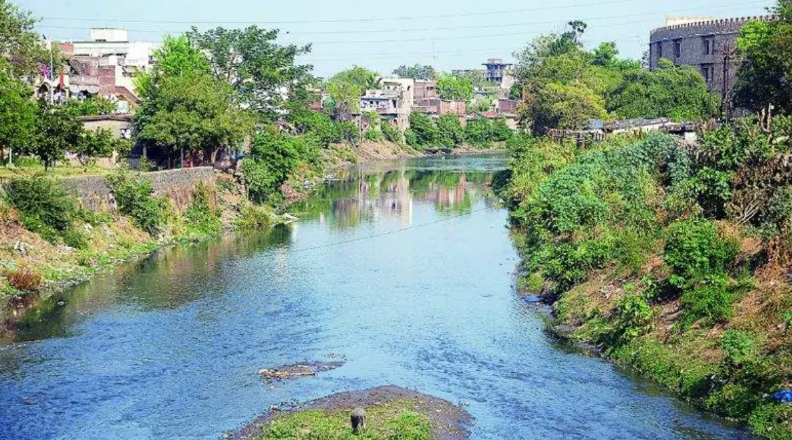
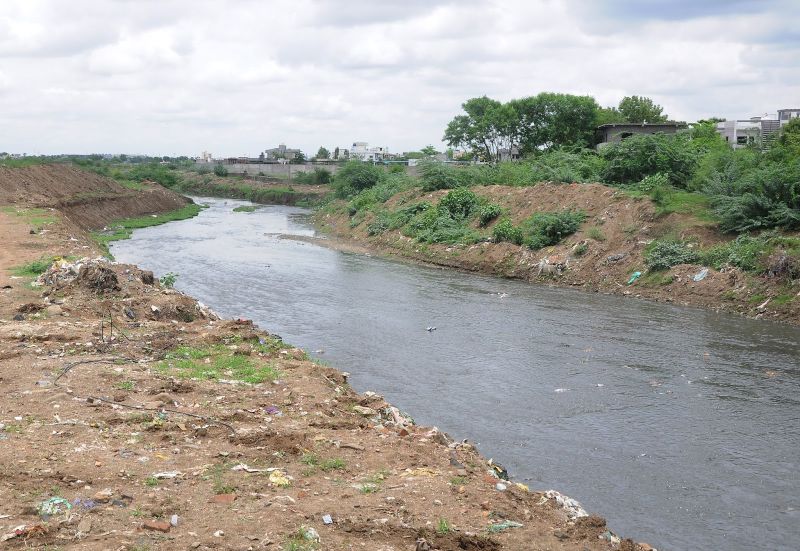
flood management: The state of Maharashtra faces a pressing issue with the flooding of the Nag River. To address this concern, the Maharashtra State Irrigation Department has proposed a meticulous hydrological study to be conducted by the Nagpur Municipal Corporation (NMC). Shweta Banerjee, the superintending engineer at NMC, confirmed the recommendation, emphasizing the need for immediate action.

Partnering for Solutions

The recommendation suggests engaging the Central Water and Power Research Station (CWPRS), Pune, renowned for its expertise in water management studies. Pranjali Tongse, an executive engineer from the Irrigation Department, highlighted the study’s goal: to identify effective measures for flood management by comprehensively assessing the Nag River system.

Lessons from Past Studies

CWPRS has previously conducted similar studies for metropolitan areas like Pune, Nashik, and Mumbai. These studies proved instrumental in understanding river dynamics, pinpointing obstacles, and devising strategies to minimize damage. The Pune agency’s track record underscores its capability to offer tailored solutions for flood-prone regions.

Path to Progress

NMC has initiated contact with CWPRS and furnished necessary details about the Nag River, including its length and prevailing conditions. Upon receipt, CWPRS will dispatch a team to Nagpur to kickstart the hydrological study. This proactive approach signifies a step towards proactive flood management.

Overcoming Challenges

Despite previous directives from the National Green Tribunal, the marking of flood lines alongside the Nag River remains incomplete. Obstacles such as retaining walls have hindered progress. However, Banerjee is optimistic that with the impending hydrological study, the NMC can overcome these hurdles and develop robust flood management strategies.

The Need for Action

Residents along the Nag and Pili rivers endure annual flooding, highlighting the urgency of the situation. Banerjee believes that the hydrological study will provide invaluable insights, aiding in the formulation of action plans to mitigate flood-related woes.

Funding and Progress

NMC has allocated funds to the Irrigation Department for a survey aimed at identifying encroachments on the Nag River basin. However, progress has been sluggish, with only a fraction of the survey completed to date. The impending hydrological study is expected to accelerate efforts towards comprehensive flood management.

The initiative to conduct a hydrological study of the Nag River system marks a significant stride towards addressing Nagpur’s flood woes. By partnering with CWPRS and leveraging their expertise, NMC aims to develop proactive strategies to mitigate the impact of flooding on the city and its residents.

FAQs (Frequently Asked Questions)

1. How long will the hydrological study take?

The duration of the study depends on various factors, including the complexity of the river system and the extent of data analysis required. However, efforts will be made to expedite the process without compromising on accuracy.

2. Will residents be involved in the flood management planning process?

Yes, community engagement is crucial for effective flood management. NMC intends to involve residents in the planning process to ensure that their concerns and insights are taken into account.

3. What measures can residents take to protect their properties during floods?

Residents can take several precautionary measures, such as elevating valuable belongings, installing flood barriers, and adhering to evacuation advisories issued by authorities.

4. How will the hydrological study benefit Nagpur in the long run?

The study will provide valuable data and insights that can inform future infrastructure projects, zoning regulations, and emergency response plans, ultimately enhancing the city’s resilience to floods.

5. Is there a timeline for the implementation of flood management measures?

While specific timelines may vary, NMC is committed to expeditiously implementing recommendations arising from the hydrological study to minimize the risk of flooding in Nagpur.

The Downfall of NMC’s Amnesty Scheme: A Missed Opportunity

A Disappointing Outcome

Amnesty Scheme | Property Tax: The Nagpur Municipal Corporation (NMC) embarked on a bold initiative earlier this year, launching amnesty schemes to recover outstanding taxes and rents from defaulters. However, as the schemes came to a close on March 31, the results were far from satisfactory. Despite setting a lofty target of ₹450 crore, the NMC only managed to recoup a mere ₹85 crore. This article delves into the reasons behind this dismal outcome and its implications for the civic body and the city of Nagpur.

Underperformance of Amnesty Schemes

Challenges Faced by NMC

The amnesty schemes aimed to incentivize defaulters to clear their dues by offering significant rebates on interest levied for property tax, water bills, and shop rents. Despite these efforts, the response fell short of expectations.

Property Tax Department’s Efforts

Of the targeted recovery amount, the property tax department accounted for ₹70 crore. However, with 2.72 lakh property tax defaulters owing ₹300 crore to the NMC, the gap between target and actual recovery remains substantial.

Poor Response from Water Defaulters and Shopkeepers

The response from water defaulters was particularly disappointing, with the department managing to recover only ₹14.23 crore out of the owed ₹100 crore. Similarly, the estate department received zero response against the ₹22 crore in dues from shopkeepers.

Election Year Dynamics

A senior official from the NMC attributed the lackluster response to the awareness among defaulters that punitive actions would not be taken due to the ongoing election year.

Mixed Results and Partial Success

Property Tax Department’s Achievement

Despite the overall disappointment, the property tax department achieved a commendable 104.66% of its annual target in the last financial year, recovering ₹314 crore, including ₹70 crore from the amnesty scheme.

Zone-wise Performance

Seven out of ten zones managed to achieve a 100% target, showcasing localized success in areas such as Laxmi Nagar, Dharampeth, and Gandhibagh.

Water Works Department’s Performance

The water works department generated ₹210 crore against a target of ₹250 crore, including ₹14 crore from the amnesty scheme, indicating a relatively better performance compared to other departments.

Lessons Learned and the Way Forward

The underperformance of the amnesty schemes underscores the need for a comprehensive reassessment of the NMC’s approach to tax recovery. While certain departments have shown promising results, there is a pressing need for targeted strategies to engage defaulters effectively. As Nagpur strives for financial stability and growth, addressing tax evasion and improving compliance will be critical.

FAQs

1. Why did the amnesty schemes fail to meet their targets?

The lack of punitive actions during an election year led to complacency among defaulters, resulting in a poor response to the schemes.

2. Are there any departments that performed well despite the overall underperformance?

Yes, the property tax department exceeded its annual target, showcasing a glimmer of success amid the disappointment.

3. What are the implications of the underperformance of the amnesty schemes for Nagpur?

The city may face financial challenges and constraints on infrastructure development if tax recovery remains below expectations.

4. How can the NMC improve tax recovery in the future?

Implementing targeted outreach campaigns, leveraging technology for better data management, and instituting stricter penalties for defaulters could improve tax compliance.

5. What lessons can other municipal bodies learn from Nagpur’s experience?

Effective communication, timely enforcement actions, and transparency in tax policies are crucial for the success of amnesty schemes and overall tax recovery efforts.

LS Poll Impact: NMC May Freeze Water Charge Hike

Understanding the Implications of Pending Water Tariff Decision

NMC water charge hike: In the backdrop of the forthcoming Lok Sabha and Assembly elections, the Nagpur Municipal Corporation (NMC) faces a crucial decision regarding its annual water charge increment. Traditionally, the NMC adjusts water charges by 5% each year on April 1, as stipulated by its bylaws. However, this year, the corporation is yet to make a definitive decision. The Water Works Department of the NMC presented a proposal to Administrator and Municipal Commissioner Abhijeet Chaudhari two weeks ago, but a final verdict remains pending, as disclosed by a reliable source close to the development.

Historical Context: The Pattern of Water Tariff Increases

Over the past 14 years, the water tariff has seen incremental rises, with this potential increase marking the 13th instance. Presently, the NMC levies charges ranging from Rs 8.99 to Rs 20 per unit. Should Chaudhari approve the revised rates, the per-unit tariff will experience a 5% surge, adding 0.44 paisa to the existing Rs 8.99 for every 1,000 liters of water.

Authority and Empowerment: Municipal Governance Dynamics

The General Body has delegated authority to the civic chief, empowering them to implement an annual 5% increment in water tariff. This measure aims to offset the escalating expenses associated with drinking water supply. Despite the proposed increase, it’s noteworthy that Nagpur’s water tariff remains comparably lower than that of other urban areas, as explained by a senior official from the department.

Economic Shifts and Financial Dynamics

The journey of Nagpur’s water tariff is characterized by significant economic shifts. In 2010, the tariff stood at Rs 5 per unit, with the NMC profiting from the supply. However, the landscape changed drastically when the corporation began paying Rs 10 per unit to Orange City Water (OCW), which now reaps profits from the supply. The fiscal dynamics shifted notably in 2023, when the NMC reassessed its rates in response to OCW’s subpar performance.

Political Considerations: The Nexus Between Governance and Elections

Sources suggest that political compulsions are at play in the NMC’s hesitation to revise water charges. The fear of backlash ahead of the Lok Sabha elections looms large, prompting a cautious approach towards tariff adjustments. Typically, revised tariffs take effect from the new financial year but may reflect in June’s billing cycle, as per insider insights.

The pending decision regarding water tariff increments underscores the intricate interplay between governance, economics, and politics. As the NMC navigates these complexities, the ramifications of its choice extend beyond administrative realms, impacting citizens and stakeholders alike.

FAQs (Frequently Asked Questions)

  1. Why does the NMC increase water charges annually?
    • The annual increment aims to cover rising expenses associated with water supply, ensuring sustainable service provision.
  2. How do Nagpur’s water tariffs compare to those of other urban areas?
    • Nagpur’s tariffs remain relatively lower, providing a competitive advantage in the region’s utility landscape.
  3. What factors contributed to the NMC’s decision to reassess water tariff rates in 2023?
    • The decision stemmed from concerns regarding the performance of Orange City Water and shifting economic dynamics.
  4. How does the pending decision on water tariff increments intersect with political dynamics?
    • Political considerations, especially with impending elections, influence the NMC’s stance on tariff adjustments to mitigate potential backlash.
  5. When can citizens expect clarity on the NMC’s decision regarding water tariff increments?
    • While typically effective from the new financial year, the decision’s impact may be observable in billing cycles starting from June.

Respite: Panchsheel Square Bridge Opening Today

A Glimmer of Hope Amidst Lingering Bridge Woes

In a city where bridge projects often seem to drag on endlessly, today marks a significant milestone as authorities prepare to partially open the Panchsheel Square bridge for vehicular traffic. After just six months of construction following the collapse of the previous century-old structure, commuters will finally experience relief as a portion of the bridge becomes accessible again. Let’s delve into the story behind this remarkable feat and its implications for the community.

Swift Action in the Face of Crisis

When heavy rains caused the collapse of the old Panchsheel Square bridge, the National Highway unit of the Public Works Department (PWD) wasted no time in mobilizing. Recognizing the urgency of the situation, they embarked on the construction of a new four-lane bridge adhering to modern standards. The urgency was not only due to the collapse but also because the aging structure’s pillars were deteriorating under the strain of increasing traffic volume and tonnage.

A Herculean Effort

Undeterred by the challenges, the PWD worked tirelessly day and night to rebuild the bridge. Excavation work was carried out on both sides of Wardha Road to ensure deep foundations for the pillars. The closure of the crucial road link between Panchsheel Square and Jhansi Rani Square inconvenienced commuters and caused traffic chaos in nearby areas like Dhantoli. The impact rippled further, affecting bus operations and local businesses.

A Beacon of Progress

While other bridge projects languished for years, the swift completion of the Panchsheel Square bridge stands as a testament to effective project management and determination. As one section of the bridge opens today, citizens can breathe a sigh of relief. However, there’s still work to be done on the stretch from Rani Jhansi Square to Panchsheel Square, with unforeseen obstacles like collapsed pipelines causing delays.

The opening of the Panchsheel Square bridge offers not only physical connectivity but also symbolic hope for a city accustomed to stalled infrastructure projects. It serves as a reminder of the resilience of communities and the power of decisive action in the face of adversity.

FAQs

  1. Why did the old Panchsheel Square bridge collapse?
    • The collapse was primarily triggered by heavy rains, exacerbated by the deterioration of the bridge’s pillars over time.
  2. How long did it take to rebuild the bridge?
    • Construction of the new bridge took approximately six months, a remarkable feat considering the scale of the project.
  3. What impact did the bridge closure have on commuters?
    • The closure led to traffic congestion, disrupted bus services, and adversely affected local businesses in the vicinity.
  4. Are there any ongoing challenges with the bridge project?
    • Yes, some portions of the bridge still require completion, with unexpected issues such as collapsed pipelines causing delays.
  5. What does the opening of the bridge signify for the community?
    • The opening of the bridge represents a significant milestone, offering relief to commuters and symbolizing progress and resilience in the face of adversity.

Nagpur Municipal Corporation Cracks Down on Illegal Debris Dumping

In a proactive move to tackle the growing menace of illegal debris dumping, the Nagpur Municipal Corporation (NMC) has undertaken a comprehensive survey, revealing alarming statistics. According to the survey conducted by NMC’s nuisance detection squad (NDS), a staggering 321 locations within the city have been identified as spots where debris has been illegally accumulated. Among these locations, 35 have been attributed to various government departments, while an additional 50 spots remain unclaimed, with unknown persons responsible for dumping construction and demolition (C&D) waste.

Unveiling the Survey Findings

Led by NMC deputy municipal commissioner Dr Gajendra Mahalle and director of solid waste management, the survey commenced on March 22 and encompassed a thorough examination of roads, footpaths, and public areas. The extensive sweep, covering both private and government entities including NHAI and PWD, was carried out by NDS commandant Virsen Tambe and a team of approximately 128 personnel spread across the city’s 10 zones.

Taking Swift Action

In response to the alarming findings, NMC (Nagpur Municipal Corporation) has initiated stringent measures. Notices are being served to citizens, builders, and institutions found responsible for dumping debris, mandating them to transport the waste to the designated disposal site at Bhandewadi. Additionally, NMC has pledged to clear C&D waste dumped by unidentified individuals at the 50 unclaimed spots, ensuring swift removal to the Bhandewadi C&D waste plant.

Zone-wise Breakdown

The survey revealed significant disparities across different zones within the city. Dharampeth zone topped the list with 54 identified spots, while Lakadganj zone recorded the lowest count at 15 spots. Dr Mahalle emphasized that these measures are pivotal in the ongoing efforts to enhance cleanliness and aesthetics across the cityscape.

Innovative Waste Management Solutions

In collaboration with a Hyderabad-based company, NMC has established a cutting-edge C&D waste treatment plant at the Bhandewadi dumping yard, marking a significant milestone for Central India. The plant, currently operational on a trial basis, boasts a capacity to process 150 metric tonnes of waste daily. Beyond benefiting NMC, the plant is poised to serve various municipal bodies and government departments, providing a systematic approach to debris management while producing valuable materials like paver blocks and tiles from recycled waste.

Enforcement and Penalties

In adherence to NMC policy and the guidelines of the C&D Waste Rules 2016, stringent penalties are being enforced for illegal dumping. Sanitation officers, inspectors, and enforcement officials wield the authority to impose fines on violators, with fines set at Rs5,500 per vehicle for illegal dumping. Furthermore, fines are slated to increase by Rs500 annually from April 1, incentivizing compliance with waste disposal regulations.

The NMC’s proactive stance against illegal debris dumping underscores its commitment to fostering a cleaner and more sustainable urban environment. Through rigorous enforcement, innovative waste management solutions, and community engagement, the city of Nagpur is poised to set a precedent in combating environmental degradation and promoting responsible waste disposal practices.

FAQs (Frequently Asked Questions)

1. How were the 321 dumping spots identified?

2. What actions will be taken against those responsible for illegal dumping?

  • Notices will be served, directing responsible parties to transport debris to designated disposal sites. Additionally, fines will be imposed on violators as per NMC regulations.

3. How will the C&D waste treatment plant benefit the city?

  • The plant will provide a sustainable solution for debris management, producing valuable materials while reducing environmental impact.

4. What role do citizens play in combating illegal dumping?

  • Citizens are encouraged to report instances of illegal dumping and adhere to waste disposal guidelines to maintain a clean and hygienic environment.

5. How can individuals contribute to waste management efforts in Nagpur?

  • Individuals can segregate waste, participate in recycling initiatives, and raise awareness about responsible waste disposal practices within their communities.
  •  

Education Institute of Eminent Group to Come Up at Bhandewadi: Transforming Nagpur into a Global Education Hub

Vision for Educational Excellence in Nagpur

In a significant move to position Nagpur city as a global education hub, the Maharashtra Government has granted approval to the Nagpur Municipal Corporation (NMC) for leasing a sprawling land parcel of 18.35 hectares in Bhandewadi. This land will serve as the foundation for an education institute of eminence, a testament to the state’s commitment to fostering academic brilliance.

A Landmark Collaboration: NMC and Vile Parle Kelvani Mandal

NMC, in collaboration with the prestigious M/s Vile Parle Kelvani Mandal from Mumbai, has set its sights on transforming Bhandewadi. The proposal, sent to the Urban Development Department (UDD), outlines the intent to sign a Memorandum of Understanding (MoU) with Vile Parle Kelvani Mandal, a beacon of education in the metropolis. Under this plan, the land will be provided to Vile Parle at a rate below market value, with a lease term of 30 years.

Rejuvenating Bhandewadi: From Waste to Wisdom

Bhandewadi, situated in East Nagpur, has long been associated with the stigma of being a garbage dumping yard. However, leveraging advancements in technology, the legacy waste dilemma has been mitigated effectively. As a result, this vast expanse of land now stands ripe for transformation into an educational nucleus, aligning with the visionary pursuits of Maharashtra’s leadership.

Leveraging Success Stories: Embracing Educational Excellence

In recent years, strategic efforts have been undertaken to attract renowned educational groups, particularly those with a stronghold in Pune and Mumbai. The establishment of the Symbiosis Institute’s centre for excellence in the Wathoda-Bhandewadi area stands as a testament to the success of this approach. Drawing inspiration from this, Vile Parle’s foray into Nagpur will focus on delivering excellence across both school and college education domains.

The Legacy of Vile Parle: Pioneers in Education

Vile Parle Kelvani Mandal, established in 1930, commands reverence in the education landscape, notably with institutions like Narsee Monjee College of Commerce and Economics and Narsee Monjee Institute of Management Studies. With a portfolio spanning over two dozen institutes offering diverse courses, ranging from law and commerce to technology and polytechnic studies, Vile Parle has consistently upheld the mantle of educational supremacy.

Shaping the Future: Administrative Framework

According to UDD notifications, a committee spearheaded by the Municipal Commissioner of NMC will oversee the determination of annual lease fees and security charges. Empowered to offer concessions on lease rates, the committee’s decisions, guided by the Municipal Commissioner’s leadership, will be paramount. Notably, the NMC House’s resolution in June 2023 earmarked 18.35 hectares in Bhandewadi for the establishment of an eminent education institute catering from Nursery to Higher Education levels.

Empowering Local Talent: A Commitment to Inclusivity

Building on the success of initiatives like Symbiosis, the forthcoming MoU with Vile Parle is poised to include provisions ensuring local representation. Reserving seats for Nagpur city’s students across various courses underscores the commitment to nurturing indigenous talent and fostering a sense of ownership within the community.

FAQs (Frequently Asked Questions)

1. What is the significance of the collaboration between NMC and Vile Parle Kelvani Mandal?

The collaboration aims to establish an education institute of eminence in Bhandewadi, positioning Nagpur as a global education hub and fostering academic excellence in the region.

2. How does the initiative contribute to Nagpur’s development?

By repurposing land previously used for waste disposal into an educational hub, the initiative not only addresses environmental concerns but also catalyzes socio-economic growth by attracting talent and investment to the region.

3. What courses and educational levels will be offered at the institute?

The institute plans to offer a comprehensive spectrum of courses, ranging from Nursery to Higher Education, encompassing diverse fields such as commerce, management, law, technology, and more.

4. Will local students have opportunities to enroll in the institute?

Yes, the MoU with Vile Parle Kelvani Mandal is expected to include provisions for reserving seats for students from Nagpur city, ensuring inclusivity and community engagement.

5. How will the administrative framework ensure transparency and fairness in lease agreements?

A committee headed by the Municipal Commissioner of NMC will oversee the determination of lease fees and security charges, with provisions for concessions to promote accessibility and affordability.

Fire Department Raises Alarm: 148 Hospitals Deemed Unsafe in Nagpur

Ensuring Safety Amidst the Crisis

Nagpur: In a recent development, the fire and emergency services department of Nagpur Municipal Corporation (NMC) has sounded the alarm, declaring a staggering 148 hospitals within the city as unsafe havens. This significant action follows a rigorous inspection conducted by personnel from nine fire stations, who meticulously scrutinized 424 hospitals within the Nagpur city limits to ascertain their compliance with essential firefighting norms.

The Critical Findings

The comprehensive inspection unearthed a troubling reality: a significant portion of these vital healthcare institutions—191 to be precise—lacked the mandatory firefighting equipment, posing an imminent threat to the safety and well-being of patients, staff, and visitors alike. Despite earnest efforts by some property owners to initiate the installation of firefighting apparatus, many fell short in fully addressing the recommendations provided.

In light of these alarming findings, the department invoked the Maharashtra Fire Prevention and Life Safety Measures Act, 2006, to officially declare 148 hospital buildings as unsafe in Nagpur. This crucial step underscores the gravity of the situation and serves as a stern reminder of the paramount importance of adhering to established safety protocols and regulations.

Addressing Immediate Concerns

Speaking on behalf of the department, officiating chief fire officer BP Chandankhede emphasized the urgency of the situation, urging the occupants of these compromised structures to vacate the premises promptly. The severity of the issue is further highlighted by the distribution of unsafe structures across various fire station jurisdictions, with Civil Lines bearing the brunt, accounting for 41 of the identified hazardous hospitals.

A Call for Vigilance and Compliance

Despite Nagpur’s stature as a burgeoning healthcare hub in central India, the persistent inadequacy of fire safety measures in many hospitals remains a glaring concern. Officials caution that these institutions, lacking proper firefighting mechanisms or escape arrangements, pose significant risks, potentially transforming into fatal traps in the event of a fire outbreak.

Navigating Regulatory Lapses

Further exacerbating the situation, the survey uncovered disturbing trends, with approximately 142 hospitals (In Nagpur) operating without sanctioned plans. This revelation suggests a concerning trend of hospitals functioning within residential buildings, devoid of the requisite authorized plans to operate as medical facilities—a situation ripe for potential disaster.

Enforcing Accountability and Remedial Measures

In response to these findings, the department has taken decisive action, dispatching notices to building owners mandating the installation of firefighting equipment. Additionally, directives have been issued to relevant municipal departments and utilities to disconnect water and power supply to 62 identified hazardous hospital buildings, underscoring the seriousness with which these safety lapses are being addressed.

Moreover, the department has not hesitated to escalate matters further, lodging police complaints against 69 owners and occupants of non-compliant hospital buildings. These measures signify a concerted effort to enforce adherence to firefighting norms and ensure the safety and well-being of all stakeholders.

Progress Amidst Challenges

Amidst these challenges, it’s worth noting that out of the 424 hospitals inspected, 263 have obtained the initial fire no-objection certificate, with 109 demonstrating compliance with firefighting norms, subsequently receiving the final fitness certificate from the fire department. While commendable, these figures underscore the ongoing need for vigilance and regulatory compliance in safeguarding public safety.

FAQs:

1. How were the hospitals identified as unsafe?

  • The fire department conducted thorough inspections across 424 hospitals, identifying deficiencies in firefighting equipment and adherence to safety protocols.

2. What legal framework governs the declaration of unsafe hospitals?

  • The Maharashtra Fire Prevention and Life Safety Measures Act, 2006, empowers authorities to declare buildings unsafe if they fail to meet specified safety standards.

3. What actions are being taken to address the safety lapses?

  • Notices have been issued to building owners for the installation of firefighting equipment, while utilities have been instructed to disconnect services to non-compliant buildings. Legal measures are also being pursued against negligent parties.

4. Are there any hospitals compliant with safety regulations?

  • Yes, out of the inspected hospitals, a significant number have obtained the necessary certificates demonstrating compliance with firefighting norms.

5. What steps can hospitals take to ensure compliance with safety standards?

  • Hospital administrations should prioritize the installation of firefighting equipment, conduct regular safety audits, and ensure compliance with regulatory requirements to mitigate fire hazards effectively.

Veggie & Meat Market to Sprout in South West Nagpur

A New Venture for South West Nagpur’s Culinary Scene

Market development In South West Nagpur: In a stride towards enhancing local commerce and meeting the demands of residents, the Nagpur Municipal Corporation (NMC) has embarked on an ambitious project to establish a combined vegetable and mutton market in the south-western region of Nagpur. Spanning across a land parcel of 15,563.709 square meters on Orange City Street, this endeavor is poised to invigorate the economic landscape of the area.

Project Overview (Market development In South West Nagpur)

The project entails the construction of a ground plus two-storey market with an estimated budget of ₹193 crore. Embracing the principles of public-private partnership (PPP), the NMC seeks substantial financial assistance from the Maharashtra government, with a request amounting to ₹128.51 crore for the development of the market in the Laxmi Nagar zone.

Addressing Historical Encroachments

Over the years, the absence of an authorized NMC market led to the unauthorized occupation of a significant portion of Orange City Street by vegetable vendors and mutton/chicken sellers. However, recent anti-encroachment initiatives by the NMC have mitigated this issue, paving the way for the proposed market development.

Current Scenario and Future Prospects

Presently, vegetable vendors operate stalls in two weekly markets held on Saturdays and Sundays, originating from Jaiprakash Nagar Metro station and Jaitala, respectively. The decision to establish the new market arises from the necessity to provide a regulated and conducive environment for both vendors and consumers.

Public-Private Partnership Model

The NMC’s collaboration with private developers underscores its commitment to efficient market management and maintenance. With the private partner’s investment of ₹60 crore towards construction, coupled with the opportunity to retail certain shops, the market’s sustainability is envisioned.

Ensuring Sustainable Maintenance

Recognizing the challenges faced by existing civic body-owned markets due to financial constraints, the NMC prioritizes the implementation of a PPP model for this venture. By delegating maintenance responsibilities to the private sector, the market’s upkeep is poised to be robust and consistent.

Structural Layout and Facilities

The market’s design incorporates pragmatic features, including a basement designated for four-wheeler parking and ground floor space for accommodating 1,000 two-wheelers. Furthermore, provisions are made for developing shops on the ground floor, alongside designated areas for 270 vegetable vendors and 78 mutton and chicken sellers on the first and second floors.

The forthcoming establishment of the vegetable and mutton market in south-west Nagpur heralds a new era of commercial vitality and community engagement. Through strategic partnerships and meticulous planning, the NMC aims to create a sustainable marketplace that caters to the diverse needs of residents while bolstering economic growth.

FAQs (Frequently Asked Questions)

  1. Will the market feature organic produce?
    • Yes, efforts will be made to include organic produce vendors within the market to cater to the growing demand for healthy alternatives.
  2. What measures are in place to ensure vendor hygiene and food safety?
    • The NMC will implement stringent regulations and conduct regular inspections to uphold hygiene and food safety standards among vendors.
  3. Will the market operate on all days of the week?
    • The market is expected to operate daily, providing continuous access to fresh produce and meat products.
  4. Are there plans for additional amenities within the market premises?
    • Yes, amenities such as restrooms, seating areas, and waste disposal facilities will be incorporated into the market design.
  5. How will the market contribute to local employment opportunities?
    • The establishment of the market is anticipated to generate employment opportunities both directly, through vendor positions, and indirectly, through associated services and businesses.
Exit mobile version