NMC Addresses Parking Woes with 21 New Parking Facilities

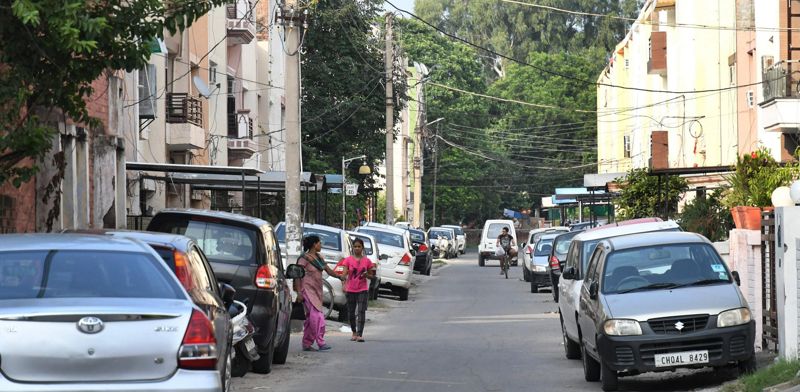
NMC Parking: In response to escalating parking problems in the city, the municipal corporation has introduced 21 new parking facilities, approved by the transport department, to alleviate the strain on motorists facing penal action for illegal parking in no-parking zones.

The Critical Situation

Parking congestion in the city has reached critical levels, with motorists frequently facing penalties as traffic police intensify crackdowns on vehicles parked in no-parking zones. This crackdown has compounded the woes of citizens, who are already struggling with the lack of designated parking spaces.

Traffic Police Crackdown

The traffic police’s stringent measures have led to a significant number of penalties for illegal parking. While this has helped reduce traffic obstructions, it has also highlighted the urgent need for more parking facilities.

Municipal Corporation’s Intervention (NMC Parking)

Relief on the Horizon

The municipal corporation has stepped in to tackle the problem head-on. With 21 new parking facilities (NMC Parking) now available across the city, approved by the transport department, motorists can expect much-needed respite from the challenges of finding suitable parking spots.

Survey and Approval Process

A survey conducted by the Nagpur Municipal Corporation identified 75 locations suitable for parking two-wheelers and four-wheelers. However, certain areas like Sitabuldi, Itwari, Gandhibagh, Gokulpeth, Khamla, and Lakadganj were initially overlooked by the traffic control branch, exacerbating parking issues in these densely populated and bustling market areas.

Challenges in Densely Populated Areas

Overlooked Areas

The lack of designated parking spaces in Sitabuldi, Itwari, Gandhibagh, Gokulpeth, Khamla, and Lakadganj has led to chaotic parking situations, often resulting in disputes between shopkeepers and citizens, and clashes during towing and lifting operations.

Disputes and Clashes

The chaotic parking scenarios have frequently resulted in disputes between shopkeepers and citizens, leading to clashes during towing and lifting operations, further complicating the situation.

The Proposal for New Parking Lots

Submission and Approval

The proposal for the establishment of 75 new parking lots was submitted to the traffic police department by the Nagpur Municipal Corporation a year ago for approval. With 21 of them now being realized, motorists grappling with the city’s parking crisis can finally look forward to some relief.

Selection of Locations

The selection of these 21 new parking facilities was based on strategic locations identified in the survey. These locations were chosen to ensure maximum convenience for motorists and to alleviate congestion in the most problematic areas.

Benefits of the New Parking Facilities

Reduced Illegal Parking

The introduction of these new parking facilities is expected to significantly reduce instances of illegal parking in no-parking zones. This will not only help motorists avoid penalties but also contribute to smoother traffic flow.

Enhanced Traffic Management

With designated parking spaces now available, traffic management in the city is likely to improve. This will benefit not only motorists but also pedestrians and other road users.

Economic Impact

The establishment of new parking facilities is also expected to have a positive economic impact. Improved parking conditions can boost business in commercial areas by making it easier for customers to access shops and markets.

Community Reactions

Motorists’ Relief

Motorists across the city have expressed relief at the news of the new parking facilities. Many have faced the frustration of finding a parking spot and the anxiety of potential penalties for illegal parking.

Shopkeepers’ Perspective

Shopkeepers in the previously overlooked areas are hopeful that the new parking facilities will bring an end to the disputes and clashes that have plagued their businesses.

Implementation and Future Plans

Ongoing Development

The municipal corporation is committed to continuously improving parking facilities in the city. The current 21 new parking facilities are just the beginning, with plans for additional locations already in the pipeline.

Future Surveys

Future surveys will focus on identifying more strategic locations for parking facilities, especially in areas that were initially overlooked. This ongoing effort aims to ensure that the parking needs of all city residents are met.

The introduction of 21 new parking facilities by the municipal corporation marks a significant step towards resolving the city’s parking woes. By providing designated parking spaces, the initiative is set to alleviate the strain on motorists and improve overall traffic management. As the city continues to grow, ongoing efforts to expand and enhance parking facilities will be crucial in maintaining order and convenience for all residents.

Q1: What prompted the introduction of the new parking facilities?

The introduction of new parking facilities was prompted by the escalating parking problems in the city, with motorists facing penalties for illegal parking and a lack of designated parking spaces.

Q2: How many new parking facilities have been introduced?

The municipal corporation has introduced 21 new parking facilities (NMC Parking) across the city.

Q3: Which areas were initially overlooked in the parking survey?

Areas like Sitabuldi, Itwari, Gandhibagh, Gokulpeth, Khamla, and Lakadganj were initially overlooked by the traffic control branch.

Q4: What are the expected benefits of the new parking facilities?

The new parking facilities are expected to reduce illegal parking, improve traffic management, and have a positive economic impact by boosting business in commercial areas.

Q5: Are there plans for more parking facilities in the future?

Yes, the municipal corporation has plans for additional parking facilities, with future surveys aimed at identifying more strategic locations to meet the parking needs of city residents.

Repair Roads Before Rains, NMC Directs All 10 Zones

Nagpur road repairs | NMC: With the monsoon just around the corner, the Nagpur Municipal Corporation’s (NMC) hotmix department has taken a proactive stance, directing all 10 zones to repair roads that are narrower than 12 meters. Municipal Commissioner Abhijeet Chaudhari allocated ₹20 lakh to each zone to address pothole-related complaints, according to hotmix department executive engineer Ajay Dahake. Additionally, NMC decided not to extend the contracts of two agencies responsible for repairing potholes within 24 hours of complaints received across the city.

Urgent Road Repairs Before Monsoon

Why the Rush?

The impending monsoon season brings with it the risk of worsening road conditions. Potholes and damaged roads can lead to dangerous driving conditions, especially during heavy rains.

NMC Strategic Allocation

Municipal Commissioner Abhijeet Chaudhari has strategically allocated ₹20 lakh to each zone, ensuring that resources are available to address the most pressing issues. This funding is specifically targeted at repairing roads narrower than 12 meters and those with significant damage.

Targeted Repairs

The hotmix department is focused on repairing roads that are damaged over 50%. From May 27 to June 1, they managed to repair a total of 3,046.51 square meters of potholes across six zones, including Dharampeth, Nehru Nagar, Lakadganj, and Mangalwari.

Significant Progress

This effort marks significant progress in addressing the road conditions, aiming to provide safer and smoother commutes for Nagpur’s residents.

Former Corporators Speak Out (Nagpur road repairs)

Without an NMC general body since March 2022, the tar roads, particularly in residential areas, have deteriorated. Former corporators, including BJP city president Jitendera alias Bunty Kukde and Congress’s Manoj Sangole, have highlighted the grim situation. Areas like Kharbi, Wathoda, Gurunanak Pharmacy College, Tathagat Nagar, and Mhada Colony are riddled with potholes, leading to frequent accidents.

Public Demand for Immediate Attention

Former West Nagpur corporator Kamlesh Chowdhary emphasized the need for immediate attention to several tar roads to avoid inconvenience during the monsoon season.

(NMC Comprehensive Plan Nagpur road repairs)

Phased Approach

NMC’s comprehensive plan involves a phased approach to road repairs, prioritizing the most damaged areas first. This ensures that the most critical sections of the roads are addressed before the rains start.

Public Safety and Convenience

The primary goal is to enhance public safety and convenience, reducing the risk of accidents and ensuring smoother travel during the monsoon.

Challenges Faced

Resource Constraints

Despite the allocated funds, resource constraints remain a challenge. Ensuring that repairs are completed in a timely manner requires effective management and allocation of available resources.

The onset of the monsoon itself can cause delays in repair works. Therefore, it is crucial to complete as many repairs as possible before the heavy rains begin.

Innovative Solutions

Use of Advanced Materials

NMC is exploring the use of advanced materials and technologies to ensure longer-lasting repairs. This includes the use of durable hotmix asphalt, which is more resilient to weather changes.

Community Involvement

Engaging the community in reporting potholes and damaged roads through dedicated helplines and apps can help NMC respond more swiftly to new issues.

Long-Term Strategy

Regular Maintenance

A long-term strategy for road maintenance involves regular inspections and timely repairs to prevent the deterioration of roads. This proactive approach can save costs in the long run and ensure safer roads year-round.

Partnership with Private Agencies

Partnering with private agencies for road repairs can bring in additional expertise and resources, ensuring high-quality and timely completion of roadworks.

The NMC’s directive to repair roads before the monsoon season is a crucial step towards ensuring safer and more reliable road infrastructure in Nagpur. By addressing the most damaged areas first and utilizing advanced materials, NMC aims to mitigate the risks associated with the rainy season. While challenges remain, the concerted efforts of the hotmix department, along with community involvement, promise significant improvements. The focus on regular maintenance and strategic partnerships will be key to sustaining these improvements in the long term.

  1. Why is it important to repair roads before the monsoon?
  2. What areas are being prioritized for road repairs?
    • Roads narrower than 12 meters and those with significant damage, particularly those with over 50% damage, are being prioritized.
  3. How much funding has been allocated for these repairs?
    • ₹20 lakh has been allocated to each of the 10 zones for addressing pothole-related complaints.
  4. What materials are being used for the repairs?
    • Advanced materials such as durable hotmix asphalt are being used to ensure longer-lasting repairs.
  5. How can residents report potholes or damaged roads?
    • Residents can report potholes and damaged roads through dedicated helplines and apps set up by NMC for swift response.

NMC: 58 Illegal Hoardings on Railway Properties

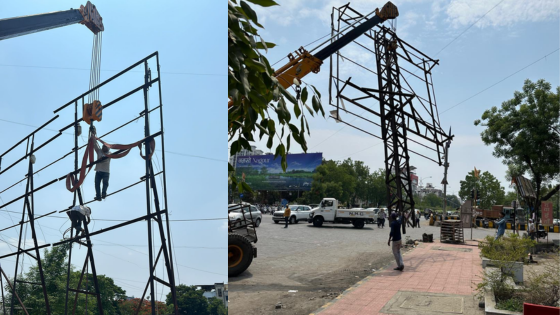
illegal hoardings: The Nagpur Municipal Corporation (NMC) has embarked on a crucial mission to inspect and audit the structural integrity of hoardings across the city. This initiative was propelled by a tragic incident in Mumbai, where a hoarding collapse resulted in the loss of 16 lives. Amid these inspections, a startling revelation came to light: 58 unauthorised hoardings were discovered on railway properties. This article delves into the findings, implications, and the steps taken by the NMC to address this pressing issue.

The Mumbai Tragedy: A Catalyst for Change

The unfortunate incident in Mumbai served as a wake-up call for municipal corporations across India. The collapse of a hoarding, which claimed 16 lives, underscored the dire need for stringent checks and regulations. It highlighted the potential dangers posed by unauthorised and structurally unsound hoardings.

Nagpur’s Response: A Comprehensive Audit

In response, the NMC initiated a thorough audit of hoardings within the city. The focus was not only on ensuring compliance with existing regulations but also on assessing the structural integrity of these advertising structures.

Statistics at a Glance

  • Total authorised hoardings in Nagpur: 1,054
  • Hoardings inspected: 825
  • Unauthorised hoardings identified: 58 (on railway properties)
  • Unauthorised hoardings removed: 5 (in the initial phase)

Railway Properties: A Hotspot for Unauthorised Hoardings

A significant portion of the unauthorised hoardings was found on railway properties. These included areas such as Cotton Market, Kadbi Chowk, Tadasi, Indora Road, and Dahi Bazar Road. The railway administration had erected these hoardings without seeking permission from the NMC, leading to a breach of municipal regulations.

Key Locations with Unauthorised Hoardings

  • Cotton Market
  • Kadbi Chowk
  • Tadasi
  • Indora Road
  • Dahi Bazar Road

Inspection Criteria: Ensuring Safety and Compliance

The NMC’s inspections covered several critical aspects:

Structural Strength

The primary concern was the structural integrity of the hoardings. Weak or poorly constructed hoardings pose a significant risk, especially in adverse weather conditions.

Size and Dimensions

Hoardings need to conform to specified size limits. Oversized hoardings not only violate regulations but also increase the risk of structural failure.

Location and Placement

The placement of hoardings should not obstruct visibility or pose a hazard to pedestrians and vehicles. Unauthorised hoardings often fail to meet these safety criteria.

The discovery of unauthorised hoardings on railway properties has legal and administrative ramifications. The railway administration’s failure to obtain necessary permissions is a violation of municipal laws, necessitating corrective actions.

Steps Taken by NMC

  1. Identification of Unauthorised Hoardings: An ongoing effort to identify and list unauthorised hoardings.
  2. Immediate Removal: Five unauthorised hoardings were removed within five days of identification.
  3. Legal Notices: Issuance of legal notices to entities responsible for erecting unauthorised hoardings.
  4. Coordination with Railways: Engaging with the railway administration to ensure compliance and prevent future violations.

Public Safety: The Paramount Concern

The primary goal of the NMC’s drive is to ensure public safety. Unauthorised hoardings, particularly those lacking structural integrity, pose a significant threat to public safety. By addressing this issue, the NMC aims to prevent tragedies similar to the one in Mumbai.

Community Involvement

Engaging the community in reporting unauthorised hoardings is crucial. Citizens can play a vital role in identifying and reporting illegal structures, aiding the NMC in its efforts.

Future Steps: Ensuring Compliance and Safety

Moving forward, the NMC plans to:

  1. Expand Inspections: Continue the inspection drive to cover all hoardings in the city.
  2. Stricter Regulations: Implement stricter regulations and penalties for non-compliance.
  3. Regular Audits: Conduct regular audits to ensure ongoing compliance and safety.

The discovery of 58 unauthorised hoardings on railway properties in Nagpur highlights a significant regulatory oversight. The NMC’s proactive approach in auditing and removing these hoardings underscores its commitment to public safety. As the city moves forward, stricter regulations and community involvement will be key to preventing such violations and ensuring a safer environment for all.

1. Why did the NMC start inspecting hoardings in Nagpur?

The NMC began inspecting hoardings following a tragic incident in Mumbai where a hoarding collapse resulted in 16 fatalities. This prompted a city-wide audit to ensure the structural integrity and legality of hoardings.

2. How many hoardings have been inspected so far?

Out of 1,054 authorised hoardings in Nagpur, 825 have been inspected for structural strength, size, and other compliance factors.

3. Where were the unauthorised hoardings found?

The 58 unauthorised hoardings were found on railway properties in areas like Cotton Market, Kadbi Chowk, Tadasi, Indora Road, and Dahi Bazar Road.

4. What steps is the NMC taking against unauthorised hoardings?

The NMC is identifying and listing unauthorised hoardings, issuing legal notices, removing illegal structures, and coordinating with the railway administration to ensure compliance.

5. How can citizens help in this initiative?

Citizens can report unauthorised hoardings to the NMC, aiding in the identification and removal of illegal structures and enhancing public safety.

Over 34% Electric Buses Standing Idle for Want of Charging Stations

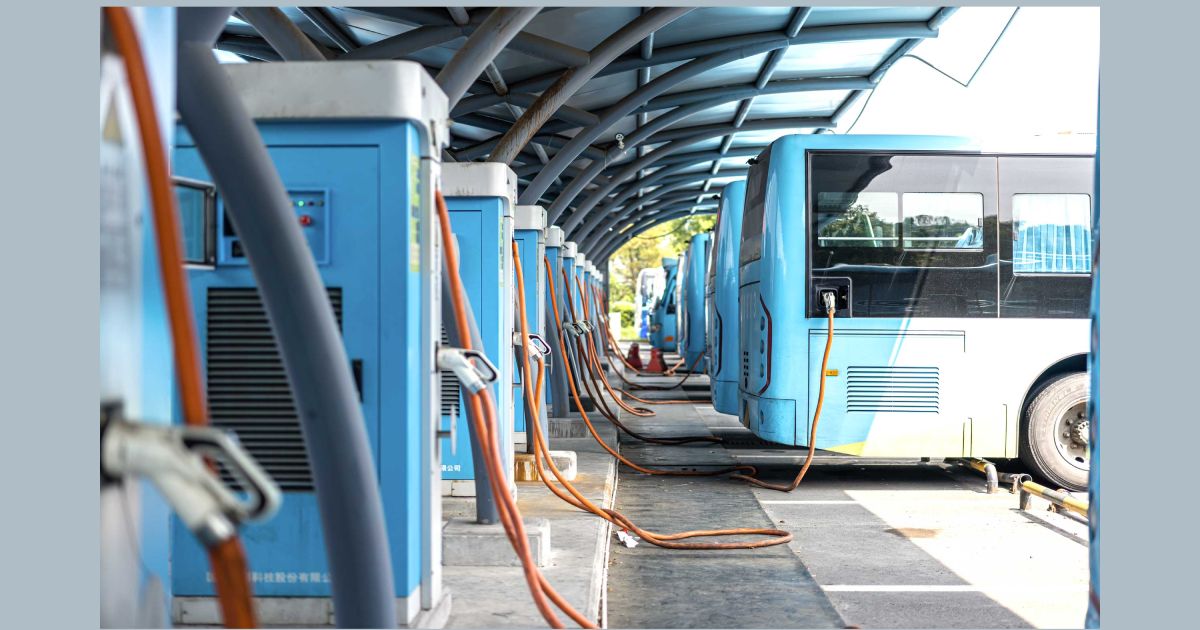
Nagpur electric bus charging: As Nagpur strides towards achieving 100% eco-friendly public transport, a significant roadblock has emerged. Approximately 34% of the city’s electric buses remain idle due to a lack of sufficient charging stations. This issue poses a challenge to the city’s green ambitions and highlights a critical infrastructure gap.

Nagpur’s Electric Bus Fleet: An Overview

The Current Fleet

Nagpur Municipal Corporation (NMC) currently operates a mixed fleet of buses. Out of 622 buses, around 421 are operational, with 151 being electric buses. The city’s electric fleet includes both air-conditioned (AC) and non-AC buses, with a notable emphasis on providing a comfortable commute.

Deployment Statistics

The NMC has received 230 electric buses, yet only 151 are in service. Of these, 105 are AC buses. The Haryana-based PMI Electro Mobility Solutions Private Limited has delivered all 144 AC e-buses, but only 65 are currently operational, leaving 79 buses idle at the Wathoda depot.

Charging Infrastructure: The Bottleneck

Existing Charging Stations

At present, Nagpur’s transport department has set up charging facilities at four locations: Lakadganj, Morbhavan, Wadi, and Hingna. These stations can collectively support 151 e-buses.

Charging Capabilities

With a one-hour charge, an electric bus can travel approximately 130 kilometres. However, the limited number of charging points is a significant constraint, leading to underutilization of the fleet.

Impact on Commuters

Overcrowding Issues

The decommissioning of 132 out of 237 standard red buses has exacerbated the issue, resulting in overcrowded routes such as Hingna, Butibori, Wadi, Kamptee, and Pardi. Daily commuters, including Prajwal Mandawkar who travels between Nari and Butibori, have voiced their concerns over the lack of sufficient charging infrastructure.

Commuter Comfort

The underuse of AC electric buses has also impacted commuter comfort. These buses are designed to provide a more comfortable travel experience, which is currently compromised due to the charging station shortage.

Plans for Expansion

Wathoda Depot Development

To address this issue, PMI is developing a new depot in Wathoda, which will house 88 charging guns. This expansion aims to significantly boost the city’s charging capacity and bring more electric buses into operation.

Opportunity Charging Points

In addition to the Wathoda depot, opportunity charging points are being installed at Mor Bhavan and Khapri. These points allow for quick, mid-route charging, reducing the need for buses to return to the depot for recharging and thereby saving valuable operational time.

Environmental and Economic Benefits

Reducing Emissions

The shift to electric buses is a key part of Nagpur’s strategy to reduce its carbon footprint. Electric buses produce zero emissions, contributing significantly to cleaner air and a healthier environment.

Cost Savings

Electric buses are also more cost-effective in the long run compared to their diesel and CNG counterparts. They offer lower operational and maintenance costs, which can lead to significant savings for the city.

Challenges Ahead

Infrastructure Investment

Developing the necessary infrastructure requires substantial investment. The city must prioritize funding for charging stations to ensure the full utilization of its electric bus fleet.

Policy and Planning

Effective policy and strategic planning are crucial to overcome these challenges. The NMC needs to develop a comprehensive plan that includes both short-term and long-term goals for infrastructure development.

Public-Private Partnerships

Role of Private Companies

Private companies like PMI play a vital role in this transformation. Their involvement in developing charging infrastructure is essential for the timely deployment of electric buses.

Collaborative Efforts

Collaboration between the NMC and private enterprises can accelerate the infrastructure development process. Such partnerships can bring in the necessary expertise and financial support.

Technological Innovations

Advanced Charging Solutions

Investing in advanced charging technologies can enhance efficiency. Fast-charging stations and wireless charging options are potential solutions that can be explored.

Smart Grid Integration

Integrating smart grid technology can optimize the charging process, ensuring better management of energy resources and reducing downtime for buses.

Commuter Awareness and Education

Promoting Public Transport

Raising awareness about the benefits of electric buses can encourage more people to use public transport. Education campaigns can highlight the environmental and economic advantages.

Feedback Mechanisms

Implementing feedback mechanisms can help the NMC understand commuter needs and address issues promptly. Engaging with the public ensures that the services provided meet their expectations.

Future Prospects

Scaling Up Operations

With the expansion of charging infrastructure, Nagpur can scale up its electric bus operations. This will not only improve public transport but also contribute to the city’s sustainability goals.

Benchmark for Other Cities

Nagpur’s efforts can serve as a benchmark for other cities aiming to transition to eco-friendly public transport. Successful implementation can provide a model for others to follow.

Nagpur’s journey towards 100% eco-friendly public transport is commendable but fraught with challenges. The shortage of charging stations has rendered over 34% of the city’s electric buses idle, impacting both operations and commuter satisfaction. However, with ongoing efforts to develop charging infrastructure and the support of private companies, the city is poised to overcome these hurdles. Investment in infrastructure, policy planning, and technological innovations are key to unlocking the full potential of electric buses and ensuring a sustainable future for Nagpur.

1. Why are so many electric buses in Nagpur idle?

Many electric buses in Nagpur are idle due to a shortage of charging stations. This infrastructure gap prevents the full deployment of the city’s electric bus fleet.

2. What steps are being taken to improve charging infrastructure?

The NMC and PMI are developing new depots and opportunity charging points to expand the city’s charging capacity. This includes a major development at Wathoda with 88 charging guns.

3. How does the charging infrastructure impact commuters?

Insufficient charging infrastructure leads to fewer buses in operation, causing overcrowding and discomfort for commuters, especially on busy routes.

4. What are the environmental benefits of electric buses?

Electric buses produce zero emissions, contributing to cleaner air and reducing the city’s carbon footprint. They also offer long-term cost savings in terms of operational and maintenance costs.

5. What future plans does Nagpur have for its electric bus fleet?

Nagpur plans to scale up its electric bus operations with improved charging infrastructure. The city aims to set a benchmark for eco-friendly public transport, providing a model for other cities to follow.

NMC Inspection Finds No Illegal Hoarding in Nagpur

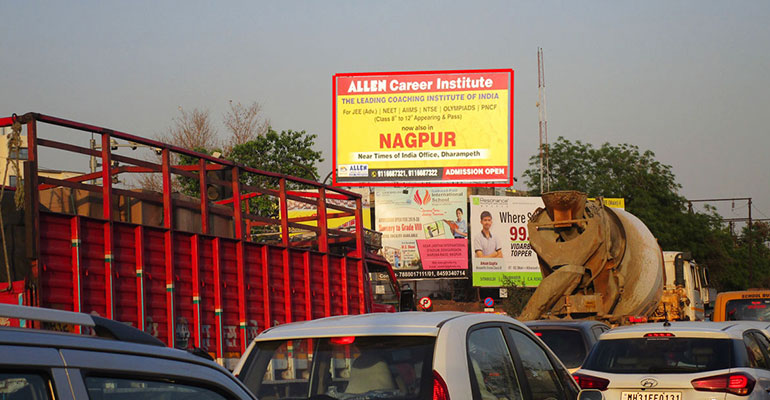
Nagpur hoarding inspection: The Nagpur Municipal Corporation (NMC) has recently concluded a comprehensive survey of 370 hoarding sites within the city. Over a span of two days, the teams worked meticulously, confirming that none of the inspected hoardings were illegal. This proactive measure was executed under the directives of NMC Commissioner Abhijeet Chaudhari, with Deputy Municipal Commissioner (Revenue) Milind Meshram overseeing the operations. Let’s delve into the details of this significant operation and understand its implications.

The Initiative Behind the Inspection

The city of Nagpur is home to numerous hoardings, with a total of 1,053 authorised structures currently standing. Ensuring these hoardings comply with regulations is crucial for maintaining urban aesthetics and safety. The recent inspection aimed to:

  1. Verify compliance with permitted dimensions.
  2. Ensure possession of proper permissions.
  3. Confirm completion of structural stability audits.

The Execution of the Survey

Formation of Flying Squads

To carry out this extensive survey, two flying squads were formed. These teams, supervised by Deputy Commissioner Meshram, were tasked with visiting and inspecting the hoarding sites. The squads’ primary focus was to scrutinise every aspect of the hoardings, ensuring they met all legal and structural requirements.

Inspection Results

Over 48 hours, the squads inspected 370 sites. Impressively, all hoardings were found to be in accordance with authorization requirements. This outcome not only highlights the efficiency of the NMC’s regulatory framework but also the compliance of advertising agencies operating within the city.

Understanding Hoarding Regulations in Nagpur

Permitted Dimensions

Hoardings must adhere to specific dimensions as prescribed by the NMC. These regulations are designed to ensure that hoardings do not obstruct public spaces or pose any danger to the public.

Permissions and Compliance

Every hoarding must have the necessary permissions, which include approvals from various municipal departments. These permissions are crucial as they confirm that the hoarding has been evaluated for safety and compliance with local laws.

Structural Stability Audits

To prevent accidents, structural stability audits are mandatory. These audits assess the physical integrity of hoardings, ensuring they can withstand environmental factors such as wind and rain.

The Role of NMC in Urban Management

Ensuring Public Safety

The NMC’s commitment to regular inspections underscores its dedication to public safety. By ensuring hoardings are compliant and structurally sound, the NMC mitigates potential risks posed by faulty or unauthorized structures.

Maintaining Urban Aesthetics

Hoardings, when placed and maintained correctly, contribute to the city’s aesthetics. The NMC’s regulations help maintain a balance between urban advertising and visual appeal, preventing clutter and disarray.

The Future of Hoarding Inspections

Ongoing Monitoring

The NMC’s work does not end with this inspection. Ongoing monitoring and regular audits will be crucial in maintaining the standards set by this recent survey.

Enhanced Regulations

As the city grows, the NMC may introduce enhanced regulations to address new challenges. These could include stricter guidelines for digital hoardings or eco-friendly advertising solutions.

The Nagpur Municipal Corporation’s recent inspection of hoarding sites has reaffirmed the city’s commitment to safety and compliance. With all 370 inspected sites adhering to regulations, Nagpur sets an example of effective urban management. The proactive approach by the NMC ensures that the city’s public spaces remain safe and visually appealing.

1. Why did the NMC conduct this inspection?

The NMC conducted this inspection to ensure that all hoardings in the city comply with legal and safety regulations, thus maintaining public safety and urban aesthetics.

2. How many hoardings were inspected?

A total of 370 hoardings were inspected over a two-day period.

3. What were the squads looking for during the inspections?

The squads checked for compliance with permitted dimensions, possession of proper permissions, and completion of structural stability audits.

4. What was the outcome of the inspection?

All inspected hoardings were found to be in compliance with the NMC’s regulations.

5. What are the future plans of the NMC regarding hoarding inspections?

The NMC plans to continue regular monitoring and may introduce enhanced regulations to address new challenges as the city grows.

Gridlock Alert: NMC To Concretize 9 More Roads in Nagpur

Brace Yourself for Traffic: NMC Initiates Road Concretization

Concretize-Nagpur-Roads | Nagpur Traffic: Living in Nagpur? You might be accustomed to the perpetual symphony of honking horns and bumper-to-bumper traffic. Well, gear up because there’s more to come. The Nagpur Municipal Corporation (NMC) has set its sights on concretizing nine additional tar roads, a move that could stir up some serious gridlock across the city.

What’s Happening?

Chief engineer Rajiv Gaikwad, in a tête-à-tête, spilled the beans. The Phase-IV of the cement concrete project is about to kick off, encompassing a grand total of 33 roads. These roads, spread across zones like Laxmi Nagar, Dharampeth, Dhantoli, and more, are about to undergo a major facelift.

The Budget Crunch

With the state government chipping in a hefty Rs300 crore, the plan is to concretize a staggering 34.5 km of tar roads. Gaikwad revealed, “We’re looking at a timeline of four months to complete the nine roads, spanning a total length of 4.73 kilometers.” 

Roadblocks Ahead

Sure, the end goal is improved infrastructure, but let’s not overlook the inconvenience this might cause. Already, 29 sections of the city are feeling the pinch due to ongoing construction works by various agencies. With the monsoon looming, the chaos might just intensify.

Light at the End of the Tunnel

Fear not, fellow motorists! Gaikwad assures us that while the construction may disrupt traffic for a while, alternate routes will be made available. 

The Nitty-Gritty Details

Wondering how these roads were cherry-picked? Gaikwad sheds light on the selection criteria. Roads boasting a width between 12 meters and 24 meters made the cut.

The wheels of progress are turning, albeit slowly. While Nagpur braces itself for more traffic snarls, let’s keep our eyes on the prize: smoother, sturdier roads.

1. Will my daily commute be affected?

Absolutely. Expect delays and diversions as the construction work unfolds.

2. How long will the disruptions last?

The chief engineer estimates a couple of months, so buckle up for the long haul.

3. Can I still access my destination during the construction?

Yes, alternate routes will be provided to ensure minimal disruption to your journey.

4. Is there a plan in place for emergency services?

Rest assured, arrangements will be made to prioritize emergency vehicles.

5. What’s the long-term benefit of this project?

Improved road infrastructure promises smoother and safer travels for all Nagpurians.

NMC’s Initiative: Ensuring Safety in Hoarding Structures

Nagpur hoarding safety assessment | NMC safety survey hoardings: In response to the tragic incident in Mumbai, where 14 lives were lost due to a hoarding collapsing during a storm, the Nagpur Municipal Corporation (NMC) has taken proactive measures to ensure the safety of hoardings erected across the city. Led by municipal commissioner Abhijeet Chaudhary and deputy commissioner Milind Meshram, the NMC has initiated a comprehensive survey aimed at assessing the structural integrity and compliance of hoarding installations.

Understanding the Urgency

The recent catastrophe in Mumbai underscores the critical importance of rigorous safety measures regarding hoarding structures. The NMC’s swift response reflects a commitment to preventing similar tragedies in Nagpur. By promptly launching a survey, the municipality demonstrates its dedication to proactive risk mitigation.

Organizational Preparedness

Under the guidance of Commissioner Chaudhary and Deputy Commissioner Meshram, the NMC has mobilized two teams within the sky signs licensing department. Each team comprises three skilled employees tasked with meticulously inspecting hoardings throughout the city.

Survey Parameters (NMC safety survey hoardings)

The survey teams are mandated to assess several key aspects of hoarding installations:

  1. Compliance with Approved Size: Ensuring that hoardings adhere to the size specifications sanctioned by the department.
  2. Authorization Verification: Verifying the legality of each hoarding installation, identifying any unauthorized structures.
  3. Structural Stability Audit: Conducting a thorough evaluation of the structural stability of hoardings to prevent potential collapses.

Enforcement Measures

In cases where violations are identified, the NMC is prepared to take decisive action in accordance with established regulations. Any agencies found to have erected hoardings without proper authorization or in violation of terms and conditions will face stringent penalties.

Commissioner Chaudhary has set a deadline of 15 days for completing the survey, highlighting the municipality’s commitment to swift and effective action.

The NMC’s initiative to conduct a safety survey of hoardings (Nagpur hoarding safety assessment) exemplifies responsible governance and a proactive approach to public safety. By prioritizing preventative measures and enforcement, the municipality seeks to safeguard its residents from potential hazards associated with hoarding structures.

Navigating the Delays: Mahametro’s Awaited Funds for Nag River Widening

Nag River Widening Funds | Mahametro: In the heart of Nagpur, the Nag River quietly flows, but its potential for flooding looms large. Mahametro, the city’s infrastructure spearhead, has embarked on the crucial task of desilting a 420-meter stretch within Krazy Castle premises, yet the awaited funds for widening the riverbed from the State Disaster Relief Fund (SDRF) remain elusive. This article delves into the complexities surrounding this endeavor, shedding light on the challenges and anticipated outcomes.

Current Situation and Pending Funds

Mahametro’s proactive approach to river maintenance is commendable. Despite initiating desilting operations, the crucial step of widening the riverbed awaits financial support. With a proposal of ₹20 crore forwarded to the divisional commissioner on April 16, the wheels of progress are set in motion, albeit slowly. The imminent meeting of the state executive committee promises a breakthrough, signaling hope for the timely allocation of funds.

Root Cause: Addressing Past Floods

The urgency behind Nag River’s widening stems from past calamities, notably the flooding triggered by Ambazari Lake’s overflow last September. A subsequent survey conducted by the irrigation department revealed alarming inadequacies in the river’s capacity, particularly around the Krazy Castle vicinity. The imperative to maintain a minimum flow of 140 cumecs underscores the gravity of the situation, compelling decisive action.

Commissioner’s Directive and Ongoing Efforts

Commissioner Abhijeet Chaudhari’s directives underscore a holistic approach towards mitigating flood risks. His mandate to complete cleaning operations across major rivers and stormwater drains, coupled with expedited road repairs, reflects a proactive stance. Zone-wise assessments and anti-encroachment initiatives highlight the multifaceted nature of the undertaking, emphasizing the need for concerted efforts.

Progress and Road Ahead

Despite the challenges, progress is palpable. With 51% of silt removed from Nag, Pili, and Pora rivers, totaling 81,846 cubic meters, tangible strides have been made. However, the road ahead demands sustained momentum. As Mahametro remains poised to widen the Nag River, collective support and timely fund allocation are imperative to ensure a resilient future for Nagpur.

The saga of Nag River’s widening encapsulates the intricate interplay between infrastructure development, environmental resilience, and bureaucratic processes. While delays may test our patience, the stakes are too high to falter. As stakeholders rally behind Mahametro’s vision, let us envision a Nagpur where the river flows freely, unhampered by the specter of floods.


Q1: Why is widening the Nag River crucial for Nagpur’s future? A1: Widening the Nag River enhances its capacity to mitigate flood risks, ensuring the city’s resilience against natural calamities.

Q2: How does the desilting process contribute to river widening? A2: Desilting clears the riverbed, facilitating smoother water flow and laying the groundwork for subsequent widening efforts.

Q3: What role does the State Disaster Relief Fund (SDRF) play in this endeavor? A3: The SDRF provides crucial financial support for infrastructure projects aimed at disaster mitigation and resilience-building.

Q4: How can citizens contribute to river maintenance efforts? A4: Citizens can support by adhering to waste disposal regulations, participating in cleanup drives, and advocating for sustainable river management practices.

Q5: What are the long-term benefits of Nag River’s widening? A5: Long-term benefits include enhanced flood resilience, improved water quality, and greater environmental sustainability for Nagpur and its residents.

NMC Identifies 4 Land Parcels to Accommodate Nagpur’s 90,000 Stray Dogs

In a recent development addressing Nagpur’s escalating stray dog population, the Nagpur Municipal Corporation (NMC) has taken significant strides by identifying four strategic sites for the accommodation of over 90,000 stray dogs within the city limits. This proactive measure comes as a response to mounting concerns raised by citizens and legal proceedings initiated in the Nagpur bench of the Bombay High Court.

Addressing a Growing Concern

The revelation was made by NMC counsel Sudhir Puranik during a hearing before a division bench comprising Justices Avinash Gharote and Mukulika Jawalkar. Puranik disclosed that the identified areas span between 13.49 hectares and 52.73 hectares, offering ample space to house the city’s burgeoning stray dog population.

Acknowledging the gravity of the situation, the bench directed the civic body to furnish details regarding the steps taken to facilitate the transition and ensure the welfare of the animals. Given the legal implications surrounding the issue, with the matter pending before the Supreme Court, the PIL (Public Interest Litigation) concerning stray dog menace is slated for further discussion on June 13, alongside related matters.

Strategic Site Selection

NMC’s meticulous planning is evident in the selection of the four designated sites. One site each has been earmarked at Dudhabhari (Rithi) and Tishti, while two sites have been identified at Tondkhairi. These locations have been strategically chosen to ensure accessibility while minimizing any potential conflicts with residential areas.

Geographic Considerations

Noteworthy is the geographic distribution of these sites, with the first two areas situated approximately 46 and 60 kilometers away from the city, respectively, and the latter locations a mere 23 kilometers distant. This dispersal strategy aims to address the stray dog issue comprehensively across different regions of Nagpur.

The High Court’s directive to the Maharashtra government underscores the urgency of finalizing land parcels outside the city limits to accommodate the surplus canine population. Additionally, stakeholders have been tasked with providing comprehensive data on dog attacks and incidents of rabies-related fatalities, underscoring the paramount importance of public safety in addressing this pressing issue.

The proactive measures undertaken by the Nagpur Municipal Corporation in identifying suitable land parcels to accommodate the city’s stray dog population signify a step in the right direction. By addressing the concerns raised by citizens and complying with legal directives, NMC demonstrates its commitment to animal welfare and public safety.


  1. Why is there a need to accommodate stray dogs outside the city?
    • Accommodating stray dogs outside the city helps mitigate conflicts with urban residents while providing ample space for the animals to roam freely.
  2. How will the identified sites ensure the welfare of stray dogs?
    • The designated sites offer sufficient space for the dogs to live comfortably, away from densely populated areas, thereby reducing the risk of conflicts and promoting their well-being.
  3. What measures are being taken to address public safety concerns related to stray dogs?
    • The Maharashtra government, along with stakeholders, is collating data on dog attacks and rabies-related incidents to formulate comprehensive strategies aimed at safeguarding public health and safety.
  4. Who is overseeing the implementation of these measures?
    • The Nagpur Municipal Corporation, in conjunction with the judiciary and relevant government bodies, is spearheading efforts to address the stray dog issue effectively.
  5. How can citizens contribute to resolving the stray dog problem?
    • Citizens can play a proactive role by reporting stray dog sightings, adhering to responsible pet ownership practices, and supporting initiatives aimed at animal welfare and population control.

Nagpur’s Resilience: Understanding the Safety Amidst Mild Earthquakes

Mild Tremors in Nagpur

Nagpur Earthquake: In recent days, Nagpur district has witnessed a series of low-intensity earthquakes, causing concern among its citizens. However, reassurance comes from Dr. Vipin Itankar, the Nagpur District Collector, who emphasizes that these tremors pose no significant threat. Let’s delve deeper into why Nagpur remains a safe zone despite these seismic activities.

Nagpur’s Seismic Activity: A Detailed Analysis

The Geological Survey of India has meticulously monitored seismic activities in Nagpur. Their data reveals that the earthquakes recorded in the district are of very mild intensity, ranging between 2 to 2.8 on the Richter scale. Despite these occurrences, citizens have reported no noticeable effects or damages.

Understanding Earthquake Zones in India

India is segmented into various earthquake zones based on their propensity to seismic activity. Nagpur falls within Zone II, signifying a relatively low risk compared to other zones. This classification categorizes the district as a safe zone, providing residents with a sense of security amidst sporadic tremors.

Reassurance from the District Administration

Dr. Itankar, along with the district administration, urges citizens not to succumb to panic. Their appeal aims to instill confidence and provide necessary information to alleviate concerns. For further inquiries or assistance, individuals can reach out to the District Disaster Management Department at 0712-2562668.

Nagpur’s Steadfastness in the Face of Adversity

Despite recent seismic activity, Nagpur remains steadfast in its resilience. The district’s classification as a safe zone, coupled with the proactive measures taken by the administration, underscores its preparedness to handle such occurrences with poise and efficacy.

1. How frequent are the earthquakes in Nagpur?

Mild earthquakes occur sporadically in Nagpur, with no discernible pattern in their frequency.

2. Is there any risk of significant damage from these earthquakes?

Given their low intensity, the earthquakes pose minimal risk of causing substantial damage to property or infrastructure.

3. What precautions should residents take during these seismic activities?

While the earthquakes are mild, it’s advisable for residents to stay informed and prepared by following safety guidelines provided by local authorities.

4. How does Nagpur compare to other earthquake-prone regions in India?

Nagpur’s classification as Zone II signifies a lower risk compared to other more seismically active areas in the country.

5. Are there any ongoing studies or initiatives to further understand Nagpur’s seismic activity?

The Geological Survey of India has been requested to conduct a Micro Earthquake Investigation & Study of the entire Nagpur district to enhance our understanding of these phenomena.

Exit mobile version