8.4km Nag River Retaining Wall: A Monsoon Preparedness Saga

The Nagpur Municipal Corporation (NMC) is gearing up for a Herculean task with just three months remaining before the monsoon hits. Their mission: to construct over 8km of retaining walls along the Nag, Pili, and Pora rivers, as well as nullahs across the city. This initiative aims to prevent a recurrence of last year’s devastating floods. Armed with a special Rs204 crore grant, the NMC is determined to safeguard its residents from the looming monsoon threat.

The Financial Landscape

NMC Chief Engineer Rajiv Gaikwad reveals that out of the allocated Rs204 crore, a substantial Rs163.23 crore will be dedicated to mending the damaged retaining walls. These structures play a crucial role in averting floods from rivers and nullahs within the corporation limits. Gaikwad emphasizes that the primary focus will be on commencing the construction from the Ambazari overflow point to Dhiran Kanya School at Dhantoli on Wardha Road.

Survey Findings: A Blueprint for Action

The NMC’s Public Works Department survey identified damaged walls at 36 different locations that contributed to flooding. Particularly, the compromised retaining walls from the starting point of Nag River near Ambazari Lake wreaked havoc in localities such as Corporation Colony, Daga Layout, Ambazari Layout, Purohit Layout, Kasturba Layout, Yashwant Nagar, Dandige Layout, and Shankar Nagar. Thousands faced significant financial losses as the floodwaters infiltrated these areas.

Tar Roads: A Parallel Predicament

In addition to the damaged retaining walls, last year’s incessant rains on September 23 took a toll on the city’s infrastructure. A staggering 61.38km of tar roads were left in disrepair across 29 localities, inflicting further distress on the residents. Out of the special funds, Rs41.48 crore is earmarked for rebuilding these roads, adding another layer to NMC’s monsoon preparedness strategy.

Swift Action: Tenders and Work Orders

Undeterred by the impending monsoon, the NMC has initiated the process to utilize state funds promptly. Tenders have been floated, and within a month, work orders for both retaining walls and tar roads will be awarded without any delay. This swift action underscores the urgency and commitment to fortify the city against potential flood disasters.

Resident Concerns: Beyond Walls and Roads

Residents downstream of Nag River near Ambazari, still reeling from last year’s floods, voice concerns beyond mere infrastructure. They demand a comprehensive study to identify the root cause of the floods. Furthermore, their suggestions include widening Nag River by dismantling the walls of Seven Wonders, a project developed by Maha Metro, and relocating the Vivekananda Statue. Their plea emphasizes the need for holistic flood mitigation plans that address both immediate and underlying issues.

FAQs: Addressing Concerns

Q1: What is the NMC’s primary focus in the upcoming three months?

A1: The NMC’s main priority is the construction of retaining walls along the Nag, Pili, and Pora rivers, as well as nullahs across the city, to prevent a recurrence of last year’s floods.

Q2: How will the allocated funds be utilized?

A2: Out of the Rs204 crore grant, Rs163.23 crore will be dedicated to repairing damaged retaining walls, while Rs41.48 crore will go towards rebuilding 61.38km of tar roads.

Q3: Which areas were most affected by the damaged retaining walls?

A3: Localities such as Corporation Colony, Daga Layout, Ambazari Layout, Purohit Layout, Kasturba Layout, Yashwant Nagar, Dandige Layout, and Shankar Nagar faced significant financial losses due to the compromised retaining walls.

Q4: What actions are being taken to address the damaged tar roads?

A4: The NMC has already initiated the process to utilize state funds, with tenders floated and work orders set to be awarded promptly within a month.

Q5: What additional concerns are raised by residents downstream of Nag River?

A5: Residents demand a thorough study to identify the root cause of floods and propose measures such as widening Nag River and relocating structures like the Vivekananda Statue.

Q6: How is the NMC planning to ensure a swift response to the impending monsoon?

A6: The NMC (Nagpur Municipal Corporation) is expediting the process by promptly utilizing state funds, with tenders already in circulation and work orders set to be awarded within a month.

As the Nagpur Municipal Corporation races against time to meet the three-month deadline, the focus on erecting an 8.4km Nag River retaining wall reflects a commitment to safeguarding residents from the specter of monsoon-induced floods. The multifaceted approach, addressing both damaged retaining walls and tar roads, coupled with resident input, signifies a comprehensive strategy to fortify the city’s resilience against future calamities.

Shakuntala Exp: A Revival Journey After 8 Years of Silence

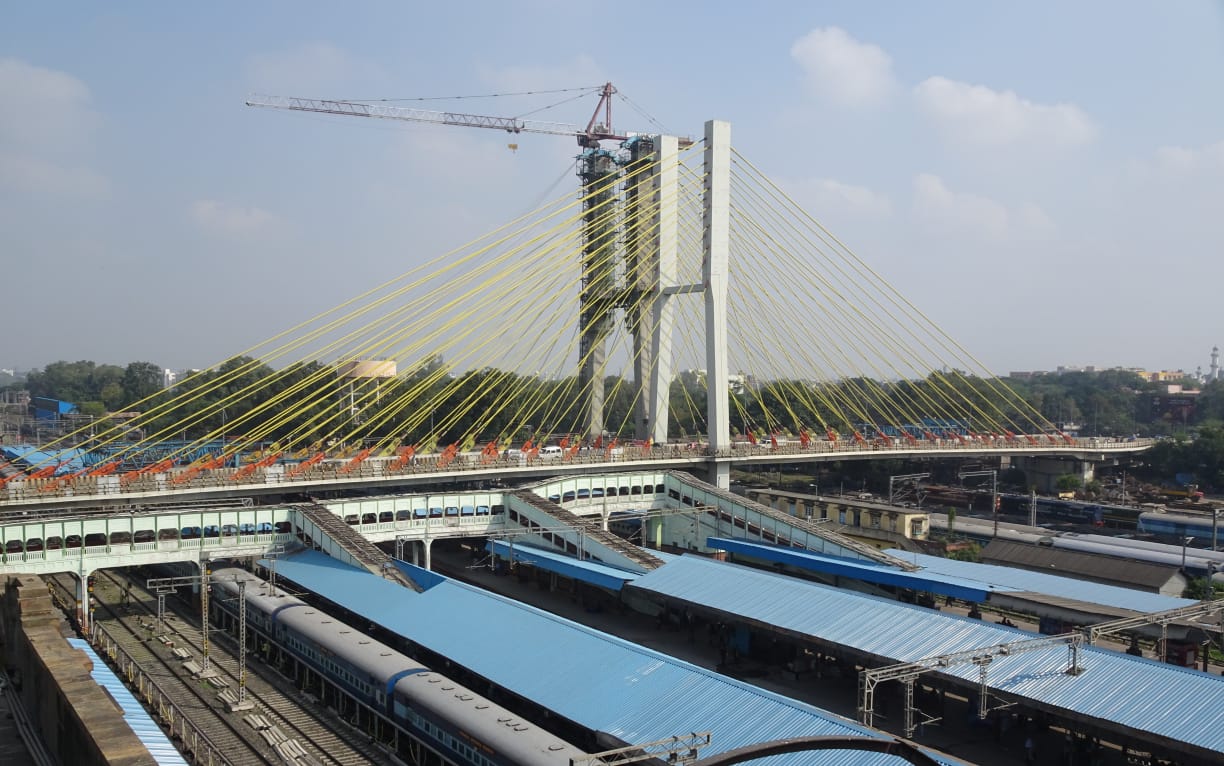
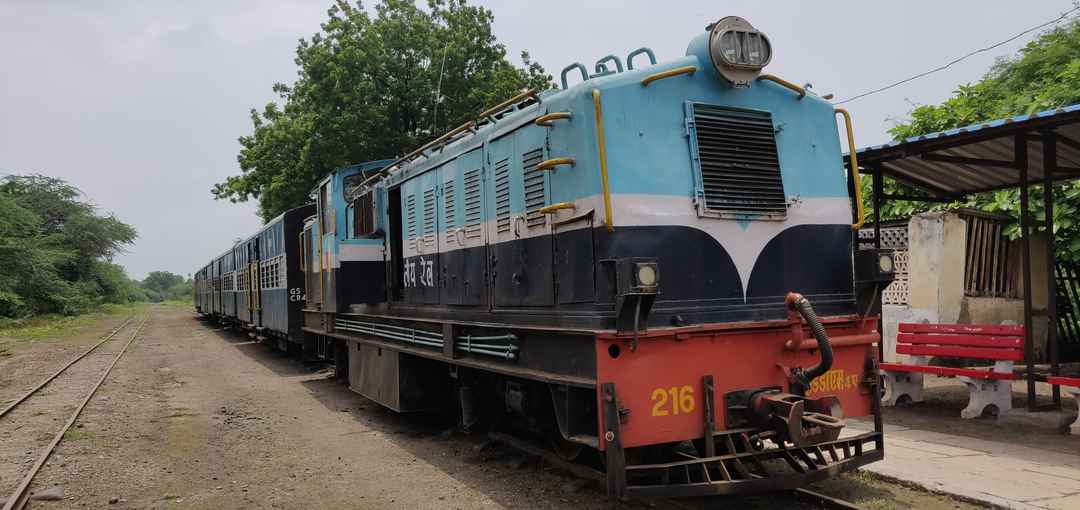
The heartbeat of Maharashtra’s transportation system might soon experience a renaissance, as the state’s interim budget proposes a groundbreaking 50% financial infusion for the revival of the Shakuntala Express rail route. Let’s delve into the narrative of this historical railway, which last echoed its whistle eight years ago, navigating the tracks under the ownership of the Central Provinces Railway Corporation (CPRC), established in 1910.

Shakuntala Exp: A Journey Through Time

The Rise and Fall

Shakuntala Express, once a lifeline coursing through the cotton belt of Maharashtra, ceased its rhythmic journey eight years back. The cessation was attributed to both economic inviability and technical complications, according to insider sources. The intricate network once started from Yavatmal, extending its reach to Achalpur in Amravati and Murtijapur in Akola.

Changing Landscapes

During the colonial era, and beyond, this railway earned the moniker of the region’s lifeline. Yavatmal, devoid of rail connectivity even today, relied on Shakuntala Express for its transit connection. The track, formerly narrow gauge, garnered historical significance, prompting demands for its conversion to broad gauge.

A Glimpse into the Future: Shakuntala Exp After 8 Years

Budgetary Boost

The current budgetary provisions exhibit a pivotal shift in perspective, with a generous 50% financial participation earmarked for the revitalization of Shakuntala Express. This not only reflects the government’s commitment to historical preservation but also anticipates the economic resurgence associated with rejuvenating this once-vital railway.

Wardha-Nanded Track: Connecting the Dots

The proposed Wardha-Nanded track emerges as a strategic move to integrate Yavatmal into the main line, breaking its isolation from the rail network. Simultaneously, Murtijapur retains its significance on the Mumbai-Nagpur line, underlining the comprehensive connectivity envisioned in the modernization plans.

Shakuntala Exp: What to Expect?

Technical Transformations

As discussions surrounding the revival gain momentum, there are whispers of technological upgrades. The potential conversion from narrow to broad gauge promises improved efficiency and aligns with contemporary rail standards. This metamorphosis aims to ensure Shakuntala Express seamlessly integrates into the modern rail network.

Community Impact

Beyond the logistical implications, the resurrection of Shakuntala Express holds cultural and social significance. It reconnects communities, revitalizes local economies, and preserves the historical legacy embedded in the railway’s tracks.

Shakuntala Exp May Run After 8 Years: FAQs

1. Why Did Shakuntala Express Stop Running 8 Years Ago?

The cessation was multifaceted, driven by economic challenges and technical complexities that rendered the operation unviable.

2. What Initiatives Led to Its Revival in the Budget?

The state’s interim budget allocates a substantial 50% financial participation, signaling a concerted effort to resurrect the iconic Shakuntala Express.

3. How Will the Proposed Wardha-Nanded Track Impact Yavatmal’s Connectivity?

The track is envisioned to bring Yavatmal onto the main line, addressing its longstanding absence from the rail network and fostering broader connectivity.

4. What Changes Are Expected in Shakuntala Exp’s Infrastructure?

The transition from narrow to broad gauge is on the horizon, promising technical advancements to enhance the railway’s efficiency and relevance.

5. What Societal Benefits Are Anticipated With Shakuntala Express’s Revival?

Beyond logistical enhancements, the resurrection is poised to rejuvenate communities, stimulate local economies, and preserve the rich historical fabric woven into the railway’s narrative.

6. When Can Commuters Expect Shakuntala Exp to Be Operational Again?

While timelines remain speculative, the budgetary allocation suggests a commitment to expeditious revival, hinting at a potential return in the near future.

A Journey Resumed

the envisaged revival of Shakuntala Express stands as a testament to the intertwining of history and progress. The proposed financial infusion, technical advancements, and strategic track expansions collectively pave the way for a resounding comeback of this cherished railway, marking a significant chapter in Maharashtra’s transportation legacy. As the wheels of time turn, Shakuntala Exp may once again resonate through the heartlands, reconnecting communities and rekindling the spirit of a bygone era.

No CCTV Cameras on Ram Jhula Bridge: A Roadblock in Accident Probe

In the aftermath of a tragic accident that claimed the lives of two young men, the investigation by Tehsil police is encountering significant challenges due to the absence of CCTV cameras on the Ram Jhula bridge. This absence is proving to be a hurdle in piecing together crucial details surrounding the incident.

The Unfortunate Incident Unfolds

The incident occurred when a Mercedes collided with a scooter early one Sunday morning. Unfortunately, the lack of surveillance on the Ram Jhula bridge has left investigators with limited options. The CCTV cameras, positioned near the bridge on a shrine, failed to capture the accident, leaving the authorities reliant on eyewitness accounts from bikers and scooterists traveling in the opposite direction.

Gathering Evidence Amidst Challenges

The investigation team, headed by Senior Inspector Sandeep Buwa, faces the arduous task of relying solely on firsthand accounts. Attempts to gather footage from alternative CCTV cameras are underway to ascertain the speed of both the car and the scooter involved.

Rumors and Allegations Surrounding the Case

As the probe gains attention, rumors circulate, particularly regarding the discovery of liquor bottles in the seized Mercedes. Questions arise about the women involved in the incident being allowed to leave the scene, leading to concerns about potential bias. Senior Inspector Buwa acknowledges the challenges, stating that numerous allegations and theories are diverting focus and necessitating thorough verification.

With charges filed against Ritika Maloo alias Ritu, the alleged driver, and her co-passenger Madhuri Sarda, the investigation faces legal complexities. The application of the bailable Section 304A of the Indian Penal Code (IPC) resulted in Ritika’s prompt release on bail. Meanwhile, Madhuri, although not arrested, has been served a notice following Supreme Court guidelines.

Speculations and Forensic Examination

Speculation surrounding the conduct of the driver and her co-passenger prompts the collection of blood samples. These samples are sent to the Regional Forensic Science Laboratory (RFSL) for analysis, with the results eagerly awaited.

The Impact on Justice for the Deceased

Despite the challenges, the Tehsil police are determined to create a watertight case to ensure justice for the untimely demise of Mohd Hussain Mustafa and Mohd Ateef. Senior Inspector Buwa emphasizes the commitment to overcome distractions caused by allegations and theories that may be exploited during the trial.

Frequently Asked Questions

  1. Why couldn’t CCTV cameras capture the accident on Ram Jhula bridge?
    • The cameras’ position near a shrine did not cover the incident, leaving investigators reliant on eyewitness accounts.
  2. What challenges does the investigation face due to allegations and rumors?
    • Allegations and rumors divert focus, requiring thorough verification and potentially weakening the case during trial.
  3. Why was Ritika released on bail despite the severity of the charges?
    • The application of bailable Section 304A of the IPC allowed Ritika’s swift release, posing legal challenges for the investigation.
  4. What actions were taken against Madhuri Sarda in connection with the accident?
    • Madhuri was not arrested but served a notice in line with the latest Supreme Court guidelines.
  5. What forensic steps are being taken in the investigation?
    • Blood samples from the women involved have been sent to the RFSL, awaiting results crucial to the case.
  6. How determined is the police to ensure justice for the deceased?
    • Despite challenges, the Tehsil police are committed to building a strong case to secure justice for the two young victims.

The absence of CCTV cameras on Ram Jhula bridge proves to be a significant challenge in the investigation of the tragic accident. The Tehsil police, facing hurdles and distractions, remain steadfast in their pursuit of justice for the families affected by the untimely demise of Mustafa and Ateef.

CP Ravindra Singal Strengthens Police Vigilance Ahead of Elections

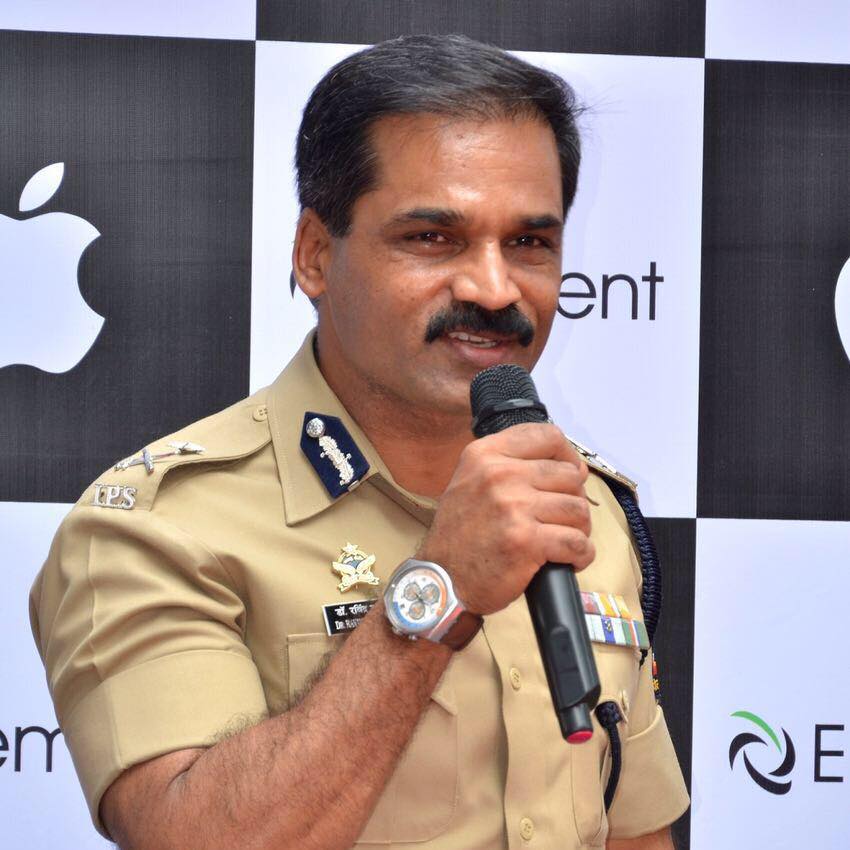
In the run-up to elections, Police Commissioner Ravinder Singal is leaving no stone unturned to tighten the grip on anti-social activities in Nagpur. The directive is clear: senior police inspectors are to stay back till midnight, ensuring a vigilant eye on criminal activities, political events, and protests.

Stay back till midnight, report crime & action taken: CP (Ravinder Singal) to PIs

In a proactive move, CP Ravindra Singal has issued a mandate for all senior police inspectors to stay on duty till midnight. This strategic decision aims to not only monitor criminal activities but also keep a close watch on political rallies and protests through real-time intelligence gathering. Each night, Singal conducts a group call with senior inspectors, where they report on the law and order situation in their respective areas and provide details of actions taken. This measure is crucial to curb criminal activities before the Lok Sabha polls‘ election code of conduct is enforced.

Ramping Up Preventive Measures

To address the surge in criminal incidents, Singal urges police station in-charges to be proactive. They are tasked with keeping tabs on developments, intensifying preventive actions, raiding bootlegging dens, seizing firearms, and preventing currency infiltrations from other areas during the polls. This heightened scrutiny follows a series of murders in early February, prompting the need for a more stringent check at the micro-level.

Daily Briefings and Updates

Ravinder Singal commitment to maintaining a robust security apparatus is evident in his daily routine. At 9 am each day, the police chief connects with senior PIs for a group call, where they provide updates on the crimes reported overnight and the subsequent actions taken. This regular communication ensures a seamless flow of information and keeps the top brass abreast of the city’s law and order dynamics.

Guiding the New Entrants

Given recent transfers of several senior officials, Singal is keen on acclimating the newly inducted lot to their roles. He instructs them to spend maximum time in their respective jurisdictions, emphasizing the importance of familiarity with local nuances. This directive aims to enhance efficiency and effectiveness in dealing with the unique challenges each area presents.

CP Ravindra Singal: A Strong Leadership Stance

Ravinder Singal leadership approach underscores a commitment to a hands-on, proactive strategy. His focus on staying connected, regular briefings, and emphasis on local presence signifies a departure from the status quo. This marks a significant shift in approach for most police station in-charges, many of whom are on their first stint in Nagpur. The directive to devote extra time to work demonstrates Ravinder Singal dedication to ensuring a secure environment in the lead-up to the elections.

FAQs – Clarifying Key Points

Q1: Why has CP Ravindra Singal ordered senior police inspectors to stay back till midnight?

A1: CP Singal aims to enhance vigilance on anti-social activities, political events, and protests leading up to the elections.

Q2: What information is expected in the nightly group calls?

A2: Senior inspectors are required to report the law and order situation in their areas and provide details of actions taken against criminal activities.

Q3: Why is there an emphasis on the micro-level check?

A3: A surge in murders in early February necessitated a more stringent check at the local level to curb criminal activities.

Q4: How does CP Singal stay informed about overnight developments?

A4: Daily group calls at 9 am allow CP Singal to receive updates on crimes reported at night and actions taken by senior PIs.

Q5: What is the significance of the directive for new entrants?

A5: The directive ensures that newly inducted senior officials spend maximum time in their respective jurisdictions, enhancing familiarity and efficiency.

Q6: How does CP Ravindra Singal’s leadership style differ from the traditional approach?

A6: Singal’s hands-on, proactive strategy, with a focus on regular communication and local presence, signifies a departure from the traditional leadership style.

CP (Nagpur) Ravindra Singal’s strategic measures and strong leadership stance are geared towards ensuring a secure and orderly environment in Nagpur ahead of the elections. The directive to stay back till midnight, coupled with regular updates and guidance for new entrants, reflects a commitment to proactive policing and community safety. As the city gears up for the elections, Singal’s initiatives underscore a dedication to maintaining law and order.

Nagpur Embraces a Green Future with Electric Buses

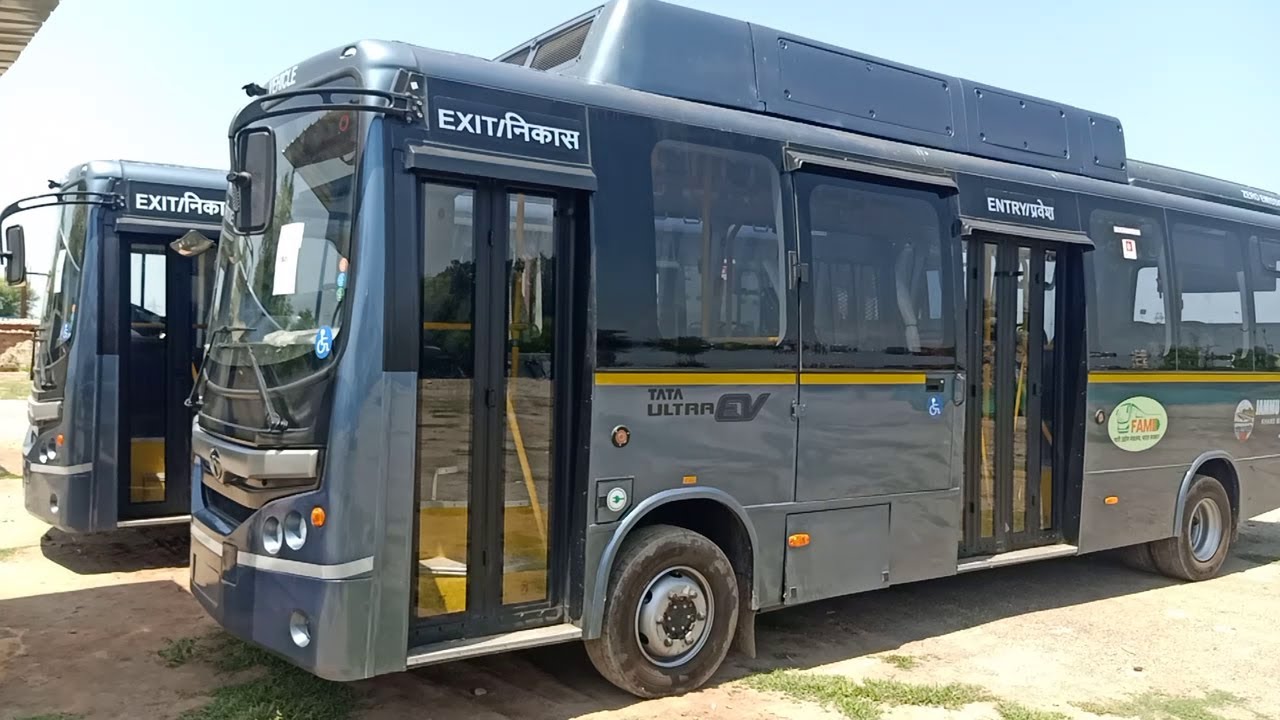
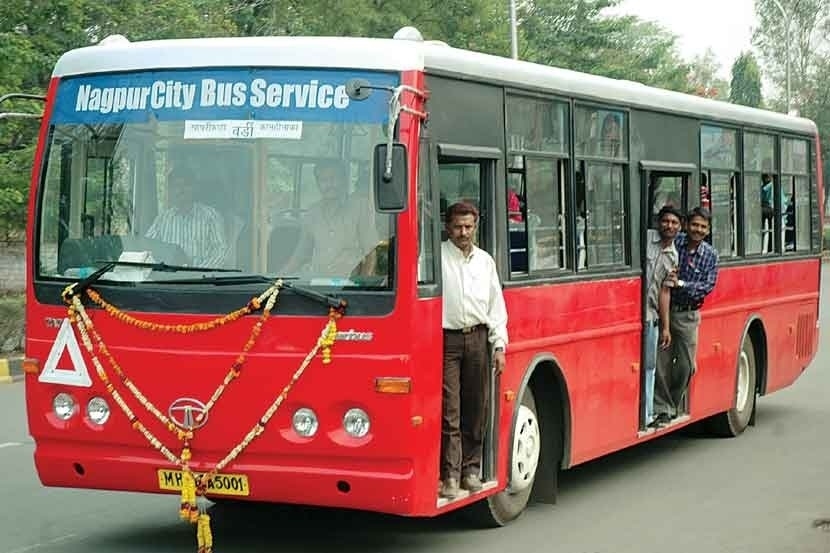
In a groundbreaking move, the Nagpur Municipal Corporation (NMC) has set the wheels in motion for a major shift in the city’s public transport system. With a staggering plan to expand its Nagpur Electric Bus fleet by 652 in the coming years, Nagpur is steering towards a sustainable and eco-friendly future.

Energizing the City: The Transport Budget Unveiled

In a recent revelation during the Transport Budget presentation, Dr. Abhijit Chaudhari, the Municipal Commissioner, disclosed Nagpur’s ambitious plan to boost its electric bus fleet. The NMC plans to invest Rs 517.72 crore, emphasizing a commitment to a budget designed to enhance the city’s air quality.

Current Fleet Overview: A Step Towards Sustainability

At present, Nagpur operates 108 electric buses out of a total fleet of 540 buses, incorporating a mix of mini buses, midi buses, and CNG buses. Notably, 40 e-buses were acquired from Nagpur Smart and Sustainable City Development Corporation Ltd (NSSCDCL), showcasing the city’s dedication to embracing green alternatives.

Green Transition on Fast Track: Diesel Buses Make Way for Electric

NMC is on a mission to replace all diesel buses with electric counterparts within the next few years. Thanks to Central and State Government support, the civic body is set to acquire an additional 544 electric buses during this transformative period,” shared Ravindra Bhelawe, Deputy Commissioner.

Passenger Surge and Routes Expansion

With over 1.15 lakh passengers utilizing the city buses daily, [VARIABLE1] anticipates a continual increase in ridership throughout the year. Currently, the buses cover more than 5,232 trips daily across various routes, indicating the growing reliance on public transportation.

Infrastructure Boost: Charging Stations and Bus Stops

In tandem with the electric bus expansion, [VARIABLE1] is constructing a robust charging infrastructure to support the green initiative. The NMC has inaugurated an electric bus depot cum charging station in the Wadi area, spanning 3 acres. An additional depot at Orange City Street is in the pipeline, equipped with 15 DC charging units to cater to the burgeoning electric bus fleet.

Financial Backing and Accessibility Features

To facilitate the procurement of 250 standard AC e-buses, [VARIABLE1] secured a substantial fund of Rs 137 crore, with the support of Deputy Chief Minister Devendra Fadnavis. Notably, the new electric buses are designed to be Divyang-friendly, equipped with wheelchair lift systems and designated spaces for differently-abled passengers.

Future Depots: Khapri and Koradi on the Horizon

As part of the expansion strategy, [VARIABLE1] is set to establish two more bus depots at Khapri and Koradi. These depots will serve as vital hubs for parking and charging of electric buses, further fortifying [VARIABLE2]’s commitment to sustainable public transportation.

Nagpur Electric Bus – FAQs

  1. Q: How many electric buses does Nagpur plan to add in the coming years?
  2. Q: What initiatives has Nagpur Electric Bus taken to encourage public transport usage?
    • A: Nagpur Electric Bus has constructed 239 bus stops under the build, operate, and transfer (BOT) basis, fostering accessibility and convenience for passengers.
  3. Q: How is [VARIABLE1] making its new electric buses Divyang-friendly?
    • A: The new electric buses are equipped with wheelchair lift systems and dedicated spaces for differently-abled passengers.
  4. Q: What percentage of funding will the Central Government provide for the Khapri and Koradi depots?
    • A: The Central Government will cover 60% of the funding for the Khapri and Koradi depots, with [VARIABLE1] arranging the remaining 40%.
  5. Q: How many passengers currently use [VARIABLE1]’s city buses daily?
    • A: Over 1.15 lakh passengers rely on [VARIABLE1]’s city buses daily, emphasizing the crucial role of public transportation.
  6. Q: How many charging units will be installed at the Orange City Street depot?
    • A: The Orange City Street depot will house 15 DC charging units, contributing to [VARIABLE2]’s robust electric bus charging infrastructure.

Paving the Way for a Greener Tomorrow

In conclusion, NMC’s commitment to transitioning to electric buses marks a significant stride towards environmental sustainability. With an expansive vision, robust infrastructure, and a focus on accessibility, Nagpur is poised to lead the charge in redefining urban public transportation. The future of commuting in Nagpur Electric Bus looks not only eco-friendly but also promising for the generations to come.

Mohan Nagar’s Traffic Woes Unraveled

Nagpur: The bustling neighborhood of Mohan Nagar (Nagpur) is grappling with an escalating problem that’s affecting the daily lives of its residents – traffic congestion. As the arteries of Kingsway undergo multiple development works, the internal roads of Mohan Nagar have become the unintended victims, causing frustration among commuters. This article delves into the root causes and repercussions of this growing issue, shedding light on the experiences and concerns of the local community.

The Unbearable Gridlock

Mohan Nagar (Nagpur) Lanes: A Bottleneck for Commuters

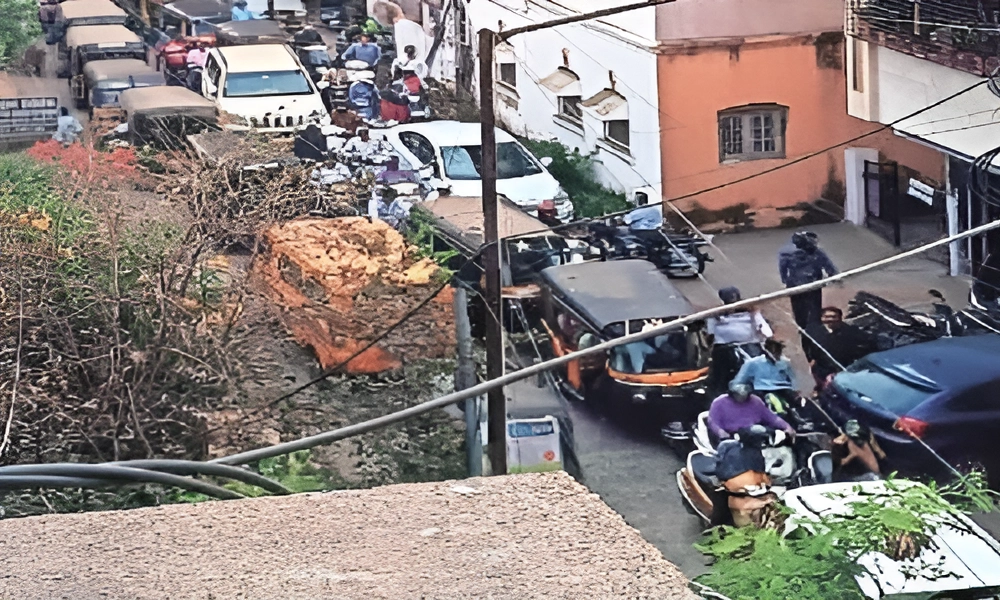
Residents navigating the by-lanes to traverse from East to West Nagpur find themselves trapped in a web of unmanaged traffic flow. The narrow width of these roads, coupled with ongoing development works, transforms the lanes into a gridlock during peak hours. The citizens lament the inability of these small roads to accommodate the surge in traffic, leading to a cacophony of honks and a frustrating standstill.

Voices from Mohan Nagar (Nagpur)

Adv Lynette Santiago: A Resident’s Perspective

Adv Lynette Santiago, a Mohan Nagar (Nagpur) resident, voices the collective frustration: “All the roads are blocked, and air and noise pollution have made our lives hell. Families with small kids and senior citizens bear the brunt, especially during the afternoon hours when auto rickshaws converge to pick up school children.

The Domino Effect of Development

Unraveling Mohan Nagar’s Traffic Quandary

The chaos intensifies due to a combination of factors – uncoordinated development works, inadequate policing, and escalating pollution. Citizens point fingers at the simultaneous execution of multiple projects, where one remains incomplete while another kicks off. This perpetual cycle results in bumper-to-bumper traffic, leaving Mohan Nagar residents grappling with daily commutes turned nightmares.

Mohan Nagar’s Plea for Relief

Basant Shukla’s Outcry

Basant Shukla, another resident, highlights the impracticality of development schedules: “The road leading to DRM office from LIC Square is under construction, causing immense inconvenience. With schools and major banks in the vicinity, students and senior citizens bear the brunt. Traffic police, instead of managing the chaos, merely witness the ordeal.

The Larger Picture

Challenges Beyond Mohan Nagar

Mohan Nagar’s plight mirrors past issues faced by neighboring areas like Ramdaspeth. The lack of lessons learned from previous situations, such as under-construction bridges causing chaos, underscores the need for a comprehensive traffic management and development strategy.

The Heart of the Matter

In the heart of Mohan Nagar lies a conundrum – the citizens’ quality of life compromised by traffic nightmares. The ongoing development works, while essential, are adversely affecting the daily routines of the residents, prompting them to demand a strategic approach to ensure their well-being.

FAQs: Addressing Concerns

  1. What’s causing the traffic congestion in Mohan Nagar? The congestion is a result of unmanaged traffic flow, ongoing development works, and inadequate policing measures.
  2. How are residents coping with the situation? Residents express frustration due to blocked roads, air, and noise pollution, especially impacting families with small kids and senior citizens.
  3. What challenges do students face during exams? With major schools in the area, ongoing construction disrupts students reaching exam centers on time, posing challenges for both students and parents.
  4. Are there any alternatives proposed by citizens? Citizens are demanding a comprehensive traffic management and development works strategy to alleviate the ongoing issues.
  5. Why is coordination crucial in development projects? Lack of coordination among multiple agencies leads to slow-paced projects, exacerbating traffic issues and frustrating citizens.
  6. Is Mohan Nagar an isolated case, or are neighboring areas affected too? Similar challenges have been observed in neighboring areas like Ramdaspeth, emphasizing the need for a region-wide approach to urban development.

A Call for Change

Mohan Nagar’s Plea for Action

The plight of Mohan Nagar residents demands immediate attention and strategic intervention. A collaborative effort between authorities, developers, and citizens is imperative to unravel the traffic conundrum and ensure a smoother, more livable Mohan Nagar for all. Only through proactive measures and coordinated development can the heart of Mohan Nagar beat without the disruptions that plague it today.

Maharashtra Government Allocates Rs 746.99 Crore for Divisional Sports Complex

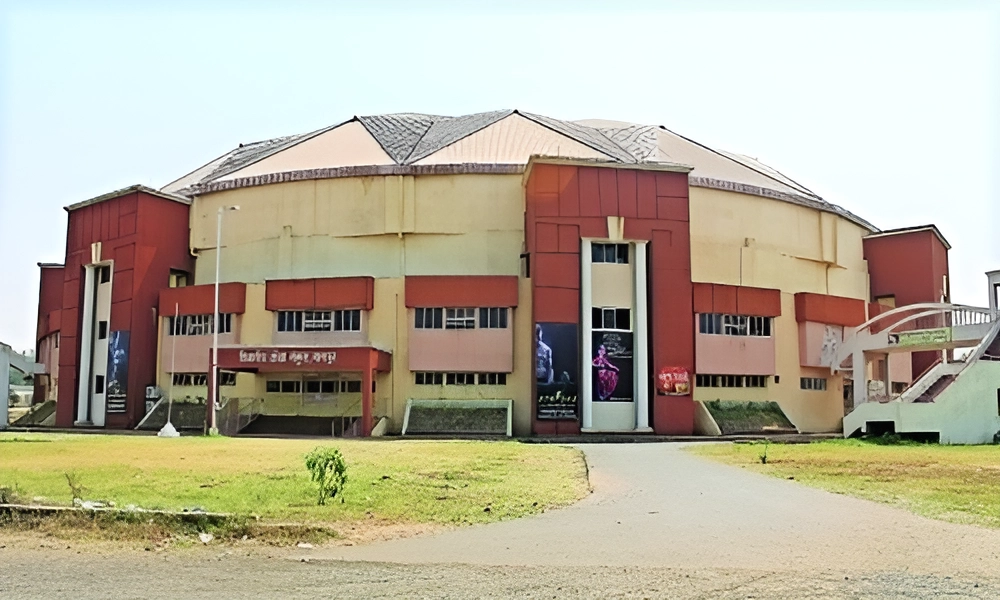
In a groundbreaking move to enhance sports infrastructure, the Maharashtra Government has given the nod to a staggering Rs 746.99 crore for the renovation and expansion of the Divisional Sports Complex situated in Mankapur, Koradi Road. This transformative decision aims to elevate the complex to State-Level status, akin to the prestigious Shiv Chhatrapati Sports Complex at Balewadi in Pune, setting the stage for international-standard sports facilities.

Divisional Sports Complex’s New Status

Maharashtra Sports Minister Sanjay Bansode (Maharashtra Government) shared that the State cabinet has greenlit this significant budget to not only renovate but also construct international sports facilities at the Divisional Sports Complex (Sports Complex Mankapur). This elevation grants the complex the esteemed status of a State-level sports facility, providing players, coaches, and the city itself access to top-notch sporting amenities and the ability to host national and international level competitions.

Revamping Infrastructure

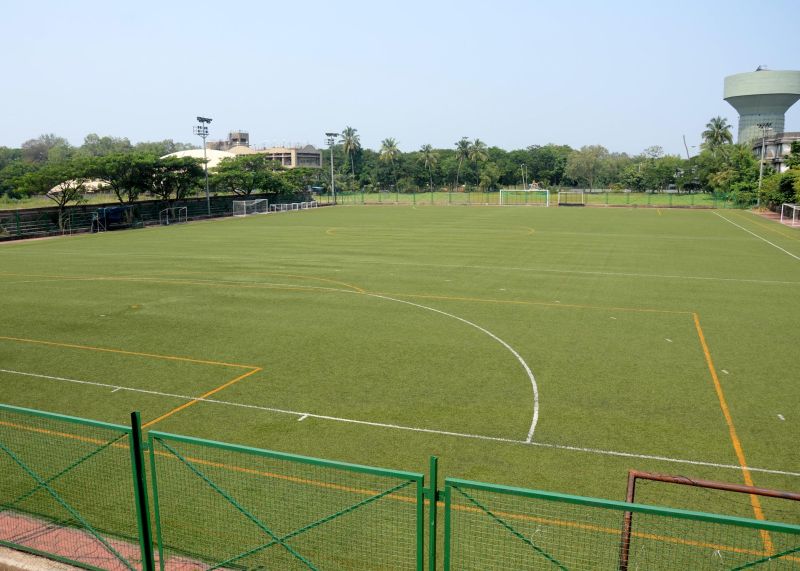
During discussions, a proposal was made to upgrade the Divisional Sports Complex (Sports Complex Mankapur) mirroring the Chhatrapati Sports Complex in Balewadi, Pune. The ambitious plan includes the construction of a swimming pool, squash court, tennis court, basketball court, archery range, hockey, football pavilion, and more across the expansive 61 acres of land. This strategic development is poised to benefit not just Nagpur but the entire Vidarbha region.

Funding Details

According to a media release, the State Government had previously allocated Rs 51.20 crore for the Divisional Sports Complex in Nagpur, with an additional Rs 63.20 crore disbursed from the District Planning Committee through the Playground Development Scheme. The recent approval of Rs 746.99 crore marks a significant step forward in developing cutting-edge sports infrastructure.

Project Evolution

Minister Bansode (Maharashtra Government) revealed that a proposal of Rs 683.79 crore was initially presented for the complex’s upgrade. This was later approved, securing the enhanced budget of Rs 746.99 crore. This substantial investment is geared towards catapulting the Divisional Sports Complex into a hub of modern sports infrastructure, aligning with global standards.

Historical Allocations

In March 2023, the State Government had already earmarked Rs 100 crore for the Divisional Sports Complex, showcasing a continuous commitment to its development. Back in January 2020, the then-then-state government had put forth an ambitious expansion plan worth Rs 123 crore. The comprehensive proposal included constructing an international standard swimming pool, shooting range, hockey astroturf, a multipurpose sports indoor hall, and an athletics track, alongside the renovation of the existing indoor hall.

In the pursuit of promoting sports excellence and fostering a culture of athleticism, the Divisional Sports Complex in Nagpur is undergoing a transformative evolution. The infusion of Rs 746.99 crore demonstrates the government’s dedication to providing world-class facilities, encouraging local talent, and positioning Nagpur as a sports destination of global repute.

FAQs

Q: What prompted the decision to upgrade the Divisional Sports Complex?

A: The initiative stems from a proposal to align the complex with the standards set by the Chhatrapati Sports Complex in Balewadi, Pune, enabling the creation of top-tier sports facilities.

Q: How will the upgrade benefit the region?

A: The upgrade will not only benefit Nagpur but also the entire Vidarbha region, providing state-of-the-art amenities for players and coaches and facilitating national and international sports competitions.

Q: How much funding has been allocated previously?

A: The State Government had earlier disbursed Rs 51.20 crore for the Divisional Sports Complex, with an additional Rs 63.20 crore from the District Planning Committee for Playground Development.

Q: What facilities are included in the upgrade plan?

A: The comprehensive plan includes the construction of a swimming pool, squash court, tennis court, basketball court, archery range, hockey, football pavilion, and more.

Q: When was the initial proposal for the complex’s upgrade presented?

A: The proposal for the complex’s upgrade was presented in January 2020, with subsequent revisions and approvals leading to the current budget of Rs 746.99 crore.

Q: How does the recent approval contribute to the complex’s development?

A: The recent approval of Rs 746.99 crore signifies a significant leap forward, allowing the Divisional Sports Complex to evolve into a modern sports hub with international standards.

the Maharashtra Government’s substantial allocation of Rs 746.99 crore for the Divisional Sports Complex signifies a pivotal moment in the city’s sports infrastructure development. With a strategic focus on creating world-class facilities, this initiative positions Nagpur as a key player in the realm of sports, fostering talent and hosting prestigious competitions on a national and international scale.

NMC property Tax: Mulls Over 4% General Tax Hike in Upcoming Finical Year


Nagpur (NMC property tax): The Nagpur Municipal Corporation property tax department is considering a substantial 4% revision in the general tax across all five slabs, alongside proposing an increase in five other taxes from the current 1% to 2%. This bold move, if approved by municipal commissioner and administrator Abhijeet Chaudhari, is anticipated to be implemented in the next financial year, signaling a potential shift in the city’s financial landscape. Let’s delve into the details of this proposal and its potential impact on Nagpur’s revenue structure.

Nagpur’s property tax department, the primary revenue source for the civic body, has put forward these revisions in an effort to bolster financial inflows. Despite the proposal, the feasibility of its implementation remains uncertain due to imminent major polls – Lok Sabha, state assembly, and municipal corporation elections – scheduled in the coming months.

The Proposal Details

1. Historical Perspective

NMC, having last revised property tax in 2015, is now contemplating a significant overhaul. The property tax rates imposed by NMC, though lower than several other municipal corporations like Pimpri Chinchwad, Nashik, and Amravati, are crucial for the city’s economic sustenance.

Operating under the Maharashtra Municipal Corporation Act, NMC has the authority to revise property tax annually, as outlined in the act’s provisions. This legal backing lends credibility to the department’s proposal before administrator Chaudhari.

3. Financial Targets and Realities

Out of the ₹3,336 crore budget for 2023-24, the property tax department aimed for ₹300 crore. However, with a month left in the fiscal year, the department faces challenges in meeting this target, emphasizing the critical role property tax plays in NMC’s revenue.

4. Dependency on Government Funds

The absence of revisions in civic taxes has led to increased dependency on government funds for NMC. This underlines the urgency for implementing the proposed tax revisions to maintain the city’s financial autonomy.

5. Water Tariff Hikes and Tax Collection Challenges

While Orange City Water Limited manages the city’s water supply, water tariff hikes have become an annual occurrence, contrasting with the poor collection of property taxes, resulting in outstanding tax reaching ₹900 crore.

FAQs

  1. What is the primary revenue source for Nagpur Municipal Corporation?
    • Property tax serves as the main revenue stream for NMC, contributing 7% to 8% of its total revenue.
  2. When was the last revision of property tax rates in Nagpur?
    • NMC last revised property tax rates in April 2015.
  3. How does NMC calculate property tax?
    • Property tax is calculated based on the annual letting value, considering the area and weight.
  4. Why is there skepticism about implementing the proposed tax hike?
    • The imminent Lok Sabha, state assembly, and municipal corporation elections pose challenges to the proposal’s implementation.
  5. What legal framework empowers NMC to revise property tax annually?
    • NMC operates under the Maharashtra Municipal Corporation Act, which allows annual property tax revisions.
  6. What percentage of NMC’s revenue comes from property tax?
    • Property tax contributes only 7% to 8% of NMC’s revenue, highlighting the need for revisions to reduce dependency on government funds.

In conclusion, the Nagpur Municipal Corporation’s contemplation of a 4% general tax hike and revisions in other taxes signifies a crucial juncture in the city’s financial strategy. The upcoming decision by municipal commissioner and administrator Abhijeet Chaudhari holds the key to reshaping Nagpur’s revenue landscape. As the city grapples with political events and financial challenges, the proposed tax changes could be a pivotal step toward ensuring fiscal stability and autonomy for the Nagpur Municipal Corporation.

Nagpur Municipal Corporation’s Vision for 2024-25: Aapli Bus, Sustainability, and Beyond

Nagpur: In the pivotal election year, the Nagpur Municipal Corporation (NMC) transport department unveils a forward-thinking ₹517.41 crore budget for the fiscal year 2024-25. Notably, Aapli bus fares remain unchanged, reflecting a commitment to the community’s welfare. The focus, however, is on embracing innovation, particularly the introduction of more air-conditioned electric buses.

Aapli Bus: Keeping Commutes Affordable

Despite the challenges of the current economic climate, the NMC allocates ₹225 crore for operating the Aapli bus fleet. Estimated revenue of ₹105 crore is anticipated from ticket sales, with an additional ₹120 crore earmarked as viability gap funding, ensuring the sustainability of this vital public service.

In alignment with its dedication to the public, the NMC continues to prioritize concessions for specific passenger categories, ensuring accessibility for all. This commitment underscores the corporation’s role as a facilitator of inclusive and affordable transportation.

Fiscal Responsibility: A Transparent Glimpse

Examining the revised budget for the current financial year (2023-24), the NMC anticipates a revenue of ₹342.43 crore against an expenditure of approximately ₹342.12 crore. This responsible financial management echoes the corporation’s dedication to prudent resource allocation.

The Budget Breakdown

Special Grants and Contributions

The budget for 2024-25 witnesses an uptick, driven by a special grant of ₹137 crore from the state government and an infusion of ₹72 crore from the 15th Finance Commission. These additional funds empower the NMC to pursue ambitious initiatives and enhance public services.

Electric Revolution: Aapli Buses Go Green

A significant highlight is the strategic move towards sustainability, with the Aapli Bus (Nagpur) service set to welcome 250 electric buses from the state and an additional 150 e-buses from the central government in the upcoming year. Notably, in 2022, NMC collaborated with PMI Electro Mobility Solutions Private Limited, securing 144 AC e-buses. With 57 already delivered, the remaining 87 are expected by next month end.

Transformative Initiatives

Modernizing Commuter Experience

In a commendable partnership with a private firm, the transport department has facilitated the setup of 239 modern bus shelters. Beyond offering shelter, these state-of-the-art facilities promise an enhanced commuter experience, and the department expects to generate ₹14,600 per shelter as a form of royalty.

Integrated Bus Transport Management

Anticipating future needs, the NMC is actively in the process of appointing a new Integrated Bus Transport Management operator. This strategic move aims to streamline operations, ensuring efficiency and optimal service delivery.

  1. What is the primary focus of NMC’s transport department in 2024-25?
    • The primary focus is on sustainability and innovation, particularly with the introduction of more air-conditioned electric buses for the Aapli Bus service.
  2. How has the budget allocation changed for the current fiscal year compared to the previous year?
    • The budget for 2024-25 has seen an increase, driven by a special grant from the state government and contributions from the 15th Finance Commission.
  3. What is the status of the electric buses ordered in 2022 from PMI Electro Mobility Solutions Private Limited?
    • PMI Electro Mobility Solutions has already delivered 57 AC e-buses, with the remaining 87 set to be delivered by the end of next month.
  4. How is the NMC addressing the needs of specific passenger categories?
    • The NMC continues to provide concessions to specific passenger categories, emphasizing accessibility and inclusivity.
  5. What initiatives are in place to enhance the commuter experience beyond transportation?
    • A notable initiative involves the setup of 239 modern bus shelters with advanced facilities, generating revenue for the department in the form of royalty.
  6. What steps are being taken for the construction of an electric bus depot in the financial year 2024-25?
    • A provision of ₹42.63 crore has been made for the construction of the electric bus depot, reflecting the commitment to sustainable transportation.

The Nagpur Municipal Corporation’s visionary budget for 2024-25 underscores its commitment to the community, sustainability, and technological advancement. As Aapli bus pave the way for an electric revolution, and modernization initiatives enhance the commuter experience, NMC sets a commendable standard for municipal transportation. With financial prudence, transparency, and a green vision, the NMC paves the way for a more accessible and eco-friendly future.

Nagpur Set for International-Level Sports Complex

In a significant move, the Maharashtra Government has allocated a whopping Rs 746.99 crores to establish an international-level sports complex in Nagpur. The purpose is to host sports events not only at the state and national levels but also on the international stage. Minister of Sports and Youth Affairs, Sanjay Bansode, shared this exciting development.

The upcoming sports complex in Nagpur (International Sports Complex Nagpur) aims to provide top-notch facilities for athletes and their trainers. Drawing inspiration from the Chhatrapati Sports Complex in Balewadi, Pune, the renovation of the regional sports complex has received a green signal from the Maharashtra Ministry. The proposal includes revamping key areas such as the swimming pool, squash court, tennis court, basketball court, archery range, hockey7, and football pavilion.

Under this ambitious project, sports enthusiasts can anticipate facilities of international standards, offering athletes and their trainers an environment conducive to honing their skills.

The funding for this initiative is substantial, with a total of Rs 63.20 crore already released, including Rs 51.20 crore from the State Plan and Rs 12 crore from the District Planning Committee. The State Government received an estimate of Rs 683.79 crore, and subsequently, it has approved Rs 746.99 crore for the comprehensive development of the sports complex. Minister Bansode emphasized that this investment aims to make the facility well-equipped for hosting international-level sports events.

This strategic initiative not only underscores the commitment of the Maharashtra Government to sports development but also positions Nagpur as a hub for top-tier sporting events. The infusion of funds and the planned renovations signal a promising future for the sports community in the region.

Exit mobile version