Spiritual Sojourn of Rahul Vaidya and Disha Parmar at Mahalakshmi Jagdamba Temple Koradi with Daughter Navya

A Divine Family Affair

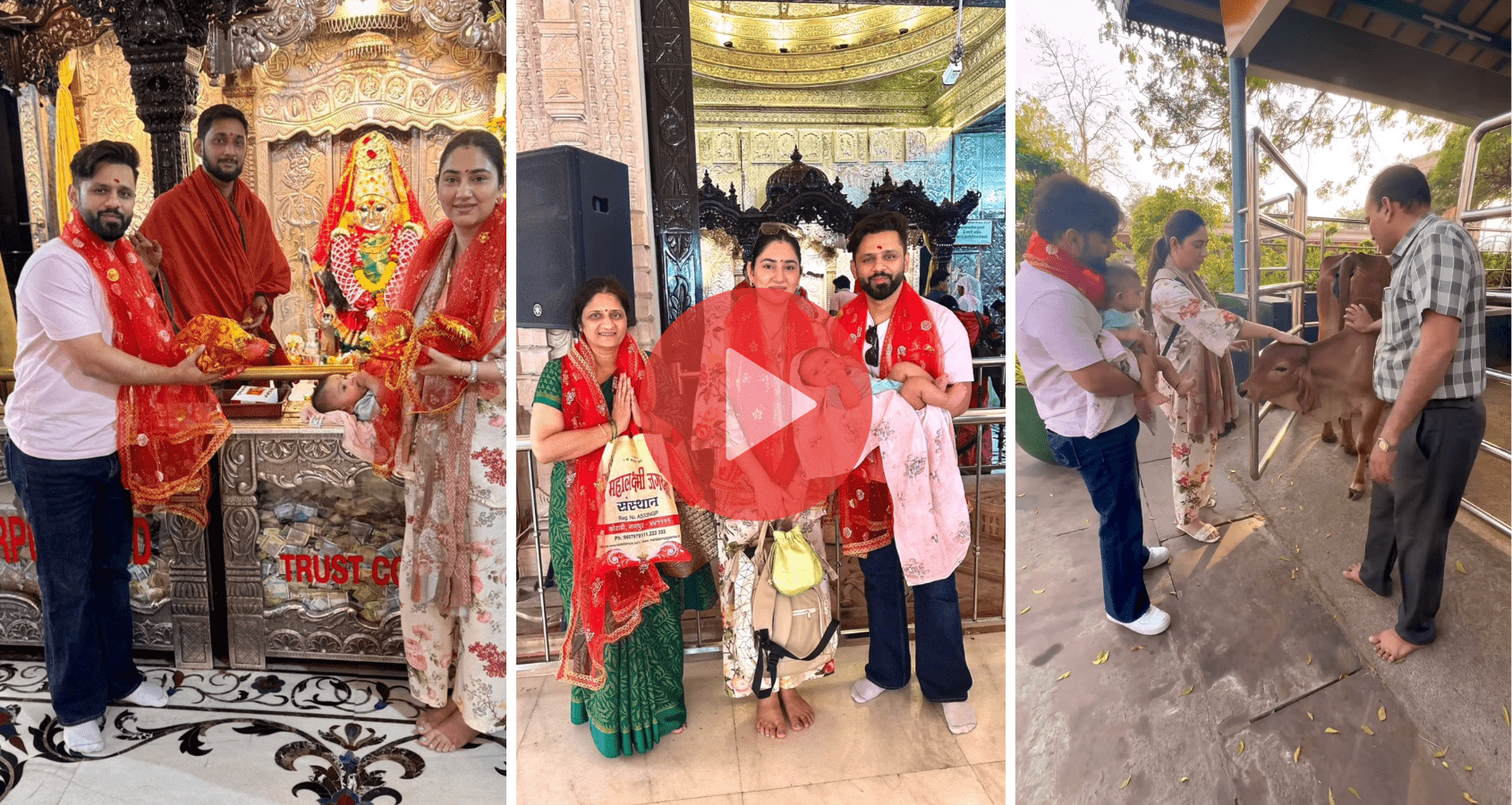
In a heartwarming display of devotion, the renowned singer Rahul Vaidya and his talented actress wife Disha Parmar embarked on a spiritual journey with their newborn daughter, Navya, to the Mahalakshmi Jagdamba Temple in Koradi, Nagpur, Maharashtra. This transcendent experience was not only a testament to their faith but also a poignant family affair, with Rahul’s mother accompanying them in this sacred endeavor.

An Instagram Chronicle: A Glimpse into the Devotional Day

Rahul Vaidya, celebrated for his melodious tracks like “Baaton Ko Teri (Unplugged)” and “Ek Rupaiya,” took to Instagram to share an enchanting video capturing the essence of their visit to the temple. The video, a visual treat for fans and followers alike, showcases the family’s cherished moments seeking blessings and spending quality time in the divine surroundings.

Fashionably Devout: A Stylish Affair Amidst the Spiritual Aura

In the midst of spiritual fervor, the Vaidya-Parmar family showcased their distinct sense of style. Rahul, donned in a pink T-shirt, blue denims, and white sneakers, added a touch of tradition with a red chunari gracefully wrapped around his neck. Holding his adorable daughter Navya, clad in a charming green outfit, the family radiated joy and devotion.

Disha Parmar, the epitome of elegance, opted for a white floral co-ord set accentuated by a matching stole. With minimal makeup and her hair neatly tied in a ponytail, she exuded simplicity and grace. Completing the ensemble with white slippers and a backpack, Disha effortlessly combined style with spirituality.

Temple Chronicles: A Glimpse into the Divine Moments

The Instagram video unfolds with the family immersed in the serene ambiance of the temple premises, where they spend quality time with cows. The sacredness of the moment is heightened as they seek blessings from the revered Devi of Koradi, (Nagpur) acknowledged as one of the Shakti-peeths. The harmonious blend of familial warmth and spiritual devotion resonates throughout the video.

Capturing the Essence: Rahul Vaidya’s Touching Caption

Accompanying the video is a heartfelt caption in Hindi by Rahul Vaidya, providing a glimpse into the profound connection he shares with the Mahalakshmi Mata (Mahalakshmi Jagdamba Temple Koradi Nagpur). He reflects on the tradition of seeking blessings at the feet of the divine deity, a practice passed down from his mother to his daughter. The inclusion of a gaushala (cowshed) in the temple premises further adds a cultural and spiritual dimension to their visit.

Celebrating Milestones: Disha Parmar and Rahul Vaidya’s Journey

Disha Parmar and Rahul Vaidya, a power couple in the entertainment industry, joyously welcomed their daughter Navya in 2021. The couple, whose love story has captured the hearts of many, celebrated their daughter’s five-month milestone with an endearing post on social media.

On the professional front, Disha Parmar, acclaimed for her roles, was last seen in Bade Achhe Lagte Hain 3, showcasing her versatility as an actress.

A Spiritual Odyssey Captured: Rahul Vaidya’s Instagram Video

For those seeking a glimpse into the spiritual odyssey of Rahul Vaidya, Disha Parmar, and their adorable daughter Navya, the Instagram video serves as a visual testament. The seamless blend of tradition, family, and devotion creates a narrative that resonates with viewers, transcending the boundaries of mere social media content.

A Divine Tapestry Woven in Love and Devotion

In the tapestry of their lives, Rahul Vaidya and Disha Parmar intricately weave threads of love, tradition, and spirituality. Their visit to the Mahalakshmi Jagdamba Temple stands as a testament to the enduring values that bind their family together. As we share in these intimate moments through the lens of social media, we too become partakers in the spiritual journey of this remarkable couple and their precious daughter, Navya.


Flyover Project at Manewada Square in Nagpur

In a groundbreaking move, a Rs. 250 crore flyover is set to transform the landscape of Manewada Square in Nagpur. This strategic development is not just about infrastructure; it’s a testament to progressive urban planning and the commitment to enhance the city’s connectivity.

Enhancing Connectivity: The Need of the Hour

Solving Traffic Woes

The bustling Manewada Square has long been grappling with traffic congestion, causing inconvenience to commuters and residents alike. The introduction of the Rs. 250 crore flyover is a strategic move aimed at alleviating these issues and streamlining the traffic flow in this pivotal area.

Seamless Commuting Experience

One of the key aspects of this ambitious project is its emphasis on providing a seamless commuting experience. By strategically placing the flyover at Manewada Square, authorities aim to significantly reduce travel time, making daily commutes more efficient for residents and commuters.

Key Features of the Flyover Project

Architectural Marvel

The flyover is not just a means to an end; it’s an architectural marvel that combines functionality with aesthetics. The design incorporates modern elements, ensuring that the structure not only serves its purpose but also adds to the visual appeal of the surroundings.

Technological Advancements

Incorporating state-of-the-art technology, the project is poised to set new standards in construction. From smart traffic management systems to eco-friendly construction materials, every aspect has been carefully considered to make this flyover a model of sustainable urban development.

Community Impact

Economic Boost

Beyond the immediate benefits of improved traffic flow, the Rs. 250 crore flyover is expected to provide a significant economic boost to the region. Enhanced connectivity often translates to increased commercial activity, benefiting local businesses and fostering economic growth.

Quality of Life

Residents in the vicinity can look forward to an improved quality of life. Reduced noise pollution, smoother traffic, and the overall convenience brought by the flyover contribute to a more pleasant living experience for those in the community.

Project Timeline and Milestones

Rigorous Planning

The success of this monumental project lies in meticulous planning. Engineers, architects, and urban planners have collaborated extensively to ensure every detail is considered, from the initial planning stages to the ongoing construction.

Milestones Achieved

As construction progresses, key milestones are being achieved on schedule. The adherence to timelines showcases the commitment of the involved parties to deliver this transformative project efficiently.

Future Outlook

Setting a Precedent

The Rs. 250 crore flyover at Manewada Square is not just a local development; it’s a model for future infrastructure projects. As cities across the globe grapple with urban challenges, the success of this project could set a precedent for effective, forward-thinking solutions.

the unveiling of the Rs. 250 crore flyover at Manewada Square marks a significant stride towards a more connected and efficient urban landscape. Beyond the numbers and the budget, this project symbolizes a commitment to progress, innovation, and an improved quality of life for the community it serves.

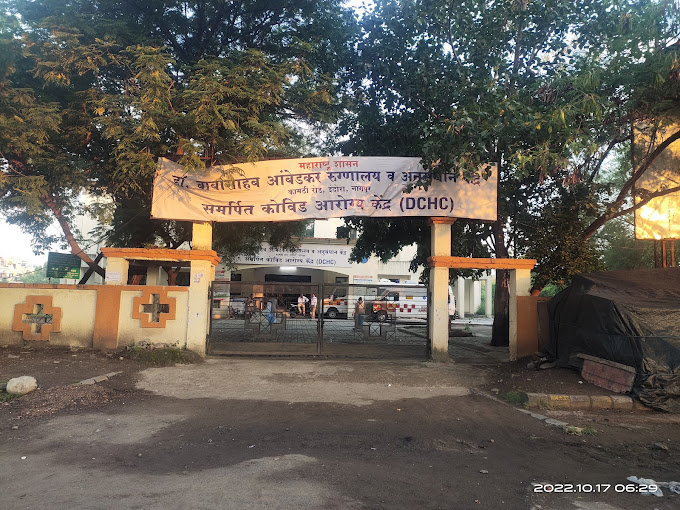
Ambitious Dr Babasaheb Ambedkar Super Specialty Hospital & Post Graduate Institute for Medical Sciences in Nagpur

In a pivotal move, the proposal for the construction of the Dr Babasaheb Ambedkar Super Specialty Hospital & Post Graduate Institute for Medical Sciences at Indora has reached a crucial juncture. Placed before a high-powered committee for cost revision, this development has sparked discussions and protests, especially with considerations of shifting the project to Mihan in south-west Nagpur. Let’s delve into the intricacies surrounding this healthcare initiative.

The Cost Conundrum

A Decisive Resolution

The Mahayuti government, responding to concerns and protests, issued a resolution in December of the previous year, significantly downsizing the estimated cost to ₹575 crore. This reduction, exceeding 50% from the original estimate, aims to address the financial aspects and streamline the path for the hospital’s realization.

Initial Estimates vs. Revised Figures

Initially approved by the MVA government on October 6, 2021, the 615-bed hospital project was set at an estimated cost of ₹1,165 crore. However, the subsequent resolution by the Mahayuti government reflects a significant decrease. The detailed project report (DPR) outlines Rs879 crore for civil works and Rs286 crore for salaries and related expenses, with a phased increase in bed strength to 857.

The Political Landscape

Roadblocks and Resolutions

The project faced hurdles over the PPP model during the MVA government regime. Subsequently, under the Mahayuti government, deadlock arose over the relocation of the hospital from Indora to south-west Nagpur in Deputy CM Devendra Fadnavis’s constituency. Fadnavis, advocating for government funding to avoid healthcare cost escalation for north Nagpur residents, emphasized the need for public welfare.

A Long-standing Dream

North Nagpur MLA and former district guardian minister Nitin Raut envisioned the hospital in 1997. Despite persistent challenges, Raut passionately pushed for its realization. He now calls for the immediate release of ₹80 crore for the groundbreaking ceremony, underlining the significance of this dream project for the region.

People’s Voice

Protests and Advocacy

Vedprakash Arya, a vocal politician, staged an indefinite strike against any attempts to shift the project. Arguing for the necessity of a government hospital in north Nagpur, especially in an area with 327 slums and a high population of the underprivileged, Arya decried potential conspiracies to divert the project elsewhere.

Frequently Asked Questions (FAQs)

  1. Why was the estimated cost reduced by over 50%? The Mahayuti government responded to concerns and protests by issuing a resolution to downsize the estimated cost, fostering financial feasibility.
  2. What caused the deadlock over project relocation? The Mahayuti government faced challenges in shifting the project from Indora to south-west Nagpur, leading to a prolonged stalemate.
  3. Who proposed the hospital project, and when? North Nagpur MLA Nitin Raut initially proposed the hospital in 1997, making it a long-standing dream for the region.
  4. What role did Deputy CM Devendra Fadnavis play in the project? Fadnavis advocated for government funding, expressing concerns over healthcare costs for north Nagpur residents under a PPP model.
  5. Why is Vedprakash Arya protesting the project’s relocation? Arya emphasizes the necessity of a government hospital in north Nagpur, particularly in an area with a significant underprivileged population.
  6. How long has the hospital project been in the pipeline? The inception of the hospital project dates back to 1997 when Nitin Raut first proposed the ambitious initiative.

In the intricate web of political decisions and community needs, the Dr Babasaheb Ambedkar Super Specialty Hospital & Post Graduate Institute for Medical Sciences stands at a crucial crossroads. As the high-powered committee reviews the cost revisions, the future of this dream project hangs in the balance. Only time will unfold the destiny of this healthcare beacon in Nagpur’s landscape.

Navigating Chaos: Unraveling the Tangle of Mismanaged Road Construction at Jaistambh Square

Mismanaged road construction work and traffic diversions at Jaistambh Square have turned the bustling city junction into a chaotic mess, leaving frustrated commuters grappling with unexpected challenges. The ongoing construction spree orchestrated by city traffic police officers has sparked widespread discontent, raising concerns about the planning and foresight behind these projects.

The Epicenter: Jaistambh Square’s Cement Road Construction

The heart of the chaos lies at the ongoing cement road construction site stretching from the Shri Mohini Complex to Jaistambh Square. With multiple roads under construction simultaneously, commuters find themselves with little space to navigate, leading to unprecedented frustration.

Traffic Diversions and Rule Violations

The closure of the road from Ganesh Tekdi towards Jaistambh Square forces vehicles to navigate on the wrong side, creating a series of violations. The situation becomes increasingly problematic, compelling citizens to resort to violating traffic rules to maneuver through the mess.

Citizen Frustration Speaks Volumes

Citizens express their frustration, criticizing the authorities for embarking on construction projects without considering the inconvenience caused. A local resident voiced his concerns, highlighting the unbearable situation at Jaistambh Square and the apparent disregard for common sense and traffic rules.

Traffic Chaos: Jaistambh Square to Shri Mohini Complex

The chaos intensifies as traffic moves in both directions on just one side of the road from Jaistambh Square to Shri Mohini Complex. Vehicles taking a U-turn on the flyover further contribute to the violation of traffic norms, prompting questions about the planning and consideration behind these projects.

Unforeseen Consequences: Y-flyover Disruptions

In addition to Jaistambh Square, the Y-flyover starting from Ram Jhula-I has become a focal point of disruption. Ongoing construction work compels commuters to take a U-turn just before the flyover, creating massive traffic disruptions that ripple through the road stretch.

Demand for Thoughtful Urban Planning

Jaistambh Square, once a bustling junction, now grapples with the consequences of unplanned road constructions. Commuters demand thoughtful urban planning, questioning the authorities’ decision-making process in executing these projects.

Voices from the Community

A college student highlighted the mayhem caused not only for commuters but also for visitors to the Railway Station, emphasizing the increasing difficulty in reaching destinations on time. The chaotic scenes prompt reflections on the authorities’ consideration of existing traffic conditions and public inconvenience.

Frequently Asked Questions (FAQs)

  1. Q: Why is there simultaneous construction of multiple roads at Jaistambh Square? A: The authorities’ decision to undertake multiple constructions simultaneously raises questions about their planning and consideration for public inconvenience.
  2. Q: How are citizens reacting to the chaos at Jaistambh Square? A: Citizens express frustration and disbelief, criticizing the authorities for allowing construction in a high-traffic junction without thoughtful consideration.
  3. Q: What is the impact of the chaos on visitors to the Railway Station? A: The heavy traffic chaos is making it increasingly difficult for people, including visitors to the Railway Station, to reach their destination on time.
  4. Q: What disruptions are occurring at the Y-flyover near Jaistambh Square? A: Ongoing construction work at the Y-flyover compels commuters to take a U-turn just before the flyover, causing massive traffic disruptions.
  5. Q: How are the road constructions affecting the flow of traffic from Jaistambh Square to Shri Mohini Complex? A: Traffic moves in both directions on just one side of the road, with vehicles taking U-turns on the flyover, contributing to the violation of traffic norms.
  6. Q: What are the demands of the commuters amid this chaos? A: Commuters are demanding thoughtful urban planning and questioning the authorities’ decision-making process in executing unplanned road constructions.

Jaistambh Square, once a symbol of efficient traffic flow, now grapples with the consequences of mismanaged road constructions. The frustrated voices of citizens echo the need for thoughtful urban planning, urging authorities to reconsider their approach to future projects. As chaos reigns, the city awaits a resolution that prioritizes the seamless movement of its citizens.

Unveiling the Prospective Power Subsidy Revolution in Vidarbha and Marathwada

Deputy Chief Minister Devendra Fadnavis has once again teased the impending announcement of a groundbreaking power subsidy scheme for industries in Vidarbha and Marathwada, Maharashtra. Holding the Energy portfolio, Fadnavis hinted that this new policy is on the horizon, set to be revealed before the upcoming general elections.

A Glimpse into the Past

During Devendra Fadnavis previous tenure as Chief Minister, a robust power subsidy policy was introduced. A substantial sum of Rs 1200 crore was allocated to subsidize power bills for industries in Vidarbha and Marathwada, designated as backward regions due to developmental disparities.

The Lacuna in the Scheme

However, the implementation by Maharashtra State Electricity Distribution Company Limited (MSEDCL) faced a setback. A critical flaw in the scheme was exploited by unscrupulous industries, allegedly in collusion with bureaucracy, leading to an abrupt termination. Initially designed to run until 2024, the scheme collapsed prematurely as some industries misused the subsidy, depleting the entire budgeted amount.

The fallout saw Vidarbha Industries Association (VIA) filing a PIL in the Nagpur Bench of Bombay High Court, challenging the cessation of the subsidy. VIA argued that despite a budget allocation of Rs 1200 crore, only Rs 600 crore was utilized, and thus, advocated for the revival of the scheme.

As the case remains sub judice, Deputy Chief Minister Devendra Fadnavis has now hinted at the state’s active consideration of reinstating the power subsidy scheme, promising potential benefits for the region’s residents. VIA, in its affidavit, highlighted the widespread impact on industries that invested heavily in infrastructure and capacity expansion based on the promised subsidy.

The Way Forward

In the midst of this legal tussle, VIA has proposed a precautionary measure to the State Government. They recommend imposing a cap on individual subsidies applicable to each industry, aiming to prevent misuse and ensure the subsidy’s longevity as envisioned in the initial policy.

FAQs – Navigating the Power Subsidy Maze

  1. What led to the termination of the initial power subsidy scheme? The scheme faced an untimely demise due to alleged misuse by some industries, particularly in the Jalna region, in collusion with bureaucracy.
  2. Why did VIA approach the Bombay High Court? VID sought legal intervention after the abrupt cessation of the subsidy, arguing that only half of the allocated funds were utilized, justifying the need for the scheme’s revival.
  3. What is Deputy Chief Minister Fadnavis’s stance on the power subsidy scheme now? Fadnavis, holding the Energy portfolio, has hinted at the active consideration of reviving the power subsidy, signaling potential relief for industries in Vidarbha and Marathwada.
  4. How has the industry been impacted by the subsidy halt? Industries, relying on the promised subsidy, have faced financial burdens due to the sudden stoppage, leading to increased interest expenses.
  5. What precautionary measure has VIA proposed to the State Government? VIA suggests placing a cap on individual subsidies per industry to prevent misuse and ensure the subsidy’s sustained application as per the initial policy.
  6. What infrastructure investments were made based on the power subsidy policy? Many industries invested heavily in upgrading infrastructure and expanding capacity, anticipating the continued availability of the power subsidy.

As the legal battle unfolds, Deputy Chief Minister Fadnavis’s indication of revisiting the power subsidy scheme offers a glimmer of hope for the industries in Vidarbha and Marathwada. The proposed safeguards from VIA, if implemented, could pave the way for a more sustainable and misuse-resistant subsidy system, fostering growth and development in these regions.

Nagpur Takes Center Stage: All India Police Games Set to Make History

Sporting Spectacle on Feb 26 (CP Ravinder Singal)

In an unprecedented move, Nagpur is poised to become the focal point for law enforcement athleticism as it welcomes police representatives from every corner of the nation for the 72nd edition of the All India Police Games, featuring the thrilling Volleyball Cluster. Commissioner of Police, Ravinder Singal, shared the exciting details during a media briefing on Friday.

A Sporting Extravaganza Across the City (CP Ravinder Singal)

Under the auspices of the All India Police Sports Control Board, New Delhi, Nagpur will host six sporting disciplines at four premier venues over a span of six days. This groundbreaking event is set to witness the participation of a total of 3,000 police personnel, both men and women, engaging in diverse activities such as volleyball, handball, basketball, table tennis, sepak takraw, and yoga.

Volleyball, Handball, and Yoga Take Center Stage

The Police Headquarters will reverberate with the energetic rallies of volleyball, the strategic maneuvers of handball, and the serene discipline of yoga. These tournaments promise not only intense competition but also an exhibition of exceptional skill and teamwork.

Basketball Madness at Shivaji Nagar Gymkhana and Nagpur University

Shivaji Nagar Gymkhana and Nagpur University courts will transform into battlefields for the basketball enthusiasts among the police force. The thud of bouncing balls and the swish of successful shots will echo through the athletic arenas.

Table Tennis and Sepak Takraw Thrills at Mankapur

Meanwhile, the Divisional Sports Complex at Mankapur will witness the swift spins of table tennis balls and the nimble kicks of sepak takraw players. A display of agility and precision is promised in these fast-paced competitions.

National Unity Through Sportsmanship

Commissioner Singal emphasized, “This marks the inaugural organization of the All India Police Games in Nagpur. Thirty-seven units of state police teams and paramilitary forces are gearing up to participate, joined by a select group of international-level sportspersons who have brought glory to the nation.”

Distinguished Inauguration and Organizing Committee

The grand inauguration on Feb 29 will be graced by the presence of Sujata Saunik, additional chief secretary (home) of the Maharashtra government. DGP Rashmi Shukla holds the position of organizing committee chairperson, while Commissioner Singal presides as the president. Joint CP Aswathi Droje and additional CP Sanjay Patil assume crucial roles as vice president and secretary, respectively.

FAQs About the All India Police Games

  1. What makes this edition historic?
  2. How many disciplines are featured?
    • Six sporting disciplines, including volleyball, handball, basketball, table tennis, sepak takraw, and yoga, will be showcased during the event.
  3. How many participants are expected?
    • A total of 3,000 cops, both men and women, from across the country are set to participate in the games.
  4. Where will basketball matches be held?
    • Basketball matches will unfold at Shivaji Nagar Gymkhana and Nagpur University courts.
  5. Which dignitary will inaugurate the event?
    • The event will be formally inaugurated by additional chief secretary (home) of Maharashtra, Sujata Saunik.
  6. Who heads the organizing committee?
    • DGP Rashmi Shukla assumes the role of organizing committee chairperson.

A Historic Confluence of Skill and Unity

As Nagpur readies itself to host the All India Police Games, anticipation hangs in the air. This unprecedented gathering of law enforcement athletes promises not just a sporting spectacle but also a testament to national unity and the spirit of competition that transcends boundaries. The city stands on the brink of making history, etching its name in the annals of the All India Police Games.

Nitin Gadkari & Devendra Fadnavis Set to Unveil Two Key Overhead Tanks

Nagpur, a city grappling with water supply challenges, is poised for a transformative event as Union Minister Nitin Gadkari and Deputy Chief Minister Devendra Fadnavis come together to dedicate two crucial overhead tanks in Wathoda on February 25. This milestone marks a significant leap forward in the city’s water management strategy, promising to reshape the narrative around water accessibility and sustainability.

In a bid to address Nagpur’s water scarcity concerns, the Nagpur Municipal Corporation (NMC) has undertaken a groundbreaking initiative with the commissioning of these overhead tanks. As the city gears up for this momentous occasion, let’s delve into the details of how this development is set to redefine Nagpur’s water supply dynamics.

Revolutionizing Water Supply Infrastructure (Nitin Gadkari |Devendra Fadnavis)

The Impact on Water Tankers

NMC’s water works superintending engineer, Shweta Banerjee, anticipates a substantial reduction in the reliance on water tankers. By the month’s end, the number of water tankers is expected to decrease from 155 to 135, translating into a more efficient and cost-effective water distribution system.

Current Water Supply System

Banerjee sheds light on Nagpur’s current water supply scenario, emphasizing the NMC’s (Nitin Gadkari |Devendra Fadnavis) commitment to providing treated drinking water. The city boasts 75 elevated and ground reservoirs delivering potable water, supported by a fleet of 155 tankers catering to non-network areas.

Highlighting the financial impact, Banerjee notes a significant reduction in annual expenses from Rs 21 crore to Rs 3 crore for 155 water tankers. This positive shift is attributed to the success of the central government’s Rs 300 crore Amrut project, which focuses on enhancing door-to-door water connections.

Expanding Water Networks 

Pipeline Advancements

Under the Amrut project, the NMC has laid over 449km of pipelines, significantly expanding the city’s water network to over 4,300km. This expansion has not only increased household connections but also paved the way for a more sustainable water distribution model.

Elevated Storage Reservoirs

The NMC’s proactive measures include the construction of 19 elevated storage reservoirs across the corporation limits, particularly in outer areas. With an eye on the future, Banerjee reveals plans to commission more elevated storage reservoirs by the end of the year, enhancing water supply reliability.

Innovative Solutions: The Double Decker ESR (Nitin Gadkari |Devendra Fadnavis)

Addressing Challenges in South Nagpur

A standout project in the pipeline is the double-decker elevated storage reservoir at Hanuman Nagar, a first-of-its-kind initiative in the country. Expected to be operational this year, it aims to alleviate water supply challenges in south Nagpur, a historically problematic area for the city.

FAQs: Addressing Common Concerns

  1. How has the Amrut project impacted water supply?
    • The Amrut project has significantly improved door-to-door water connections, resulting in a more robust and cost-efficient water distribution system.
  2. What is the significance of the double-decker ESR at Hanuman Nagar?
  3. How many zones have achieved tanker-free status?
    • Mangalwari and Dhantoli have already been declared tanker-free, with more zones, including Dharampeth, Nehru Nagar, and Lakadganj, slated to follow suit.
  4. What challenges does Satranjipura-Ashi Nagar zones face in reducing tanker dependency?
    • These zones face the tough task of extending the pipeline network to cover many areas, posing a challenge in achieving a tanker-free status.
  5. What is the timeline for commissioning the Nagpur Smart and Sustainable City Development Corporation’s ESR projects?
    • The four ESR projects in east Nagpur are set to be commissioned by June, promising improved water supply in the Lakadganj zone.
  6. How does the NMC plan to reduce the number of tanks further this fiscal year?
    • The NMC aims to achieve a reduction of 16 tanks by implementing strategic measures within the current fiscal year.

Conclusion

Nagpur’s journey towards a sustainable and efficient water supply system is gaining momentum. With visionary projects, collaborative efforts, and strategic investments, the city is not only addressing current challenges but setting a precedent for water management solutions. As Nagpur inches closer to a future where water scarcity is a thing of the past, the dedication of these overhead tanks stands as a symbol of progress and resilience.

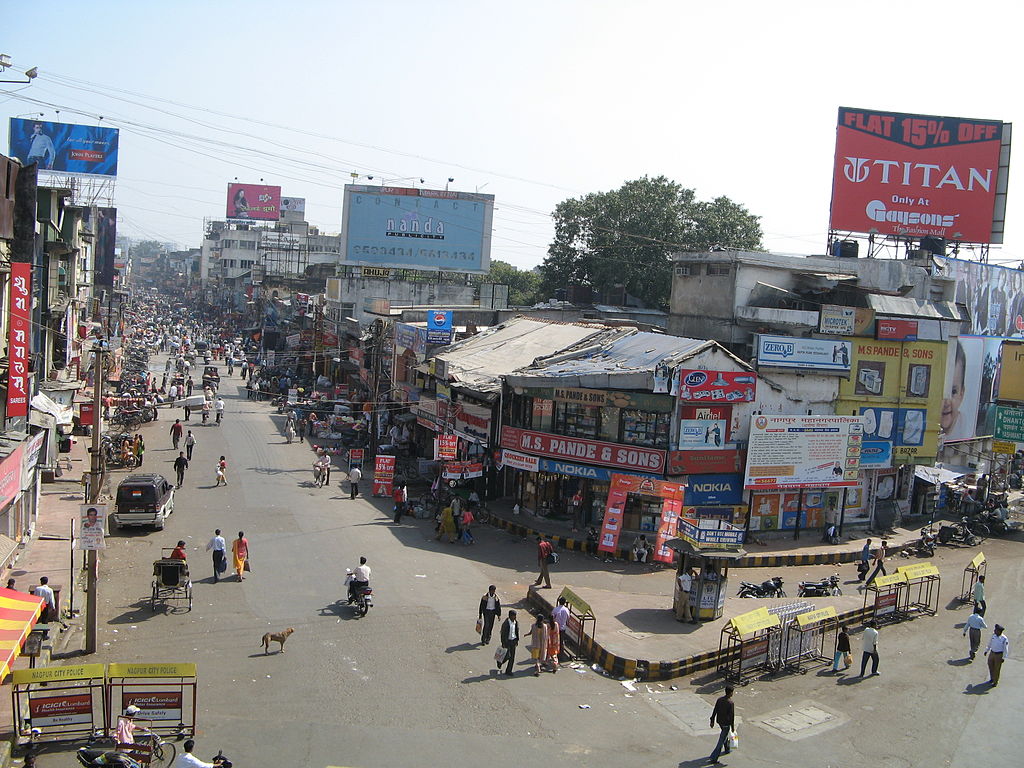
Navigating Hawking Zone Dilemmas in Nagpur

Hawking Zone in Nagpur (Buldi, Jaripatka, Nandanvan): In the bustling city of Nagpur, a clash of interests emerged as the hawkers’ associations and the Town Vending Committee (TVC) found themselves at an impasse. The heart of the matter? The contentious choice of locations for hawking zones. Let’s delve into the twists and turns of this urban saga that unfolded during the recent TVC meeting.

Hawkers’ Stand: The Buldi Battleground

Buldi Main Road: A Hotbed of Contention As the curtains lifted on the discussion, the hawkers’ representatives made a fervent plea for a hawking zone on Buldi Main Road. The fervor escalated as Nandanvan Main Road and Jaripatka Area were thrust into the spotlight. The drama unfolded as these preferences clashed head-on with the recommendations of the hawk-eyed panel assigned to finalize the hawking zones.

TVC’s Traffic-Based Dilemma

Traffic Flow Analysis: A Road Less Traveled The committee, armed with a thorough study of traffic patterns, stood firm against endorsing hawking zones on Sitabuldi Main Road, Nandanvan, and Jaripatka Main Roads. This decision, rooted in the meticulous examination of the area’s traffic dynamics, set the stage for a heated discourse during the TVC meeting.

The Decisive Showdown: Voting Day

Chairman’s Gavel: TVC Meeting Under Municipal Commissioner’s Purview At the helm of the TVC meeting was Municipal Commissioner Abhijit Chaudhary, steering through diverse perspectives. In a democratic twist, the hawkers’ association’s impassioned plea collided with the committee’s resolute stance. The battleground shifted to a vote, with 10 committee members standing against the proposed hawking zones and 6 in favor. The verdict resonated through the room—no hawking zones at Buldi, Nandanvan, and Jaripatka.

Flashback to 2016: The Hawking Zone Map Unveiled

Market Department’s Cartography Rewinding to 2016, the Nagpur Municipal Corporation’s market department divided the city into three zones, envisioning a tapestry of hawking zones. A total of 115 zones were initially proposed, but objections prompted a recalibration. The final canvas featured 53 hawking zones, with 15 locations, including the prominent Sitabuldi, Nandanvan, and Jariptka main roads, designated as strict no-hawking zones.

[VARIABLE1] – A Crucial Perspective

In the midst of this urban chess game, the importance of recognizing the needs and challenges faced by both hawkers and city planners cannot be overstated. Finding a middle ground that respects both commerce and traffic dynamics is imperative for the sustainable growth of the city.

FAQs – Unraveling the Hawking Zone Puzzle

  1. Why did the committee oppose hawking zones in specific areas? The committee based its decision on a comprehensive traffic flow study in those locations, prioritizing smooth traffic movements.
  2. How were the hawking zones initially selected in 2016? The Nagpur Municipal Corporation’s market department divided the city into three parts, proposing zones based on a percentage distribution strategy.
  3. What led to the reduction in the number of hawking zones from 115 to 53? Objections from various quarters prompted a revision, ensuring a more agreeable and balanced distribution of hawking zones.
  4. Why were specific main roads declared as no-hawking zones? The decision was rooted in maintaining the integrity of major traffic arteries, safeguarding the smooth flow of vehicles.
  5. How does the democratic voting process work in TVC meetings? In TVC meetings, committee members express their stance through voting, with the majority determining the final decision.
  6. What steps are being taken to address objections to the designated hawking zones? The municipal authorities are actively reviewing objections, seeking a harmonious solution that aligns with both city planning and vendor interests.

A City in Flux

As Nagpur grapples with the evolving dynamics of urban development, the hawking zone discourse symbolizes the delicate balance cities must strike. Navigating through objections, traffic concerns, and democratic processes, the city aims for a future where commerce and order coexist harmoniously on its streets.

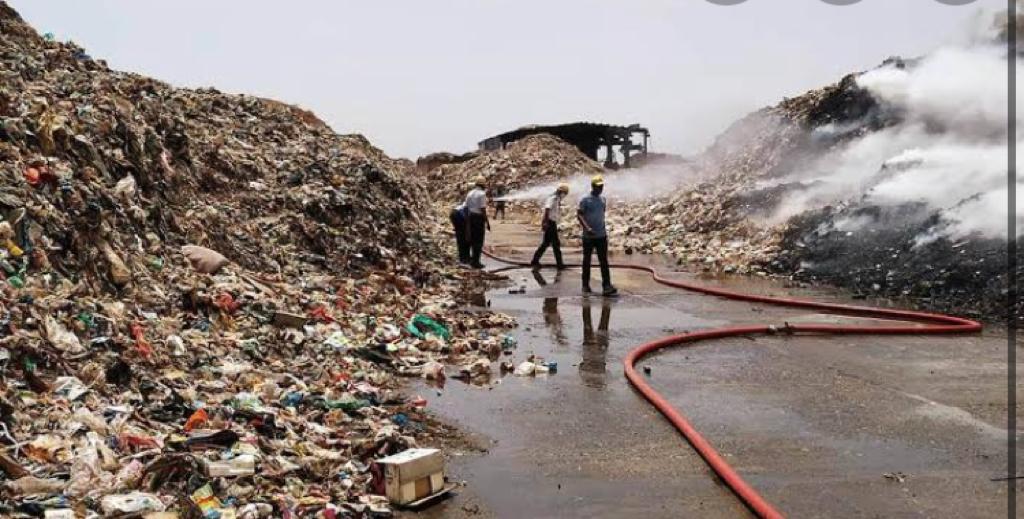
Fudging Garbage Weight? Dump Yard Scale Sealed in Nagpur

Dump Yard in Nagpur: In a surprising turn of events, the legal metrology department in Nagpur has initiated an inquiry against the NMC solid waste management department. This investigation stems from discrepancies discovered in the weighing scale at the Bhandewadi dumping yard. Pandurang Biradar, the divisional controller, shares insights into the unexpected findings.

Fudging Garbage Weight? Dump Yard Scale Sealed in Nagpur – Unveiling the Investigation

In a routine inspection on Thursday night, officials were astonished to find that the weighing scale displayed more weight than the garbage-laden vehicles were actually transporting. This led to an immediate inquiry, marking the first instance of such irregularities.

2. NMC’s Waste Management Practices

NMC’s Garbage Collection Firms

NMC has enlisted the services of two garbage collection firms responsible for lifting approximately 1,300 metric tonnes of waste daily from Nagpur city. These firms transport the waste to the Bhandewadi dumping yard, passing through NMC’s weighing scale, installed over two decades ago.

Weighing Scale Calibration

Despite a calibration by the legal metrology department eight months ago, discrepancies in weight measurement have surfaced. Pradeep Jhodape, during the previous calibration, had certified the scale’s proper functioning. However, recent checks indicate a significant error.

3. Inspection and Sealing

Surprise Inspection

Upon receiving a complaint about irregularities, the local legal metrology department, led by Pandurang Biradar, conducted a surprise inspection. The findings revealed that the weighing scale was portraying excess weight instead of the actual weight being transported in tippers.

Sealing the Weighing Scale

In response to the confirmed complaint, the inspection team sealed the weighing scale in the presence of NMC zonal officer (SWM) Rohidas Rathod. The sealing occurred after checking vehicles loaded with 13 tonnes and 17 tonnes of chicken waste, displaying a substantial excess weight of about 350 to 400kg.

4. Rectification Efforts by NMC

NMC’s Response

NMC deputy municipal commissioner (SWM) Dr Gajendra Mahalle acknowledged the issue, stating that the weighing scale was recalibrated a couple of months ago, resulting in the current error. The NMC is actively working on rectifying the problem.

Bio-Mining Site Implementation

To address the weight measurement concerns, NMC has shifted its weighing process to the bio-mining site. Here, a sensor-based machine is being utilized for accurate weight determination.

5. Citizen Involvement and Appeals

Appeal to Citizens

Pandurang Biradar has urged citizens to report malfunctioning weighing scales in shops and markets. A helpline number (9404951828) has been provided for citizens to lodge their complaints.

6. Conclusion

In conclusion, the inquiry into the fudging of garbage weight at the Bhandewadi dumping yard has brought to light significant discrepancies in the weighing scale’s accuracy. The legal metrology department’s swift action and NMC’s commitment to rectification demonstrate a collective effort to address the issue. As citizens, staying vigilant and reporting irregularities ensures the integrity of such crucial measurement systems.

Frequently Asked Questions

Q: How often is the weighing scale at Bhandewadi dumping yard inspected? A: The surprise inspection conducted by the legal metrology department was prompted by the first-ever complaint about discrepancies in weight measurement. The scale had undergone calibration eight months ago.

Q: What triggered the investigation into NMC’s solid waste management department? A: The inquiry was launched after officials discovered that the weighing scale at Bhandewadi dumping yard displayed excess weight than what was actually being transported in garbage-laden vehicles.

Q: How is NMC addressing the issue of excess weight displayed on the weighing scale? A: NMC is actively working on rectifying the error. They have shifted the weighing process to a bio-mining site, utilizing a sensor-based machine for accurate weight measurement.

Q: Can citizens contribute to resolving the issue? A: Yes, citizens are encouraged to lodge complaints if they come across malfunctioning weighing scales in shops and markets. A helpline number (9404951828) has been provided for this purpose.

Q: Has there been any previous instance of irregularities in weight measurement at the dumping yard? A: No, this is the first time a complaint about discrepancies in weight measurement has been received, and it was found to be a case of overweight instead of underweight.

Q: How long does NMC have to rectify the weighing scale issue? A: NMC has been asked to rectify the scale within seven days as per the directive from the legal metrology department.

The inquiry into the fudging of garbage weight at the Bhandewadi dumping yard (Dump Yard in Nagpur) highlights the importance of accurate weight measurement in waste management. As NMC takes steps to rectify the issue, citizens play a crucial role in reporting any irregularities they come across. The collaborative effort ensures the integrity of the waste measurement system and contributes to a cleaner and more efficiently managed city.

Pernod Ricard Monumental Investment in India’s Largest Malt Distillery

In a groundbreaking move, French liquor powerhouse Pernod Ricard has inked a landmark memorandum of understanding (MoU) with the Maharashtra government, setting the stage for a colossal investment in a malt distillery nestled in the heart of Nagpur. This ambitious venture, with a daily production capacity of 60,000 litres, not only marks a significant stride for Pernod within its own portfolio but also stands as the largest malt distillery in Asia, potentially securing its position as the industry giant of the continent.

Toasting to Ambitions: Pernod’s Vision Unveiled

Unveiling India’s Brewing Marvel

Pernod’s Pledge: The liquor titan has committed a staggering 1,790 crore investment over the next decade, solidifying its dedication to this colossal project.

Capacity Reigns Supreme: Anticipated to take over two years for completion, the distillery’s impressive scale is matched only by its potential to age spirits to perfection.

Distilling Prosperity for Farmers in Crisis

In an exclusive statement, Deputy Chief Minister Devendra Fadnavis expressed optimism that initiatives like Pernod’s would offer a lifeline to farmers grappling with climate change-related crises. He emphasized that the distillery’s reliance on barley, a resilient crop thriving in Vidarbha’s diverse weather conditions, could potentially breathe life into a staggering 35,000 acres of farmland.

Sowing Seeds of Success: The Agricultural Impact

Barley’s Resilience Shines

Climate Change Mitigation: Fadnavis contends that the barley crop’s ability to endure diverse weather patterns positions it as a strategic solution in times of climate uncertainty.

Farmers’ Ally: With the distillery’s demand for barley, local farmers stand to gain, creating a symbiotic relationship between the industry and agriculture.

FAQs: Addressing Curiosities

1. What is the projected timeline for the distillery’s completion?

Answer: Pernod estimates a construction period of over two years, with additional time allocated for the spirits to age to perfection.

2. How much land has the state industries department offered for this venture?

Answer: The Butibori industrial estate has graciously provided the land for Pernod Ricard monumental distillery.

3. Why is barley the chosen grain for this distillery?

Answer: Barley’s resilience and adaptability to various weather conditions make it an ideal candidate, especially considering the challenges posed by climate change.

4. How will this investment benefit local farmers?

Answer: The distillery’s demand for barley is expected to stimulate the local economy, providing farmers with a reliable market for their produce.

5. What is the significance of this distillery on a regional scale?

Answer: Besides being the largest in India, it positions Nagpur as a key player in the ever-evolving liquor industry, opening doors for further economic development.

6. How does this initiative contribute to climate change mitigation?

Answer: By utilizing barley, known for its climate-resilient qualities, the distillery aligns with sustainable practices, offering a potential solution to climate-related agricultural challenges.

A Spirited Conclusion

In the spirit of progress, Pernod Ricard’s monumental venture promises not just a thriving distillery but a catalyst for regional development. As construction commences and barley fields ripple across Vidarbha, the fusion of industry and agriculture unfolds, creating a toast-worthy narrative for Nagpur and beyond. Here’s to the future, where prosperity flows as smoothly as the finest spirits crafted in India’s largest malt distillery. Cheers!

Exit mobile version