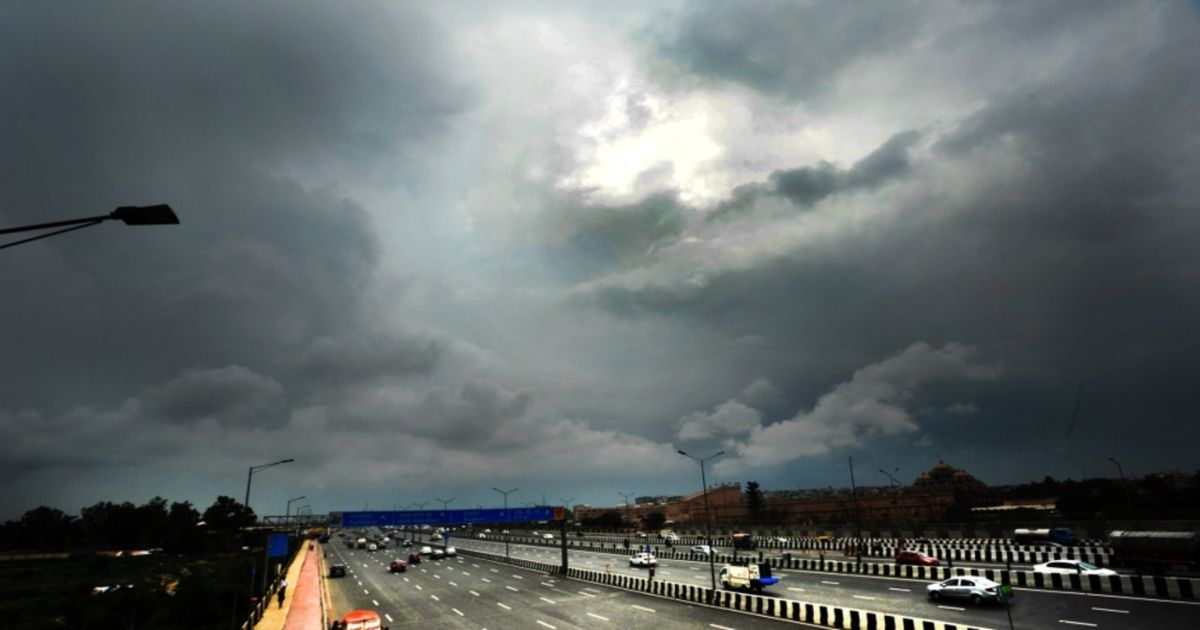
Thundershowers Likely in City Today: IMD

IMD Forecasts Thunderstorms and Gusty Winds for Nagpur

Nagpur Weather: A day after the city experienced refreshing rains, the India Meteorological Department (IMD) has announced the likelihood of thunderstorms hitting Nagpur on March 19. This forecast comes as a relief from the oppressive hot and humid conditions prevalent recently. Here’s what you need to know about the upcoming weather conditions in Nagpur:

Orange Alert Issued by IMD

The IMD has issued an orange alert for Nagpur, signaling the possibility of thunderstorms accompanied by squall or hail. This alert urges residents and authorities to stay prepared and take necessary precautions to mitigate potential risks.

Widespread Thunderstorms Expected

According to IMD predictions, Vidarbha is likely to witness widespread thunderstorms and lightning on Tuesday. Additionally, there’s a potential risk of hail, adding to the intensity of the weather event.

Gusty Winds Forecast

In addition to thunderstorms, gusty winds with speeds ranging between 40-50 km per hour are expected. These strong winds could cause further disruption, emphasizing the need for caution among the populace.

Clearing Skies Ahead

While the immediate forecast indicates thunderstorms, IMD forecasts partial clearing of the skies from March 20 onwards. This suggests a gradual improvement in weather conditions, with reduced chances of thunderstorms.

As Nagpur braces itself for thunderstorms and gusty winds, it’s crucial for residents to stay informed and prepared. Following IMD advisories and taking necessary precautions can help minimize any adverse effects of the impending weather.

FAQs

Q1. What is the significance of an orange alert issued by the India Meteorological Department? An orange alert indicates the possibility of severe weather conditions, urging people to stay vigilant and take preventive measures.

Q2. How should residents prepare for thunderstorms and gusty winds? Residents should secure loose objects, stay indoors during the storm, and avoid venturing out unless necessary.

Q3. What precautions should be taken during hailstorms? Seek shelter indoors, away from windows, and protect vehicles from potential damage by parking them in covered areas.

Q4. When can we expect the weather to improve after thunderstorms? IMD forecasts partial clearing of skies starting from March 20, suggesting gradual improvement in weather conditions.

Q5. How accurate are IMD weather forecasts? IMD employs advanced technology and extensive data analysis to provide accurate weather forecasts, helping communities prepare for adverse weather events.

Understanding OCW’s Impact on Nagpur’s Water Supply

Transformative Changes in Nagpur’s Water Management

Nagpur: In 2012, Orange City Water Limited (OCW) took over the reins of Nagpur’s water supply from the Nagpur Municipal Corporation (NMC), marking a pivotal moment in the city’s infrastructure development. Initially equipped with 33 storage reservoirs, the city’s water infrastructure has since expanded significantly, boasting a total of 77 reservoirs today. This expansion has led to a notable increase in the hours of water supply across various areas.

Extending Water Supply Hours: A Significant Milestone

Nitesh Singh, the Chief Executive Officer of Orange City Water Limited, emphasized the remarkable progress achieved in water supply duration during a recent media interaction. Singh revealed that approximately 50% of Nagpur now receives uninterrupted water supply for up to 24 hours a day, a substantial improvement facilitated by the commissioning of new storage reservoirs. Furthermore, 25% of the city enjoys water availability for 6 to 18 hours, while 18% receives supply between 2 to 6 hours.

Future Expansion Plans

Singh outlined ambitious plans for further enhancing the city’s water infrastructure, with proposals to add 28 additional storage reservoirs. Of these, 14 are currently under construction, while work on the remaining 12 is pending commencement due to land acquisition challenges. Two reservoir projects face delays owing to unresolved land acquisition issues.

Innovative Technologies Driving Efficiency

The introduction of the Integrated Command & Control Centre, powered by Hubgrade Technology, marks a significant milestone in Nagpur’s water management landscape. This centralized monitoring hub leverages advanced technologies to streamline data collation and analysis from various departments. Comprehensive dashboards and GIS maps offer insights into critical metrics such as consumer complaints, supply hours, water pressure, and quality reports.

Combatting Non-Revenue Water (NRW) Losses

OCW has adopted innovative measures, including the deployment of robots for leakage detection, to address non-revenue water losses. Singh expressed confidence in reducing NRW to 25% in the coming years, highlighting a substantial reduction from the previous 67%. The analysis indicates that leakage and illegal tapping contribute significantly to NRW, emphasizing the need for proactive measures to curb wastage.

Addressing Challenges and Ensuring Summer Supply

Despite notable progress, challenges persist in areas such as water contamination, particularly in densely populated zones like Ashi Nagar and Satranjipura. Aging infrastructure and encroachments pose hurdles in delivering uninterrupted water supply. However, OCW remains committed to meeting summer demand by leveraging ample storage facilities in Navegaon Khairi, albeit acknowledging concerns regarding increased power outages.

The transformative initiatives undertaken by Orange City Water Limited have revolutionized Nagpur’s water management landscape, enhancing supply reliability and efficiency. With ongoing infrastructure expansion and technological advancements, the city is poised to overcome existing challenges and meet the evolving demands of its residents.

FAQs:

1. How has OCW improved water supply in Nagpur?

OCW has increased the hours of water supply, with approximately 50% of the city now receiving water for up to 24 hours a day.

2. What measures is OCW taking to combat non-revenue water losses?

OCW has deployed robots for leakage detection and aims to reduce non-revenue water losses to 25% through proactive measures.

3. What challenges does OCW face in ensuring uninterrupted water supply?

Challenges include addressing water contamination, aging infrastructure, and encroachments in densely populated areas.

4. How does OCW plan to meet summer water demand?

OCW utilizes ample storage facilities in Navegaon Khairi but acknowledges concerns regarding increased power outages during summer.

5. What is the future outlook for Nagpur’s water management?

With ongoing infrastructure expansion and technological advancements, Nagpur is poised to meet the evolving demands of its residents while overcoming existing challenges.

Umred’s MLA Denies Alleged Move to Shiv Sena

Clarifying Rumors and Speculations

In recent news, Umred MLA, Raju Parwe, from the Congress party, has come forth to refute swirling speculations about his purported shift to the Shiv Sena, led by Eknath Shinde. Reports had circulated earlier in the month, suggesting that Parwe had engaged in discussions with Deputy CM Devendra Fadnavis, contemplating a transition to the saffron party. However, amidst the political buzz, Parwe addressed the speculations, affirming to TOI that no definitive decision has been made yet, stating, “Nothing is final yet. I am not joining Sena tomorrow.”

Understanding the Political Landscape

Political Intrigue and Rumors

The realm of politics is often fraught with intrigue and speculation, with alliances and allegiances frequently subject to change. Rumors can spread like wildfire, influencing public perception and shaping the narrative of political discourse. In the case of (Umred MLA) Raju Parwe, the alleged discussions of his potential move to Shiv Sena have ignited a flurry of political gossip and conjecture.

Dynamics of Party Affiliation

The dynamics of party affiliation in Indian politics are multifaceted, influenced by a myriad of factors such as ideology, opportunism, and strategic alliances. Political leaders may explore various options to align themselves with parties that offer the most conducive platform for advancing their agendas and securing their political futures.

Dispelling Misconceptions: Parwe’s Statement

Clarity Amidst Uncertainty

Amidst the swirling rumors and conjecture, (Umred MLA) Raju Parwe statement serves to provide much-needed clarity and dispel misconceptions. By directly addressing the speculations surrounding his purported move to Shiv Sena, Parwe asserts agency over his political trajectory, reaffirming that no concrete decision has been reached at present.

Upholding Party Allegiance

Parwe’s declaration reaffirms his allegiance to the Congress party, signaling his commitment to the principles and values espoused by his political affiliation. While political landscapes may shift and alliances evolve, Parwe’s statement underscores his steadfast dedication to his party and constituents.

A Clarion Call for Transparency

In the ever-evolving landscape of Indian politics, transparency and clarity are paramount. Rumors and speculations can sow seeds of doubt and discord, undermining public trust and confidence in political leadership. Raju Parwe’s forthright statement exemplifies a commitment to transparency, serving as a beacon of integrity amidst the tumult of political conjecture.

FAQs (Frequently Asked Questions)

1. Has Raju Parwe officially confirmed his intention to join Shiv Sena?

No, Raju Parwe has explicitly denied the rumors, stating that no final decision has been made regarding his party affiliation.

2. Are there any indications of discontent within the Congress party prompting Parwe’s alleged move?

There is no concrete evidence suggesting discontent within the Congress party as a catalyst for Raju Parwe’s purported consideration of joining Shiv Sena.

3. How do rumors and speculation impact the political landscape in India?

Rumors and speculation can significantly influence public perception and shape the narrative of political discourse, impacting alliances and party dynamics.

4. What role does transparency play in mitigating the effects of political gossip?

Transparency serves as a cornerstone of effective governance, fostering trust and accountability within the political sphere and mitigating the disruptive effects of unfounded rumors.

5. What implications does Parwe’s statement hold for his political future?

Raju Parwe’s statement reaffirming his allegiance to the Congress party underscores his commitment to his political principles and constituency, shaping perceptions of his integrity and steadfastness in the political arena.

Traffic Police Crack Down on Wrong Side Driving: Stricter Consequences and 240 Offenses Registered

Nagpur: Riders and drivers beware while plying on the wrong side of city roads. If you believe that traffic police only issue challans and fines for the violation, you are mistaken. Instead, they will take you to the concerned police station and register an offense under the relevant sections of the Indian Penal Code (IPC). This could lead to frequent court appearances and your name being recorded in the Crime and Criminal Tracking Network and Systems (CCTNS) database. In response to a troubling increase in fatalities on roads caused by wrong side driving, the city’s traffic police have adopted a stricter approach. Instead of just issuing challans, they are now registering offenses against the violators.

A Stricter Approach for Safer Roads

This revised strategy has resulted in a significant decrease in fatal accidents within the city limits. Deputy Commissioner of Police (Traffic) Shashikant Satav, while talking to ‘The Hitavada,’ revealed the gravity of the situation. “In January and February, there were 66 fatal accidents reported in the city which claimed 73 lives. Analysis of these incidents indicated that a significant portion of fatalities were attributed to wrong side driving,” said Satav. The initiative for this change in approach stemmed from a detailed meeting convened by the Commissioner of Police, Dr. Ravinder Singal. Addressing the pressing issue, CP Dr. Singal directed the implementation of registration of offenses under Sections 279 and 336 of the IPC against the violators.

The penalty prescribed under Section 279 of the IPC includes imprisonment for up to six months, a fine of Rs 1,000, or both. Similarly, Section 336 of the IPC imposes punishment on the offender which may consist of imprisonment for a term extending up to three months, a fine not exceeding Rs 250, or both. Another traffic police official said, “The mere issuance of challans was not proving to be a sufficient deterrent. By registering offenses, the drivers will face more severe consequences, affecting their career prospects and legal status.”

Enforcement and Impact

Since the enforcement of the new measure, the traffic police (Nagpur) have recorded 240 cases under Sections 279 and 336 of the Indian Penal Code across various police stations. Upon catching wrong side drivers, they are escorted to the police station for verification of necessary documents, including Aadhar card and address proof. Soon after, based on this evidence and the offense committed, FIRs are lodged against the offenders at the concerned police station. The stance of the police has yielded results, with fatal accidents reducing to seven within the last 15 days. DCP Satav (Nagpur) affirmed that this intensified approach would be sustained to ensure continued safety on the roads. The registration of offenses against wrong side drivers not only acts as a deterrent but also helps in promoting responsible driving habits on the city’s streets.

The crackdown on wrong side driving by the traffic police reflects a commitment to road safety and law enforcement. Through stricter consequences and registering offenses, they aim to curb fatalities and promote responsible driving habits among citizens.

FAQs

1. What constitutes wrong side driving? Wrong side driving refers to the act of driving on the side of the road designated for oncoming traffic.

2. How can wrong side driving affect road safety? Wrong side driving increases the risk of head-on collisions, leading to severe injuries and fatalities.

3. What should drivers do to avoid wrong side driving violations? Drivers should always adhere to traffic laws, including staying on the correct side of the road and following designated lanes.

4. Are there alternative penalties for flip-flop driving besides fines and imprisonment? In addition to fines and imprisonment, flip-flop drivers may face license suspension or vehicle impoundment.

5. How can communities contribute to reducing wrong-side driving incidents in Nagpur? Communities can raise awareness about the dangers of flip-flop driving through education campaigns and promoting responsible driving behaviors.

Ensuring 75% Voter Turnout: A Mission for Nagpur and Ramtek

Mission Distinction: Aiming for 75% Voting in Nagpur and Ramtek Lok Sabha Seats

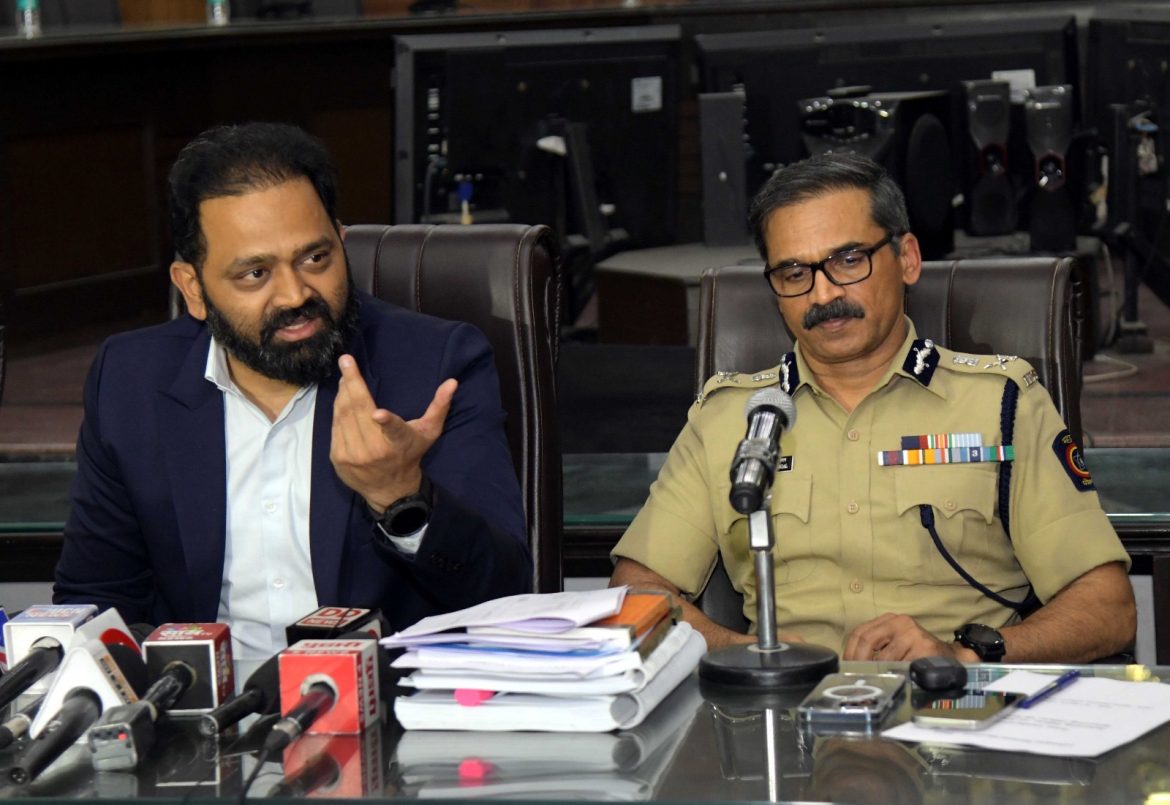
Mission Distinction: In a bid to bolster democratic participation, Collector Vipin Itankar has announced an ambitious mission to achieve a 75% voter turnout in the Nagpur and Ramtek Lok Sabha seats (Speaking at a press conference alongside police commissioner Ravindra Singhal). Scheduled for April 19, the Lok Sabha polls in these constituencies are poised to mark a significant moment in the electoral landscape.

The Drive for Increased Participation

Under the banner of “Mission Distinction,” this endeavor seeks to galvanize the electorate, emphasizing the pivotal role each citizen plays in shaping the democratic process. Speaking at a press conference alongside police commissioner Ravindra Singhal and other dignitaries, Collector Itankar articulated the significance of this initiative.

Understanding the Electoral Landscape

Delving into the numbers, it’s evident that both Nagpur and Ramtek boast substantial voter bases. The Nagpur Lok Sabha seat alone accounts for 22,18,259 voters, comprising a diverse demographic landscape of males, females, and transgender individuals. Similarly, the Ramtek Lok Sabha seat presents a formidable electorate, with over two million voters registered.

Logistics and Infrastructure

To accommodate such a vast electorate, meticulous planning is underway. Nagpur district is slated to host 4,510 polling stations, strategically distributed between the two Lok Sabha seats. With 2,105 polling stations earmarked for Nagpur and 2,405 for Ramtek, efforts are being made to ensure accessibility and efficiency in the voting process.

The aspiration to attain a 75% voter turnout underscores the collective endeavor towards fostering a robust and inclusive democracy. By rallying behind Mission Distinction, citizens can actively contribute to the democratic fabric of the nation, thereby shaping its future.

FAQs:

1. Why is achieving a high voter turnout important?

  • A high voter turnout ensures that the elected representatives truly reflect the will of the people, leading to a more legitimate and representative government.

2. What measures are being taken to encourage voter participation?

  • Various awareness campaigns, voter education initiatives, and logistical arrangements are being made to facilitate and encourage voter turnout.

3. What role do local authorities play in ensuring smooth elections?

  • Local authorities (Collector Vipin Itankar) are instrumental in organizing and overseeing the electoral process, ensuring fairness, transparency, and efficiency.

4. How can individuals contribute to increasing voter turnout?

  • Individuals can contribute by exercising their right to vote and by encouraging others to do the same. Additionally, volunteering for voter awareness campaigns can make a significant impact.

5. What are the consequences of low voter turnout?

  • Low voter turnout can lead to skewed representation, where the voices of certain demographics are disproportionately heard, undermining the principles of democracy.

ECI Introduces ‘Vote-from-Home’ Option for Citizens Above 85 and PwD with 40% Disability

Electoral Process: In a pioneering move, the Election Commission of India (ECI) has introduced the option of ‘vote-from-home’ for citizens above 85 years of age and Persons with Disabilities (PwD) with a 40% disability benchmark. This groundbreaking initiative aims to ensure inclusivity and accessibility in the electoral process.

Inclusive Voting: Breaking Barriers

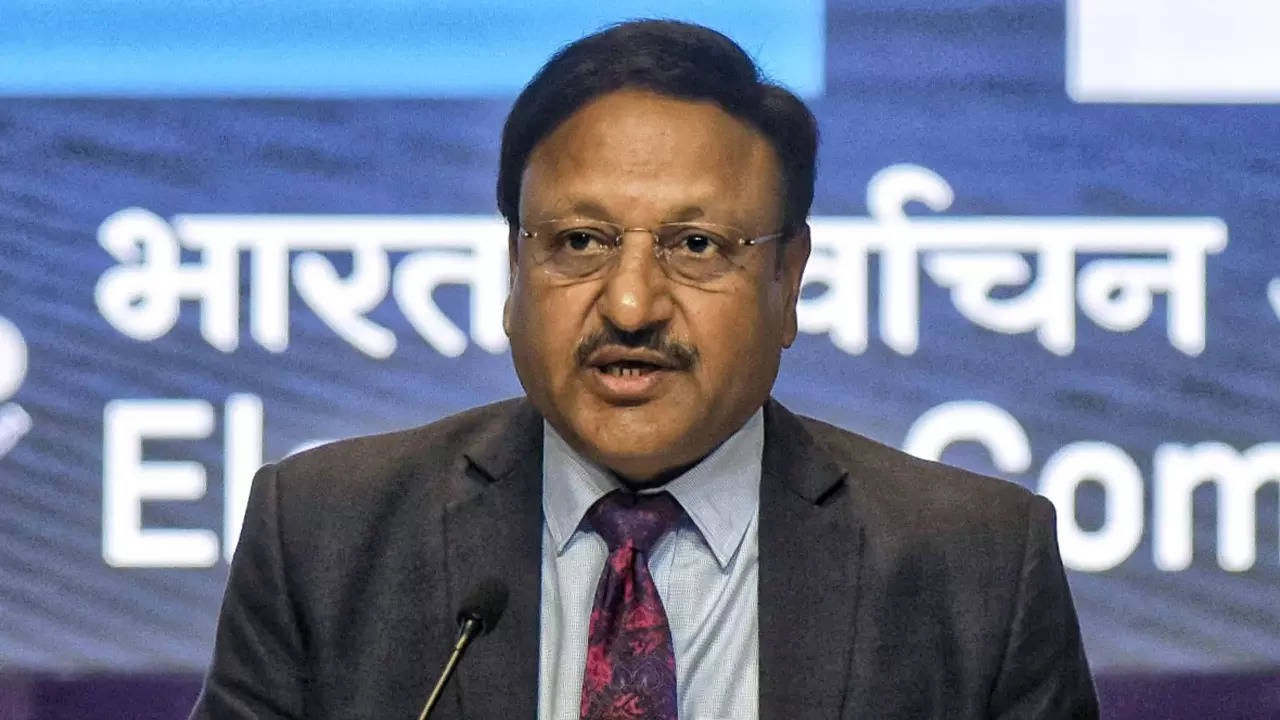
Amidst the announcement of the Lok Sabha poll schedule, the ECI unveiled comprehensive details regarding the upcoming elections. Led by Chief Election Commissioner Rajiv Kumar and newly-appointed Election Commissioners Gyanesh Kumar and Sukhbir Singh Sandhu, this announcement marks a significant milestone in Indian electoral history.

Addressing Unique Challenges

The introduction of ‘vote-from-home’ comes at a crucial juncture, particularly amidst the ongoing crisis of ethnic violence in Manipur. Notably, voters residing in camps will now have the opportunity to exercise their franchise without hindrance.

Ensuring Accessibility

Recognizing the diverse needs of the electorate, the ECI has issued instructions to ensure the accessibility of polling stations. These instructions mandate that all polling stations are situated on the ground floor, with proper ramps provided for the convenience of differently-abled individuals and senior citizens.

Facilitating Seamless Voting

To facilitate a seamless voting experience, the ECI has implemented various measures:

  • Assured Minimum Facilities (AMFs): Polling booths will be equipped with essential amenities such as drinking water, waiting sheds, and adequate lighting.
  • Disability-Specific Arrangements: Special emphasis has been placed on providing targeted facilitation to PwD voters and senior citizens. This includes identifying and tagging individuals to their respective polling stations and providing necessary disability-specific arrangements.
  • Volunteer Assistance: Volunteers appointed by the RO/DEO will assist identified PwD and senior citizens, ensuring they receive priority access to polling booths.
  • Sensitization Initiatives: Polling personnel have undergone sensitization programs to better understand the needs of differently-abled voters.

Ensuring Inclusivity

In a commendable move towards inclusivity, dummy ballot sheets in Braille will be made available at polling stations to assist visually-impaired voters.

Participation Statistics

CEC Rajiv Kumar revealed staggering statistics regarding voter demographics, with 88.4 lakh PwD voters, 88 lakh voters above the age of 85, 48,000 transgenders, and 2.18 lakh centenarians set to participate in the upcoming elections.

Navigating Nagpur’s Rainy Woes: Power Cuts and Tree Mishaps

Unexpected Nature’s Fury Strikes Again

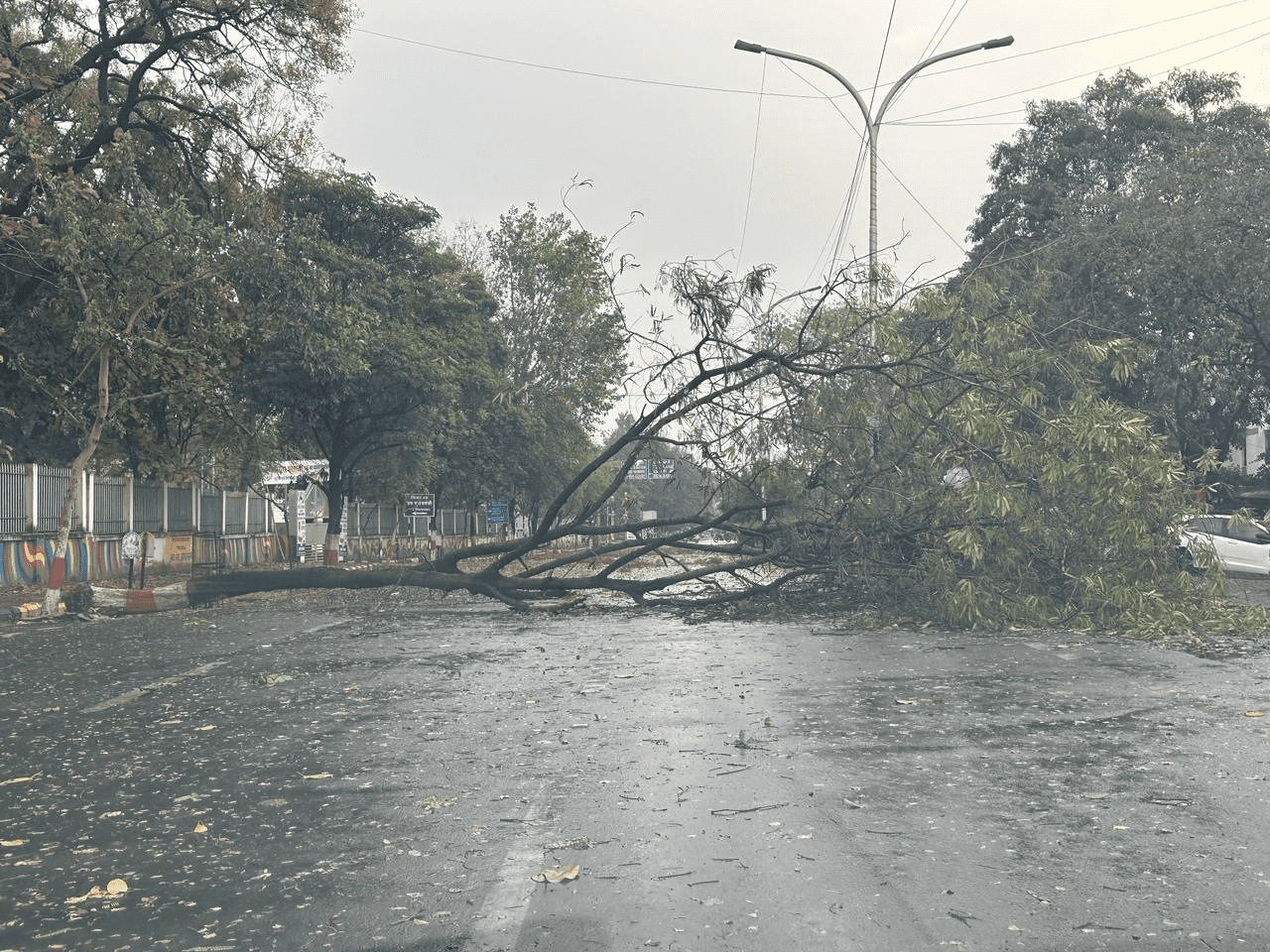
Nagpur, a city accustomed to occasional bouts of inclement weather, found itself grappling once more with the wrath of nature. Just as citizens were recuperating from heavy rains and hailstorms (power cuts) on Saturday, they were caught off guard on Sunday night by another onslaught of rain, fierce winds, and lightning. The aftermath? A city plunged into chaos.

Authorities Rush Into Action

The Nagpur Municipal Corporation (NMC) and Maharashtra State Electricity Distribution Co. Ltd (MSEDCL) officials, already in cleanup mode from Saturday’s deluge (power cuts), were swiftly mobilized yet again. Reports of power outages (power cuts) and trees succumbing to the relentless winds inundated their desks, prompting immediate action.

The Havoc Unleashed

For nearly an hour on Sunday, heavy rains persisted, exacerbating the city’s woes. The NMC’s fire department scrambled to respond to distress calls, with incidents of tree felling reported in multiple areas including Lakadganj, Nari Road, Mhada Colony, and Gorewada Square. Over a staggering ten trees collapsed onto power lines near the Ordnance Factory gate on Amravati Road, resulting in a complete blackout in the Wadi area, as confirmed by an MSEDCL official.

Widespread Disruptions

Electricity disruptions rippled through various neighborhoods, including Old Mangalwari, Kumbhar Toli, Old Bagadganj, Chapru Nagar, and Pratap Nagar. Through the late hours of Sunday night, NMC and MSEDCL officials toiled relentlessly to clear debris and restore power supply to affected areas.

A Glimmer of Relief

Thankfully, amidst the chaos, there were no casualties reported. Chief Fire Officer (CFO) Bhimrao Chandankhede reassured residents, stating that apart from isolated incidents of tree fallings, the situation remained relatively under control. Despite the havoc wreaked by the elements, Chandankhede noted the absence of reports concerning waterlogging, providing a glimmer of relief.

Resilience Amidst Adversity

As the day progressed, NMC officials persisted in their efforts to mitigate damages caused by the previous day’s downpour. The fire department received a significant influx of calls pertaining to fallen trees, indicative of the extensive impact of the storm.

Tales of Loss and Survival

A visit to various locales by TOI on Sunday unearthed stories of loss and resilience. Rajkaran Bhujawade, a resident of Bharatwada, recounted how his dreams, embodied in the construction of an upper floor for his home, were shattered by the storm’s fury. Similarly, Shailesh Raut’s elderly mother narrowly escaped harm when their roof collapsed, a testament to the fragility of life amidst nature’s fury.

Conclusion: Weathering the Storm Together

In the face of adversity, Nagpurians once again demonstrated their resilience. While the rain and winds may have wreaked havoc, the spirit of community and solidarity shines through. As the city picks up the pieces, it stands united, ready to weather any storm that may come its way.

FAQs: Unraveling Nagpur’s Rain Woes

1. How common are such weather events in Nagpur?

  • Nagpur experiences occasional bouts of heavy rainfall and storms, particularly during certain seasons.

2. What measures are in place to mitigate the impact of such incidents?

  • Authorities like the NMC and MSEDCL are tasked with prompt response and restoration of services, along with community-driven efforts for resilience.

3. Are there any long-term solutions being considered to address these issues?

  • Efforts such as better urban planning, robust infrastructure, and early warning systems are being explored to minimize the impact of extreme weather events.

4. How can citizens contribute to disaster preparedness in Nagpur?

  • Citizens can stay informed, follow safety guidelines, and participate in community initiatives aimed at disaster preparedness and response.

5. Is there assistance available for individuals affected by such calamities?

Fire Department Raises Alarm: 148 Hospitals Deemed Unsafe in Nagpur

Ensuring Safety Amidst the Crisis

Nagpur: In a recent development, the fire and emergency services department of Nagpur Municipal Corporation (NMC) has sounded the alarm, declaring a staggering 148 hospitals within the city as unsafe havens. This significant action follows a rigorous inspection conducted by personnel from nine fire stations, who meticulously scrutinized 424 hospitals within the Nagpur city limits to ascertain their compliance with essential firefighting norms.

The Critical Findings

The comprehensive inspection unearthed a troubling reality: a significant portion of these vital healthcare institutions—191 to be precise—lacked the mandatory firefighting equipment, posing an imminent threat to the safety and well-being of patients, staff, and visitors alike. Despite earnest efforts by some property owners to initiate the installation of firefighting apparatus, many fell short in fully addressing the recommendations provided.

In light of these alarming findings, the department invoked the Maharashtra Fire Prevention and Life Safety Measures Act, 2006, to officially declare 148 hospital buildings as unsafe in Nagpur. This crucial step underscores the gravity of the situation and serves as a stern reminder of the paramount importance of adhering to established safety protocols and regulations.

Addressing Immediate Concerns

Speaking on behalf of the department, officiating chief fire officer BP Chandankhede emphasized the urgency of the situation, urging the occupants of these compromised structures to vacate the premises promptly. The severity of the issue is further highlighted by the distribution of unsafe structures across various fire station jurisdictions, with Civil Lines bearing the brunt, accounting for 41 of the identified hazardous hospitals.

A Call for Vigilance and Compliance

Despite Nagpur’s stature as a burgeoning healthcare hub in central India, the persistent inadequacy of fire safety measures in many hospitals remains a glaring concern. Officials caution that these institutions, lacking proper firefighting mechanisms or escape arrangements, pose significant risks, potentially transforming into fatal traps in the event of a fire outbreak.

Navigating Regulatory Lapses

Further exacerbating the situation, the survey uncovered disturbing trends, with approximately 142 hospitals (In Nagpur) operating without sanctioned plans. This revelation suggests a concerning trend of hospitals functioning within residential buildings, devoid of the requisite authorized plans to operate as medical facilities—a situation ripe for potential disaster.

Enforcing Accountability and Remedial Measures

In response to these findings, the department has taken decisive action, dispatching notices to building owners mandating the installation of firefighting equipment. Additionally, directives have been issued to relevant municipal departments and utilities to disconnect water and power supply to 62 identified hazardous hospital buildings, underscoring the seriousness with which these safety lapses are being addressed.

Moreover, the department has not hesitated to escalate matters further, lodging police complaints against 69 owners and occupants of non-compliant hospital buildings. These measures signify a concerted effort to enforce adherence to firefighting norms and ensure the safety and well-being of all stakeholders.

Progress Amidst Challenges

Amidst these challenges, it’s worth noting that out of the 424 hospitals inspected, 263 have obtained the initial fire no-objection certificate, with 109 demonstrating compliance with firefighting norms, subsequently receiving the final fitness certificate from the fire department. While commendable, these figures underscore the ongoing need for vigilance and regulatory compliance in safeguarding public safety.

FAQs:

1. How were the hospitals identified as unsafe?

  • The fire department conducted thorough inspections across 424 hospitals, identifying deficiencies in firefighting equipment and adherence to safety protocols.

2. What legal framework governs the declaration of unsafe hospitals?

  • The Maharashtra Fire Prevention and Life Safety Measures Act, 2006, empowers authorities to declare buildings unsafe if they fail to meet specified safety standards.

3. What actions are being taken to address the safety lapses?

  • Notices have been issued to building owners for the installation of firefighting equipment, while utilities have been instructed to disconnect services to non-compliant buildings. Legal measures are also being pursued against negligent parties.

4. Are there any hospitals compliant with safety regulations?

  • Yes, out of the inspected hospitals, a significant number have obtained the necessary certificates demonstrating compliance with firefighting norms.

5. What steps can hospitals take to ensure compliance with safety standards?

  • Hospital administrations should prioritize the installation of firefighting equipment, conduct regular safety audits, and ensure compliance with regulatory requirements to mitigate fire hazards effectively.

Nagpur Granthotsav Welcomes 500 Enthusiastic Students

A Vibrant Start

The vibrant city of Nagpur witnessed a remarkable literary celebration with the commencement of the 15th Nagpur Book Festival, affectionately known as Nagpur Granthotsav. The event unfolded its curtains on a Friday morning at the esteemed Vasantrao Naik Government Institute of Arts and Social Sciences, graced by the esteemed presence of Union Minister Nitin Gadkari, Deputy Chief Minister Devendra Fadnavis, and MP Kripal Tumane. The festival’s inauguration commenced with a splendid procession originating from the Sevasadan Education Institute, culminating in a joyous gathering at VNGIASS. Dr. VS Jog, a distinguished senior writer, bestowed the honor of inaugurating the festival, with the esteemed Pradeep Date, President of Vidarbha Sahitya Sangh, presiding over the ceremony. The presence of Chief Guest Manohar Kumbhare added further prestige to the occasion.

A Literary Voyage: Engaging Discussions and Enlightening Sessions

The essence of Nagpur Granthotsav lies not only in its grandeur but also in its commitment to intellectual discourse. District Library Officer Nitin Sonone shared insights into the festival’s inception, dating back to 2010, highlighting the continual efforts to enrich its offerings each passing year. This year, the festival aimed to foster awareness, choosing the compelling theme of ‘Body Donation and Organ Donation’ for its literary discussions. The inaugural day witnessed a commendable turnout, with approximately 200 enthusiasts participating in the thought-provoking sessions. Notably, the festival resonated with the youthful spirit as around 500 students graced the event with their presence, indicating a promising future for literature enthusiasts.

Exploring Literary Avenues: Poetry Readings and Engaging Sessions

Following the illuminating inaugural ceremony and literary discussions, attendees indulged in a captivating session of poetry readings. Chaired by the esteemed Vijaya Marotkar, the session featured a lineup of talented poets including Madhav Shobhane, Mangesh Bavse, Prakash Panvelkar, Sanjay Godghate, Anand Deshpande, Manoj Vaidya, Dhanashree Dharkar, Minal Yewle, and Jayashree Ambaskar. Their verses resonated throughout the venue, evoking emotions and igniting imaginations.

Looking Ahead: Anticipating Enlightening Seminars and Discussions

As the festival progresses, attendees can anticipate enriching seminars and discussions awaiting them. On the agenda for the second day is a seminar focusing on ‘Books Made Me’, delving into the profound influence of literature on individuals. Additionally, a discussion session centered on the ‘Role of Libraries in Promoting Marathi Reading Among Youngsters’ promises insightful deliberations. Noteworthy dignitaries including Joint Director of Accounts and Treasury Department Jyoti Bhonde, Deputy Commissioner of Charity Kishore Masane, Librarian Sunil Punwatkar, District Mining Officer Atul Dod, and Information Science Officer CS Dhavale will grace the occasion with their presence, further enriching the discourse.

The Nagpur Granthotsav stands as a testament to the city’s vibrant literary culture, fostering intellectual exchange and literary appreciation. With engaging discussions, enlightening sessions, and promising participation, the festival continues to serve as a beacon for literary enthusiasts, nurturing a love for literature and intellectual curiosity.

FAQs

1. What is the significance of Nagpur Granthotsav?

  • Nagpur Granthotsav celebrates literature and fosters intellectual discourse, drawing renowned dignitaries and enthusiastic participants.

2. How long has Nagpur Granthotsav been ongoing?

  • The festival began in 2010 and has since continued annually, enriching its offerings each year.

3. What themes are explored in the literary discussions?

  • The festival selects pertinent themes each year; for instance, this year’s focus is on ‘Body Donation and Organ Donation’, aiming to raise awareness on crucial societal issues.

4. Who typically attends Nagpur Granthotsav?

  • The festival attracts a diverse audience, including literature enthusiasts, students, dignitaries, and renowned personalities from the literary world.

5. What can attendees expect from Nagpur Granthotsav?

  • Attendees can anticipate engaging discussions, enlightening seminars, captivating poetry readings, and a vibrant literary atmosphere.

Veggie & Meat Market to Sprout in South West Nagpur

A New Venture for South West Nagpur’s Culinary Scene

Market development In South West Nagpur: In a stride towards enhancing local commerce and meeting the demands of residents, the Nagpur Municipal Corporation (NMC) has embarked on an ambitious project to establish a combined vegetable and mutton market in the south-western region of Nagpur. Spanning across a land parcel of 15,563.709 square meters on Orange City Street, this endeavor is poised to invigorate the economic landscape of the area.

Project Overview (Market development In South West Nagpur)

The project entails the construction of a ground plus two-storey market with an estimated budget of ₹193 crore. Embracing the principles of public-private partnership (PPP), the NMC seeks substantial financial assistance from the Maharashtra government, with a request amounting to ₹128.51 crore for the development of the market in the Laxmi Nagar zone.

Addressing Historical Encroachments

Over the years, the absence of an authorized NMC market led to the unauthorized occupation of a significant portion of Orange City Street by vegetable vendors and mutton/chicken sellers. However, recent anti-encroachment initiatives by the NMC have mitigated this issue, paving the way for the proposed market development.

Current Scenario and Future Prospects

Presently, vegetable vendors operate stalls in two weekly markets held on Saturdays and Sundays, originating from Jaiprakash Nagar Metro station and Jaitala, respectively. The decision to establish the new market arises from the necessity to provide a regulated and conducive environment for both vendors and consumers.

Public-Private Partnership Model

The NMC’s collaboration with private developers underscores its commitment to efficient market management and maintenance. With the private partner’s investment of ₹60 crore towards construction, coupled with the opportunity to retail certain shops, the market’s sustainability is envisioned.

Ensuring Sustainable Maintenance

Recognizing the challenges faced by existing civic body-owned markets due to financial constraints, the NMC prioritizes the implementation of a PPP model for this venture. By delegating maintenance responsibilities to the private sector, the market’s upkeep is poised to be robust and consistent.

Structural Layout and Facilities

The market’s design incorporates pragmatic features, including a basement designated for four-wheeler parking and ground floor space for accommodating 1,000 two-wheelers. Furthermore, provisions are made for developing shops on the ground floor, alongside designated areas for 270 vegetable vendors and 78 mutton and chicken sellers on the first and second floors.

The forthcoming establishment of the vegetable and mutton market in south-west Nagpur heralds a new era of commercial vitality and community engagement. Through strategic partnerships and meticulous planning, the NMC aims to create a sustainable marketplace that caters to the diverse needs of residents while bolstering economic growth.

FAQs (Frequently Asked Questions)

  1. Will the market feature organic produce?
    • Yes, efforts will be made to include organic produce vendors within the market to cater to the growing demand for healthy alternatives.
  2. What measures are in place to ensure vendor hygiene and food safety?
    • The NMC will implement stringent regulations and conduct regular inspections to uphold hygiene and food safety standards among vendors.
  3. Will the market operate on all days of the week?
    • The market is expected to operate daily, providing continuous access to fresh produce and meat products.
  4. Are there plans for additional amenities within the market premises?
    • Yes, amenities such as restrooms, seating areas, and waste disposal facilities will be incorporated into the market design.
  5. How will the market contribute to local employment opportunities?
    • The establishment of the market is anticipated to generate employment opportunities both directly, through vendor positions, and indirectly, through associated services and businesses.
Exit mobile version