Empowering Consumer Service: Unveiling ‘Urja’ Chatbot by MSEDCL

Revolutionizing Consumer Interaction

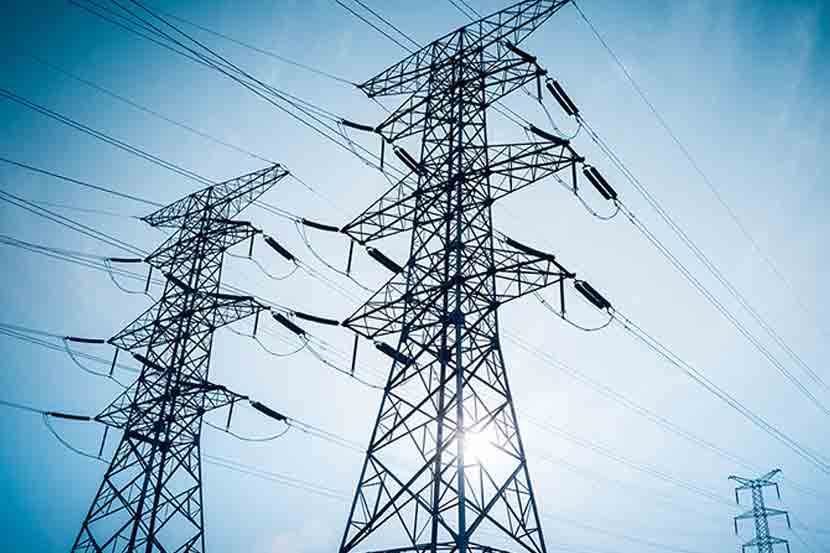
Customer Service: In a pioneering move, Maharashtra’s Deputy Chief Minister, Devendra Fadnavis, unveiled the groundbreaking ‘Urja’ chatbot developed by the Maharashtra State Electricity Distribution Company Limited (MSEDCL). This AI-powered marvel marks a significant shift in how energy consumers engage with their electricity provider. The launch of ‘Urja’ is a pivotal step in MSEDCL’s ongoing initiative to modernize service delivery and embrace digital advancements to cater to the evolving needs of its clientele.

The Proactive Approach of MSEDCL

Embracing digital innovation, MSEDCL showcases its proactive stance towards enhancing customer experience. By harnessing the power of AI, the energy giant aims to deliver swift, personalized assistance to its consumers, fostering heightened satisfaction, trust, and loyalty. Lokesh Chandra, Chairman, and Managing Director of MSEDCL, emphasized that the energy chatbot is seamlessly integrated into the state power utility’s official website and mobile application, ensuring easy accessibility for users.

Empowering Customer Service with Technology

Deputy Chief Minister Devendra Fadnavis underscored the imperative need to leverage information technology, particularly AI, to deliver superior quality customer service to MSEDCL patrons. The ‘Urja’ chatbot serves as a versatile instrument, catering to a diverse array of customer demands, including grievance resolution, bill payment facilitation, and streamlining new electrical connections. Additionally, Fadnavis announced the procurement of 3,300 MW of renewable energy, a move aimed at reducing carbon footprints while ensuring uninterrupted electricity supply.

The introduction of the ‘Urja’ chatbot epitomizes MSEDCL’s commitment to innovation and customer-centricity. By integrating AI technology into its operations, MSEDCL is poised to elevate consumer service standards, thus setting new benchmarks within the energy sector.

Frequently Asked Questions (FAQs)

1. How can I access the ‘Urja’ chatbot?

You can access the ‘Urja’ chatbot through MSEDCL’s official website or mobile application.

2. What services does the ‘Urja’ chatbot offer?

The chatbot is equipped to handle various consumer queries, including grievance resolution, bill payments, and assistance with new electrical connections.

3. Is the ‘Urja’ chatbot available 24/7?

Yes, the chatbot operates round-the-clock to provide prompt assistance to consumers.

4. How does the ‘Urja’ chatbot enhance customer experience?

By leveraging AI technology, the chatbot offers personalized support, thereby promoting higher levels of satisfaction, trust, and loyalty among consumers.

5. Can the ‘Urja’ chatbot help in reducing carbon footprints?

While the chatbot itself doesn’t directly reduce carbon footprints, MSEDCL’s initiatives, such as the procurement of renewable energy, contribute to environmental sustainability.

The New Era of Electric Vehicles: Central Government’s Bold Move

Embracing a Sustainable Future

EV Manufacturing: The recent approval of the new Electric Vehicle (e-Vehicle) Policy by the Central Government marks a significant stride towards fostering the manufacturing and adoption of Electric Vehicles (EVs) across the nation. With a minimum investment requirement of Rs 4150 crore ($500 million), this policy aims to propel India towards becoming a global hub for EV production, positioning itself at the forefront of sustainable mobility solutions.

Promoting India as an EV Manufacturing Destination

The Ministry of Commerce and Industry’s statement underscores concerted efforts to position India as a preferred destination for EV manufacturing, enticing investments from renowned global EV manufacturers. To avail various duty concessions, companies are mandated to invest a minimum of Rs 4,150 crores, thereby stimulating the growth of the EV ecosystem within the country.

Key Provisions of the Policy

1. Domestic Value Addition Mandate

In line with the government’s vision to bolster domestic manufacturing capabilities, companies are obligated to achieve a 50 percent domestic value addition within three to five years, upon setting up manufacturing facilities in India. This provision not only augments indigenous production but also fosters technology transfer and skill development.

2. Customs Duty Concessions

To facilitate the seamless establishment of manufacturing facilities for EVs, companies will benefit from reduced import duties on cars priced at $35,000 and above. This strategic move is poised to incentivize investments, streamline import processes, and bolster the competitiveness of the domestic EV market.

3. Annual Import Quota

Recognizing the need to access cutting-edge technology, the policy permits companies meeting the prescribed standards to import 8,000 electric vehicles annually at a reduced import duty of 15 percent. This provision not only fosters innovation but also catalyzes the integration of advanced technologies into the indigenous EV ecosystem.

Embracing Technological Advancements and the ‘Make in India’ Initiative

The approval of the e-Vehicle Policy signifies a paradigm shift towards embracing technological advancements and fostering indigenous manufacturing capabilities. By promoting innovation, enhancing the EV ecosystem, and supporting the ‘Make in India’ initiative, the government aims to propel India towards a sustainable and self-reliant future in the automotive sector.

Driving Towards a Greener Tomorrow

In conclusion, the Central Government’s approval of the new Electric Vehicle Policy heralds a new era of sustainable mobility and economic growth. By incentivizing investments, promoting domestic manufacturing, and fostering technological innovation, this policy paves the way for a greener, more resilient future. As India gears up to embrace the electric revolution, the e-Vehicle Policy stands as a testament to the nation’s unwavering commitment to sustainability and progress.

Unique FAQs:

1. How will the new e-Vehicle Policy impact the Indian automotive industry?

2. What are the key incentives offered to companies under the e-Vehicle Policy?

3. How does the policy aim to promote indigenous manufacturing of EVs?

4. What role does the e-Vehicle Policy play in supporting the ‘Make in India’ initiative?

5. How will the policy contribute to reducing carbon emissions and promoting sustainable mobility?

Maharashtra Government Implements Dress Code for Teachers

In a bid to uphold professionalism and foster a sense of unity, the Maharashtra government has recently mandated a dress code for teachers across schools in the state. This bold move has stirred conversations and debates among educators, policymakers, and the public alike.

Embracing Change

Change is inevitable, and in the realm of education, it often serves as a catalyst for progress. The decision to implement a standardized code for teachers reflects a proactive approach by the Maharashtra government towards enhancing the educational landscape.

Moving Beyond Casual Attire

Gone are the days when casual attire such as jeans and T-shirts were considered acceptable for educators. The new directive aims to instill a sense of professionalism by prescribing a specific dress code, thereby setting a precedent for sartorial standards in the teaching profession.

Symbolism of Respect

Moreover, akin to the honorific “Dr.” bestowed upon medical professionals, teachers will now be addressed with the prefix “Tr.” before their names, signifying the reverence and respect accorded to them in society.

The Rationale Behind the Decision

The decision to enforce a dress code for teachers stems from a multifaceted rationale aimed at enhancing the overall learning environment and promoting a sense of discipline among educators.

Fostering Discipline

A standardized dress code fosters discipline among teachers, setting a positive example for students and creating a conducive learning atmosphere within schools.

Promoting Professionalism

By delineating a specific dress code, the Maharashtra government seeks to elevate the professional image of teachers, aligning with global standards prevalent in the education sector.

Cultivating Unity

Uniformity in attire fosters a sense of unity and cohesion among faculty members, transcending individual differences and fostering a collective identity within educational institutions.

Implementation and Impact

The implementation of the dress code policy marks a significant milestone in the educational landscape of Maharashtra, with far-reaching implications for teachers, students, and stakeholders alike.

School Autonomy

While the government has outlined the overarching framework for the dress code, schools have been granted autonomy to determine specific attire and color codes, allowing for customization based on institutional ethos and preferences.

Community Engagement

The rollout of the dress code policy has sparked robust engagement within the educational community, with stakeholders actively participating in discussions regarding its implementation and implications.

Shaping Professionalism

Beyond the realm of attire, the dress code initiative serves as a catalyst for shaping a culture of professionalism and excellence within the teaching fraternity, resonating with broader efforts to elevate the status of educators in society.

In conclusion, the Maharashtra government’s decision to enforce a dress code for teachers represents a bold step toward fostering professionalism, discipline, and unity within the educational ecosystem. By setting clear standards and expectations, this initiative not only enhances the image of teachers but also reaffirms their pivotal role in shaping the future generation.

The Resilience of Paytm UPI: NPCI’s Official Stamp of Approval

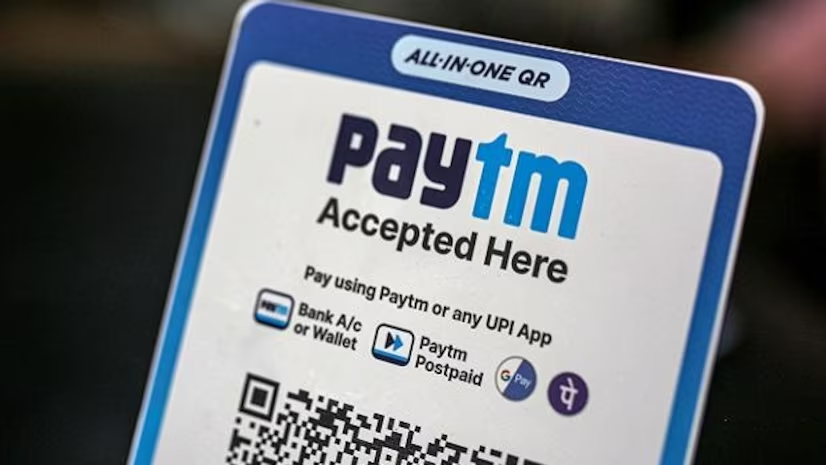
NPCI: In a recent development, Paytm users can breathe a sigh of relief as the company assures uninterrupted services for its UPI platform. Amidst concerns surrounding the Reserve Bank of India’s (RBI) actions against Paytm Payments Bank Limited, Paytm clarifies that its UPI functionality remains unaffected. This announcement comes as a reassurance to countless consumers who rely on Paytm for their day-to-day transactions.

NPCI Gives the Green Light

Following an official statement released by Paytm, it’s confirmed that the National Payment Corporation of India (NPCI) has granted the necessary approvals. Paytm is now authorized to continue offering UPI services as a Third-Party Application Provider (TPAP) under the multi-bank model. This endorsement from NPCI solidifies Paytm’s position in the digital payment landscape, ensuring seamless experiences for its users.

Strategic Partnerships Strengthen Paytm’s Position

In a strategic move, Paytm has forged partnerships with prominent banks including Axis Bank, HDFC Bank, State Bank of India (SBI), and Yes Bank. These collaborations designate these banks as payment service providers for Paytm’s parent company, One97 Communications. Additionally, Yes Bank has been entrusted with the role of acquiring new UPI merchants for Paytm, further expanding its reach and accessibility.

Navigating Through Regulatory Changes

Paytm’s UPI transactions were previously routed through Paytm Payments Bank (PPBL), which has faced regulatory actions from the RBI. Despite restrictions imposed on PPBL, Paytm ensures that its UPI services remain unaffected. This adaptability showcases Paytm’s commitment to innovation and resilience in navigating regulatory challenges.

Empowering Users with Seamless Experience

Acknowledging the concerns of its users, Paytm emphasizes that customers can continue using their @Paytm handle seamlessly. This assurance underscores Paytm’s dedication to providing uninterrupted services and minimizing disruptions for its user base.

In light of recent regulatory developments, Paytm emerges as a resilient player in India’s digital payment ecosystem. With NPCI’s official approval and strategic partnerships in place, Paytm reaffirms its commitment to delivering seamless and reliable UPI services to millions of users nationwide.

FAQs (Frequently Asked Questions)

  1. Will my Paytm UPI experience any disruptions due to RBI’s actions against Paytm Payments Bank Limited?Paytm assures that its UPI services remain unaffected by regulatory actions against Paytm Payments Bank Limited. Users can continue to transact seamlessly using Paytm’s UPI platform.
  2. How will Paytm’s partnerships with leading banks benefit its users?Collaborations with banks like Axis Bank, HDFC Bank, SBI, and Yes Bank enhance Paytm’s capabilities and accessibility, ensuring a more robust payment infrastructure for users.
  3. What steps has Paytm taken to navigate through regulatory changes effectively?Paytm demonstrates adaptability by restructuring its operations to comply with regulatory requirements while ensuring minimal disruptions to its services.
  4. Can I still use my @Paytm handle without any changes?Yes, Paytm reassures users that they can continue using their @Paytm handle seamlessly, without any alterations required on their part.
  5. How does Paytm prioritize user experience amidst regulatory challenges?Paytm remains committed to providing uninterrupted services and prioritizes user experience by leveraging strategic partnerships and technological innovations.

Nagpur’s Shared Auto Rickshaw Service: A Convenient Commuting Solution

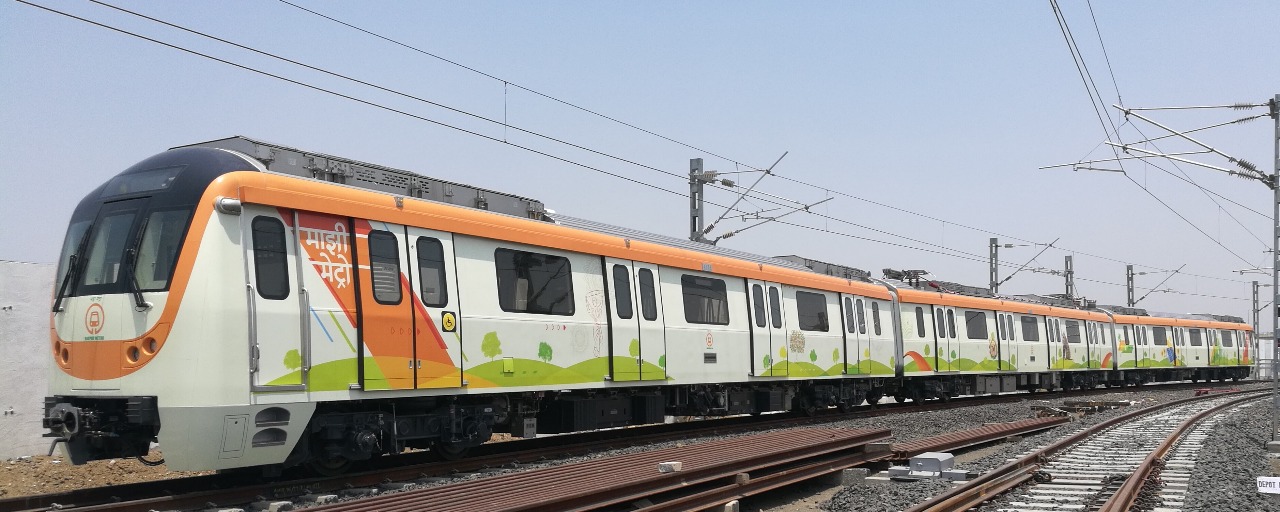
Maha Metro initiatives: In a bid to enhance the commuting experience for residents of Nagpur, Maha Metro has introduced a shared auto-rickshaw service from 20 metro stations across the city. This initiative aims to provide commuters with a convenient and accessible mode of transportation, further bridging the gap between metro stations and their final destinations.

Expanding Accessibility with Shared Auto Rickshaws

The shared auto rickshaw service has been gradually rolled out across various metro stations in Nagpur, with the latest addition being from the remaining stations on Reach-IV, spanning from Sitabuldi Interchange to Prajapati Nagar. This expansion means that all stations along this section now offer shared auto-rickshaw services, catering to the needs of a wider demographic of commuters.

Inauguration and Expansion Efforts

The initiative was kickstarted with the inauguration of the service at Kasturchand Park Metro Station on 2nd February 2024, led by Shri Shravan Hardikar, MD of Maha Metro. Since then, Maha Metro has been diligently working towards introducing this service at various stations across the city, with a focus on providing a seamless commuting experience for passengers.

Current Service Coverage

Currently, the shared auto rickshaw service is operational at select metro stations, including Chatrapati Nagar, JP Nagar, Ujjwal Nagar, Kasturchand Park, Kadbi Square, Nari Road, Automotive Square, Zanshi Rani Square, Institute of Engineers, Shankar Nagar, Lokmanya Nagar, Cotton Market, Nagpur Railway Station, Dosar Vaisya Bhawan, Agrasen Square, Chitar Oli Square, Telephone Exchange Square, Ambedkar Square, Vaishnodevi Square, and Prajapati Nagar Metro Station.

Future Expansion Plans (Maha Metro initiatives)

While the service is available at 20 metro stations currently, plans are in place to extend it to the remaining 17 stations, including Bansi Nagar, Vasudev Nagar, Rachna Ring Road, Subhash Nagar, Dharampeth College, LAD College, Khapri, New Airport, Airport South, Airport, Ajni Square, Rahate Colony, Congress Nagar, Zero Mile, Gaddigodam, and Sitabuldi Interchange. These efforts aim to ensure comprehensive coverage and accessibility for commuters across Nagpur.

Ensuring Compliance and Safety

To maintain the integrity of the service and ensure the safety of commuters, Maha Metro (Maha Metro initiatives) has emphasized the importance of adherence to traffic rules and regulations by auto rickshaw drivers. Any instances of traffic violations or non-compliance will be met with strict action by the Regional Transport Office (RTO) and Traffic Police, underscoring the commitment to providing a safe and hassle-free commuting experience.

MD Shri Shravan Hardikar’s Vision for Nagpur’s Public Transport

MD Shri Shravan Hardikar envisions a reliable, efficient, and commuter-friendly public transport system for the residents of Nagpur. His unwavering dedication to this cause has been evident through the meticulous planning and execution of initiatives such as the shared auto rickshaw service. By prioritizing affordability, accessibility, and sustainability, he aims to encourage greater adoption of the metro service for daily commuting needs.

The introduction of a shared auto rickshaw service at metro stations in Nagpur marks a significant step towards enhancing the overall commuting experience for residents. With a focus on accessibility, safety, and convenience, Maha Metro’s initiative aligns with the city’s vision for sustainable urban transportation. As efforts continue to expand the service to additional stations, commuters can look forward to a seamless and efficient mode of travel across Nagpur.


FAQs

1. How does the shared auto rickshaw service benefit commuters in Nagpur? The service offers a convenient and accessible mode of transportation from metro stations to various destinations across the city, reducing reliance on private vehicles and easing traffic congestion.

2. Are there any safety measures in place for passengers using the shared auto rickshaw service? Maha Metro has emphasized compliance with traffic rules and regulations by auto rickshaw drivers to ensure the safety and security of passengers. Any violations are met with strict action by authorities.

3. What is the coverage area of the shared auto rickshaw service in Nagpur? Currently, the service is available at 20 metro stations across the city, with plans for expansion to include additional stations in the near future.

4. How can commuters access the shared auto rickshaw service at metro stations? Passengers can easily avail of the service by approaching designated pick-up points at metro stations, where shared auto rickshaws are stationed to cater to their transportation needs.

5. Who oversees the implementation and regulation of the shared auto rickshaw service in Nagpur? Maha Metro, in coordination with local authorities such as the Regional Transport Office (RTO) and Traffic Police, oversees the implementation and regulation of the shared auto rickshaw service to ensure compliance with established norms and standards.

Nagpur on Yellow Alert: Brace for Hailstorms on March 17

Understanding the Hailstorm Warning

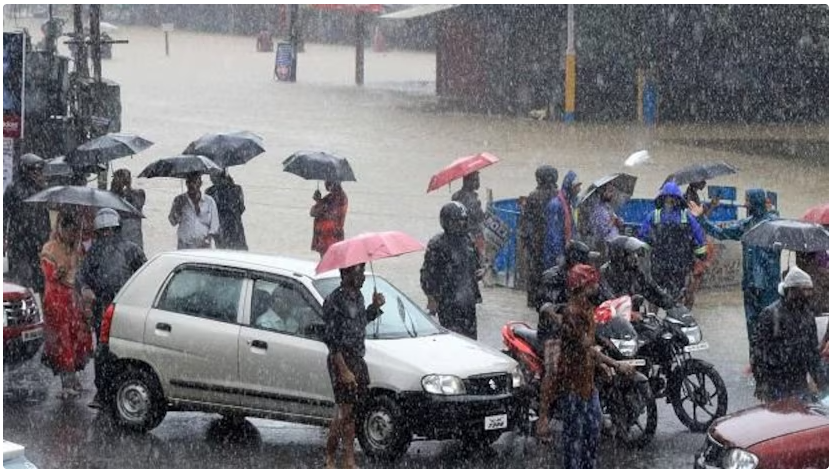
The Nagpur Meteorological Centre (RMC) has issued a significant advisory, hoisting a ‘Yellow Alert’ from March 16 to 18 for Vidarbha, encompassing Nagpur and its neighboring regions. This alert serves as a cautionary measure against potential hailstorms and adverse weather conditions during the mentioned period.

Impacted Regions and Predictions

According to the forecasts from the Weather Department, districts including Nagpur, Bhandara, Gondia, and Chandrapur are expected to encounter hailstorms and strong winds primarily on March 17 and 18. Additionally, Wardha and Gadchiroli districts may experience gusty winds starting from March 16 through 18. Conversely, areas such as Amravati, Akola, Yavatmal, Buldhana, and Washim are predicted to remain dry without significant weather disruptions during this period.

Weather Outlook for Vidarbha

Apart from the looming threat of hailstorms and strong winds, the weather outlook for much of Vidarbha suggests partially cloudy conditions, offering relief from the scorching summer heat. This change in weather dynamics is likely to provide a temporary respite for residents in these regions. Conversely, Akola, Buldhana, and Washim are anticipated to maintain dry conditions with minimal fluctuations over the next three days.

residents of Nagpur and surrounding regions are advised to remain vigilant and take necessary precautions in light of the ‘Yellow Alert’ issued by the RMC. While some areas brace for hailstorms and gusty winds, others may experience a temporary reprieve from the relentless summer heat. Stay informed and stay safe.

FAQs (Frequently Asked Questions)

Q1: How should I prepare for a hailstorm?
A1: Secure outdoor items, stay indoors, and avoid windows during a hailstorm to stay safe.

Q2: What precautions should I take during strong winds?
A2: Secure loose objects, trim trees, and stay away from tall structures during strong wind conditions.

Q3: Will the hailstorm affect transportation services?
A3: Depending on the severity, hailstorms may disrupt transportation temporarily, so stay updated with local advisories.

Q4: Can hailstorms cause damage to property?
A4: Yes, hailstorms have the potential to cause damage to vehicles, roofs, and crops, among other things.

Q5: How accurate are weather forecasts for hailstorms?
A5: Weather forecasts are based on scientific data, but conditions may vary, so it’s essential to stay informed with real-time updates.

Enhancing Convenience on Samruddhi Highway: Bombay High Court’s Call for Improved Facilities

Addressing Critical Needs Along Samruddhi Highway

Bombay High Court intervention: The Nagpur bench of the Bombay High Court has issued a significant directive regarding the Samruddhi Highway project, emphasizing the urgent need for essential amenities such as petrol pumps, washrooms, and restaurants. This directive aims to enhance the convenience and safety of travelers along this ambitious state government initiative. Let’s delve deeper into the court’s decision and its implications.

The Urgent Call for Necessary Facilities (Bombay High Court intervention)

During a recent hearing presided over by Justices Nitin Sambre and Abhay Mantri, the Bombay High Court underscored the importance of promptly providing vital amenities along the Samruddhi Highway. This highway project, spanning from Nagpur to Nashik, holds immense promise for improved connectivity and transportation infrastructure in Maharashtra. However, the lack of essential facilities poses a significant inconvenience and safety risk to commuters.

Social activist Anil Wadpalliwar’s Public Interest Litigation (PIL) highlighted the pressing need for facilities like petrol pumps, toilets, and rest areas along the Samruddhi Highway. The court has also involved all major oil companies as respondents to address the petrol pump scarcity issue effectively.

Safety Concerns and Policy Ambiguity

Despite the project’s potential benefits, concerns about safety and compensation for accident victims persist. Adv. Sandeep Badana raised pertinent questions regarding the state government’s compensation policy for accident victims on the Samruddhi Highway, urging for clarity and decisive action.

Addressing Challenges and Oversight

A study by the Visvesvaraya National Institute of Technology revealed alarming instances of drivers falling victim to hypnosis, resulting in fatal accidents along the highway. Despite pleas for intervention, the Maharashtra State Road Development Corporation has yet to take concrete steps to mitigate these risks.

The Bombay High Court has diligently pursued this matter, issuing notices to all concerned parties and extending deadlines to ensure accountability. However, the managing director of the Maharashtra State Road Development Corporation and the general manager of Nagpur are yet to provide satisfactory responses, prompting the court to grant a final deadline extension.

Conclusion: A Call to Action for Enhanced Infrastructure and Safety Measures

The Bombay High Court’s intervention underscores the critical need for immediate action to improve facilities and address safety concerns along the Samruddhi Highway. As Maharashtra’s flagship infrastructure project, ensuring the convenience and well-being of commuters should be a top priority for all stakeholders involved.


FAQs

  1. **Why is the Bombay High Court intervening in the Samruddhi Highway project?
    • The court is addressing the lack of essential amenities and safety concerns along the highway, prioritizing the well-being of commuters.
  2. **What measures are being advocated for by social activists and legal representatives?
    • Advocates are pushing for the prompt establishment of facilities such as petrol pumps, washrooms, and rest areas, along with clarity on compensation policies for accident victims.
  3. **What challenges have arisen regarding safety on the Samruddhi Highway?
    • Studies have revealed instances of drivers experiencing hypnosis, leading to fatal accidents. This underscores the urgent need for intervention and preventive measures.
  4. **How has the Maharashtra State Road Development Corporation responded to these concerns?
    • Despite calls for action, the corporation has yet to take concrete steps to address safety risks and improve infrastructure along the highway.
  5. **What actions has the Bombay High Court taken to ensure accountability?
    • The court has issued notices to relevant parties and extended deadlines, emphasizing the importance of prompt and effective responses to address the ongoing issues.

Why the Decision to Allow Vivekananda Smarak at Ambazari Lake?

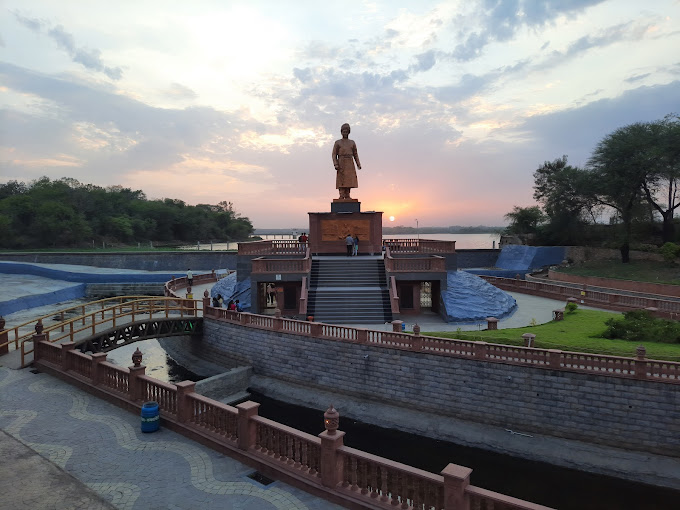
Nagpur: In recent months, the contentious issue of the proposed Vivekananda Memorial near Ambazari Lake has ignited heated debates and legal confrontations. The Nagpur Bench of the Bombay High Court, headed by Justice Nitin Sambre and Justice Abhay Mantri, has intervened, questioning the rationale behind permitting such construction near this ecologically sensitive area. Let’s delve into the intricacies of this debate and examine the factors at play.

The High Court’s Verdict: Prioritizing Citizen Safety

The High Court’s stance underscores the paramount importance of safeguarding citizens amidst rampant construction activities near vital water bodies like dams and wetlands. Expressing dissatisfaction with the Irrigation Department’s affidavit, the court highlighted discrepancies in dam management and water discharge protocols. Such concerns reflect the need for transparency and accountability in decision-making processes affecting public safety.

Key Points of Contention

One of the central issues revolves around the construction of four water discharge gates at Ambazari, with an estimated release of 75 cubic meters of water. The court’s dismay at leaving the fate of the memorial to a committee post-construction underscores the gravity of the situation. Moreover, questions regarding the legality of constructing a memorial on wetland territory necessitate clarification on relevant laws governing such activities.

Accountability and Transparency

The High Court’s hint at holding accountable officers responsible for controversial decisions signals a shift towards greater accountability in governance. Suggestions of recovering costs from salaries underscore the repercussions of negligence in decision-making processes. Such measures aim to ensure accountability and prevent future lapses in judgment.

In response to citizens’ apprehensions about Ambazari Lake’s safety, the Irrigation Department pledged to complete necessary strengthening works by August 7. However, incidents of waterlogging in nearby settlements during heavy rains in September 2023 raised doubts about the Department’s efficacy. This prompted citizens to file a public interest litigation (PIL), represented by various legal advocates.

Striking a Balance

The debate surrounding the Vivekananda Memorial at Ambazari Lake epitomizes the delicate balance between development and environmental conservation. While honoring Swami Vivekananda’s legacy is commendable, it must not come at the cost of endangering vital ecosystems. The legal scrutiny underscores the need for thorough assessment and adherence to environmental regulations in such endeavors.

Police Crack Down on Sex Racket at Dream Family Saloon Dharampeth

Unearthing the Darkness (Dream Family Saloon Dharampeth)

In a recent crackdown, the Nagpur police’s Social Security Branch (SSB) unearthed a clandestine sex racket operating within the premises of Dream Family Saloon, nestled in the heart of Dharampeth. This revelation shook the tranquility of the neighborhood as authorities shed light on the exploitation of vulnerable individuals within our community.

Rescue Mission: Saving Lives from Exploitation

The operation led to the rescue of three young girls who were ensnared in the web of prostitution, their innocence traded for profit. With meticulous planning and swift action, the authorities stormed the saloon, liberating these victims from the clutches of exploitation. The apprehension of Nirbhay Chandramani Balbir, aged 18, marks the first step towards justice, while the search for his accomplices, Yash Katre and Ravi Sahu, intensifies.

Responding to the Call: Upholding Social Security

A cry for help ignited the investigation, as concerned citizens lodged a complaint regarding the nefarious activities transpiring within Dream Family Saloon. Promptly responding to this call, the SSB orchestrated a strategic maneuver, employing a decoy to confirm the harrowing suspicions. Upon validation, a decisive raid ensued, dismantling the illicit operations and delivering a resounding message of deterrence to perpetrators of such heinous crimes.

A Community’s Resilience: Fighting Against Exploitation

The revelation of this sex racket underscores the importance of community vigilance and collaboration with law enforcement agencies. Together, we stand united against the exploitation of the vulnerable and the degradation of our societal fabric. Through unwavering resolve and collective action, we can strive towards a safer and more secure environment for all.

The crackdown on the sex racket operating from Dream Family Saloon Dharampeth serves as a stark reminder of the persistent threats lurking within our communities. However, it also showcases the unwavering dedication of law enforcement agencies and the resilience of our society in combating such atrocities. As we move forward, let us remain vigilant, steadfast in our commitment to safeguarding the vulnerable and upholding the values of justice and compassion.

FAQs:

1. How did the authorities discover the sex racket?

  • Concerned citizens lodged a complaint, prompting the police to initiate an investigation.

2. Were all perpetrators apprehended?

  • While one individual was arrested, two others managed to evade capture and are currently sought by the authorities.

3. How many individuals were rescued from the sex racket?

  • Three young girls were rescued from the clutches of exploitation during the raid.

4. What measures can communities take to prevent such incidents?

  • Communities can remain vigilant and report any suspicious activities to law enforcement agencies promptly.

5. Will there be increased surveillance on similar establishments in the area?

  • The crackdown underscores the importance of heightened surveillance and proactive measures to prevent the proliferation of such illicit activities.

Government Slashes Petrol and Diesel Prices by Rs. 2

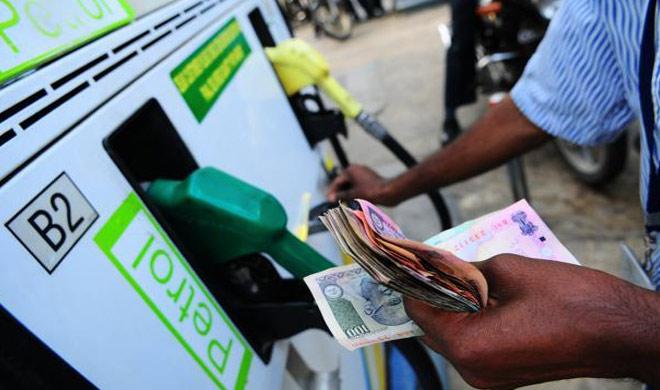
Petrol & Diesel Prices: In a significant move, the government of India has announced a reduction in petrol and diesel prices by Rs. 2, effective immediately. This decision comes as a relief to consumers who have been grappling with escalating fuel costs amidst global uncertainties.

Understanding the Price Cut

Factors Behind the Decision

The reduction in fuel prices follows a comprehensive analysis of various factors influencing the economy, including global crude oil prices, currency exchange rates, and domestic demand-supply dynamics.

Impact on Consumers

The move is expected to ease the burden on consumers and mitigate inflationary pressures. It will lead to lower transportation costs, benefiting businesses and households alike.

Government’s Response to Economic Challenges

Prioritizing Consumer Welfare

By reducing fuel prices, the government demonstrates its commitment to addressing the concerns of the common man and ensuring socio-economic stability.

Balancing Fiscal Prudence and Public Welfare

This decision reflects a delicate balance between fiscal responsibility and the welfare of citizens. It underscores the government’s proactive approach to economic management.

Economic Implications

Boosting Consumer Sentiment

The reduction in fuel prices is likely to bolster consumer sentiment and stimulate spending, thereby supporting economic growth.

Enhancing Competitiveness

Lower input costs, particularly in transportation and logistics, will enhance the competitiveness of businesses, leading to increased productivity and job creation.

The government’s decision to slash petrol and diesel prices by Rs. 2 demonstrates its responsiveness to the evolving economic landscape. By prioritizing consumer welfare and economic stability, it sets a positive trajectory for inclusive growth.

FAQs

1. How will the reduction in fuel prices affect inflation?

  • The reduction in fuel prices is expected to have a moderating effect on inflation by reducing transportation and production costs.

2. Will the government consider further reductions in fuel prices?

  • The government continuously monitors economic indicators and will take appropriate measures as needed to support consumers and businesses.

3. What is the global context behind the reduction in fuel prices?

4. How do fuel prices impact the overall economy?

  • Fuel prices affect various sectors of the economy, including transportation, manufacturing, and agriculture, influencing production costs and consumer spending.

5. Are there any environmental considerations associated with lower fuel prices?

  • While lower fuel prices may incentivize greater consumption, they also underscore the importance of sustainable energy alternatives and conservation efforts.
Exit mobile version