NHAI Advises Paytm FASTag Users to Switch Banks by March 15

Paytm FASTag users: In a recent announcement, the National Highways Authority of India (NHAI) has recommended that Paytm FASTag users transition to a new FASTag issued by a different bank before March 15. This guidance, issued by the Ministry of Road Transport & Highways, serves to shield users from penalties or double fee charges when traversing National Highways.

Understanding the Change

Following directives from the Reserve Bank of India (RBI) concerning restrictions on Paytm Payments Bank, Paytm FASTag users will lose the ability to recharge or top up their balances post March 15. Nonetheless, they can utilize their existing balance to cover toll charges beyond this date.

Where to Seek Assistance?

“For any further queries or assistance regarding Paytm FAST Tag, users are encouraged to reach out to their respective banks or consult the FAQs available on the Indian Highway Management Company Limited (IHMCL) website,” affirmed the Ministry.

NHAI’s Call to Action

NHAI stresses the importance for all Paytm FAST TAG users to proactively acquire a new FASTag from an alternative bank to ensure seamless travel across National Highways nationwide.

Banking Sector Response

In recent weeks, the central bank has directed the National Payments Corporation of India (NPCI) to devise alternative solutions for customers utilizing the Unified Payments Interface (UPI) of Paytm Payments Bank Ltd (PPBL). This measure aims to facilitate the smooth transition of ‘@paytm’ handles.

Preventive Measures Advised by RBI

The RBI has reiterated the need for holders of FASTags and National Common Mobility Cards (NCMC) issued by Paytm Payments Bank to make alternative arrangements before March 15, 2024, to avert any inconvenience.

The deadline set by NHAI and RBI to switch banks for Paytm FAST Tag users underscores the importance of proactive action. Ensuring a seamless transition will prevent potential penalties or service disruptions, thus guaranteeing uninterrupted travel on National Highways.

FAQs

Q1: What should Paytm FASTag users do before March 15? A: Paytm FAST Tag users are advised to procure a new FASTag from a different bank to avoid penalties.

Q2: Can Paytm FAST Tag users still use their existing balance after March 15? A: Yes, they can utilize their current balance for toll payments beyond the stipulated date.

Q3: Where can users seek assistance regarding Paytm FASTag? A: Users can contact their respective banks or refer to the FAQs on the IHMCL website for assistance.

Q4: Why is NHAI urging Paytm FAST Tag users to switch banks? A: NHAI aims to ensure smooth travel on National Highways and prevent penalties for users.

Q5: What alternative solutions are being provided for Paytm Payments Bank customers? A: The RBI and NPCI are working on alternative solutions to facilitate the migration of ‘@paytm’ handles.

Aapli Bus Feeder Service Enhancing Nagpur’s Metro Commute

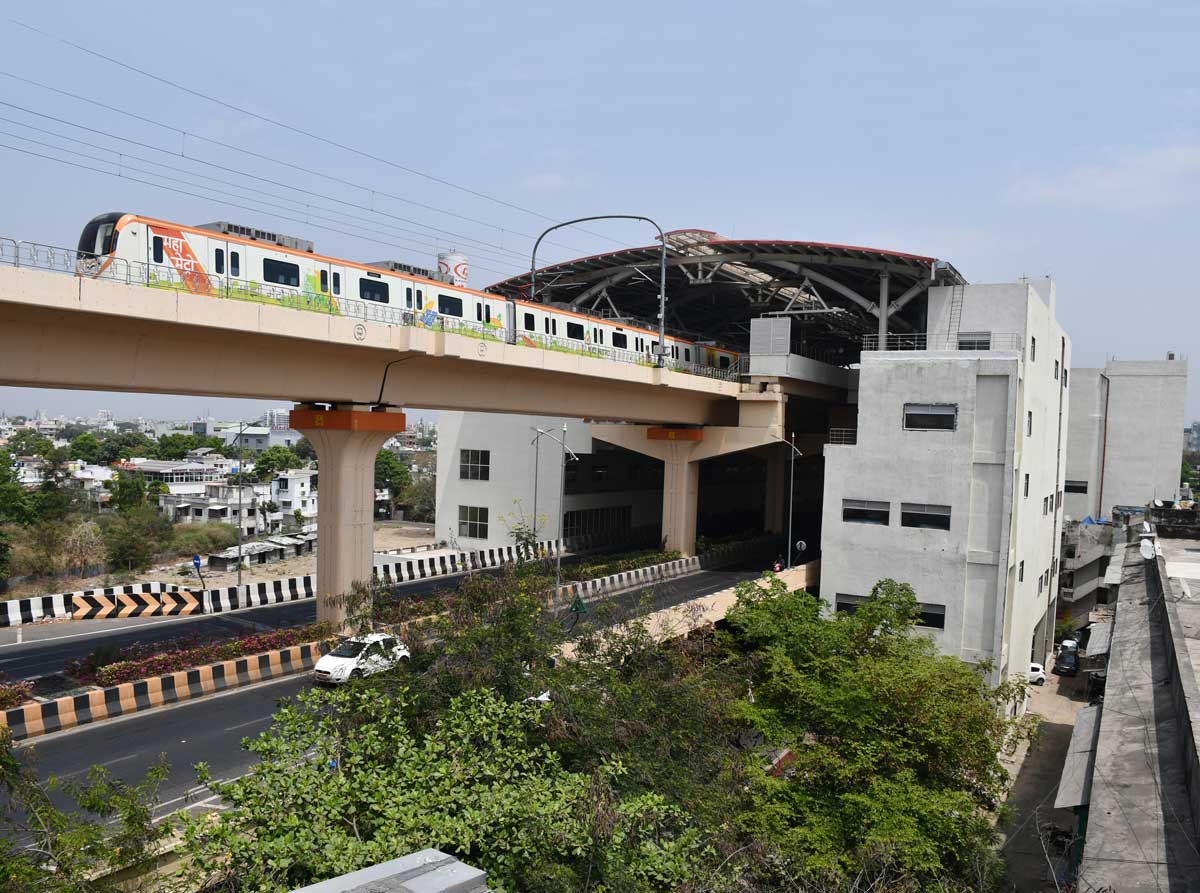
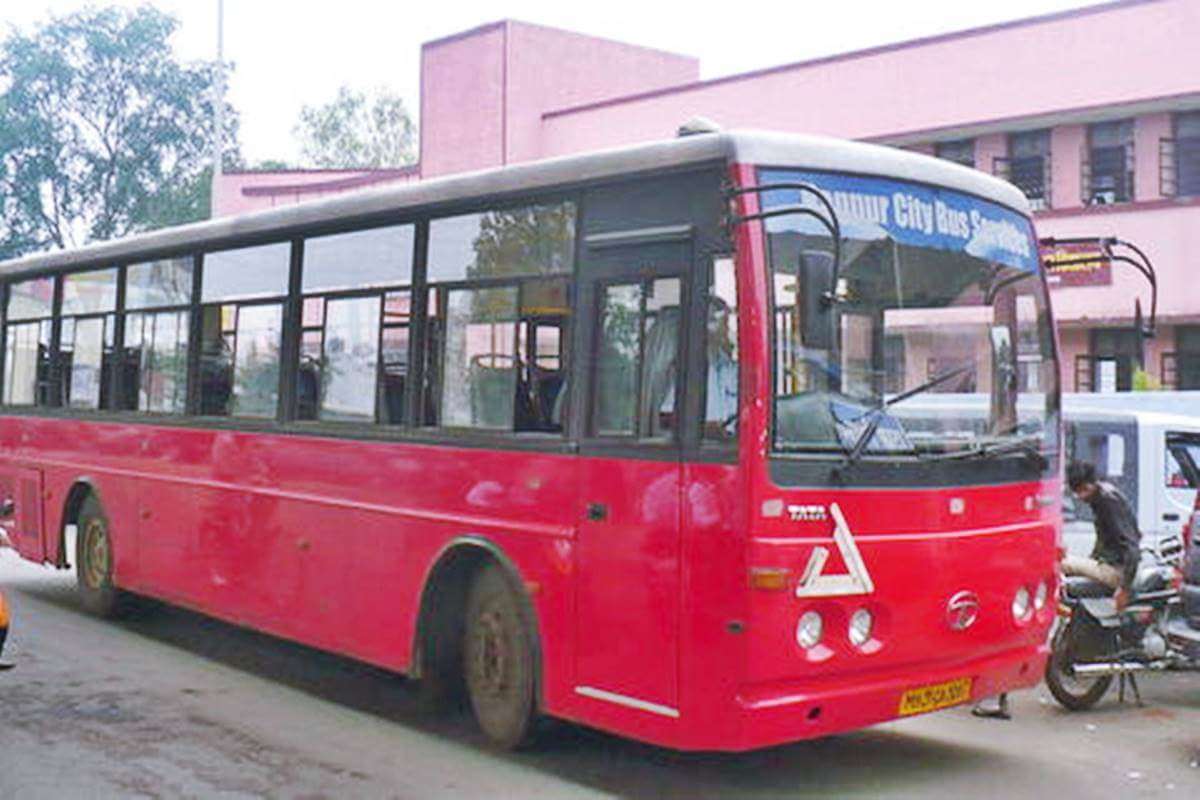
Nagpur Metro: In an endeavor to bolster Nagpur’s public transportation infrastructure, the Nagpur Municipal Corporation is set to launch feeder services connecting key Metro stations. This initiative, spearheaded by municipal commissioner Abhijeet Chaudhari, aims to improve accessibility and convenience for commuters. Starting from March 18, the Aapli Bus feeder service will operate along three strategic routes, seamlessly integrating with the city’s burgeoning Metro network. The routes include Kamptee to Medical College Square, Nagpur University to Rahate Colony, and Subhash Nagar to Laxmi Nagar Chowk, with stops at key locations like IT Park and VNIT.

The Three Feeder Routes

1. Kamptee to Medical College Square

Route Highlights:

This route offers commuters from Kamptee a direct link to the heart of the city, facilitating smooth transitions between the Metro and local destinations.

2. Nagpur University Campus to Rahate Colony

Route Highlights:

By bridging gaps in connectivity, this feeder service ensures students, faculty, and residents have hassle-free access to educational institutions and residential areas.

3. Subhash Nagar to Laxmi Nagar Chowk

Route Highlights:

  • Stops at IT Park, VNIT, Mate Chowk, and Laxmi Nagar Chowk
  • Offers connectivity to commercial hubs and educational institutes

This route caters to professionals, students, and residents, enhancing accessibility to employment centers and educational facilities across the city.

Benefits of Aapli Bus Feeder Service

  • Enhanced Connectivity: Seamlessly integrates with Nagpur’s Metro network, facilitating last-mile connectivity.
  • Reduced Congestion: Alleviates traffic congestion by encouraging the use of public transportation.
  • Accessibility: Provides convenient access to key destinations, promoting mobility for all segments of society.
  • Environmental Sustainability: Promotes eco-friendly travel options, contributing to a greener urban environment.
  • Cost-Effective: Offers an economical mode of transportation, ensuring affordability for commuters.

Conclusion

The introduction of Aapli Bus feeder service signifies a progressive step towards enhancing Nagpur’s transportation ecosystem. By bridging gaps in connectivity and promoting sustainable travel options, this initiative is poised to redefine urban mobility in the city.

FAQs (Frequently Asked Questions)

1. How frequently will the Aapli Bus feeder service operate?

The feeder service will operate at regular intervals throughout the day, ensuring convenient access for commuters during peak hours as well as off-peak times.

2. Will the feeder service be integrated with the existing Metro fare system?

Yes, commuters can use their Metro cards or purchase tickets at designated stations to avail of the feeder service, ensuring a seamless travel experience.

3. Are there plans to expand the feeder service to additional routes in the future?

The Nagpur Municipal Corporation is committed to enhancing public transportation options, and expansion plans for the feeder service are under consideration based on demand and feasibility studies.

4. How will the Aapli Bus feeder service contribute to reducing carbon emissions?

By encouraging more commuters to opt for public transportation, the feeder service helps reduce reliance on private vehicles, thus minimizing carbon emissions and promoting environmental sustainability.

5. What measures are in place to ensure the safety and security of commuters using the feeder service?

The Nagpur Municipal Corporation has implemented stringent safety protocols and surveillance measures to safeguard commuters using the Aapli Bus feeder service, ensuring a secure travel environment for all passengers.

RSS’ Three-Day Akhil Bharatiya Pratinidhi Sabha from March 15

Rediscovering the Essence of RSS

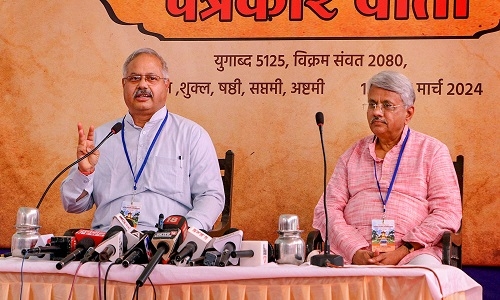
RSS Pratinidhi Sabha Nagpur: In a momentous occasion, the Akhil Bharatiya Pratinidhi Sabha (ABPS) of Rashtriya Swayamsevak Sangh (RSS) is set to convene after a hiatus of six years in the cultural heartland of Nagpur. With its last meeting dating back to 2018, this year’s annual Pratinidhi Sabha assumes exceptional significance as RSS embarks on commemorating its centenary milestone. The three-day congregation, slated from March 15 to March 17, will unfold at the venerable Smriti Bhavan premises, nestled in the historic Reshimbag.

A Gathering of Visionaries

Addressing the media ahead of the event, Sunil Ambekar, the Akhil Bharatiya Prachar Pramukh, revealed that a substantial contingent of 1,529 Pratinidhi representatives from across the nation is anticipated to grace the occasion. Moreover, the Sabha will witness the participation of 36 Sangh-inspired organizations alongside notable figures from various affiliations, including Vishwa Hindu Parishad, Bharatiya Janata Party, Akhil Bharatiya Vidyarthi Parishad, and more.

A Confluence of Ideologies and Initiatives

During the Pratinidhi Sabha, participating organizations will delve into introspective discussions, reporting on their endeavors, challenges, and strides toward potential solutions. Notably, the ABPS will scrutinize the progress of its shakhas, with ambitious plans outlined to elevate their count to one lakh from the existing 68,000 nationwide. The recent consecration of Shri Ram Lalla on January 22 has infused an aura of jubilation and fervor, marking a pivotal moment in the Bharatiya ethos. Ambekar hinted at a forthcoming resolution concerning this momentous event.

Charting the Course for the Future

This edition of the Akhil Bharatiya Pratinidhi Sabha promises to witness pivotal elections for key positions, including the Sarakaryawah, alongside deliberations on the nationwide itinerary of the Sarsanghchalak. Moreover, Ambekar elaborated on the agenda encompassing the ‘Panch Parivartan’ program, aimed at fostering societal transformation through initiatives such as ‘samajik samarasata,’ ‘kutumb prabodhan,’ ‘paryavaran,’ ‘Swa,’ and civic duties.

Embracing Heritage and Nurturing Learning

As the nation gears up to celebrate the tercentenary birth anniversary of Ahilyabai Holkar between May 2024 and April 2025, RSS stands poised to release a statement commemorating the occasion. Additionally, discussions will ensue regarding the Sangh Shiksha Varg, featuring a revamped curriculum aimed at enriching the learning experience. Noteworthy dignitaries such as Dr. Jayantibhai Bhadesia and prominent figures like Narendra Kumar and Alok Kumar will grace the event, underscoring its significance.

Zip Ride from Jamtha to Chinchbhavan: A Game-Changer for Nagpur

Paving the Way for Better Connectivity

Zip ride Nagpur: In a significant development for Nagpur infrastructure, Union Minister Nitin Gadkari and Deputy Chief Minister Devendra Fadnavis unveiled plans for a six-lane flyover from Chinchbhavan to Jamtha. This ambitious project, spanning 5.74km with a substantially elevated corridor, promises to revolutionize transportation in the region. Let’s delve into the details of this transformative initiative.

Addressing Traffic Woes: A Crucial Solution

The proposed flyover aims to alleviate the persistent traffic congestion plaguing Chinchbhavan and its environs. With burgeoning populations and increased vehicular movement, the need for efficient road networks is more pressing than ever. By streamlining traffic flow and minimizing bottlenecks, the project holds the key to smoother commutes and enhanced safety.

Cost and Collaborative Efforts: MORTH and PWD in Action

Funded by the Ministry of Road Transport and Highways (MORTH) and the Maharashtra Public Works Department (PWD), the flyover comes at a cost of ₹620 crore. This substantial investment underscores the government’s commitment to bolstering infrastructure and fostering economic growth. The collaborative efforts of multiple stakeholders signal a unified approach towards addressing the region’s transportation challenges.

Strategic Impact: Unlocking Opportunities

Beyond mere convenience, the flyover promises to unlock a myriad of opportunities for residents and businesses alike. By seamlessly connecting Chinchbhavan to key destinations such as Jamtha, Mihan, and Butibori, it opens up new avenues for commerce, education, and leisure. Additionally, the improved accessibility to institutes like IIIT, MNLU, and IIM underscores its significance in nurturing educational excellence.

Vision for the Future: From Smart Cities to Seamless Connectivity

Union Minister Gadkari envisions a future where Nagpur emerges as a beacon of connectivity and innovation. With plans to develop Chinchbhavan into a smart city and expand metro rail operations, the region is poised for unprecedented growth. Moreover, the integration of projects like the ring road and cement roads underscores a holistic approach towards urban development.

A Milestone in Nagpur’s Journey

In conclusion, the proposed zip ride from Jamtha to Chinchbhavan represents a pivotal moment in Nagpur evolution. Beyond its immediate impact on traffic congestion, it symbolizes a collective commitment to building a more connected, sustainable future. As construction commences, anticipation mounts for the dawn of a new era in transportation excellence.

FAQs:

  1. When is the proposed flyover expected to be completed?
    • The timeline for completion is subject to various factors, but efforts are underway to expedite the project.
  2. How will the flyover benefit residents of Chinchbhavan and nearby areas?
    • The flyover will ease traffic congestion, improve connectivity, and unlock opportunities for economic and social development.
  3. What role do government agencies play in funding the project?
    • The Ministry of Road Transport and Highways (MORTH) and the Maharashtra Public Works Department (PWD) are key stakeholders providing financial support.
  4. Are there any plans to integrate the flyover with other infrastructure projects?
    • Yes, the flyover is part of a larger vision for comprehensive urban development, including the expansion of metro rail operations and the construction of cement roads.
  5. How will the project contribute to Nagpur’s growth as a smart city?

Sindi Multi-Modal Logistics Park Inauguration

Introduction: A Vision Comes to Life

In a momentous occasion set to transform the logistics landscape, the multi-modal logistics park (MMLP) in Sindi, Wardha district, is poised for its grand inauguration. This visionary project, nurtured by the fervor and foresight of Union Minister Nitin Gadkari, stands as a testament to India’s commitment to efficient transportation networks. As an empty rake of containers symbolically enters the park, it heralds a new era of seamless connectivity and economic vitality.

Setting the Stage: The Journey Ahead

The MMLP’s significance transcends mere infrastructure; it represents a strategic gateway for commerce, linking India to its neighbors with unparalleled efficiency. As the containers await their cargo bound for Bangladesh, anticipation mounts for the bustling activity that will ensue. Within a span of 2-3 days, the once-empty rake will transform into a conduit of trade, embarking on its journey towards Haldia in West Bengal.

Revolutionizing Logistics: The River Route Advantage

A groundbreaking aspect of this endeavor is the utilization of river routes for cargo transportation to Bangladesh. By bypassing traditional sea routes via Mumbai and Colombo, this innovative approach promises to slash logistical costs significantly. Sources confirm that barges will navigate the river, carrying the cargo swiftly and economically to its destination, epitomizing efficiency in motion.

The Architect’s Vision: Transformative Development

Nitin Gadkari’s unwavering advocacy for the Sindi project underscores its pivotal role in India’s developmental narrative. Spanning an expansive 150 acres, with an investment exceeding ₹673 crore, this endeavor embodies progress in action. Adrijit Biswas, the joint advisor overseeing logistics, lauds the project’s rapid operationalization, achieved within a record time frame of three and a half months.

National Implications: Setting a Precedent

The significance of the MMLP extends beyond its immediate surroundings; it is part of a larger initiative encompassing 35 similar facilities across the nation. Spearheaded by the National Highways Logistics Management (NHLM) Ltd, a subsidiary of the National Highways Authority of India, these endeavors signal India’s commitment to fostering interconnectedness and growth on a national scale.

Conclusion: Pioneering Progress

As the inaugural ceremony unfolds, it marks not just the beginning of a logistical milestone but also a testament to India’s resilience and vision. The Sindi Multi-Modal Logistics Park stands as a beacon of progress, a testament to what can be achieved through determination and strategic foresight. With its inauguration, a new chapter in India’s logistical landscape begins, promising efficiency, connectivity, and prosperity for years to come.


FAQs (Frequently Asked Questions)

1. What makes the Sindi Multi-Modal Logistics Park unique?

The park’s utilization of river routes for cargo transportation sets it apart, promising cost-efficiency and speed in logistics.

2. How does the inauguration of the MMLP benefit India’s trade relations?

By providing a direct route to Bangladesh, the park enhances trade relations, fostering economic growth and cooperation between the two nations.

3. What role does Nitin Gadkari play in the development of the Sindi project?

As the visionary behind the project, Nitin Gadkari’s advocacy and leadership have been instrumental in its realization.

4. How does the MMLP contribute to India’s infrastructure development goals?

The park signifies India’s commitment to modernizing its transportation infrastructure, fostering connectivity and economic growth.

5. What sets the Sindi project apart from similar initiatives across the country?

The Sindi project’s rapid operationalization and utilization of innovative transportation routes distinguish it as a trailblazer in India’s logistical landscape.

Cracking Down on Disruptive Pubs and Lounges: A City’s Response

Addressing Public Concerns

Nagpur Pubs: In light of escalating complaints regarding disorderly conduct, traffic infractions, and disturbances to the peace, Commissioner of Police (Nagpur Police) (CP) Dr. Ravinder Singal has launched a rigorous campaign targeting pub, lounge, and cafe proprietors across the city. The crackdown follows a string of reports highlighting the flouting of regulations by operators, leading to disruptions and the neglect of crucial security protocols.

Enforcement Measures in Motion

Under the directive of CP Dr. Singal, Deputy Commissioner of Police (DCP) Traffic Shashikant Satav has been tasked with assembling a comprehensive dossier on offenders. The CP (Ravinder Singal) emphasized the imperative of strict compliance with the law and expressed astonishment at the persistent transgressions occurring despite (Nagpur Pubs) previous admonitions from the city’s law enforcement. A surge of grievances has inundated authorities, with complaints revolving around late-night disturbances, particularly emanating from rooftop establishments playing music well into the early hours.

Observations and Challenges

Nagpur Police officials have also noted significant parking challenges at numerous venues, exacerbating congestion on major thoroughfares. The Police Commissioner underscored the rigorous criteria governing the issuance of permits for commercial ventures, highlighting negative assessments from the Traffic Department on numerous applications. Reports of inadequate parking facilities in pubs and lounges spanning Shankar Nagar, Shivaji Nagar, Dharampeth, and Wardha Road prompted the CP to instruct DCP Traffic to conduct further investigations.

Warnings and Precautionary Measures

Notices have been dispatched to all establishments, cautioning of potential license revocations (Nagpur Pubs) if satisfactory arrangements are not promptly instituted. During interactions with the media, CP Dr. Singal (Ravinder Singal) advocated for a collaborative, multi-departmental approach to address the issue, hinting at coordinated efforts between the police force and other pertinent authorities. Both local residents and senior citizens have lodged complaints with law enforcement regarding disturbances, prompting the CP (Ravinder Singal) to order surprise inspections by all police stations and the Crime Branch at pubs, lounges, and cafes. “Violators will face severe repercussions, with plans for license cancellations already in motion,” affirmed the CP. Furthermore, the Police Commissioner urged citizens to promptly report any issues to local police stations or higher authorities, while also mandating the installation of informative signage within all establishments to raise awareness against the perils of intoxicated driving.

In response to mounting concerns and persistent disruptions, the Commissioner of Police has taken decisive action to address the unruly conduct plaguing pubs, lounges, and cafes across the city. With stringent enforcement measures in place and a commitment to collaboration with relevant stakeholders, efforts are underway to restore order and ensure the safety and well-being of residents.

Frequently Asked Questions (FAQs)

1. Are these crackdowns solely targeted at specific areas?

  • No, the crackdown encompasses all pubs (Nagpur Pubs), lounges, and cafes within the Nagpur city limits experiencing disruptive behavior.

2. How will establishments be notified of potential license cancellations?

  • Notices will be issued directly to the concerned establishments, outlining the necessary corrective actions and potential consequences.

3. What role do citizens play in addressing these issues?

  • Citizens are encouraged to report disturbances promptly to local authorities and cooperate with law enforcement efforts to maintain order and safety.

4. What measures are being taken to address parking challenges?

  • The Traffic Department is actively investigating reports of inadequate parking facilities and congestion, with plans for remedial action.

5. How can establishments contribute to resolving these issues?

  • Establishments are urged to adhere strictly to regulations, ensure adequate security measures, and cooperate with law enforcement to mitigate disturbances and uphold community standards.

Bird Flu Outbreak: Radius Expanded to 3 km

Nagpur: In recent developments regarding the outbreak of Bird Flu in Nagpur Regional Hatchery, the district administration has taken decisive steps to contain the spread. The radius of the affected area has been widened from 1 km to 3 km from the Hatchery situated in Seminary Hills. This article delves into the unfolding events surrounding the Bird Flu outbreak, highlighting key actions taken and implications for the region.

Uncovering the Outbreak

Initially detected on March 8 in Nagpur’s hatchery, Bird Flu prompted swift action from the Health Department. Following the discovery, authorities designated a 1 km radius as the infected zone. The immediate response included the destruction of thousands of birds and eggs within the Hatchery premises. Additionally, health check-ups were initiated for the employees as a precautionary measure.

Community Precautions and Measures

Citizens have been urged not to succumb to panic as the administration declares a 21-day warning period. To prevent further transmission, residents are advised against consuming eggs and chicken during this period. Collaborative efforts between the Public Health Department and the Veterinary Department are underway, including extensive investigations and surveys within the region.

Zoo Management’s Response

Recognizing the potential threat to avian populations in the zoo, management at Maharajbag Zoo has taken proactive measures. These include the application of medicines within bird and wild animal enclosures to mitigate the risk of Bird Flu transmission. Furthermore, rigorous precautions are being implemented to safeguard against any avian fatalities attributed to the virus.

Rapid Response Efforts

A Rapid Response Team (RRT) has been mobilized to address the crisis promptly. Over 8,500 poultry birds, 16,700 eggs, and 400 kg of bird feed have been scientifically disposed of following the confirmation of Bird Flu in recent carcasses. Despite the contagious nature of the zoonotic disease, medical experts reassure that the risk of human transmission remains minimal at present.

The extension of the affected radius to 3 km underscores the severity of the Bird Flu outbreak in Nagpur. However, concerted efforts from authorities, healthcare professionals, and the community aim to contain the spread and mitigate its impact. Vigilance, cooperation, and adherence to precautionary measures are pivotal in combating this public health challenge.

FAQs

1. How does Bird Flu spread among avian populations?

Bird Flu primarily spreads through contact with infected birds or contaminated surfaces, posing a significant risk to poultry farms and wild bird populations.

2. What precautions should individuals take to avoid Bird Flu transmission?

Avoiding direct contact with sick birds, practicing proper hygiene, and refraining from consuming poultry products from affected areas are essential preventive measures.

3. Can humans contract Bird Flu from infected birds?

While rare, human transmission of Bird Flu (avian influenza) can occur, particularly through close contact with infected birds or their secretions. However, the risk remains low with proper precautions.

4. How effective are containment measures in halting the spread of Bird Flu?

Swift implementation of containment measures, including culling infected birds and enforcing biosecurity protocols, plays a crucial role in limiting the spread of Bird Flu outbreaks.

5. What is the role of vaccination in preventing Bird Flu outbreaks?

Vaccination of poultry populations can help reduce the risk of Bird Flu transmission among birds. However, it is just one component of comprehensive control strategies, alongside surveillance and biosecurity measures.

Reviving the Pora River: NMC’s Bold Move to Combat Sewage Pollution

NMC’s Ambitious Project to Save the Pora River

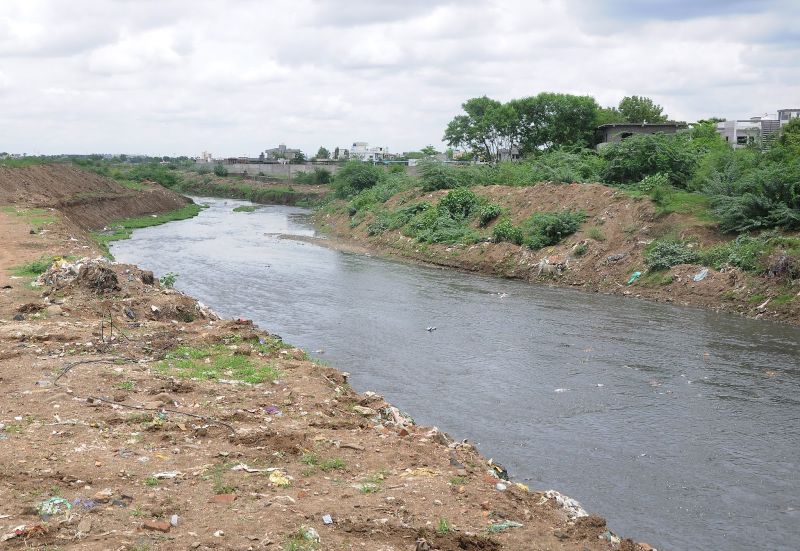
The Nagpur Municipal Corporation (NMC), under the leadership of administrator Abhijeet Chaudhari, has embarked on a groundbreaking initiative to rejuvenate the Pora River. With an approval of ₹874 crore for a 12km river pollution abatement project, NMC is set to tackle one of the most pressing environmental challenges facing the city.

A Costly Endeavor: NMC’s Commitment to Environmental Restoration

This project marks a significant investment by the NMC, signaling their unwavering commitment to environmental conservation. Previously, the highest amount approved for a project under an administrator was ₹300 crore. The magnitude of this endeavor underscores the gravity of the sewage scourge plaguing the Pora River.

Project Details and Implementation Strategy

NMC’s public health engineering department is gearing up to award work orders to various contractors for the execution of the Pora river project. The initiative falls under the Central government’s Amrut 2.0 Mission, emphasizing the collaborative effort to address environmental concerns.

While the government stipulated a three-year timeline for project completion, NMC has set a more ambitious target of two years for private contractors. This proactive approach demonstrates NMC’s determination to expedite the restoration of the Pora River.

Collaborative Efforts: Funding and Support

Last year, the central government approved the ₹957.01 crore south sewage disposal project, highlighting the multi-pronged approach to combatting pollution. With contributions from both central and state governments, along with NMC’s financial investment, the project aims to alleviate the sewage burden on the Pora River.

Infrastructure Overhaul: Addressing Sewage Disposal Challenges

Sewerage works will be concentrated in the south-western regions of Nagpur, where the Pora River traverses. A comprehensive plan involves laying a new sewer line spanning 417km, with strategic allocations in key zones to effectively manage sewage flow.

Treatment Facilities: A Step Towards Sustainable Solutions

In addition to sewage diversion efforts, NMC is investing in sewage treatment plants (STPs) to mitigate the impact of untreated sewage. Collaborating with the Nagpur Improvement Trust (NIT), NMC plans to establish STPs along the Pora River, significantly reducing the volume of pollutants entering the waterway.

Conclusion: A Renewed Commitment to Environmental Stewardship

The approval of the ₹874 crore Pora river pollution abatement project signifies a watershed moment in Nagpur’s environmental conservation efforts. Through strategic planning, collaborative partnerships, and financial investment, NMC is poised to breathe new life into the Pora River, ensuring a cleaner and healthier environment for generations to come.

FAQs

1. What is the objective of the Pora river pollution abatement project?

  • The project aims to combat sewage pollution and revitalize the Pora River in Nagpur.

2. How will the project be funded?

  • Funding will be sourced from contributions by the central and state governments, along with investments from the Nagpur Municipal Corporation.

3. What is the timeline for project completion?

  • While the government set a three-year deadline, NMC aims to complete the project within two years with the help of private contractors.

4. What measures are being taken to treat sewage along the Pora River?

5. How will the project impact the environment and local communities?

  • By reducing sewage pollution, the project will improve water quality, safeguarding ecosystems and enhancing the well-being of residents living along the Pora River.

Lok Sabha Elections 2024: Nitin Gadkari Expresses Gratitude to PM Modi and J P Nadda

The Candidacy Announcement

In a significant turn of events, Nitin Gadkari, a prominent political figure and a stalwart of the Bharatiya Janata Party (BJP), has been named as the BJP candidate from Nagpur for the upcoming Lok Sabha Elections in 2024. This announcement comes with a flurry of emotions and expressions of gratitude towards Prime Minister (PM Modi) Narendra Modi and BJP National President J P Nadda.

A Heartfelt Acknowledgment

The Gratitude towards Prime Minister Modi

Gadkari, known for his unwavering commitment and dedication to public service, expressed his heartfelt gratitude towards Prime Minister Narendra Modi for reposing faith in him by nominating him as the BJP candidate from Nagpur constituency. He lauded the leadership of PM Modi, emphasizing his vision and relentless efforts towards nation-building.

Appreciation for BJP National President J P Nadda

Acknowledging the pivotal role played by BJP National President J P Nadda in the decision-making process, Gadkari extended his appreciation towards Nadda for his guidance and support. He highlighted the collective effort of the party in shaping the political landscape of the nation.

Nitin Gadkari: A Beacon of Leadership

A Glance at Gadkari’s Political Journey

Nitin Gadkari, a seasoned politician and former Union Minister, has been an integral part of the BJP’s leadership cadre. With a career spanning decades, Gadkari has garnered immense respect and admiration from across the political spectrum for his pragmatic approach and inclusive leadership style.

Vision for Nagpur: Development and Progress

As the BJP candidate from Nagpur, Gadkari envisions a future marked by development, progress, and prosperity for the constituency. His commitment to addressing the pressing issues facing the region reflects his dedication to serving the people and contributing towards their welfare.

A New Chapter in Gadkari’s Political Odyssey

The nomination of Nitin Gadkari as the BJP candidate from Nagpur for the Lok Sabha Elections 2024 marks the beginning of a new chapter in his illustrious political journey. With gratitude towards Prime Minister Narendra Modi and BJP National President J P Nadda, Gadkari embarks on this journey with a vision to bring about positive change and transformation in Nagpur.

FAQs

1. What is the significance of Nitin Gadkari being named as the BJP candidate from Nagpur?

  • Nitin Gadkari’s nomination holds significance as he is a prominent leader with a track record of efficient governance and development initiatives.

2. How does Nitin Gadkari’s nomination impact the political landscape of Nagpur?

3. What are the key qualities that make Nitin Gadkari a formidable political figure?

  • Gadkari is known for his leadership, vision, and inclusive approach, which have earned him respect across party lines.

4. How does Nitin Gadkari’s nomination reflect on the BJP leadership?

  • Gadkari’s nomination reflects the BJP leadership’s confidence in his abilities and his standing within the party.

5. What are the expectations from Nitin Gadkari as the BJP candidate from Nagpur?

  • There are high expectations from Gadkari to bring about development and address the concerns of the people of Nagpur effectively.

Ticket Vending Machines Revolutionizing Metro Stations

Embracing Digital Transformation for Seamless Metro Rides

In today’s era, where digital payment methods are becoming the norm and automation is rapidly expanding, Maha Metro Nagpur has ingeniously combined these two concepts to enhance the metro commuting experience. One of the significant advancements in this regard is the installation of Ticket Vending Machines (TVMs) across almost all metro stations in Nagpur.

The Convenience of Ticket Vending Machines

These TVMs offer a unique facility allowing commuters to purchase QR-based paper tickets by making payments via Unified Payments Interface (UPI). This automated solution aims to provide commuters with a faster option to purchase tickets, which has garnered a positive response from the commuters.

The Role of Unified Payments Interface (UPI)

Unified Payments Interface (UPI) has played a pivotal role in driving the digital payments revolution in India. This growth aligns with the strategic efforts of the Government of India and the Reserve Bank of India (RBI) to promote digital transactions and financial inclusion. Nagpur Metro’s integration of automation further enhances this facility.

Advantages of TVM for Customers

Ease of Use

The UPI payment method offered by TVMs is quick and straightforward, making the ticket purchasing process hassle-free.

Cashless Transactions

Commuters can effortlessly purchase tickets with just a few taps on their smartphones, eliminating the need to carry cash or cards.

No Need for Exact Change

With digital payments, customers no longer need to worry about having the exact amount of cash, addressing a common issue faced with traditional payment methods.

Time-Saving

UPI transactions are completed almost instantly, significantly reducing queue times and enabling customers to obtain their tickets faster.

Contactless Payment

In light of health and safety concerns, particularly those raised by the COVID-19 pandemic, contactless payments minimize physical contact with machines and other individuals, reducing the risk of germ transmission.

Automation

The process of purchasing a ticket through TVMs is fully automated, allowing commuters to select their options on the screen, enter relevant details, scan the QR code, make payments, and receive their ticket printout seamlessly.

Commuter Response and Encouragement

The TVM have received an overwhelmingly positive response from commuters, with an increasing number of travelers opting to use this facility. Maha Metro Nagpur encourages commuters to take advantage of this convenient and efficient ticket purchasing option.

Embracing Innovation for Effortless Commuting

the integration of TVM with digital payment modes represents a significant step towards a modern, efficient, and customer-friendly approach to ticket sales. By embracing innovation, Maha Metro Nagpur is revolutionizing the metro commuting experience, making it more seamless and enjoyable for passengers.

FAQs (Frequently Asked Questions)

1. Are Ticket Vending Machines available at all metro stations in Nagpur?

Yes, almost all metro stations in Nagpur are equipped with TVM for the convenience of commuters.

2. Can I purchase tickets using cash at Ticket Vending Machines?

No, TVM facilitate cashless transactions via Unified Payments Interface (UPI).

3. How secure are UPI transactions at Ticket Vending Machines?

UPI transactions at Ticket Vending Machines are highly secure, adhering to stringent security protocols to safeguard customer information.

4. Are Ticket Vending Machines equipped to handle peak hours’ rush?

Yes, Ticket Vending Machines are designed to handle high volumes of transactions efficiently, ensuring minimal waiting times for commuters.

5. Can I use Ticket Vending Machines to recharge metro cards?

Currently, Ticket Vending Machines are primarily designed for purchasing QR-based paper tickets, but future enhancements may include additional functionalities such as metro card recharging.

Exit mobile version