Koradi Mahalaxmi Jagdamba Temple Nagpur: History, Legend and Navratri Significance

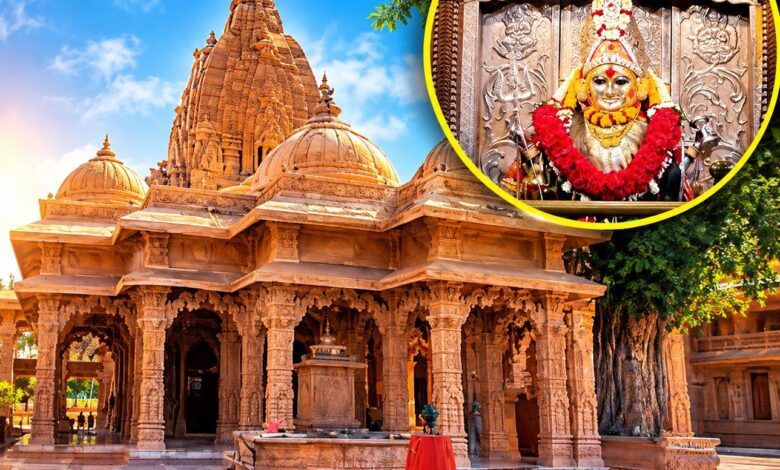

The Shri Mahalaxmi Jagdamba Temple in Koradi, Nagpur, is one of the most revered religious shrines in Vidarbha. The Koradi Mahalaxmi Jagdamba Temple Nagpur history stretches back centuries, with deep roots in Maratha heritage, ancient folklore, and living devotional traditions. Located approximately 15 kilometres from Nagpur city, this temple draws pilgrims throughout the year. During Navratri, it becomes one of the most spiritually charged destinations in central India.
What Is the Legend Behind Koradi Temple?
The origin story of the Koradi temple is rooted in ancient local folklore. According to this tradition, the Koradi region was once known as Jakhapura and was ruled by a king named Jholan. The king had seven sons but no daughter. In deep longing for a daughter, he performed elaborate yagnas, havans, and penance.
It is believed that Queen Gangasagar subsequently gave birth to a daughter named Jakhumai. In the local folk tradition, Jakhumai is venerated as an incarnation of divine feminine power.
How Did Maa Mahalaxmi Jagdamba Manifest at Koradi?
According to the most widely told version of the temple’s origin, Princess Jakhumai played a decisive role in a war against a neighbouring kingdom. While returning to her kingdom after the battle, she decided to stop at a particular place when the sun set. This place is identified with present-day Koradi.
It is believed that Jakhumai manifested here as Maa Mahalaxmi Jagdamba in her divine form. The idol enshrined in the temple is considered Swayambhu — self-manifested — by devotees who have revered it for generations. This account is part of the religious tradition of the temple and reflects the deep faith of its devotees.

What Is the Historical Connection with the Bhonsle Dynasty?
The Koradi temple is associated with the Bhonsle Maratha dynasty that ruled Nagpur. Local historical accounts describe renovation and development of the temple during the 17th century under Bhonsle patronage. While the exact date of the temple’s original establishment remains unclear, its connection with the Nagpur Bhonsle rulers has strengthened its cultural and religious significance across the region.
The Shri Mahalaxmi Jagdamba Sansthan, which currently manages the temple and its affairs, was formally established on July 24, 1987. The Sansthan oversees all aspects of temple administration, facilities, devotee welfare, and festival management.
What Makes the Swayambhu Idol Unique?
The idol of Maa Mahalaxmi Jagdamba at Koradi is considered Swayambhu — meaning it was not made by human hands but manifested on its own. Among devotees, there is a widely held belief that the idol appears in three distinct forms at different times of the day. Each form is considered a reflection of a different divine attribute and power of the goddess.
This belief in the three daily manifestations is one of the most distinctive features of the Koradi temple and is a deeply meaningful aspect of the spiritual experience for pilgrims who make the journey to this shrine.
How Vast Is the Koradi Temple Complex?
The Koradi temple complex spans approximately 150 acres, making it one of the largest temple precincts in Vidarbha. The complex includes a grand entrance gate, elaborate queuing arrangements for darshan, a deepstambha or lamp pillar, a large sabhamandap or community hall, and various facilities for religious activities and devotee welfare. The Koradi lake situated near the temple adds to the natural beauty of the surroundings. The illuminated temple complex after sunset is a particularly striking sight for visitors.
What Happens During Navratri at Koradi?
Navratri transforms Koradi into one of Maharashtra’s most spiritually electric destinations. Around 20 lakh or more devotees are expected to visit the temple during the Ashwin Navratri period, which runs from October 11 to October 20, 2026. Pilgrims arrive from across Nagpur, Vidarbha, other districts of Maharashtra, and neighbouring states.
The most distinctive Navratri tradition at Koradi is the lighting of approximately 7,500 Akhand Manokamna Jyotiyan. These are eternal flames lit by devotees in a specially designated Jyot Bhavan within the temple complex. Each flame represents the prayer and devotion of the devotee who offers it. All 7,500 lamps burn continuously for all nine days of Navratri without interruption. Special arrangements are made to ensure that no lamp goes out due to lack of oil or ghee throughout the festival.
What Is the Akhand Mahajyoti at Koradi?
In addition to the thousands of Navratri lamps, Maa Jagdamba’s sanctum houses a main Akhand Mahajyoti. This sacred flame is kept burning continuously throughout the year — for all 365 days. The Mahajyoti is considered a symbol of the unbroken faith and eternal devotion of the temple’s community of believers.
Devotees who wish to light a Manokamna Jyoti at the temple in their own or their family’s name can do so through the Sansthan at a cost of Rs 2,100.
How to Reach Koradi Temple from Nagpur?
Koradi is located approximately 15 kilometres from Nagpur city centre on the Nagpur-Amravati Highway. The temple is accessible by auto-rickshaw, taxi, and city buses from various parts of Nagpur. During Navratri, additional bus services are typically operated to manage the surge in pilgrims.