Ayodhya: Ram Lalla to wear cotton clothes in the summer season; Mandir Trust shares a picture of the deity dressed in handloom cotton

summer season: In the heart of Ayodhya, amidst the ancient city’s rich tapestry of culture and spirituality, a significant change is underway. Ram Lalla, the revered deity, is set to embrace a more comfortable attire as the scorching summer (handloom cotton) heat envelops the region. This transition to cotton clothing reflects a thoughtful measure to ensure the deity’s comfort amid the relentless summer swells.

The Significance of Ayodhya

Ayodhya, often referred to as the birthplace of Lord Rama, holds profound significance in Hindu mythology and culture. It’s a place where spirituality intertwines with everyday life, drawing devotees and tourists alike to its sacred precincts.

Ram Lalla: Symbol of Devotion

an infant form of Lord Rama, holds a special place in the hearts of millions of devotees. The deity’s presence in Ayodhya’s revered temple complex is a focal point of devotion and pilgrimage, attracting devotees from far and wide.

Embracing Comfort in Tradition

In a thoughtful gesture, the custodians of the temple have decided to shift Ram Lalla’s attire to cotton garments as summer approaches (summer season). This decision stems from a deep-seated tradition of ensuring the utmost comfort for the deity, reflecting the reverence and care bestowed upon Ram Lalla by the devotees.

The Essence of Cotton Clothing

Cotton, with its lightweight and breathable properties, offers the ideal solution to combat the oppressive heat of the summer months. By adorning Ram Lalla in cotton attire, the custodians aim to ensure not only physical comfort but also spiritual tranquility, fostering a serene environment within the sacred precincts.

Preserving Tradition Amidst Modernity

In a rapidly evolving world, where traditions often intersect with modernity, the decision to dress Ram Lalla in cotton symbolizes a harmonious blend of age-old customs and contemporary sensibilities. It underscores the timeless relevance of tradition in fostering a sense of continuity and reverence in a changing landscape.

As Ayodhya prepares to welcome the sweltering summer (summer season) months, the transition of Ram Lalla to cotton clothing epitomizes a delicate balance between tradition and comfort. It signifies a profound gesture of devotion and care, ensuring that the revered deity remains enveloped in comfort amidst the scorching heat. In this timeless city where the past meets the present, the essence of tradition continues to thrive, resonating through the corridors of faith and devotion.


FAQs (Frequently Asked Questions)

1. Why is Ayodhya significant in Hindu mythology?

Ayodhya is revered as the birthplace of Lord Rama, making it a sacred pilgrimage site for Hindus worldwide.

2. What is the significance of dressing Ram Lalla in cotton clothing?

Dressing Ram Lalla in cotton ensures both physical and spiritual comfort amid the sweltering summer heat, reflecting the devotion and care of the custodians.

3. How does the transition to cotton attire preserve tradition?

The decision to dress Ram Lalla in cotton (handloom cotton) exemplifies a harmonious blend of tradition and modernity, showcasing the timeless relevance of age-old customs in contemporary times.

4. Is Ram Lalla worshipped by people of all ages?

Yes, devotees of all ages hold reverence for Ram Lalla, reflecting the deity’s universal appeal and significance in Hindu culture.

5. What does the transition to cotton clothing signify for devotees?

For devotees, the transition symbolizes a gesture of devotion and care towards the deity, fostering a deeper connection and sense of reverence.

Discontinuation of USSD-Based Call Forwarding Facilities: What You Need to Know

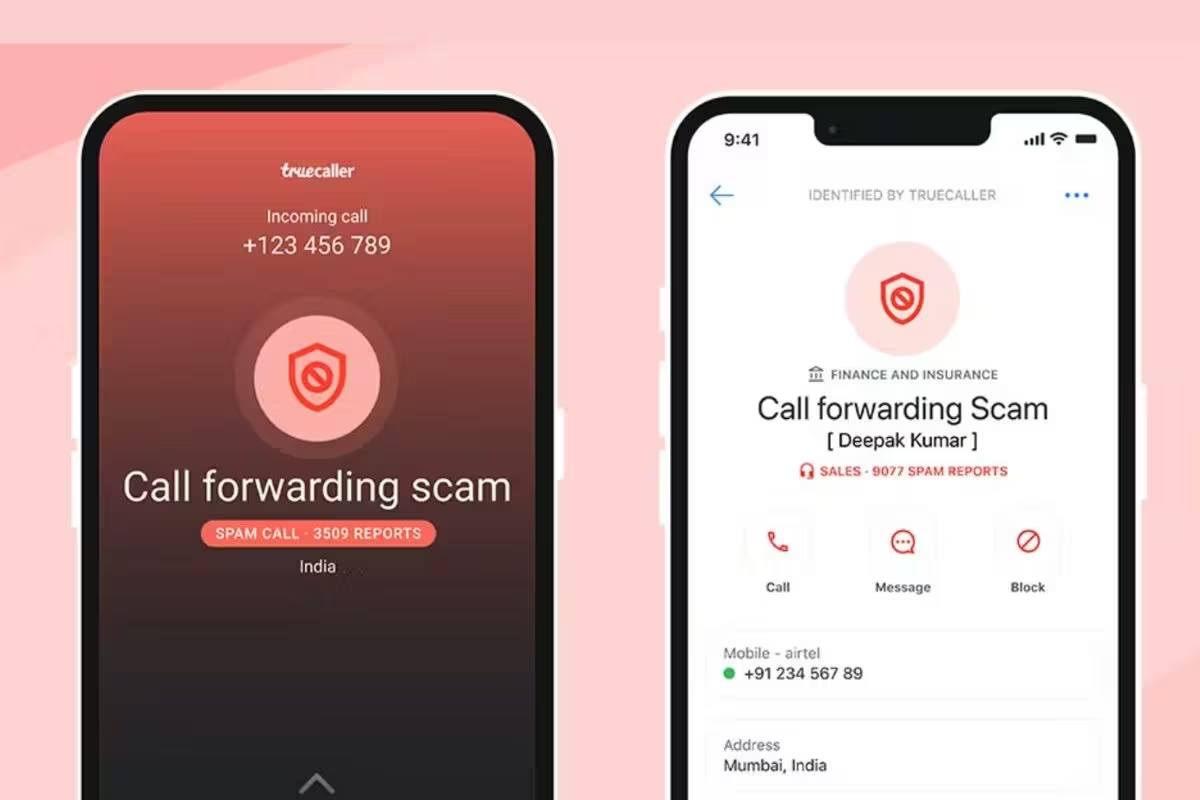
In recent news, the Department of Telecommunications (DoT) has issued directives to telecommunication companies to discontinue USSD-based call forwarding facilities starting from April. This move has significant implications for users and the telecom industry alike. Let’s delve into the details and understand the reasons behind this decision.

Understanding USSD-Based Call Forwarding

What is USSD?

USSD, or Unstructured Supplementary Service Data, is a protocol used by GSM cellular telephones to communicate with the service provider’s computers. It enables users to access various services, such as prepaid callback service, mobile-money services, location-based content services, and more.

How Does USSD-Based Call Forwarding Work?

USSD-based call forwarding allows users to divert incoming calls to another number using a simple code. This feature is commonly used for call management purposes, such as when users are unavailable or unreachable on their primary number.

The Decision to Discontinue USSD-Based Call Forwarding

Regulatory Concerns

The decision by the DoT to discontinue USSD-based call forwarding stems from regulatory concerns. There have been instances of misuse of this service, including fraudulent activities and security breaches. By discontinuing this feature, the DoT aims to mitigate these risks and enhance the security of telecom services.

Technological Advancements

Additionally, the telecom industry is witnessing rapid technological advancements, with newer and more secure methods of call forwarding available. Discontinuing USSD-based call forwarding paves the way for adopting these advanced technologies, ensuring a safer and more efficient telecommunication ecosystem.

Impact on Users and Telecom Companies

User Convenience

While the discontinuation of USSD-based call forwarding may inconvenience some users initially, it is a step towards ensuring a safer and more secure telecommunication environment. Users are encouraged to explore alternative call forwarding options provided by their service providers.

Compliance by Telecom Companies

Telecom companies are required to comply with the directives issued by the DoT and ensure the seamless transition away from USSD-based call forwarding. This may involve updating their systems and educating customers about the discontinuation of this service.

The discontinuation of USSD-based call forwarding facilities by the Department of Telecommunications reflects a proactive approach towards addressing regulatory concerns and embracing technological advancements in the telecom sector. While this decision may require adjustments from users and telecom companies alike, it ultimately contributes to a safer and more secure telecommunication ecosystem.

FAQs

  1. Why is the DoT discontinuing USSD-based call forwarding?
    • The DoT is discontinuing USSD-based call forwarding to address regulatory concerns and promote the adoption of more secure telecommunication technologies.
  2. What alternatives are available for call forwarding?
    • Users can explore alternative call forwarding options provided by their service providers, such as voice-over-IP (VoIP) services or mobile applications.
  3. How will telecom companies comply with the DoT’s directives?
    • Telecom companies are required to update their systems and educate customers about the discontinuation of USSD-based call forwarding to ensure compliance with the DoT’s directives.
  4. Will the discontinuation of USSD-based call forwarding affect user convenience?
    • While there may be some initial inconvenience for users, the discontinuation of USSD-based call forwarding contributes to a safer and more secure telecommunication environment in the long run.
  5. Are there any security risks associated with USSD-based call forwarding?
    • Yes, there have been instances of misuse of USSD-based call forwarding for fraudulent activities and security breaches, prompting the DoT to take action to mitigate these risks.

ISRO Chairman’s Visit to Nagpur: A Celebration of Space Exploration

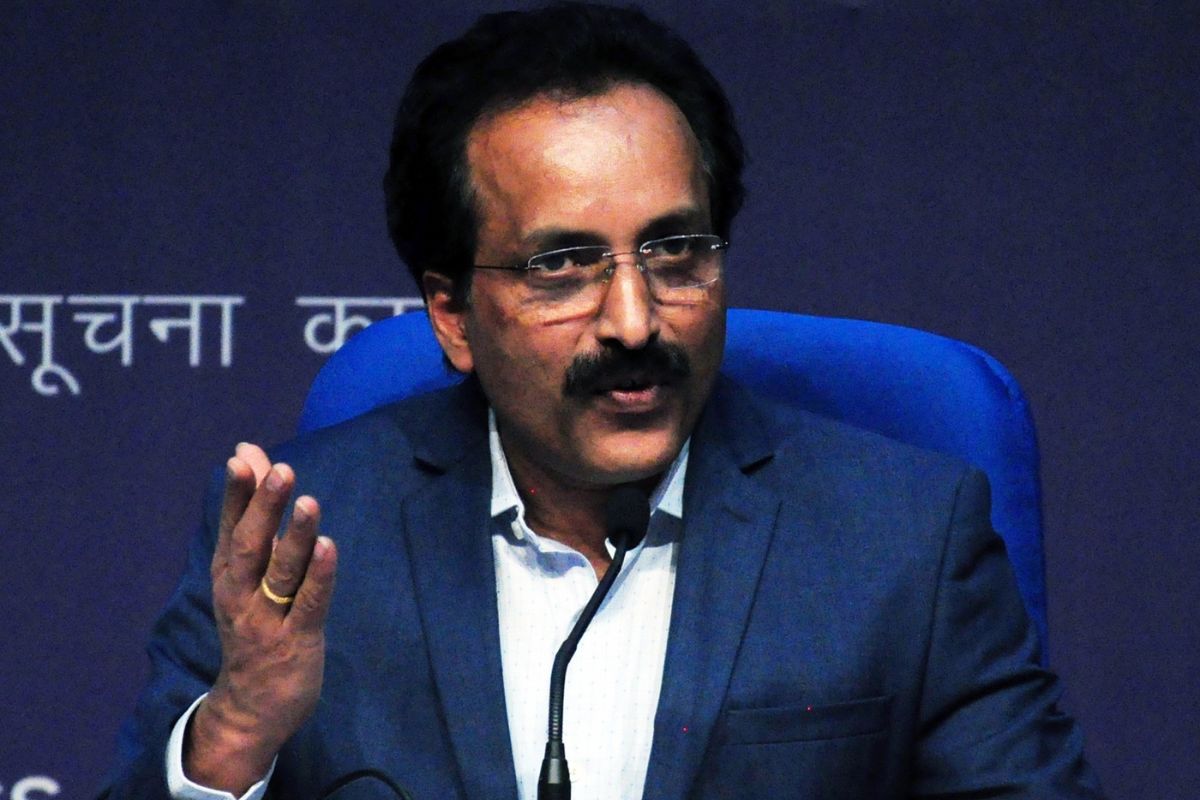
In a much-anticipated event,(ISRO chairman) S Somanath, the esteemed chairman of the Indian Space Research Organization (ISRO), is set to grace Nagpur with his presence. Scheduled as the chief guest for the closing ceremony of the Space on Wheels exhibition, organized by the Vigyan Bharti Vidarbha Pradesh Mandal, this event promises to be a momentous occasion in the realm of space exploration.

The Venue and Timing

The ceremony is slated to take place at the prestigious Suresh Bhat Hall, nestled in the heart of Reshimbagh, Nagpur. The clock will strike 3 p.m., marking the commencement of this significant gathering.

Who’s Who on the Guest List

Accompanying Chairman (ISRO chairman) Somanath will be an illustrious lineup of personalities. Among them are Prakash Chauhan, the director of the National Remote Sensing Centre, Madhu Nair, the managing director of Cochin Shipyard Limited, and Shivkumar Sharma from Vigyan Bharti, each adding their unique expertise and perspective to the event.

Embracing the Spirit of Exploration

The Space on Wheels exhibition encapsulates the spirit of exploration and innovation championed by ISRO. From groundbreaking missions to advancements in satellite technology, ISRO has consistently pushed the boundaries of space exploration, placing India on the global map of space science.

Unveiling New Horizons

This exhibition serves as a platform to showcase ISRO’s latest endeavors and achievements. From launching satellites into orbit to exploring the mysteries of the cosmos, ISRO continues to inspire awe and curiosity with each mission undertaken.

The Significance of ISRO’s Presence in Nagpur

ISRO’s presence in Nagpur underscores the organization’s commitment to engaging with communities across India. By bringing its achievements closer to home, ISRO (ISRO chairman) aims to foster a sense of pride and ownership among the people of Nagpur, further igniting interest in space science and technology.

Bridging Gaps and Inspiring Minds

Through initiatives like the Space on Wheels exhibition, ISRO endeavors to bridge the gap between the scientific community and the general public. By making space exploration more accessible and relatable, ISRO hopes to inspire the next generation of scientists and innovators.

As Nagpur eagerly awaits the arrival of Chairman Somanath and the distinguished guests, the city stands poised to celebrate the wonders of space exploration. Through exhibitions like Space on Wheels, ISRO continues to ignite curiosity, inspire innovation, and propel India towards new frontiers in the realm of space.

FAQs

1. What is the Space on Wheels exhibition?

The Space on Wheels exhibition is a showcase of ISRO’s achievements and advancements in space exploration, aimed at engaging and educating the public.

2. Why is ISRO’s presence in Nagpur significant?

ISRO’s presence in Nagpur (S Somanath) highlights its commitment to reaching out to communities across India, fostering interest in space science and technology.

3. Who are some notable guests attending the closing ceremony?

Notable guests at the closing ceremony include Prakash Chauhan, Madhu Nair, and Shivkumar Sharma, each bringing their expertise to the event.

4. How does ISRO inspire the next generation of scientists?

ISRO inspires the next generation through initiatives like exhibitions, showcasing the wonders of space exploration and encouraging young minds to pursue careers in science and technology.

5. What can visitors expect from the Space on Wheels exhibition?

Visitors can expect to learn about ISRO’s missions, satellite technology, and the latest advancements in space exploration through interactive exhibits and displays.

One Lakh Hanuman Chalisa Kendra: A Nationwide Initiative by Dr. Pravin Togadia

Setting the Stage

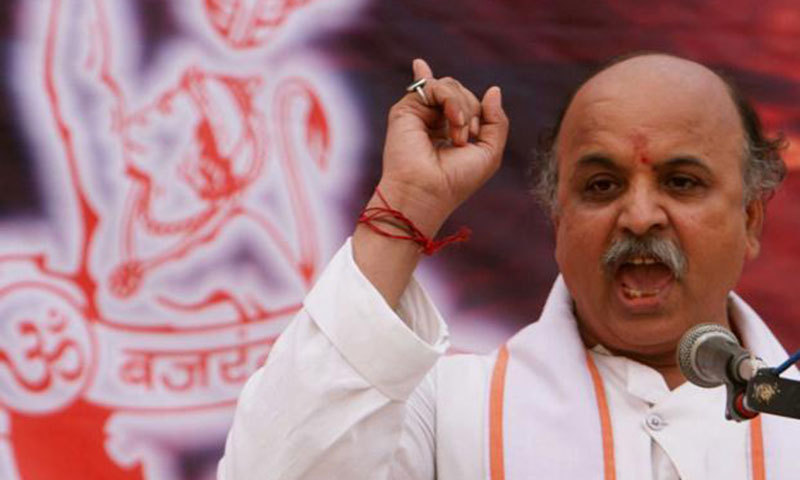
In a recent press conference held at Patrakar Club of Nagpur, Civil Lines, Dr. Pravin Togadia, the Founder-President of Antarrashtriya Hindu Parishad, and Rashtriya Bajrang Dal, unveiled an ambitious plan. He enthusiastically announced the establishment of approximately one lakh Hanuman Chalisa Kendra across various villages and cities throughout the country. This initiative aims to foster a deeper spiritual connection among the masses and strengthen the cultural fabric of India.

The Vision Unveiled

During the conference, Dr. Pravin Togadia revealed that over 13,000 centers have already been established. These centers will host weekly Hanuman Chalisa recitals, serving as focal points for spiritual gatherings and community engagement. Additionally, Development Officers will be appointed to oversee the smooth execution of plans at each center, ensuring effective outreach and program implementation.

A Comprehensive Approach

Dr. Togadia’s vision extends beyond mere spiritual endeavors. He articulated a broader plan aimed at connecting with two crore Hindu families across the nation. This outreach seeks to address multifaceted issues, including security, welfare, and education, especially for children. Furthermore, the initiative pledges to provide free food grains to the needy, emphasizing compassion and solidarity within the community.

Empowering the Community

Central to the initiative is the forthcoming helpline number, slated to launch soon. This helpline will serve as a lifeline for Hindus in distress, offering immediate assistance within 24 hours, irrespective of their location in the country. Such proactive measures underscore the commitment of Dr. Togadia and his organization to uplift and empower the Hindu community at large.

The establishment of one lakh Hanuman Chalisa Kendra marks a significant milestone in fostering spirituality and community engagement across India. Dr. Pravin Togadia’s visionary leadership and dedication to societal welfare are poised to make a lasting impact, transcending religious boundaries and promoting unity in diversity.

FAQs (Frequently Asked Questions)

1. How can individuals contribute to this initiative?

  • Individuals can contribute by volunteering at local Hanuman Chalisa Kendra, spreading awareness about the initiative, and participating in community events organized by the centers.

2. Are these centers open to people of all faiths?

  • Yes, the Hanuman Chalisa Kendra welcomes people of all faiths to participate in the spiritual and community activities conducted at the centers.

3. Will there be any online resources available for those unable to visit the centers?

4. How can interested individuals locate their nearest Hanuman Chalisa Kendra?

  • A comprehensive directory of Hanuman Chalisa Kendra locations will be made available through various online platforms and community outreach programs.

5. Is financial assistance available for those in need through this initiative?

  • While the primary focus is on spiritual and community development, assistance programs may be initiated to provide financial support to eligible individuals in need.

The Resilience of Paytm UPI: NPCI’s Official Stamp of Approval

NPCI: In a recent development, Paytm users can breathe a sigh of relief as the company assures uninterrupted services for its UPI platform. Amidst concerns surrounding the Reserve Bank of India’s (RBI) actions against Paytm Payments Bank Limited, Paytm clarifies that its UPI functionality remains unaffected. This announcement comes as a reassurance to countless consumers who rely on Paytm for their day-to-day transactions.

NPCI Gives the Green Light

Following an official statement released by Paytm, it’s confirmed that the National Payment Corporation of India (NPCI) has granted the necessary approvals. Paytm is now authorized to continue offering UPI services as a Third-Party Application Provider (TPAP) under the multi-bank model. This endorsement from NPCI solidifies Paytm’s position in the digital payment landscape, ensuring seamless experiences for its users.

Strategic Partnerships Strengthen Paytm’s Position

In a strategic move, Paytm has forged partnerships with prominent banks including Axis Bank, HDFC Bank, State Bank of India (SBI), and Yes Bank. These collaborations designate these banks as payment service providers for Paytm’s parent company, One97 Communications. Additionally, Yes Bank has been entrusted with the role of acquiring new UPI merchants for Paytm, further expanding its reach and accessibility.

Navigating Through Regulatory Changes

Paytm’s UPI transactions were previously routed through Paytm Payments Bank (PPBL), which has faced regulatory actions from the RBI. Despite restrictions imposed on PPBL, Paytm ensures that its UPI services remain unaffected. This adaptability showcases Paytm’s commitment to innovation and resilience in navigating regulatory challenges.

Empowering Users with Seamless Experience

Acknowledging the concerns of its users, Paytm emphasizes that customers can continue using their @Paytm handle seamlessly. This assurance underscores Paytm’s dedication to providing uninterrupted services and minimizing disruptions for its user base.

In light of recent regulatory developments, Paytm emerges as a resilient player in India’s digital payment ecosystem. With NPCI’s official approval and strategic partnerships in place, Paytm reaffirms its commitment to delivering seamless and reliable UPI services to millions of users nationwide.

FAQs (Frequently Asked Questions)

  1. Will my Paytm UPI experience any disruptions due to RBI’s actions against Paytm Payments Bank Limited?Paytm assures that its UPI services remain unaffected by regulatory actions against Paytm Payments Bank Limited. Users can continue to transact seamlessly using Paytm’s UPI platform.
  2. How will Paytm’s partnerships with leading banks benefit its users?Collaborations with banks like Axis Bank, HDFC Bank, SBI, and Yes Bank enhance Paytm’s capabilities and accessibility, ensuring a more robust payment infrastructure for users.
  3. What steps has Paytm taken to navigate through regulatory changes effectively?Paytm demonstrates adaptability by restructuring its operations to comply with regulatory requirements while ensuring minimal disruptions to its services.
  4. Can I still use my @Paytm handle without any changes?Yes, Paytm reassures users that they can continue using their @Paytm handle seamlessly, without any alterations required on their part.
  5. How does Paytm prioritize user experience amidst regulatory challenges?Paytm remains committed to providing uninterrupted services and prioritizes user experience by leveraging strategic partnerships and technological innovations.

Government Slashes Petrol and Diesel Prices by Rs. 2

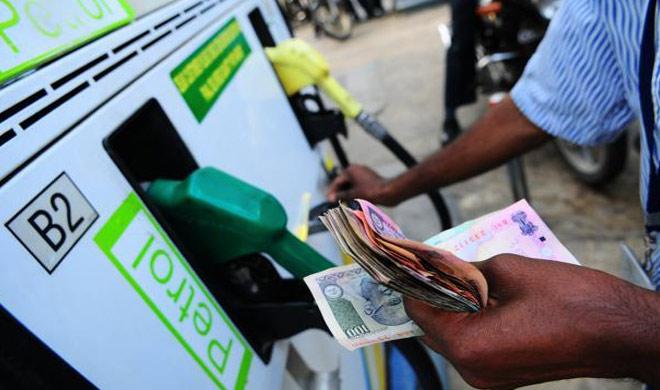
Petrol & Diesel Prices: In a significant move, the government of India has announced a reduction in petrol and diesel prices by Rs. 2, effective immediately. This decision comes as a relief to consumers who have been grappling with escalating fuel costs amidst global uncertainties.

Understanding the Price Cut

Factors Behind the Decision

The reduction in fuel prices follows a comprehensive analysis of various factors influencing the economy, including global crude oil prices, currency exchange rates, and domestic demand-supply dynamics.

Impact on Consumers

The move is expected to ease the burden on consumers and mitigate inflationary pressures. It will lead to lower transportation costs, benefiting businesses and households alike.

Government’s Response to Economic Challenges

Prioritizing Consumer Welfare

By reducing fuel prices, the government demonstrates its commitment to addressing the concerns of the common man and ensuring socio-economic stability.

Balancing Fiscal Prudence and Public Welfare

This decision reflects a delicate balance between fiscal responsibility and the welfare of citizens. It underscores the government’s proactive approach to economic management.

Economic Implications

Boosting Consumer Sentiment

The reduction in fuel prices is likely to bolster consumer sentiment and stimulate spending, thereby supporting economic growth.

Enhancing Competitiveness

Lower input costs, particularly in transportation and logistics, will enhance the competitiveness of businesses, leading to increased productivity and job creation.

The government’s decision to slash petrol and diesel prices by Rs. 2 demonstrates its responsiveness to the evolving economic landscape. By prioritizing consumer welfare and economic stability, it sets a positive trajectory for inclusive growth.

FAQs

1. How will the reduction in fuel prices affect inflation?

  • The reduction in fuel prices is expected to have a moderating effect on inflation by reducing transportation and production costs.

2. Will the government consider further reductions in fuel prices?

  • The government continuously monitors economic indicators and will take appropriate measures as needed to support consumers and businesses.

3. What is the global context behind the reduction in fuel prices?

4. How do fuel prices impact the overall economy?

  • Fuel prices affect various sectors of the economy, including transportation, manufacturing, and agriculture, influencing production costs and consumer spending.

5. Are there any environmental considerations associated with lower fuel prices?

  • While lower fuel prices may incentivize greater consumption, they also underscore the importance of sustainable energy alternatives and conservation efforts.

Maharashtra Cabinet Renames Ahmednagar District to Ahilya Nagar

In a significant move, the Maharashtra cabinet, under the leadership of Chief Minister Eknath Shinde, has decided to rename Ahmednagar district to Ahilya Nagar, marking it as the third district in the state to undergo a name alteration. This announcement came forth on Wednesday, March 13, showcasing the government’s commitment to honor historical figures and cultural identities.

A Historical Shift

The renaming of Ahmednagar district to Ahilya Nagar resonates deeply with the rich historical heritage of Maharashtra. It pays homage to the legendary Queen Ahilyabai Holkar, popularly known as Ahilya Devi, who ruled the Malwa kingdom in the 18th century. Queen Ahilyabai was renowned for her benevolent rule, administrative prowess, and significant contributions to the welfare of her subjects. By renaming the district after her, the Maharashtra government seeks to immortalize her legacy and inspire future generations.

A Series of Transformations

This decision follows the footsteps of previous renaming endeavors within the state. Last year, Aurangabad was officially renamed Chhatrapati Sambhajinagar, a tribute to the valiant Maratha warrior Chhatrapati Sambhaji Maharaj. Additionally, the Osmanabad Revenue Division underwent a transformation, now known as Dharashiv Revenue Divisions. These initiatives reflect a collective effort to reclaim and celebrate indigenous identities while shedding colonial vestiges.

Embracing Cultural Identity

The renaming of Ahmednagar district as Ahilya Nagar is not merely a symbolic gesture but a reaffirmation of cultural pride and heritage. It reflects the state’s commitment to recognize and honor the contributions of historical figures who have shaped its identity. By embracing its cultural roots, Maharashtra reaffirms its commitment to inclusivity and respect for diverse narratives.

Future Endeavors

Moreover, the Maharashtra government has articulated plans to modernize the nomenclature of eight Mumbai Railway Stations, which bear colonial-era names. This initiative aligns with the broader objective of reclaiming indigenous identities and reflecting the state’s ethos in its geographic nomenclature.

Mandating Mother’s Name on Government Documents

In another progressive move, the Maharashtra Cabinet has mandated the inclusion of the mother’s name on all government documents, effective from May 1. This decision aims to recognize the pivotal role of mothers in individuals’ lives and promote gender equality by acknowledging maternal lineage in official records.

The renaming of Ahmednagar district to Ahilya Nagar and the mandate to include mothers’ names on government documents underscore Maharashtra’s commitment to cultural revival, historical recognition, and gender inclusivity. These initiatives not only reflect a shift towards decolonization but also signify a step forward in embracing and celebrating indigenous identities.

FAQs

1. Why was Ahmednagar district renamed to Ahilya Nagar?

  • Ahmednagar district was renamed to Ahilya Nagar to honor the legacy of Queen Ahilyabai Holkar, a revered historical figure known for her benevolent rule and significant contributions.

2. What is the significance of including mothers’ names on government documents?

  • Mandating the inclusion of mothers’ names on government documents aims to recognize the pivotal role of mothers in individuals’ lives and promote gender equality by acknowledging maternal lineage in official records.

3. How many districts in Maharashtra have undergone name changes?

  • With the renaming of Ahmednagar district to Ahilya Nagar, three districts in Maharashtra have undergone name alterations.

4. What is the broader objective behind renaming initiatives in Maharashtra?

  • Renaming initiatives in Maharashtra aim to reclaim indigenous identities, shed colonial vestiges, and honor historical figures who have contributed significantly to the state’s heritage.

5. When will the mandate regarding mothers’ names on government documents come into effect?

City’s Rita Aggarwal Among World’s Six Chosen for Rotary International Award

Recognizing Impact: Wellness in a Box Initiative Takes Global Stage

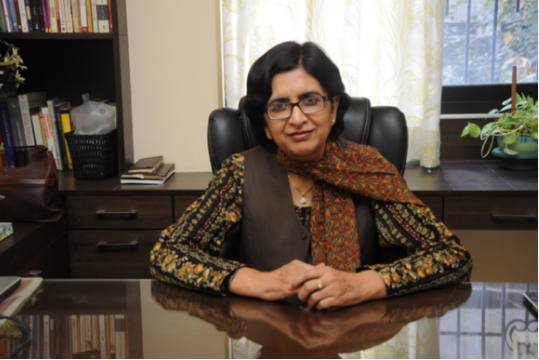
Rotary International award: In a significant global acknowledgment, Rotary International has selected the ‘Wellness in a Box’ initiative, spearheaded by Rita Aggarwal, a renowned psychologist in the city. This remarkable project, affiliated with Rotary Club District 3030, has been chosen for the prestigious ‘Rotary People of Action: Champions of Impact’ award. Aggarwal stands among the six distinguished Rotarians globally, celebrated for their transformative initiatives addressing societal challenges.

Pioneering Mental Health Advocacy

Rita Aggarwal’s dedication to addressing stress and mental health issues among school children has earned her a spot in the global limelight. Simultaneously, her initiative for mental health literacy in India has been unanimously recognized for the international award. The award ceremony is scheduled to take place during the Rotary International convention in Singapore this May, as disclosed by Aggarwal in a conversation with ‘The Hitavada.’

Wellness in a Box: Transforming Lives Since 1992

Rita Aggarwal, serving as the Project Chair for ‘Wellness in a Box,’ has devoted herself to the mental health needs of young students since 1992. The initiative has provided crucial support to students displaying signs of anxiety, depression, and other psychological challenges. This Rotary-backed program has played a pivotal role in helping them effectively navigate their struggles.

The Mental Health Initiatives Rotary Action Group

Wellness in a Box’ operates under The Mental Health Initiatives Rotary Action Group, introducing curriculums designed for 14-year-olds to enhance awareness of depression. Simultaneously, the program addresses the stigma surrounding mental health, still prevalent in Indian society. Teachers receive counseling skills training, and fieldwork facilitation sites have been established to broaden the impact.

Changing Mindsets and Breaking Stigmas

The primary goal of the ‘Wellness in a Box’ project is to revolutionize existing mindsets by creating awareness and developing a curriculum for training students, parents, and teachers. The aim is to counteract the stigma enveloping mental health. To date, over 2,200 students and 2,000 parents and faculty members have undergone the ‘Break Free from Depression’ curriculum, contributing to a significant positive change.

Acknowledging Team Effort and Strengthening Initiatives

Aggarwal attributes the success of the program to her entire team, emphasizing that the award announcement will further fortify the ‘Wellness in Box’ initiative at the grassroots level. Gordon R McInally, Rotary International President, commended the six globally recognized Rotarians for their unique initiatives, impacting lives at various levels.

Investing in Mental Health and a Prosperous Future

Rotary International, committed to delivering impactful and lasting solutions to pressing humanitarian challenges, recognizes volunteers addressing mental health issues and supporting indigenous youth economic opportunities. In India, where nearly 50 million children suffer from mental disorders, initiatives like ‘Wellness in a Box’ play a vital role in creating positive change.

Conclusion: A Commitment to a Better Future

As Rotary International continues its commitment, exceeding a one-year horizon, the recognition of Aggarwal’s ‘Wellness in a Box’ highlights the organization’s values ingrained in promoting mental health and environmental initiatives. This investment upholds human rights and promises a more equitable and prosperous future.

FAQs

  1. Q: How many projects were shortlisted for the ‘Rotary People of Action: Champions of Impact’ award?
    • A: Six projects, including ‘Wellness in a Box,’ were shortlisted globally.
  2. Q: What is the primary objective of the ‘Wellness in a Box’ initiative?
  3. Q: How many students and parents have benefited from the ‘Break Free from Depression’ curriculum?
    • A: Over 2,200 students and 2,000 parents and faculty members have been positively impacted.
  4. Q: When and where will the Rotary International convention take place?
    • A: The convention is scheduled for May in Singapore, as announced by Rita Aggarwal.
  5. Q: What is the focus of Rotary International’s recognition for volunteers in India?
    • A: The recognition is for volunteers addressing mental health issues and assisting indigenous young people in increasing their economic opportunities.

India’s First Bullet Train: A Leap Towards Futuristic Transportation

Mumbai-Ahmedabad Bullet Train:  India, a country synonymous with rich history and diverse cultures, is set to embark on a revolutionary journey in modern transportation. Brace yourselves, as the inaugural run of India’s first bullet train is anticipated to kick off between June and July 2026 in the vibrant state of Gujarat. This monumental step forward is fueled by India’s agreement to acquire the initial batch of six Shinkansen (bullet) trains from Japan, solidifying a historic deal set to be finalized by the end of this month.

A Vision Unfolding: The National High-Speed Rail Corporation Limited (NHSRCL)

In alignment with this ambitious undertaking, the National High-Speed Rail Corporation Limited (NHSRCL) is gearing up to open bidding for all contracts related to the project, including the procurement of trains and the implementation of the operating system. The deadline for these pivotal bids is set for August 15 of this year, marking a significant milestone in India’s high-speed rail journey.

Connecting Dreams: Mumbai to Ahmedabad

The heart of this groundbreaking initiative lies in connecting two major cities – Mumbai in Maharashtra and Ahmedabad in Gujarat. The construction wheels are already in motion, propelling the project towards its grand realization. As of January 2024, the overall physical progress stands at an impressive 40%, with Gujarat leading the charge at 48.3%, overshadowing Maharashtra’s 22.5%.

Fast-Tracking the Future: Mumbai-Ahmedabad Bullet Train Corridor

Stretching across 508 kilometers, the Mumbai-Ahmedabad bullet train corridor promises to redefine travel. The services offered will cater to both limited-stop and all-stop preferences. Opting for limited-stop services will whisk travelers from Mumbai to Ahmedabad in a mere two hours, while their all-stop counterparts will enjoy a scenic journey with an additional forty-five minutes on the clock.

Engineering Marvels: Progress on the Ground

Over the past year, remarkable strides have been made in the construction phase. More than 100 kilometers of the viaduct, the elevated stretch of the corridor, has been successfully completed. Additionally, six river bridges have been erected, showcasing the commitment to overcoming geographical challenges. In Gujarat alone, the corridor boasts 20 bridges, with an impressive seven already standing tall.

Paving the Way for Progress

As we witness the rapid transformation of the Indian landscape, the introduction of the country’s first bullet train signifies not just a mode of transportation but a symbol of progress. The Mumbai-Ahmedabad corridor, weaving through the heart of India, is an engineering marvel that promises efficiency, connectivity, and a glimpse into the future of high-speed travel.

Frequently Asked Questions (FAQs)

  1. When will India’s first bullet train begin operations?
    • The anticipated launch is expected between June and July 2026.
  2. What is the current progress of the project?
    • As of January 2024, the overall progress stands at around 40%, with Gujarat leading at 48.3%.
  3. How long is the Mumbai-Ahmedabad bullet train corridor?
    • The corridor spans an impressive 508 kilometers.
  4. What is the difference between limited-stop and all-stop services?
    • Limited-stop services complete the journey in two hours, while all-stop services take an additional forty-five minutes.
  5. How many river bridges have been built along the route?
    • Over the past year, six river bridges have been successfully constructed, enhancing the corridor’s infrastructure.

Facebook, Instagram, and Messenger Outage: Unraveling the Meta Meltdown

Global Instagram Outage: In a digital landscape where social media reigns supreme, the recent outage of Facebook, Instagram, and Messenger sent shockwaves across the virtual realm. Thousands found themselves caught in a web of frustration as these platforms, integral to our online lives, succumbed to what seems to be a colossal failure within Meta, their parent company.

The Digital Disarray

Users worldwide experienced an abrupt disruption, rendering them incapable of accessing the apps or websites. Facebook users faced an additional inconvenience as they discovered themselves forcibly logged out, grappling with an inability to log back in. Simultaneously, Instagram (Global Instagram Outage) flat-out refused to function, exacerbating the bewilderment.

Concerns and Conundrums

The sudden logout prompted widespread panic, with users fearing their accounts had fallen victim to hackers. On platforms like Twitter, trending phrases echoed the collective apprehension. However, reassuringly, the error messages were not indicative of a cyber attack. Instead, they traced back to glitches within Facebook’s login system.

Meta’s Muted Response

In the midst of the chaos, Meta’s silence added fuel to the fire. Lacking official status pages for consumer products, Meta offered no updates on its official accounts, leaving users to navigate the outage with uncertainty.

Global Glitches Unveiled

The extent of the disruption became evident through the Down Detector website, exposing widespread outages not only in the United States but across the globe. Thursday marked a day when users on every continent grappled with the unavailability of Instagram, Facebook, and Messenger.

A Business as Usual for Meta’s Business Products

Surprisingly, Meta’s status page for business products, encompassing advertising on Facebook and Instagram, conveyed a different story. It suggested that, at least on the business front, all systems were operational, leaving users to wonder about the stark contrast.

WhatsApp: An Island of Stability

As a subsidiary of Meta, WhatsApp stood resilient amid the chaos, seemingly unaffected by the widespread disruptions that plagued its sibling platforms.

{finish}

Conclusion: Navigating the Meta Storm

In the aftermath of this digital tempest, users are left pondering the reliability of the platforms that weave seamlessly into their daily lives. The outage not only exposed the vulnerabilities of these giants but also emphasized the intricate web of dependencies in our interconnected online world.

FAQs

  1. What caused the outage?
    • The outage was attributed to glitches within Facebook’s login system, not a cyber attack.
  2. Did Meta address the issue promptly?
    • Meta’s response was notably delayed, leaving users in the dark during the outage.
  3. Were other Meta-owned platforms affected?
    • WhatsApp, another Meta subsidiary, remained unaffected by the outage.
  4. How widespread was the disruption?
    • The outage spanned globally, affecting users on a vast scale.
  5. Is there a guarantee against future outages?
    • The incident raises questions about the platforms’ robustness, prompting users to consider the possibility of future disruptions
Exit mobile version