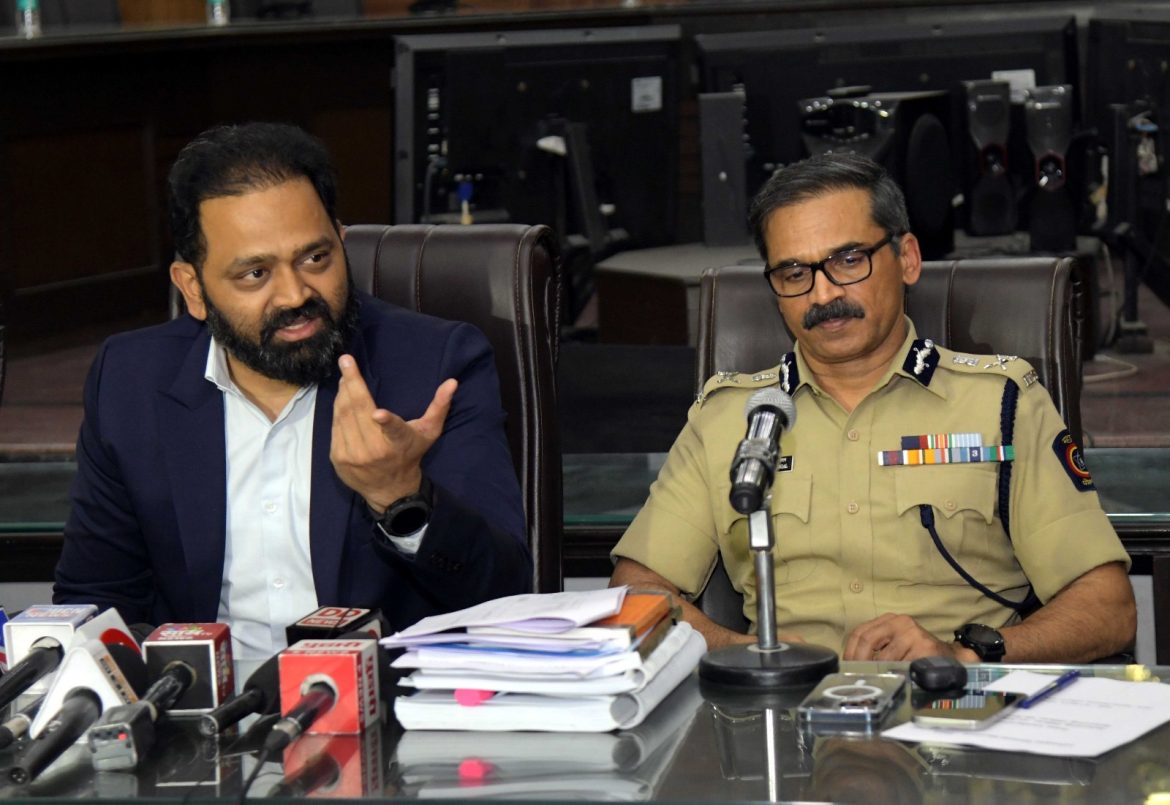
Exploring the Heartwarming Gesture of Nagpur Police Commissioner Dr. Ravindra Singal During Holi

In a world where news often revolves around crime and chaos, it’s refreshing to come across stories that restore our faith in humanity. One such heartwarming tale comes from Nagpur, where Police Commissioner Dr. Ravindra Singal made headlines for his compassionate act during the festival of Holi.

A Day of Joy and Celebration

Holi, known as the festival of colors, is celebrated with great enthusiasm across India. It’s a time when people come together to spread joy, happiness, and love. In Nagpur, the streets were alive with vibrant colors as children and adults alike indulged in the festivities.

An Unlikely Participant

Amidst the revelry, Nagpur Police Commissioner Dr. Ravindra Singal decided to join in on the fun. Rather than staying confined to his office, Dr. Singal took to the streets to partake in the Holi celebrations. His presence added an extra layer of joy to the festivities, demonstrating a connection between law enforcement and the community they serve.

Spreading Smiles and Sweetness

Not only did Dr. Singal participate in playing Holi with the children, but he also went a step further by distributing sweets. His gesture of kindness was met with smiles and gratitude from the youngsters, who were thrilled to interact with a figure of authority in such a jovial setting.

Building Trust and Relationships

Dr. Singal’s decision to join the Holi celebrations wasn’t just about having fun; it was about building trust and fostering positive relationships with the community. By actively engaging with the public during a festive occasion, he showed that the police force is approachable and cares about the well-being of the citizens.

Embracing Diversity and Inclusivity

Holi is a festival that transcends barriers of age, gender, and social status. Dr. Ravindra Singal participation exemplified the spirit of inclusivity, sending a powerful message of unity and harmony. In a society often divided by differences, his actions served as a reminder of the importance of coming together as one community.

In conclusion, Nagpur Police Commissioner Dr. Ravindra Singal participation in Holi celebrations exemplifies the true essence of community policing. His willingness to connect with the people on a personal level demonstrates a commitment to serving with compassion and empathy. In a world where trust in law enforcement is crucial, gestures like these go a long way in bridging the gap between the police and the public.

FAQs

1. Was Dr. Singal’s participation in Holi a one-time event?

  • No, Dr. Singal has been known to actively engage with the community on various occasions, including festivals like Holi.

2. Did Dr. Singal’s gesture receive any recognition?

  • Yes, his heartwarming act garnered praise from both local residents and social media users, highlighting the positive impact of his actions.

3. How can other law enforcement agencies learn from Dr. Singal’s example?

  • By prioritizing community engagement and demonstrating a genuine interest in the well-being of the public, other police departments can emulate Dr. Singal’s approach to fostering trust and building relationships.

4. What message does Dr. Singal’s participation in Holi send to the community?

  • It sends a message of inclusivity, unity, and approachability, reinforcing the idea that law enforcement is here to serve and protect all members of society.

5. How can citizens contribute to strengthening the relationship with law enforcement?

  • Citizens can actively participate in community events, engage in constructive dialogue with law enforcement officials, and work together to address issues affecting the community.

Navigating Section 144 and Holi Celebrations in Nagpur: A Comprehensive Guide

Nagpur Section 144 | Holi: In Nagpur city, Deputy Police Commissioner Ashwati Dorje has taken decisive action to ensure the safety and harmony of its residents amidst the vibrant celebrations of Holi. With the implementation of Section 144 until March 31st, coupled with the observance of the election code of conduct, it’s essential for citizens to understand the implications and guidelines set forth by the authorities.

Understanding Section 144: Ensuring Public Safety

What is Section 144?

Section 144 of the Criminal Procedure Code (CrPC) empowers the local administration to issue orders in urgent cases of nuisance or apprehended danger. It prohibits the assembly of four or more people in an area.

Implications of Section 144 in Nagpur

Deputy Police Commissioner Ashwati Dorje has issued orders to implement Section 144 in Nagpur city. This measure aims to maintain public order and safety during the Holi festival celebrations and the ongoing election code of conduct.

Navigating Holi Celebrations: Section 144 Guidelines Nagpur

Dates of Imposition

Section 144 has been imposed in Nagpur on specific dates: March 24th for Holika Dahan, March 25th for Dhulandi,and will remain in force until March 31st at midnight. These restrictions aim to mitigate potential disturbances during these festive occasions.

Cautionary Measures During Holika Dahan

Residents are urged to exercise caution, especially in residential areas, during Holika Dahan. Additionally, there is a strict prohibition on burning Holi near railway tracks to prevent accidents and ensure public safety.

Penalties for Violations

Severe penalties await those who violate the guidelines set forth during this period. Throwing colors or water-filled balloons, posting contentious materials in public areas, shouting slogans, and playing loud music beyond permissible levels are strictly prohibited.

Appeal for Cooperation

Joint CP Dorje has appealed to citizens for their cooperation in adhering to these regulations. Any use of religion or religious symbols during this period will be met with strict legal action to maintain the sanctity of public spaces and religious places.

Harmonizing Celebration and Safety

the enforcement of Section 144 in Nagpur city during the Holi festival and election code of conduct underscores the authorities’ commitment to public safety. By understanding and complying with the guidelines, residents can ensure a harmonious celebration while prioritizing the well-being of all citizens.

FAQs (Frequently Asked Questions)

1. Can I organize Holi celebrations at my residence during the enforced Section 144?

  • No, it is advised to refrain from large gatherings and celebrations at residential areas during the specified dates to avoid potential violations of Section 144.

2. Are there any exceptions to the restrictions imposed during Holi celebrations?

  • No, all residents are expected to adhere strictly to the guidelines set forth by the authorities to maintain public order and safety.

3. What should I do if I witness a violation of Section 144 or the Holi guidelines?

4. Will there be any relaxation of the imposed restrictions for religious ceremonies during Holi?

  • No, strict adherence to the guidelines, including the prohibition of certain activities near religious places, will be enforced to uphold the sanctity of religious ceremonies.

5. How can I contribute to ensuring a safe and enjoyable Holi celebration in Nagpur?

  • By cooperating with the authorities, following the prescribed guidelines, and promoting responsible behavior among peers and community members, you can contribute to a safe and joyous Holi celebration in Nagpur.

Nagpur Cyber Crime: Two Fraudsters Apprehended with Massive Cache of SIM Cards and Mobile Phones

The Cyber Crime Conundrum

Nagpur cyber crime | Nagpur Police: In a recent crackdown by the Nagpur cyber police, a significant breakthrough was achieved with the arrest of two individuals from Uttar Pradesh. The apprehension unveiled a sophisticated network of online fraudsters, shedding light on the intricate web of cybercrime plaguing the digital landscape.

The Bust: Unveiling the Scale of Deception

The perpetrators were found in possession of a staggering 2,626 SIM cards and 40 mobile phones, believed to be instrumental in their illicit activities. Originating from the Hardoi district in UP, these individuals operated with impunity, exploiting unsuspecting victims across geographical boundaries.

The Victim’s Plight: A Tale of Financial Loss

One such victim, a resident of Nagpur in Maharashtra, fell prey to the fraudulent schemes orchestrated by the accused. In December last year, this unfortunate individual suffered a financial loss amounting to Rs 11.40 lakh, underscoring the devastating impact of cybercrime on innocent lives.

Investigative Pursuit: Unraveling the Trail of Deceit

Prompted by the victim’s grievance, the Katol police launched a thorough investigation, registering a case under pertinent sections of the Indian Penal Code and the Information Technology Act. This concerted effort exemplifies the resolve of law enforcement agencies to combat the pervasive threat of cyber fraud.

Implications and Ramifications: Safeguarding Against Cyber Threats

The apprehension of these fraudsters serves as a poignant reminder of the ever-present dangers lurking in the digital realm. It underscores the imperative for heightened vigilance and proactive measures to fortify cybersecurity frameworks, both at the individual and institutional levels.

Navigating the Digital Terrain

In conclusion, the arrest of the two individuals and the subsequent seizure of a substantial cache of SIM cards and mobile phones signify a significant victory in the ongoing battle against cybercrime. However, it also underscores the need for sustained efforts and collaborative initiatives to thwart the nefarious designs of cybercriminals.

FAQs (Frequently Asked Questions)

  1. How prevalent is cybercrime in Nagpur and its surrounding regions? Cybercrime is a pervasive threat not limited to specific geographical boundaries. While Nagpur has witnessed several instances of cyber fraud, the issue transcends regional confines, necessitating a concerted response from law enforcement agencies.
  2. What steps can individuals take to protect themselves from online fraud? Vigilance is paramount. Individuals should exercise caution while sharing personal information online, avoid clicking on suspicious links, and regularly update their cybersecurity measures.
  3. Are there any specific laws in place to address cybercrime in India? Yes, the Information Technology Act, 2000, along with relevant sections of the Indian Penal Code, constitute the legal framework to combat cyber offenses and prosecute perpetrators.
  4. How does the proliferation of mobile phones contribute to the rise in cybercrime? Mobile phones serve as potent tools for communication and access to the internet, making them susceptible targets for cybercriminals to orchestrate fraudulent activities.
  5. What role do cybersecurity experts play in mitigating cyber threats? Cybersecurity experts play a pivotal role in devising robust defense mechanisms, conducting threat assessments, and educating the public about cybersecurity best practices.

Drive On Wrong Side, You Could Land In Prison

Nagpur Traffic rules: In Nagpur, a significant shift in traffic enforcement has taken place, marking a pivotal moment in road safety measures. Nagpur, being the first city in Maharashtra, has adopted a stringent approach by filing FIRs against individuals driving on the wrong side instead of merely issuing fines. This approach, initiated between March 4 and 19 with 265 FIRs filed, aims to create a more effective deterrent, compelling violators to face legal proceedings for their actions.

A Judicial Push for Stringent Enforcement

The decision to escalate enforcement measures comes as a response to a pointed observation by the Nagpur bench of the Bombay High Court division bench. Justices Nitin Sambre and Abhay Mantri emphasized that solely issuing challans or fines would not suffice in strictly enforcing traffic rules. Consequently, the Commissioner of Police, Ravinder Singal, shared that this year’s road fatalities, totaling 76 thus far, reflect a decrease compared to the previous year. Singal attributes this decline partly to the focused crackdown on violations like wrong-side driving.

Nagpur Traffic rules: Transition from Challans to FIRs

Traditionally, e-challans were the norm for penalizing traffic violations. However, due to the rampant prevalence of wrong-side driving, authorities opted for a more rigorous approach by resorting to FIRs. Deputy Commissioner of Police (Traffic) Shashikant Satao emphasized the commitment to maintaining strictness in dealing with violators who endanger both their lives and others’. Nagpur stands out as the pioneer in Maharashtra for implementing FIRs against wrong-way driving, setting a precedent for other cities to follow suit.

Escalating Violations and Enforcement Measures

The surge in wrong-side driving incidents is evident from the escalating number of challans issued over the years. From 3,957 in 2022, the figure rose to 6,554 in 2023. Despite these enforcement efforts, a considerable number of violators manage to evade detection by traffic authorities or CCTV cameras. During a city tour, it became apparent that many motorists flout one-way rules, often citing time and fuel efficiency as reasons for their actions.

Geographic Distribution of Enforcement Actions

Assistant Commissioner of Police (Traffic) Jayesh Bhandarkar shed light on the geographic distribution of enforcement actions. The majority of FIRs within the last 16 days concentrated in the Lakadganj zone, with 73 drivers facing action, followed by Sonegaon with 30 cases. Additionally, 13 FIRs each were registered in Ajni and Sakkardara traffic zones, indicating a widespread issue demanding stringent enforcement.

Community Concerns and Consequences

Residents, such as P. Vijay from Sakkardara, express concerns about the prevalence of wrong-side driving, particularly in busy squares like Sakkardara. The absence of deterrents, such as police presence, often results in minor accidents, endangering the safety of both motorists and pedestrians.

Nagpur’s proactive approach in combating wrong-side driving serves as a model for enhancing road safety across cities. By prioritizing FIRs over fines, authorities aim to instill a greater sense of accountability among motorists, ultimately reducing accidents and fatalities on the roads.

FAQs

  1. Can wrong-side driving lead to criminal charges? Yes, in Nagpur, driving on the wrong side can result in FIRs, potentially leading to legal consequences.
  2. How can motorists contribute to road safety? Motorists can adhere to traffic regulations, including one-way rules, and prioritize safety over convenience.
  3. Are there alternative routes provided to avoid long U-turns? Municipal authorities often design road networks to facilitate smooth traffic flow, minimizing the need for risky maneuvers like wrong-side driving.
  4. What measures are in place to improve enforcement efficiency? Technology, such as CCTV surveillance and automated detection systems, complements traditional policing methods, enhancing enforcement efficiency.
  5. How can residents contribute to promoting road safety awareness? Residents can engage in community initiatives, such as awareness campaigns and neighborhood watch programs, to foster a culture of responsible driving and road safety.

Gadkari’s Vision for North Nagpur: A Tale of Development and Progress

Unveiling Nitin Gadkari’s Agenda

Nagpur | Nitin Gadkari: In a recent address to party members in North Nagpur, Union Minister Nitin Gadkari reaffirmed the Bharatiya Janata Party’s unwavering commitment to national development. He emphasized the party’s stance against discrimination based on caste or religion, echoing the ideology of Antyodaya, which ensures that the benefits of development reach every segment of society.

North Nagpur’s Journey Towards Progress

Gadkari highlighted the significant strides made in the development of North Nagpur over the past decade. He emphasized the initiation of crucial projects aimed at enhancing connectivity with East and Central Nagpur, including the construction of underpasses and flyovers. Moreover, plans to address environmental concerns such as pollution abatement in Pili Nadi demonstrate a comprehensive approach to sustainable development.

Transformative Initiatives on the Horizon

Looking ahead, Gadkari envisioned North Nagpur emerging as one of the most developed parts of the city. He underscored the transformative potential of ongoing projects, asserting that they would significantly improve the quality of life for residents.

Upholding Constitutional Values

Gadkari addressed allegations leveled by opposition parties regarding the BJP’s intentions to amend the constitution. He countered these claims by highlighting historical facts, noting that the majority of amendments were enacted during Congress rule. Moreover, he denounced divisive politics and reiterated the BJP’s commitment to inclusive governance.

Empowering Communities

Acknowledging the importance of grassroots efforts, Gadkari praised the dedication of party workers in North Nagpur. He emphasized that their hard work would be instrumental in securing a bright future for the region.

Addressing Challenges Head-on

Gadkari acknowledged the challenges facing Nagpur, particularly the prevalence of sickle cell disease and thalassemia among its residents. He pledged to provide free treatment to affected individuals and outlined plans to eradicate these health issues, demonstrating a proactive approach to community welfare.

A Testament to Progress

In conclusion, Nitin Gadkari’s vision for North Nagpur reflects a holistic approach to development, encompassing infrastructure enhancement, environmental sustainability, and social welfare. Through concerted efforts and unwavering dedication, North Nagpur is poised to emerge as a beacon of progress and prosperity in the region.

FAQs

  1. What are some key development initiatives in North Nagpur?
    • Key initiatives include infrastructure projects like underpasses, flyovers, and pollution abatement programs in Pili Nadi.
  2. How does Gadkari address allegations against the BJP?
    • Gadkari refutes claims by providing historical context and emphasizing the party’s commitment to inclusive governance.
  3. What measures are being taken to address health challenges in North Nagpur?
    • Gadkari pledges free treatment for sickle cell disease and thalassemia, aiming to make North Nagpur disease-free.
  4. How is community empowerment addressed in Gadkari’s speech?
    • Gadkari acknowledges the role of party workers in driving local development efforts and ensuring a better future for North Nagpur.
  5. What is the overarching theme of Gadkari’s address?
    • Gadkari’s speech underscores the BJP’s commitment to holistic development, inclusive governance, and community welfare.

Traffic Police Crack Down on Wrong Side Driving: Stricter Consequences and 240 Offenses Registered

Nagpur: Riders and drivers beware while plying on the wrong side of city roads. If you believe that traffic police only issue challans and fines for the violation, you are mistaken. Instead, they will take you to the concerned police station and register an offense under the relevant sections of the Indian Penal Code (IPC). This could lead to frequent court appearances and your name being recorded in the Crime and Criminal Tracking Network and Systems (CCTNS) database. In response to a troubling increase in fatalities on roads caused by wrong side driving, the city’s traffic police have adopted a stricter approach. Instead of just issuing challans, they are now registering offenses against the violators.

A Stricter Approach for Safer Roads

This revised strategy has resulted in a significant decrease in fatal accidents within the city limits. Deputy Commissioner of Police (Traffic) Shashikant Satav, while talking to ‘The Hitavada,’ revealed the gravity of the situation. “In January and February, there were 66 fatal accidents reported in the city which claimed 73 lives. Analysis of these incidents indicated that a significant portion of fatalities were attributed to wrong side driving,” said Satav. The initiative for this change in approach stemmed from a detailed meeting convened by the Commissioner of Police, Dr. Ravinder Singal. Addressing the pressing issue, CP Dr. Singal directed the implementation of registration of offenses under Sections 279 and 336 of the IPC against the violators.

The penalty prescribed under Section 279 of the IPC includes imprisonment for up to six months, a fine of Rs 1,000, or both. Similarly, Section 336 of the IPC imposes punishment on the offender which may consist of imprisonment for a term extending up to three months, a fine not exceeding Rs 250, or both. Another traffic police official said, “The mere issuance of challans was not proving to be a sufficient deterrent. By registering offenses, the drivers will face more severe consequences, affecting their career prospects and legal status.”

Enforcement and Impact

Since the enforcement of the new measure, the traffic police (Nagpur) have recorded 240 cases under Sections 279 and 336 of the Indian Penal Code across various police stations. Upon catching wrong side drivers, they are escorted to the police station for verification of necessary documents, including Aadhar card and address proof. Soon after, based on this evidence and the offense committed, FIRs are lodged against the offenders at the concerned police station. The stance of the police has yielded results, with fatal accidents reducing to seven within the last 15 days. DCP Satav (Nagpur) affirmed that this intensified approach would be sustained to ensure continued safety on the roads. The registration of offenses against wrong side drivers not only acts as a deterrent but also helps in promoting responsible driving habits on the city’s streets.

The crackdown on wrong side driving by the traffic police reflects a commitment to road safety and law enforcement. Through stricter consequences and registering offenses, they aim to curb fatalities and promote responsible driving habits among citizens.

FAQs

1. What constitutes wrong side driving? Wrong side driving refers to the act of driving on the side of the road designated for oncoming traffic.

2. How can wrong side driving affect road safety? Wrong side driving increases the risk of head-on collisions, leading to severe injuries and fatalities.

3. What should drivers do to avoid wrong side driving violations? Drivers should always adhere to traffic laws, including staying on the correct side of the road and following designated lanes.

4. Are there alternative penalties for flip-flop driving besides fines and imprisonment? In addition to fines and imprisonment, flip-flop drivers may face license suspension or vehicle impoundment.

5. How can communities contribute to reducing wrong-side driving incidents in Nagpur? Communities can raise awareness about the dangers of flip-flop driving through education campaigns and promoting responsible driving behaviors.

Ensuring 75% Voter Turnout: A Mission for Nagpur and Ramtek

Mission Distinction: Aiming for 75% Voting in Nagpur and Ramtek Lok Sabha Seats

Mission Distinction: In a bid to bolster democratic participation, Collector Vipin Itankar has announced an ambitious mission to achieve a 75% voter turnout in the Nagpur and Ramtek Lok Sabha seats (Speaking at a press conference alongside police commissioner Ravindra Singhal). Scheduled for April 19, the Lok Sabha polls in these constituencies are poised to mark a significant moment in the electoral landscape.

The Drive for Increased Participation

Under the banner of “Mission Distinction,” this endeavor seeks to galvanize the electorate, emphasizing the pivotal role each citizen plays in shaping the democratic process. Speaking at a press conference alongside police commissioner Ravindra Singhal and other dignitaries, Collector Itankar articulated the significance of this initiative.

Understanding the Electoral Landscape

Delving into the numbers, it’s evident that both Nagpur and Ramtek boast substantial voter bases. The Nagpur Lok Sabha seat alone accounts for 22,18,259 voters, comprising a diverse demographic landscape of males, females, and transgender individuals. Similarly, the Ramtek Lok Sabha seat presents a formidable electorate, with over two million voters registered.

Logistics and Infrastructure

To accommodate such a vast electorate, meticulous planning is underway. Nagpur district is slated to host 4,510 polling stations, strategically distributed between the two Lok Sabha seats. With 2,105 polling stations earmarked for Nagpur and 2,405 for Ramtek, efforts are being made to ensure accessibility and efficiency in the voting process.

The aspiration to attain a 75% voter turnout underscores the collective endeavor towards fostering a robust and inclusive democracy. By rallying behind Mission Distinction, citizens can actively contribute to the democratic fabric of the nation, thereby shaping its future.

FAQs:

1. Why is achieving a high voter turnout important?

  • A high voter turnout ensures that the elected representatives truly reflect the will of the people, leading to a more legitimate and representative government.

2. What measures are being taken to encourage voter participation?

  • Various awareness campaigns, voter education initiatives, and logistical arrangements are being made to facilitate and encourage voter turnout.

3. What role do local authorities play in ensuring smooth elections?

  • Local authorities (Collector Vipin Itankar) are instrumental in organizing and overseeing the electoral process, ensuring fairness, transparency, and efficiency.

4. How can individuals contribute to increasing voter turnout?

  • Individuals can contribute by exercising their right to vote and by encouraging others to do the same. Additionally, volunteering for voter awareness campaigns can make a significant impact.

5. What are the consequences of low voter turnout?

  • Low voter turnout can lead to skewed representation, where the voices of certain demographics are disproportionately heard, undermining the principles of democracy.

Veggie & Meat Market to Sprout in South West Nagpur

A New Venture for South West Nagpur’s Culinary Scene

Market development In South West Nagpur: In a stride towards enhancing local commerce and meeting the demands of residents, the Nagpur Municipal Corporation (NMC) has embarked on an ambitious project to establish a combined vegetable and mutton market in the south-western region of Nagpur. Spanning across a land parcel of 15,563.709 square meters on Orange City Street, this endeavor is poised to invigorate the economic landscape of the area.

Project Overview (Market development In South West Nagpur)

The project entails the construction of a ground plus two-storey market with an estimated budget of ₹193 crore. Embracing the principles of public-private partnership (PPP), the NMC seeks substantial financial assistance from the Maharashtra government, with a request amounting to ₹128.51 crore for the development of the market in the Laxmi Nagar zone.

Addressing Historical Encroachments

Over the years, the absence of an authorized NMC market led to the unauthorized occupation of a significant portion of Orange City Street by vegetable vendors and mutton/chicken sellers. However, recent anti-encroachment initiatives by the NMC have mitigated this issue, paving the way for the proposed market development.

Current Scenario and Future Prospects

Presently, vegetable vendors operate stalls in two weekly markets held on Saturdays and Sundays, originating from Jaiprakash Nagar Metro station and Jaitala, respectively. The decision to establish the new market arises from the necessity to provide a regulated and conducive environment for both vendors and consumers.

Public-Private Partnership Model

The NMC’s collaboration with private developers underscores its commitment to efficient market management and maintenance. With the private partner’s investment of ₹60 crore towards construction, coupled with the opportunity to retail certain shops, the market’s sustainability is envisioned.

Ensuring Sustainable Maintenance

Recognizing the challenges faced by existing civic body-owned markets due to financial constraints, the NMC prioritizes the implementation of a PPP model for this venture. By delegating maintenance responsibilities to the private sector, the market’s upkeep is poised to be robust and consistent.

Structural Layout and Facilities

The market’s design incorporates pragmatic features, including a basement designated for four-wheeler parking and ground floor space for accommodating 1,000 two-wheelers. Furthermore, provisions are made for developing shops on the ground floor, alongside designated areas for 270 vegetable vendors and 78 mutton and chicken sellers on the first and second floors.

The forthcoming establishment of the vegetable and mutton market in south-west Nagpur heralds a new era of commercial vitality and community engagement. Through strategic partnerships and meticulous planning, the NMC aims to create a sustainable marketplace that caters to the diverse needs of residents while bolstering economic growth.

FAQs (Frequently Asked Questions)

  1. Will the market feature organic produce?
    • Yes, efforts will be made to include organic produce vendors within the market to cater to the growing demand for healthy alternatives.
  2. What measures are in place to ensure vendor hygiene and food safety?
    • The NMC will implement stringent regulations and conduct regular inspections to uphold hygiene and food safety standards among vendors.
  3. Will the market operate on all days of the week?
    • The market is expected to operate daily, providing continuous access to fresh produce and meat products.
  4. Are there plans for additional amenities within the market premises?
    • Yes, amenities such as restrooms, seating areas, and waste disposal facilities will be incorporated into the market design.
  5. How will the market contribute to local employment opportunities?
    • The establishment of the market is anticipated to generate employment opportunities both directly, through vendor positions, and indirectly, through associated services and businesses.

Nagpur’s Shared Auto Rickshaw Service: A Convenient Commuting Solution

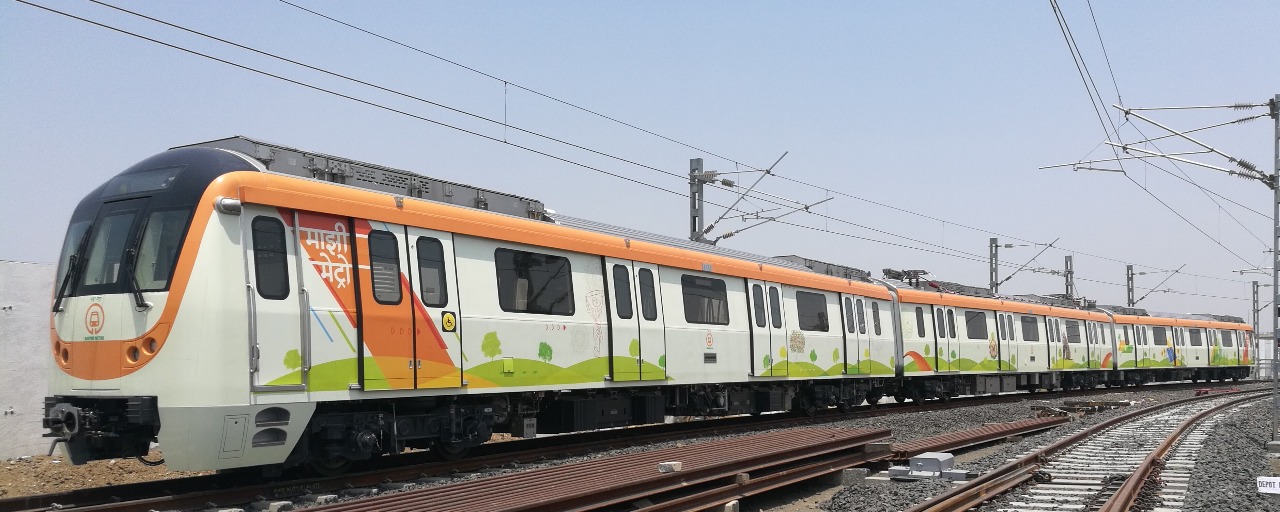
Maha Metro initiatives: In a bid to enhance the commuting experience for residents of Nagpur, Maha Metro has introduced a shared auto-rickshaw service from 20 metro stations across the city. This initiative aims to provide commuters with a convenient and accessible mode of transportation, further bridging the gap between metro stations and their final destinations.

Expanding Accessibility with Shared Auto Rickshaws

The shared auto rickshaw service has been gradually rolled out across various metro stations in Nagpur, with the latest addition being from the remaining stations on Reach-IV, spanning from Sitabuldi Interchange to Prajapati Nagar. This expansion means that all stations along this section now offer shared auto-rickshaw services, catering to the needs of a wider demographic of commuters.

Inauguration and Expansion Efforts

The initiative was kickstarted with the inauguration of the service at Kasturchand Park Metro Station on 2nd February 2024, led by Shri Shravan Hardikar, MD of Maha Metro. Since then, Maha Metro has been diligently working towards introducing this service at various stations across the city, with a focus on providing a seamless commuting experience for passengers.

Current Service Coverage

Currently, the shared auto rickshaw service is operational at select metro stations, including Chatrapati Nagar, JP Nagar, Ujjwal Nagar, Kasturchand Park, Kadbi Square, Nari Road, Automotive Square, Zanshi Rani Square, Institute of Engineers, Shankar Nagar, Lokmanya Nagar, Cotton Market, Nagpur Railway Station, Dosar Vaisya Bhawan, Agrasen Square, Chitar Oli Square, Telephone Exchange Square, Ambedkar Square, Vaishnodevi Square, and Prajapati Nagar Metro Station.

Future Expansion Plans (Maha Metro initiatives)

While the service is available at 20 metro stations currently, plans are in place to extend it to the remaining 17 stations, including Bansi Nagar, Vasudev Nagar, Rachna Ring Road, Subhash Nagar, Dharampeth College, LAD College, Khapri, New Airport, Airport South, Airport, Ajni Square, Rahate Colony, Congress Nagar, Zero Mile, Gaddigodam, and Sitabuldi Interchange. These efforts aim to ensure comprehensive coverage and accessibility for commuters across Nagpur.

Ensuring Compliance and Safety

To maintain the integrity of the service and ensure the safety of commuters, Maha Metro (Maha Metro initiatives) has emphasized the importance of adherence to traffic rules and regulations by auto rickshaw drivers. Any instances of traffic violations or non-compliance will be met with strict action by the Regional Transport Office (RTO) and Traffic Police, underscoring the commitment to providing a safe and hassle-free commuting experience.

MD Shri Shravan Hardikar’s Vision for Nagpur’s Public Transport

MD Shri Shravan Hardikar envisions a reliable, efficient, and commuter-friendly public transport system for the residents of Nagpur. His unwavering dedication to this cause has been evident through the meticulous planning and execution of initiatives such as the shared auto rickshaw service. By prioritizing affordability, accessibility, and sustainability, he aims to encourage greater adoption of the metro service for daily commuting needs.

The introduction of a shared auto rickshaw service at metro stations in Nagpur marks a significant step towards enhancing the overall commuting experience for residents. With a focus on accessibility, safety, and convenience, Maha Metro’s initiative aligns with the city’s vision for sustainable urban transportation. As efforts continue to expand the service to additional stations, commuters can look forward to a seamless and efficient mode of travel across Nagpur.


FAQs

1. How does the shared auto rickshaw service benefit commuters in Nagpur? The service offers a convenient and accessible mode of transportation from metro stations to various destinations across the city, reducing reliance on private vehicles and easing traffic congestion.

2. Are there any safety measures in place for passengers using the shared auto rickshaw service? Maha Metro has emphasized compliance with traffic rules and regulations by auto rickshaw drivers to ensure the safety and security of passengers. Any violations are met with strict action by authorities.

3. What is the coverage area of the shared auto rickshaw service in Nagpur? Currently, the service is available at 20 metro stations across the city, with plans for expansion to include additional stations in the near future.

4. How can commuters access the shared auto rickshaw service at metro stations? Passengers can easily avail of the service by approaching designated pick-up points at metro stations, where shared auto rickshaws are stationed to cater to their transportation needs.

5. Who oversees the implementation and regulation of the shared auto rickshaw service in Nagpur? Maha Metro, in coordination with local authorities such as the Regional Transport Office (RTO) and Traffic Police, oversees the implementation and regulation of the shared auto rickshaw service to ensure compliance with established norms and standards.

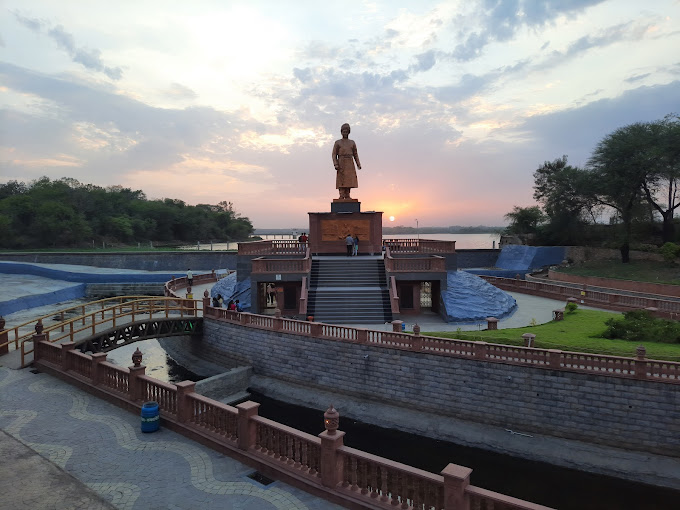
Why the Decision to Allow Vivekananda Smarak at Ambazari Lake?

Nagpur: In recent months, the contentious issue of the proposed Vivekananda Memorial near Ambazari Lake has ignited heated debates and legal confrontations. The Nagpur Bench of the Bombay High Court, headed by Justice Nitin Sambre and Justice Abhay Mantri, has intervened, questioning the rationale behind permitting such construction near this ecologically sensitive area. Let’s delve into the intricacies of this debate and examine the factors at play.

The High Court’s Verdict: Prioritizing Citizen Safety

The High Court’s stance underscores the paramount importance of safeguarding citizens amidst rampant construction activities near vital water bodies like dams and wetlands. Expressing dissatisfaction with the Irrigation Department’s affidavit, the court highlighted discrepancies in dam management and water discharge protocols. Such concerns reflect the need for transparency and accountability in decision-making processes affecting public safety.

Key Points of Contention

One of the central issues revolves around the construction of four water discharge gates at Ambazari, with an estimated release of 75 cubic meters of water. The court’s dismay at leaving the fate of the memorial to a committee post-construction underscores the gravity of the situation. Moreover, questions regarding the legality of constructing a memorial on wetland territory necessitate clarification on relevant laws governing such activities.

Accountability and Transparency

The High Court’s hint at holding accountable officers responsible for controversial decisions signals a shift towards greater accountability in governance. Suggestions of recovering costs from salaries underscore the repercussions of negligence in decision-making processes. Such measures aim to ensure accountability and prevent future lapses in judgment.

In response to citizens’ apprehensions about Ambazari Lake’s safety, the Irrigation Department pledged to complete necessary strengthening works by August 7. However, incidents of waterlogging in nearby settlements during heavy rains in September 2023 raised doubts about the Department’s efficacy. This prompted citizens to file a public interest litigation (PIL), represented by various legal advocates.

Striking a Balance

The debate surrounding the Vivekananda Memorial at Ambazari Lake epitomizes the delicate balance between development and environmental conservation. While honoring Swami Vivekananda’s legacy is commendable, it must not come at the cost of endangering vital ecosystems. The legal scrutiny underscores the need for thorough assessment and adherence to environmental regulations in such endeavors.

Exit mobile version