Tukaram Mundhe Named Secretary of Committee to Overhaul MPSC After 10-Day Aspirant Agitation

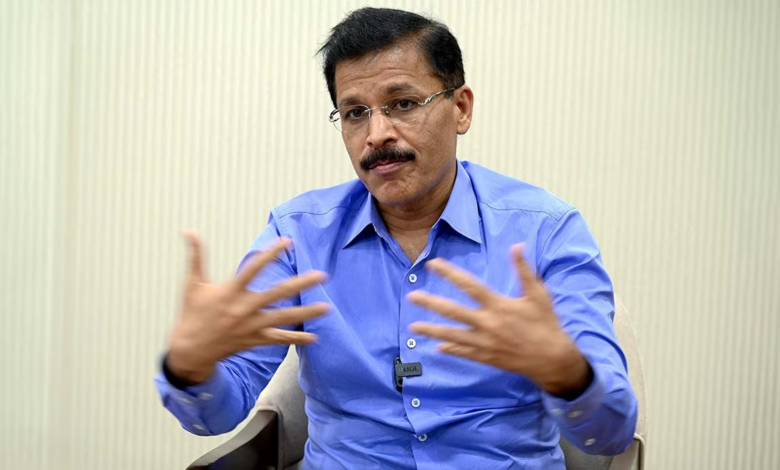

The Maharashtra government has taken decisive action to address the ongoing agitation by civil service aspirants in Pune. On Sunday, October 12, 2026, the state announced the formation of a high-level committee to overhaul the Maharashtra Public Service Commission. The Tukaram Mundhe MPSC overhaul committee 2026 appointment has placed the well-known IAS officer at the centre of what could be the most significant reform of the state’s civil services recruitment body in recent years. Mundhe, currently serving as Maharashtra FDA Commissioner, has been named as the committee’s secretary.
What Is the Committee and Who Are Its Members?
The Maharashtra government has constituted a five-member committee to examine the functioning of MPSC and recommend structural reforms. Former judge Dilip Bhosale has been appointed as the committee’s chairman.
The other members of the committee are IPS officer Laxmi Gautam, former IAS officer Ganesh Patil, and retired judge P D Naik. FDA Commissioner Tukaram Mundhe serves as the secretary of the panel. The announcement was made by state minister Shivendraraje Bhosale after he met the agitating aspirants at SM Joshi Bridge in Pune, where the protest had been running continuously for ten days.
Why Was Tukaram Mundhe Chosen for This Role?
Tukaram Mundhe is one of Maharashtra’s most recognisable IAS officers. He is widely referred to as Singham IAS for his uncompromising approach to enforcement and his zero-tolerance stance on corruption and procedural violations.
Over the course of his career, Mundhe has faced 25 transfers, largely as a consequence of taking on powerful vested interests in every posting he has held. His reputation for strict rule enforcement and institutional accountability makes him a natural choice for a role that demands credibility and fearlessness. Aspirants and opposition leaders have both welcomed his inclusion in the committee, viewing it as a signal that the government is serious about meaningful reform rather than a superficial response to the agitation.

What Demands Were the Aspirants Making?
The agitation at SM Joshi Bridge in Pune had been going on for ten consecutive days before the government announced the committee. Aspirants had put forward several specific demands that they wanted the state to address.
Their key demands included comprehensive reforms in the MPSC recruitment process to eliminate irregularities, withdrawal of cases filed against some agitation representatives, recruitment of 70,000 candidates to various government posts over the next three years, an increase in the number of vacancies in the Group C examination scheduled for January 2027, and mandatory background checks on the MPSC chairman and secretary before their appointments to ensure transparency.
What Did the Government Assure the Protesters?
State minister Shivendraraje Bhosale, who handled the negotiations with the aspirants, gave a set of specific assurances after meeting them at the protest site. He confirmed that the committee would be given the mandate to examine MPSC’s functioning thoroughly.
He also assured the protesters that their other demands, including the withdrawal of cases against agitation representatives and the increase in Group C vacancies, would be addressed by the government. The aspirants called off their agitation following these assurances and the announcement of the committee.
What About the Demand to Remove MPSC Chairman Vivek Bhimnawar?
One of the most prominent demands during the agitation was the removal of MPSC Chairman Vivek Bhimnawar. At the time of the announcement, the Maharashtra government had not explicitly confirmed whether it would act on this particular demand.
The committee’s formation leaves open the possibility that its review process could result in changes to MPSC’s leadership. However, no official decision had been communicated on this specific demand at the time of the announcement.
What Does This Mean for MPSC Reform?
The appointment of a credible, independent-minded officer like Tukaram Mundhe as the committee’s secretary significantly raises the stakes for MPSC reform. Aspirants and observers who have long called for greater transparency in Maharashtra’s civil services recruitment process will be watching the committee’s work closely.
NCP (Sharadchandra Pawar) MLA Rohit Pawar, who stood alongside the agitating aspirants throughout the protest, welcomed Mundhe’s inclusion. He said the committee would need to be given the freedom to work properly for the reform process to be meaningful.
The committee’s recommendations, when submitted, could reshape how Maharashtra recruits for government positions, affecting lakhs of aspirants who appear for MPSC examinations every year.