Silk Farming Boom in Nagpur: Farmers Earning ₹1 Lakh Monthly in Extreme Summer

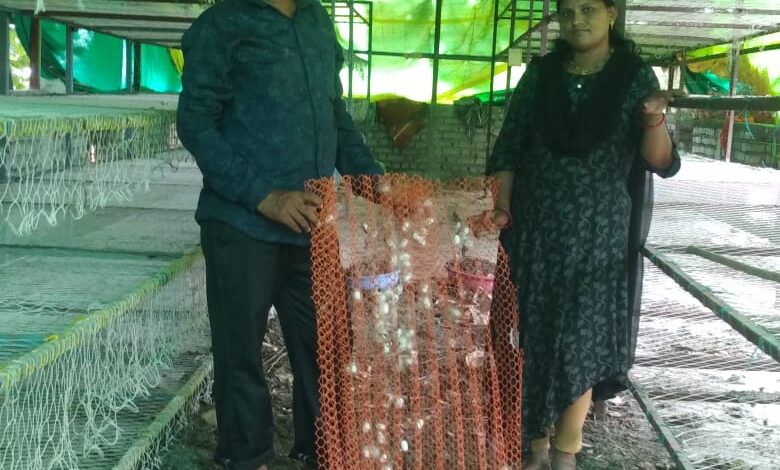

A Silent Agricultural Revolution in Nagpur
Nagpur, widely recognized for its scorching summers and dry climate, is now witnessing a remarkable agricultural transformation. While traditional crops often struggle under extreme temperatures, a growing number of farmers are turning to silk farming (sericulture)—a high-income, sustainable alternative that is rewriting rural economic success stories.
We are observing a powerful shift in farming practices, where innovation meets resilience. Farmers are no longer dependent on uncertain rainfall or fluctuating crop prices. Instead, they are building steady monthly incomes exceeding ₹1 lakh, even during peak summer months.
Why Silk Farming Is Thriving in Nagpur’s Harsh Climate
Adaptability of Mulberry Cultivation
The backbone of silk farming is the mulberry plant, which serves as the primary food source for silkworms. Unlike many traditional crops, mulberry is:
- Highly drought-resistant
- Capable of growing in varied soil conditions
- Able to survive high temperatures up to 40°C+
This makes it perfectly suited for Nagpur’s climate.
Short Production Cycles for Continuous Income
Silk farming offers multiple production cycles per year, typically every 25–30 days. This ensures:

- Regular cash flow
- Reduced dependency on seasonal harvesting
- Faster returns on investment
Step-by-Step Process of Silk Farming
1. Mulberry Cultivation
Farmers begin by cultivating mulberry plants, which require:
- Minimal water compared to other crops
- Organic manure for better leaf quality
- Periodic pruning to boost leaf production
2. Silkworm Rearing
Silkworm eggs are incubated and nurtured in controlled environments. Farmers ensure:
- Proper temperature and humidity
- Clean surroundings to prevent disease
- Continuous feeding with fresh mulberry leaves
3. Cocoon Formation
Within 25–30 days, silkworms form cocoons. These cocoons are:
- Harvested carefully
- Sold directly in markets or to silk processing units
4. Silk Extraction and Sale
The cocoons are processed to extract silk threads, which are in high demand across textile industries.
Income Potential: How Farmers Earn ₹1 Lakh Monthly
High Demand for Silk in India
India is one of the largest consumers of silk. The constant demand from textile industries ensures stable pricing.
Profit Breakdown
A well-managed silk farm can generate:
- ₹60,000 to ₹1,50,000 per month
- Multiple harvest cycles increase annual income significantly
Low Initial Investment, High Returns
Compared to traditional farming:
- Setup costs are moderate
- Government subsidies and training programs reduce financial burden
- Returns begin within a few months
Government Support Boosting Sericulture
Training and Subsidies
Farmers in Nagpur are benefiting from:
- Government-sponsored training programs
- Subsidies for mulberry plantation and silkworm rearing
- Financial assistance for building rearing houses
Market Linkages
Authorities are ensuring:
- Direct connections with silk buyers
- Fair pricing through regulated markets
- Reduced middlemen exploitation
Challenges and How Farmers Are Overcoming Them
Extreme Heat Management
Farmers use:
- Cooling techniques like wet gunny bags and ventilation systems
- Shade nets to maintain optimal temperature
Disease Control
Regular monitoring and hygiene practices help:
- Prevent infections in silkworms
- Maintain high-quality cocoon production
Skill Development
Continuous learning and training ensure:
- Improved productivity
- Efficient farm management
Success Stories from Nagpur
Across rural Nagpur, farmers are:
- Transitioning from low-yield crops to silk farming
- Creating stable and scalable income streams
- Inspiring neighboring villages to adopt sericulture
We are seeing a community-driven movement, where knowledge sharing and collaboration are accelerating growth.
Why Silk Farming Is the Future of Agriculture in Nagpur
Climate-Resilient Farming
Silk farming is proving to be a climate-smart agricultural practice, capable of thriving where other crops fail.
Employment Generation
It creates opportunities for:
- Rural youth
- Women participation in farming activities
- Small-scale entrepreneurs
Sustainable Income Model
Unlike traditional farming, sericulture offers:
- Predictable earnings
- Lower risk
- Long-term sustainability
How to Start Silk Farming in Nagpur
Basic Requirements
- Small land area (even 1 acre is sufficient)
- Mulberry saplings
- Silkworm eggs
- Simple rearing infrastructure
Steps to Begin
- Attend government training programs
- Prepare land for mulberry cultivation
- Set up a silkworm rearing space
- Start with a small batch and scale gradually
A Golden Opportunity for Farmers
Silk farming in Nagpur is not just an alternative—it is a game-changing agricultural revolution. With consistent income, low risk, and strong market demand, it is empowering farmers to achieve financial independence even in extreme climatic conditions.
We are witnessing a future where agriculture is no longer uncertain but innovative, profitable, and sustainable. For farmers seeking stability and growth, sericulture stands as one of the most promising opportunities today.