Gadkari’s Vision: Elevating Tekdi Temple to Grade A Tourism Site

Upgrade Tekdi Ganesh temple: In a significant move, the Maharashtra tourism and culture department announced on Monday its decision to elevate the status of the Tekdi Ganesh temple from Grade C to Grade A tourism site. This decision comes as a result of persistent efforts by local residents, temple trust secretary Shriram Kulkarni, and social activist Bhushan Dadwe. Their delegation had submitted a memorandum to Union Minister Nitin Gadkari, urging the upgrade of the temple’s status.

Nitin Gadkari’s Advocacy for Tekdi Temple Upgrade

In 2019, Nitin Gadkari took a proactive stance by writing a letter to the then Chief Minister Devendra Fadnavis, advocating for the enhancement of Tekdi Ganesh temple’s status. This bold move demonstrated Gadkari’s commitment to the preservation and promotion of cultural and religious heritage in Maharashtra.

Beautification Plans and NIT’s Strategic Approach

As the beautification plan unfolds (Upgrade Tekdi Ganesh temple), the Nagpur Improvement Trust (NIT) is considering acquiring adjoining land, including areas currently under defense and the Madhya Pradesh State Road Transport Corporation (MPSRTC). This strategic move aims to ensure the comprehensive development of the temple premises.

NIT’s Proposal for Alternative Land

In addition to the acquisition plans, NIT has proposed providing alternative land close to the road for MPSRTC. This thoughtful approach aims to address concerns related to transportation while aligning with the broader vision of upgrading Tekdi Ganesh temple to a Grade A tourism site.

The Impact on Local Community and Tourism

Positive Implications for Local Residents

The temple‘s upgrade holds promising implications for the local community. Beyond the religious and cultural significance, the enhanced status is likely to attract more visitors, potentially boosting the local economy and creating new opportunities for residents.

Tourism Potential Unleashed

With the Tekdi Ganesh temple reaching Grade A status, it is poised to become a prominent tourism attraction. This not only elevates its historical and spiritual significance but also contributes to the broader tourism landscape of Maharashtra.

Challenges and Considerations

Land Acquisition Challenges

While the acquisition of additional land is essential for the temple’s expansion, it brings forth challenges related to negotiations, legalities, and potential opposition from various stakeholders. Balancing the need for development with sensitivity towards existing structures and landowners is crucial.

Addressing Transportation Concerns

The proposed alternative land for MPSRTC raises questions about its accessibility and impact on existing transportation infrastructure. NIT’s commitment to providing solutions that address these concerns will be pivotal in ensuring the success of the temple’s upgrade.

A Visionary Leap for Tekdi Ganesh Temple

In conclusion, the decision to upgrade Tekdi Ganesh temple’s status reflects a visionary approach towards preserving cultural heritage and promoting tourism. Nitin Gadkari’s advocacy, coupled with NIT’s strategic plans, sets the stage for a transformative journey that benefits both the local community and the broader tourism landscape.

Frequently Asked Questions

  1. What prompted the upgrade of Tekdi Ganesh temple’s status?
    • The upgrade was initiated in response to a memorandum submitted by local residents, temple trust secretary Shriram Kulkarni, and social activist Bhushan Dadwe, urging Union Minister Nitin Gadkari’s intervention.
  2. How did Nitin Gadkari contribute to the temple’s upgrade?
    • Gadkari played a pivotal role by writing a letter to the then Chief Minister Devendra Fadnavis in 2019, advocating for the enhancement of Tekdi Ganesh temple’s status.
  3. What challenges are associated with the acquisition of additional land?
    • Challenges include negotiations, legal considerations, and potential opposition from stakeholders. Striking a balance between development and sensitivity towards existing structures is crucial.
  4. What positive implications does the upgrade hold for the local community?
    • Beyond religious and cultural significance, the upgrade is expected to attract more visitors, potentially boosting the local economy and creating opportunities for residents.
  5. How does NIT plan to address transportation concerns related to the temple’s upgrade?
    • NIT has proposed providing alternative land close to the road for MPSRTC, demonstrating a commitment to addressing transportation concerns and ensuring a seamless upgrade process.

Freedom Park Road: Navigating the Uncharted Territory of Construction Delays

Freedom Park Road Nagpur : In the vibrant city of Nagpur, where the hustle and bustle of daily life interweave with the city’s development, a notable pause has occurred. The much-anticipated 870-meter tunnel route from Manas Chowk near Loha Pul to the Institute of Science is currently on hold, orchestrating a strategic delay by MahaMetro to avert inconvenience to motorists.

A Roadblock for a Better Tomorrow

In a notification issued on March 5 by Deputy Commissioner of Police (Traffic) Shashikant Satao, it was revealed that a 400-meter section of the road would be temporarily closed, redirecting vehicular traffic until April 5. This temporary roadblock serves a larger purpose – to pave the way for the construction of a tunnel that would seamlessly connect the Institute of Science with Manas Chowk.

Strategic Decision Amidst Inconvenience

MahaMetro, responsible for the city’s transformative metro projects, made a strategic decision to postpone the tunnel road project. The reason? Motorists traversing the nearby Rabindranath Tagore Marg, stretching from Old VCA Stadium Square to Maharajbagh Square, are already grappling with disruptions caused by ongoing cement road work.

A spokesperson from Maha Metro clarified that discussions were held with the Traffic Police Department, emphasizing a collaborative approach to minimize disruptions. The exact date for resuming the tunnel project will be officially declared after careful consideration.

Navigating the Maze of Inconvenience

In the intricate dance between urban development and citizen convenience, the decision to put the tunnel project on hold highlights a commitment to balance progress with practicality. The adjacent road’s temporary closure is a necessary inconvenience to ensure the seamless construction of infrastructure that will benefit the community in the long run.

Weighing the Priorities: Motorists and Infrastructure

As we navigate the labyrinth of urban planning, it becomes evident that prioritizing the immediate needs of motorists is paramount. The decision to delay the tunnel project showcases a thoughtful approach, recognizing the existing inconvenience and aiming for a smoother transition during the construction phase.

Collaborative Measures: MahaMetro and Traffic Police

The collaboration between MahaMetro and the Traffic Police Department stands out as a model for future urban development projects. By actively engaging with authorities responsible for maintaining traffic flow, MahaMetro ensures that the inconveniences are addressed transparently, fostering a sense of community involvement.

From Road Closures to Tunnel Vision: A Shift in Perspective{finish}

Shifting our perspective from the inconvenience of road closures, we glimpse the larger vision – a tunnel that will seamlessly connect key areas of the city. The temporary disruptions become stepping stones to a more interconnected and accessible Nagpur.

MahaMetro’s Assurance: Aiming for Clarity Amid Uncertainty

In uncertain times, clarity becomes a beacon. MahaMetro’s assurance to declare the date of work later on instills confidence that the construction process will resume with due consideration to the community’s needs.

Navigating Inconvenience for a Brighter Future

In the intricate web of urban development, the decision to keep Freedom Park Road open amid tunnel work delays is a testament to balancing progress and people’s immediate needs. The collaborative efforts between MahaMetro and the Traffic Police Department pave the way for a more inclusive and considerate approach to city planning.

Frequently Asked Questions (FAQs)

  1. Q: Why was the tunnel project delayed?
    • A: The delay is a strategic move by MahaMetro to prevent inconvenience to motorists amidst ongoing roadwork on Rabindranath Tagore Marg.
  2. Q: How long will the road closure last?
    • A: The road closure is temporary, scheduled until April 5, to facilitate the construction of the tunnel.
  3. Q: What measures are in place to address traffic issues?
    • A: MahaMetro collaborated with the Traffic Police Department to ensure transparent communication and minimize disruptions.
  4. Q: What benefits will the tunnel bring to the city?
    • A: The tunnel aims to seamlessly connect the Institute of Science with Manas Chowk, enhancing accessibility and connectivity in Nagpur.
  5. Q: When will the tunnel project resume?
    • A: MahaMetro has assured that the date of work will be officially declared later, prioritizing clarity amid uncertainty.

Nagpur Police on High Alert Mode Post CAA Implementation

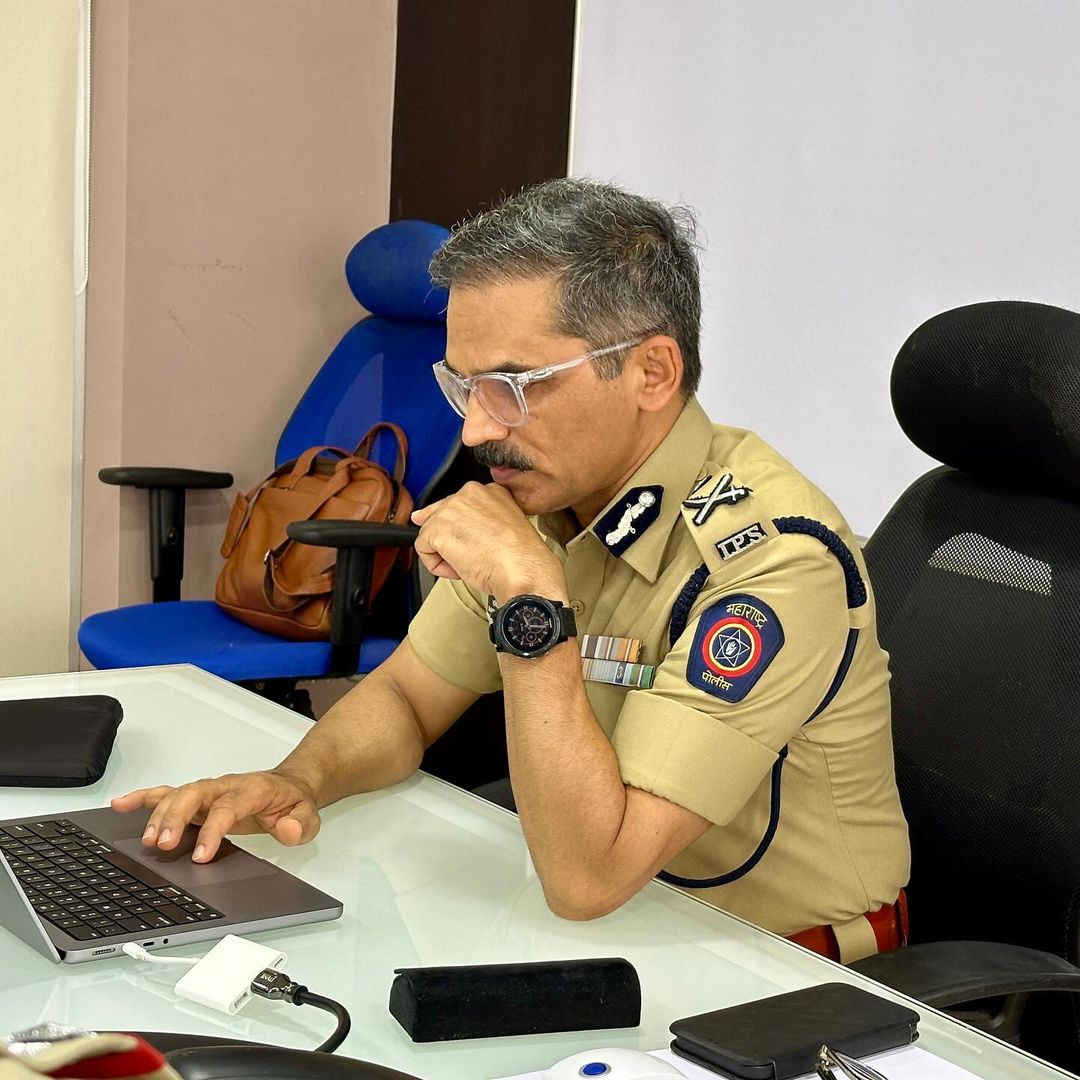
CAA protests Nagpur: In the wake of the implementation of the Citizenship Amendment Act (CAA), the Nagpur Police have elevated their vigilance to prevent any untoward incidents. The proactive stance is evident as Nagpur Police Commissioner, Dr. Ravindra Singhal, led a foot march through Mominpura. Accompanied by senior officers, the CP personally inspected the entire area.

A Step Towards Security

The aftermath of the CAA passage witnessed protests not only in Nagpur but across the nation. North Nagpur, including Muslim-dominated areas like Mominpura and Zafar Nagar, experienced prolonged demonstrations. Acknowledging the sensitivity of the situation, Commissioner Singhal took a proactive step by personally marching in the troubled zones.

Community Engagement

In a commendable effort to foster community relations, the Nagpur Police Commissioner’s visit served not only as a security measure but also as an opportunity to engage with the residents. This approach aimed to establish trust and open communication channels, crucial in maintaining peace and order.

Addressing Concerns

As the country grappled with the implications of the CAA, Nagpur faced its own share of challenges. The protests highlighted concerns within the community, necessitating a responsive and empathetic approach from law enforcement. The foot march symbolized a commitment to understanding and addressing these concerns.

Police-Public Collaboration

The engagement of the police force with the public is pivotal in fostering a sense of security. The foot march not only demonstrated the police’s commitment to public safety but also encouraged citizens to actively participate in maintaining peace. It emphasized that security is a collective responsibility.

The Dynamics of Protests

Understanding the dynamics of the protests is crucial for effective law enforcement. The demonstrations in North Nagpur necessitated a nuanced approach, considering the diverse demographics and sentiments involved. Commissioner Singhal’s personal involvement showcased leadership and a hands-on approach to managing complex situations.

Sensitivity in Sensitive Areas

Mominpura and Zafar Nagar, being Muslim-dominated areas, required extra sensitivity in handling post-CAA situations. The Nagpur Police, led by Commissioner Singhal, demonstrated cultural awareness and respect, contributing to a more harmonious coexistence.

The Nagpur Police’s alert mode post-CAA implementation signifies a commitment to maintaining peace, fostering community relations, and addressing concerns. Commissioner Singhal’s hands-on approach reflects a proactive stance that goes beyond traditional law enforcement.

100 Fall Ill After ‘Fasting’ Food in Nagpur

Exploring the Mahashivratri Fallout (Fasting food Nagpur): A Fasting Feast Gone Awry

Fasting food Nagpur: In a shocking turn of events, over a hundred individuals in Nagpur and Bhandara found themselves grappling with food poisoning after indulging in the traditional Mahashivratri ‘upvas’ food. The culprit? Singhara atta halwa (water-chestnut flour) and sev, commonly enjoyed during the fasting period on Friday night. Let’s delve into the details of this unfortunate incident that left the city in distress.

The Alarming Numbers: 96 Cases Confirmed, Actual Count Potentially Higher

Nagpur Municipal Corporation (NMC) officials have officially documented 96 cases of food poisoning related to the festive delicacies. However, considering the decentralized nature of the celebration – with many households partaking in the festivities individually – the true numbers might be significantly higher. Private hospitals, not obligated to report such incidents, further complicate the accurate assessment of the situation.

Discrepancies and Denials: Rural Areas vs. Urban Centers

While the district health office in rural areas denies any instances of food poisoning, Shalinitai Meghe Hospital and Research Centre (SMHRC) in Hingna paints a different picture. Eight patients, including two in critical condition, were admitted, revealing a discrepancy in the official narrative. Dr. Khalid Khan from SMHRC highlighted that the consumption of singhara atta halwa and snacks triggered the alarming health issues.

Bhandara’s Battle with Gastritis: A Parallel Affliction

Bhandara, too, faced the repercussions of the festive feasting, with an unspecified number of residents suffering from acute gastritis after consuming singhara atta ‘bhaji.’ Despite these reports, district officials in Bhandara initially denied the presence of a food poisoning epidemic.

The Investigative Response: NMC’s Swift Action

Promptly responding to the crisis, the NMC health department initiated a survey in the affected areas. Water samples were collected for testing, and stool samples were sent to the government lab. Initial findings pointed towards singhara atta of a specific brand as the common source of infection, linking patients from various parts of the city.

Home Treatments and Hospital Shifts: NMC’s Dual Approach

In a bid to address the situation comprehensively, NMC medical teams began home treatments for many patients, reserving hospital beds for those suffering from severe dehydration. This two-pronged strategy aimed at containing the outbreak and providing immediate relief to the affected individuals.

A Cautionary Tale for Festive Celebrations

In the aftermath of this unexpected health crisis, communities must reflect on the importance of food safety during festive occasions. The incident in Nagpur serves as a cautionary tale, urging both authorities and individuals to exercise vigilance and adhere to rigorous quality standards when preparing and consuming festival-specific foods.

FAQs: Unraveling the Nagpur Food Poisoning Incident (Fasting Food Nagpur)

  1. What caused the food poisoning during Mahashivratri in Nagpur?
    • The common denominator was singhara atta halwa, identified as the source of infection.
  2. Were rural areas in Nagpur affected by the food poisoning outbreak?
    • Officially denied by the district health office, rural areas had conflicting reports from Hingna-based SMHRC.
  3. How did the NMC respond to the crisis?
    • NMC swiftly initiated a survey, collected samples for testing, and provided dual treatments – at home and hospitals.
  4. Was the brand of singhara atta identified as the culprit?
    • Preliminary findings pointed to a specific brand of singhara atta as the common source of infection.
  5. What can communities learn from this incident for future celebrations?
    • The incident emphasizes the need for stringent food safety measures during festive periods to prevent such health crises.

Divyang Park: A Revolutionary Haven for Differently-Abled Individuals

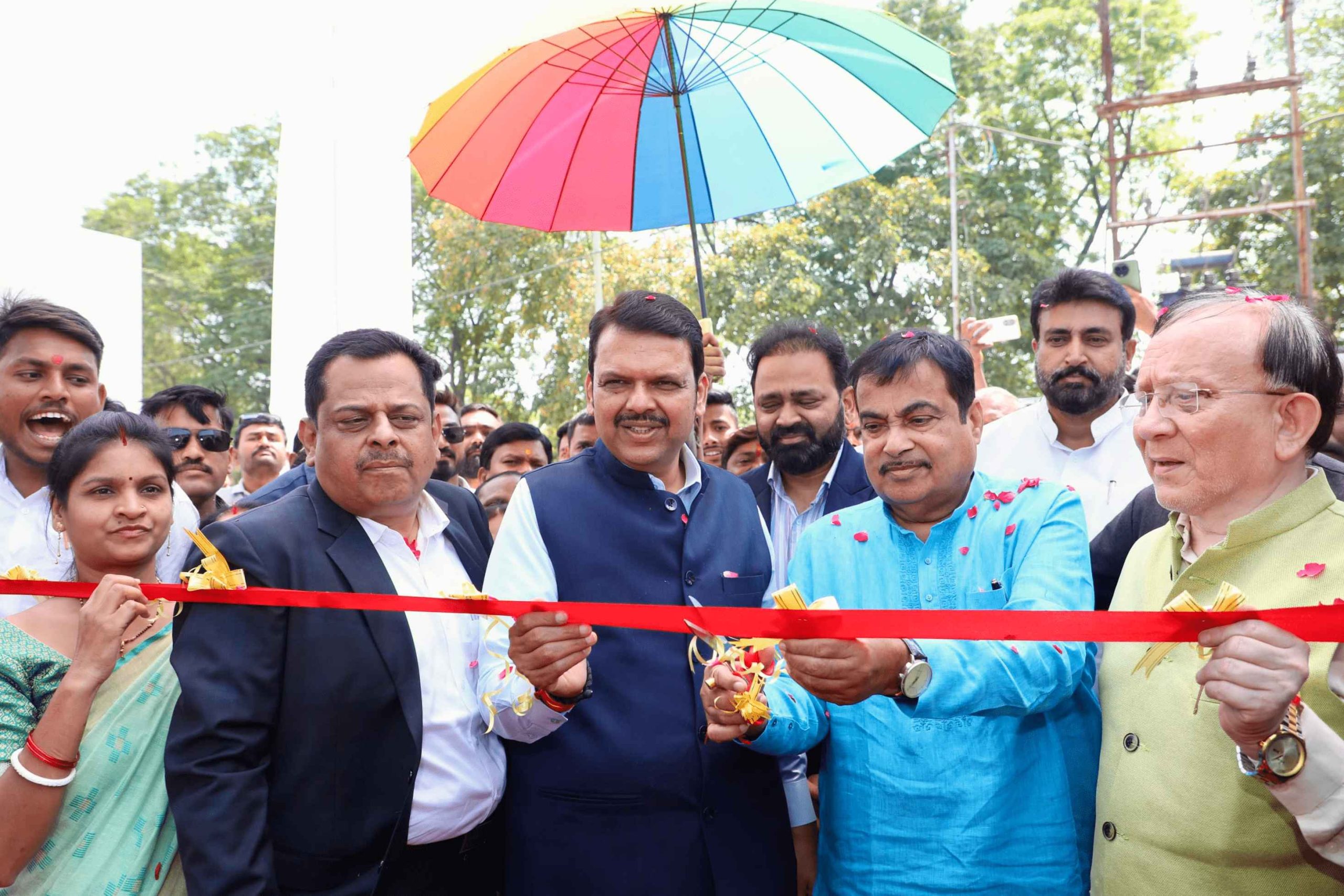
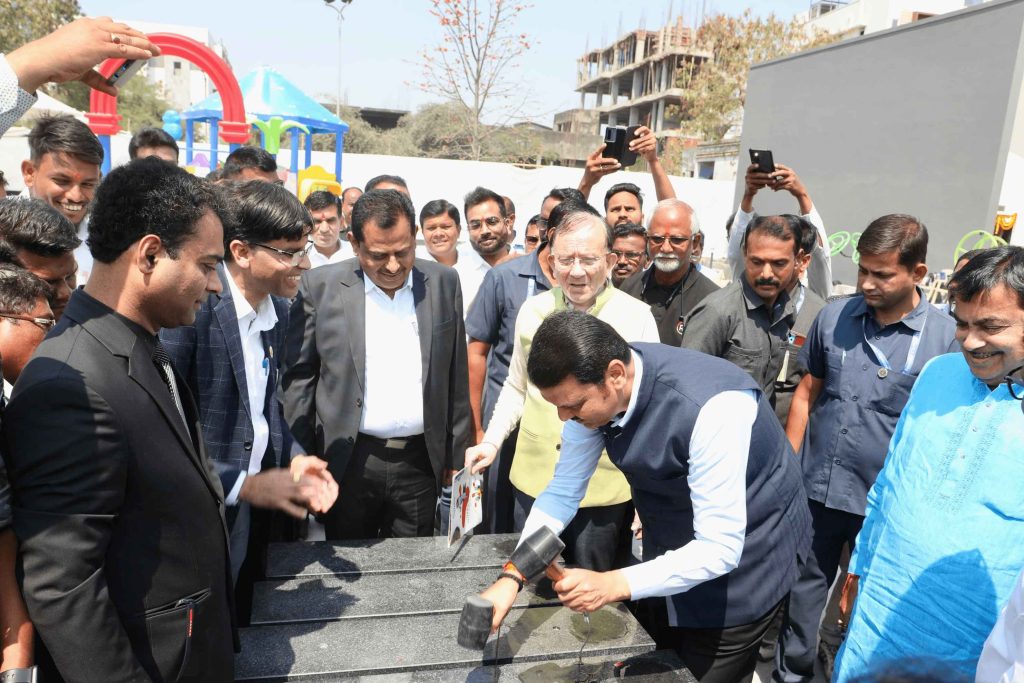
Divyang Park Nagpur: In a groundbreaking move to enhance the lives of persons with disabilities, Union Minister Nitin Gadkari unveiled the ‘Anubhuti Inclusive Park’ in Nagpur. This visionary project aims to create a life-changing experience for the disabled, fostering a healthy and fulfilling life based on their natural abilities and needs.

Visionary Beginnings in Ujjain Inspire Nagpur’s Divyang Park

Gadkari shared that the inspiration for this park struck him during a visit to a similar park in Ujjain. Fueled by the desire to bring smiles to the faces of disabled individuals, the Nagpur Improvement Trust (NIT) has meticulously crafted a beautiful haven, providing not just recreation but a platform for skills development.

Spreading Joy and Entertainment: A Rs40 Crore Investment

With a heartwarming dedication ceremony in Surya Nagar, East Nagpur, the park becomes a beacon of joy for disabled individuals. The allocated budget of Rs40 crore underlines the commitment to creating an environment that not only entertains but also facilitates growth.

Transportation Initiatives: Two Buses for Daily Commutes

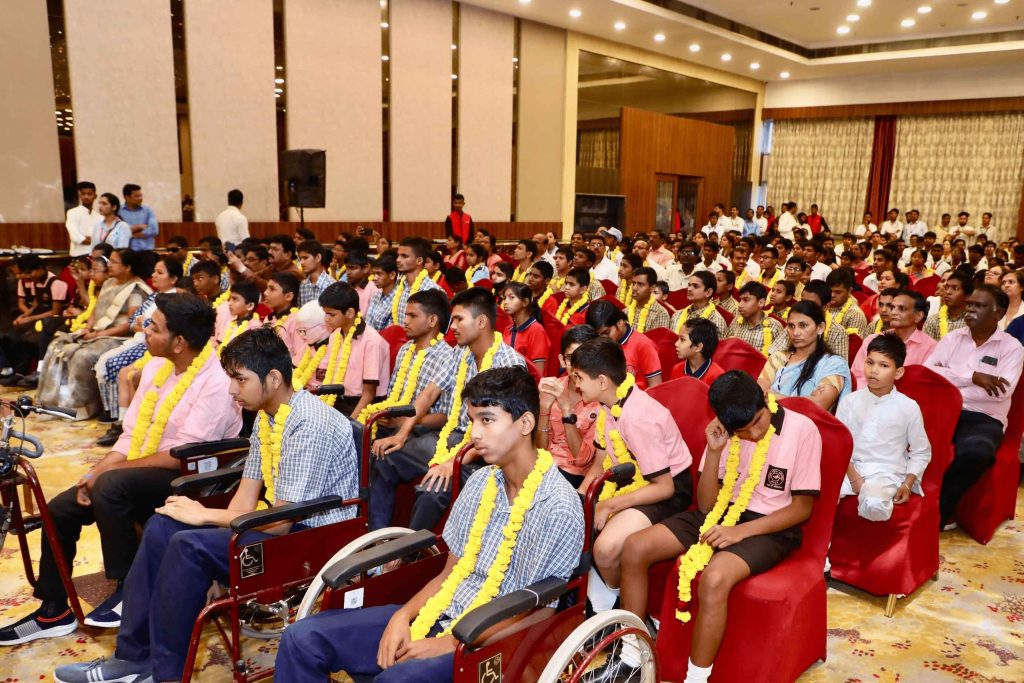
Recognizing the importance of accessibility, Nitin Gadkari announced the deployment of two buses dedicated to transporting Divyang students from their homes, schools, and colleges to the park daily. This thoughtful initiative ensures that the park remains inclusive and easily accessible for all.

Collaborative Efforts and Recognition

Under the guidance of experts like Sanket Bhondve, Dr. Pankaj Maru, Ritesh Yadav, and Sanjay Kulkarni, the project saw collaboration at its best. Gadkari emphasized the need for an expert agency to maintain the park’s standards and announced the construction of a special stadium catering to the disabled.

Maharashtra’s Pride: Fadnavis Acknowledges Modi’s Vision

Deputy Chief Minister Devendra Fadnavis expressed pride in the park, declaring it India’s premier center for recreation and healthy living for the differently-abled. The park, equipped with facilities for various disabilities, aims not just for entertainment but also therapeutic interventions.

A Vision Realized: PM Narendra Modi’s Contributions

Fadnavis credited Prime Minister Narendra Modi for his immense contribution to integrating the disabled into mainstream society. Modi’s vision has materialized into various schemes, creating a more comfortable and inclusive environment for differently-abled individuals.

The ‘Anubhuti Inclusive Park’ in Nagpur stands as a testament to the transformative power of vision and collaboration. It is more than just a recreational space; it’s a haven that fosters joy, development, and inclusivity for those with different abilities.

FAQs:

  1. How can disabled individuals benefit from Anubhuti Inclusive Park?
    • The park offers a range of facilities for recreation, skills development, and therapeutic interventions, catering to various disabilities.
  2. What is the significance of the two buses deployed for Divyang students?
    • The buses ensure easy accessibility, transporting students from their homes, schools, and colleges to the park daily.
  3. Who played a key role in the development of the park?
    • Experts like Sanket Bhondve, Dr. Pankaj Maru, Ritesh Yadav, and Sanjay Kulkarni, along with the Nagpur Improvement Trust, played pivotal roles.
  4. How will the park be maintained in the long run?
    • An expert agency will be appointed for the maintenance of the park, ensuring its continuous high standards.
  5. What role did PM Narendra Modi play in the realization of the park?
    • PM Modi’s vision and contributions have been instrumental in bringing the disabled into the mainstream and making their lives more comfortable.

‘Cyber Hawks’ Join Forces with Police to Curb Crime in Nagpur

Nagpur crime: In a bid to transform Nagpur’s notorious reputation as the crime capital of Maharashtra, Commissioner of Police Ravinder Singal is spearheading a groundbreaking initiative. Embracing the power of social media, Singal recently convened a meeting with a unique set of allies – the ‘cyber hawks’ (police collaboration) – a group of influential social media personalities. This collaboration aims to gather intelligence on critical issues such as drugs, crimes against women, cybercrimes, and any social media content that may tarnish the city’s image or incite social discord.

Empowering Influencers for a Safer City

Singal, during the rendezvous with 15 influencers at the police headquarters, emphasized the importance of their role in reshaping the city’s narrative. Drawing attention to instances like abusive reels and unconventional celebrations involving swords, the Commissioner expressed concerns about the negative impact on Nagpur’s image. He believes that influencers, with their extensive followings, can play a pivotal role in providing the police with valuable information.

“My motive is to change the image of the city, as many people are posting objectionable material on social media, giving the city a bad name. The influencers can provide us with information about drug abuse, traffic issues, cybercrimes, crimes against women, and other activities,” Singal explained.

Cracking Down on Social Media Offenders

Recent actions by the police reflect a commitment to addressing the menace of offensive online content. Singal highlighted that influencers can act as intermediaries, guiding citizens on where to file complaints. This collaborative approach positions influencers as bridges between the common man and the police, fostering a more connected and vigilant community.

Building a Direct Channel for Information Flow

Anticipating the need for a streamlined communication system, one of the influencers revealed that the police are actively working on setting up a mechanism. This system will ensure that information shared by influencers reaches the police chief directly, enhancing the efficiency of the collaboration.

Shaping a New Narrative

As Nagpur embarks on this innovative partnership between law enforcement and social media influencers, the city inches closer to shedding its crime capital tag. The ‘cyber hawks’ initiative not only addresses current challenges but also lays the foundation for a more secure and harmonious community.

FAQs: Unveiling the ‘Cyber Hawks’ Initiative

  1. How do influencers contribute to crime prevention in Nagpur?
    • Influencers leverage their significant following to provide the police (CP Ravinder Singal) with crucial information on drugs, cybercrimes, crimes against women, and other activities.
  2. What actions have the police taken against offensive social media content?
    • The police have recently implemented measures to address abusive and offensive content, signaling a commitment to maintaining online decorum.
  3. How can citizens seek assistance from influencers in filing complaints?
    • Citizens can approach influencers for guidance on filing complaints, establishing influencers as a helpful link between the public and law enforcement.
  4. Is there a plan to streamline communication between influencers and the police?
    • Yes, the police are actively working on establishing a system to ensure direct communication, enhancing the efficiency of information flow.
  5. What is the ultimate goal of the ‘cyber hawks’ initiative in Nagpur?
    • The initiative aims to change the city’s image by addressing social media challenges, fostering collaboration between influencers and the police for a safer community.

Navigating Nagpur’s Traffic Maze: Road Closure for Tunnel Construction

Nagpur tunnel: Nagpur, a bustling city known for its vibrant culture, is about to face a significant traffic disruption. The road from Freedom Park Metro station (Morris College Square) to Institute of Science College is set to be closed for a month, from March 6 to April 5. This move is part of the ambitious tunnel construction project by MahaMetro, aiming to connect Institute of Science College to Manas Square. Let’s delve into the details of this traffic diversion and its impact on the city.

Traffic Turmoil: Chaos at Variety Square, Zero Mile T-point, and Samvidhan Square

As Nagpur witnesses ongoing road concretization works, the additional closure of the Freedom Park Metro station route will undoubtedly escalate traffic chaos (traffic diversion) at key points like Variety Square, Zero Mile T-point, and Samvidhan Square. The city’s arteries are already strained, and this closure is likely to add to the congestion.

MahaMetro’s Vision: Tunneling Towards Connectivity (Nagpur tunnel)

MahaMetro, the agency spearheading this tunnel construction, has sought a two-month closure for the project. The proposed 870-meter tunnel connecting Manas Square with Institute of Science Square via Morris College Square on Wardha Road is a significant infrastructural endeavor. Deputy Commissioner of Police (Traffic) Shashikant Satao emphasized that the construction work will be carried out day and night to expedite the process.

Financial Backing: Gadkari’s Commitment to Progress

Union Minister Nitin Gadkari has allocated Rs79.67 crore through the Central Road Fund (CRF) to fund the tunnel’s construction. This financial commitment underscores the project’s importance and the government’s dedication to enhancing connectivity in Nagpur.

Tunnel Design and Functionality

The planned underpass is set to have three entry/exit points, running underneath Ansari Road (Tekdi Road). MahaMetro officials assert that this tunnel will alleviate traffic strain on nearby areas hosting institutions such as Bhavan’s School, BSNL office, forest department office, and Zero Mile.

Phased Approach: Construction Strategy

To ensure an efficient construction process, MahaMetro has divided the work into two phases. Phase-I involves constructing a 400-meter tunnel from Institute of Science to Freedom Park Metro station, while Phase-II will focus on completing the remaining tunnel. The decision to close the entire stretch from Freedom Park Metro Station to Institute of Science College is aimed at streamlining the construction efforts.

Traffic Regulation Measures

Given the heavy traffic in the area, especially during the night, strict traffic regulation and control are imperative. The notification emphasizes the need for smooth traffic diversion during the construction period. Vehicles will be diverted from either Variety Square or Zero Mile T-point.

Safety First: Contractor’s Responsibilities

Contractor YFC-BBG, responsible for the tunnel construction, has been directed to take necessary safety measures. This includes appointing traffic security guards to ensure the smooth and safe regulation of traffic throughout the construction phase.

Conclusion: Navigating Change for a Better Nagpur (MahaMetro project)

While the road closure may cause short-term inconvenience, it paves the way for long-term connectivity benefits for Nagpur. MahaMetro’s ambitious tunnel project signifies progress and a commitment to enhancing the city’s infrastructure. As Nagpur adapts to these changes, the result promises a more connected and efficient urban landscape.

FAQs: Unveiling Answers to Common Queries

  1. Q: Why is the road from Freedom Park Metro station to Institute of Science College closed?
    • A: The closure is part of MahaMetro’s construction project to build a tunnel connecting Institute of Science College to Manas Square, aimed at improving connectivity.
  2. Q: How long will the road closure last?
    • A: The closure is scheduled for one month, from March 6 to April 5, to facilitate the efficient construction of the tunnel.
  3. Q: What measures are in place to manage traffic during the construction period?
    • A: Traffic will be diverted from Variety Square or Zero Mile T-point, and strict regulation measures will be enforced to ensure smooth traffic flow.
  4. Q: Who is funding the tunnel construction project?
    • A: Union Minister Nitin Gadkari has allocated Rs79.67 crore through the Central Road Fund (CRF) for the construction of the tunnel.
  5. Q: How is the tunnel expected to benefit Nagpur?
    • A: The tunnel is designed to reduce traffic strain in key areas, providing enhanced connectivity and improving the overall urban landscape.

Nagpur Takes Lead with India’s First City-Specific Zero Carbon Plan for Buildings

Setting the Stage for Sustainable Development

In the heart of India, Nagpur, often recognized as the geographical center of the nation, is making significant strides towards sustainable development. The city has unveiled the groundbreaking Zero Carbon Buildings Action Plan (ZCBAP), not only setting a precedent for Maharashtra but also pioneering efforts to decarbonize the building sector and contribute to India’s ambitious net-zero by 2070 target.

A Holistic Roadmap: From Public Buildings to Homes

The ZCBAP doesn’t just stop at rhetoric; it provides a comprehensive roadmap covering public buildings, government-affordable housing, commercial spaces, and homes. This ambitious plan lays out a strategic implementation strategy with the aim of achieving net-zero buildings city-wide by 2050. The roadmap encompasses crucial actions, addressing everything from the choice of building materials to the design, construction, management, and even deconstruction processes.

Unveiling the Carbon Impact: A Glimpse into Nagpur’s Past

In 2017-18, Nagpur’s Climate Resilient City Action Plan, developed by the Nagpur Municipal Corporation (NMC) and Nagpur Smart and Sustainable City Development Corporation Limited (NSSCDCL), revealed a startling fact. Residential, commercial, and institutional buildings were responsible for a staggering 58% of the city’s total energy consumption and 56% of its greenhouse gas (GHG) emissions.

Collaborative Efforts: International Partnerships and Local Initiatives

Led by NSSCDCL and NMC, the ZCBAP is not a solitary endeavor. It has garnered support from international partners like the World Resources Institute (WRI), the Global Environment Facility (GEF), the United Nations Environment Programme (UNEP), and ICLEI South Asia through the Zero Carbon Buildings Accelerator (ZCBA) project.

Vision 2050: Transforming Nagpur into a Net-Zero City

Emani Kumar, Executive Director of ICLEI South Asia, articulates the plan’s goal succinctly, aiming to transform Nagpur into a city where all buildings, old or new, achieve net-zero carbon emissions by 2050. Aligned with India’s Nationally Determined Contributions (NDCs), which focus on a 45% reduction in GHG emissions intensity of GDP by 2030 and aspire to reach net-zero emissions by 2070.

Aligning with Global Frameworks: The Key to Success

NSSCDCL CEO Prithviraj BP highlights the alignment of the ZCBAP with crucial frameworks like the Climate Smart Cities Assessment Framework (CSCAF), India’s Long-Term Low-Carbon Development Strategy, and the Urban Outcomes Framework. This alignment ensures effective tracking and assessment of urban sustainability and climate readiness. The plan also positions Nagpur strategically in meeting global commitments with the Global Covenant of Mayors for Climate & Energy (GCoM) and the Race to Zero campaign.

Net-Zero Emissions Explained: A Sustainable Approach

Net-zero emissions entail reducing GHG emissions to the lowest possible level and offsetting any remaining emissions through natural processes like the absorption done by green cover and oceans. The concept extends to net-zero buildings, which aim to minimize GHG emissions throughout their lifecycle, from construction materials to building use and end-of-life demolition.

Conclusion: Paving the Way for a Greener Future

In conclusion, Nagpur’s Zero Carbon Buildings Action Plan is a beacon of hope and a testament to the city’s commitment to sustainable development. The holistic approach, collaborative efforts, and alignment with global frameworks position Nagpur as a leader in the journey towards a greener and more sustainable future.

FAQs: Unveiling the Details

  1. What is the Zero Carbon Buildings Action Plan (ZCBAP)?
    • ZCBAP is Nagpur’s comprehensive strategy to achieve net-zero carbon emissions in all buildings by 2050, covering public, commercial, and residential spaces.
  2. How does the plan address greenhouse gas emissions?
    • The plan considers the entire lifecycle of buildings, from materials to construction, usage, and even demolition, implementing reduction strategies.
  3. Why is international collaboration crucial for ZCBAP?
    • International partners like WRI, GEF, UNEP, and ICLEI provide support, expertise, and resources to ensure the success of the ambitious plan.
  4. What is the significance of aligning with global frameworks?
    • Alignment with frameworks like CSCAF and GCoM ensures Nagpur’s efforts are recognized globally, reinforcing its commitment to sustainability.
  5. How does Net-Zero Emissions contribute to India’s goals?
    • Achieving net-zero emissions aligns with India’s NDCs, focusing on reducing GHG intensity and reaching the nation’s net-zero emissions target by 2070.

Viral for Wrong Reasons? Nagpur Police Vigilant on Offensive Social Media Trends

Nagpur Police: In this era of instant fame and fleeting virality, some content creators resort to offensive language (Viral Content) and questionable humor (Offensive Social Media Trends) to grab attention on social media platforms. Nagpur, unfortunately, has witnessed a concerning trend where individuals create social media videos and reels with immoral themes. Recognizing the negative impact of such content, the Cyber Police Station in Nagpur has taken a firm stance against it, launching an initiative to hold creators accountable for their actions.

Taking a Stand: 15 Cases and Counting

Archit Chandak, Deputy Commissioner of Police, Economic Offences Wing (EOW) and Cyber, revealed to ‘The Hitavada’ that the department has already taken action in about 15 cases related to offensive content. The creators primarily fall within the age range of 16 to 24 years old, with some juveniles and adults also involved. These individuals were summoned to the police station and were made to delete their offensive posts under the watchful eye of law enforcement.

Social Media Monitoring Cell: An Unyielding Watch

DCP Chandak explained, “We have a Social Media Monitoring Cell with 10 personnel diligently monitoring prominent social media platforms for such activities.” The department takes action against those who openly abuse, threaten, show allegiance to goons, abuse communities or women, or disrupt social harmony. This initiative was launched due to a significant rise in negative content and numerous complaints received through various channels.

Collaboration for a Safer Digital Space

“We use a combination of online patrolling, reports from citizens, and collaboration with city-based social media influencers and positive content creators to track down individuals violating community guidelines,” explained DCP Chandak. The officers not only take immediate action but also counsel the individuals involved, emphasizing zero tolerance for such content. Diary entries are maintained, providing a record of these interventions.

The Root of the Problem: Society’s Impact on Virality

Creators often resort to offensive content because the current societal environment allows such content to go viral easily, gaining popularity through social media algorithms. This false sense of validation encourages them to continue down the harmful path, tarnishing the image of the city in the process.

The Power of Public Apologies and Counseling

Public apologies by content creators serve as a deterrent to others from engaging in similar behavior. Recognizing that young individuals are prone to making mistakes during their formative years, the focus is on counseling rather than registering offenses against them. Social background also plays a role; sometimes, young people do not understand the difference between right and wrong due to weak educational or social backgrounds.

Challenges Faced by the Cyber Department

DCP Chandak noted the challenges faced by the cyber department, including the difficulty of tracking down content creators and identifying individuals operating behind fake accounts. The department actively engages in public talks at schools and colleges, educating students on cybercrime, the dangers of online harassment and abuse. They also encourage students to become ‘cyber volunteers’ by assisting their families and elders who might be less familiar with online threats and safety measures.

Positive Responses and Collaborative Efforts

“The initiative has met with positive responses, with citizens expressing appreciation for the actions taken on such content,” concludes DCP Chandak. Varun Jangade, managing a social media account focused on Nagpur news and updates, actively collaborates with DCP Chandak’s team by directly sending them offensive reels. Varun applauds their swift action in taking down these negative content pieces.

The proactive approach of the Nagpur Police in monitoring and addressing offensive social media trends (Viral Content) sets an example for creating a safer digital space. By combining surveillance, collaboration, counseling, and public awareness, the Cyber Police Station aims to curb the rising tide of harmful content and protect the city’s image.

FAQs

  1. How does the Social Media Monitoring Cell operate? The cell consists of 10 personnel who actively monitor prominent social media platforms, taking action against abusive and offensive content creators.
  2. What measures are taken against individuals violating community guidelines? The Cyber Police Station not only takes immediate action but also provides counseling to emphasize zero tolerance for offensive content.
  3. Why do content creators resort to offensive content? The societal environment allows such content to go viral easily, providing creators with a false sense of validation and encouragement to continue.
  4. How does the Cyber Police Department engage with the community? The department actively conducts public talks at schools and colleges, educating students on cybercrime and online safety.
  5. What is the impact of the initiative on citizens and content creators? Positive responses from citizens indicate appreciation for the proactive actions taken against offensive content, serving as a deterrent to potential wrongdoers.

Unraveling the Tragedy: Vegetable Vendor Murdered in Nagpur City

Vegetable vendor murder Nagpur: In a shocking incident that sent ripples through Nagpur city, a 30-year-old vegetable vendor, Amit Bais, met a tragic end on Sunday. The grim news, unveils a gruesome crime allegedly committed by unidentified assailants.

The Victim and the Tragic Setting

Amit Bais, a resident of the Koradi area, was brutally killed, leaving the community in sorrow. The initial reports indicate that he was declared dead upon arrival at a local hospital, shedding light on the severity of the attack. The Nagpur police officials, grappling with this heinous act, are striving to unearth the motives behind the assault.

The Dark Cloud: Preliminary Investigation

Preliminary findings reveal a harrowing narrative. Amit Bais, described as an alcoholic, fell victim to a fatal attack, wielding a heavy object. The gruesome nature of the crime raises questions about the motive and the identity of the perpetrators.

Unmasking the Culprits: A City in Shock

As Nagpur grapples with the shockwaves of this tragedy, an investigation is underway to unravel the mystery surrounding Amit Bais’s murder. The city, known for its vibrant culture, is now faced with the somber reality of crime on its streets. The questions linger — who were the attackers, and what drove them to commit such a heinous act?

The Pursuit of Justice

The dedicated efforts of law enforcement aim to identify the culprits and establish the motive behind this brutal crime. The pursuit of justice becomes a beacon of hope for the grieving community, seeking closure and answers.

Understanding the Perplexity of the Situation

The perplexity surrounding Amit Bais’s murder adds layers to this tragic narrative. Bursting into the ordinary life of a vegetable vendor, this incident disrupts the peace of a tight-knit community. The combination of shock, grief, and unanswered questions amplifies the complexity of the situation.

Bursting the Bubble of Normalcy

In the quiet streets of Koradi, where routine transactions of vegetables define the day, the burstiness of crime has shattered the bubble of normalcy. This incident serves as a stark reminder that even the most ordinary lives can be disrupted by the unexpected, leaving a community grappling with the aftermath.

A Human Reflection: The Impact on the Community

Beyond the police reports and investigations, the human side of this tragedy surfaces. Amit Bais was not just a statistic; he was a member of a community, a son, and possibly a friend. The loss resonates beyond the crime scene, leaving an indelible mark on those who knew him.

Engaging the Reader: A Call for Reflection

As we navigate through the details of this unfortunate incident, it beckons us to reflect on the fragility of life. The tale of a vegetable vendor’s murder prompts us to consider the safety and well-being of those who form the fabric of our communities.

Conclusion: Seeking Solace in Justice

In conclusion, Nagpur grapples with the aftermath of a brutal crime that has pierced the heart of the city. The investigation is a beacon of hope, promising justice for Amit Bais and a semblance of closure for the community.

FAQs

  1. Q: Who was Amit Bais?
  2. Q: What was the motive behind the attack?
    • A: The motive behind the attack on Amit Bais is currently under investigation by the Nagpur police.
  3. Q: How did the community react to the incident?
    • A: The community is in shock and grief, grappling with the unexpected tragedy that has disrupted their lives.
  4. Q: What measures are being taken to identify the attackers?
    • A: The Nagpur police are actively investigating the case to identify the attackers and establish a motive for the crime.
  5. Q: How does this incident impact the city of Nagpur?
    • A: The incident has left a profound impact on Nagpur, highlighting the vulnerability of even the most ordinary lives in the face of unexpected crime.
Exit mobile version