Nagpur Outer Ring Road Corruption: CBI Unveils Bribery Scandal

In a shocking turn of events, the Central Bureau of Investigation (CBI) has apprehended (CBI arrests) two high-ranking officials from the National Highways Authority of India (NHAI) – General Manager Arvind Kale and Deputy General Manager Brijesh Kumar Sahu, alongside four others. The arrests, made on a Sunday, are linked to a bribery case involving a staggering amount of Rs 20 lakh connected to the Outer Ring Road Project in Nagpur, Maharashtra.

The Culprits Revealed

Kale, who served as a project director for NHAI in Nagpur, and Sahu, a project director in Madhya Pradesh’s Harda, were taken into custody. Additionally, the directors of Bansal Construction Works Private Limited, a Bhopal-based company, namely Anil Bansal and Kunal Bansal, were also arrested. Employees of the firm, Chhater Singh Lodhi and C Krishna, complete the list of those apprehended.

CBI’s Swift Action

The CBI wasted no time in executing searches at five locations in Bhopal and Nagpur, encompassing both residential and official premises. A substantial amount of Rs 1.1 crore in cash was seized, with Rs 20 lakh identified as the bribe amount. The federal agency’s spokesperson confirmed this development in a statement.

FIR and Allegations

The CBI’s FIR, filed recently, named 11 individuals, including NHAI officials, the company’s directors, and its employees. The allegations revolve around the directors of the Bhopal-based company delivering bribes to NHAI public servants through their employees. These bribes were allegedly exchanged for completion certificates, bill processing, and the smooth progression of awarded works in various road projects sanctioned by NHAI.

Company’s Malpractices Exposed

The agency received intelligence that the company’s employees were delivering bribes to officials in Nagpur and Madhya Pradesh. Krishna, one of the arrested individuals, was reportedly in regular contact with Kale, specifically to expedite pending matters such as bill processing and issuance of completion certificates for the Outer Ring Road project.

Surveillance and Apprehension

During surveillance, the CBI discovered (CBI arrests) that an additional amount of Rs 25 lakh was set to be delivered to Kale. Taking decisive action, the CBI laid a trap resulting in the apprehension of Kale and Project Manager Sahu after the delivery of a Rs 20 lakh bribe by an employee of the private company involved.

The unfolding events surrounding the Nagpur Outer Ring Road corruption case have sent shockwaves through the NHAI. The swift and resolute action by the CBI sheds light on the pervasive corruption within the project. As investigations continue, the repercussions for those involved remain uncertain.

FAQs

Q1: What is the significance of the Outer Ring Road Project in Nagpur?

The Outer Ring Road Project in Nagpur is a crucial infrastructure initiative aimed at enhancing connectivity and easing traffic congestion in the region.

Q2: How did the CBI uncover the bribery scandal?

The CBI received (CBI arrests) intelligence about the delivery of bribes by employees of a Bhopal-based company to NHAI officials, prompting thorough surveillance and subsequent arrests.

Q3: What charges do the arrested NHAI officials and company directors face?

The charges include bribery, delivering bribes to public servants, and corrupt practices related to the issuance of completion certificates and bill processing.

Q4: What is the status of the seized cash?

The CBI seized Rs 1.1 crore in cash, with Rs 20 lakh identified as the bribe amount. The funds will likely be used as evidence in the ongoing investigation.

Q5: What steps will NHAI take to address corruption within its ranks?

NHAI is expected to conduct internal investigations, implement stricter protocols, and collaborate with law enforcement agencies to ensure transparency and integrity within the organization.

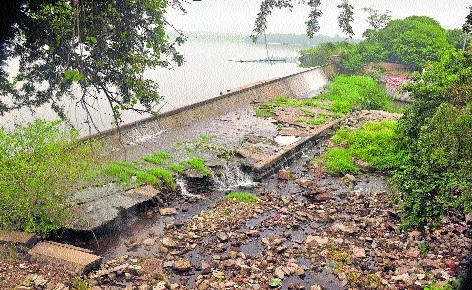
NMC-Irrigation Decision: Optimal Water Management at Ambazari Dam

Ambazari Dam Nagpur: In a crucial joint decision, the Irrigation Department and Nagpur Municipal Corporation (NMC) have resolved to refrain from draining a staggering 75k crore litres of water from the Ambazari Dam. This strategic choice is pivotal for the upcoming construction of Godbole gates at the reservoir’s spillway, aiming to avert a catastrophe akin to the devastating flood on September 23, 2023. This collaborative effort prioritizes both efficient water management and disaster prevention.

Unanimous Agreement

After an extensive joint inspection led by Chief Engineer Pawar of the Irrigation Department and Superintending Engineer Shweta Banerjee of NMC’s water works, a consensus emerged. The current discharge of 2 lakh gallons per day from the dam is deemed sufficient for the impending construction activities, mitigating the risk of flooding downstream along the Nag River.

Construction Timeline

The agreed-upon timeline stipulates the commencement of spillway gates construction at the dam’s overflow point post-April 1. This deliberate approach underscores the meticulous planning required to ensure the safety and success of the project. The stakes are high, especially considering the aftermath of the 2023 flood that wreaked havoc on countless residences.

Balancing Ecological Concerns

Banerjee highlighted a previous request from the Irrigation Department to de-water 75k crore litres, a move that would have entailed an additional ₹5 crore investment for pumping. However, Banerjee wisely pointed out the potential ecological imbalance and adverse effects on aquatic life and local wells if such massive de-watering were pursued. This decision aligns with a responsible approach to environmental concerns.

Monsoon Contingency

The joint inspection also factored in the unpredictability of monsoon rains. Given the current discharge rate of 2 lakh gallons per day, both government bodies concurred that this quantity is adequate. This collaborative decision demonstrates a proactive stance, considering the potential challenges posed by unforeseen weather patterns during the monsoon season.

Nagpur Improvement Trust’s Role

Simultaneously, the Nagpur Improvement Trust has made substantial progress, completing nearly 90% of the demolition of a slab constructed over the Nag River in Daga Layout. This structure, initially designed as parking for visitors to a skating rink, posed a significant impediment to the natural flow of Nag River water.

the joint decision of the Irrigation Department and NMC to maintain the current discharge from the Ambazari Dam is a commendable example of strategic collaboration. This approach balances the need for water management with ecological responsibility, ensuring the safety of downstream areas. As construction commences post-April 1, the stakeholders remain vigilant, and cognizant of potential challenges and environmental impacts.

FAQs

  1. Why is the construction of Godbole gates necessary at Ambazari Dam?
    • The gates aim to prevent a recurrence of the 2023 flood disaster downstream.
  2. What led to the decision not to drain 75k crore litres of water?
    • The current discharge of 2 lakh gallons per day is deemed sufficient for construction, avoiding ecological imbalance.
  3. When will the construction of spillway gates commence?
    • Construction is set to begin after April 1, following a joint inspection by relevant authorities.
  4. What environmental concerns were considered during the decision-making process?
    • The potential adverse effects on aquatic life and local wells were key considerations.
  5. How has Nagpur Improvement Trust contributed to the water management efforts?
    • The Trust has demolished a slab obstructing Nag River water flow, aiding in overall water management.

Ambazari Dam Widening: Nod Granted to Fell 613 Trees by Maharashtra State Tree Authority

Ambazari Dam Widening Nagpur: In a recent development, the Maharashtra State Tree Authority (MSTA) has given its approval for the felling of 613 trees to facilitate the widening of Ambazari Road. This ambitious project spans from the Vivekanand Statue area to the dam, extending towards the University land near Pandhrabodi slums. The Nagpur Municipal Commissioner received the official letter granting permission for tree removal, addressing not only those that pose a threat to the dam’s embankment but also includes 60 trees with heritage status.

The Permission and Pre-existing Concerns

The permission, dated July 18, 2023, predates the flash floods that raised concerns about the safety of Ambazari Dam. MSTA, while granting approval, outlined specific conditions, raising questions about whether the Nagpur Municipal Corporation (NMC) has adhered to them. The conditions set the stage for a meticulous process ensuring environmental conservation and structural safety.

State Tree Authority’s Evaluation

Given the substantial number of trees involved, NMC submitted the proposal to the State Tree Authority for assessment. The meeting held on June 16, 2023, saw detailed discussions based on NMC’s assessment, which proposes a four-laned road from the University Campus Square to Subhash Nagar junction near the statue of Swami Vivekanand.

State Government’s Swift Response

The State Government, in light of the High Court monitoring the Ambazari Dam strengthening process, swiftly sanctioned works. This decision came after citizens approached the court in the aftermath of the flash floods on September 23, 2023, causing significant damage to households. The initiatives include plugging gaps in the Naag River wall, increasing its height at certain points, and deepening the bed to enhance its carrying capacity.

MSTA’s Mandate and Directions

As outlined in the permission letter, MSTA (Maharashtra Tree Authority) mandated NMC to submit reports from NEERI, CSIR, NGRI, SERC, specifying the necessity of tree removal for the dam’s structural safety. The local body was also directed to explore the possibility of transplanting heritage trees, emphasizing their conservation. Furthermore, NMC was instructed to engage in compensatory afforestation, planting new native or indigenous species equivalent to the cumulative age of the trees marked for cutting.

Post-Implementation Measures

The NMC received additional directives to geo-tag the newly planted trees and monitor their growth using the latest technologies. These trees are to be maintained for seven years, and in case of any mortality, equivalent new trees must be planted. The Irrigation Department’s assessment identified high-rise trees on the embankment as a potential problem. Despite the report lingering in cold storage, the NMC and other political leaders only took action in the aftermath of the flash floods in the city along the banks of the Naag River.

The decision to fell 613 trees for the Ambazari Dam widening project raises critical questions about environmental impact and adherence to safety measures. While the authorities have outlined a comprehensive plan, ongoing monitoring and public scrutiny will be essential to ensure the project’s success without compromising the ecological balance.

FAQs

  1. Are the heritage trees marked for removal being transplanted?
    • The authorities are exploring the possibility of transplantation to preserve heritage trees.
  2. What measures are in place for compensatory afforestation?
    • New native or indigenous species trees will be planted, equivalent to the cumulative age of the trees marked for cutting.
  3. How long will the newly planted trees be monitored?
    • The growth of newly planted trees will be monitored using advanced technologies for a period of seven years.
  4. What triggered the decision to widen Ambazari Road?
    • The decision was prompted by the need to create a four-laned road from University Campus Square to Subhash Nagar junction for enhanced connectivity.
  5. What is the significance of the State Government’s involvement in Ambazari Dam strengthening?

Ram Jhula Tragedy: Non-Bailable Charges Filed, Police Pursue Custody of Ritu Malu

Ram Jhula accident Nagpur: In a heart-wrenching incident on Ram Jhula, the Tehsil Police have taken swift action, filing non-bailable Section 304 of the Indian Penal Code in connection with a fatal accident involving a Mercedes car. This tragedy claimed the lives of two young individuals, leading to intensified legal measures against Ritu Dinesh Malu, the driver at fault.

Unraveling the Investigation

The Tehsil Police Station’s official statement revealed a critical turn of events. The decision to include the non-bailable section was prompted by a report from the Forensic Laboratory, unequivocally stating that Ritu Malu, a 39-year-old resident of Deshpande Lay-out, was driving under the influence of alcohol during the incident. This revelation significantly escalated the legal implications of the case.

With the addition of these grave charges, the police are set to present a comprehensive case to the court. Their primary objective is to secure custody of Ritu Malu for a thorough interrogation. This move signifies the gravity of the situation and the necessity to delve deeper into the circumstances surrounding the tragic accident.

Alcohol Influence: A Crucial Detail

It’s crucial to highlight that the police have obtained a bill from the CP Club, indicating that Ritu Malu and another individual purchased ‘240 ml’ of liquor on the fateful night. This detail adds a layer of complexity to the case, emphasizing the need for a meticulous investigation into the events leading up to the accident.

The Victims and the Tragic Incident

Ritu Malu and Madhuri Shishir Sarada, both residents of Wardhaman Nagar, were traveling in the ill-fated Mercedes (MH-49/AS-6111) when the accident occurred. The tragic collision took the lives of Mohd Hussain Ghulam Mustafa and Mohd Atif Mohd Zia, residents of Nalsaheb Chowk, Mominpura, and Awasthi Chowk, Jafar Nagar, respectively. The victims were on a moped (MH-37/Q-2948) when they were struck by the speeding Mercedes.

The police wasted no time in registering a case against Ritu Malu under Sections 279, 338, and 304(a) of the Indian Penal Code. Additionally, Section 184 of the Motor Vehicle Act has been invoked, further intensifying the legal ramifications for the accused.

Seeking Justice for the Deceased

As the legal proceedings unfold, the focus remains on seeking justice for the departed souls and their grieving families. The inclusion of non-bailable charges underscores the commitment to a thorough and impartial investigation.

The Ram Jhula tragedy serves as a stark reminder of the consequences of irresponsible actions. The pursuit of justice is not only for the victims but also to send a clear message about the accountability and consequences that accompany such incidents. As the legal process advances, the hope is that it brings closure to the affected families and ensures a safer environment on the roads.

FAQs

  1. What led to the inclusion of non-bailable charges?
  2. Why is police custody sought for Ritu Malu?
    • Custody is essential for a thorough interrogation, crucial to understanding the circumstances surrounding the accident.
  3. How did the CP Club bill become a crucial piece of evidence?
    • It established that Ritu Malu was under the influence of alcohol on the night of the accident.
  4. What legal charges have been filed against Ritu Malu?
    • Sections 279, 338, and 304(a) of the Indian Penal Code, along with Section 184 of the Motor Vehicle Act.
  5. What is the primary focus of the ongoing legal proceedings?
    • Seeking justice for the deceased and ensuring accountability for the tragic incident.

Nagpur Metro Slashes Fares by 33% Starting March 1: A Summer Bonanza

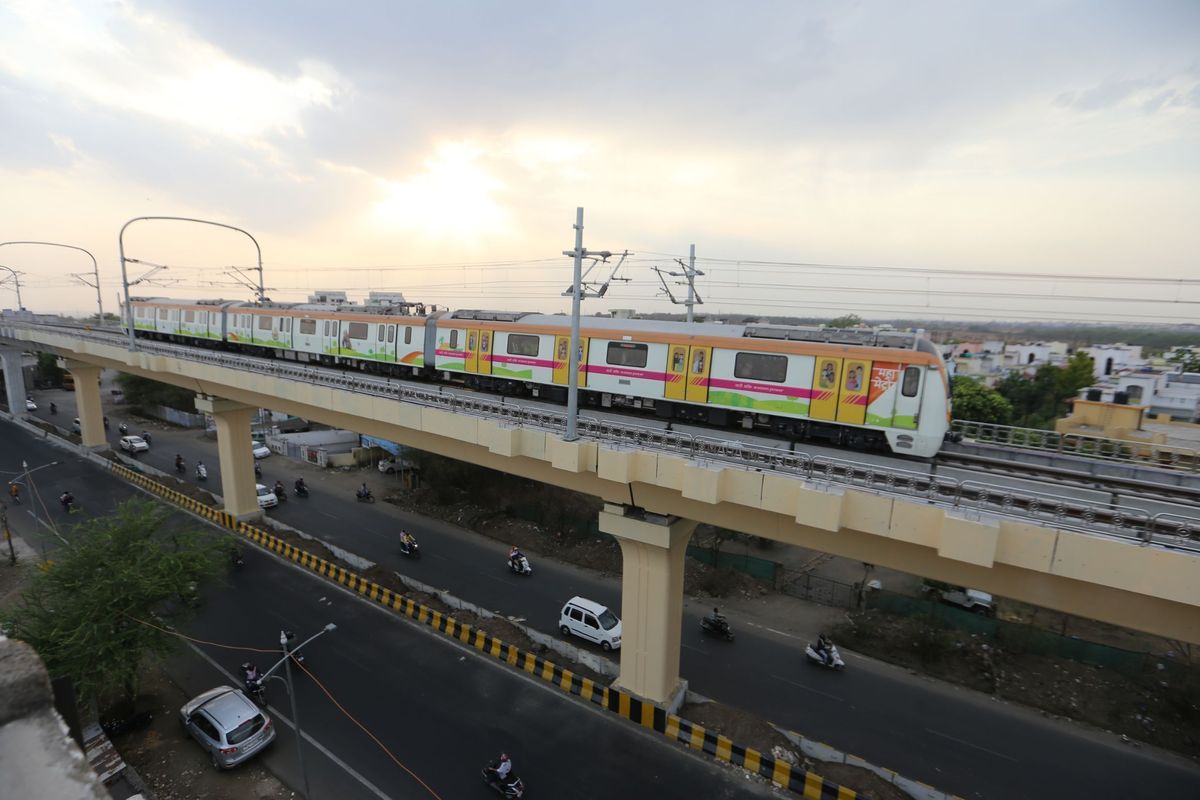
Nagpur Metro Fare Reduction: In a strategic move to enhance commuter affordability and promote ridership, the Maharashtra Metro Rail Corporation is set to implement a substantial 33% reduction (Cash Back Scheme) in ticket fares, effective March 1. As summer vacations approach, the corporation aims to facilitate easier and more economical travel for the public.

Cash Back Incentive Unveiled

In addition to the fare reduction, a novel ‘Cash Back’ scheme (Fare Reduction) is in the pipeline. Under this initiative, Maha Card users purchasing tickets exceeding Rs 800 will accrue 10 points, with a remarkable 10% of the fare being reimbursed. This innovative plan is currently in its final stages of development.

Continuity of Existing Schemes

Crucially, as the new plan takes shape, existing schemes will remain untouched. Students will continue to enjoy a 30% concession, providing ongoing support for education-related commuting costs. Amidst the scorching temperatures in Nagpur, the Maha Metro goes further by offering air-conditioned coach facilities for a more comfortable journey.

Route-Specific Savings

Travellers journeying from Sitabuldi to Lokmanya Nagar will witness a noticeable drop in fares from Rs 30 to a pocket-friendly Rs 25. With the added 30% student concession, the fare for students on this route will be a mere Rs 18.

Impressive Ridership Stats

The inauguration of Phase-I of Nagpur Metro by Prime Minister Narendra Modi marked the beginning of a transformative transportation system. The metro, spanning 36 operational stations, has achieved a consistent ridership of approximately 75,000. Notably, on February 5, the ridership surged to 95,000, reaching its peak at 2.2 lakh on January 1, 2023.

Initiatives for Increased Ridership

In a bid to further bolster ridership, Nagpur Metro is implementing various schemes, including share auto services at key stations. Currently running every 15 minutes, the frequency is set to be reduced to 10 minutes during peak hours between 8 am and 11 am, and 4 pm and 7 pm.

{finish}

Conclusion: A Commuter-Friendly Future

In conclusion, the Maharashtra Metro Rail Corporation’s decision to reduce fares and introduce innovative schemes demonstrates a commitment to providing an efficient and economical transportation solution. The efforts to maintain existing concessions while exploring new avenues for enhancing commuter experience showcase a thoughtful approach to public service.

FAQs: Unveiling the Details

  1. Q: When will the reduced fares come into effect?
    • A: The reduced fares will be applicable from March 1, offering commuters immediate relief.
  2. Q: What is the ‘Cash Back’ scheme for Maha Card users?
    • A: Maha Card users spending over Rs 800 will receive 10 points and a 10% fare reimbursement, enhancing overall savings.
  3. Q: Will existing concessions for students be affected by the new plan?
    • A: No, the 30% concession for students will continue alongside the new initiatives.
  4. Q: How frequently will the Nagpur Metro run during peak hours?
    • A: The metro will operate every 10 minutes between 8 am and 11 am, and 4 pm and 7 pm, optimizing convenience for commuters.
  5. Q: What steps is Nagpur Metro taking to boost ridership?
    • A: Various initiatives, including share auto services and increased frequency during peak hours, aim to enhance overall ridership.

Director’s Post Approved for ‘National Institute of One Health’ in Nagpur

Crafting a Safer Tomorrow through Integrated Disease Control and Pandemic Preparedness

In a significant move, the Union Cabinet has given the green light to a pivotal proposal, marking the inception of the Director’s post at the National Institute of One Health in Nagpur. This esteemed position, set at pay level 15, is slated to be occupied by a distinguished Scientist H.

Setting the Stage: National One Health Mission Takes Center Stage

Underlining its commitment to holistic health strategies, the Union Cabinet has mandated the appointed Director to wear an additional hat as the mission director for the groundbreaking ‘National One Health Mission.’ This visionary initiative transcends traditional boundaries, aiming to synchronize disease control and pandemic preparedness across human, animal, plant, and environmental domains.

Empowering the Future: Research and Development Program Gains Traction

On January 1, 2024, a resounding approval echoed through the bureaucratic corridors, giving the nod to a comprehensive research and development program. This program, operating under the umbrella of the National One Health Mission, is geared towards fortifying integrated disease control and pandemic preparedness efforts.

One Health Mission: Paving the Way for a Healthier India

The crux of the matter lies in the One Health Mission, a strategic blueprint that seeks to revolutionize India’s healthcare landscape. By institutionalizing the “One Health” approach, this mission becomes a linchpin in the country’s endeavors to achieve integrated disease control and pandemic preparedness.

Financial Implications: Crunching the Numbers

The creation of the Director’s post, with the occupant holding the esteemed rank of Scientist ‘H’ at pay level 15 (Rs 21,82,000 — Rs 2,24,100), comes with financial implications amounting to approximately 735.59 lakhs annually.


Conclusion: A Bold Leap Towards Comprehensive Healthcare

In summary, the approval of the Director’s post for the National Institute of One Health in Nagpur heralds a new era in healthcare governance. The fusion of administrative prowess with a scientific acumen at this crucial juncture emphasizes the government’s commitment to a healthier, safer India.

Frequently Asked Questions

Q1: What is the primary objective of the National One Health Mission? Answer: The mission strives to seamlessly integrate disease control and pandemic preparedness efforts across human, animal, plant, and environmental sectors.

Q2: How does the Director’s post contribute to the mission’s success? Answer: The appointed Director will play a dual role, overseeing the National Institute of One Health and steering the multi-ministerial and multi-sectoral National One Health Mission.

Q3: What is the significance of institutionalizing the “One Health” approach? Answer: Institutionalizing the “One Health” approach ensures a unified strategy for disease control and pandemic preparedness, fostering a more effective and coordinated response.

Q4: How will the research and development program enhance preparedness? Answer: The program, approved on January 1, 2024, focuses on bolstering research and development efforts, thereby fortifying integrated disease control and pandemic preparedness.

Q5: What are the financial implications of creating the Director’s post? Answer: The annual financial implications for the Director’s post at pay level 15 are estimated at approximately 735.59 lakhs.

DGP Shukla’s Strategic Visit to RSS HQ: Unraveling Security Measures in Nagpur

In a pivotal move, State Director General of Police (DGP) Rashmi Shukla embarked on her first visit to Vidarbha, marking a significant extension of her tenure by two years. The visit encompassed diverse activities, from boosting morale at the 72nd All India Police Volleyball Cluster games to assessing security protocols at the RSS headquarters in Nagpur.

A Day in Gadchiroli: Beyond Policing

Encouraging Sportspersons at All India Police Volleyball Cluster Games

The visit commenced with DGP Shukla’s enthusiastic engagement at the 72nd All India Police Volleyball Cluster games in Gadchiroli. As a fervent supporter of sportsmanship within the police force, Shukla’s presence resonated with the participating athletes, elevating the spirit of the event.

Insightful Tour to Remote Police Posts

Shukla’s commitment extended to the hinterlands as she visited the Manne Rajaram and Bhamragarh police posts in Gadchiroli. This not only showcased her dedication to understanding the ground realities but also strengthened the bond between the police force and the local communities.

Empowering Women: Agricultural Study Tour

A notable highlight was the initiation of an agricultural study tour, where Shukla flagged off a bus carrying 45 women from Bhamragarh for an enriching experience. This move underscores the DGP‘s multifaceted approach, combining security concerns with community development.

Strategic Review at RSS Headquarters

Revisiting History: Shukla’s Connection with RSS Security

An intriguing aspect of the visit was Shukla’s return to familiar territory – the RSS headquarters in Nagpur. Notably, she had previously overseen RSS security as Zonal DCP in Nagpur nearly two-and-a-half decades ago. This visit marked a significant reunion with the institution under her current role as the state’s first woman DGP.

Analyzing Security Deployment

The crux of the visit lay in Shukla’s meticulous review of security measures at the RSS headquarters, particularly outside the sensitive establishment at Mahal. Given the historical targeting of this location by terrorist outfits, Shukla’s scrutiny emphasized the paramount importance of safeguarding such strategic institutions.

Briefing by Nagpur Officials

During her visit, Shukla was accompanied by high-ranking police officials who provided detailed insights into the security measures and safety layers implemented at the RSS headquarters. The exchange aimed to keep the DGP abreast of the current security scheme, ensuring the continued safety of the institution and its office-bearers.

Conclusion: Bridging Security and Community

In conclusion, (DGP Shukla) DGP Rashmi Shukla’s visit to Gadchiroli and the RSS headquarters serves as a testament to the nuanced role of law enforcement. Beyond the conventional policing duties, Shukla’s engagement with sports, community empowerment, and strategic security reviews reflects a holistic approach to her responsibilities.

FAQs

1. What prompted DGP Rashmi Shukla’s visit to Gadchiroli?

DGP Shukla visited Gadchiroli to boost morale at the All India Police Volleyball Cluster games, assess security, and engage with remote police posts.

2. Why did Shukla flag off a bus for an agricultural study tour?

Shukla initiated an agricultural study tour to empower women in Bhamragarh, showcasing a commitment to community development.

3. How did Shukla’s visit to the RSS headquarters unfold?

The visit involved a strategic review of security measures, a historical connection to RSS security, and a briefing by Nagpur officials on present safety protocols.

4. What is the significance of Shukla’s role as the state’s first woman DGP?

Shukla’s role signifies a groundbreaking achievement, adding a unique perspective to law enforcement leadership.

5. How does Shukla’s visit reflect a holistic approach to policing?

Shukla’s engagement with sports, community empowerment, and security reviews showcases a holistic approach, recognizing the multifaceted role of law enforcement.

Nagpur’s Milestone: District Medical Board Approves City’s First Surrogacy Case

In a groundbreaking move, the Nagpur District Medical Board, led by the esteemed chairperson and civil surgeon, Dr. Nivrutti Rathod, has approved the city’s inaugural surrogacy case. This pivotal decision holds the promise of ushering in an era of ethical and regulated surrogacy practices in Nagpur, offering a beacon of hope for couples grappling with infertility challenges.

Understanding Surrogacy: A Lifeline for Hopeful Parents

Surrogacy, a process where a designated surrogate mother carries and delivers a baby for a couple unable to conceive naturally, has gained legal recognition in Nagpur. The intending parents, contributing both egg and sperm, undergo In Vitro Fertilization (IVF), with the fertilized embryo implanted into the surrogate mother’s womb.

Dr. Rathod’s Commitment to Ethical Practices

This decision marks a significant step forward for Nagpur. We are committed to ensuring that surrogacy practices in our city are conducted ethically and transparently, adhering to the guidelines outlined in the Surrogacy Act 2021,” affirmed Dr. Rathod. The meticulous process involved personal interviews with both the intending parents and the surrogate mother, ensuring a coercion-free and exploitation-free journey.

Rigorous Investigations for Ethical Surrogacy

The Board, comprising accomplished medical professionals like gynaecologist Dr. Seema Parvekar, Dr. Madhuri Thorat, Dr. Jayashree Vaidya, and senior paediatrician Dr. Dilip Madavi, conducted exhaustive investigations. These included in-depth examinations of medical reports, both physical and mental, ensuring the well-being of all parties involved throughout the surrogacy journey.

The Surrogacy Regulation Act, 2021, establishes a comprehensive legal framework for ethical surrogacy practices in India. It prioritizes the well-being of both the surrogate mother and the intending parents, explicitly prohibiting commercial surrogacy. Financial compensation is restricted to reasonable expenses incurred by the surrogate mother.

A New Dawn for Ethical Surrogacy in Nagpur

Nagpur’s first approved surrogacy case not only marks a significant milestone in medical history but also represents a compassionate approach to addressing infertility challenges. The stringent adherence to the Surrogacy Regulation Act, 2021, ensures that surrogacy practices in Nagpur are not just a medical procedure but a journey guided by ethics and responsibility.

FAQs on Surrogacy in Nagpur

  1. Is surrogacy legal in Nagpur?
    • Yes, the recent approval by the Nagpur District Medical Board signifies legal recognition.
  2. What criteria ensure ethical surrogacy?
    • Stringent interviews and medical examinations guarantee a coercion-free and responsible surrogacy process.
  3. Who oversees the surrogacy process in Nagpur?
    • The District Medical Board, led by Dr. Nivrutti Rathod, ensures the ethical conduct of surrogacy.
  4. Are intending parents involved in the approval process?
    • Yes, intending parents undergo interviews to ensure their commitment and understanding of the surrogacy journey.
  5. Does the Surrogacy Regulation Act allow commercial surrogacy in Nagpur?
    • No, the Act strictly prohibits commercial surrogacy, allowing only reasonable expenses for the surrogate mother.

Nagpur University Library Bridge Now Open for Public

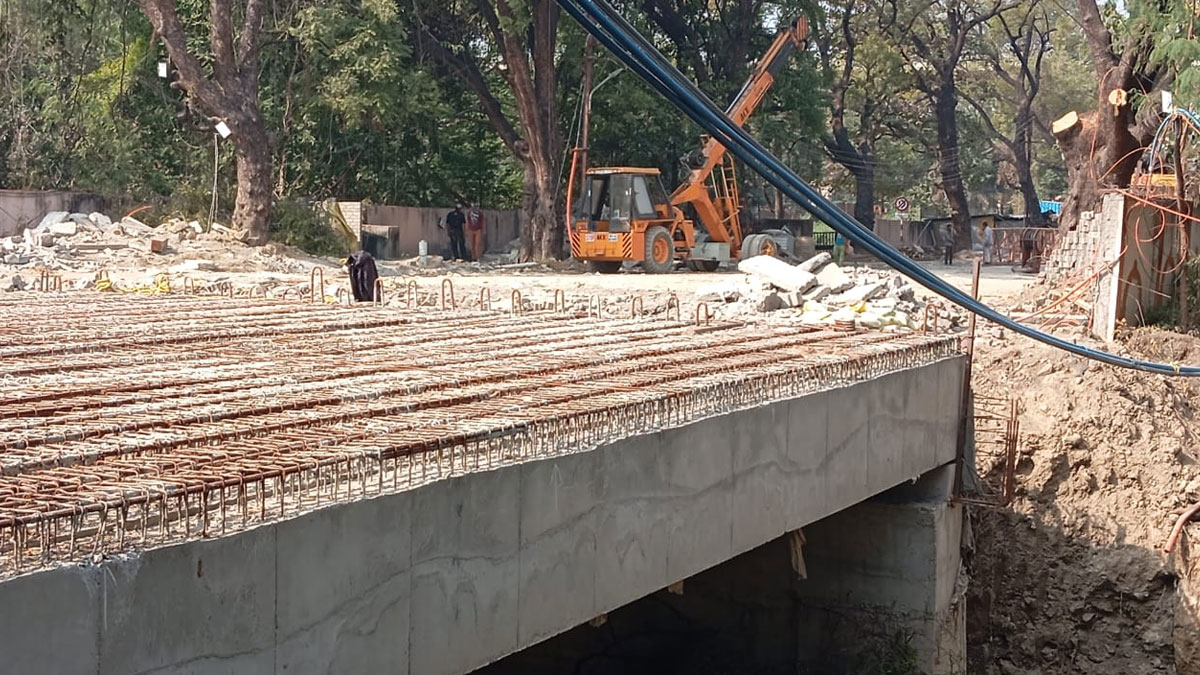
In a remarkable turn of events, the Nagpur University Library bridge, (Ramdaspeth Bridge) which faced closure due to non-completion, has triumphantly reopened for the public. This article delves into the intricacies of its construction, the hurdles faced, and the recent joyous moment of its reopening.

The Collapse and Reconstruction

The Heavy Rains and Bridge Collapse: A Saga of Resilience In August 2022, the Nagpur University library bridge (Ramdaspeth Bridge) faced a severe test as heavy rains caused its collapse. Explore the challenges posed by nature and the subsequent determination to rebuild this crucial link.

The relentless downpour in August 2022 took a toll on the Nagpur University library bridge, ((Ramdaspeth Bridge)) leading to its collapse. It was a setback, but adversity often fuels resilience. The community rallied together, and the authorities swiftly initiated plans to reconstruct this vital infrastructure.

Construction Chronicles

From Work Order to Extension: Navigating Construction Challenges Uncover the timeline of the NU library bridge construction, from the issuance of the work order in October 2022 to the challenges leading to a three-month extension for the contractor.

Paragraph Content: The saga of the NU library bridge construction began with the issuance of the work order in October 2022. However, unforeseen challenges led to a three-month extension for the contractor. Despite the delays, the determination to see this project through remained unwavering.

Cost and Controversies

8 Crore Bridge: Balancing Cost and Quality Dive into the controversies surrounding the construction cost of the NU library bridge, amounting to 8 crores, and how it sparked debates over the balance between expense and infrastructure quality.

Paragraph Content: The NU library bridge, a crucial link for the community, came with a price tag of 8 crores. This sparked debates and controversies surrounding the allocation of funds and the expectations of quality. Balancing cost and ensuring infrastructure durability became focal points of discussion.

Traffic Turmoil

Traffic Woes: Opening, Closing, and Reopening Explore the complex timeline of traffic management on the NU library bridge, from the premature opening in February to the subsequent closure and the recent formal reopening.

Paragraph Content: Navigating the challenges of traffic management, the NU library bridge saw premature opening on February 1. However, due to unforeseen issues, traffic was halted on February 16. The recent formal reopening on Wednesday evening marks a triumphant resolution to the earlier woes.

NU Library Bridge Now Open for Public

A Moment of Celebration: Wednesday Evening Reopening Delve into the details of the NU library bridge formally reopening for the public on a Wednesday evening, marking a momentous occasion for the community.

Paragraph Content: Wednesday evening became a symbol of triumph as the NU library bridge reopened for the public. This joyous occasion was a testament to the resilience of the community and the dedication of those involved in the reconstruction efforts.

Frequently Asked Questions (FAQs)

Q: When did the NU library bridge collapse? The NU library bridge collapsed in August 2022 due to heavy rains.

Answer: The collapse occurred in August 2022, posing a significant challenge for the community.

Q: When was the work order issued for the bridge construction? The work order for the NU library bridge construction was issued in October 2022.

Answer: October 2022 marked the commencement of the bridge construction journey with the issuance of the work order.

Q: Why was the contractor given a three-month extension? The contractor received a three-month extension due to non-completion of the bridge construction on time.

Answer: Delays in the construction process led to the contractor being granted a three-month extension to ensure the project’s completion.

Q: How much did the construction of the NU library bridge cost? The construction cost of the NU library bridge amounted to 8 crores.

Answer: The bridge was constructed at a cost of 8 crores, raising discussions about the balance between cost and infrastructure quality.

Q: When did traffic initially start on the bridge? Traffic on the NU library bridge started on February 1, despite the construction not being fully completed.

Answer: February 1 saw the commencement of traffic on the bridge, showcasing an attempt to ease the community’s connectivity.

Q: Why was traffic stopped again on February 16? Traffic on the NU library bridge was halted on February 16 due to unforeseen issues.

Answer: Unforeseen challenges prompted the authorities to halt traffic on February 16, addressing safety concerns.

The NU library bridge’s journey, from collapse to reconstruction and its recent reopening, is a testament to human resilience and community strength. As it stands tall once again, this bridge not only connects physical paths but also symbolizes triumph over adversity.

NIT’s Grand Initiative to Restore Bakht Buland Shah’s Grave

In a historic move, the Nagpur Improvement Trust (NIT) has undertaken a noble mission to restore and rejuvenate the final resting place of the illustrious Bakht Buland Shah. The grave, nestled in a once-royal family graveyard dating back to the early 17th century, has long been neglected, overshadowed by encroachments and the passage of time.

A Heritage in Ruins

A Graveyard Lost in Time

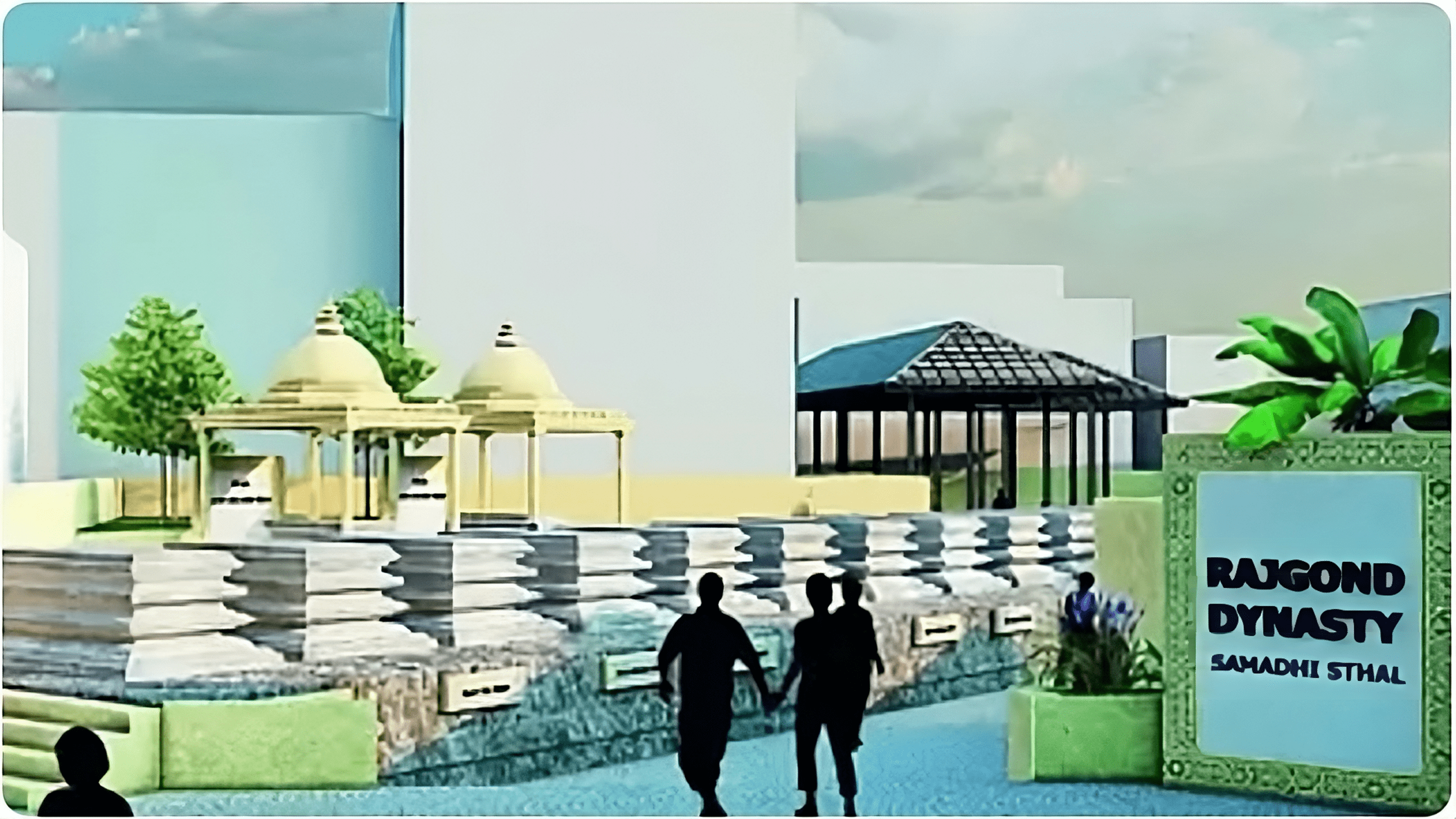
For over 300 years, Bakht Buland Shah’s grave has endured neglect, situated in an unkempt and nondescript royal family graveyard spanning one acre in Sakkardara. The burial ground houses 27 graves of Gond King Azam Shah’s forefathers, making it a vital historical site.

Menacing Encroachments

The heritage site, a testament to Nagpur’s foundation, faces encroachment from all sides by vendors and residents. The Nagpur Improvement Trust aims to reclaim the sanctity of this historic ground.

NIT’s Pledge to Restoration

A Heritage in Need

Recognizing the significance of the graveyard as a national heritage, NIT chairman Manojkumar Suryawanshi affirms their commitment to restoring and renovating Bakht Buland Shah’s final resting place.

Abiding by Heritage Norms

In an exclusive statement to TOI, Suryawanshi assures that the restoration work will strictly adhere to heritage norms, ensuring the preservation of the historical authenticity of the site.

Current State of Despair

Encroachments and Neglect

The mausoleums in Azamshah layout, Sakkardara, housing the royal family’s final resting places, are not only encroached upon but also neglected by both authorities and descendants.

NIT’s Anti-Encroachment Drive

As part of their development plan, NIT’s anti-encroachment squad recently demolished illegal constructions in the vicinity, setting the stage for the upcoming restoration project.

The Detailed Makeover Plan

Beyond Tombstones

Chairman Suryawanshi emphasizes NIT’s holistic approach, stating that the makeover plan encompasses not only the graves but the entire premises. The restoration will not just revive its past glory but also redefine the aesthetic of the entire area.

NIT’s Vision

“We will concentrate on the whole premises, not just the graves. The restoration work will not only restore its past glory but will also give a new look to the premises,” Suryawanshi said, highlighting NIT’s vision for the project.

NIT to Renovate Bakht Buland Shah’s Grave

NIT’s decision to renovate Bakht Buland Shah’s grave underscores their dedication to preserving the historical legacy of Nagpur.

Frequently Asked Questions

Q1: Why is Bakht Buland Shah’s grave significant?

A1: Bakht Buland Shah laid the foundation of Nagpur over 300 years ago, making his grave a crucial historical site.

Q2: How will NIT ensure the preservation of heritage norms?

A2: NIT chairman Manojkumar Suryawanshi has assured that the restoration work will strictly adhere to heritage norms.

Q3: What is NIT’s development plan for the entire premises?

A3: NIT aims to beautify the existing place without disturbing the tombstones, focusing on the holistic restoration of the entire premises.

Q4: Why did NIT conduct an anti-encroachment drive?

A4: NIT’s anti-encroachment drive was part of their development plan to clear illegal constructions and pave the way for the restoration project.

Q5: What is the significance of the mausoleums in Azamshah layout?

A5: The mausoleums in Azamshah layout house the final resting places of the royal family, adding to the historical value of the site.

Q6: How does NIT plan to achieve a new look for the premises?

A6: Chairman Suryawanshi envisions a comprehensive restoration that goes beyond the graves, providing a fresh and revitalized aesthetic to the entire area.

The Nagpur Improvement Trust’s initiative to renovate Bakht Buland Shah’s grave marks a pivotal moment in the preservation of Nagpur’s rich history. With a detailed makeover plan, a commitment to heritage norms, and a vision for the holistic restoration of the premises, NIT stands as a beacon of hope for the revival of this historic site. As Bakht Buland Shah’s legacy is honored, Nagpur takes a significant step towards reclaiming its past.

Exit mobile version