Navigating Nagpur’s Traffic Maze: Road Closure for Tunnel Construction

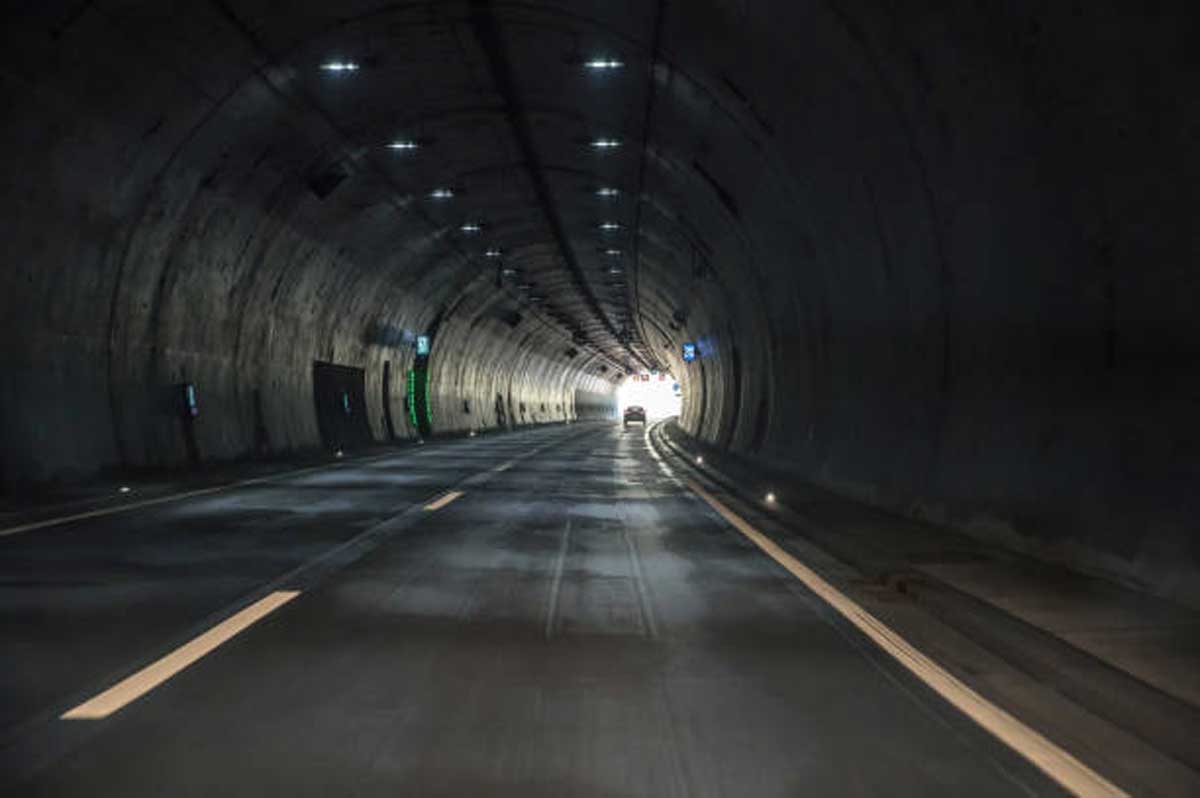
Nagpur tunnel: Nagpur, a bustling city known for its vibrant culture, is about to face a significant traffic disruption. The road from Freedom Park Metro station (Morris College Square) to Institute of Science College is set to be closed for a month, from March 6 to April 5. This move is part of the ambitious tunnel construction project by MahaMetro, aiming to connect Institute of Science College to Manas Square. Let’s delve into the details of this traffic diversion and its impact on the city.

Traffic Turmoil: Chaos at Variety Square, Zero Mile T-point, and Samvidhan Square

As Nagpur witnesses ongoing road concretization works, the additional closure of the Freedom Park Metro station route will undoubtedly escalate traffic chaos (traffic diversion) at key points like Variety Square, Zero Mile T-point, and Samvidhan Square. The city’s arteries are already strained, and this closure is likely to add to the congestion.

MahaMetro’s Vision: Tunneling Towards Connectivity (Nagpur tunnel)

MahaMetro, the agency spearheading this tunnel construction, has sought a two-month closure for the project. The proposed 870-meter tunnel connecting Manas Square with Institute of Science Square via Morris College Square on Wardha Road is a significant infrastructural endeavor. Deputy Commissioner of Police (Traffic) Shashikant Satao emphasized that the construction work will be carried out day and night to expedite the process.

Financial Backing: Gadkari’s Commitment to Progress

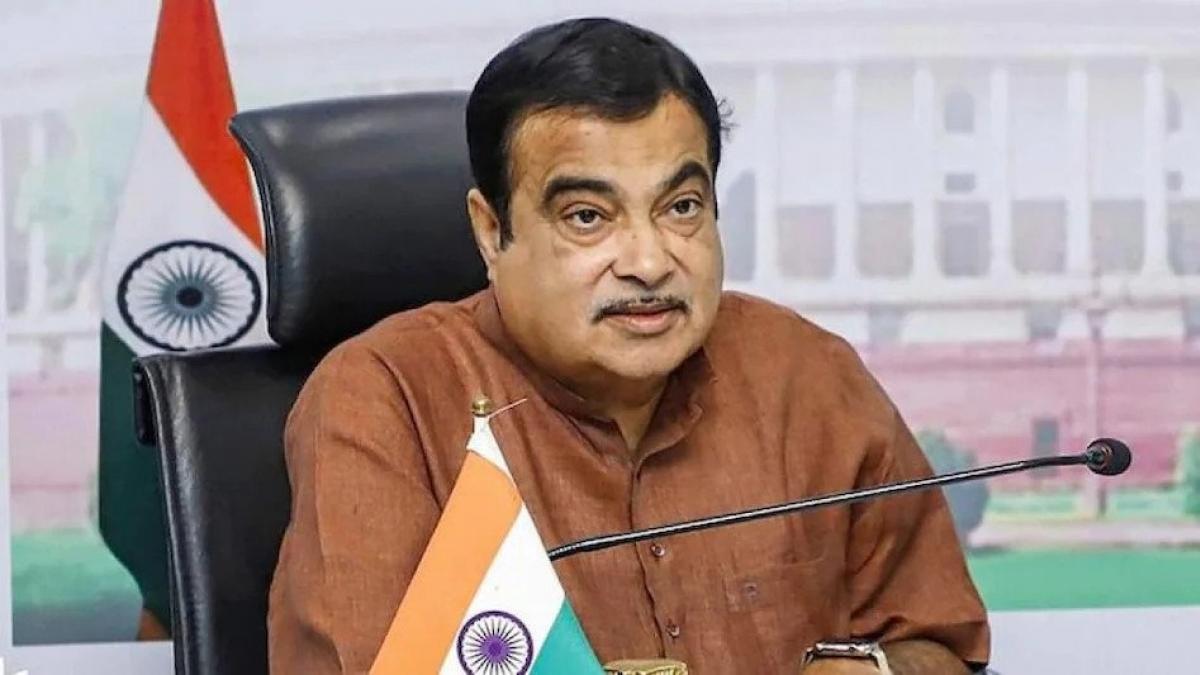
Union Minister Nitin Gadkari has allocated Rs79.67 crore through the Central Road Fund (CRF) to fund the tunnel’s construction. This financial commitment underscores the project’s importance and the government’s dedication to enhancing connectivity in Nagpur.

Tunnel Design and Functionality

The planned underpass is set to have three entry/exit points, running underneath Ansari Road (Tekdi Road). MahaMetro officials assert that this tunnel will alleviate traffic strain on nearby areas hosting institutions such as Bhavan’s School, BSNL office, forest department office, and Zero Mile.

Phased Approach: Construction Strategy

To ensure an efficient construction process, MahaMetro has divided the work into two phases. Phase-I involves constructing a 400-meter tunnel from Institute of Science to Freedom Park Metro station, while Phase-II will focus on completing the remaining tunnel. The decision to close the entire stretch from Freedom Park Metro Station to Institute of Science College is aimed at streamlining the construction efforts.

Traffic Regulation Measures

Given the heavy traffic in the area, especially during the night, strict traffic regulation and control are imperative. The notification emphasizes the need for smooth traffic diversion during the construction period. Vehicles will be diverted from either Variety Square or Zero Mile T-point.

Safety First: Contractor’s Responsibilities

Contractor YFC-BBG, responsible for the tunnel construction, has been directed to take necessary safety measures. This includes appointing traffic security guards to ensure the smooth and safe regulation of traffic throughout the construction phase.

Conclusion: Navigating Change for a Better Nagpur (MahaMetro project)

While the road closure may cause short-term inconvenience, it paves the way for long-term connectivity benefits for Nagpur. MahaMetro’s ambitious tunnel project signifies progress and a commitment to enhancing the city’s infrastructure. As Nagpur adapts to these changes, the result promises a more connected and efficient urban landscape.

FAQs: Unveiling Answers to Common Queries

  1. Q: Why is the road from Freedom Park Metro station to Institute of Science College closed?
    • A: The closure is part of MahaMetro’s construction project to build a tunnel connecting Institute of Science College to Manas Square, aimed at improving connectivity.
  2. Q: How long will the road closure last?
    • A: The closure is scheduled for one month, from March 6 to April 5, to facilitate the efficient construction of the tunnel.
  3. Q: What measures are in place to manage traffic during the construction period?
    • A: Traffic will be diverted from Variety Square or Zero Mile T-point, and strict regulation measures will be enforced to ensure smooth traffic flow.
  4. Q: Who is funding the tunnel construction project?
    • A: Union Minister Nitin Gadkari has allocated Rs79.67 crore through the Central Road Fund (CRF) for the construction of the tunnel.
  5. Q: How is the tunnel expected to benefit Nagpur?
    • A: The tunnel is designed to reduce traffic strain in key areas, providing enhanced connectivity and improving the overall urban landscape.

Nagpur University Library Bridge Now Open for Public

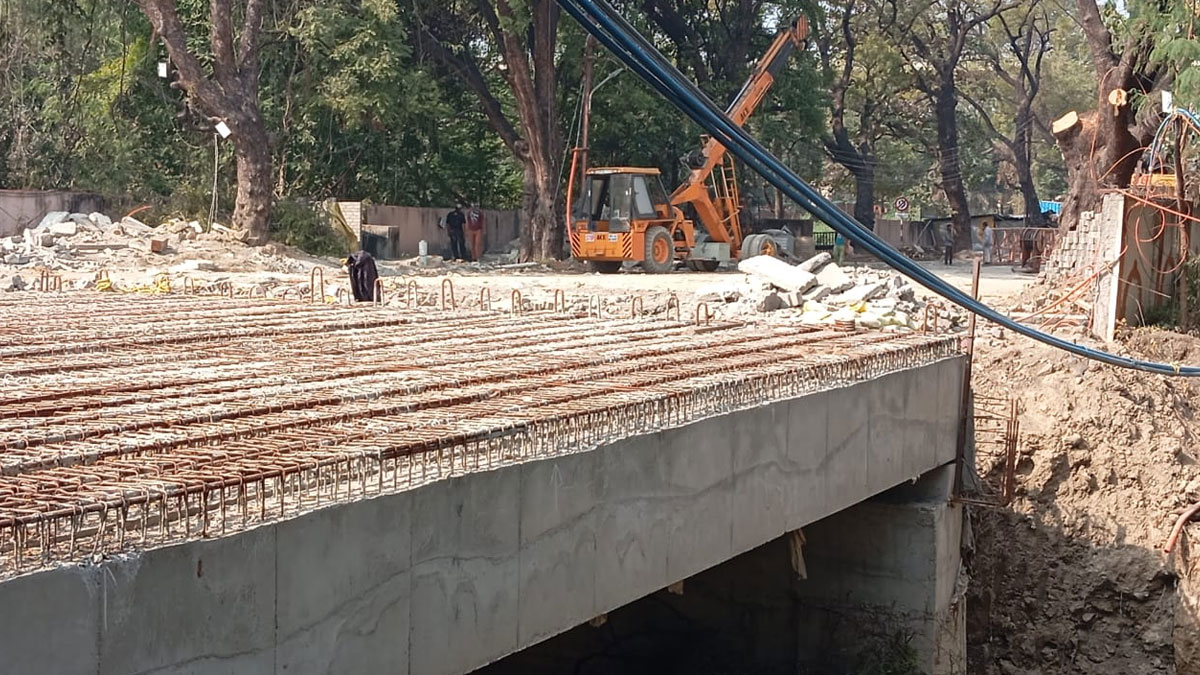
In a remarkable turn of events, the Nagpur University Library bridge, (Ramdaspeth Bridge) which faced closure due to non-completion, has triumphantly reopened for the public. This article delves into the intricacies of its construction, the hurdles faced, and the recent joyous moment of its reopening.

The Collapse and Reconstruction

The Heavy Rains and Bridge Collapse: A Saga of Resilience In August 2022, the Nagpur University library bridge (Ramdaspeth Bridge) faced a severe test as heavy rains caused its collapse. Explore the challenges posed by nature and the subsequent determination to rebuild this crucial link.

The relentless downpour in August 2022 took a toll on the Nagpur University library bridge, ((Ramdaspeth Bridge)) leading to its collapse. It was a setback, but adversity often fuels resilience. The community rallied together, and the authorities swiftly initiated plans to reconstruct this vital infrastructure.

Construction Chronicles

From Work Order to Extension: Navigating Construction Challenges Uncover the timeline of the NU library bridge construction, from the issuance of the work order in October 2022 to the challenges leading to a three-month extension for the contractor.

Paragraph Content: The saga of the NU library bridge construction began with the issuance of the work order in October 2022. However, unforeseen challenges led to a three-month extension for the contractor. Despite the delays, the determination to see this project through remained unwavering.

Cost and Controversies

8 Crore Bridge: Balancing Cost and Quality Dive into the controversies surrounding the construction cost of the NU library bridge, amounting to 8 crores, and how it sparked debates over the balance between expense and infrastructure quality.

Paragraph Content: The NU library bridge, a crucial link for the community, came with a price tag of 8 crores. This sparked debates and controversies surrounding the allocation of funds and the expectations of quality. Balancing cost and ensuring infrastructure durability became focal points of discussion.

Traffic Turmoil

Traffic Woes: Opening, Closing, and Reopening Explore the complex timeline of traffic management on the NU library bridge, from the premature opening in February to the subsequent closure and the recent formal reopening.

Paragraph Content: Navigating the challenges of traffic management, the NU library bridge saw premature opening on February 1. However, due to unforeseen issues, traffic was halted on February 16. The recent formal reopening on Wednesday evening marks a triumphant resolution to the earlier woes.

NU Library Bridge Now Open for Public

A Moment of Celebration: Wednesday Evening Reopening Delve into the details of the NU library bridge formally reopening for the public on a Wednesday evening, marking a momentous occasion for the community.

Paragraph Content: Wednesday evening became a symbol of triumph as the NU library bridge reopened for the public. This joyous occasion was a testament to the resilience of the community and the dedication of those involved in the reconstruction efforts.

Frequently Asked Questions (FAQs)

Q: When did the NU library bridge collapse? The NU library bridge collapsed in August 2022 due to heavy rains.

Answer: The collapse occurred in August 2022, posing a significant challenge for the community.

Q: When was the work order issued for the bridge construction? The work order for the NU library bridge construction was issued in October 2022.

Answer: October 2022 marked the commencement of the bridge construction journey with the issuance of the work order.

Q: Why was the contractor given a three-month extension? The contractor received a three-month extension due to non-completion of the bridge construction on time.

Answer: Delays in the construction process led to the contractor being granted a three-month extension to ensure the project’s completion.

Q: How much did the construction of the NU library bridge cost? The construction cost of the NU library bridge amounted to 8 crores.

Answer: The bridge was constructed at a cost of 8 crores, raising discussions about the balance between cost and infrastructure quality.

Q: When did traffic initially start on the bridge? Traffic on the NU library bridge started on February 1, despite the construction not being fully completed.

Answer: February 1 saw the commencement of traffic on the bridge, showcasing an attempt to ease the community’s connectivity.

Q: Why was traffic stopped again on February 16? Traffic on the NU library bridge was halted on February 16 due to unforeseen issues.

Answer: Unforeseen challenges prompted the authorities to halt traffic on February 16, addressing safety concerns.

The NU library bridge’s journey, from collapse to reconstruction and its recent reopening, is a testament to human resilience and community strength. As it stands tall once again, this bridge not only connects physical paths but also symbolizes triumph over adversity.

NIT’s Grand Initiative to Restore Bakht Buland Shah’s Grave

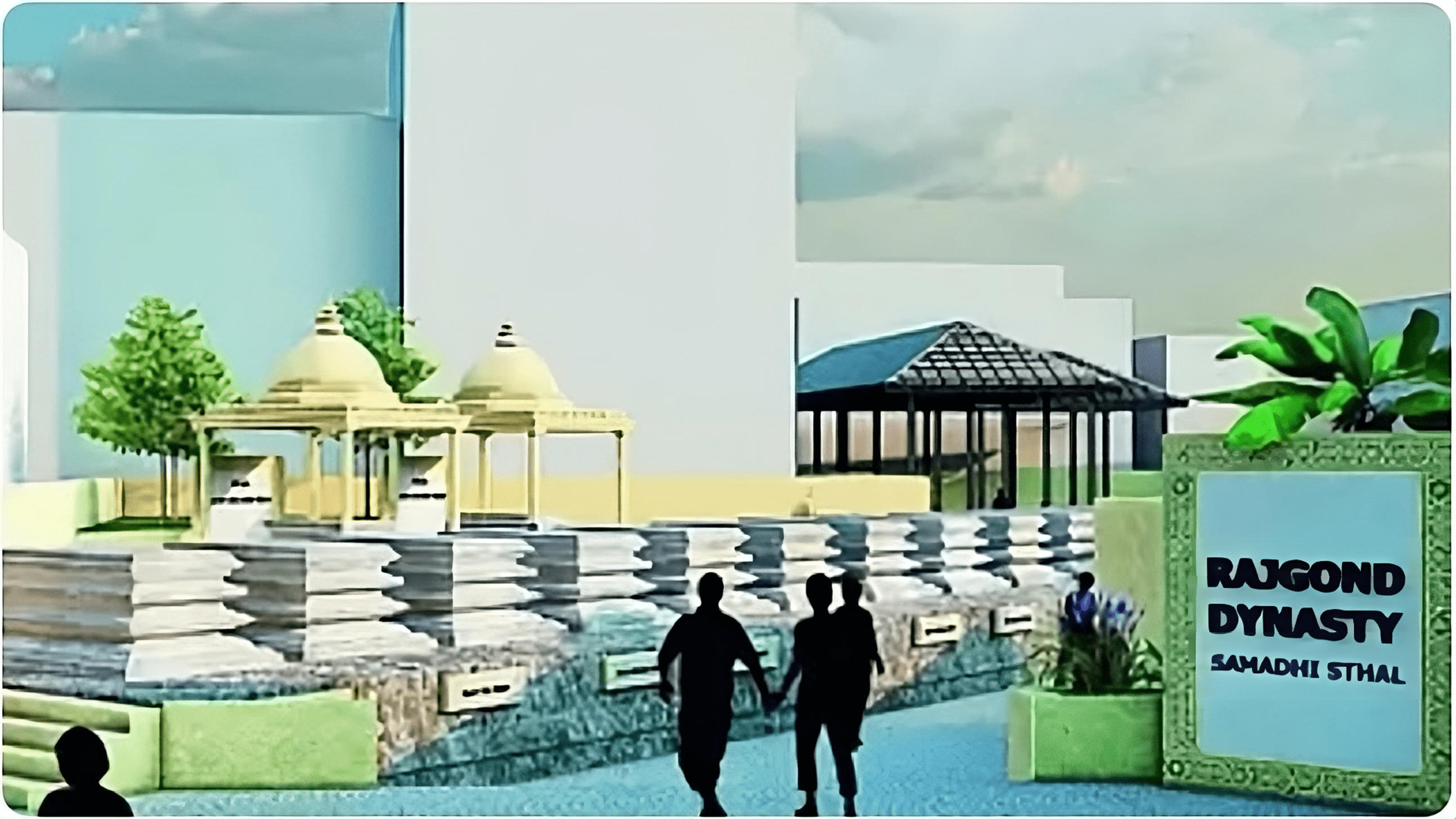
In a historic move, the Nagpur Improvement Trust (NIT) has undertaken a noble mission to restore and rejuvenate the final resting place of the illustrious Bakht Buland Shah. The grave, nestled in a once-royal family graveyard dating back to the early 17th century, has long been neglected, overshadowed by encroachments and the passage of time.

A Heritage in Ruins

A Graveyard Lost in Time

For over 300 years, Bakht Buland Shah’s grave has endured neglect, situated in an unkempt and nondescript royal family graveyard spanning one acre in Sakkardara. The burial ground houses 27 graves of Gond King Azam Shah’s forefathers, making it a vital historical site.

Menacing Encroachments

The heritage site, a testament to Nagpur’s foundation, faces encroachment from all sides by vendors and residents. The Nagpur Improvement Trust aims to reclaim the sanctity of this historic ground.

NIT’s Pledge to Restoration

A Heritage in Need

Recognizing the significance of the graveyard as a national heritage, NIT chairman Manojkumar Suryawanshi affirms their commitment to restoring and renovating Bakht Buland Shah’s final resting place.

Abiding by Heritage Norms

In an exclusive statement to TOI, Suryawanshi assures that the restoration work will strictly adhere to heritage norms, ensuring the preservation of the historical authenticity of the site.

Current State of Despair

Encroachments and Neglect

The mausoleums in Azamshah layout, Sakkardara, housing the royal family’s final resting places, are not only encroached upon but also neglected by both authorities and descendants.

NIT’s Anti-Encroachment Drive

As part of their development plan, NIT’s anti-encroachment squad recently demolished illegal constructions in the vicinity, setting the stage for the upcoming restoration project.

The Detailed Makeover Plan

Beyond Tombstones

Chairman Suryawanshi emphasizes NIT’s holistic approach, stating that the makeover plan encompasses not only the graves but the entire premises. The restoration will not just revive its past glory but also redefine the aesthetic of the entire area.

NIT’s Vision

“We will concentrate on the whole premises, not just the graves. The restoration work will not only restore its past glory but will also give a new look to the premises,” Suryawanshi said, highlighting NIT’s vision for the project.

NIT to Renovate Bakht Buland Shah’s Grave

NIT’s decision to renovate Bakht Buland Shah’s grave underscores their dedication to preserving the historical legacy of Nagpur.

Frequently Asked Questions

Q1: Why is Bakht Buland Shah’s grave significant?

A1: Bakht Buland Shah laid the foundation of Nagpur over 300 years ago, making his grave a crucial historical site.

Q2: How will NIT ensure the preservation of heritage norms?

A2: NIT chairman Manojkumar Suryawanshi has assured that the restoration work will strictly adhere to heritage norms.

Q3: What is NIT’s development plan for the entire premises?

A3: NIT aims to beautify the existing place without disturbing the tombstones, focusing on the holistic restoration of the entire premises.

Q4: Why did NIT conduct an anti-encroachment drive?

A4: NIT’s anti-encroachment drive was part of their development plan to clear illegal constructions and pave the way for the restoration project.

Q5: What is the significance of the mausoleums in Azamshah layout?

A5: The mausoleums in Azamshah layout house the final resting places of the royal family, adding to the historical value of the site.

Q6: How does NIT plan to achieve a new look for the premises?

A6: Chairman Suryawanshi envisions a comprehensive restoration that goes beyond the graves, providing a fresh and revitalized aesthetic to the entire area.

The Nagpur Improvement Trust’s initiative to renovate Bakht Buland Shah’s grave marks a pivotal moment in the preservation of Nagpur’s rich history. With a detailed makeover plan, a commitment to heritage norms, and a vision for the holistic restoration of the premises, NIT stands as a beacon of hope for the revival of this historic site. As Bakht Buland Shah’s legacy is honored, Nagpur takes a significant step towards reclaiming its past.

Green Visionary’s Blueprint: Swift Action Urged for Pandhrabodi Lake Revival

Nagpur: In a fervent move towards transforming the historic Pandhrabodi Lake in Ram Nagar into an ‘Amrit Sarovar,’ a recent feasibility report has been submitted to the Nagpur Improvement Trust (NIT), endorsing a rapid rejuvenation strategy. Two years after the commitment made by Nitin Gadkari, the Minister of Highways and Road Transport, the proposal aims to employ sustainable technologies, eco-friendly practices, and extensive dredging of the lake bed.

On July 17, 2022, at LIT College, Gadkari, dedicated 1.25 lakh saplings across national highways, unveiling the ambitious ‘Amrit Sarovar Abhiyan.’ The Public Works Department (NH Division) will spearhead the revitalization of Pandhrabodi and Telangkhedi lakes, utilizing extracted silt and soil for an ongoing flyover project on Amravati road.

Green Crusader’s Initiative

The driving force behind the Pandhrabodi Lake (Ram Nagar) rejuvenation project is environmentalist Baba Deshpande of Vruksha Savwardhan Samiti, Gokulpeth. Deshpande’s vision involves redirecting rainwater from the hillocks of LIT College, potentially revitalizing the dwindling water body located merely 500 meters away.

“For the last 4 years, I’ve been advocating for this project, a potential boon for the city. The lake’s water can serve dual purposes—watering plantations and cement roads. Currently, nullah water irrigates plants on the median,” Deshpande highlighted.

Feasibility Recommendations

City environmental consultant Sandeep Shirkhedkar’s feasibility report advocates measures such as restricting sewage entry, constructing wetlands, and implementing a sewage collection system with an STP. The report emphasizes impounding stormwater, increasing the lake’s capacity, and dredging the silt-laden bed to unlock its immense potential for restoration.

Funding Hurdles

Despite a recent meeting involving NIT chairman Manoj Suryawanshi, Baba Deshpande, former VIDC chief engineer Sanjay Kholapurkar, and NIT executive engineer Prashant Bhandarkar, financial constraints hinder project progression. NIT officials, citing insufficient funds, are yet to respond to TOI’s queries.

Community Involvement and Beautification

The recommendations underscore community engagement, raising awareness about the lake’s ecological and cultural significance. Additionally, the report suggests expanding the catchment area, optimizing rainwater flow, and implementing preventive measures against soil erosion.

Beautification plans encompass a 2,500 sq m area, proposing a children’s park and recreational facilities like swings, slides, and sports courts. A jogging track surrounding the lake is also part of the proposal.

Echoes of Past Attempts

This isn’t the first attempt at rejuvenation. In 2015, the Nagpur Municipal Corporation invested over Rs3.5 crore in desilting and constructing a retaining wall, albeit abandoned midway due to insufficient funds. The current initiative carries echoes of the past, emphasizing the need for collective efforts to revive Pandhrabodi Lake’s former glory. Official records indicate a significant reduction in the lake’s size—from 27 acres to a mere 6.20 acres.

In the face of challenges, the green crusader’s persistent push and the comprehensive feasibility report pave the way for a renewed hope in the journey towards Pandhrabodi Lake’s transformation.

Narendra Modi in Yavatmal: A Vision Unveiled

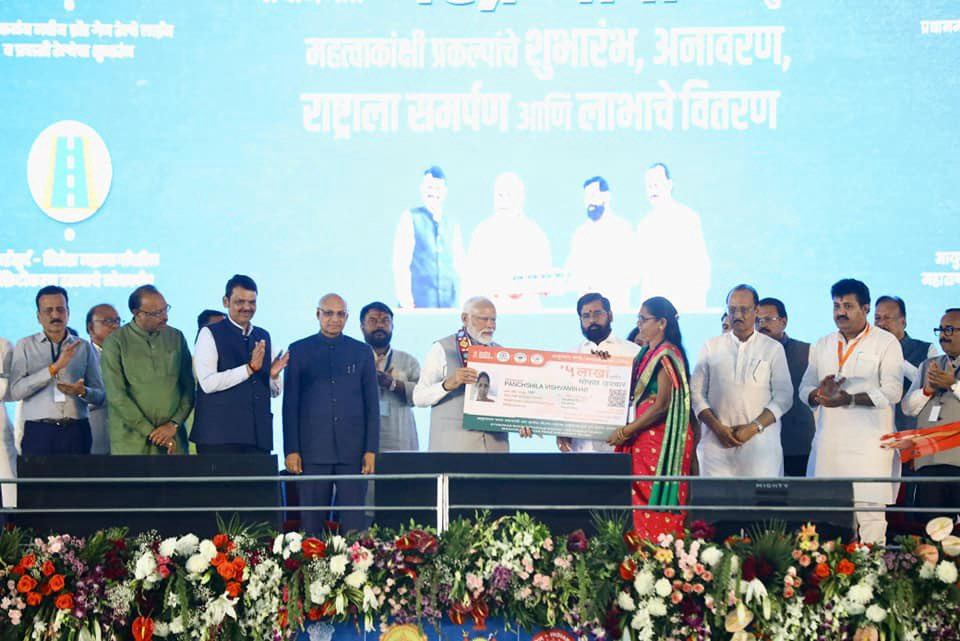
Prime Minister Narendra Modi, in a powerful declaration on Wednesday, envisioned the ruling BJP-led National Democratic Alliance (NDA) surpassing the 400-seat mark in the imminent Lok Sabha polls. Against the backdrop of the auspicious “lucky Yavatmal,” PM Modi initiated an array of projects, emphasizing the forthcoming five years as a period destined for remarkable national development.

Launching a New Era in Yavatmal

Yavatmal’s Starring Role

Inaugurating the BJP’s poll campaign, PM Narendra Modi marked Yavatmal as the starting point for a slew of developmental initiatives. These projects, valued at approximately Rs 35,000 crore, signal a commitment to transformative changes.

NDA’s Prophesied Triumph

Confidently setting the tone for the electoral battle, PM Narendra Modi foresees the NDA surpassing the 400-seat milestone, hinting at a significant electoral victory.

Yavatmal’s Journey: A Brief Recap

Historical Perspective

Recalling pivotal moments, PM Modi reminisced about his pre-poll visits to Yavatmal in 2014 and 2019, underscoring the remarkable seat gains for the NDA during those periods.

Mission: Development for the Nation

Following Shivaji’s Footsteps

Drawing parallels with Chhatrapati Shivaji Maharaj, PM Modi asserted that the government operates with a mission, laying the foundation for progress over the next 25 years.

Inclusive Progress

PM Modi highlighted the commitment to all sections of society—poor, farmers, youth, and women—through the launch of projects worth thousands of crores, aiming to enhance their lives.

Connectivity Boost for Vidarbha

Emphasizing the importance of connectivity, Modi announced significant rail, road, and infrastructural projects for Vidarbha, promoting regional development.

The Condemnation of the Past

Slamming Congress

Taking aim at the Congress party, PM Modi criticized the handling of irrigation projects, especially in Vidarbha, promising a stark departure in the coming five years.

Sharad Pawar in the Crosshairs

PM Modi directly accused former Union Minister Sharad Pawar of mismanagement during his tenure, alleging financial packages for farmers were siphoned off before reaching the intended beneficiaries.

A Financial Revolution

Direct Benefits to Farmers

Highlighting a revolutionary change, PM Narendra Modi showcased the instantaneous transfer of Rs 21,000 crore to farmers’ bank accounts, ensuring that every penny reaches its destination.

The ‘Har Ghar Jal’ Initiative

Discussing the ‘Har Ghar Jal’ guarantee, PM Modi emphasized the significant increase in tap-water connections in rural Maharashtra, transforming the lives of millions.

Economic Boost for Farmers

Detailing financial injections, PM Modi highlighted Maharashtra farmers receiving Rs 3,800 crore and the nationwide disbursement of Rs 3 lakh crore, ensuring substantial support for the agrarian community.

Strengthening Rural Economy

The Rural Imperative

To achieve the status of a developed country, PM Modi stressed the necessity to fortify the rural economy, address issues like drinking water and irrigation, and implement comprehensive schemes.

Key Figures in Attendance

Dignitaries on Stage

The event witnessed the presence of key figures, including Governor Ramesh Bais, Chief Minister Eknath Shinde, and Deputy Chief Ministers Devendra Fadnavis and Ajit Pawar, reinforcing the significance of the occasion.

Leaders Supporting the Cause

Rural Development Minister Girish Mahajan, BJP State President MLA Chandrasekhar Bawankhule, and MP Bhavana Gawli were among the notable leaders showing support.

Grand Arrival in Yavatmal

A Special Entry

PM Modi’s arrival at the Jawaharlal Darda Airport in Yavatmal, greeted by a special Air Force chopper, set the stage for a day of monumental announcements.

Warm Welcome

Welcomed by a cadre of dignitaries, including Governor Ramesh Bais, Chief Minister Eknath Shinde, and BJP State President Chandrashekhar Bawankule, PM Modi’s presence underscored the event’s significance.

Frequently Asked Questions (FAQs)

1. What were the major announcements in Yavatmal?

2. How does the government plan to address rural issues?

  • The emphasis lies on fortifying the rural economy, providing comprehensive solutions for drinking water, irrigation, and other vital schemes.

3. What sets apart the current government’s approach to financial aid for farmers?

  • Unlike the past, the government ensures direct and immediate transfer of funds, preventing any misappropriation.

4. Why is Yavatmal significant in the BJP’s poll campaign?

  • Yavatmal serves as the starting point for the BJP’s electoral journey, symbolizing the commitment to development.

5. How does PM Modi envision the next five years?

  • PM Modi foresees rapid development, pledging to address key societal sections—poor, farmers, youth, and women.

6. What distinguishes the ‘Har Ghar Jal’ initiative?

  • The initiative guarantees piped water connections to almost 75% of village homes, marking a significant improvement in rural infrastructure.

In the heart of Yavatmal, PM Modi’s visionary announcements signal a transformative era ahead. The promises of rapid development and inclusive growth echo the government’s commitment to a prosperous future. The unfolding events in Yavatmal undoubtedly set the stage for a promising trajectory in the coming five years.

Pune to Aurangabad in 2 Hrs, Nagpur in 4.5 Hrs: 225-Km Expressway Gets Union Ministry’s Nod

In a game-changing development for commuters, the Union Ministry has given the green light to a groundbreaking expressway project, poised to slash travel times between Pune and Aurangabad from the current four to five hours down to a mere two hours. This initiative, spearheaded by Union Minister Nitin Gadkari, is not only set to revolutionize regional connectivity but also promises to reduce travel time from Nagpur to Pune to an impressive four and a half hours.

Travel Time to Be Reduced to 2 Hours

The ambitious expressway project, spanning 225 km, has received official approval after nearly 22 months of discussions. Nitin Gadkari, the Union Minister of Road Transport and Highways of India, verified the project, emphasizing its potential to significantly enhance transportation in the region. The Maharashtra Infrastructure Corporation will spearhead the implementation, supported by a substantial Rs 3 billion loan from HUDCO (Housing and Urban Development Corporation).

Pune to Aurangabad Route Finalized

The finalized route is set to transform the travel landscape between Pune and Aurangabad. With a streamlined 225 km stretch, the expressway aims to cut down the travel time from the current four to five hours to an impressive two hours. The responsibility for this monumental project rests with the Maharashtra Infrastructure Corporation, demonstrating a commitment to seamless connectivity.

Toll Booths and Road Revamping

To ensure the sustainability of the expressway, four toll booths will be strategically placed between Chhatrapati Sambhaji Nagar and Shirur. Additionally, the Chhatrapati Sambhaji Nagar to Ahmednagar road will undergo extensive revamping, funded by toll revenue. These measures are essential for the smooth functioning and maintenance of the expressway.

To Benefit Nagpur-Pune Commuters

This transformative project extends its benefits beyond Pune and Aurangabad, revolutionizing travel for commuters traveling from Nagpur to Jalna Samruddhi Mahamarg. The journey from Nagpur to Pune, which currently takes a lengthy 10 hours and 30 minutes, will be cut down to an efficient four and a half hours. This monumental change is set to redefine the regional transportation infrastructure.

Ministerial Acknowledgments and Pledges

During his visit to Pune, Minister Nitin Gadkari paid his respects to the Deshpande family. Accompanied by dignitaries such as Shrikant Joshi, City President Shirish Boralkar, and State General Secretary Sanjay Kenekar, Gadkari highlighted the contributions of Union Minister of State for Finance, Dr. Bhagwat Karad. The minister pledged swift implementation of necessary actions to bring this transformative project to fruition.

FAQs

  1. What is the expected travel time between Pune and Aurangabad after the expressway completion?
    • The travel time is anticipated to reduce from the current four to five hours to just two hours.
  2. Who is responsible for implementing the expressway project?
    • The Maharashtra Infrastructure Corporation will take charge, supported by a Rs 3 billion loan from HUDCO.
  3. How will toll revenue be utilized for the expressway sustainability?
    • Four toll booths will be strategically placed, and funds generated will revamp the Chhatrapati Sambhaji Nagar to Ahmednagar road.
  4. What benefits does the expressway offer to Nagpur-Pune commuters?
    • Commuters can expect a significant reduction in travel time from 10 hours and 30 minutes to just four and a half hours.
  5. Who did Minister Gadkari acknowledge during his visit to Pune?
    • Minister Gadkari paid his respects to the Deshpande family and acknowledged the contributions of Union Minister of State for Finance, Dr. Bhagwat Karad.
  6. What assurances were given regarding the project’s progress?
    • Minister Gadkari pledged prompt implementation of necessary actions to ensure the expressway project’s success.

Conclusion

The approval of the Pune to Aurangabad expressway marks a pivotal moment in regional transportation. With the Union Ministry’s backing and a visionary approach, this project is poised to redefine travel between these key cities, bringing about unprecedented connectivity and efficiency. As we eagerly await the project’s realization, the impact on commuters and the broader transportation landscape is bound to be transformative.

Maharashtra Government Allocates Rs 746.99 Crore for Divisional Sports Complex

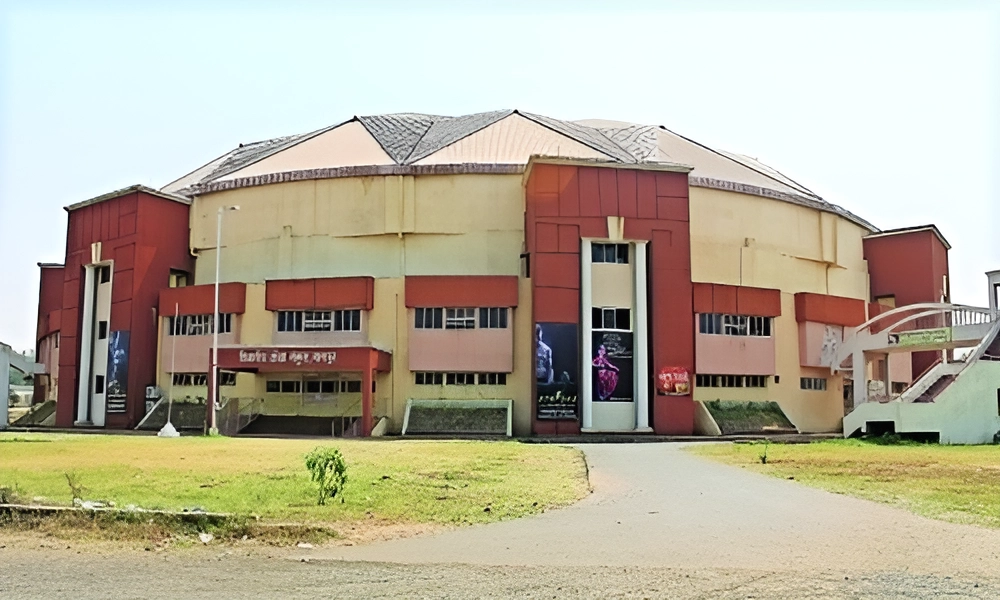
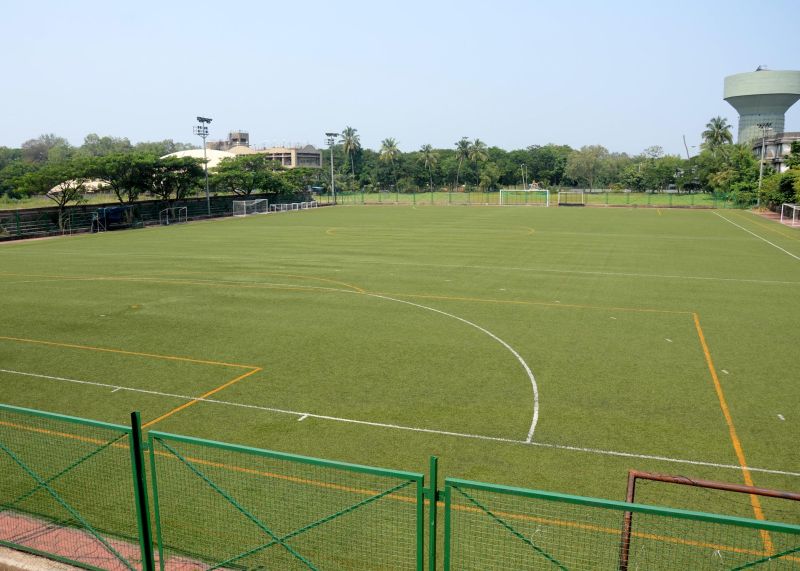
In a groundbreaking move to enhance sports infrastructure, the Maharashtra Government has given the nod to a staggering Rs 746.99 crore for the renovation and expansion of the Divisional Sports Complex situated in Mankapur, Koradi Road. This transformative decision aims to elevate the complex to State-Level status, akin to the prestigious Shiv Chhatrapati Sports Complex at Balewadi in Pune, setting the stage for international-standard sports facilities.

Divisional Sports Complex’s New Status

Maharashtra Sports Minister Sanjay Bansode (Maharashtra Government) shared that the State cabinet has greenlit this significant budget to not only renovate but also construct international sports facilities at the Divisional Sports Complex (Sports Complex Mankapur). This elevation grants the complex the esteemed status of a State-level sports facility, providing players, coaches, and the city itself access to top-notch sporting amenities and the ability to host national and international level competitions.

Revamping Infrastructure

During discussions, a proposal was made to upgrade the Divisional Sports Complex (Sports Complex Mankapur) mirroring the Chhatrapati Sports Complex in Balewadi, Pune. The ambitious plan includes the construction of a swimming pool, squash court, tennis court, basketball court, archery range, hockey, football pavilion, and more across the expansive 61 acres of land. This strategic development is poised to benefit not just Nagpur but the entire Vidarbha region.

Funding Details

According to a media release, the State Government had previously allocated Rs 51.20 crore for the Divisional Sports Complex in Nagpur, with an additional Rs 63.20 crore disbursed from the District Planning Committee through the Playground Development Scheme. The recent approval of Rs 746.99 crore marks a significant step forward in developing cutting-edge sports infrastructure.

Project Evolution

Minister Bansode (Maharashtra Government) revealed that a proposal of Rs 683.79 crore was initially presented for the complex’s upgrade. This was later approved, securing the enhanced budget of Rs 746.99 crore. This substantial investment is geared towards catapulting the Divisional Sports Complex into a hub of modern sports infrastructure, aligning with global standards.

Historical Allocations

In March 2023, the State Government had already earmarked Rs 100 crore for the Divisional Sports Complex, showcasing a continuous commitment to its development. Back in January 2020, the then-then-state government had put forth an ambitious expansion plan worth Rs 123 crore. The comprehensive proposal included constructing an international standard swimming pool, shooting range, hockey astroturf, a multipurpose sports indoor hall, and an athletics track, alongside the renovation of the existing indoor hall.

In the pursuit of promoting sports excellence and fostering a culture of athleticism, the Divisional Sports Complex in Nagpur is undergoing a transformative evolution. The infusion of Rs 746.99 crore demonstrates the government’s dedication to providing world-class facilities, encouraging local talent, and positioning Nagpur as a sports destination of global repute.

FAQs

Q: What prompted the decision to upgrade the Divisional Sports Complex?

A: The initiative stems from a proposal to align the complex with the standards set by the Chhatrapati Sports Complex in Balewadi, Pune, enabling the creation of top-tier sports facilities.

Q: How will the upgrade benefit the region?

A: The upgrade will not only benefit Nagpur but also the entire Vidarbha region, providing state-of-the-art amenities for players and coaches and facilitating national and international sports competitions.

Q: How much funding has been allocated previously?

A: The State Government had earlier disbursed Rs 51.20 crore for the Divisional Sports Complex, with an additional Rs 63.20 crore from the District Planning Committee for Playground Development.

Q: What facilities are included in the upgrade plan?

A: The comprehensive plan includes the construction of a swimming pool, squash court, tennis court, basketball court, archery range, hockey, football pavilion, and more.

Q: When was the initial proposal for the complex’s upgrade presented?

A: The proposal for the complex’s upgrade was presented in January 2020, with subsequent revisions and approvals leading to the current budget of Rs 746.99 crore.

Q: How does the recent approval contribute to the complex’s development?

A: The recent approval of Rs 746.99 crore signifies a significant leap forward, allowing the Divisional Sports Complex to evolve into a modern sports hub with international standards.

the Maharashtra Government’s substantial allocation of Rs 746.99 crore for the Divisional Sports Complex signifies a pivotal moment in the city’s sports infrastructure development. With a strategic focus on creating world-class facilities, this initiative positions Nagpur as a key player in the realm of sports, fostering talent and hosting prestigious competitions on a national and international scale.

Nagpur Set for International-Level Sports Complex

In a significant move, the Maharashtra Government has allocated a whopping Rs 746.99 crores to establish an international-level sports complex in Nagpur. The purpose is to host sports events not only at the state and national levels but also on the international stage. Minister of Sports and Youth Affairs, Sanjay Bansode, shared this exciting development.

The upcoming sports complex in Nagpur (International Sports Complex Nagpur) aims to provide top-notch facilities for athletes and their trainers. Drawing inspiration from the Chhatrapati Sports Complex in Balewadi, Pune, the renovation of the regional sports complex has received a green signal from the Maharashtra Ministry. The proposal includes revamping key areas such as the swimming pool, squash court, tennis court, basketball court, archery range, hockey7, and football pavilion.

Under this ambitious project, sports enthusiasts can anticipate facilities of international standards, offering athletes and their trainers an environment conducive to honing their skills.

The funding for this initiative is substantial, with a total of Rs 63.20 crore already released, including Rs 51.20 crore from the State Plan and Rs 12 crore from the District Planning Committee. The State Government received an estimate of Rs 683.79 crore, and subsequently, it has approved Rs 746.99 crore for the comprehensive development of the sports complex. Minister Bansode emphasized that this investment aims to make the facility well-equipped for hosting international-level sports events.

This strategic initiative not only underscores the commitment of the Maharashtra Government to sports development but also positions Nagpur as a hub for top-tier sporting events. The infusion of funds and the planned renovations signal a promising future for the sports community in the region.

Click2Cloud Unveils Ambitious AI Venture at Mihan-SEZ, Nagpur

Nagpur witnessed a groundbreaking event on Sunday as Click2Cloud, the brainchild of entrepreneur Prashant Mishra, unveiled its artificial intelligence (AI) unit at the Mihan-SEZ. Mishra, a prominent figure who once contested Lok Sabha elections from Bhandara, is set to pioneer a new era in AI technology. The company, having secured co-developer status, plans to initiate the development of 80,000 sq ft on its 1.8-acre plot within the SEZ.

Click2Cloud’s ambitious project signals a remarkable milestone in the region, with the potential to accommodate up to 4,000 tech professionals. Despite this expansive capacity, the initial operations are slated to begin with a modest workforce of 400 employees. Mishra envisions broader job creation, estimating around 1,000 jobs when considering other entities to be involved.

Vision for Agricultural Revolution

Mishra shared insights into Click2Cloud’s visionary approach, particularly its focus on revolutionizing the agriculture sector. The AI-based product aims to empower farmers by providing real-time information about soil conditions through cutting-edge technology. Currently servicing seven countries, along with select areas in India, Click2Cloud is positioned as a global player in agricultural technology.

Challenges Addressed at Inauguration

During the inauguration ceremony, Development Commissioner Sraman Vasireddy raised crucial concerns about the Mihan-SEZ project. In the presence of Union Minister Nitin Gadkari, the chief guest at the event, Vasireddy emphasized the need for strategic interventions. Acknowledging the challenges faced by the SEZ, he urged Gadkari to assume the role of chief patron for the unit holders advisory committee.

Vasireddy highlighted the existing gap in operational units, revealing that out of 96 allocated units, only 36 are currently operational within the SEZ. The active land occupancy stands at 243 hectares, a fraction of the total available land. Seeking Gadkari’s support, Vasireddy proposed an extensive marketing campaign for Mihan-SEZ through road shows and seminars across the nation.

Advocating for Mihan’s Prosperity

The minister was apprised of the imperative to enhance awareness and attract investments to Mihan-SEZ. Vasireddy stressed the necessity of robust marketing strategies to bolster the region’s economic growth. The proposal included the establishment of an advisory committee, predominantly comprising representatives from companies within Mihan, fostering collaboration and sustainable development.

In conclusion, Click2Cloud’s foray into Mihan-SEZ marks a significant leap for AI technology, while the strategic discussions during the inauguration underscore the collective efforts required to propel Mihan’s growth. With Gadkari urged to champion the cause, the future holds promise for both technological innovation and economic prosperity in the region.

Parking in Sitabuldi Market: A Game-Changing Multi-Level Plaza to Emerge Soon

Introduction

Nagpur: Parking challenges in Sitabuldi market are about to become a thing of the past, thanks to the upcoming inauguration of Nagpur Municipal Corporation’s cutting-edge multi-level automated parking plaza, set to open its doors in early March. This groundbreaking facility, crafted at a cost of 15 crore by the esteemed M/s. Spark Constructions Private Limited, aims to transform the parking landscape by providing accommodation for approximately 200 two-wheelers and 16 cars.

The Visvesvaraya Multi-level Parking Plaza: A Marvel in the Making

Construction by M/s. Spark Constructions Private Limited

Situated in the heart of Sitabuldi, the Visvesvaraya Multi-level parking plaza is on the verge of completion, pending final touches such as specific fire safety measures and the activation of an electricity transformer. Crafted at a cost of 15 crore by the highly reputable M/s. Spark Constructions Private Limited, this state-of-the-art facility is a testament to modern engineering and urban development.

Key Milestones and Regulatory Compliance

Insights from Nagpur Smart and Sustainable City Development Corporation Limited (Smart City)

Sources within the Nagpur Smart and Sustainable City Development Corporation Limited (Smart City) reveal that the plaza is in its final stages, awaiting approval from the National Institute of Technology (VNIT). VNIT is entrusted with conducting third-party audits, ensuring the lift’s carrying capacity and scrutinizing other critical systems. This meticulous process aims to guarantee the plaza’s safety and functionality before it opens to the public.

Anticipated Opening and Parking Charges

Insider Information on Opening Day and Charges

Anonymously sourced officials suggest that the plaza is poised to welcome the public in early March, marking a significant milestone in Sitabuldi’s infrastructure evolution. While the parking charges are still under consideration, it is anticipated that a three-hour slot for four-wheelers may cost around Rs50, with rates for two-wheelers expected to be more economical.

Amid procedural hurdles related to land usage changes and contractual obligations, the project faced delays. However, as the opening day approaches, optimism resonates among Sitabuldi’s traders, envisioning a less congested and more shopper-friendly environment.

Addressing Challenges and Future Considerations

Potential Impact on Traffic and Market Dynamics

Though the plaza may not entirely eradicate parking challenges, stakeholders believe it will play a pivotal role in reducing traffic congestion and providing relief for both shoppers and traders. Acknowledging the evolving needs of the market, there is a collective recognition that further measures might be necessary to comprehensively address the changing dynamics of Sitabuldi.

FAQs: Unveiling Insights on the Visvesvaraya Multi-level Parking Plaza

  1. Q: When is the Visvesvaraya Multi-level parking plaza expected to open?
    • A: The plaza is likely to open its doors in early March, pending final approvals.
  2. Q: What is the estimated cost of the project?
    • A: The state-of-the-art facility has been constructed at 15 crore by M/s. Spark Constructions Private Limited.
  3. Q: What role does VNIT play in the project?
  4. Q: Are there considerations for parking charges?
    • A: While charges are still under consideration, it is anticipated that a three-hour slot for four-wheelers may cost around Rs50.
  5. Q: What were the primary challenges faced during the project?
    • A: Delays stemmed from procedural hurdles related to land usage changes and contractual obligations.
  6. Q: Will the parking plaza entirely solve parking issues in Sitabuldi market?
    • A: While not a complete solution, it is expected to significantly reduce traffic congestion and provide relief to shoppers and traders.

A New Era in Sitabuldi’s Parking Landscape

 the impending inauguration of the Visvesvaraya Multi-level parking plaza heralds a new era in Sitabuldi’s parking landscape. Crafted with precision by M/s. Spark Constructions Private Limited, this state-of-the-art facility is poised to address longstanding parking challenges, bringing relief to both shoppers and traders. As the city eagerly awaits its opening, the plaza stands as a testament to innovation and progress in urban infrastructure.

Exit mobile version